Vitamins For Active Seniors
(0 Results)
Vitamins for active seniors offer a convenient way to support wellness and help maintain an energetic lifestyle. Whether enjoying daily walks, group fitness classes, or new hobbies, choosing the right supplements may help you stay at your best. Explore a selection of vitamins for active seniors designed to complement healthy routines and encourage vitality at every stage.

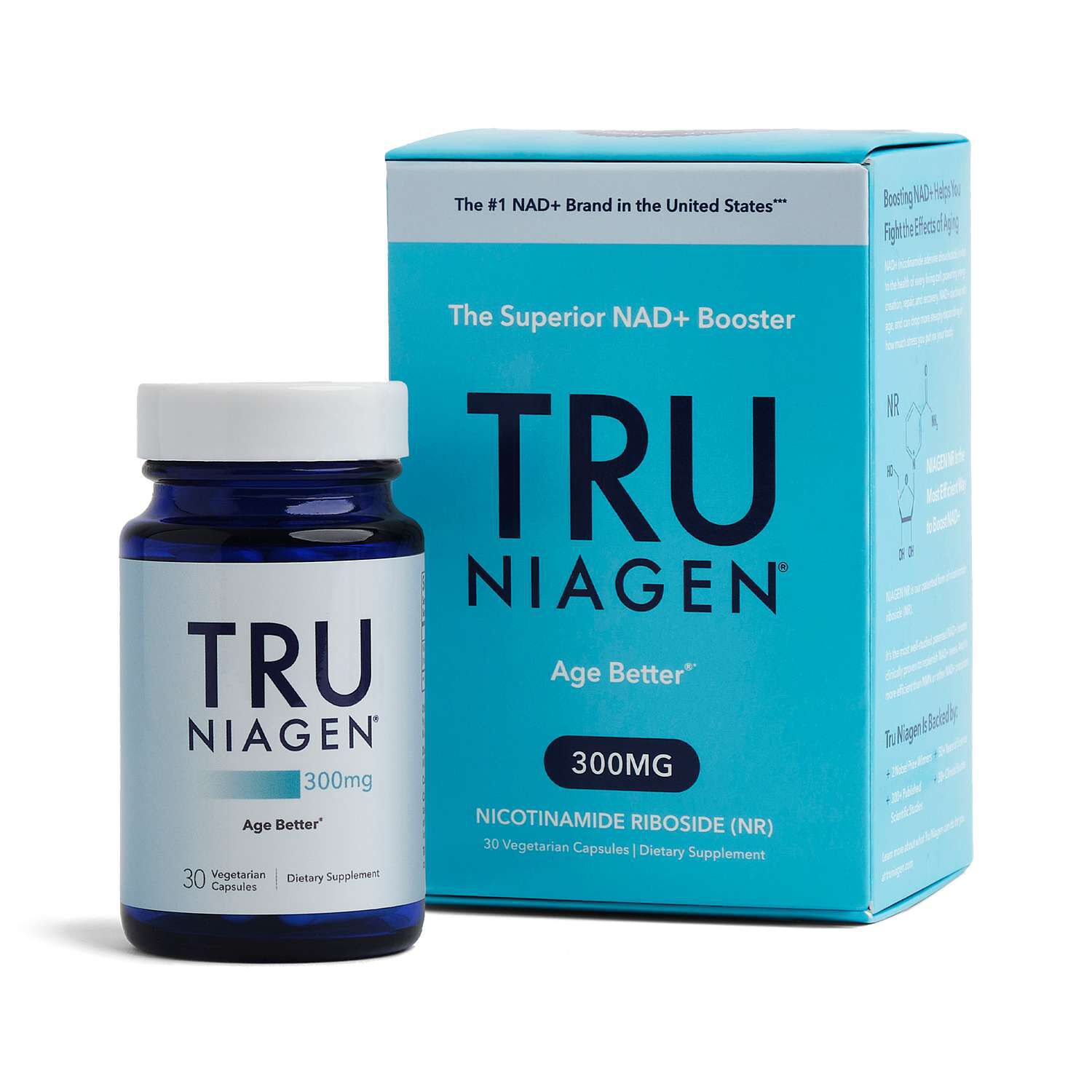

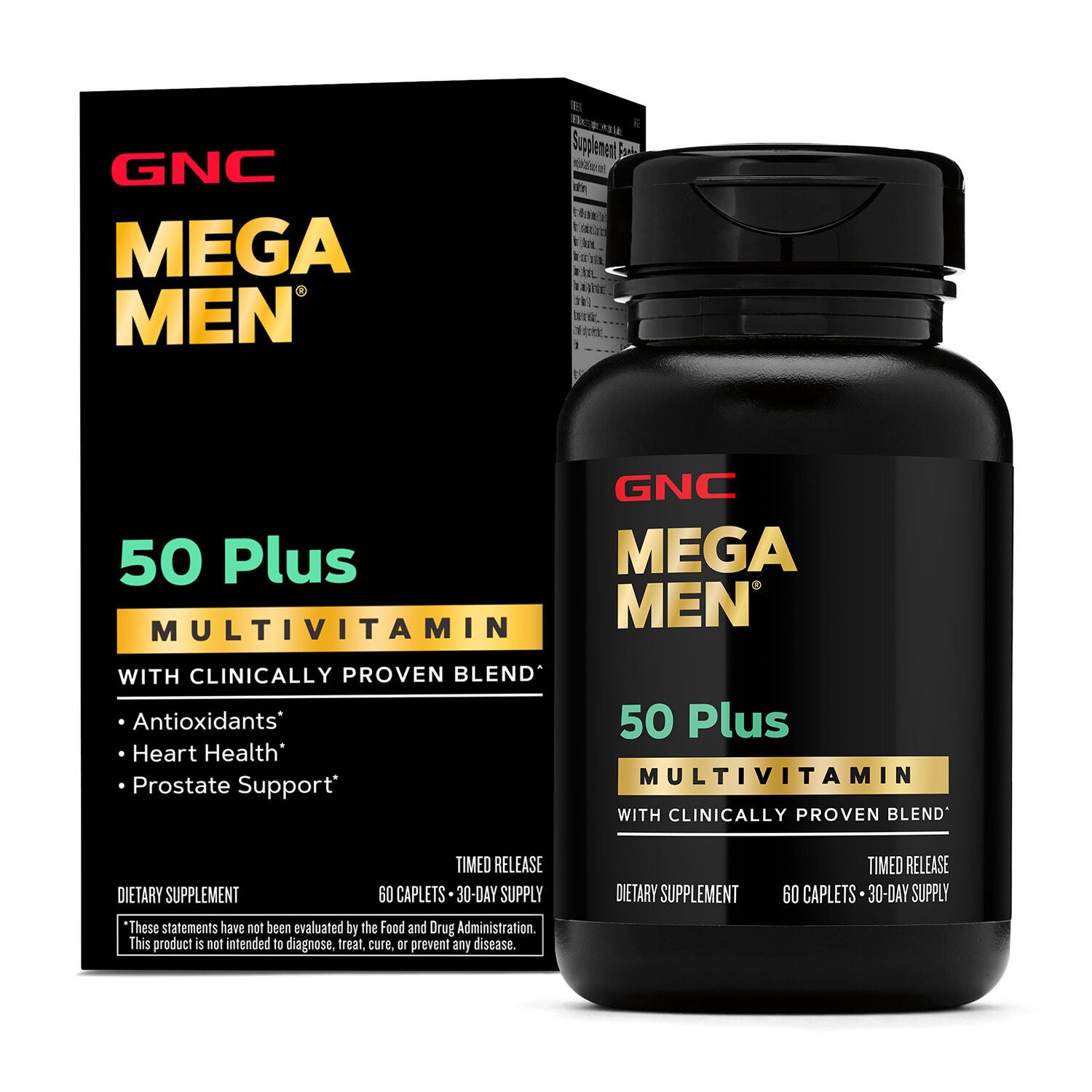
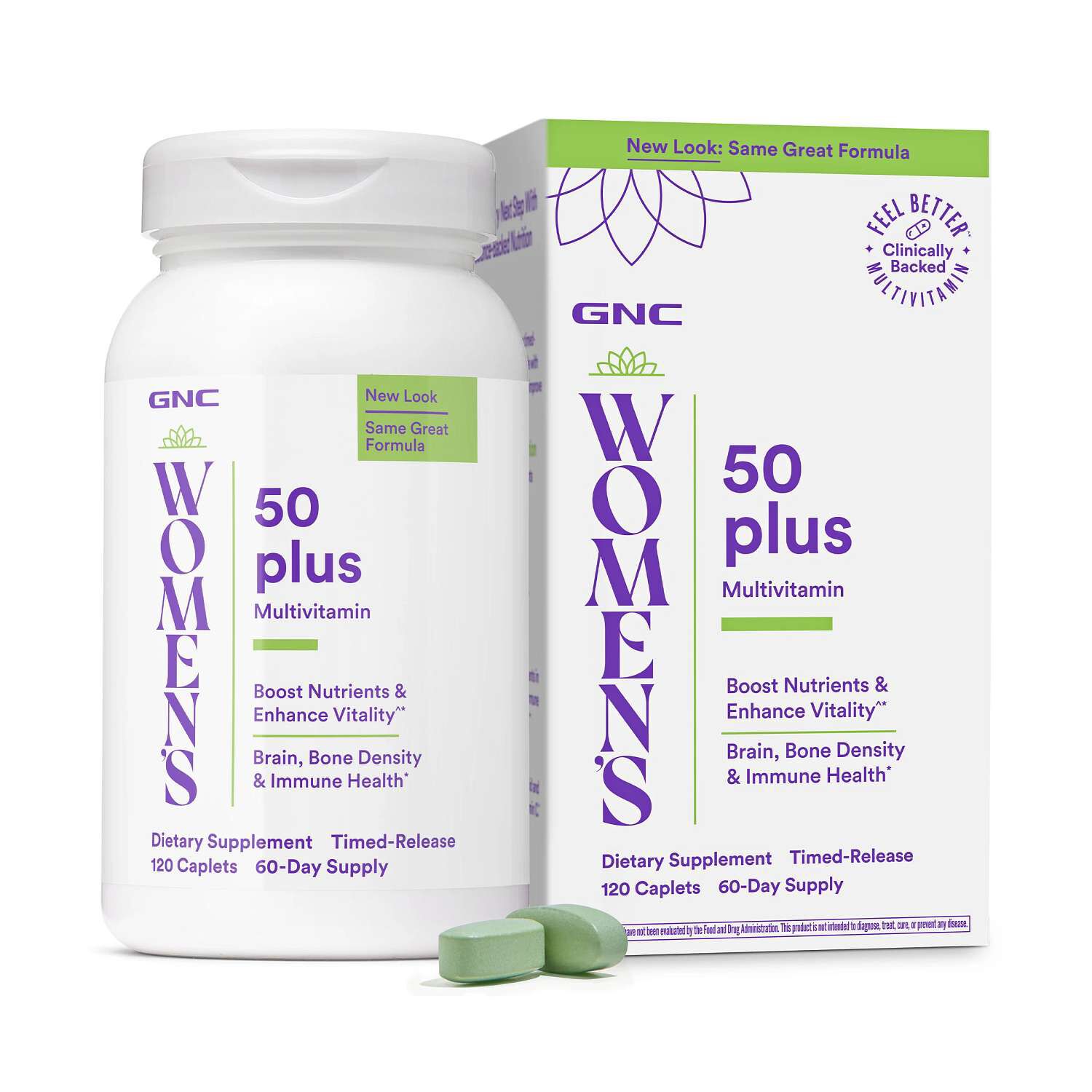

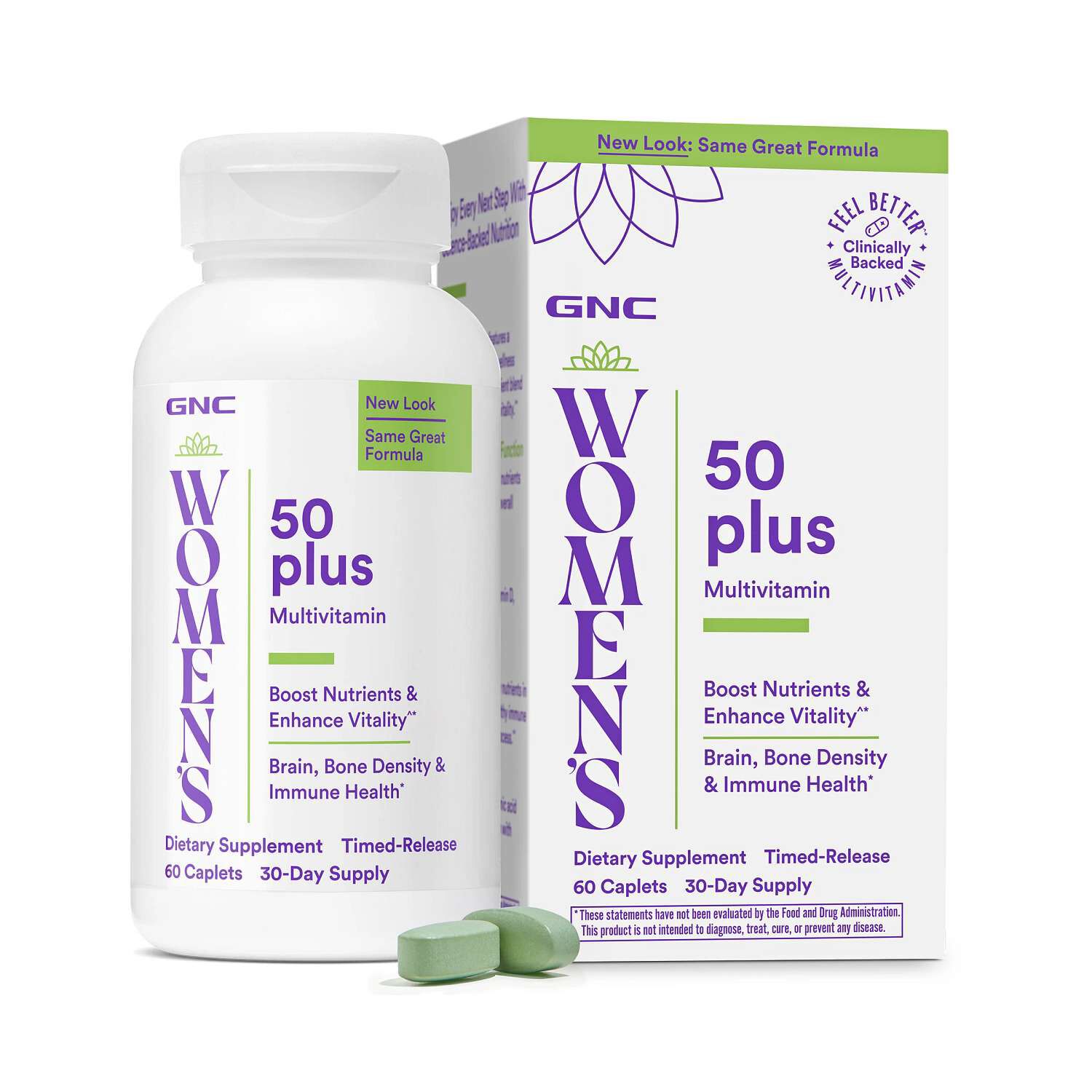

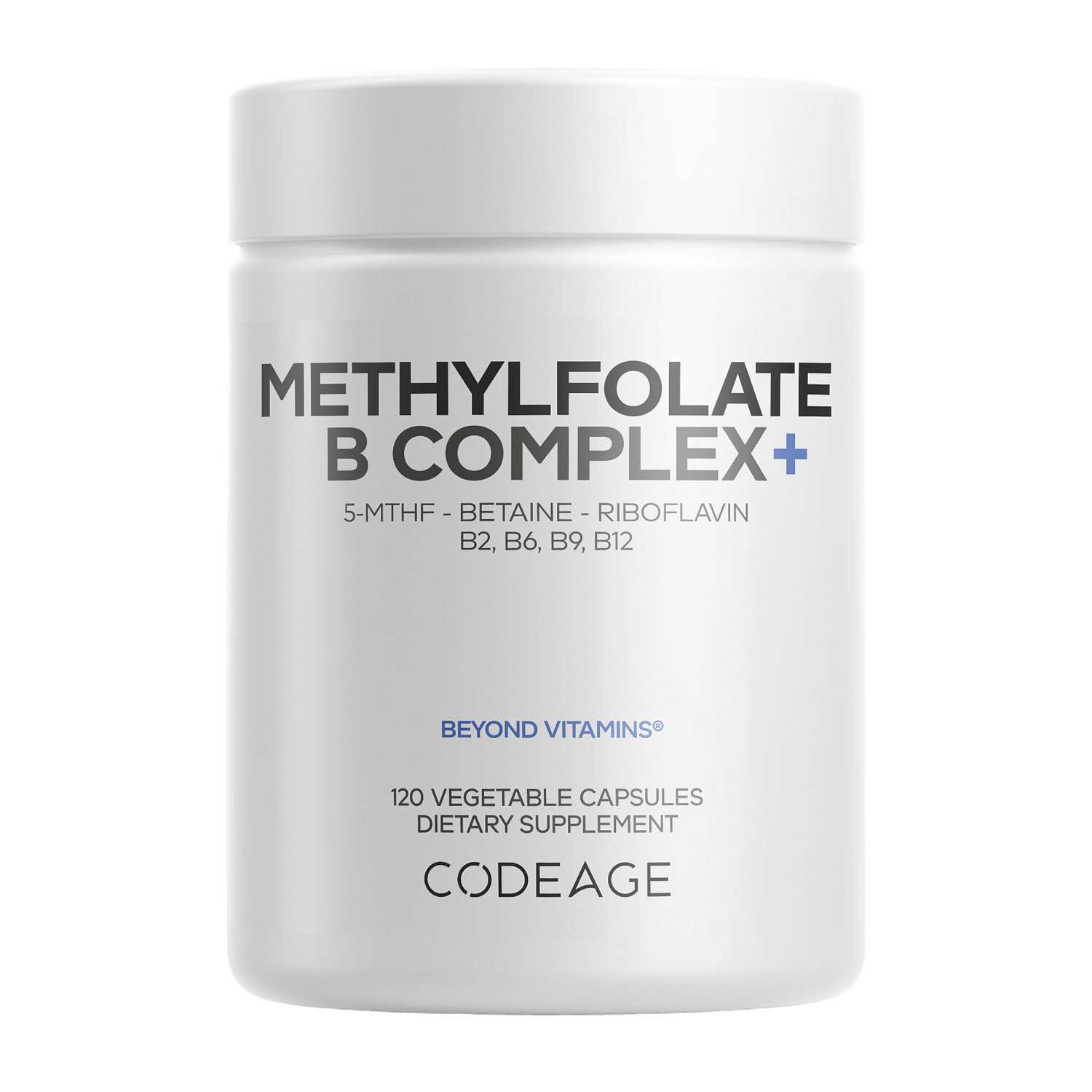
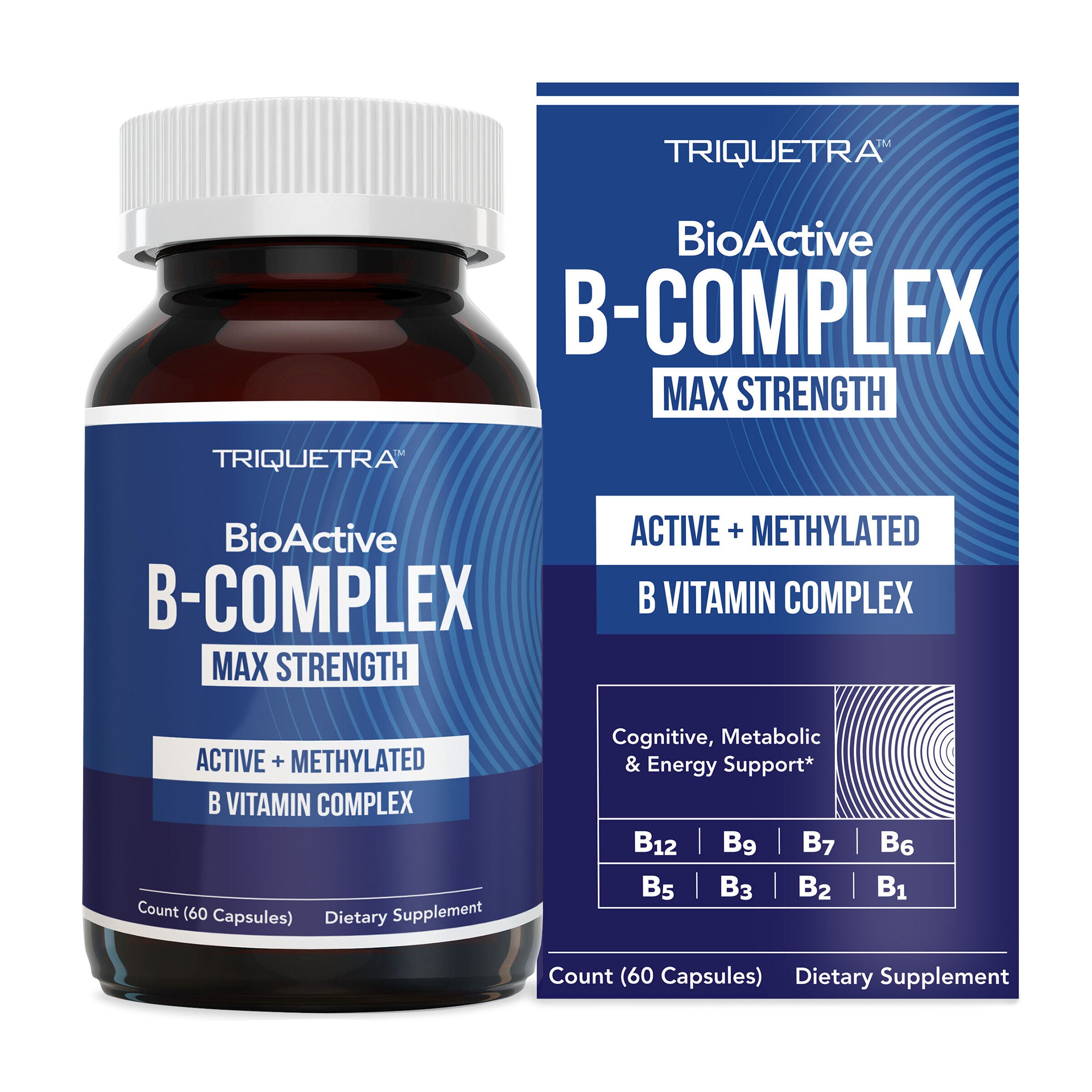
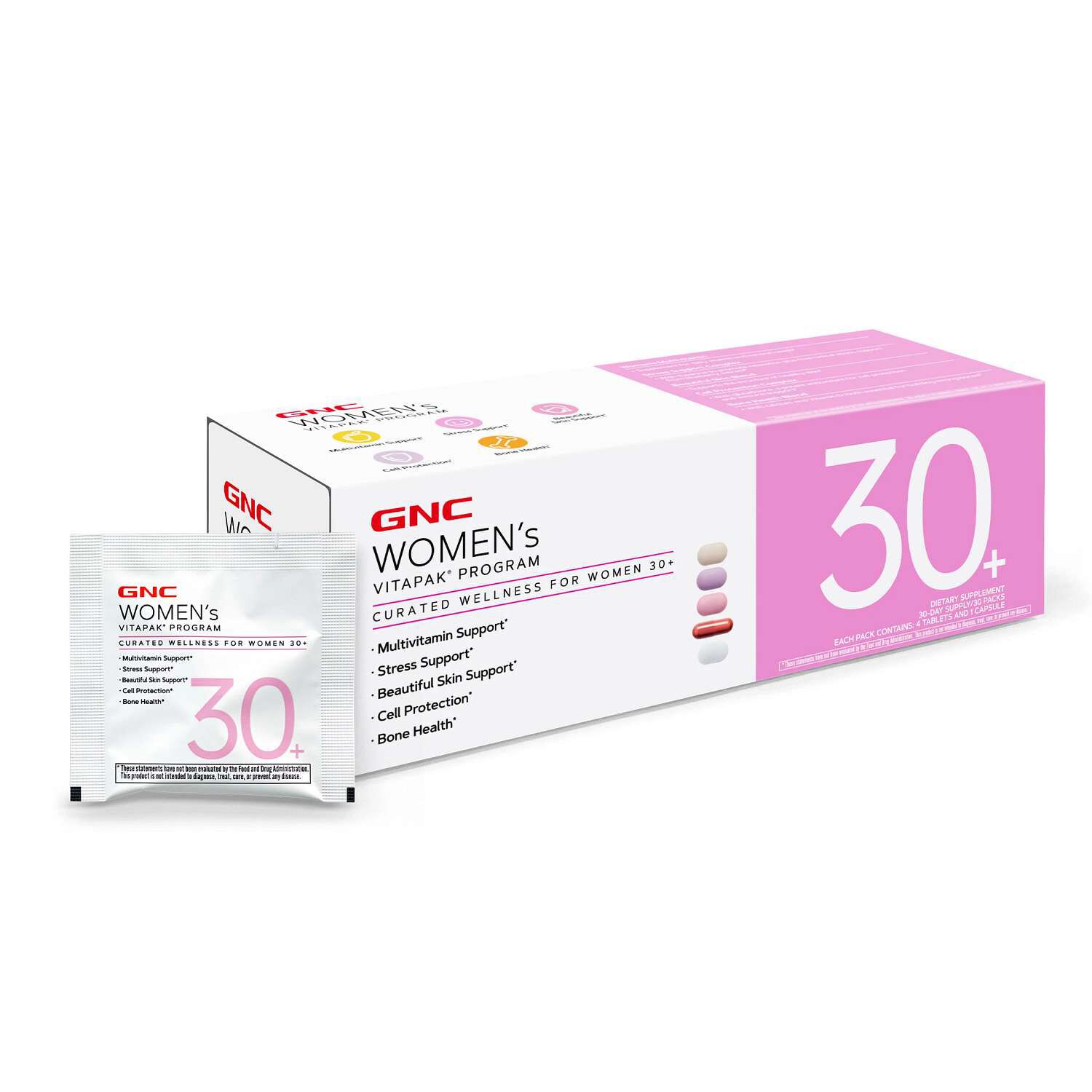
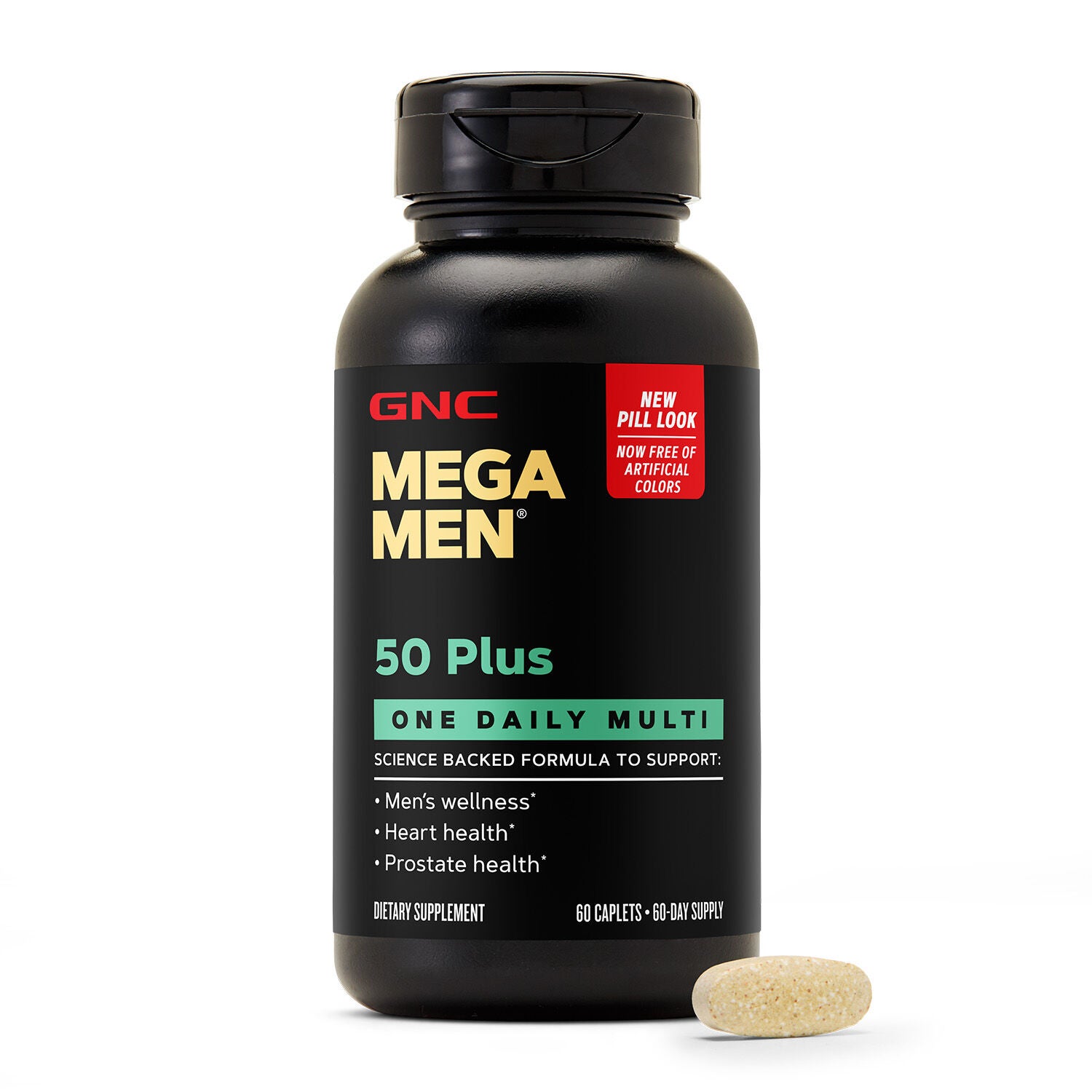
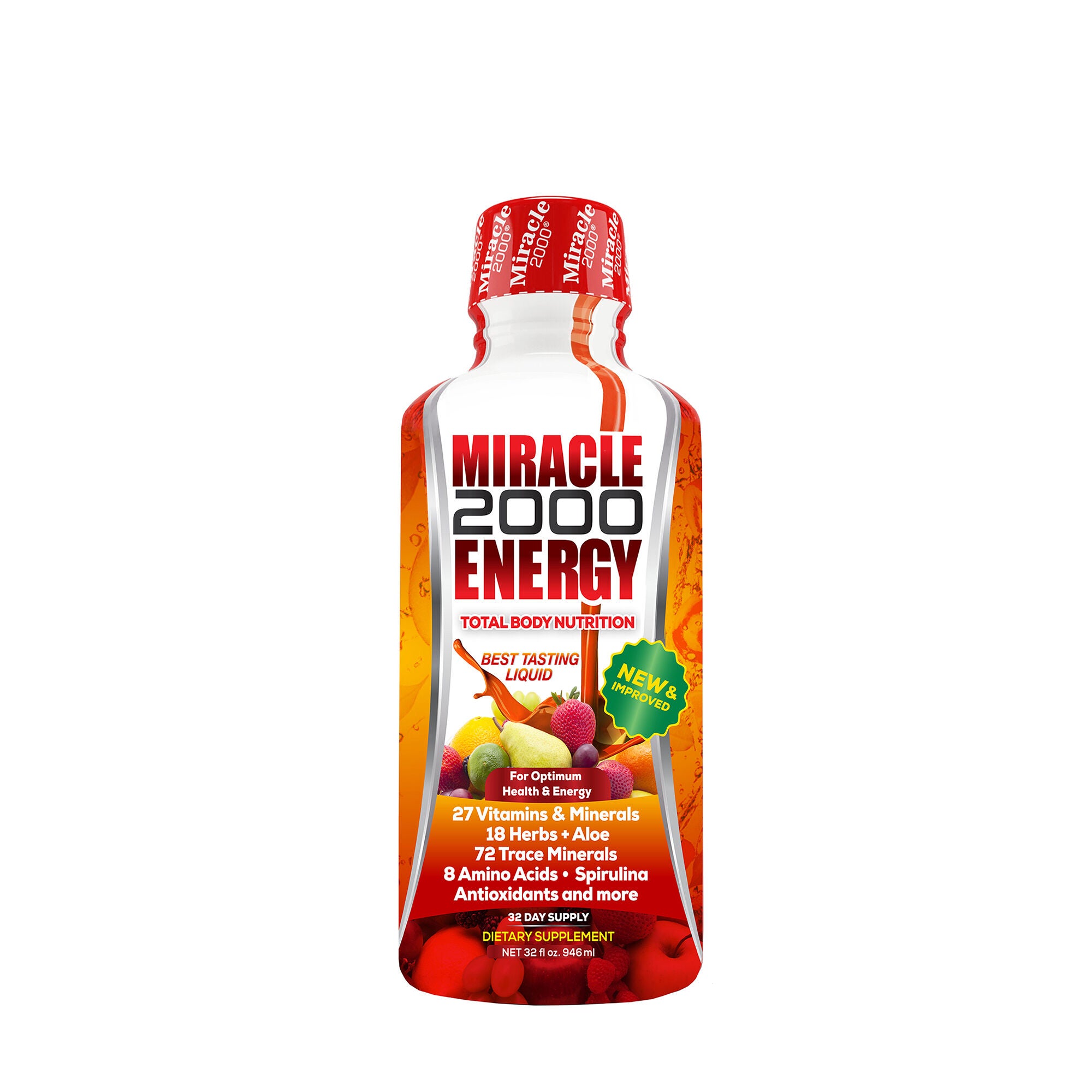

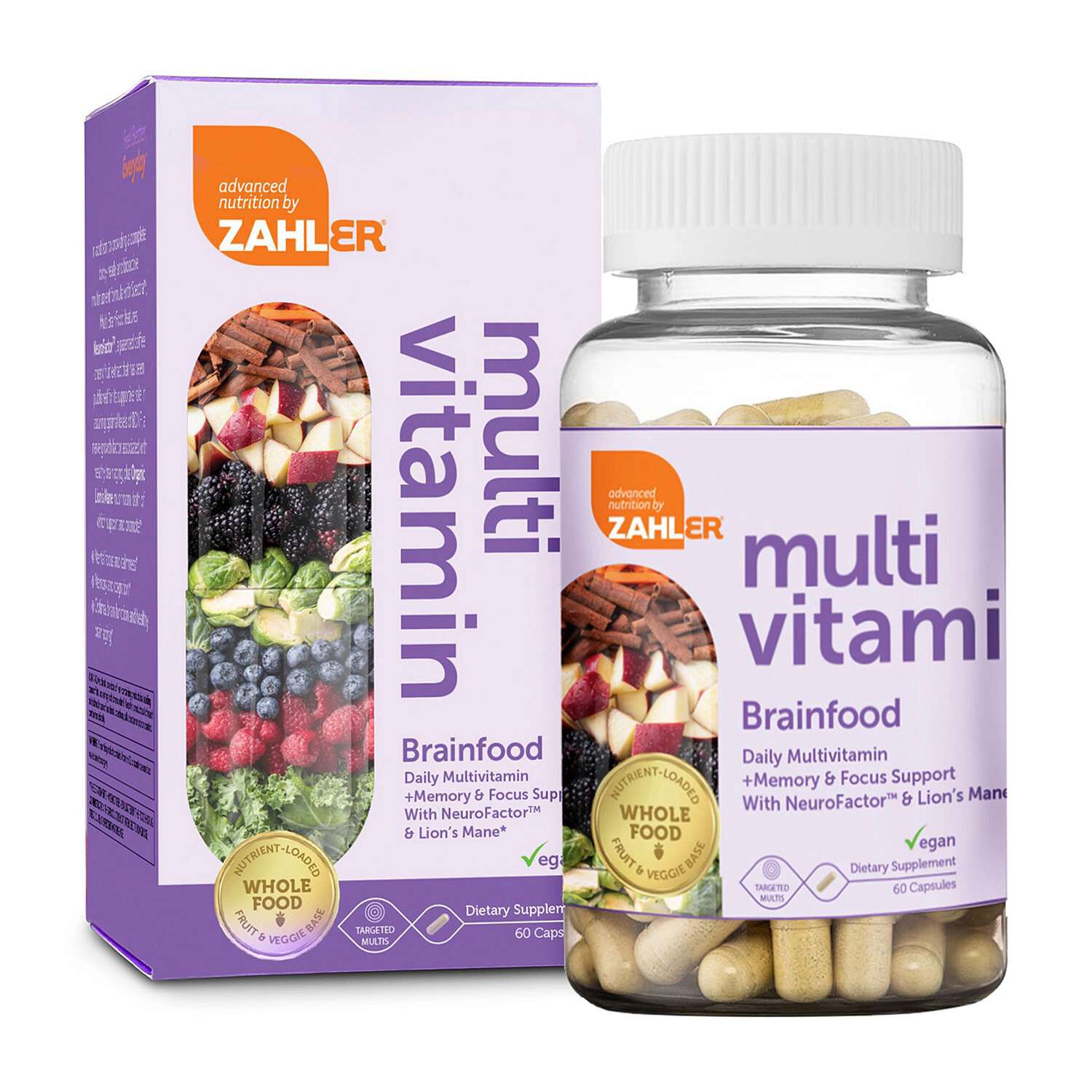

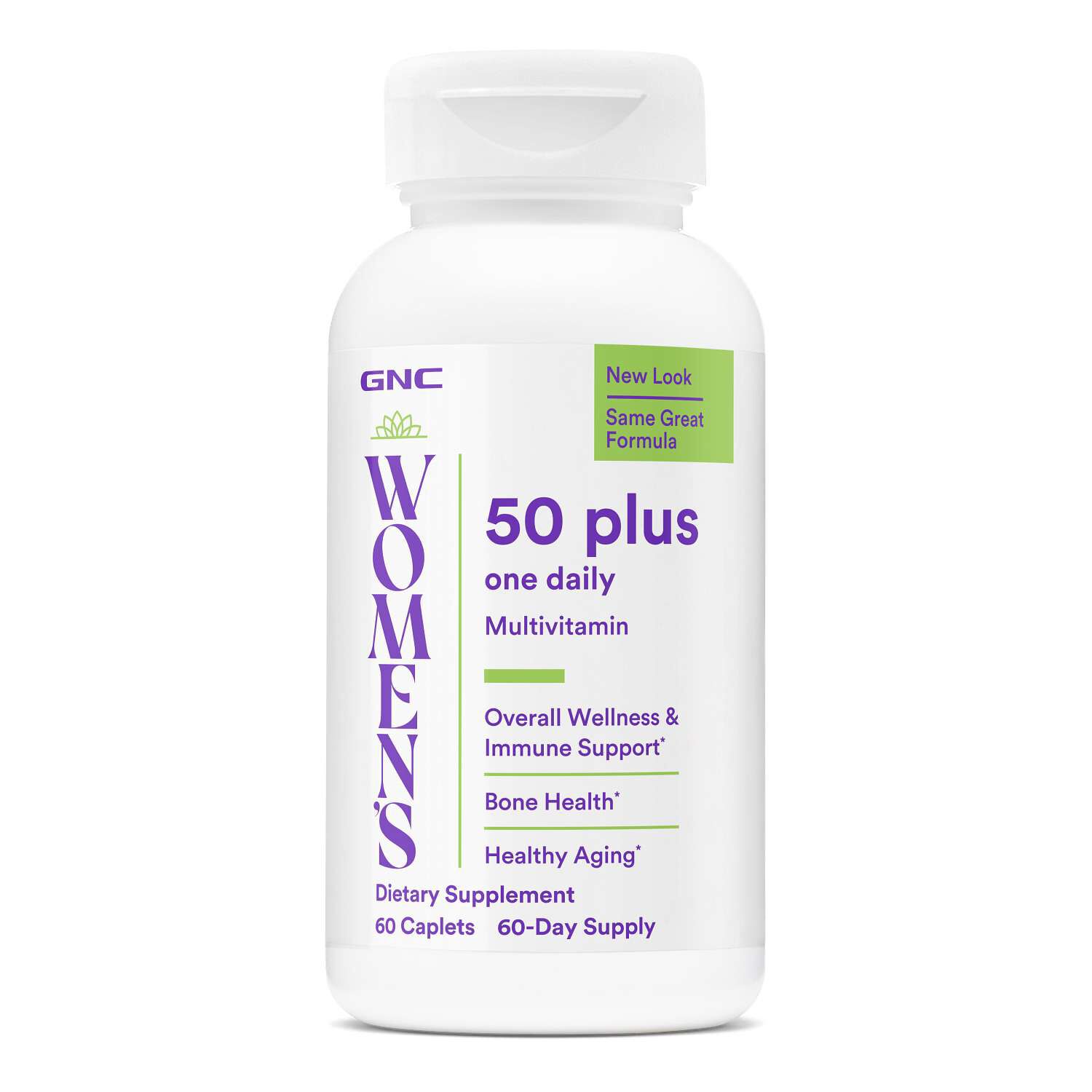


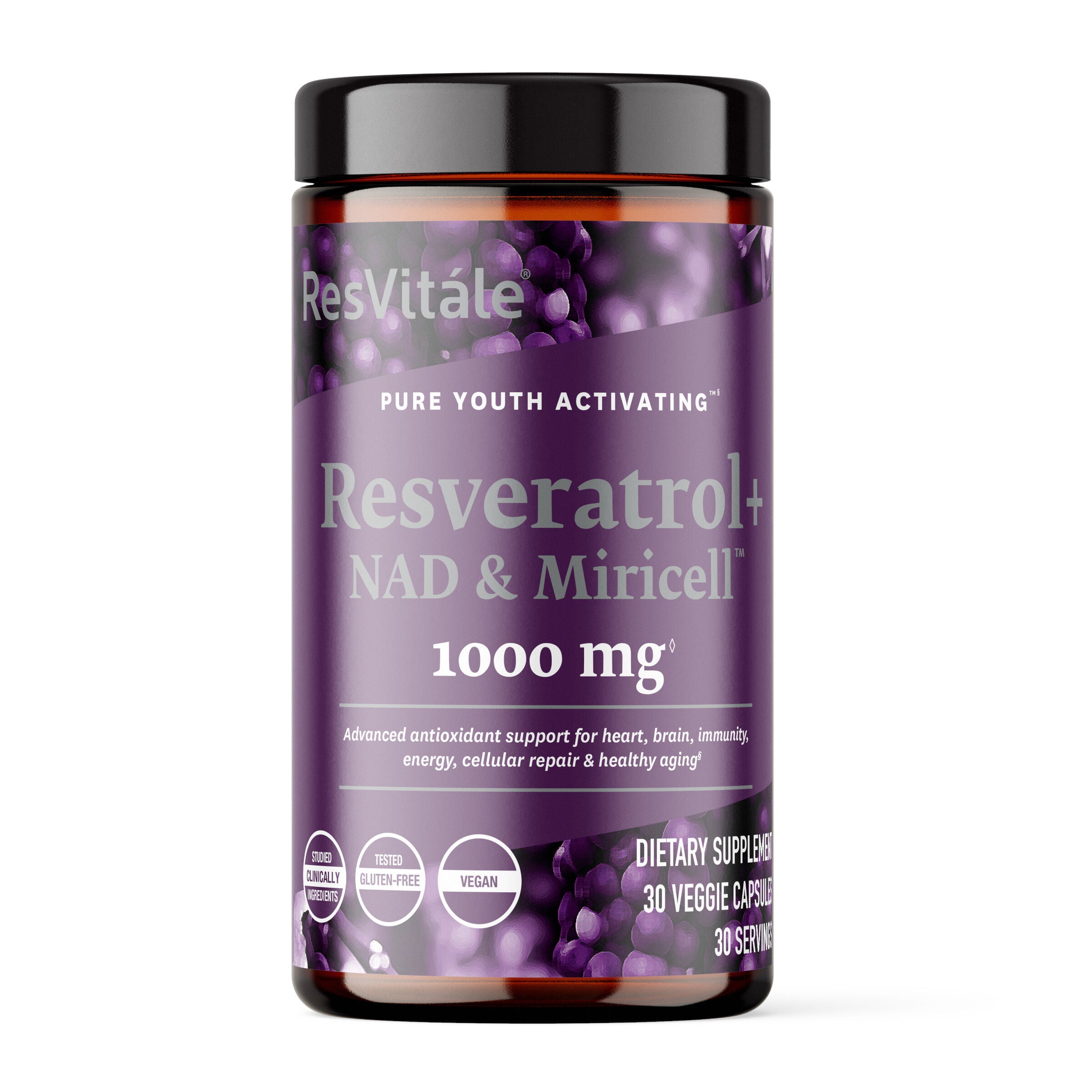

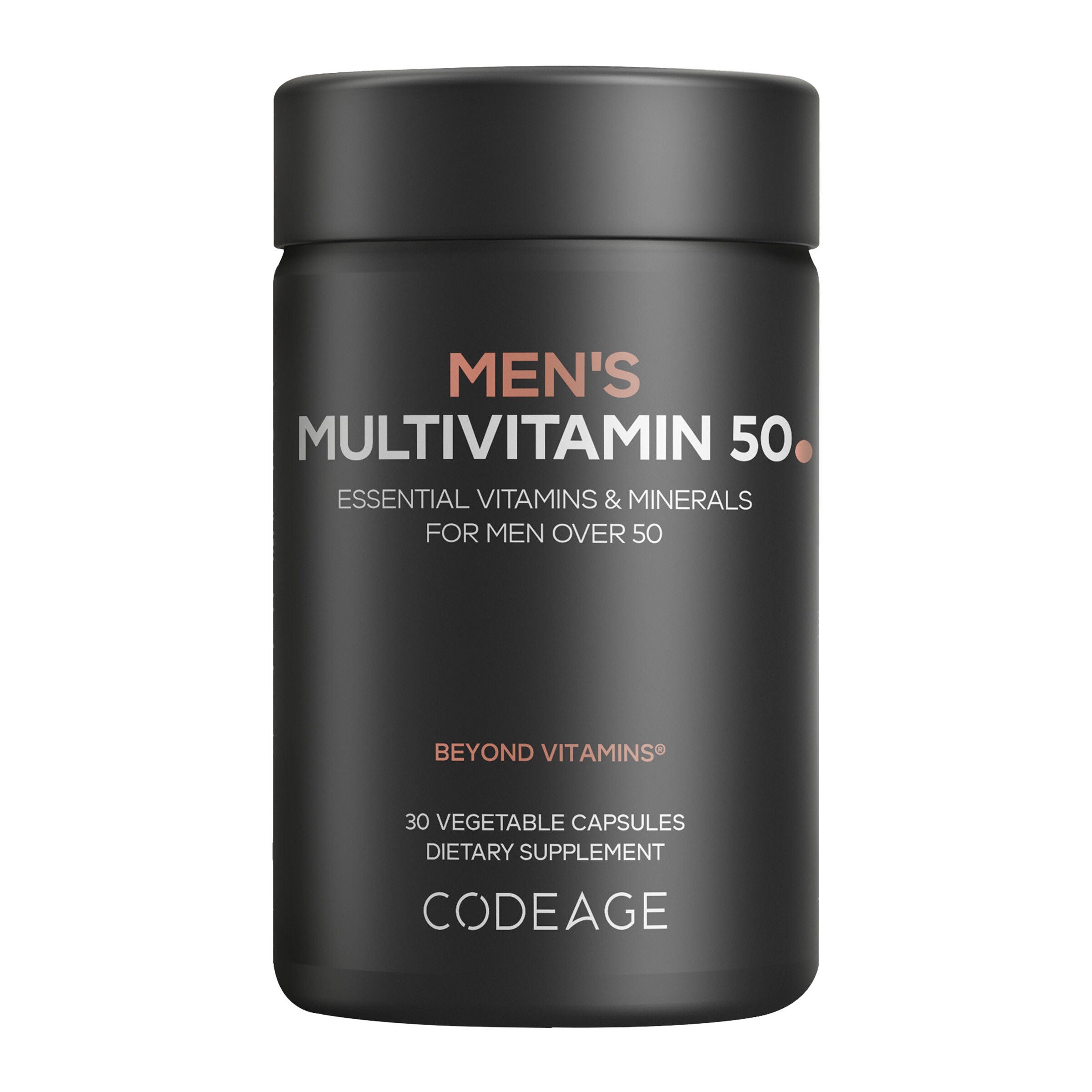
Vitamins for active seniors can be part of a daily routine that includes varied meals, enjoyable movement, and time spent doing the things that matter. An active lifestyle looks different from person to person: a morning walk with neighbors, an afternoon tending raised garden beds, a doubles match, or a day exploring a museum with grandchildren. The relevant product considerations are just as individual, including the nutrients in a formula, its serving size, and how comfortably its format fits into an established routine. Multivitamins combine several vitamins and minerals in one formula, while single-nutrient supplements focus on an individual ingredient. Vitamin D and calcium may support normal bone maintenance, and vitamin B12 and other B vitamins may support normal energy metabolism. Magnesium, a mineral rather than a vitamin, may support normal muscle function. These nutritional roles are different from an immediate feeling of energy or a noticeable change during exercise. A product’s intended use is better understood through its ingredient panel and labeling than through an expectation of a particular workout result. Food also remains part of the picture. Dairy foods and fortified alternatives can contain calcium, fish and eggs can provide vitamin B12, and beans, nuts, and leafy vegetables can contribute magnesium. Vitamins for active seniors may complement that broader eating pattern, rather than replace the variety offered by meals. Age-focused formulas can differ in both their nutrient selection and their ingredient amounts, so the word “senior” alone does not describe everything inside a container. Some formulas bring together a wide range of vitamins and minerals, while others have a narrower nutritional focus. For shoppers who enjoy regular activity, the most relevant distinctions are often practical ones: whether a formula matches the nutritional focus they are looking for, whether its serving directions fit their day, and whether the product is pleasant enough to become a familiar part of the routine.
Product format adds another layer to the comparison. Tablets, capsules, softgels, chewables, gummies, and powders have different textures, dimensions, and serving requirements. A compact tablet may appeal to someone who prefers a straightforward format, while a chewable offers a different experience for someone who dislikes capsules. Gummies have their own ingredient considerations, including sweeteners, flavors, and the number of pieces in a serving. Powders involve measuring and mixing, making preparation time and the accompanying beverage relevant to everyday use. Capsule shells may contain gelatin or plant-derived materials, and softgels can include ingredients beyond the nutrients highlighted on the front label. For shoppers with dietary preferences, the full ingredient list and allergen statements provide more useful detail than a general description of the format. Flavor, texture, and tablet dimensions matter because a product that looks convenient on a shelf may feel different in daily use. Serving size is equally important: the nutrient amounts on a supplement facts panel refer to the labeled serving, which may consist of more than one tablet, capsule, or chewable. Daily Value percentages offer a standardized labeling reference, not a description of one person’s nutritional needs. Ingredient overlap can also be a meaningful distinction when comparing a multivitamin with separate vitamin or mineral products. Independent third-party testing adds another point of comparison, although the scope of testing varies. A testing mark may relate to ingredient identity, labeled amounts, or selected quality measures; the accompanying explanation provides context about what was evaluated. Packaging and storage deserve attention as well. A clearly printed label, a closure that is comfortable to handle, and accessible serving directions can make a container easier to use. Vitamins are not durable goods in the same sense as exercise equipment, but packaging condition, expiration dates, and labeled storage requirements remain relevant to product care. A bathroom shelf exposed to shower steam or a kitchen spot beside the stove may not match those requirements.
The best fit for an active senior’s routine is not necessarily the formula with the longest ingredient list or the largest number on its label. Differences in nutrient amounts, serving format, dietary preferences, and preparation requirements give similar-looking products distinct uses. Someone who enjoys an early walk followed by breakfast may prefer a product with directions that fit that established schedule. A frequent traveler may place more emphasis on a securely closing container and easy-to-read labeling. Someone who spends weekends gardening or attending community activities may value a simple format that does not require mixing or extra equipment. These details concern convenience and intended use, rather than suggesting that vitamins can replace meals, rest, or regular movement. Men’s age-focused multivitamins are another category within this broader theme, with formulas that can differ in mineral content and nutrient combinations. Multivitamins For Active Senior Men provides a related point of comparison for shoppers exploring that category. A men’s label is still only one part of a product’s description; the supplement facts panel, ingredient list, and serving directions reveal the more specific differences between formulas. Products considered for a parent, partner, or other family member are most thoughtfully matched to that person’s established preferences, rather than selected solely because of age or activity. Familiarity with a preferred format, flavor, or nutritional focus can be more useful than assumptions about what an older adult needs. Clear labeling also matters after purchase, particularly when several household members keep similar containers in the same cabinet. Original packaging keeps ingredient information, directions, and expiration details together. Across the category, vitamins for active seniors offer different ways to organize supplemental nutrition around everyday life. Their appeal lies in finding a well-described formula and a manageable format that fit the person using it, whether that routine includes neighborhood walks, recreational sports, volunteer work, or simply staying engaged with family and community.