





Vitamins For Seniors
(0 Results)
As we age, it becomes increasingly important to prioritize our health and well-being. Our selection of vitamins for seniors is specifically curated to support healthy aging and address common nutritional deficiencies that may arise with age. From bone health to cognitive function, these supplements are designed to help seniors maintain their vitality and overall wellness. Browse our range of high-quality vitamins tailored to meet seniors' unique nutritional needs and start prioritizing your health today.
-

-
-

-

-
-
-

-
 $42.99
-
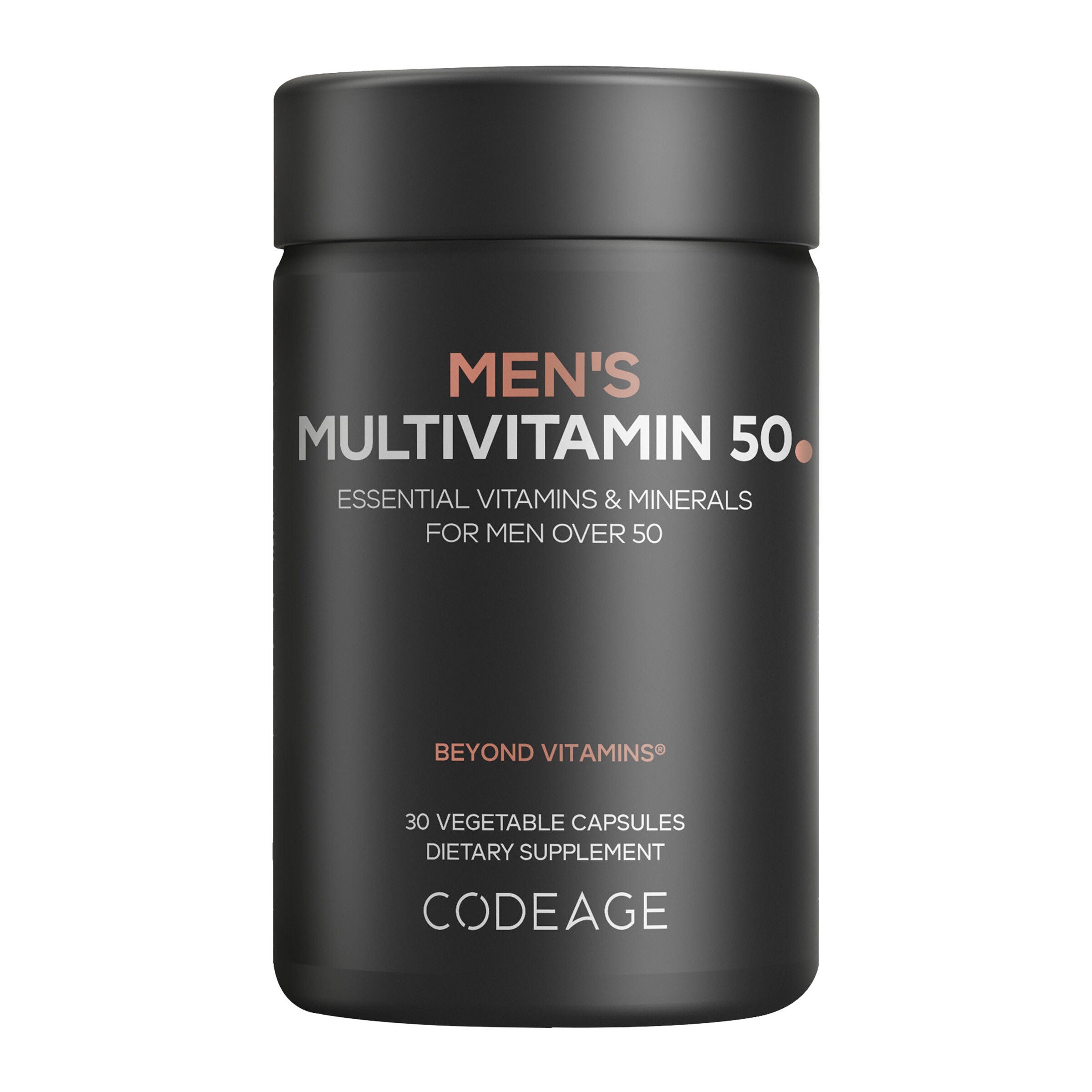

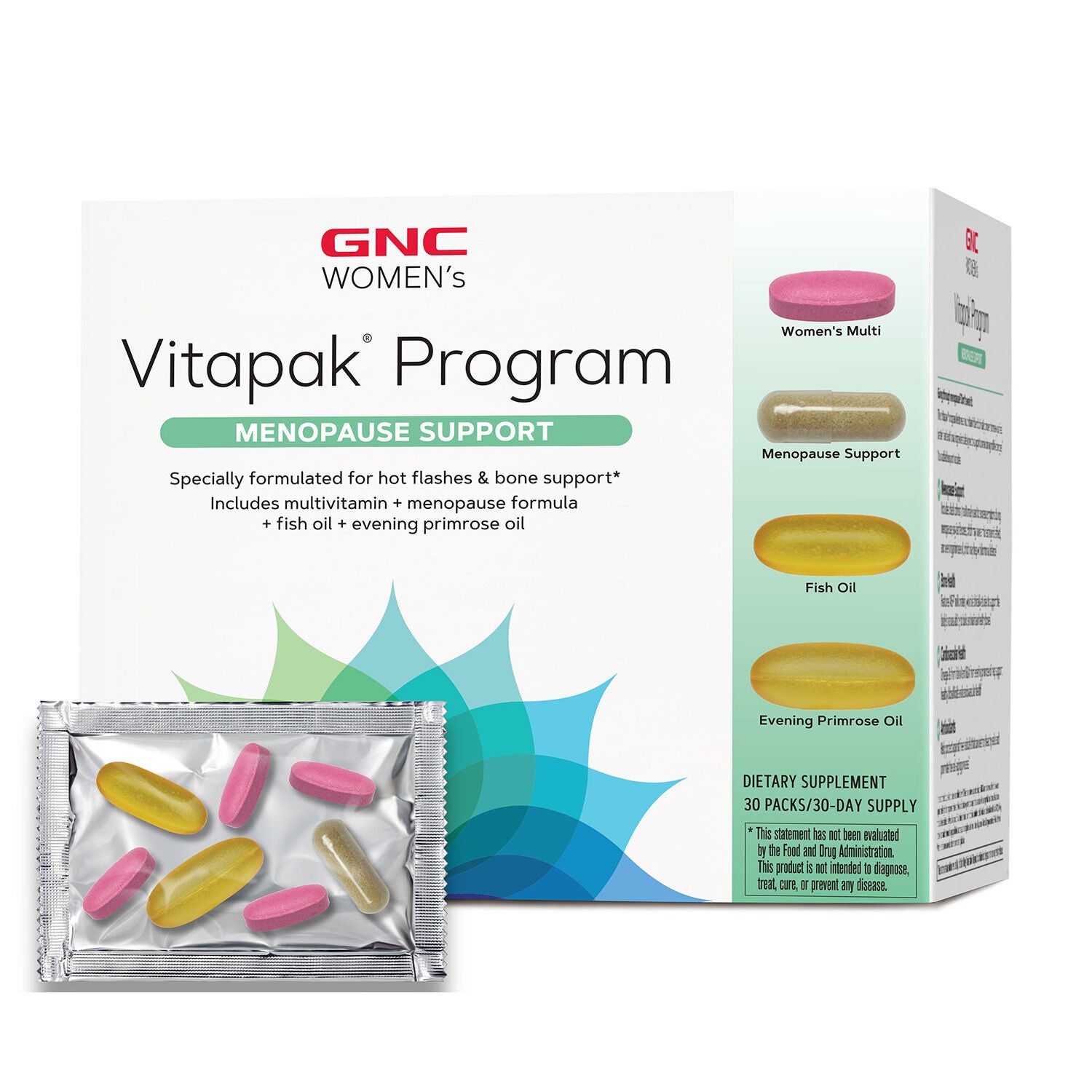
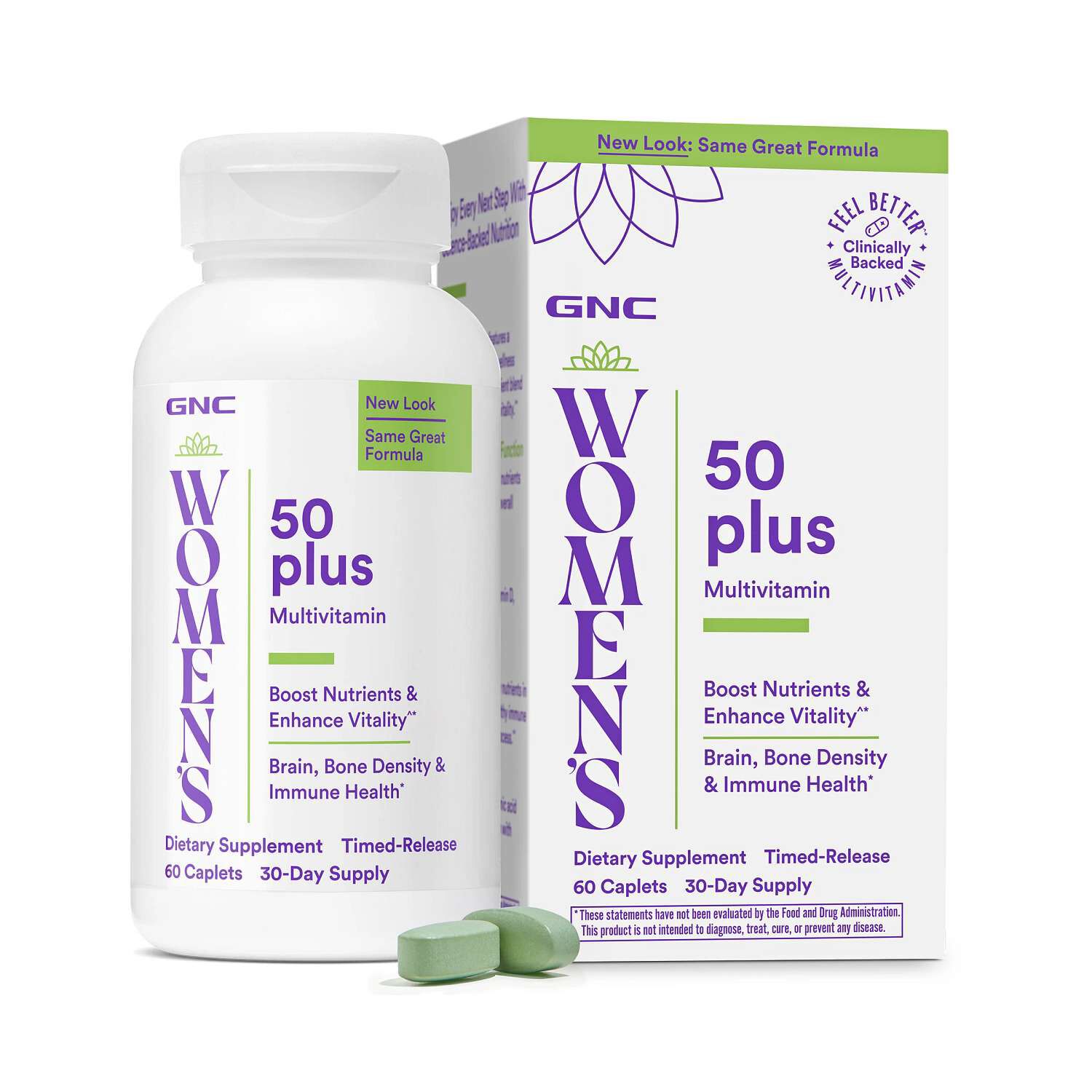
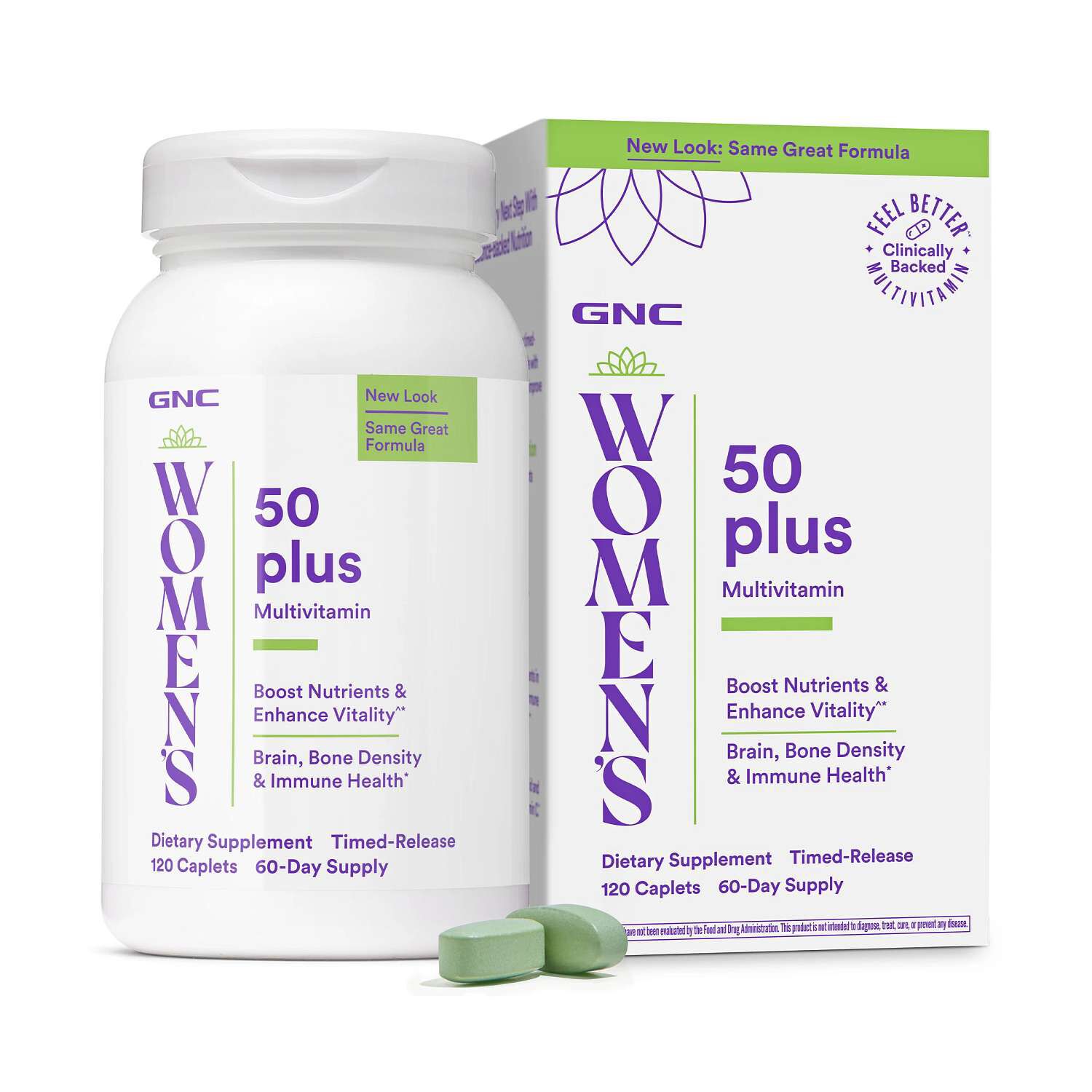
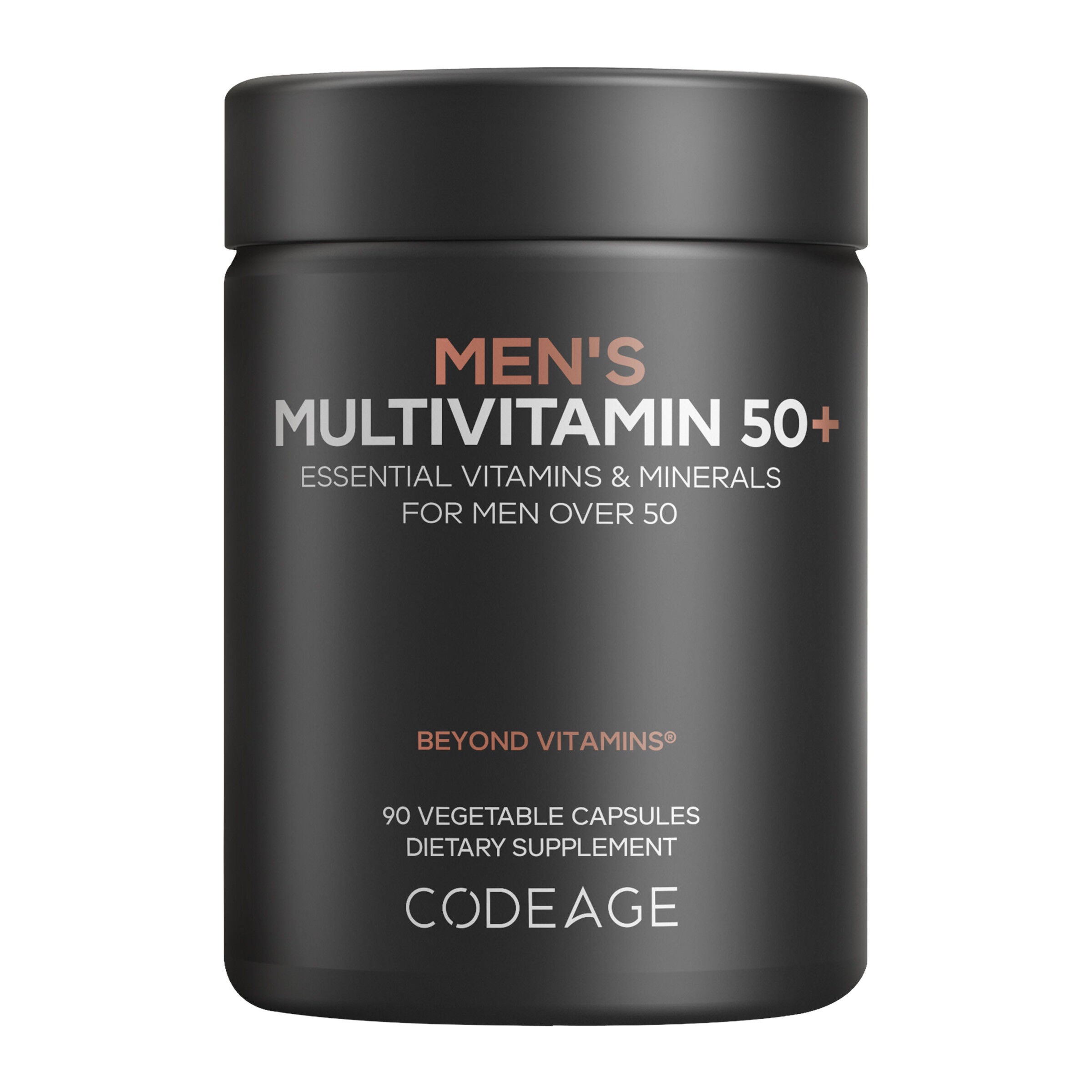
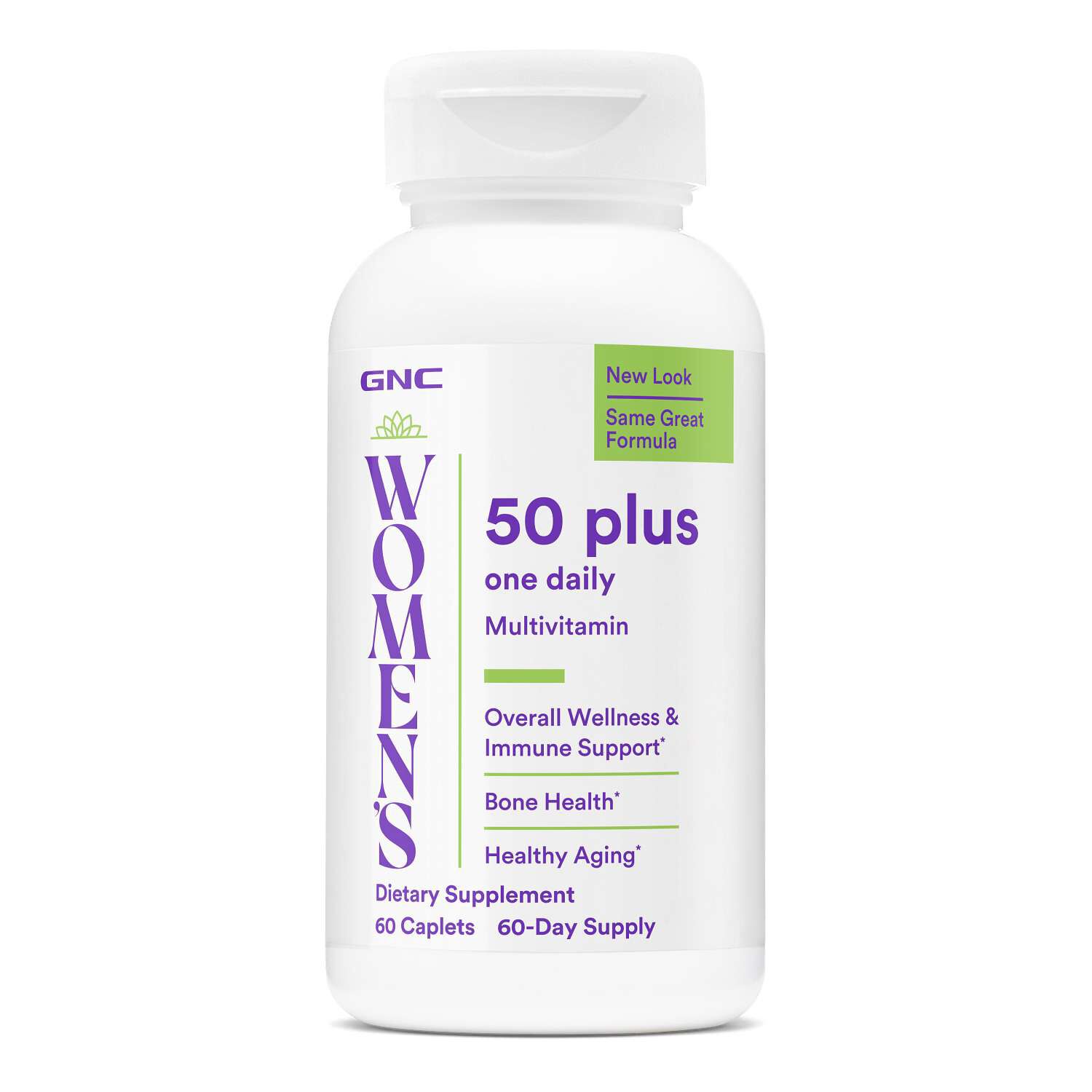
Vitamins for seniors are dietary supplements formulated with older adults in mind, with options ranging from multivitamins to formulas centered on a particular vitamin or mineral. They may complement a varied eating pattern, but the most appropriate selection depends on individual circumstances rather than age alone. Vitamin D, vitamin B12, and calcium are common considerations in nutrition for older adults, and senior-focused formulas may also contain vitamins A, C, E, and K, along with minerals such as zinc and magnesium. Not every formula includes the same nutrients or the same amounts. Some are organized around a broad nutrient profile, while others have a shorter ingredient list intended for a more focused purpose. Labels marked for adults 50 and older or 65 and older identify the intended audience, but those age ranges do not describe every shopper’s needs or preferences. Everyday eating patterns provide useful context: someone who regularly eats yogurt, eggs, fish, and fortified cereal has a different dietary starting point from someone whose meals feature mostly beans, vegetables, grains, and fruit. Food preferences, serving sizes, and the variety of foods eaten throughout the week all contribute to that picture. A vitamin label cannot capture those details, which is why personalized nutrition discussions belong with a qualified health professional. For shoppers comparing this category, clear labeling makes it easier to distinguish a multivitamin from a single-nutrient supplement and understand what each serving contains. Women-specific selections add another way to browse, and the collection of vitamins for senior women brings together options intended for that audience. Such labels are a starting point for comparison, not a substitute for looking at the nutrient panel. The most meaningful differences are usually found in the formula, serving size, ingredient list, and directions rather than in the age designation printed across the front of the package.
Format is another practical distinction among vitamins for older adults. Tablets, capsules, softgels, chewables, gummies, liquids, and powders each involve a different daily experience, and personal preference matters when a supplement becomes part of a regular routine. A tablet may appeal to someone who prefers a familiar format with little preparation, while a chewable offers a different texture and taste. Gummies often have fruit flavors and a softer consistency, although their nutrient profiles and serving sizes can differ considerably from tablet formulas. Liquids involve a measured serving, and powders require attention to the preparation directions and the amount used. Neither format is automatically a better fit simply because it looks easier to take. Capsule shells, coatings, sweeteners, flavorings, and other ingredients can also matter to shoppers with dietary preferences. A vegetarian eating pattern, for example, may make the source of a capsule shell relevant, while someone who dislikes sweet flavors may prefer an option without a flavored chewable format. Texture and dimensions deserve consideration as well: a photograph of a bottle rarely communicates how large a tablet is or how many pieces make up one serving. A serving of two gummies is different from a serving of one capsule, even when the packages display a similar count. For someone sharing a kitchen or organizing a familiar breakfast routine, an easy-to-read label and a package that is comfortable to handle may be welcome features. For another person, the main consideration may be keeping preparation simple or choosing a format that fits an established eating schedule. Packaging design, closure style, and clearly printed directions are therefore part of the shopping experience, alongside the nutrients themselves. These everyday details help distinguish options that might otherwise look nearly identical on a category page, without assuming that every older adult has the same habits, preferences, or practical concerns.
Comparing vitamins for seniors also involves understanding the difference between the front label and the Supplement Facts panel. The front of a package generally identifies the intended audience and highlights selected ingredients, while the panel lists nutrient amounts per serving. The bottle count and the number of servings are not necessarily the same, particularly when a serving includes several tablets, capsules, or gummies. Units matter, too: calcium is commonly listed in milligrams, vitamin B12 in micrograms, and vitamin D may be shown in both micrograms and international units. Daily Value percentages provide a standardized labeling reference rather than a personalized assessment of what an individual needs. The amount of a nutrient already present in another supplement is also relevant context when comparing formulas; a multivitamin and a separate vitamin product can contain overlapping ingredients. A clear view of the full ingredient list helps keep those distinctions visible. Beyond the formula, storage and handling are practical parts of intended use. Package directions describe the appropriate storage conditions, and expiration dates provide a reference for the product’s labeled shelf life. An original container preserves access to the nutrient panel, directions, lot information, and any handling details that may be missing from an unmarked jar. A bottle kept near a steamy shower or beside a hot kitchen appliance may face conditions different from those described on its label. Secure storage matters in shared households, especially where children or visiting grandchildren are present. If a family member or caregiver helps with shopping, details such as preferred format, usual serving routine, dietary preferences, and readable packaging can make the comparison more personal without relying on assumptions about age. Senior vitamins are not interchangeable simply because they share a category name. Their differences become clearer through the combination of nutrient content, serving format, packaging, and intended audience, giving shoppers concrete features to consider alongside their individual nutrition context.
Best Sellers
Related Pages
Top Collections
- Daily Collagen Supplements | Top Brands & Deals | GNC
- Joint Mobility Supplement Packs
- Zinc Supplements | Top Brands at Great Prices | GNC
- GLP 1 Support For Adults
- Supplements For Yoga Joint Flexibility
- Supplements For Balance
- Capsule Supplements For Energy And Stamina
- Adult Mobility Supplements
- Chronic Fatigue Supplements
- Vitamins For Hair Loss