Supplements For Anti Aging Over 60
(0 Results)
Supplements for anti aging over 60 may offer support for those looking to maintain vitality and well-being as they age. With a variety of options available, you can explore formulas that are designed to address the unique needs of mature adults. Discover supplements for anti aging over 60 that could help you continue feeling your best and support an active lifestyle at every stage.
-
 2,035$119.99
-

-

-

-

-
-

-
-

-

-

-
-

-
-
-

-

-

-

-
-
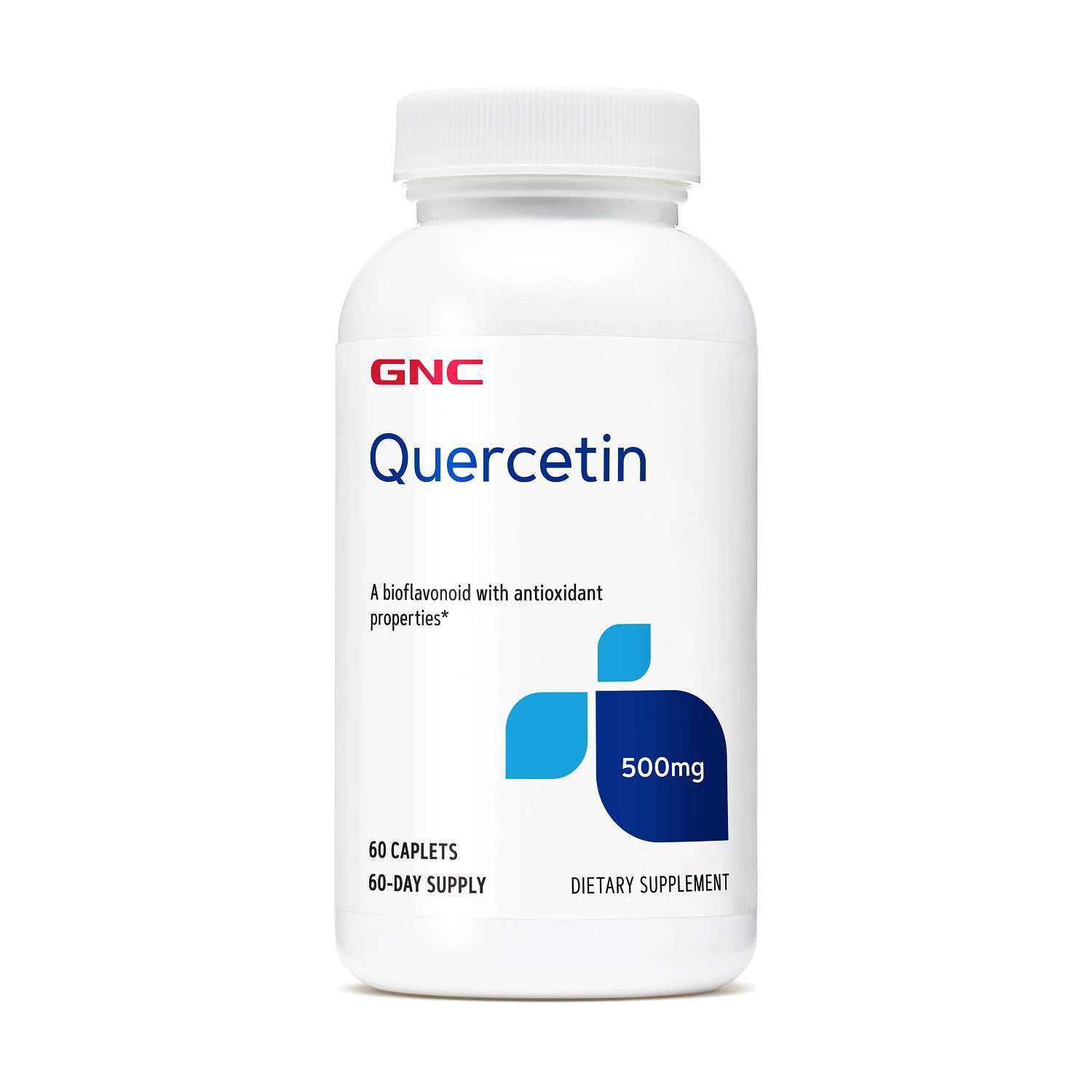
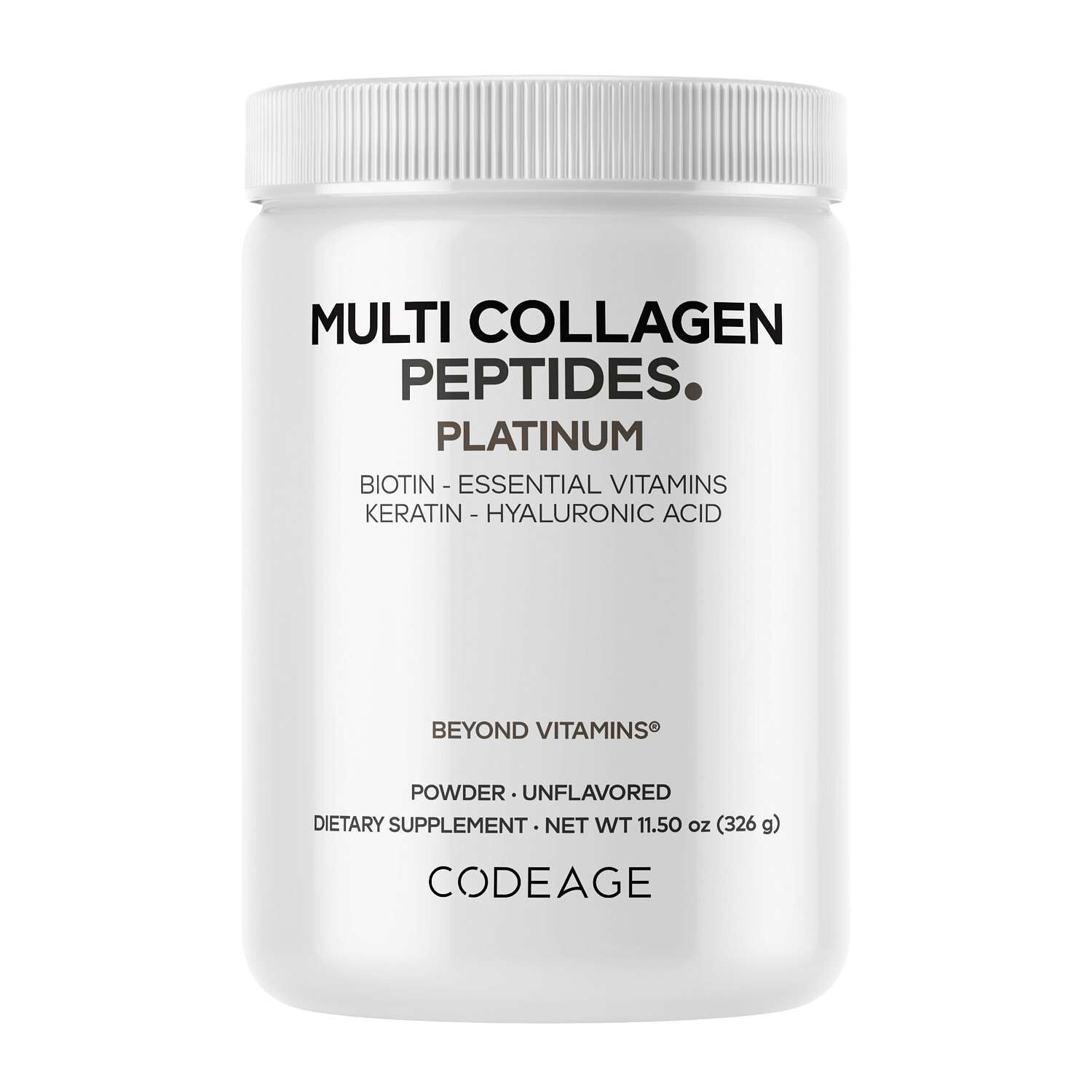
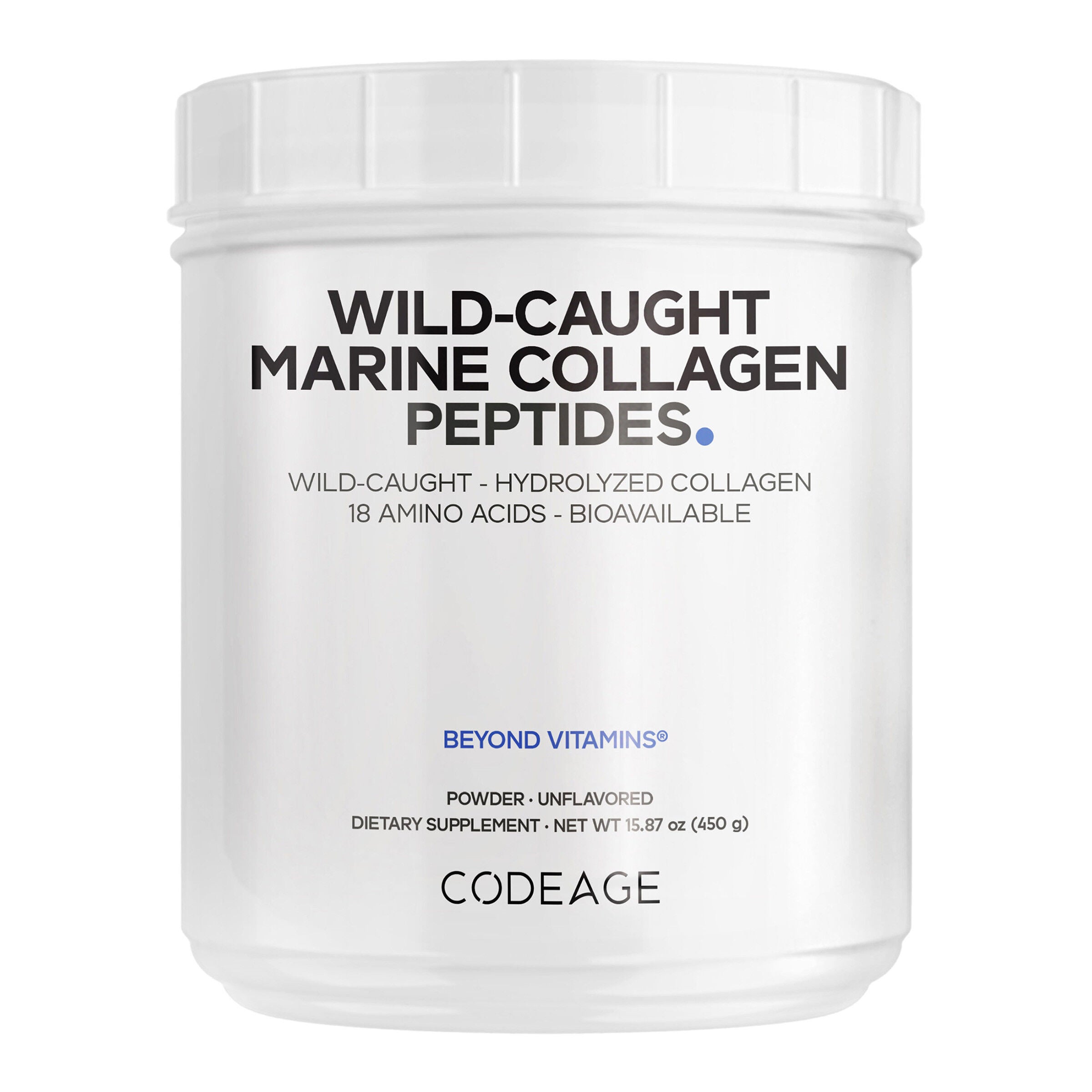

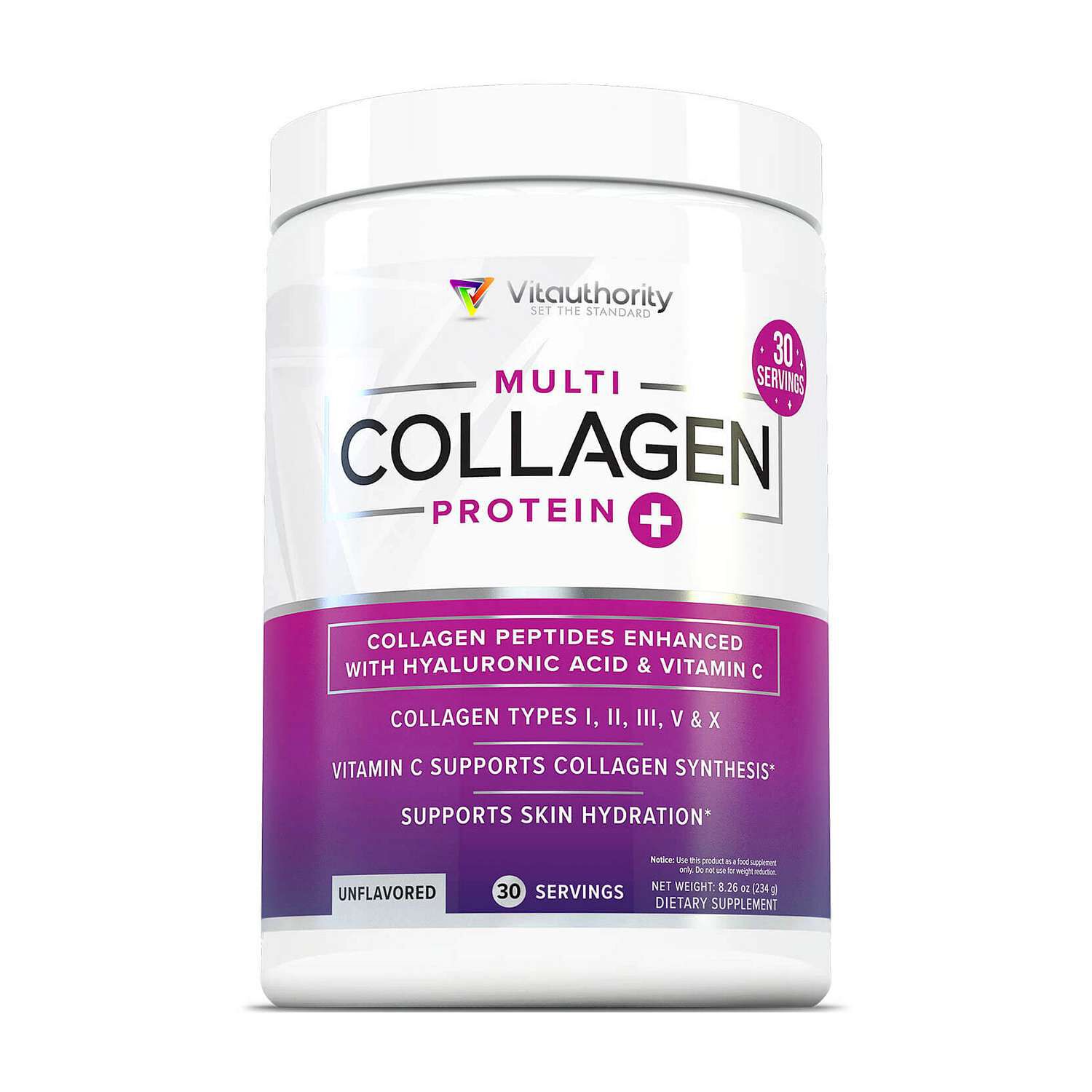
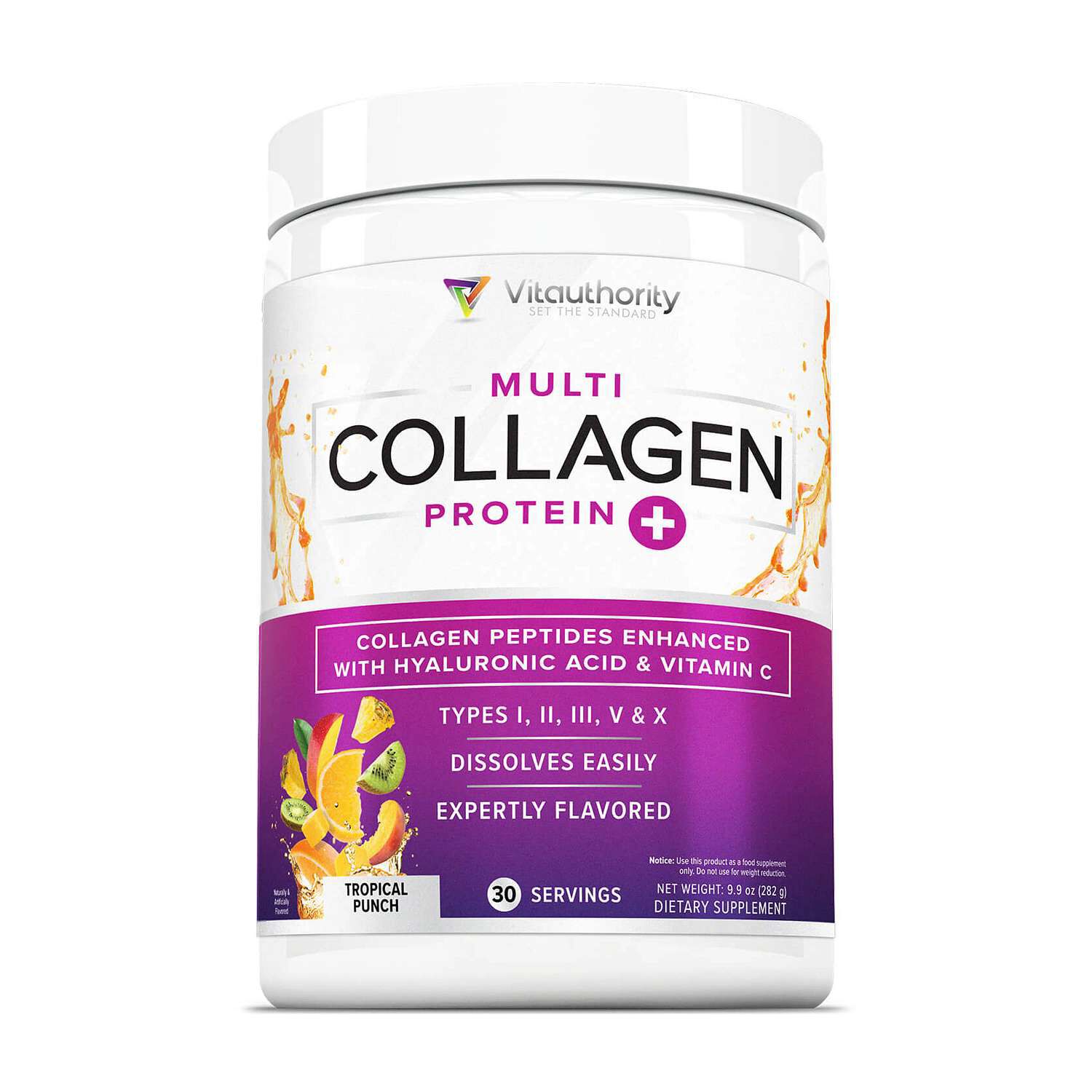
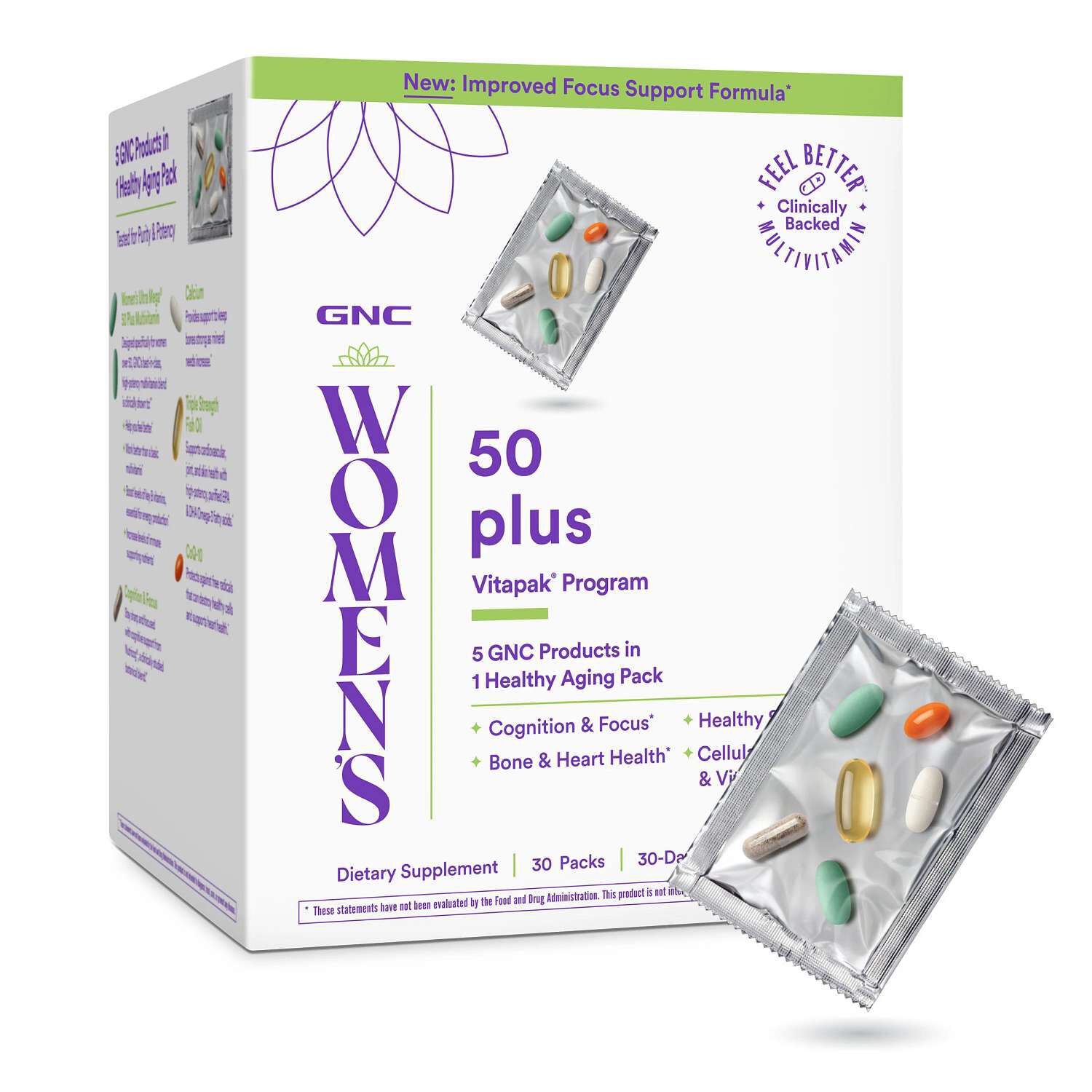
Supplements for anti-aging over 60 cover a range of nutritional categories, including multivitamins, vitamin D, vitamin B12, magnesium, omega-3 fatty acids, collagen peptides, and protein powders. The phrase anti-aging reflects a shopping interest in everyday wellness and appearance; it is not a standardized description of a supplement’s ingredients or results. For adults in their 60s and beyond, these products may complement a nutrition-focused routine, with the best shopping comparisons grounded in what each formula contains and how it fits into daily life. A multivitamin typically brings several vitamins and minerals into one formula, while a single-nutrient supplement offers a more focused ingredient profile. Vitamin D products may list D2 or D3, and vitamin B12 labels may identify forms such as methylcobalamin or cyanocobalamin. Magnesium formulas can contain glycinate, citrate, oxide, or other forms, so the ingredient name deserves attention beyond the word magnesium on the front label. Omega-3 supplements commonly identify EPA and DHA, with sources that can include fish oil or algae. Collagen peptides are another category often associated with skin-focused nutrition, and their labels may identify bovine or fish-derived sources. Protein powders offer a different type of nutritional product, with options made from dairy ingredients or plant sources such as peas and soy. These distinctions make it possible to compare products by composition rather than treating every age-oriented formula as interchangeable. Someone interested in a broad vitamin-and-mineral format may browse differently from someone seeking a powder for a breakfast smoothie or an omega-3 softgel with a clearly stated source. Aging itself is a normal life stage, and nutritional interests vary from person to person. A collection centered on adults over 60 can bring related categories together, but the details on each label remain more informative than age-related wording alone. Ingredient identity, serving size, dietary preferences, and intended use all provide a practical starting point for understanding the assortment.
Format is an important part of that comparison because a supplement becomes part of an ordinary day, not just a name on a bottle. Capsules, tablets, softgels, chewables, gummies, liquids, and powders each have their own preparation, texture, and storage considerations. A capsule or tablet requires little preparation, while a powder involves measuring and mixing according to its label. A gummy introduces flavor and texture, along with ingredients such as sweeteners, colors, and gelling agents that are worth reviewing. Softgels often use a gelatin-based or plant-based shell, and capsule materials can differ as well. For shoppers with vegetarian or vegan preferences, the shell material and the source of the main ingredient both matter. A plant-based capsule does not necessarily mean every ingredient inside it is plant-derived. Similarly, collagen and protein powders deserve a close look at their source information, particularly when dairy, fish, or soy does not fit someone’s eating preferences. Flavor can shape the experience just as much as format: a vanilla protein powder mixed into a smoothie creates a different routine from an unflavored powder stirred into a label-approved food or beverage. Mixing directions, texture, and the included scoop can help set expectations before a container becomes part of the kitchen counter lineup. Serving size also varies, so one gummy, capsule, or scoop does not always represent the amount described in the Supplement Facts panel. For someone who prefers a simple breakfast routine, a familiar format with clear directions may be more appealing than a product requiring several preparation steps. Someone who regularly packs a bag for travel may care more about a secure closure and a manageable container size. These are everyday usability differences, not measures of how well a supplement works. They help distinguish products that share a broad category name but feel quite different to use. The aim is a format that matches established habits, with ingredients and directions that are easy to understand.
Reading the front and back labels together provides a clearer picture of supplements for healthy aging over 60. The Supplement Facts panel identifies the serving size and amounts of listed nutrients, while the ingredient list provides details about capsule shells, flavors, sweeteners, and other components. Nutrient amounts can be expressed in different units, including milligrams and micrograms, so comparisons are more meaningful when the units and serving sizes match. An omega-3 label, for example, may show an amount of fish oil separately from the amounts of EPA and DHA. A multivitamin and a separate nutrient formula may also contain some of the same ingredients; seeing them side by side makes those similarities visible. Clear source information, readable directions, and transparent ingredient descriptions are useful purchasing details regardless of the wording used to describe an age group. For shoppers comparing categories with a women-focused collection, Supplements for Women Over 60 offers a related place to browse, while individual labels provide the details needed to distinguish one formula from another. Care and storage matter after purchase, too. Original packaging keeps the product name, ingredient information, directions, date markings, and lot information together. A securely closed lid and storage that follows the label help maintain the product’s intended storage conditions. Powders also call for attention to keeping the scoop and container dry, while gummies and liquids have their own handling instructions. Shelf life is product-specific, and date markings deserve the same attention as serving information. A supplement’s fit is ultimately about more than a prominent age reference: it includes the ingredient source, the format, the preparation involved, and the preferences of the person using it. Whether the routine includes a morning smoothie, a neatly organized kitchen shelf, or a familiar capsule format, those concrete details make the category easier to navigate. A thoughtful comparison keeps everyday nutrition and personal preferences at the center, rather than assuming that every adult over 60 is looking for the same experience.
Best Sellers
-
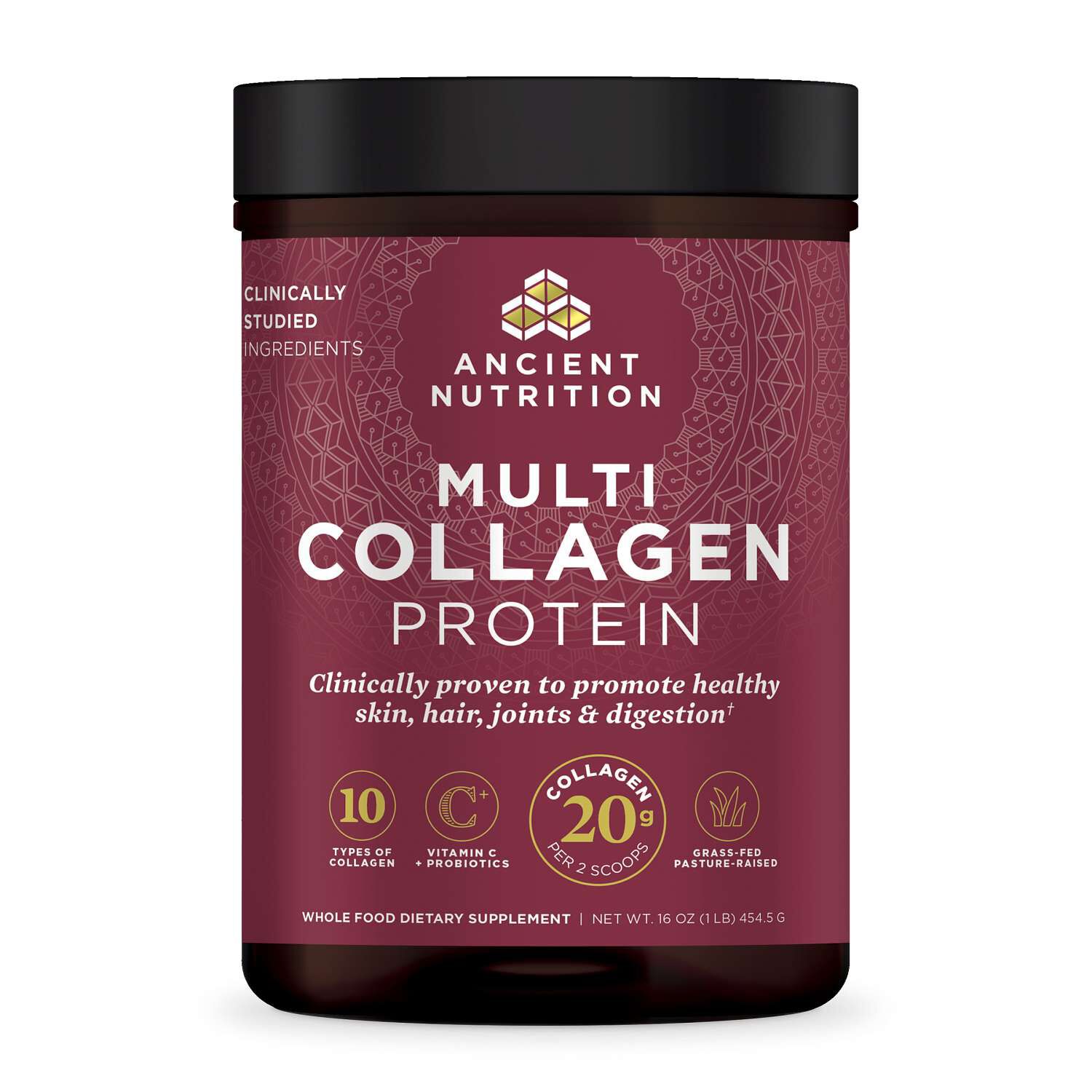 Ancient Nutrition
-
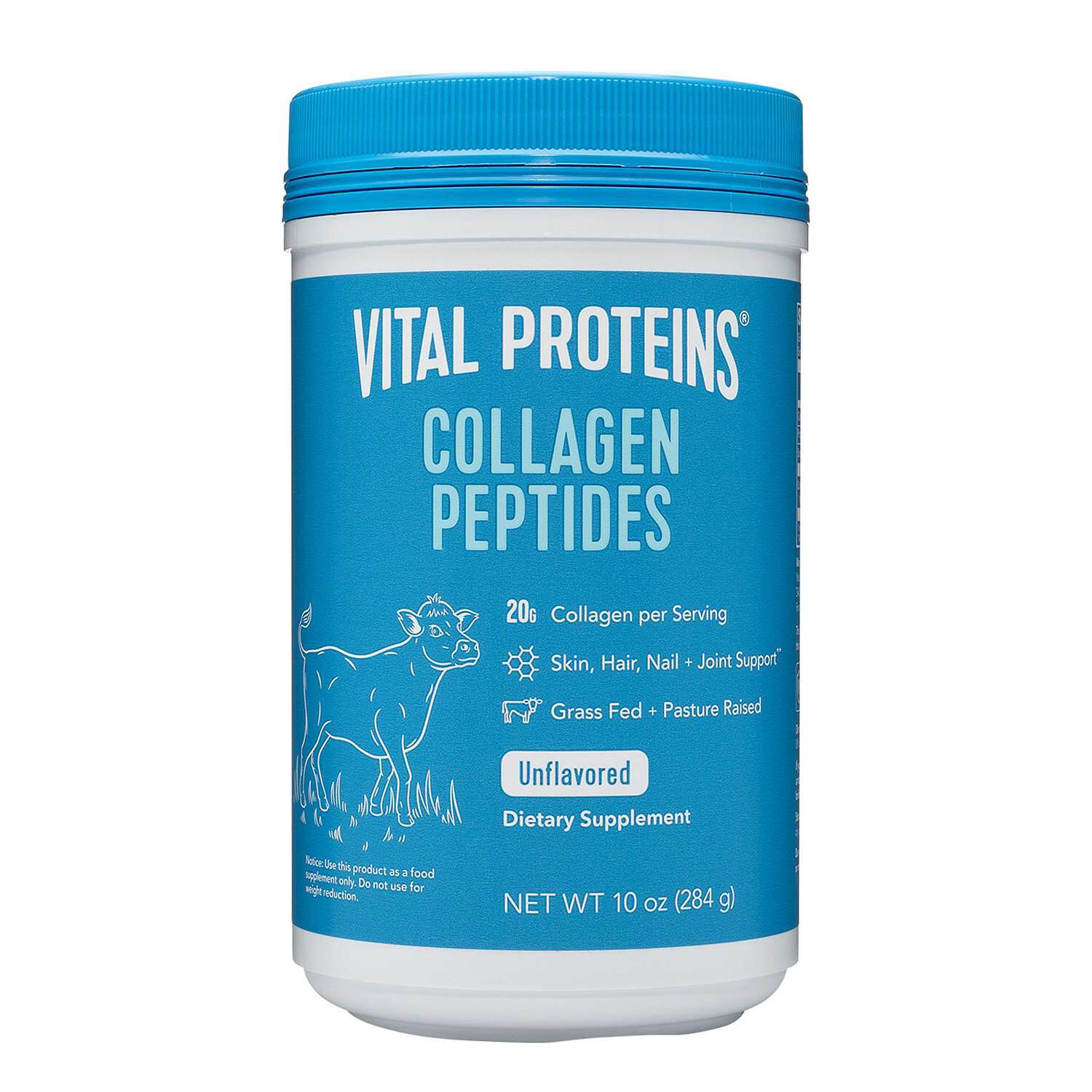 Vital Proteins