





Omega 3 Softgels For Back To School Health
(0 Results)
Omega-3 softgels for back to school health may offer a simple way to support your wellness routine as the new school year begins. Whether you’re stocking up for your family or looking to enhance your daily regimen, these convenient softgels could fit seamlessly into busy schedules. Explore options that may help you prioritize your overall well-being during the transition back to school.
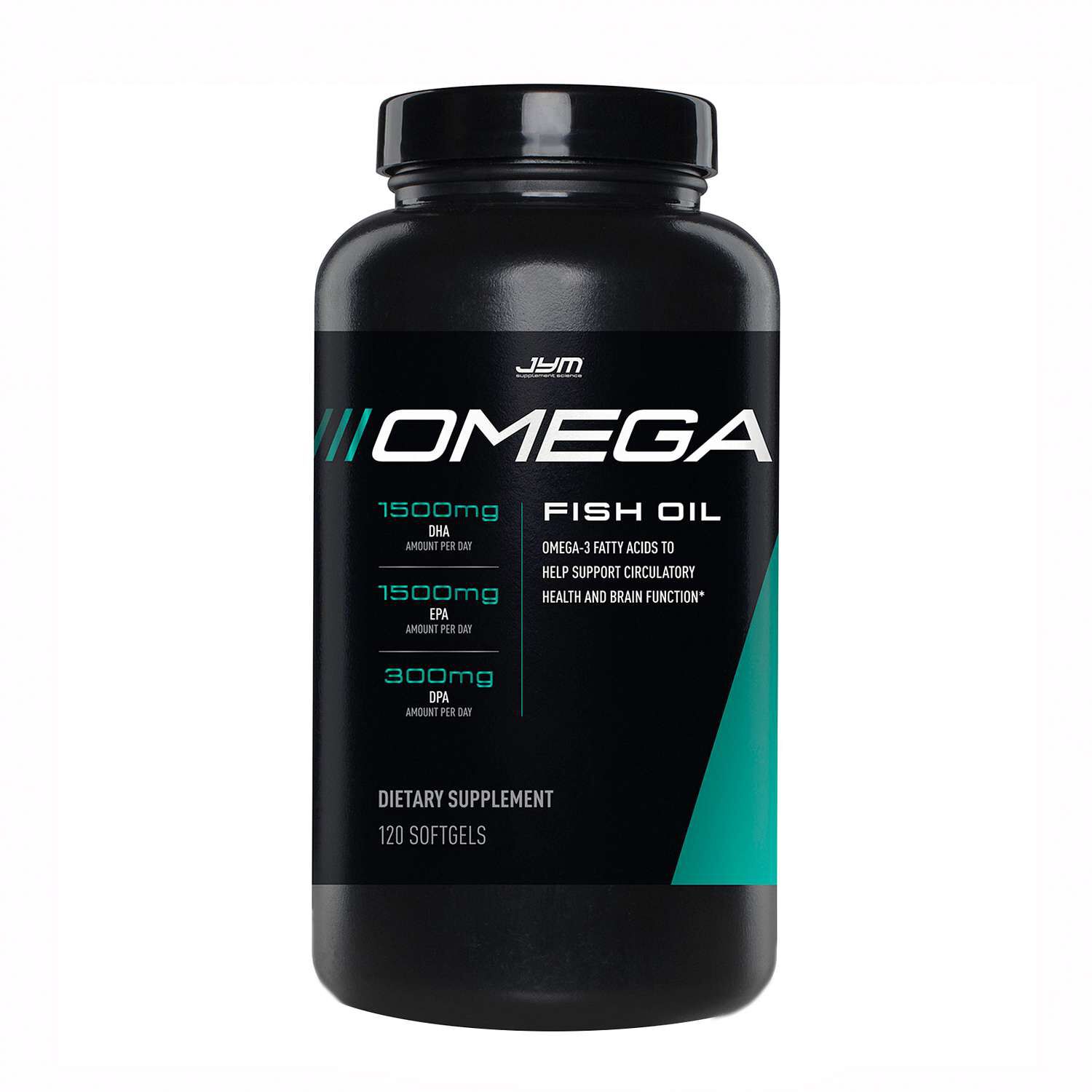


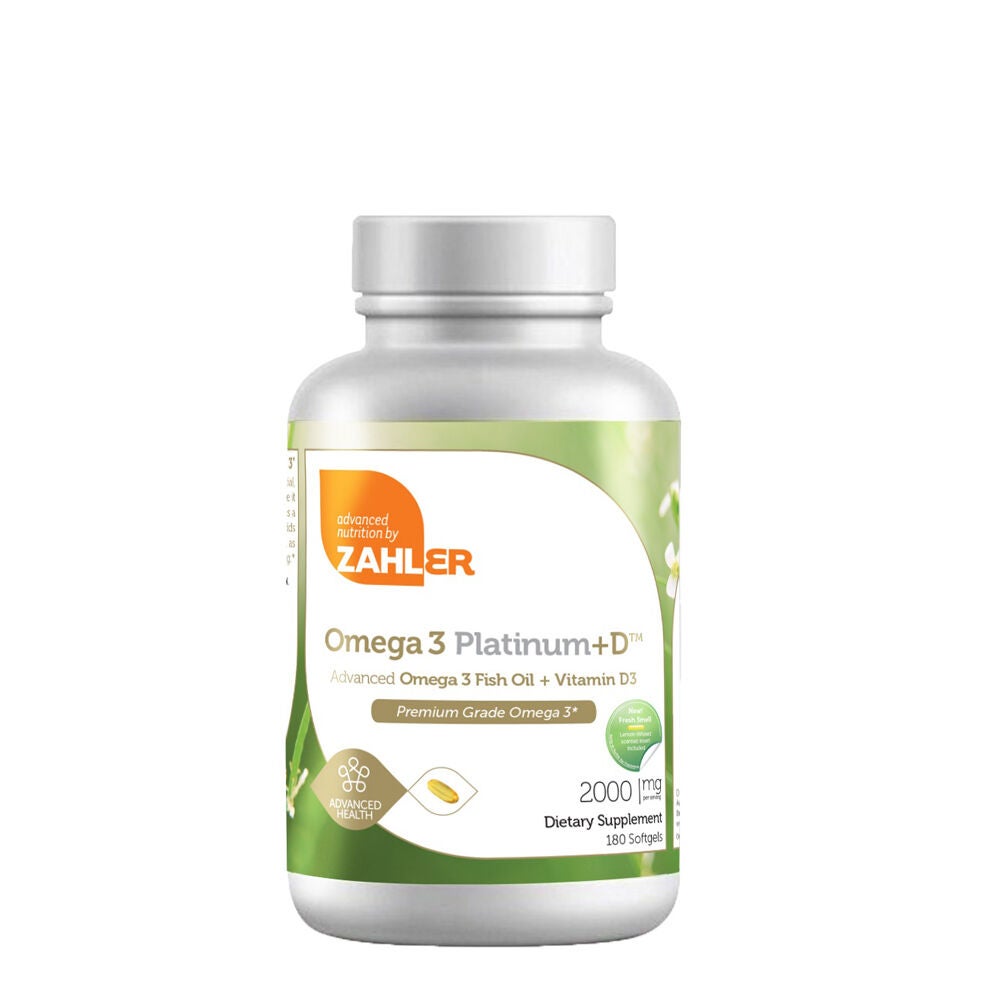
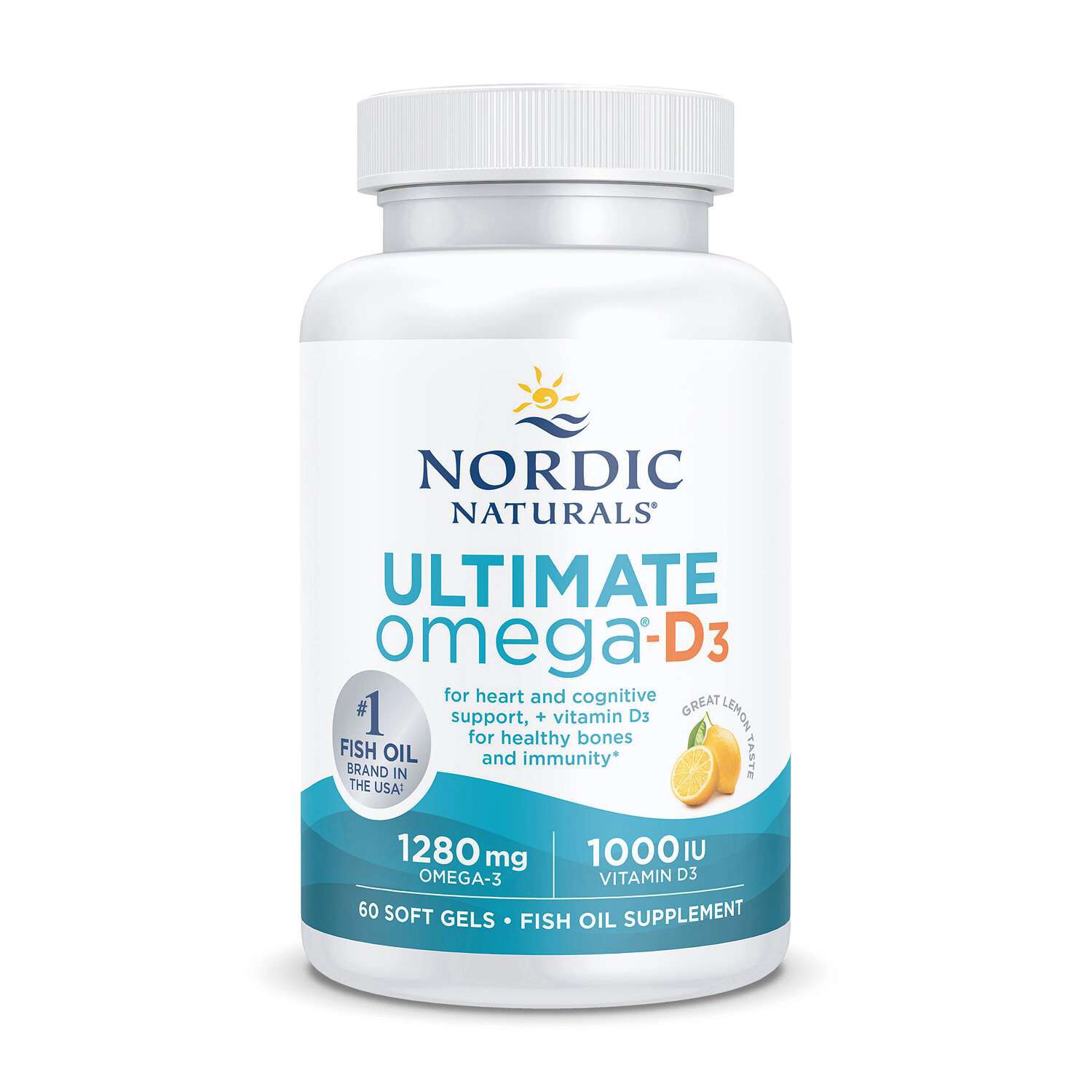

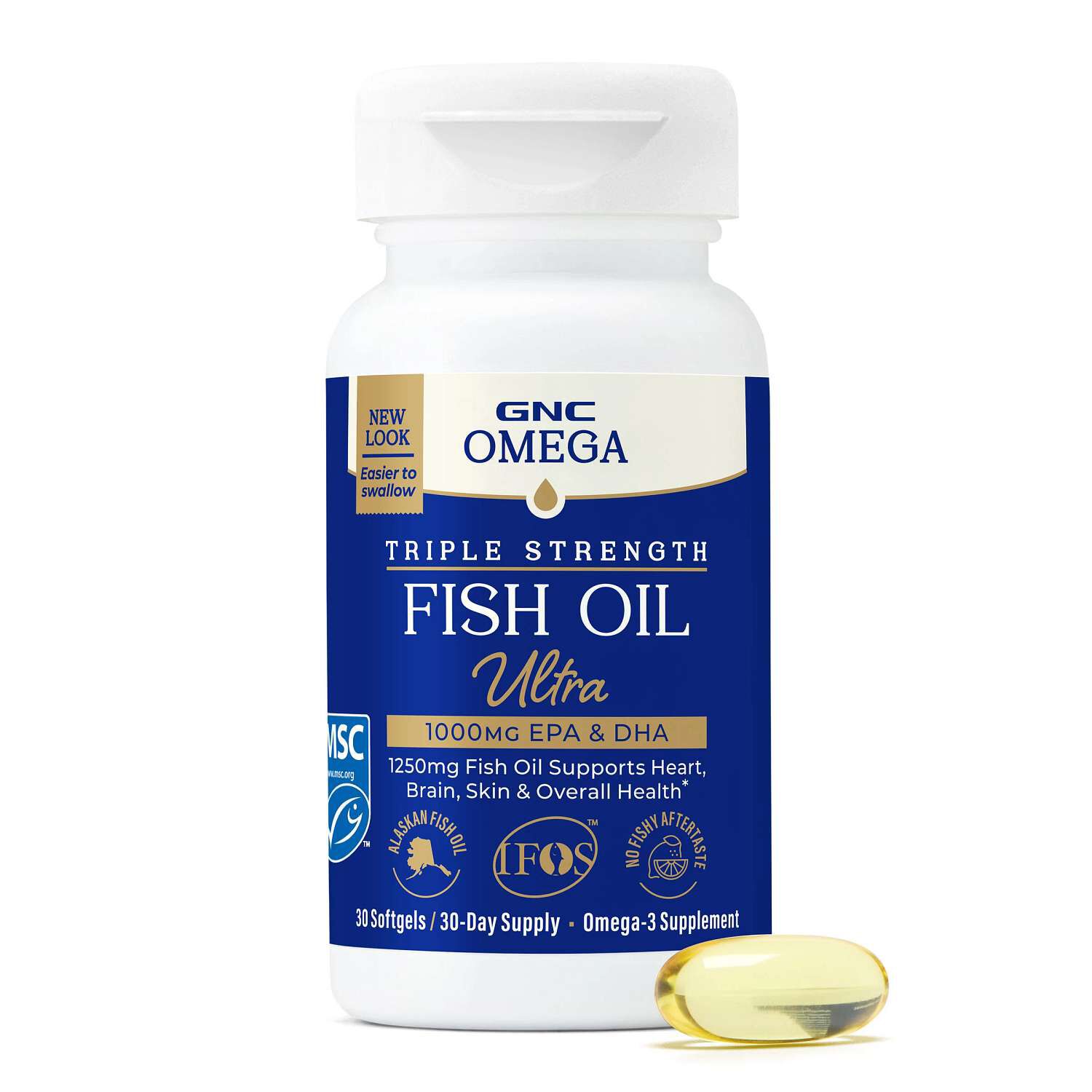
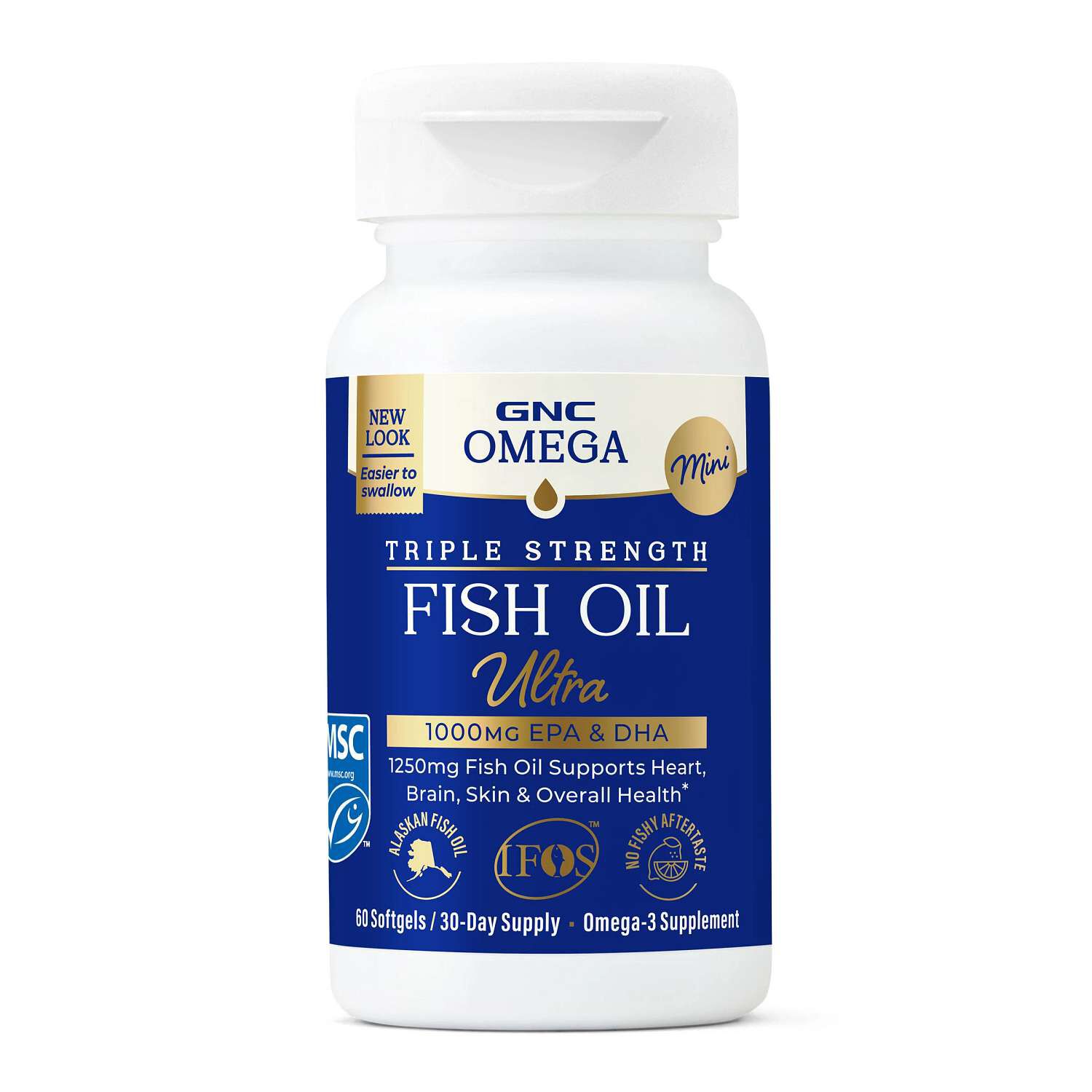
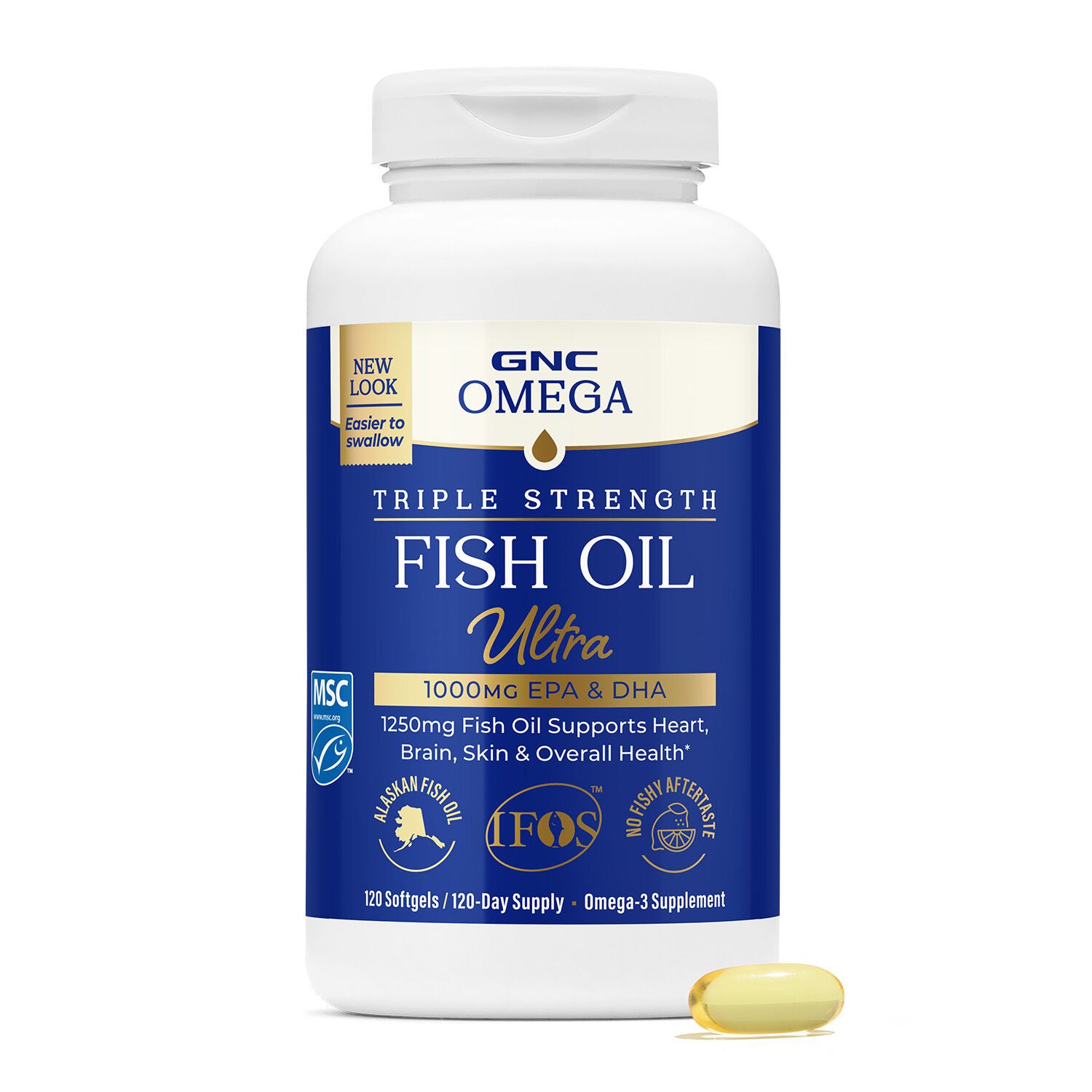
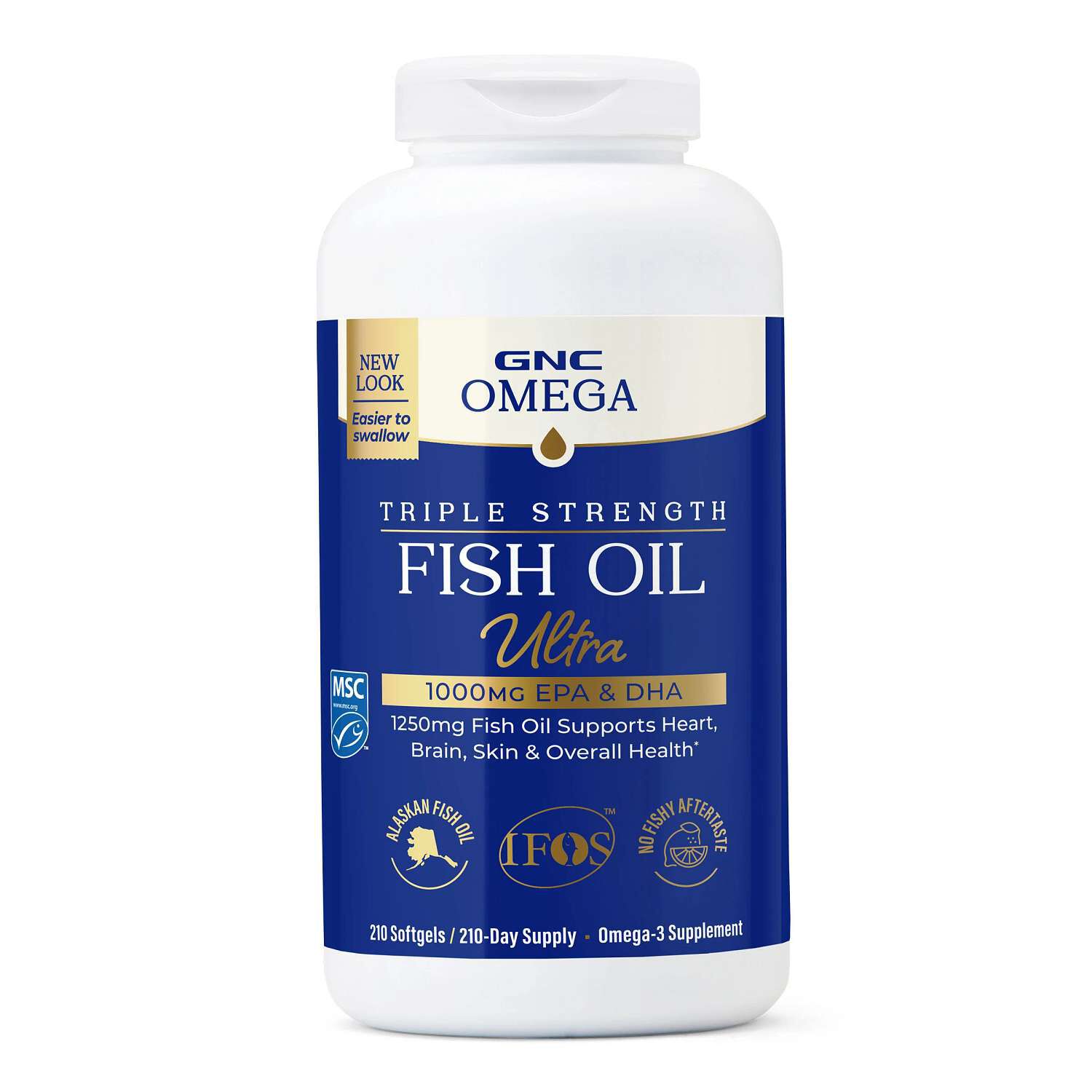
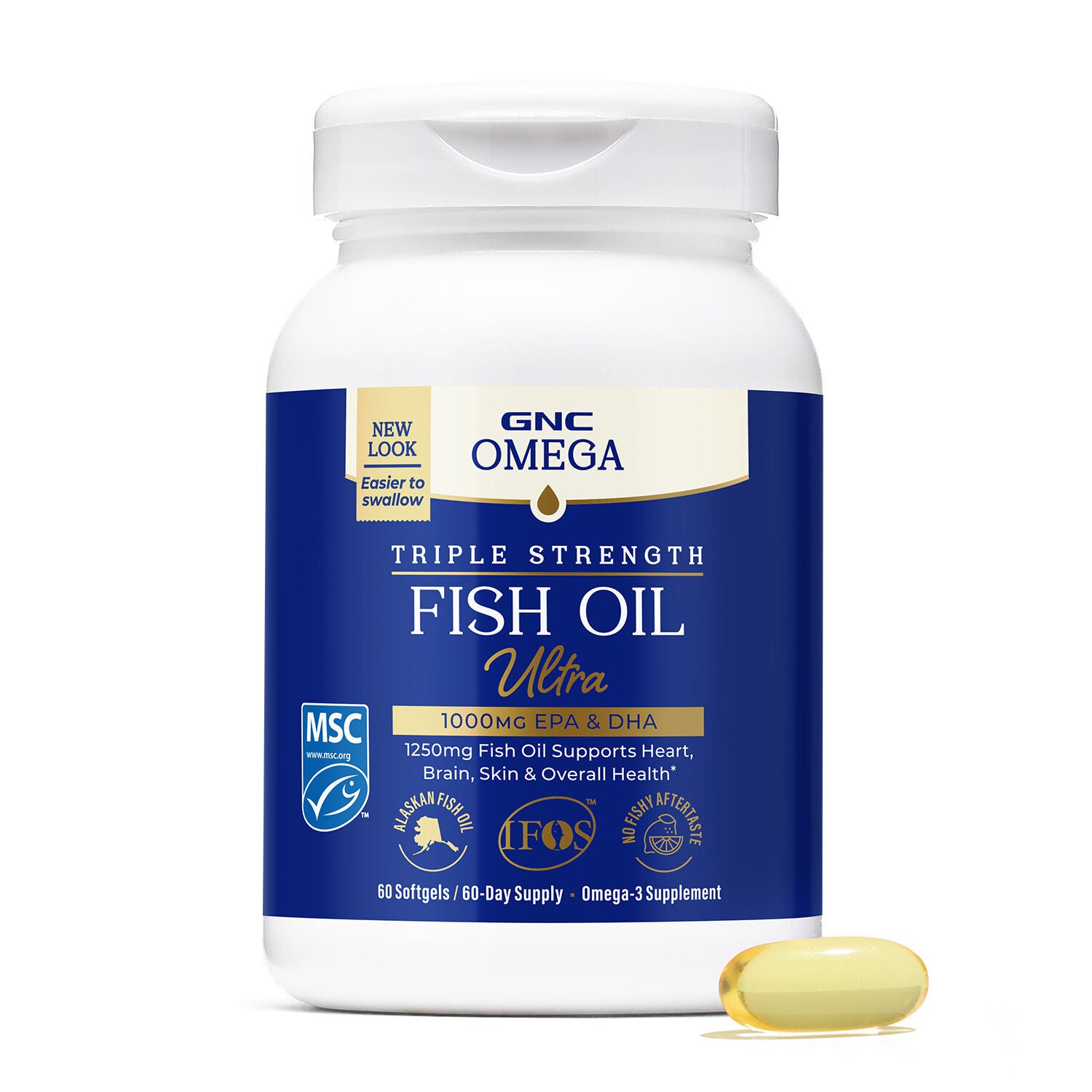
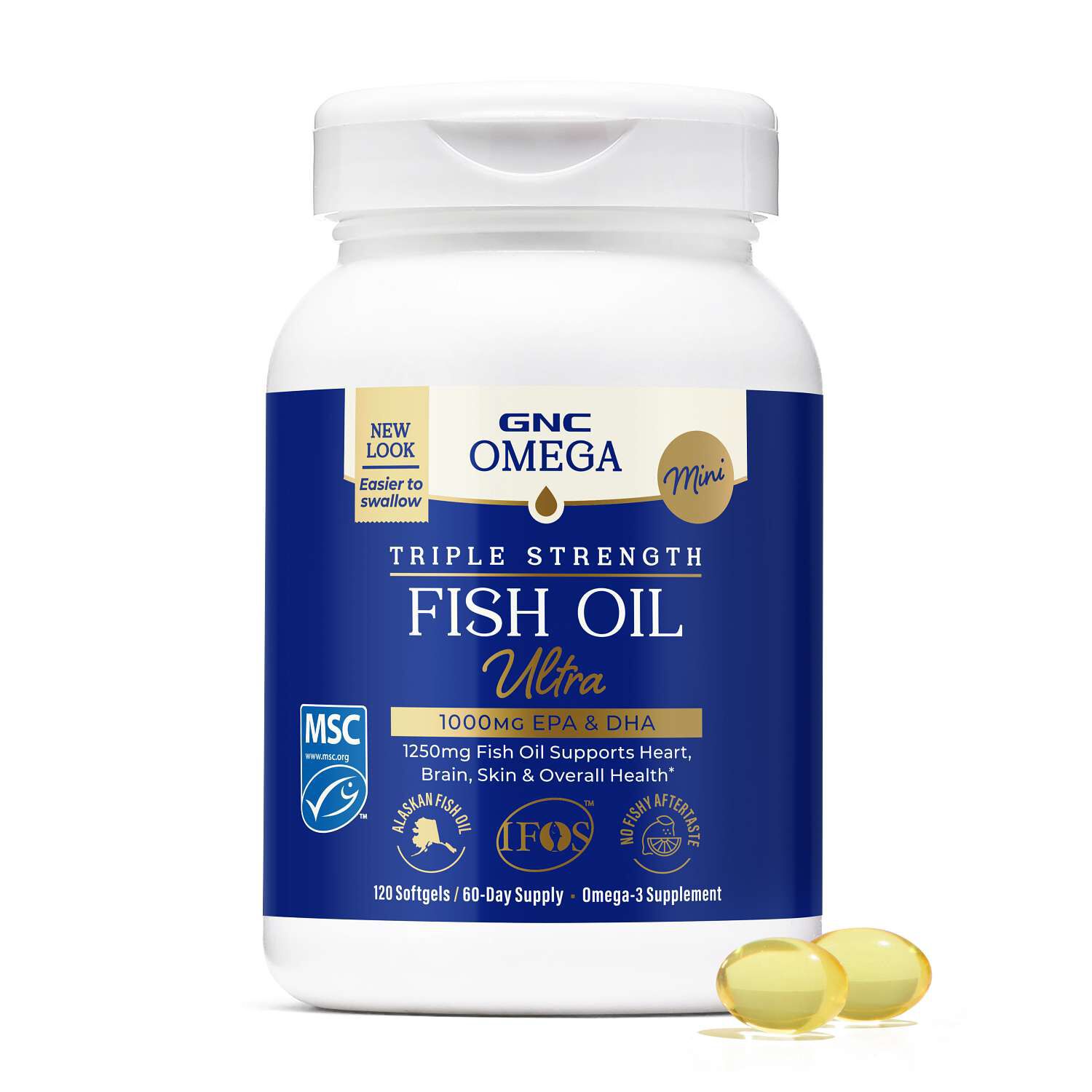
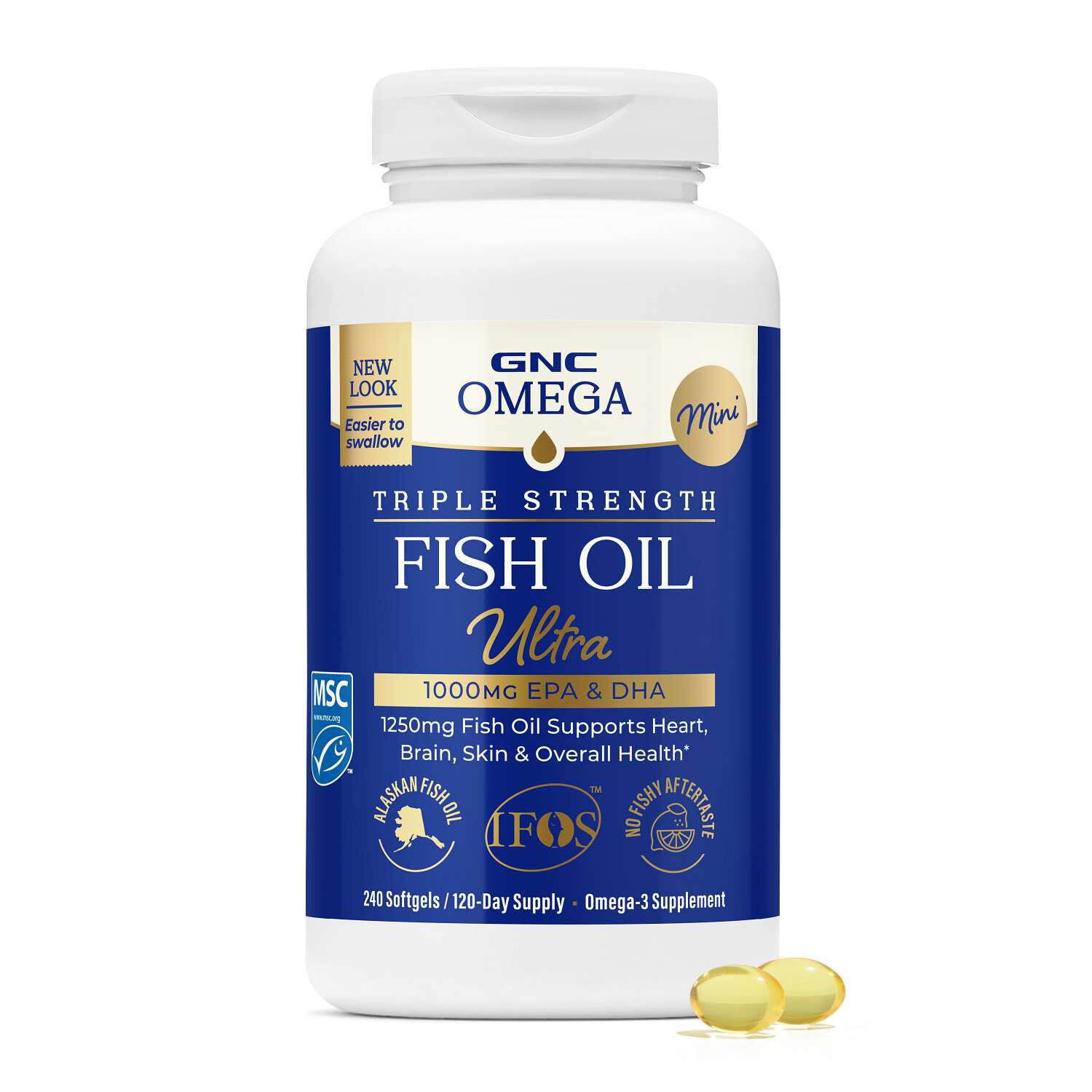

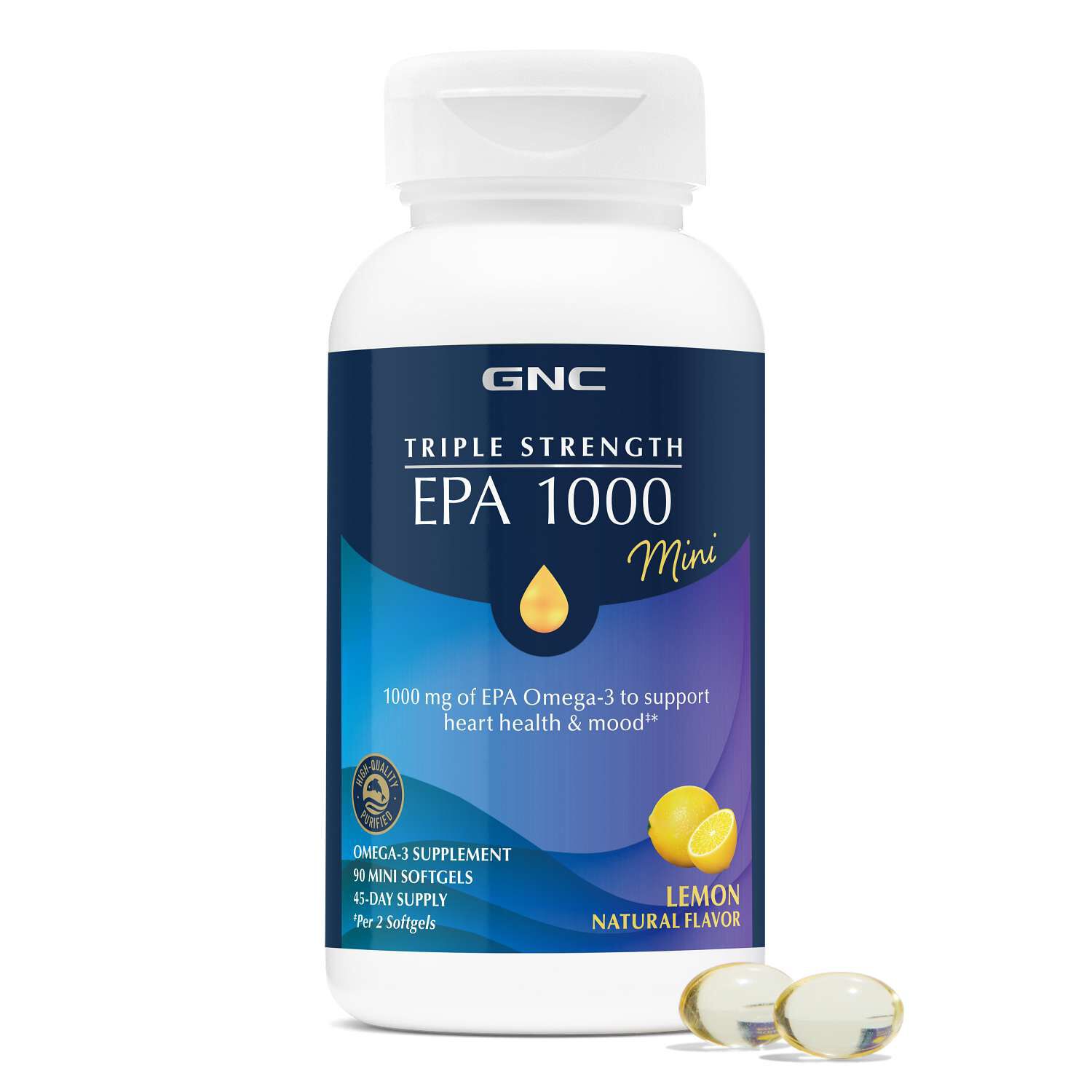

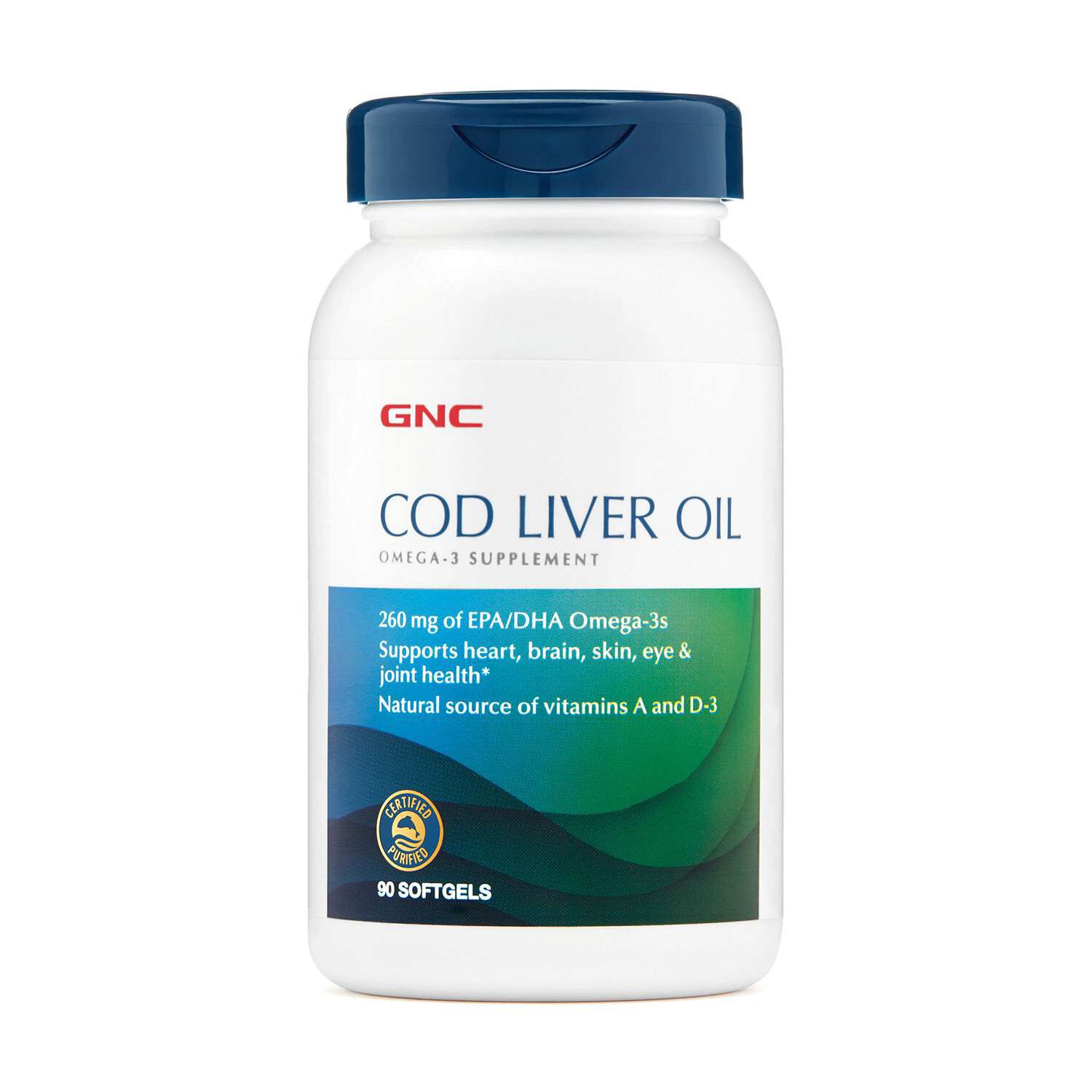


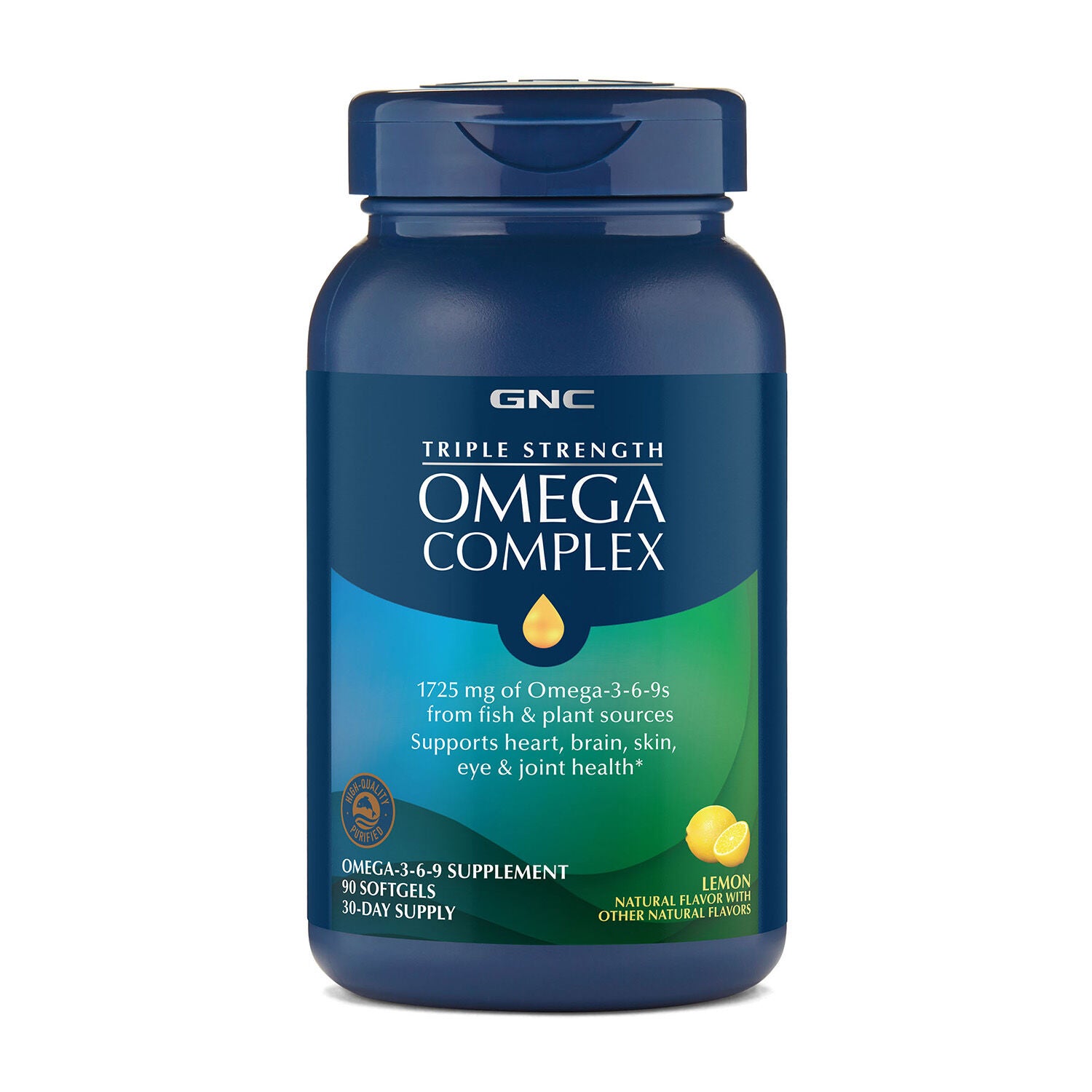
Omega-3 softgels for back-to-school health bring a familiar supplement format into the conversation about packed lunches, campus dining, and everyday nutrition. These products contain omega-3 fatty acids, often from fish oil or algae oil, inside a soft outer shell. Two names commonly found on their labels are EPA, short for eicosapentaenoic acid, and DHA, short for docosahexaenoic acid. Those details matter because omega-3 formulas differ in their sources, proportions, and serving sizes, even when their bottles look similar. The amount of fish oil listed on a package is not necessarily the amount of EPA and DHA in a serving; the Supplement Facts panel provides the more useful breakdown. Some formulas contain both EPA and DHA, while others emphasize DHA. Plant foods such as walnuts, flaxseeds, and chia seeds contain another omega-3 called ALA, or alpha-linolenic acid, which is distinct from the EPA and DHA typically highlighted on these softgel labels. For households organizing a school-year routine, those distinctions offer a more practical starting point than broad language about academic performance. An omega-3 supplement is not a substitute for varied meals, sleep, or time away from a screen, and a back-to-school label does not establish that a formula is suitable for every student. Intended age, dietary preferences, and the product’s directions remain important considerations. Parents comparing age-labeled options, adult students planning dorm-room storage, and educators organizing their own morning routines may approach the category with different priorities. A family might pay particular attention to the source of the capsule shell, while an adult student might care more about serving size and bottle dimensions. In each case, the most useful comparison starts with what the softgels contain and how the package describes their intended use, rather than an expectation of better grades or a more productive school day.
The construction of an omega-3 softgel deserves as much attention as the oil inside. Many softgel shells contain gelatin, glycerin, and water, while some use other shell materials. An algae-derived oil does not automatically mean the entire formula is suitable for a vegetarian or vegan preference, so both the oil source and the capsule ingredients matter. Fish-derived formulas also differ in their named sources, and fish or shellfish allergen statements warrant careful attention when comparing labels. Flavorings, colors, and coatings introduce further differences that are not always apparent from the front of the bottle. Some packages describe a flavored softgel or a particular coating, but those descriptions should not be treated as evidence that every person will have the same experience using it. Size is another practical consideration: a photograph rarely conveys the actual dimensions of a capsule, and a smaller softgel does not necessarily mean that a serving contains fewer capsules. Reading the serving size alongside the EPA and DHA amounts makes comparisons more meaningful. A serving of one softgel and a serving of several softgels can represent quite different routines, regardless of bottle size. Packages that state a capsule count separately from the serving count also make it easier to understand what is inside. For younger students, a softgel format alone is not evidence of age suitability; the intended age range and directions provide necessary context. Adult formulas should not be assumed interchangeable with products labeled for children. Clear ingredient information, accessible sourcing details, and an explanation of any independent testing offer additional points of comparison. A testing statement is most informative when it identifies what was evaluated rather than relying only on a broad quality description. Packaging details also matter, including a readable date marking, an intact closure, and legible storage directions. These are concrete attributes that distinguish formulas without relying on sweeping descriptions of what a supplement might do.
Back-to-school shopping often involves finding a place for everyday supplies, and omega-3 softgels come with their own storage and handling considerations. A bottle belongs in the conditions specified on its label, rather than automatically joining notebooks and charging cables in a backpack. Heat, moisture, and direct sunlight are common concerns in supplement storage, so a parked car, a sunny windowsill, or a damp bathroom may not match the package directions. The original container keeps the ingredient list, serving information, date marking, and lot information together. A securely closed cap and a location out of children’s reach are particularly relevant in shared family spaces. For students living in residence halls, limited shelf space and shared rooms make container dimensions and a suitable storage location worth considering before choosing a bottle. Durability here is less about a rugged exterior and more about protecting the softgels and preserving access to their labeling throughout use. Any unusual change in the capsules or packaging calls for checking the manufacturer’s handling information rather than assuming the contents are unchanged. Intended use also extends beyond where a bottle sits: school policies may address whether students can bring supplements onto campus, and a household routine does not necessarily transfer to a classroom setting. A supplement is a personal selection rather than a universal addition to a student care package, especially when the recipient’s dietary preferences, age requirements, and usual products are unknown. For an adult recipient who has requested omega-3 softgels, matching those stated preferences is more thoughtful than choosing solely by packaging. Shoppers exploring another school-year wellness category can also browse Supplements For Back To School Joint Health, while evaluating each category on its own labeling and intended use. Within omega-3 softgels, the clearest shopping priorities remain the oil source, EPA and DHA content per serving, capsule materials, age labeling, and storage requirements. Those details keep the selection grounded in the product itself and the everyday setting where it will be used, from a family kitchen cabinet to a carefully organized campus room.
Best Sellers
-
 Nordic Naturals
-
 Nordic Naturals
-
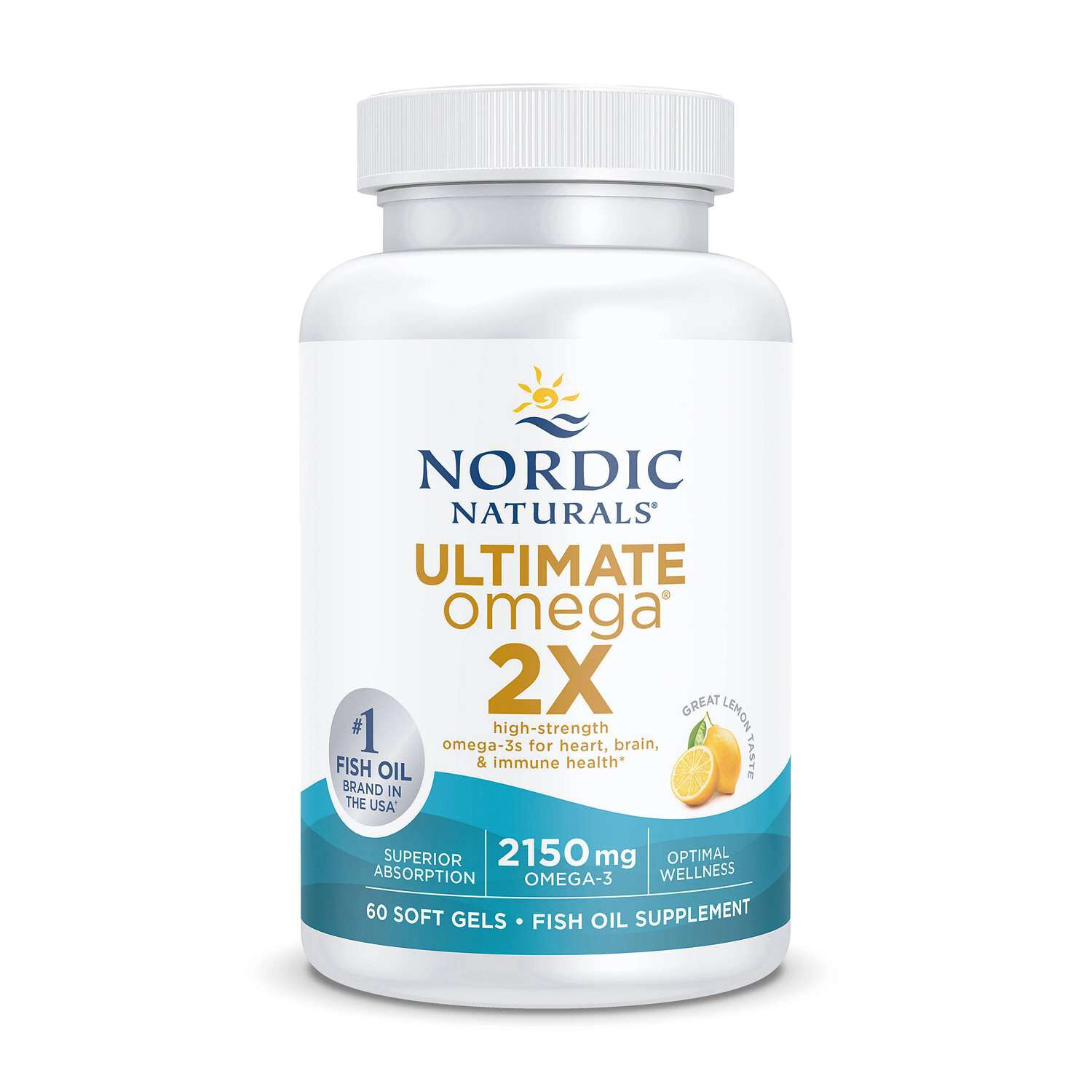 Nordic Naturals
