





DHA Supplements For Back To School
(0 Results)
DHA supplements for back to school could be a helpful addition to your family’s daily routine as the school year begins. Whether your student is heading into a new grade or preparing for upcoming exams, these supplements may support overall wellness during busy days in the classroom and after-school activities. Explore a variety of DHA supplements for back to school and find options that fit your lifestyle, so you can focus on making the most of every learning opportunity this season.
-
-
 $24.99
-
-

-

-

-

-
-
-
-

-
-

-

-

-
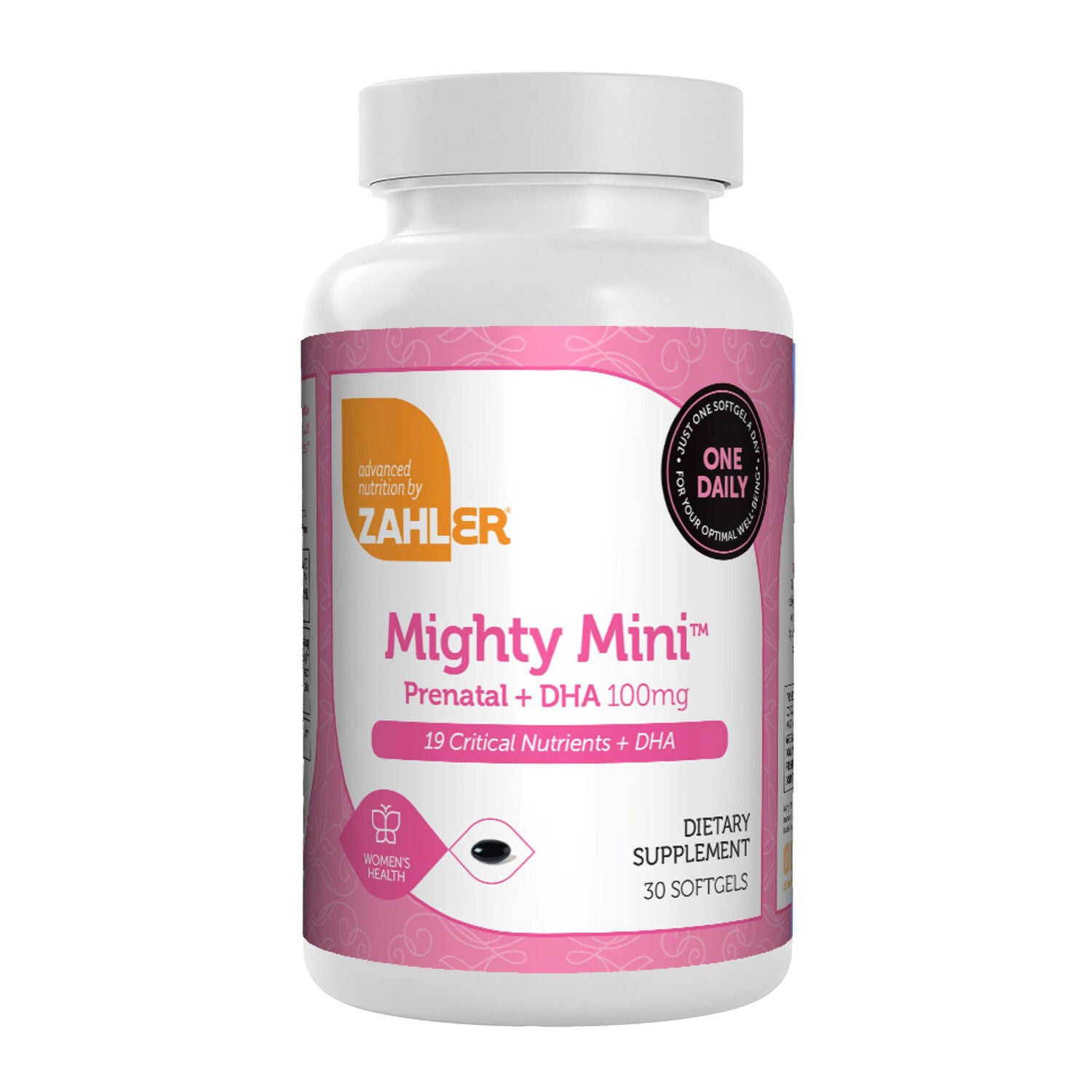

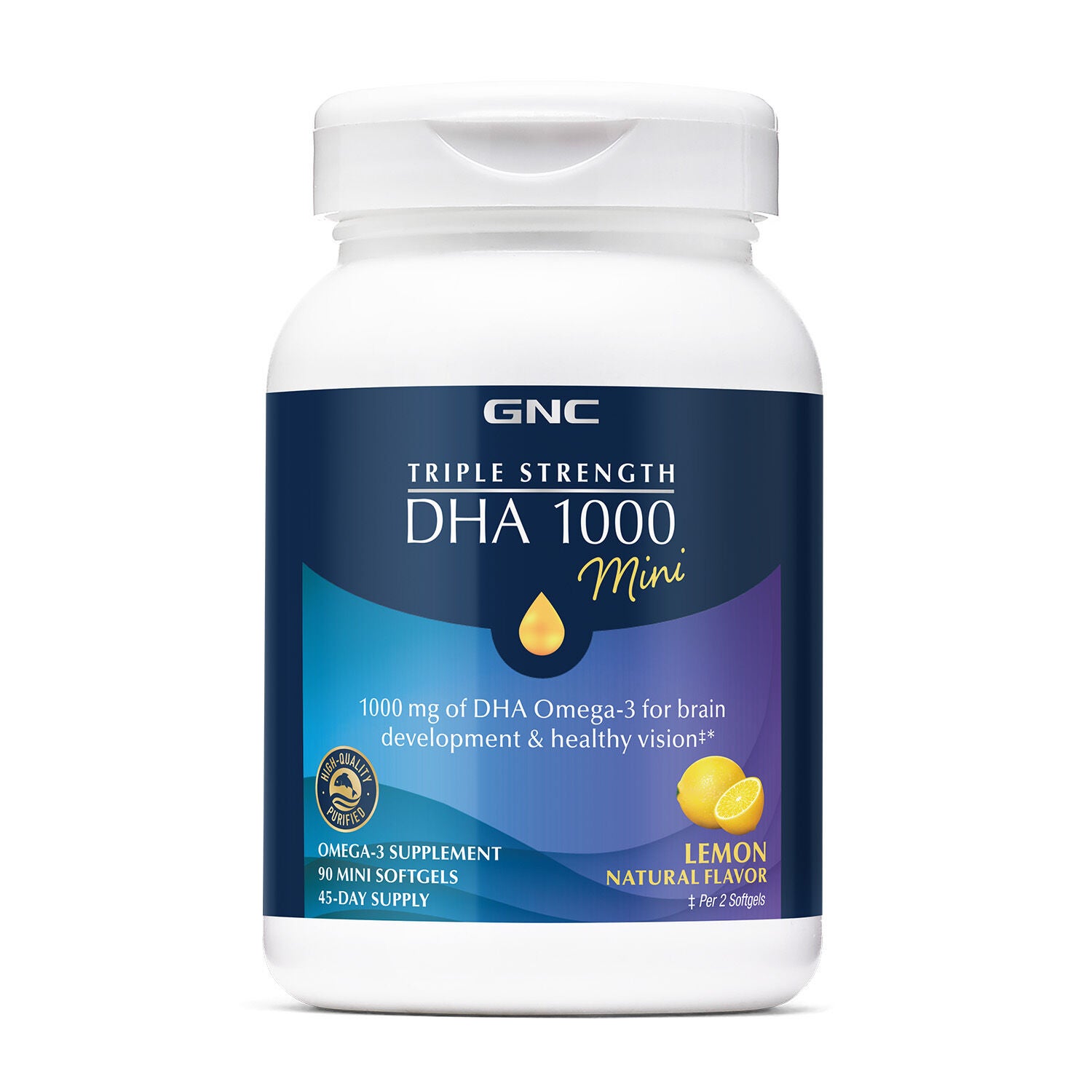


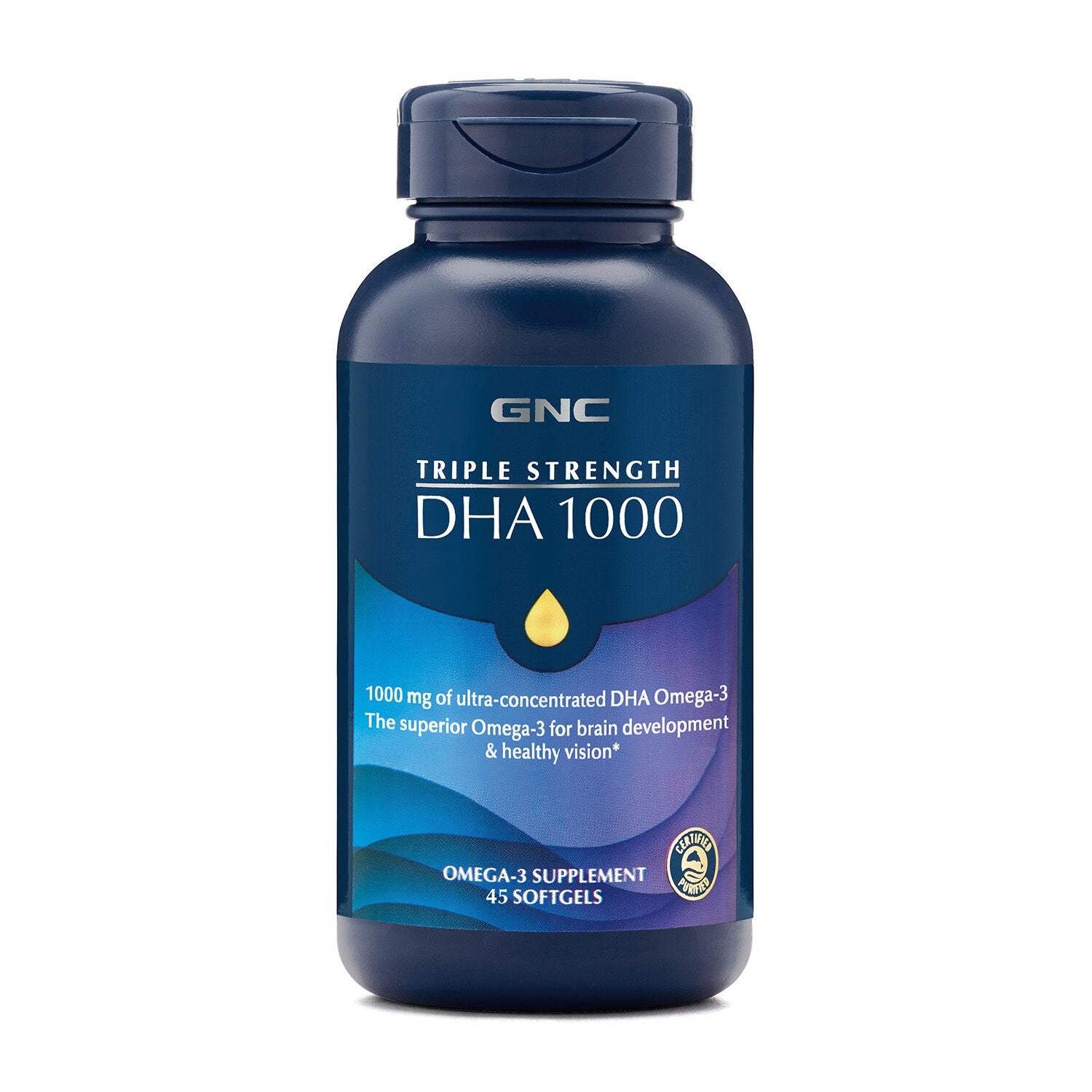
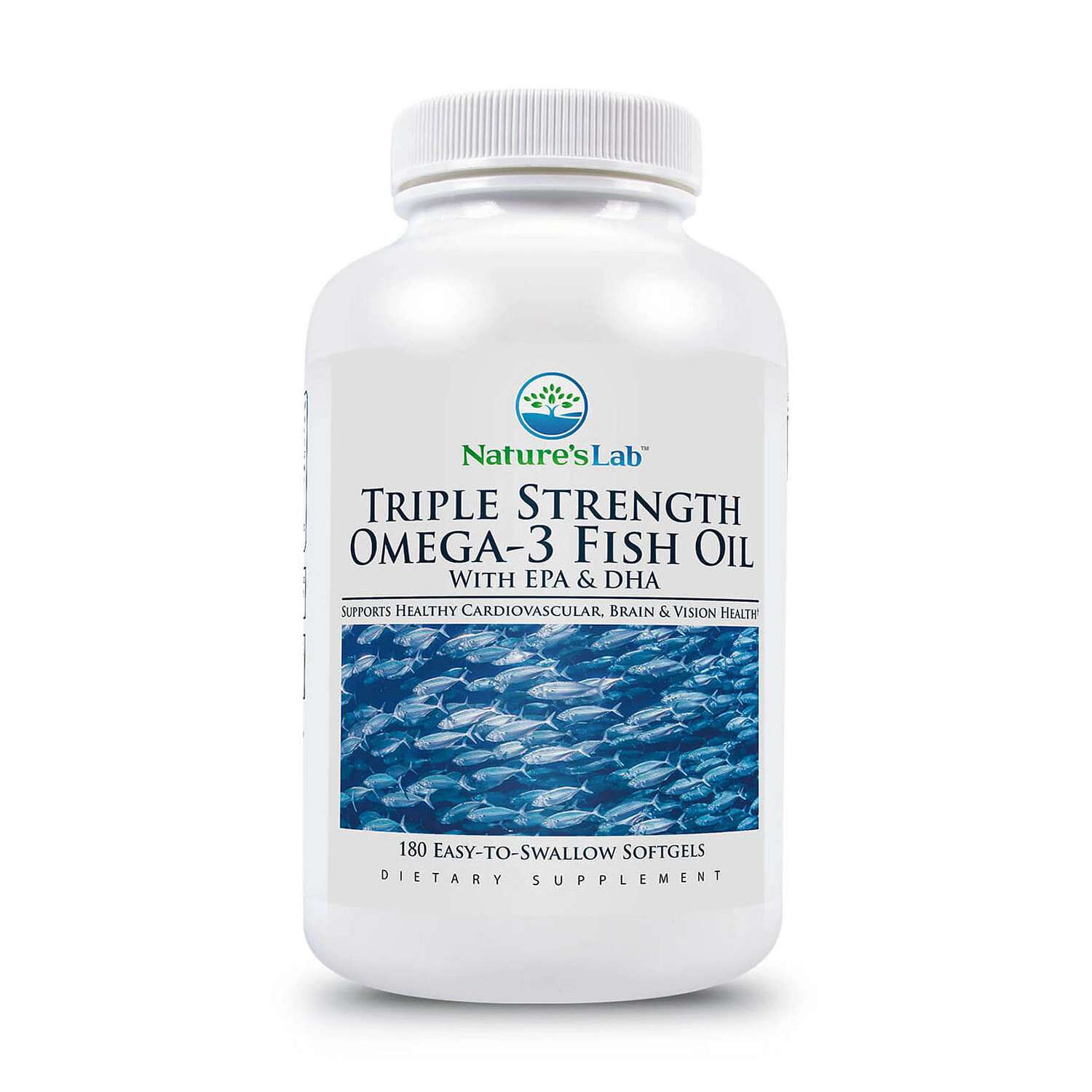
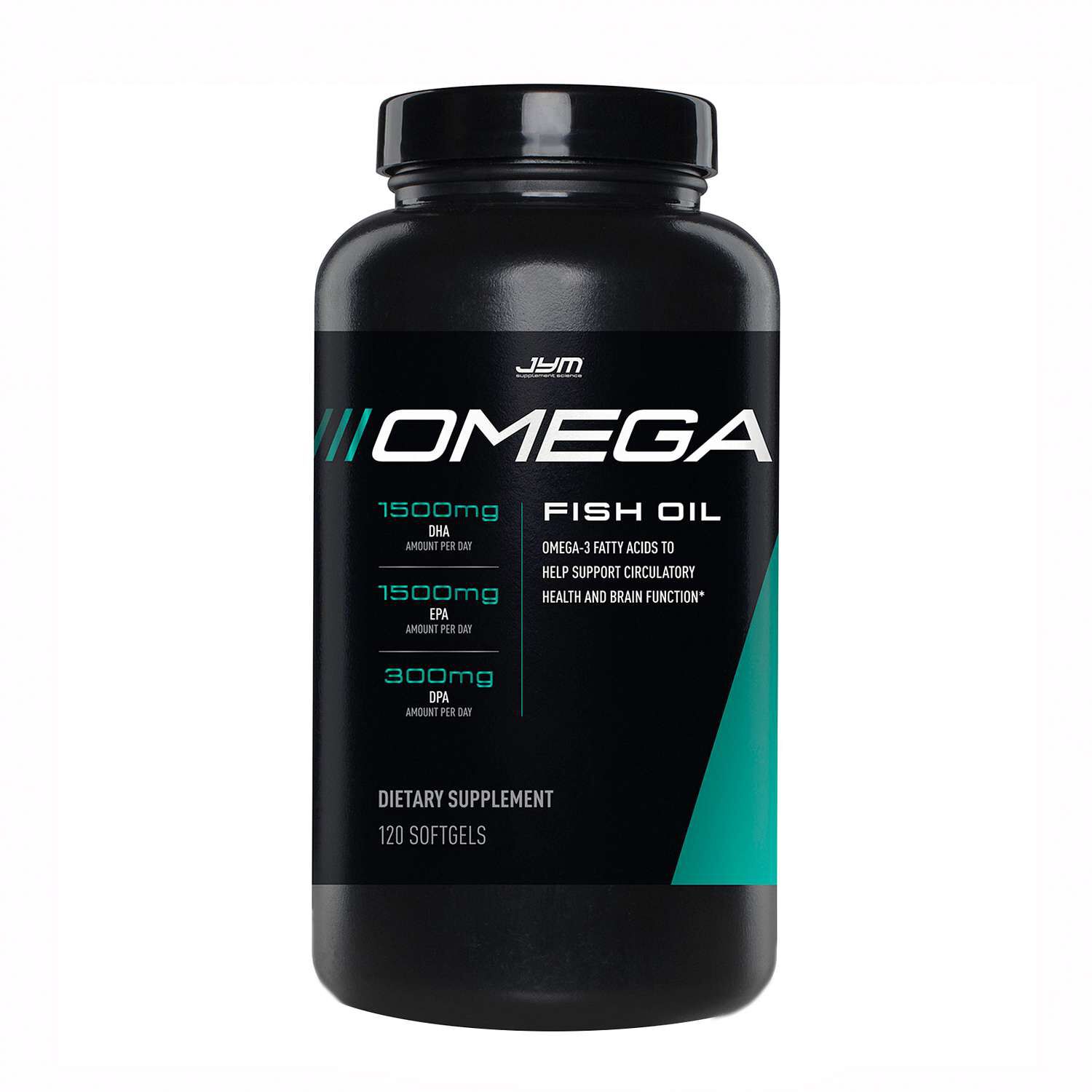
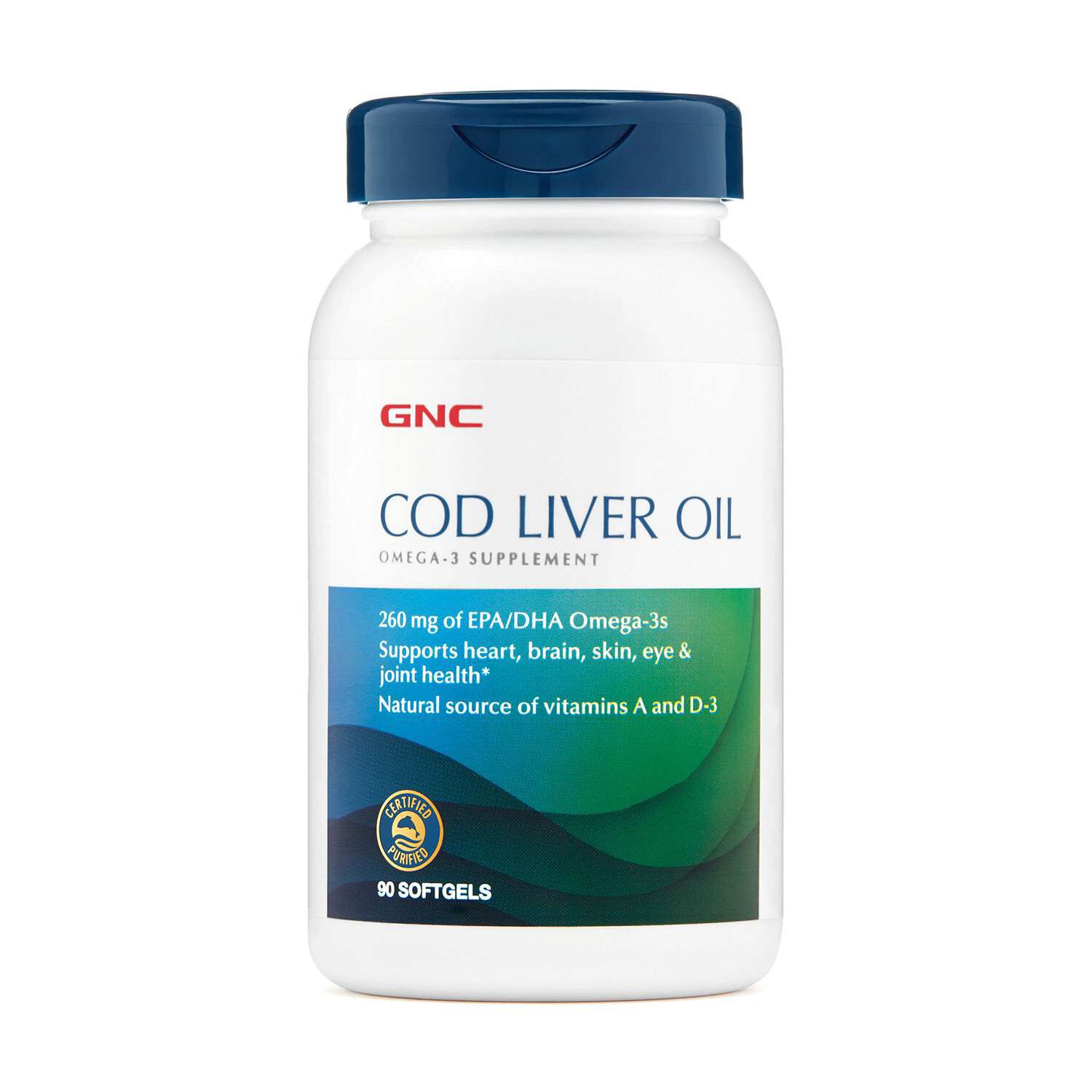
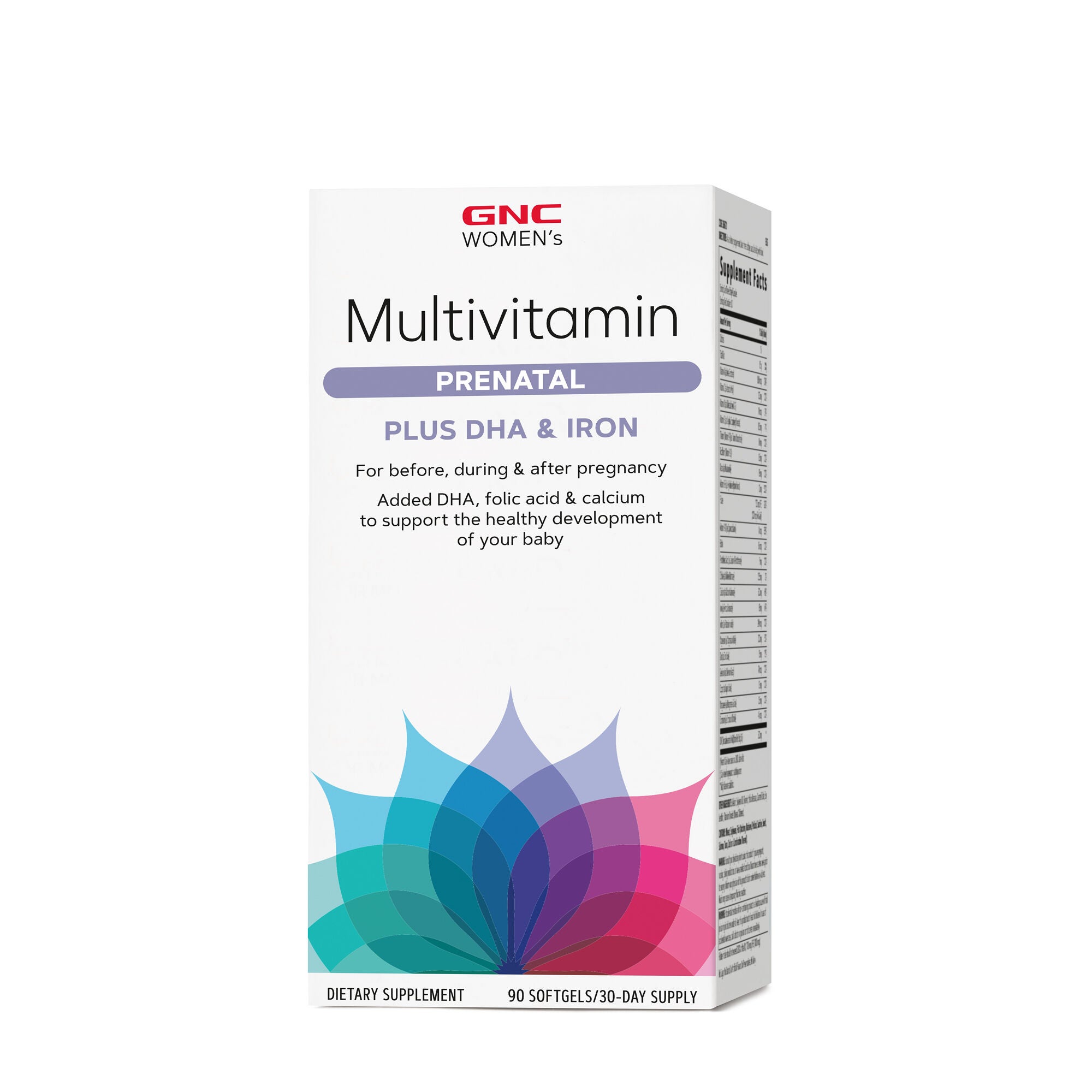
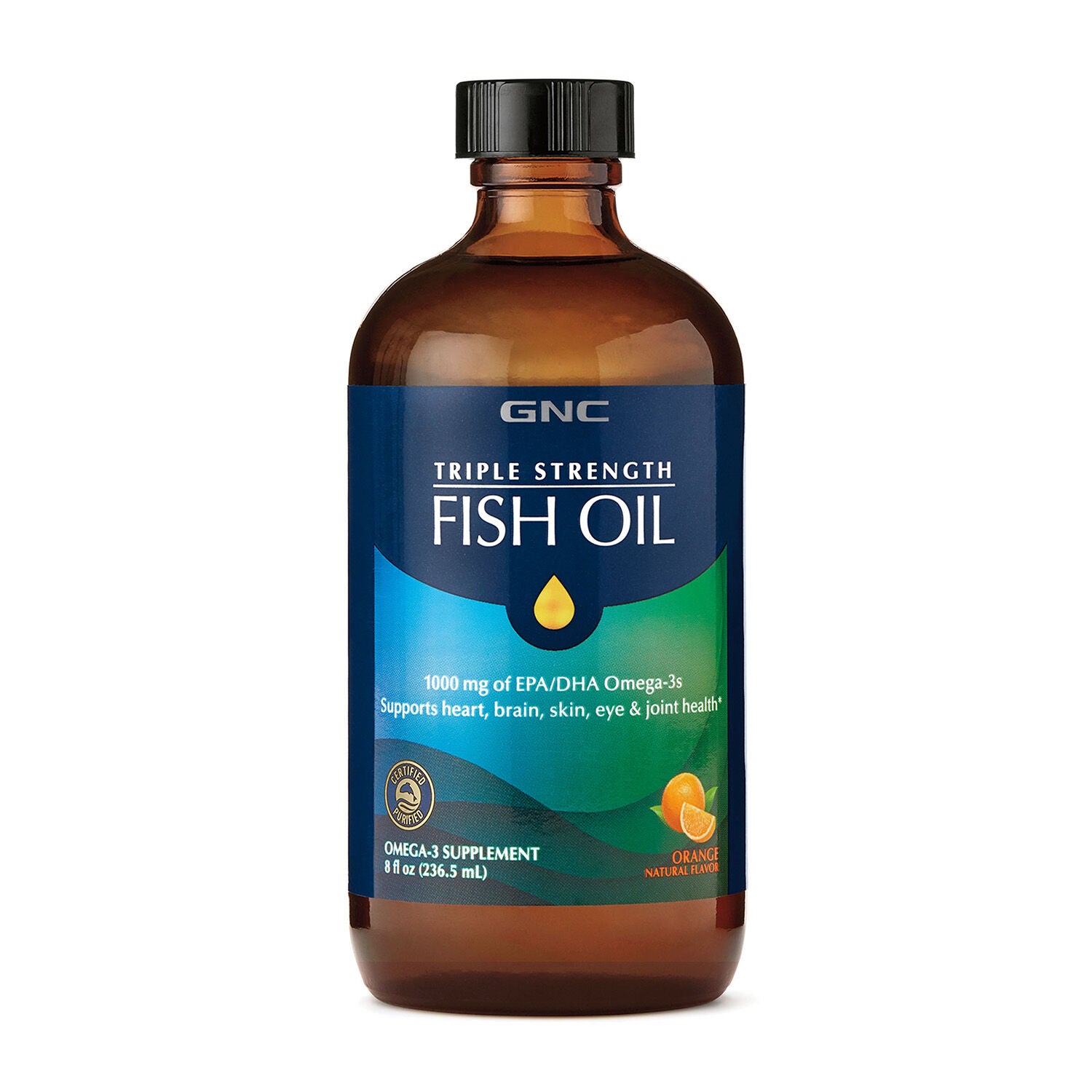
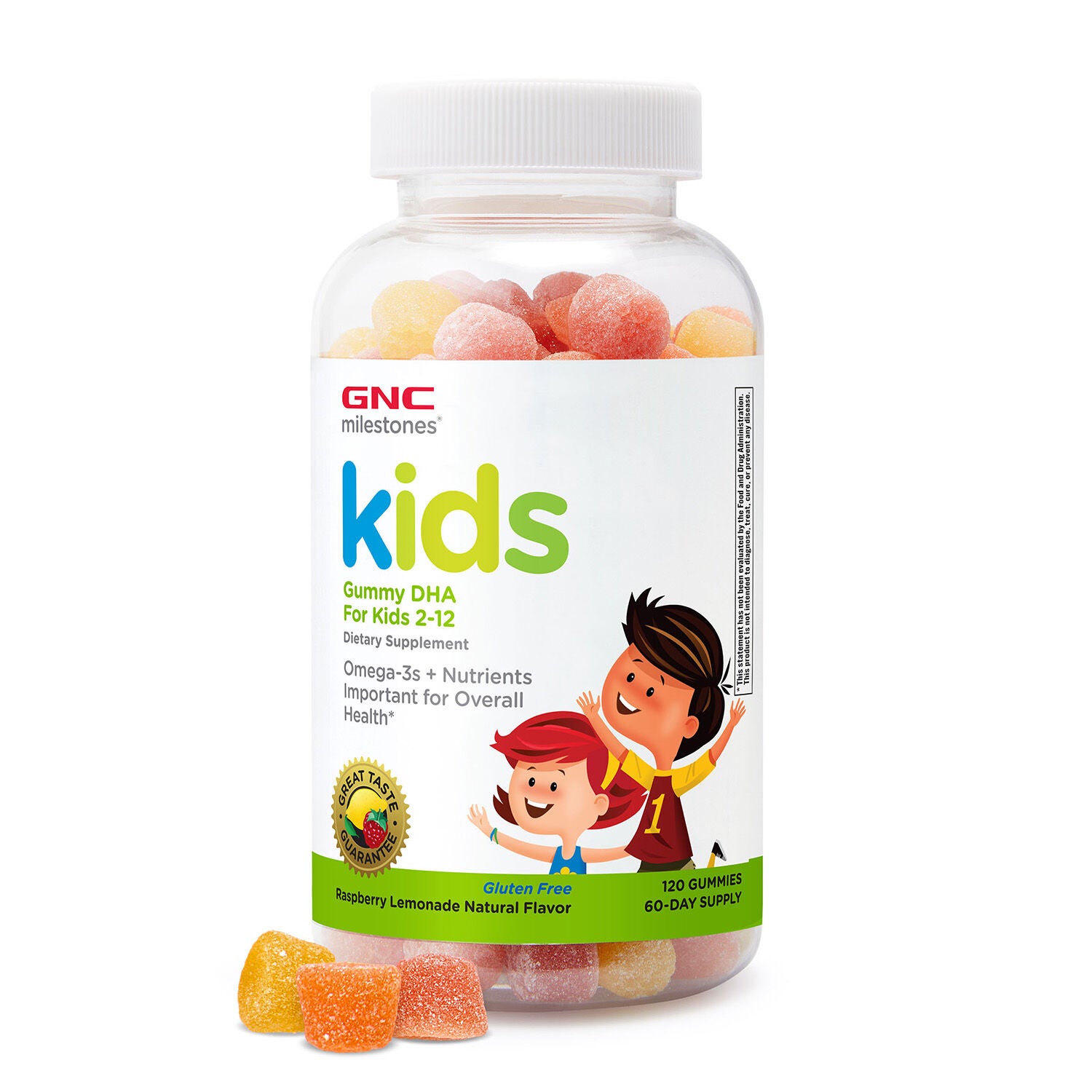
DHA supplements for back to school bring a specific omega-3 nutrient into the conversation about everyday nutrition and school-year routines. DHA, short for docosahexaenoic acid, is an omega-3 fatty acid found in certain fish and marine algae. Supplement formats include softgels, liquids, gummies, and chewables, with differences in sourcing, serving size, flavor, and intended age group. Fish oil may contain both DHA and EPA, another omega-3 fatty acid, while algae-derived oils may contain DHA alone or a combination of DHA and EPA. These distinctions matter when comparing labels: the amount of oil in a serving is not necessarily the amount of DHA. A label that identifies DHA separately provides a clearer picture of that particular nutrient than a front-panel statement about fish oil or omega-3 content alone. ALA, an omega-3 found in foods such as flaxseed and walnuts, is a different fatty acid and should not be confused with DHA when comparing ingredient information. For families organizing breakfast before the bus arrives, or college students settling into a new class schedule, DHA supplements may complement everyday food choices in a format that fits an established routine. They are not replacements for meals, varied food choices, sleep, or the other practical pieces of a school day. The back-to-school connection is about planning and consistency, rather than expectations about grades or classroom performance. Younger children, teenagers, and adults returning to school have different product considerations, so the intended age range on the package deserves attention alongside the nutrient information. A child-oriented format and an adult softgel are not interchangeable simply because both contain DHA. Within this category, useful comparisons begin with the source of the oil, the stated DHA amount per serving, the number of pieces or measured quantity in that serving, and the package directions. Those details distinguish products that can look quite similar at first glance, especially when several bottles feature fish imagery, fruit flavors, or an omega-3 description on the front.
The format of a DHA supplement shapes the everyday experience of using it. Softgels contain oil within a capsule shell, and their dimensions, shape, and shell ingredients vary. Some use gelatin, while others use different materials, so an algae-derived oil does not automatically mean every part of the finished supplement is plant-based. For shoppers comparing capsule-style options, Omega 3 Softgels For Back To School Health offers a related category to explore alongside other DHA formats. Liquids involve a measured serving and may have a flavored or unflavored profile; their directions can also differ in whether refrigeration or shaking is needed. A liquid intended to be mixed with food has different use instructions from one intended to be taken directly, making the package directions more informative than the format name alone. Gummies and chewables bring their own textures, sweeteners, colors, and flavorings, and a serving may consist of more than one piece. A fruit-flavored chewable should still be treated as a supplement, not as a lunchbox snack or something to share with classmates. Taste is another practical distinction. Citrus, berry, and other flavorings can change the experience, but flavor descriptions do not establish how much DHA a serving contains. Fish-derived oils and algae-derived oils also have different sourcing stories, which may matter to households with dietary preferences. Ingredient lists and allergen statements provide more specific information than assumptions based on a front label. Likewise, an oil blend may include ingredients beyond DHA and EPA, so comparing the full ingredient list can clarify what is inside. For a household choosing between a measured liquid at breakfast and a capsule-style format for an older student, the most relevant differences are often straightforward: age labeling, serving directions, texture, package handling, and ingredient preferences. A familiar format may make a supplement easier to incorporate into a routine, but familiarity does not replace checking the directions for that particular bottle.
Back-to-school shopping often means making room for new routines alongside notebooks, activity schedules, and packed lunches. DHA supplements belong in a different part of that organization: a designated household storage spot that follows the package instructions and keeps supplements out of children’s reach. Packaging details deserve consideration because oils, capsule shells, and chewable textures have different storage requirements. Exposure to heat, moisture, or light may affect product quality, and some liquids have specific instructions after opening. The original container keeps the ingredient information, serving directions, date markings, and storage instructions together, which is useful when several family members use different supplements. A secure closure and a clearly readable label are practical package features, although neither makes a bottle suitable for a child to handle independently. Leaving supplements in a parked car or a backpack for an extended period may put them outside their labeled storage conditions. School and campus rules also matter when supplements would be carried beyond the home, particularly for younger students whose belongings are handled in shared spaces. A routine centered on an appropriate place at home may involve fewer handoffs between backpacks, classrooms, and after-school activities. For older students living in residence halls or shared apartments, a clearly designated storage location can help keep personal supplements separate from roommates’ belongings. The quantity in a container is worth reading in relation to its serving size, too: a bottle’s piece count and its number of servings describe different things. Across a school term, those small label details can be more useful than a large number printed on the front. Choosing among DHA supplements is ultimately a comparison of nutrient content, source, format, and intended use, with packaging and care adding another layer of practical context. Whether the household prefers a measured liquid, an age-labeled chewable, or a softgel format, a well-matched selection starts with clear ingredient information and directions that suit the intended user’s everyday routine.
Best Sellers
-
 Nordic Naturals
-
 Nordic Naturals
-
 Nordic Naturals
Related Pages


Top Collections
- Supplements For Yoga Joint Flexibility
- GLP 1 Support For Adults
- Joint Mobility Supplement Packs
- Chronic Fatigue Supplements
- Adult Mobility Supplements
- Supplements For Balance
- Supplements For Anxiety Relief Support
- Capsule Supplements For Energy And Stamina
- Zinc Supplements | Top Brands at Great Prices | GNC
- Anti Aging Supplements For Women