





Omega 3 Supplements For Autumn Wellness
(0 Results)
Omega-3 supplements for autumn wellness may offer a convenient way to support your seasonal routine as the weather changes. With cooler days and shifting schedules, many people look for ways to maintain their well-being through nutrition. Omega-3 supplements for autumn wellness could be a simple addition to your daily habits, helping you embrace the new season with confidence and balance. Explore a variety of options designed to fit seamlessly into your autumn lifestyle.
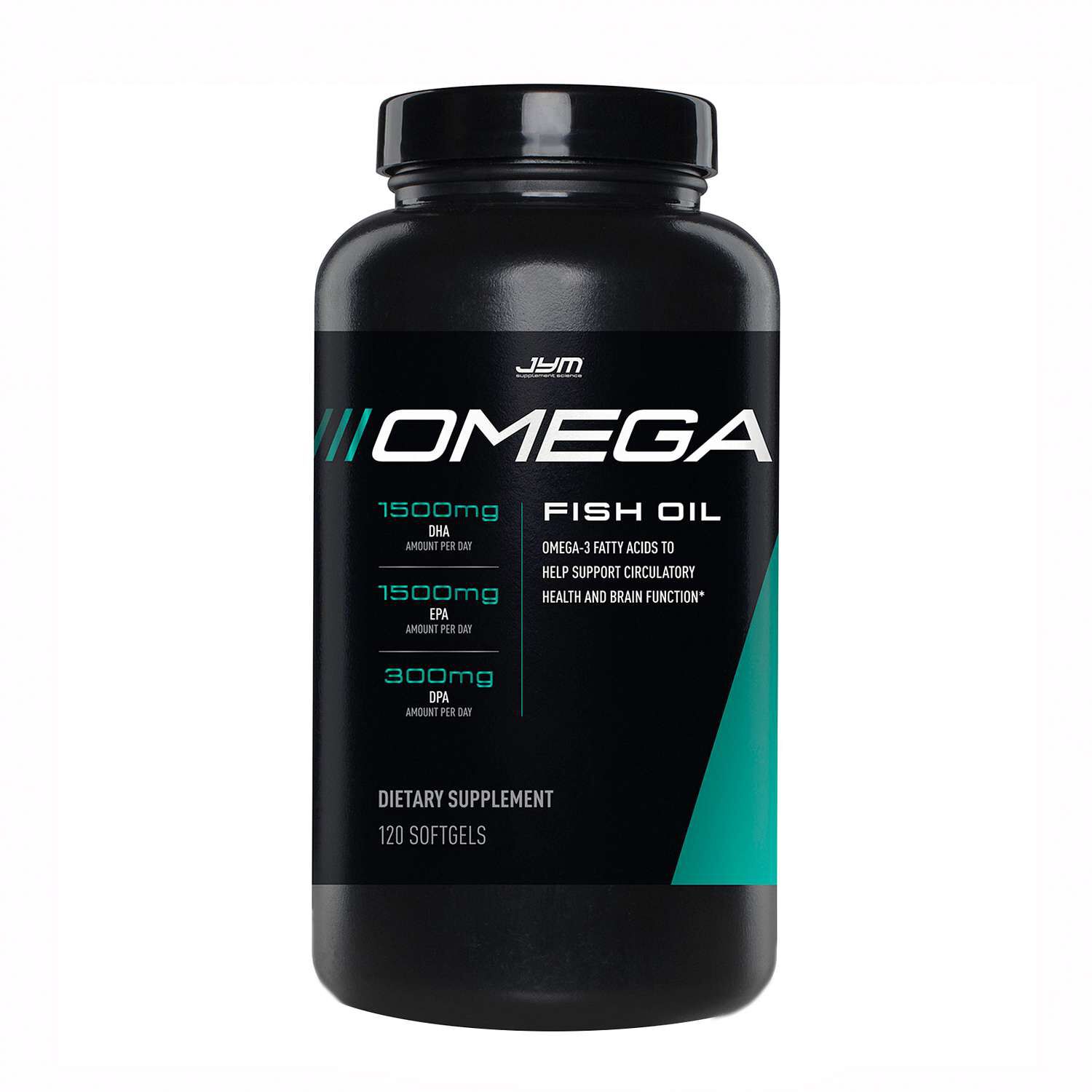


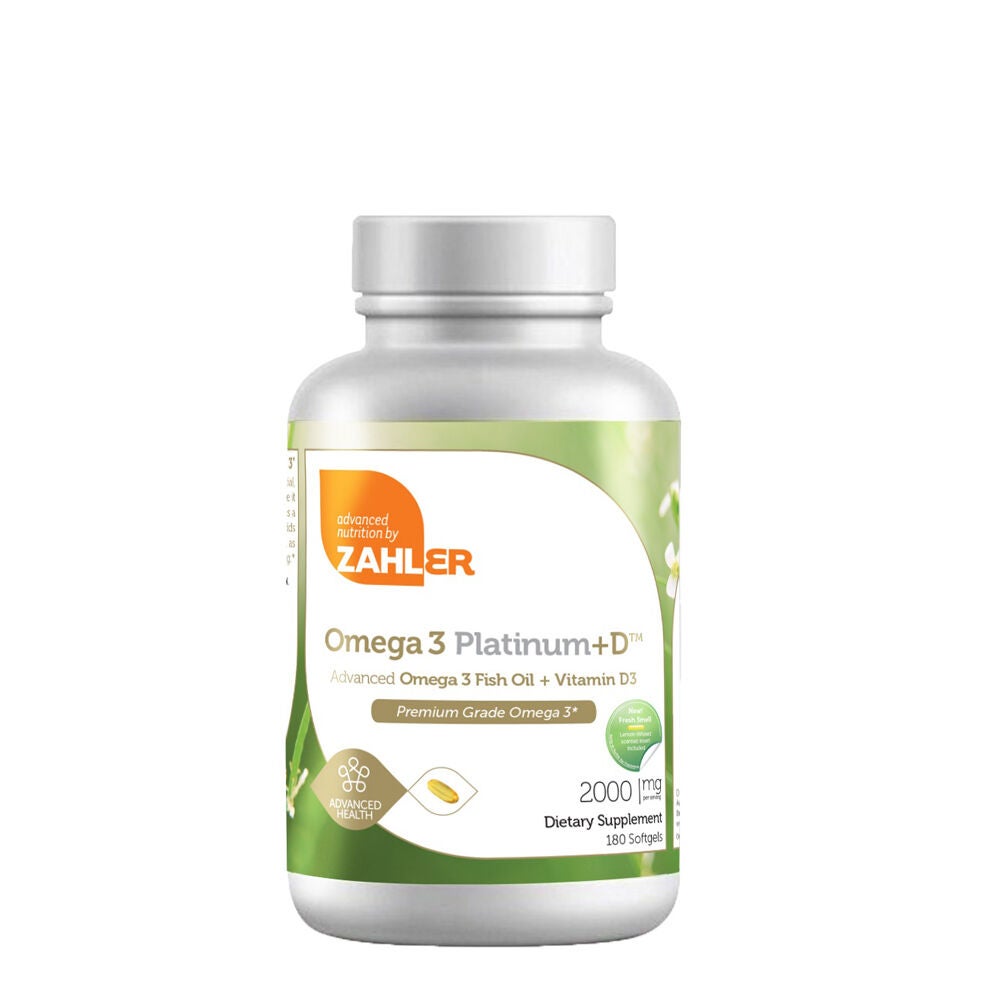
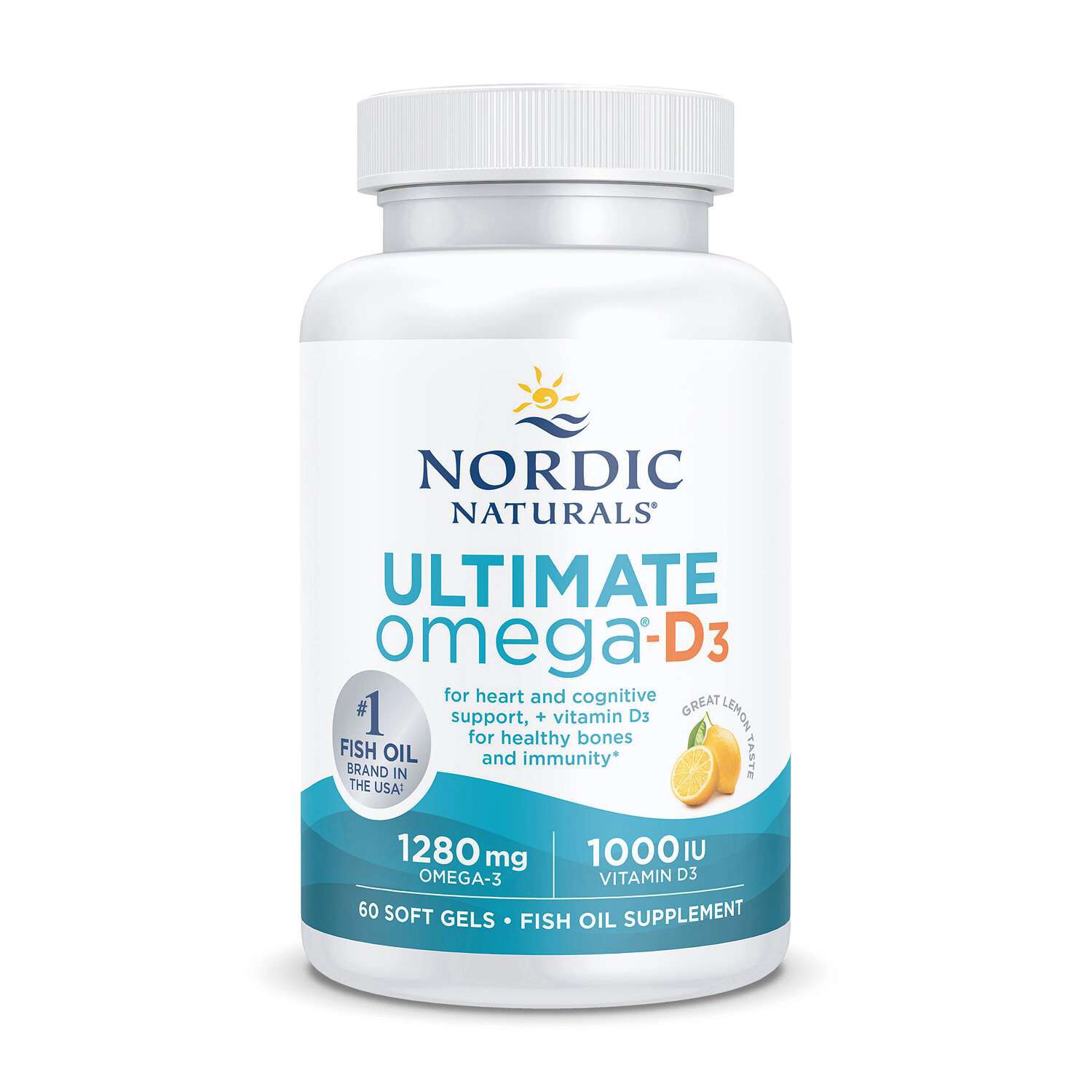

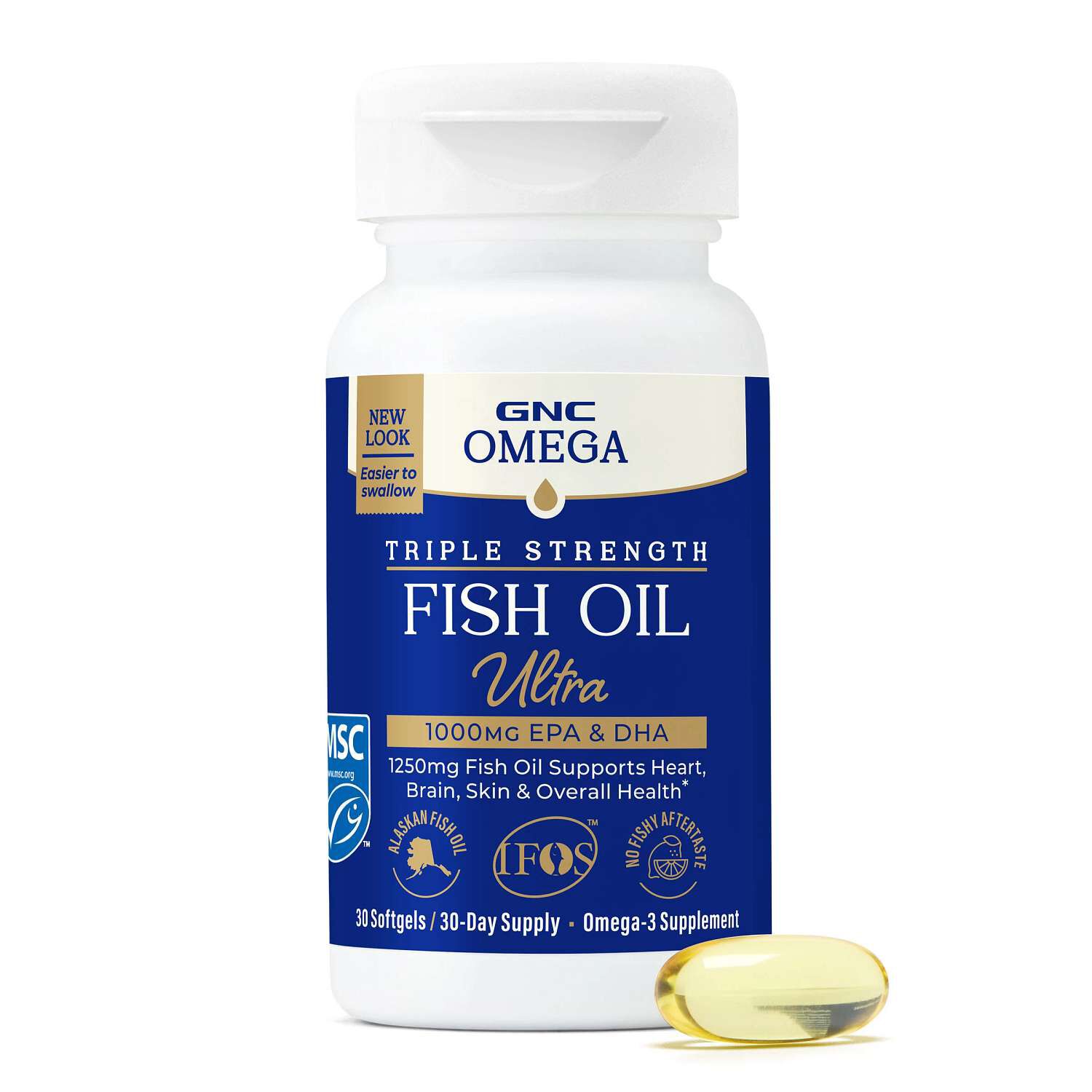
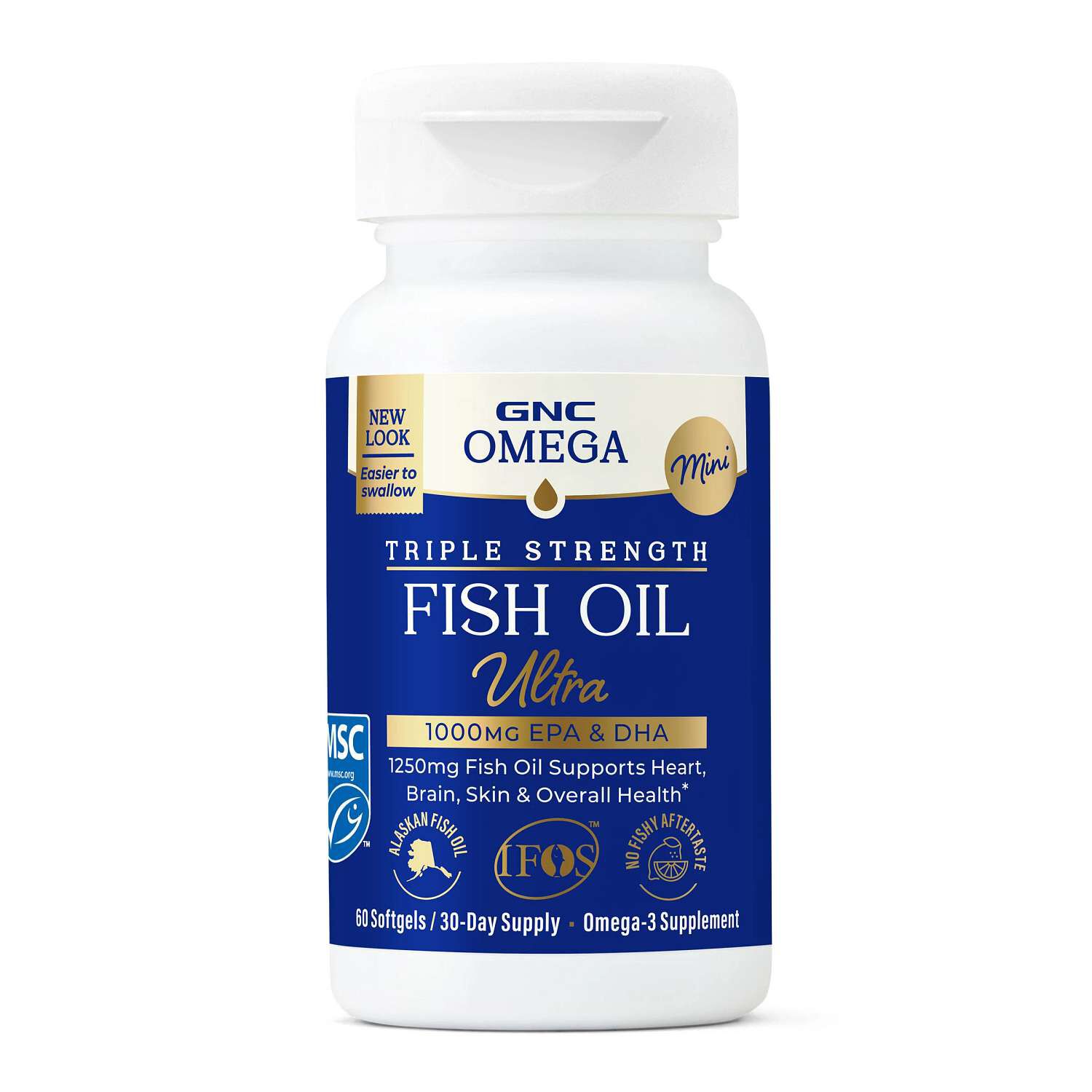
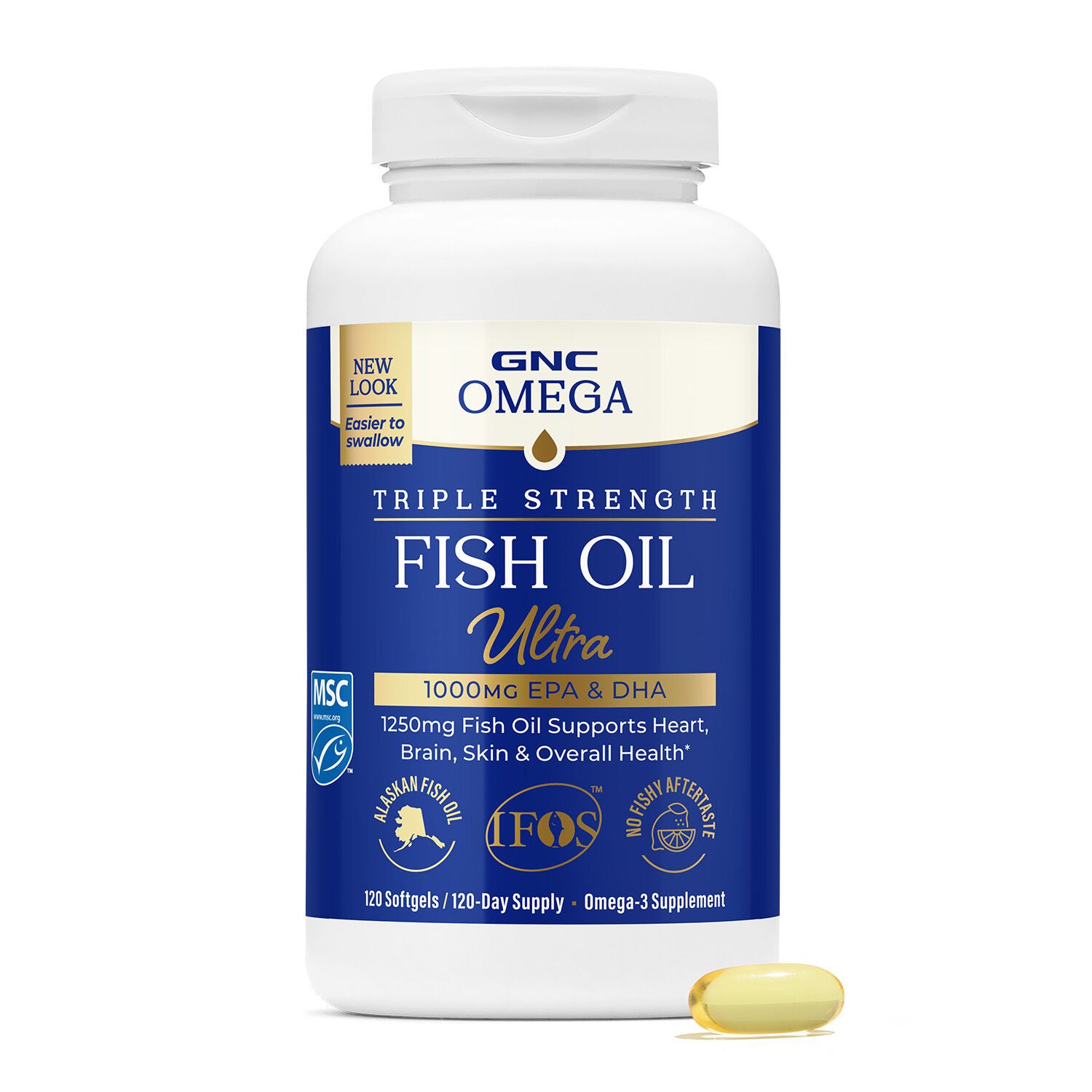
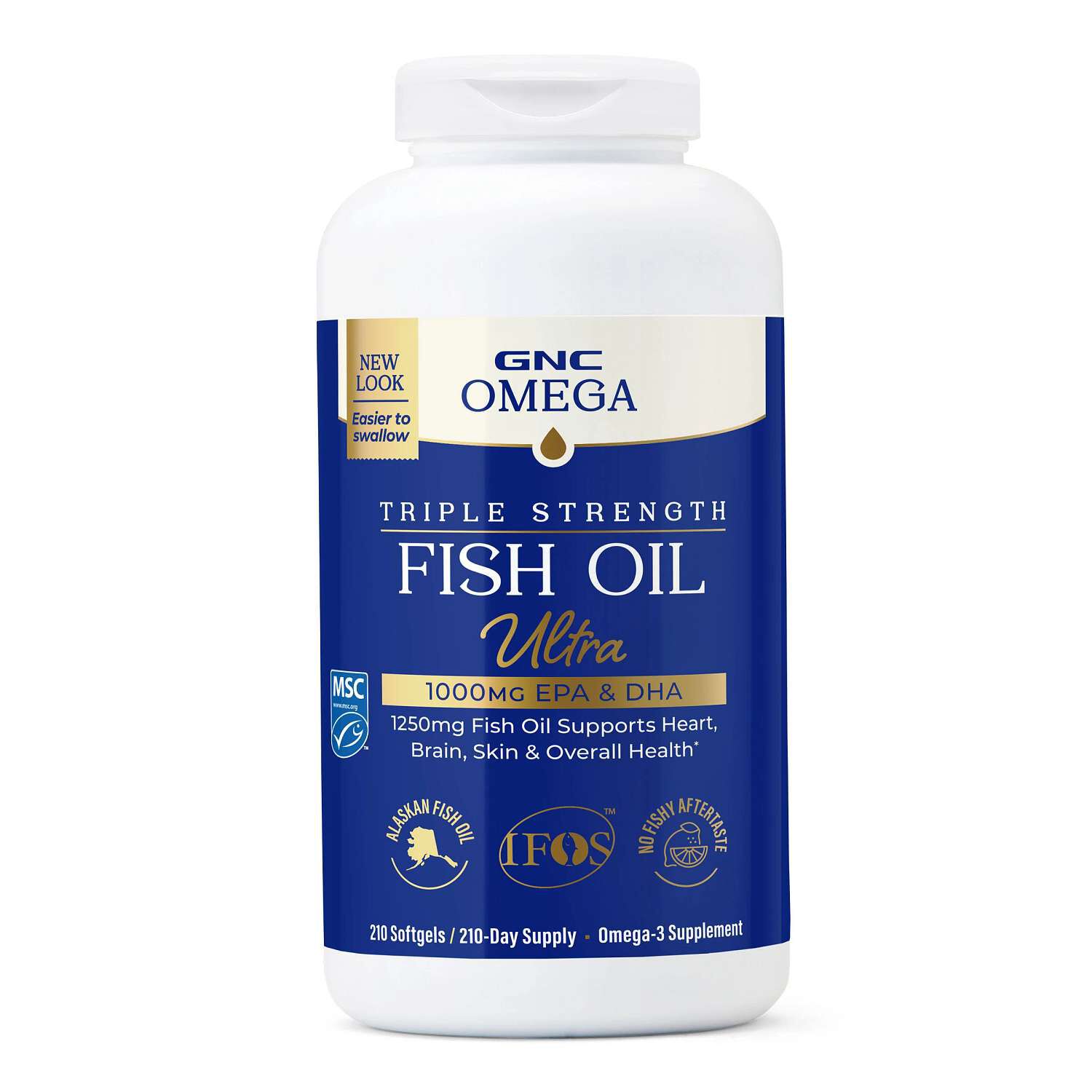
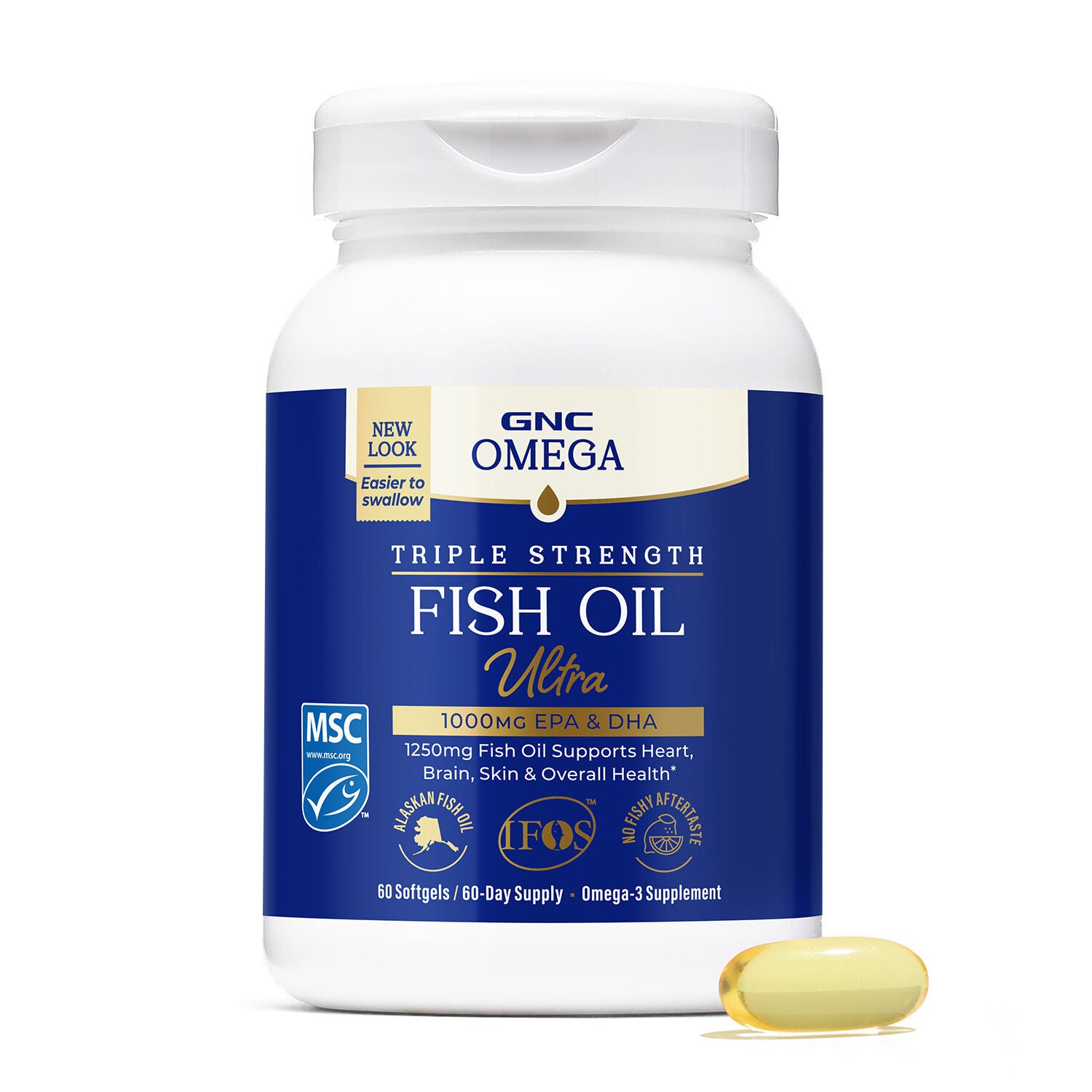
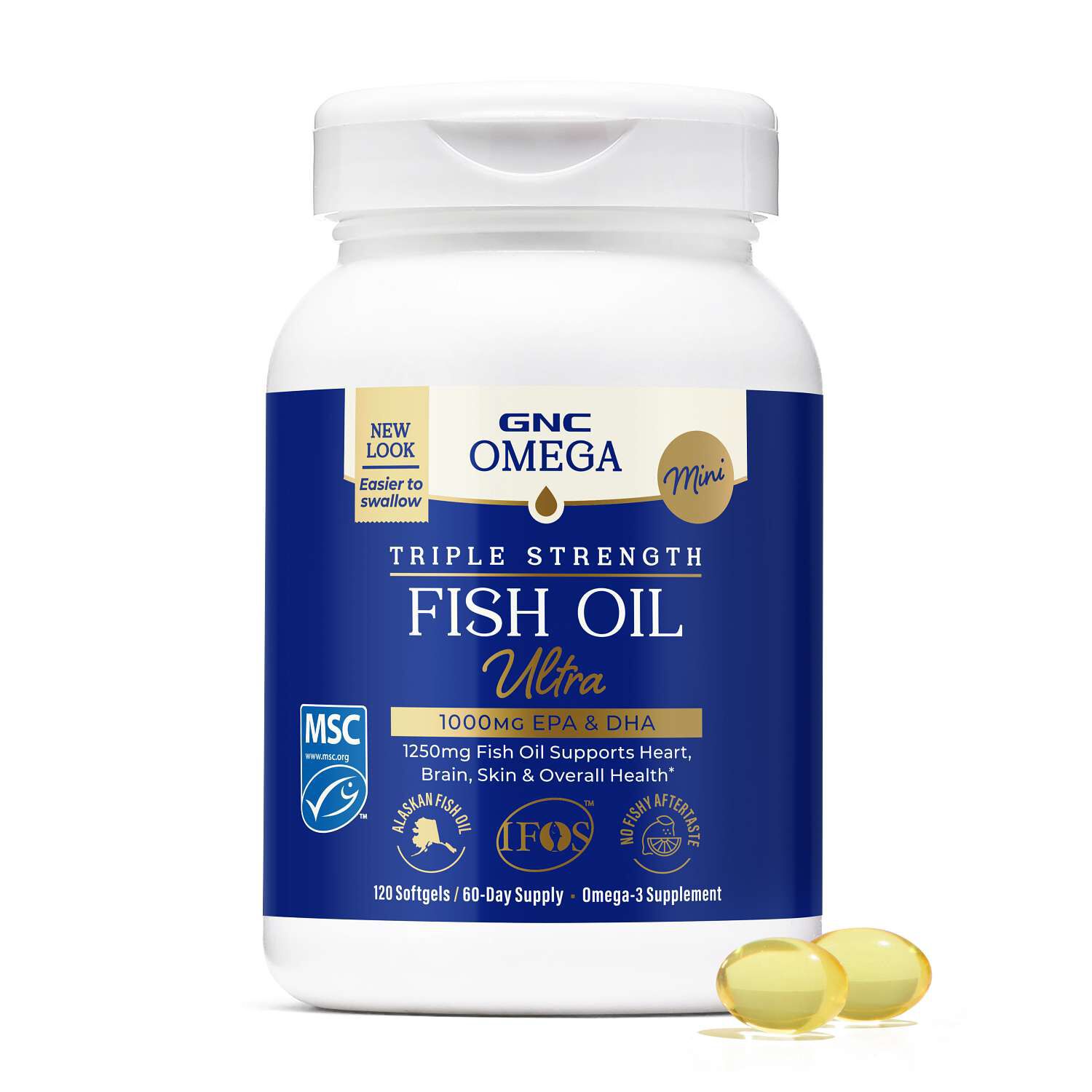
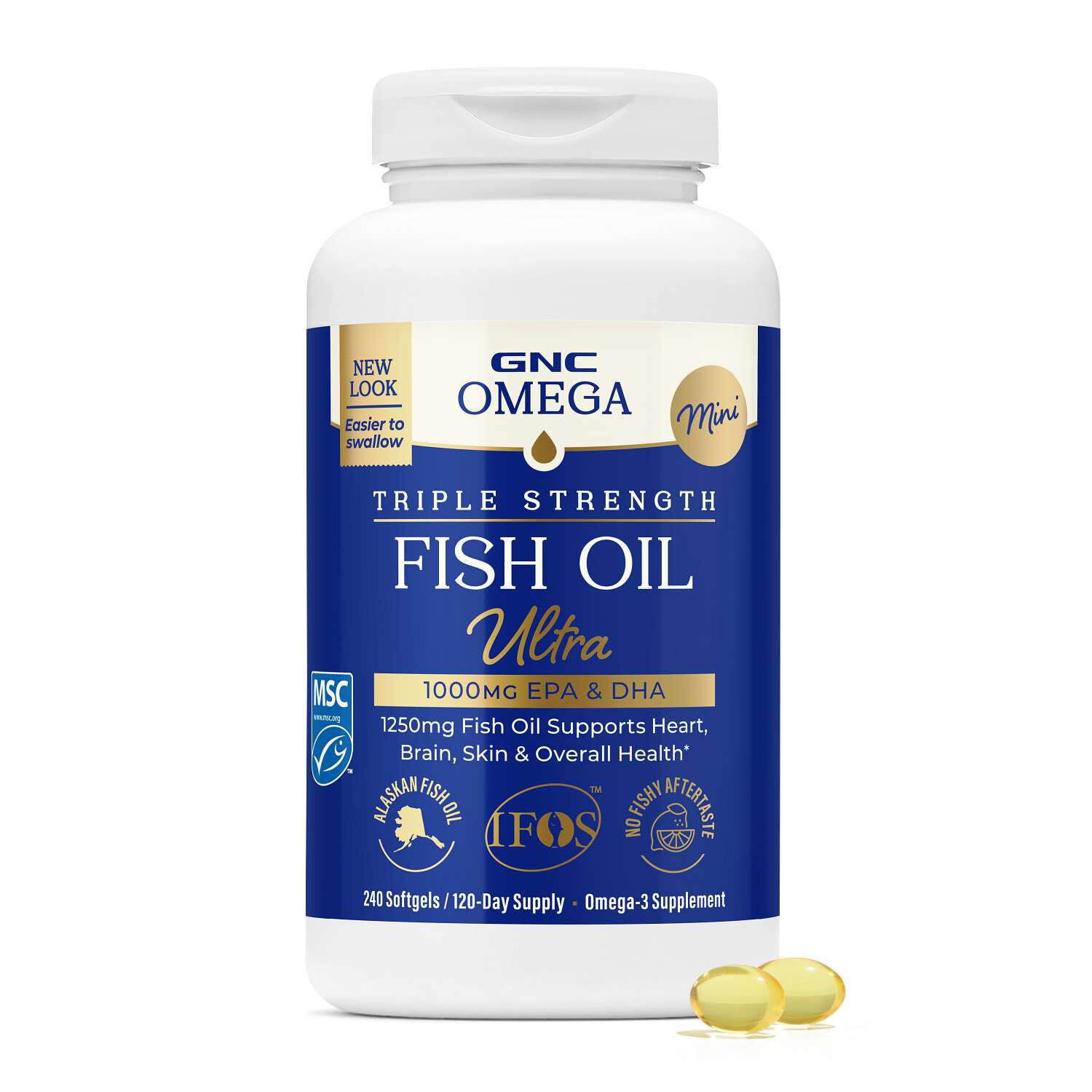

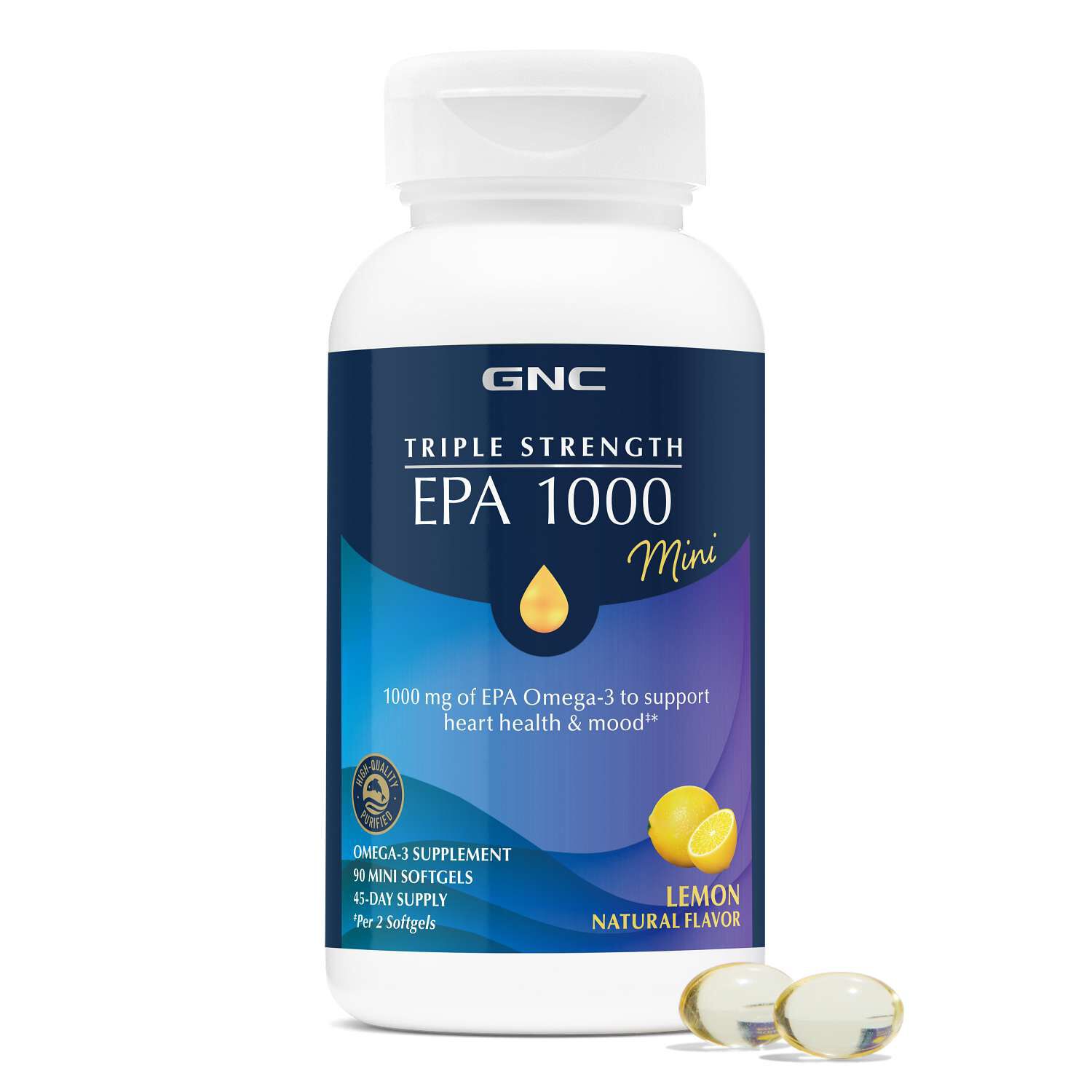

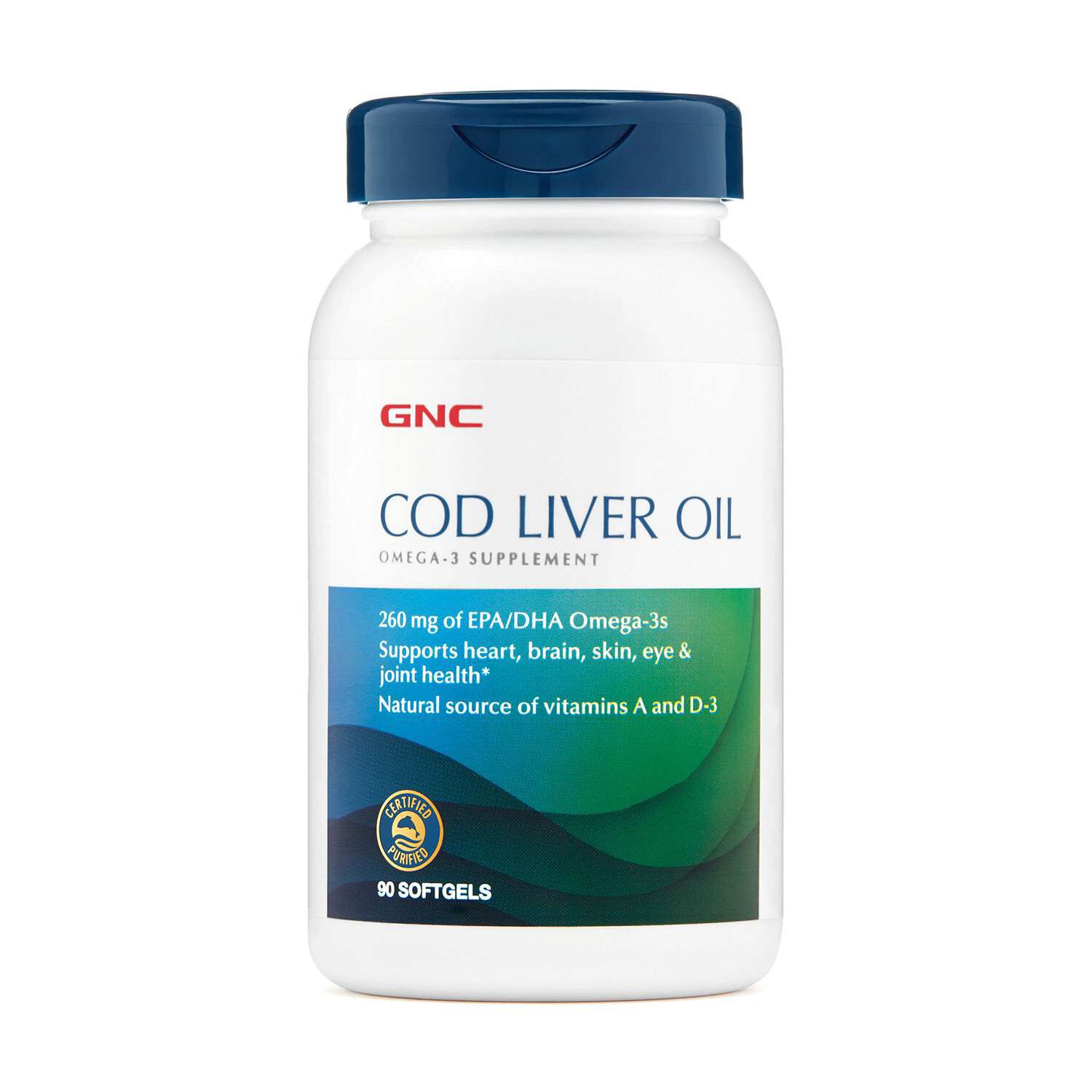


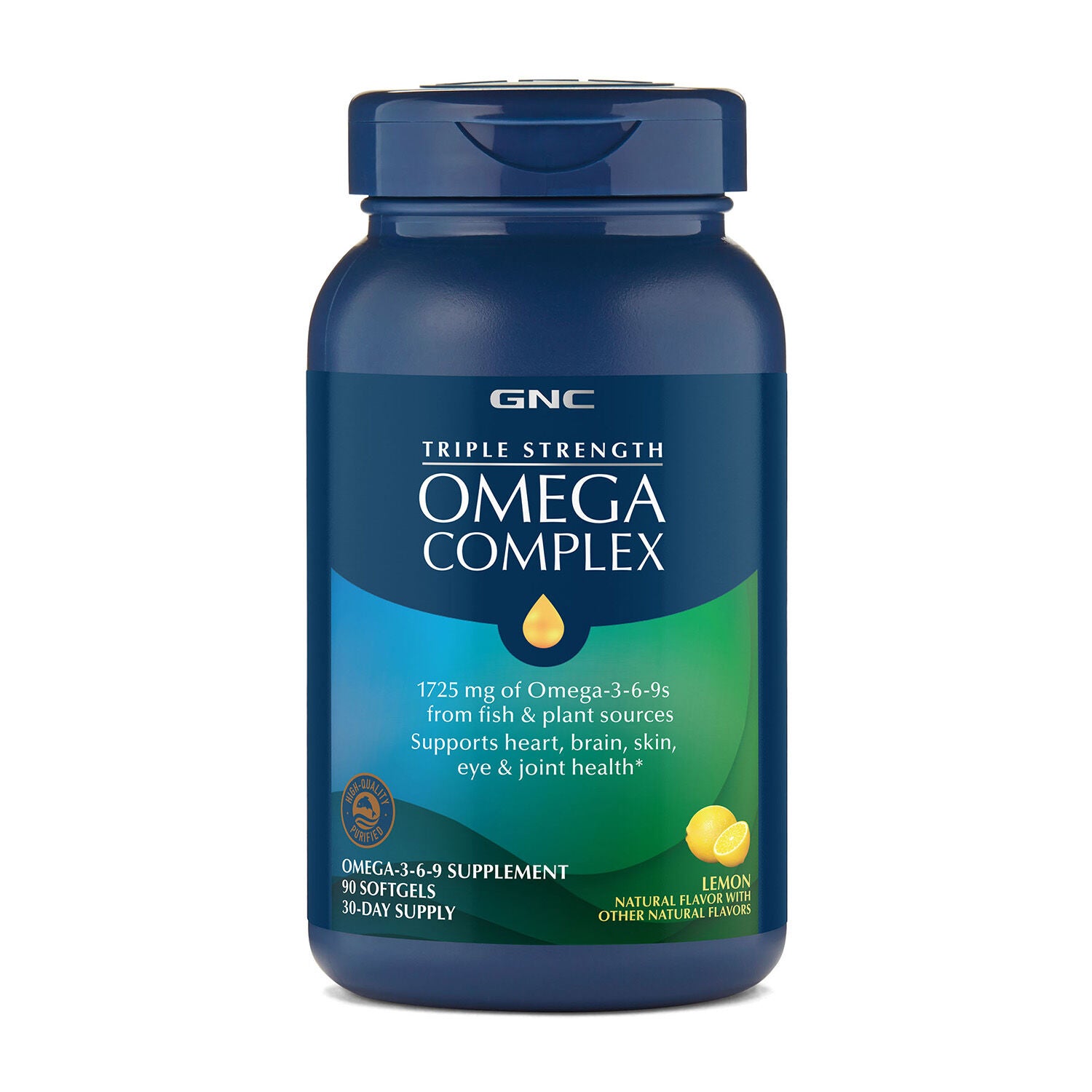
Omega-3 supplements for autumn wellness center on a practical nutritional consideration: finding a source of omega-3 fatty acids that fits everyday eating patterns and personal preferences. Autumn routines often involve packed lunches, meals between activities, and weekends spent away from the usual kitchen schedule. For someone whose menu does not regularly include fish, an omega-3 supplement may complement that eating pattern without requiring another meal to plan. The category includes fish oil, krill oil, and algae-derived oil, with differences in sourcing, fatty acid composition, and format. Two names commonly seen on labels are EPA, short for eicosapentaenoic acid, and DHA, short for docosahexaenoic acid. Both are omega-3 fatty acids, but their amounts and proportions vary among formulations. Fish oil generally contains EPA and DHA, while algae-derived formulations may contain DHA alone or a combination of DHA and EPA. Krill oil comes from small marine crustaceans and contains omega-3s associated with phospholipids. These source differences matter when comparing options, particularly for shoppers with vegetarian or vegan preferences or ingredient exclusions. Plant foods such as walnuts, flaxseed, and chia seeds contain another omega-3 fatty acid, ALA, or alpha-linolenic acid; that name is distinct from the EPA and DHA commonly highlighted on supplement labels. An algae-derived oil is therefore different from a seed oil, even though both originate outside the fish oil category. The autumn connection is less about a special seasonal ingredient and more about how a supplement might fit a familiar routine: breakfast before an early commute, a lunch packed alongside roasted vegetables, or an evening meal after a long day. That context can remain relevant when autumn plans carry into winter. Omega-3 supplements are intended to supplement the diet, not replace meals, and their usefulness as a shopping category depends on the source, serving information, and format that suit the person considering them.
The details on an omega-3 label often say more than the size of the bottle or the number printed prominently on the front. A stated quantity of fish oil is not necessarily the same quantity as the EPA and DHA within it. The serving panel distinguishes the oil amount from individual fatty acid amounts and identifies how many softgels, capsules, or measured portions make up a labeled serving. Comparing those details on the same basis makes differences between formulations easier to understand. A bottle with smaller softgels, for example, may list several softgels per serving, while another format may use fewer, larger softgels. Neither shape nor serving count alone describes the composition. Capsule dimensions, shell materials, and added ingredients also influence the practical fit. A plant-derived oil does not automatically mean the capsule shell is plant-derived, so the oil source and shell composition are separate considerations for vegetarian and vegan shoppers. Gelatin, glycerin, flavoring, and other listed ingredients may be relevant to individual preferences, as are fish or shellfish declarations. Softgels enclose the oil in a portable format, while liquids involve a measured portion and may have distinct flavor and storage requirements. For someone who prefers not to swallow capsules, a liquid could suit the routine better; for someone who values a compact container beside other daily toiletries, softgels might be more convenient. Flavored oils and coated capsules introduce additional distinctions, but flavor names and coating descriptions are not substitutes for the fatty acid information. Scent and taste are personal considerations, especially when a supplement is intended for repeated use rather than an occasional occasion. A lemon-flavored liquid, an unflavored oil, and a coated softgel represent different experiences even when their labels list similar ingredients. Packaging that clearly separates serving size, EPA, DHA, other ingredients, and storage directions gives shoppers useful information for comparing those experiences without assuming that every omega-3 format is interchangeable.
Storage and day-to-day handling are part of choosing an omega-3 supplement that suits an autumn routine. Oils require attention to their labeled storage conditions, and packaging is designed around the particular formulation. Some liquid oils call for refrigeration after opening; other formats have different directions. A tightly closed container, its original label, and an accessible expiration date make those requirements easier to follow. Places exposed to direct sunlight, moisture, or sustained heat are different from the conditions typically described on supplement packaging, so a bottle left in a car or next to a stove may not suit its storage instructions. A kitchen cabinet away from cooking heat or another appropriate indoor location could be more practical, depending on the label. For a household that keeps several supplements together, readable containers also help distinguish ingredients and serving information without relying on capsule appearance. Bottle size is another everyday consideration, although a larger container does not automatically represent a better fit. The number of labeled servings, the opening and storage requirements, and the pace of an established routine all affect how manageable a format may be. An individual who regularly cooks salmon has a different dietary context from someone who relies on vegetarian lunches, and someone who dislikes larger capsules has different preferences from a shopper comfortable with softgels. Those distinctions give omega-3 shopping a personal dimension without requiring an ambitious seasonal overhaul. The broader Supplements For Autumn Wellness category places omega-3s alongside other nutritional options, each with its own composition and intended use. Within that setting, omega-3 supplements may fit a thoughtful approach to everyday nutrition built around familiar foods and manageable habits. A breakfast of oatmeal with walnuts, a lunch with beans and leafy vegetables, or a dinner featuring fish illustrates how varied the surrounding diet can be. The supplement remains one part of that picture. Clear ingredient information, a suitable source, a comfortable format, and manageable storage needs give this seasonal collection relevance beyond a single autumn outing or a particular week on the calendar.
Best Sellers
-
 Nordic Naturals
-
 Nordic Naturals
-
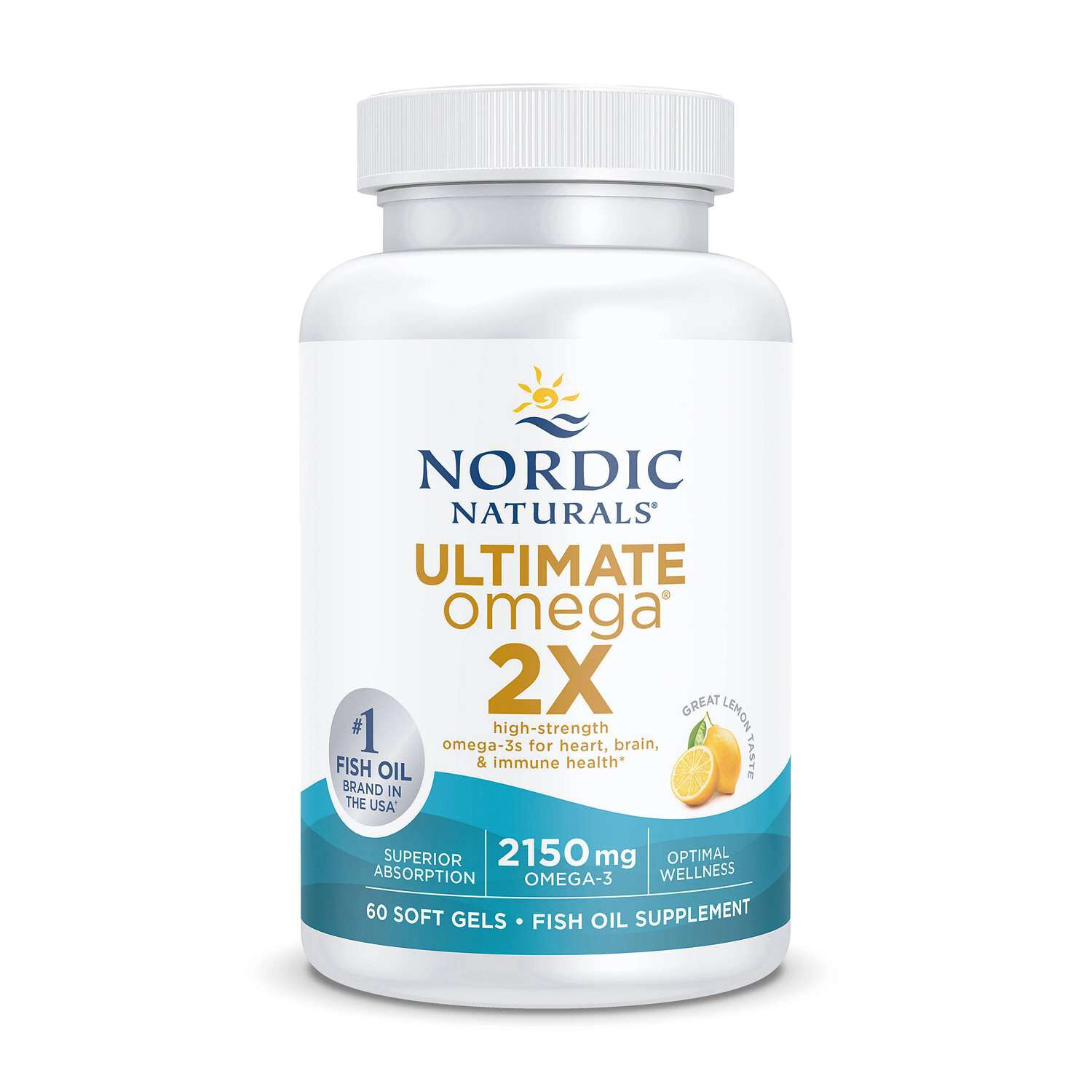 Nordic Naturals
Related Pages


Top Collections
- Daily Collagen Supplements | Top Brands & Deals | GNC
- Natural Collagen Supplements | Top Brands & Deals | GNC
- Top Rated Collagen | Shop Customer Favorites | GNC
- Cortisol Supplements
- Vitamins For Hair Loss
- Spirulina Tablets
- NAD+ Supplement Tablets
- Peptide Supplements
- Best Brand of Magnesium Glycinate
- Vitamins That Help Support Weight Gain