





Omega 3 Natural Supplements
(0 Results)
Explore the benefits of omega-3 natural supplements, which may support overall health and wellness. Sourced from high-quality ingredients, these supplements could be an excellent addition to your daily routine. Whether looking to maintain a balanced diet or seeking additional nutritional support, omega-3 natural supplements might offer the solution you need. Discover how incorporating these supplements into your lifestyle could contribute to your well-being.
-

-

-
-

-
 $24.99
-
 $24.99
-

-
-

-
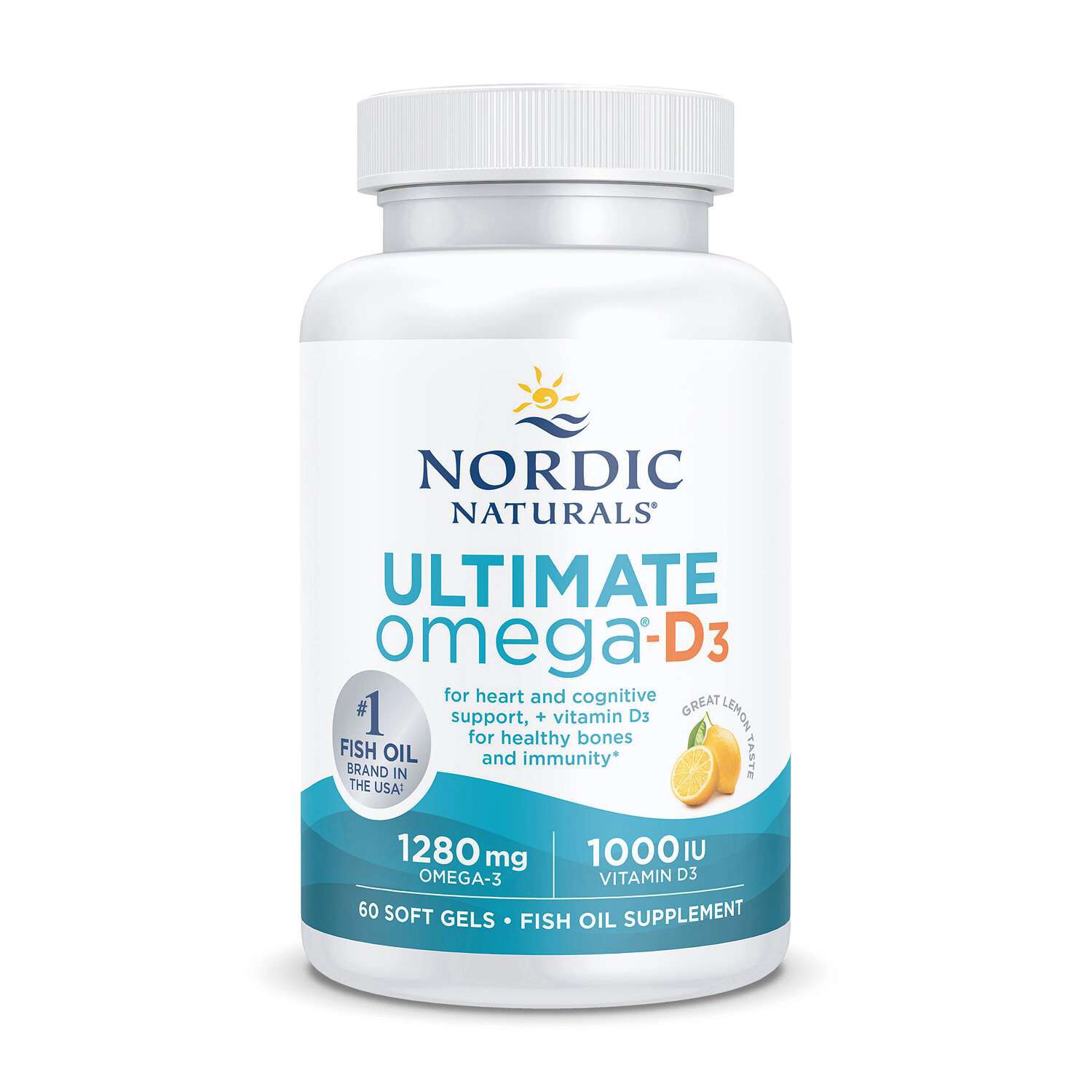
-
 Divine Health$34.99
-

-
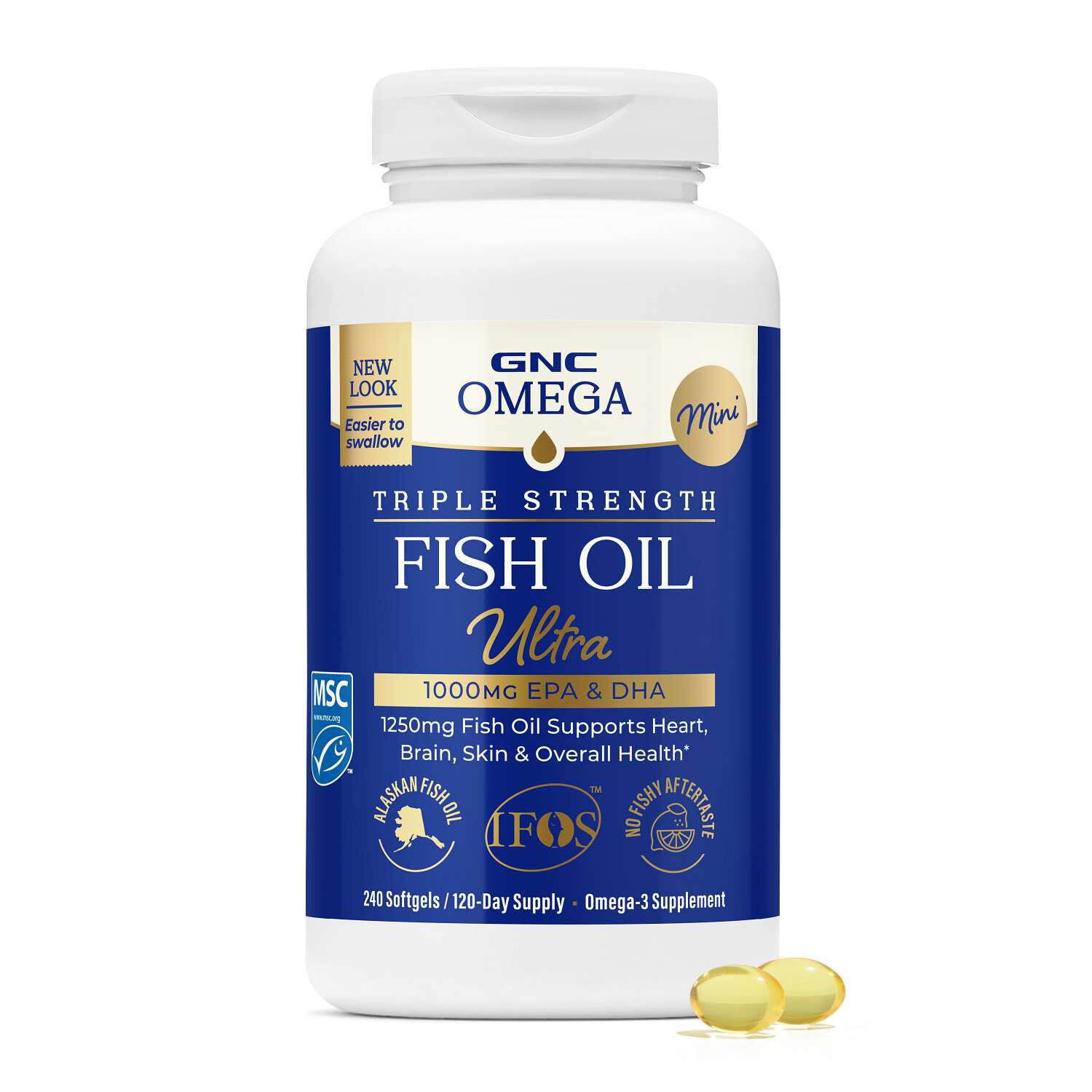
-
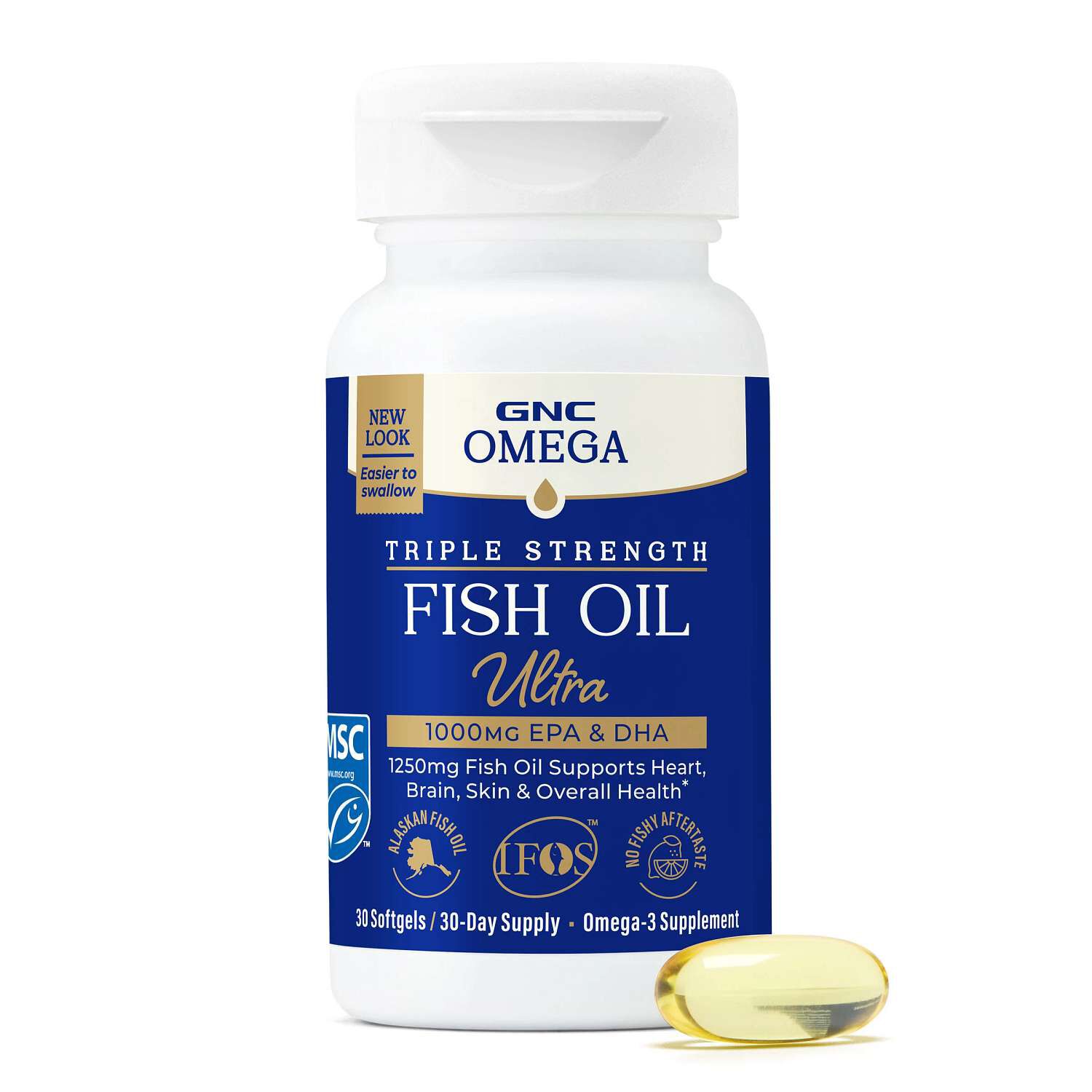
-
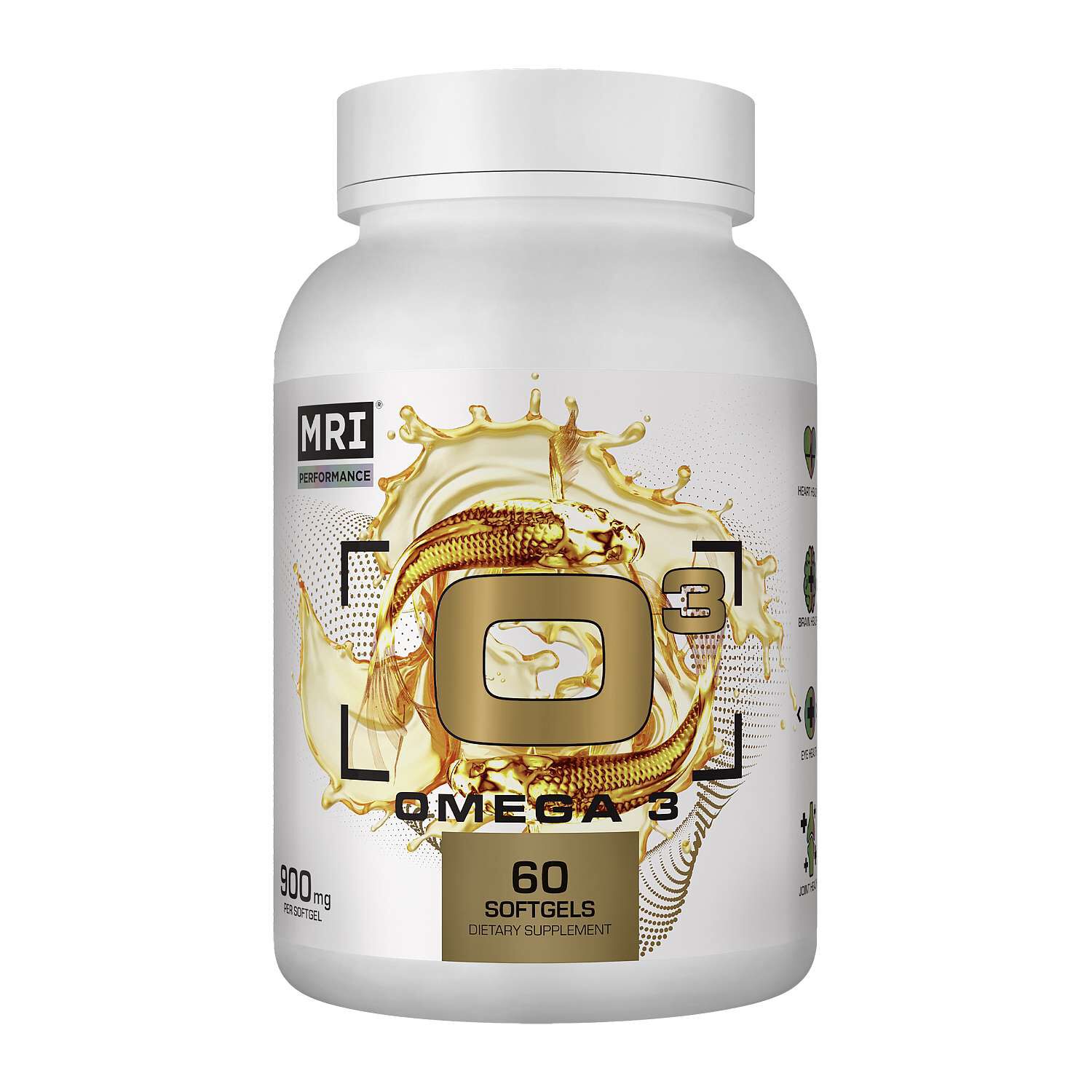 MRI Performance$29.99
-
-
-
-
-
-
 Portions Master$25.99
-
-
 Purity Products$26.99

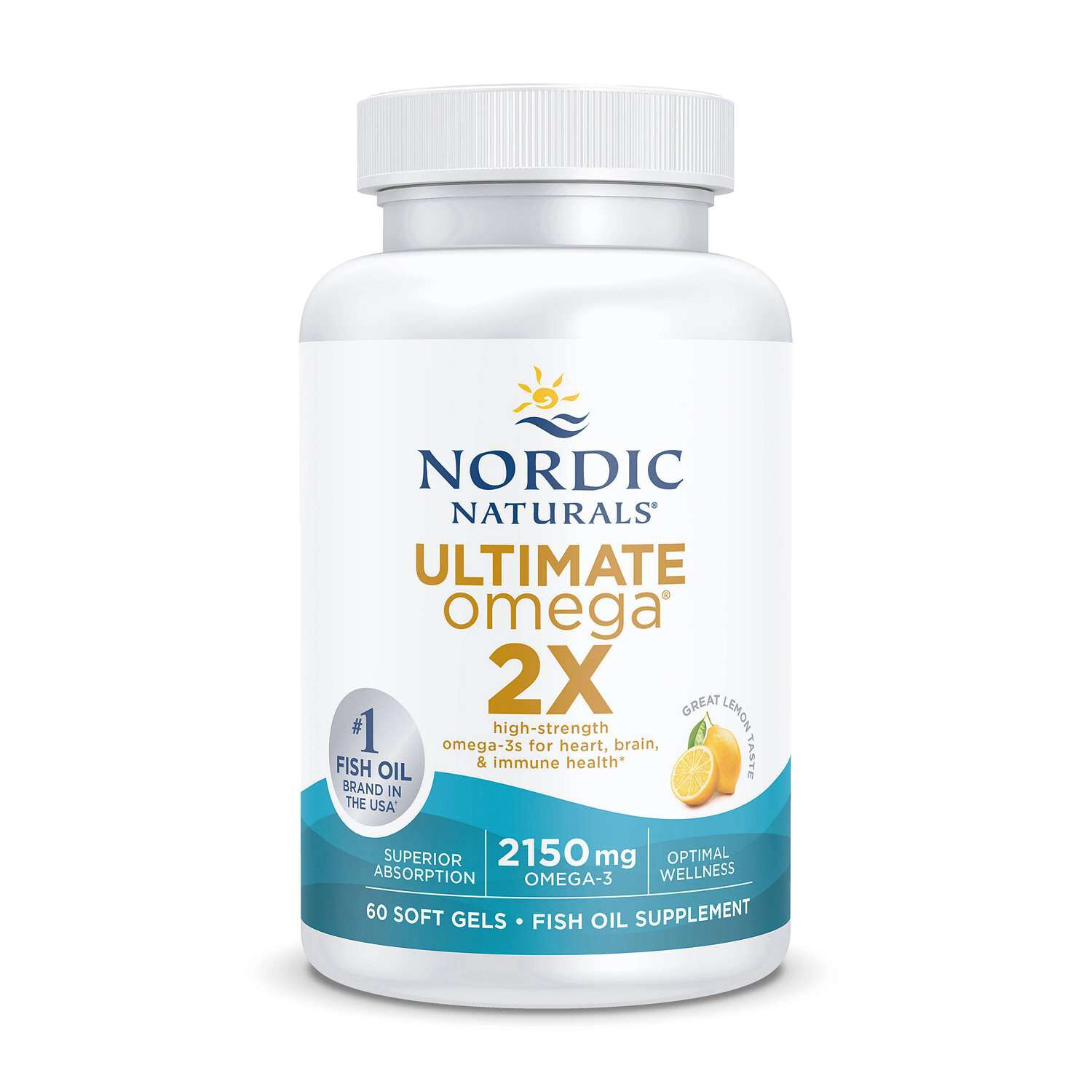
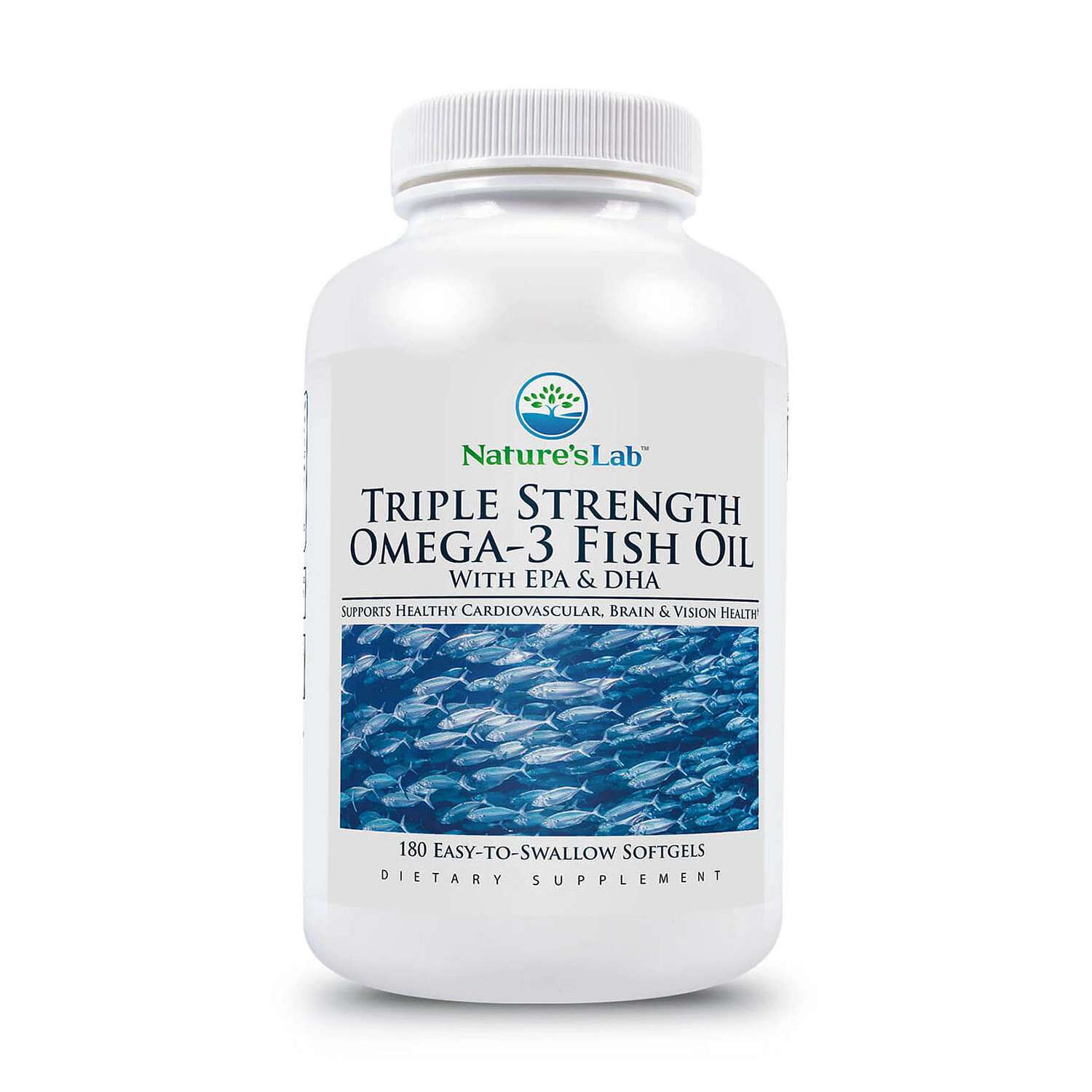
Omega-3 natural supplements are dietary supplements made with oils from sources such as fish, krill, algae, and flaxseed. The source matters because different oils contain different omega-3 fatty acids, including EPA, DHA, and ALA. EPA stands for eicosapentaenoic acid, DHA for docosahexaenoic acid, and ALA for alpha-linolenic acid. Fish oil commonly contains EPA and DHA, while flaxseed oil supplies ALA. Algal oil contains DHA, and some formulations also contain EPA; its exact fatty acid profile depends on the algae and formulation used. These distinctions make the Supplement Facts panel more useful than a broad description on the front of a bottle. A prominently displayed amount of fish oil is not necessarily the amount of EPA and DHA in a serving, since the oil also contains other fats. Comparing the listed EPA and DHA amounts alongside the serving size gives a clearer picture of each formula. For someone browsing omega-3 supplements to fit a plant-based eating pattern, algae-derived oil offers a different starting point than fish-derived oil. For someone who prefers a familiar marine source, fish oil presents another category to consider. Neither the source nor the word “natural” alone describes every ingredient in the finished supplement. Capsule materials, flavorings, and other ingredients can differ even when two formulas use the same type of oil. Natural also does not mean organic, vegan, or independently tested; those attributes need their own label information. This category spans several ingredient sources and delivery formats rather than one uniform formula. A useful comparison begins with what the oil contains, where it comes from, and how it is packaged for everyday use. Adults shopping around dietary preferences, ingredient transparency, or an existing supplement routine can use those details to distinguish formulas without relying on broad front-label language. Omega-3 supplements belong alongside a varied eating pattern, not in place of the range of foods that contribute different nutrients.
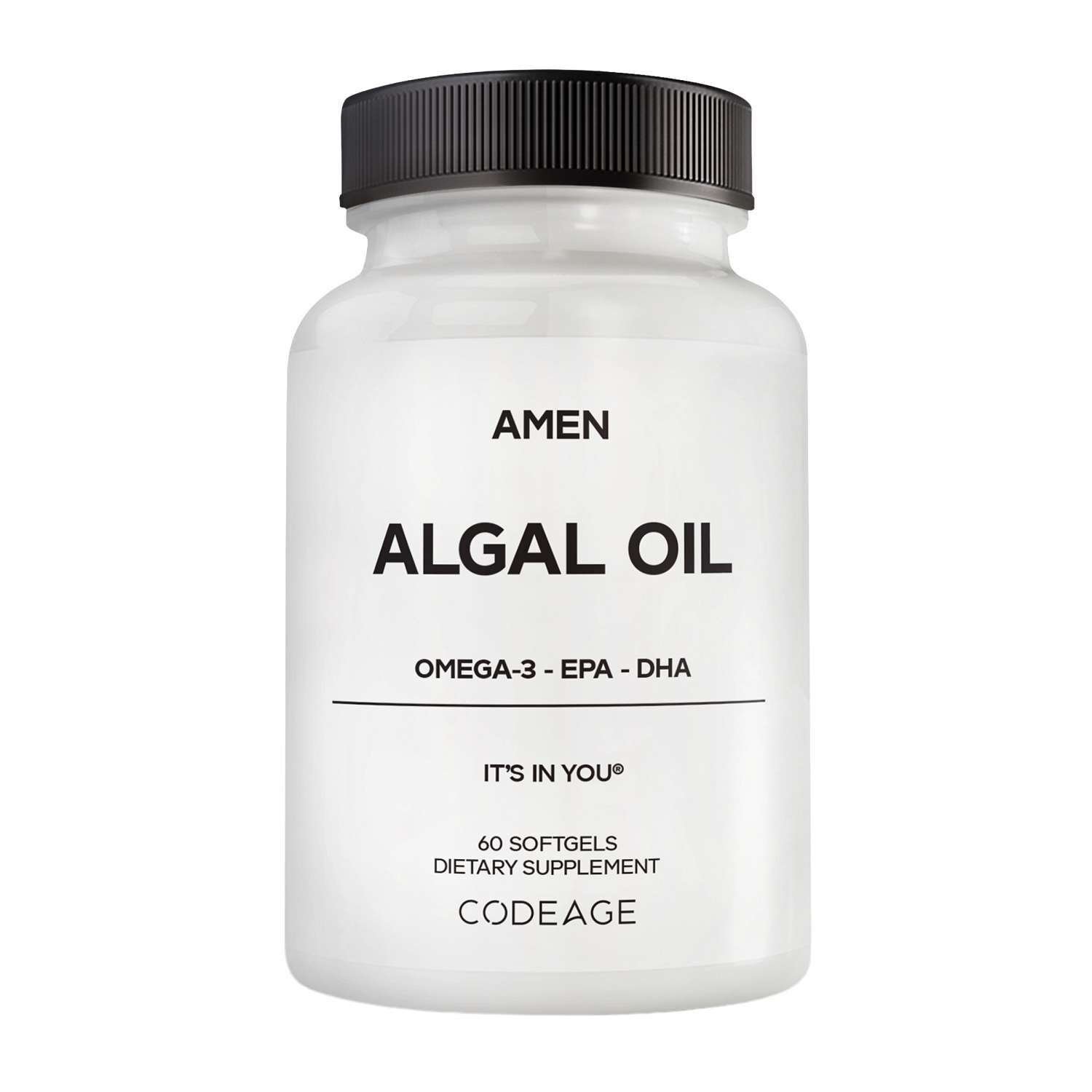
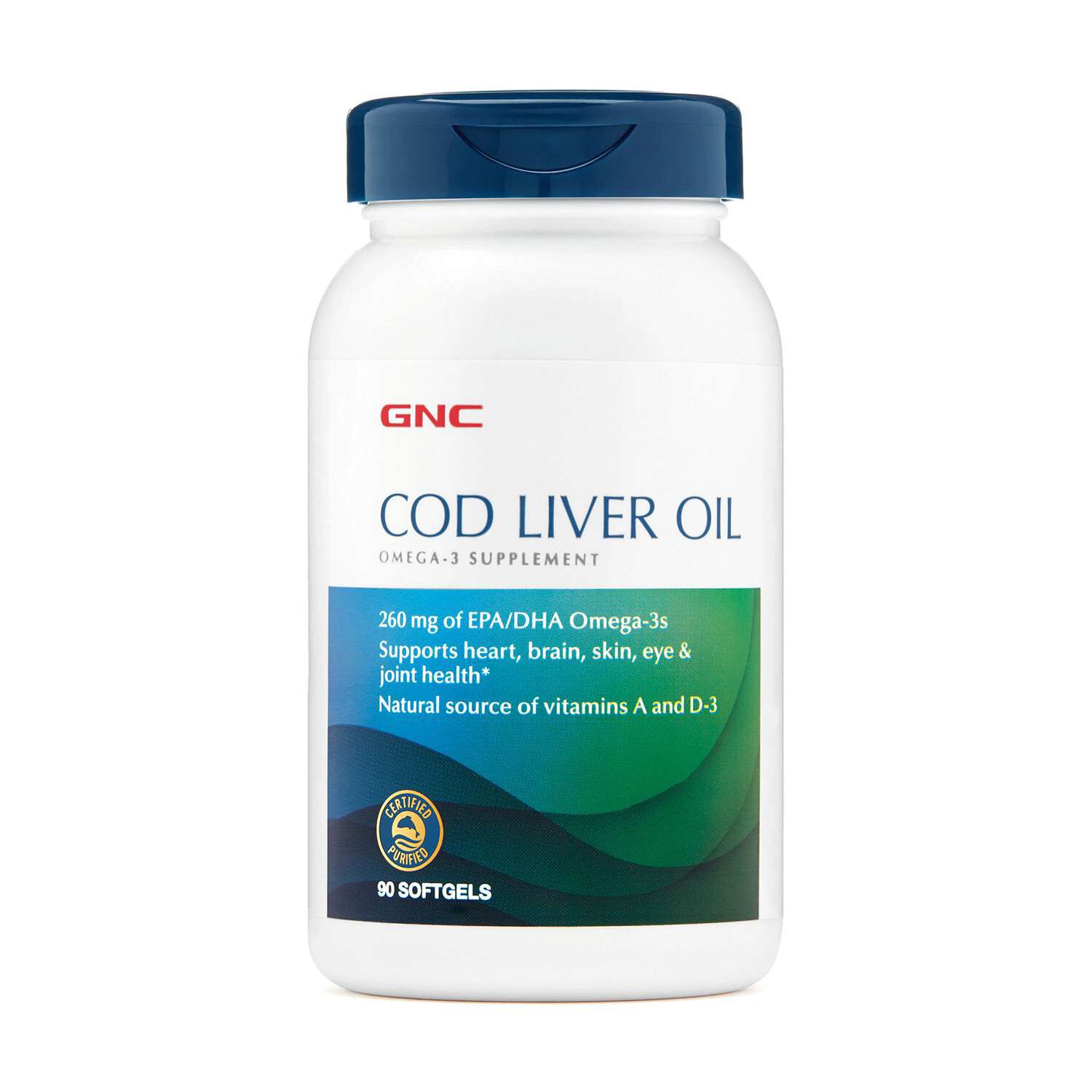
Marine and plant-derived oils each bring specific sourcing details to the comparison. Fish oil can come from small oily fish such as anchovies and sardines, as well as other species; a label or sourcing statement may identify the fish used. Cod liver oil comes specifically from fish livers and can contain vitamins A and D in addition to omega-3 fatty acids. That makes its nutrient panel different from a standard fish oil panel, particularly for shoppers comparing it with other supplements already in their routine. Krill oil comes from small marine crustaceans and contains some omega-3 fatty acids attached to phospholipids. That structural detail does not, by itself, establish that every krill formula is preferable to every fish oil formula. Algal oil is derived from algae rather than fish, making it relevant to shoppers looking for a non-fish source of DHA or EPA. The capsule still deserves attention: an algae-derived oil inside a gelatin softgel is not the same as a formula labeled vegan. Flaxseed oil offers another plant-derived choice, but its ALA content should not be treated as an equivalent amount of EPA or DHA. For a closer look at formulas organized around EPA, Omega 3 Epa Supplements provides a related category to explore. Across these sources, the amount of each named fatty acid per serving is a practical point of comparison, especially when the front labels emphasize different numbers. One bottle might highlight oil weight, another EPA and DHA content, and another the ingredient source. Reading the same fields on each Supplement Facts panel keeps the comparison consistent. Fish and shellfish declarations also matter to ingredient-conscious shoppers, as do statements identifying the capsule material. Sourcing and testing information can add context when it names a specific standard, testing organization, or documented practice. Broad language about purity or responsible sourcing is less informative than a clear explanation of what was assessed and where the oil originated.
Format is another meaningful part of choosing omega-3 natural supplements, since the same general oil source can appear in softgels, liquids, or chewable formats. Softgels enclose a measured amount of oil, but their dimensions and the number required per serving vary. A serving listed as two softgels should be compared with another formula’s full serving, rather than assuming each capsule represents the same amount. Liquid oils use a measured volume instead, with label directions identifying the serving and any handling requirements. They may appeal to someone who prefers a measured spoonful over capsules, though pouring and measuring add a different step to the routine. Gummies and other chewable formats have their own texture, flavoring, and ingredient considerations; their omega-3 content still needs to be read separately from the serving’s size or appearance. A citrus-flavored liquid, a plain softgel, and a sweetened chewable offer different sensory experiences, even when their labels name the same fatty acids. Flavor does not establish the amount of EPA, DHA, or ALA, and a smaller-looking serving does not necessarily contain less oil. For a bottle kept in a kitchen cabinet or carried during travel, packaging and label-directed storage deserve as much attention as format. Keep the original label accessible, follow storage directions, and check whether a liquid has specific instructions after opening. Oils can deteriorate with exposure to air and light, so securely closing the container is part of routine care. The printed date and any after-opening directions provide more useful handling information than bottle size alone. Household fit matters, too: gelatin source, added sweeteners, flavorings, and the number of servings in the container can influence whether a format suits an established routine. Because dietary preferences and supplement choices are personal, omega-3 supplements are generally a more thoughtful purchase for someone whose preferences are already known than a surprise gift. The clearest match comes from considering source, fatty acid content, serving format, and ingredient details together, with the label—not a broad category name—providing the specifics.
Best Sellers
-
Nordic Naturals
-
Nordic Naturals
-
Nordic Naturals
Related Pages


Top Collections
- Daily Collagen Supplements | Top Brands & Deals | GNC
- Natural Collagen Supplements | Top Brands & Deals | GNC
- Top Rated Collagen | Shop Customer Favorites | GNC
- Cortisol Supplements
- Vitamins For Hair Loss
- Spirulina Tablets
- NAD+ Supplement Tablets
- Peptide Supplements
- Best Brand of Magnesium Glycinate
- Vitamins That Help Support Weight Gain