





Omega 3 Supplements For Winter Wellness
(0 Results)
Omega-3 supplements for winter wellness may offer a convenient way to support your seasonal routine. As temperatures drop and daylight hours shift, many individuals look for ways to maintain their overall well-being. Adding omega-3 supplements for winter wellness to your daily regimen could help you stay on top of your health goals throughout the colder months. Explore a range of options designed to fit your lifestyle and nutritional preferences.


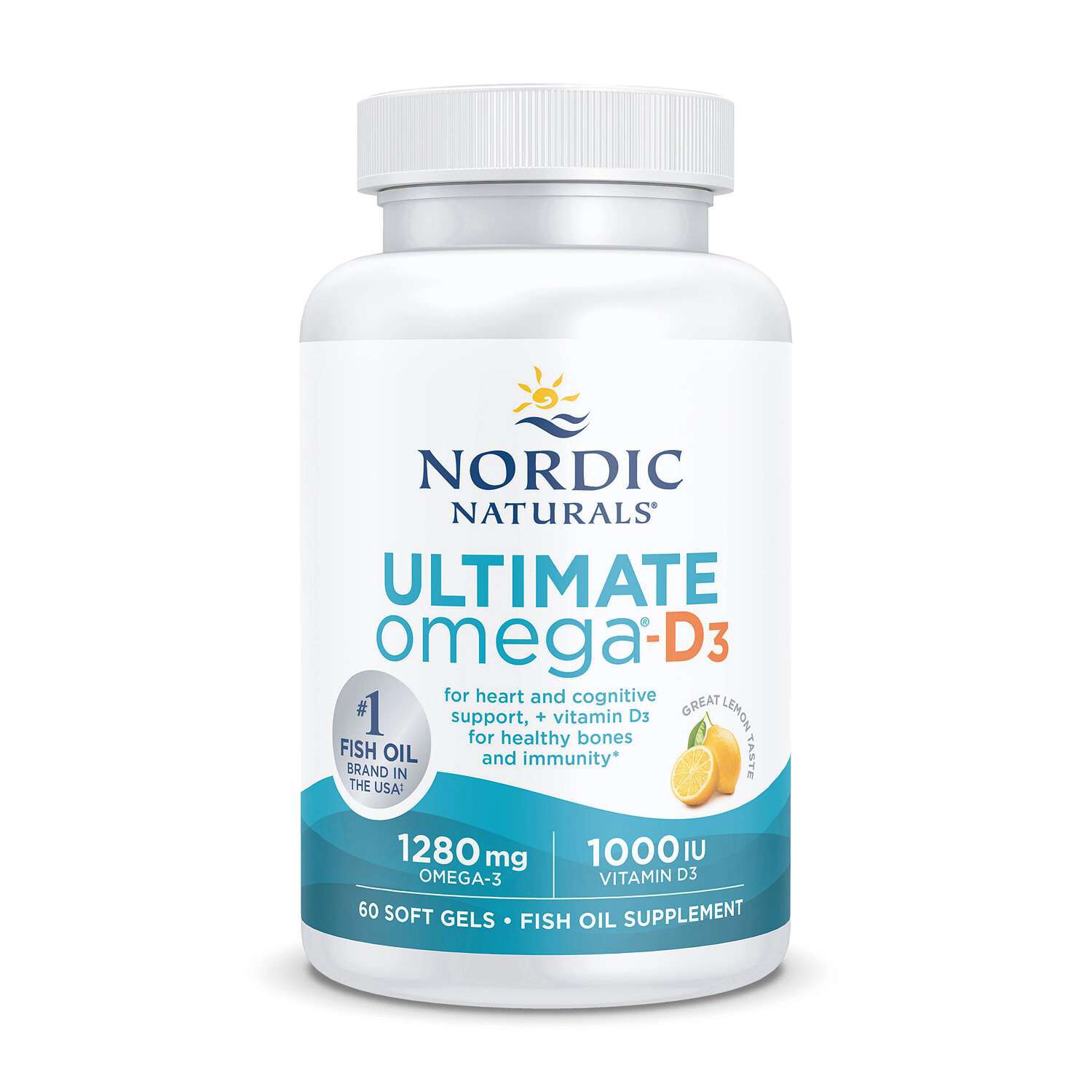

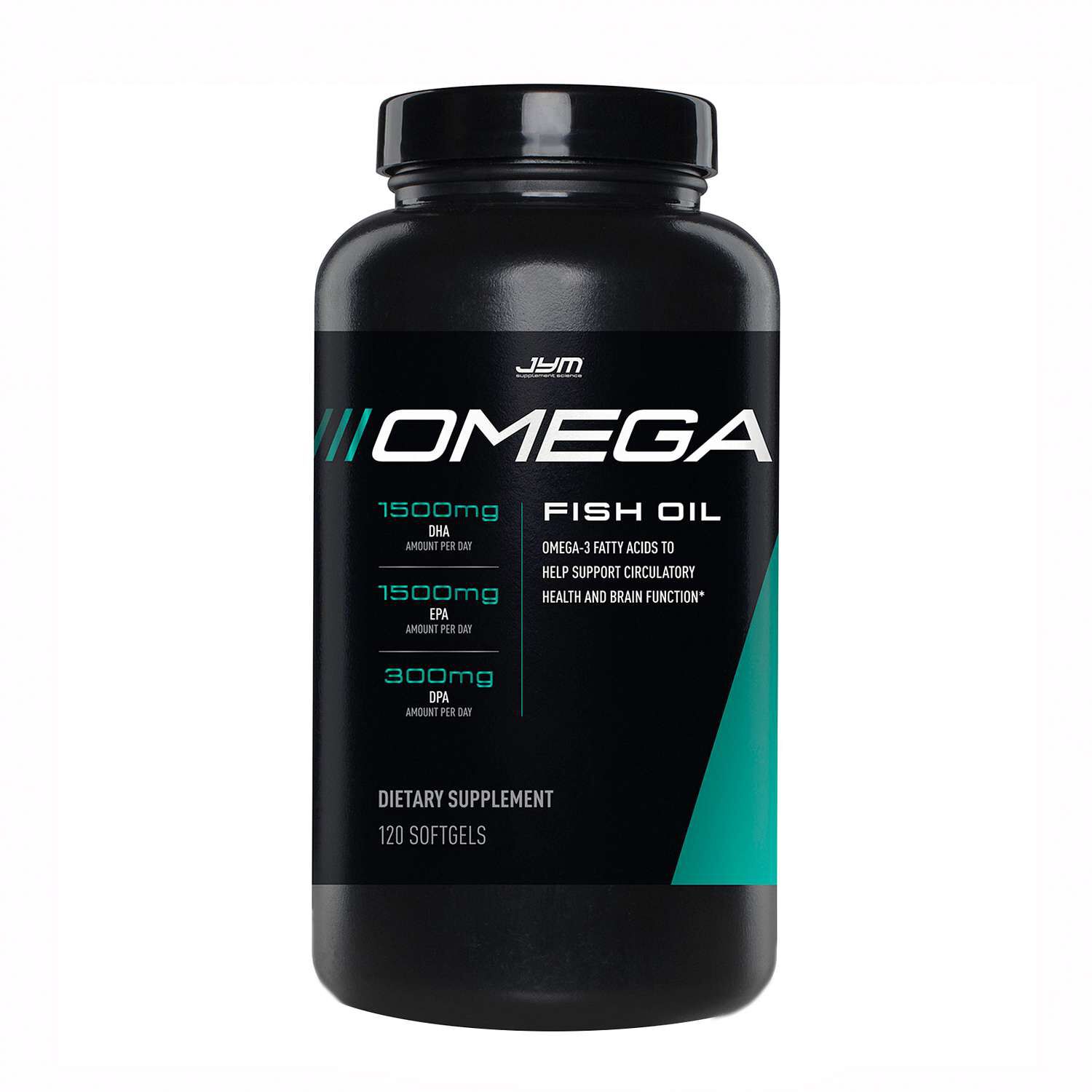



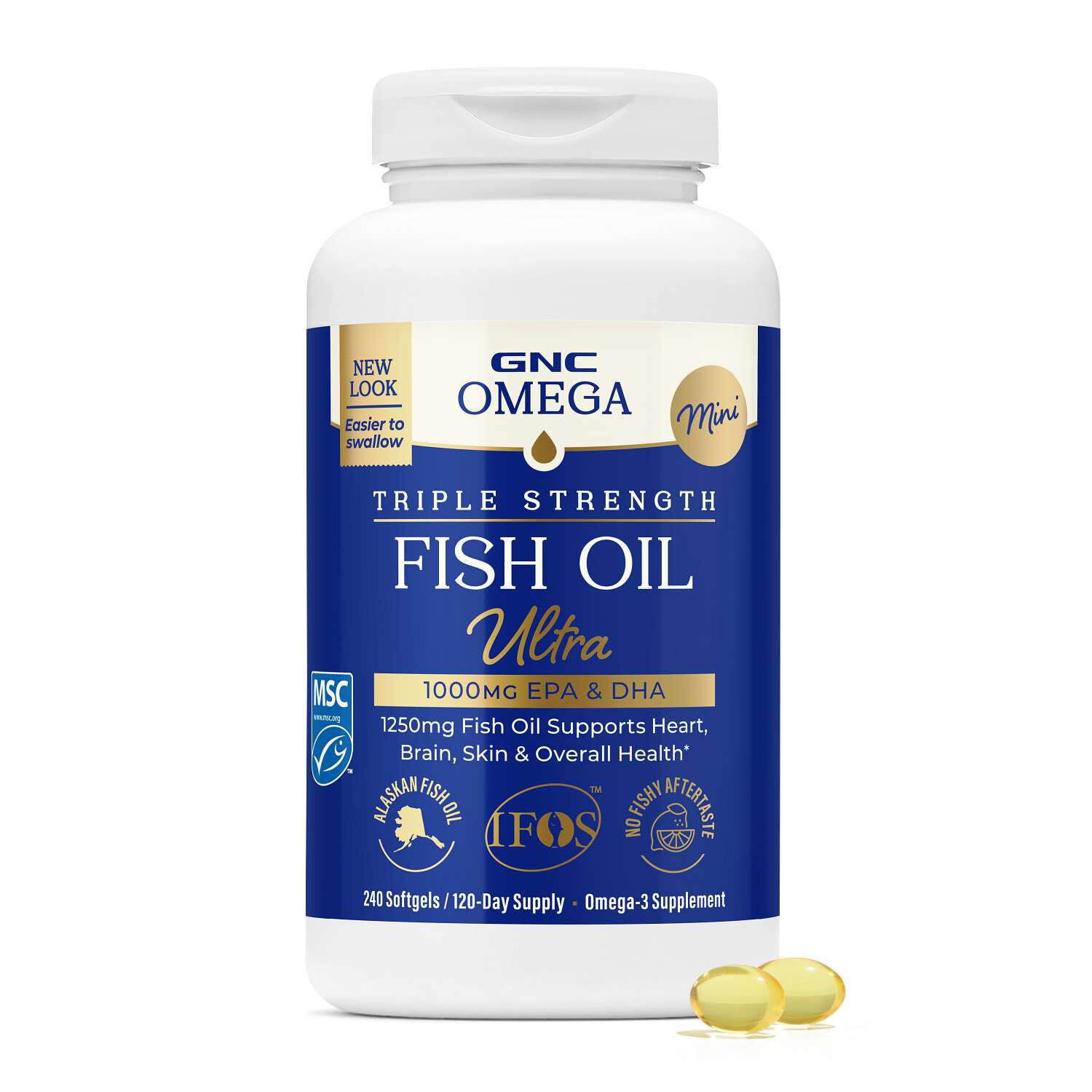
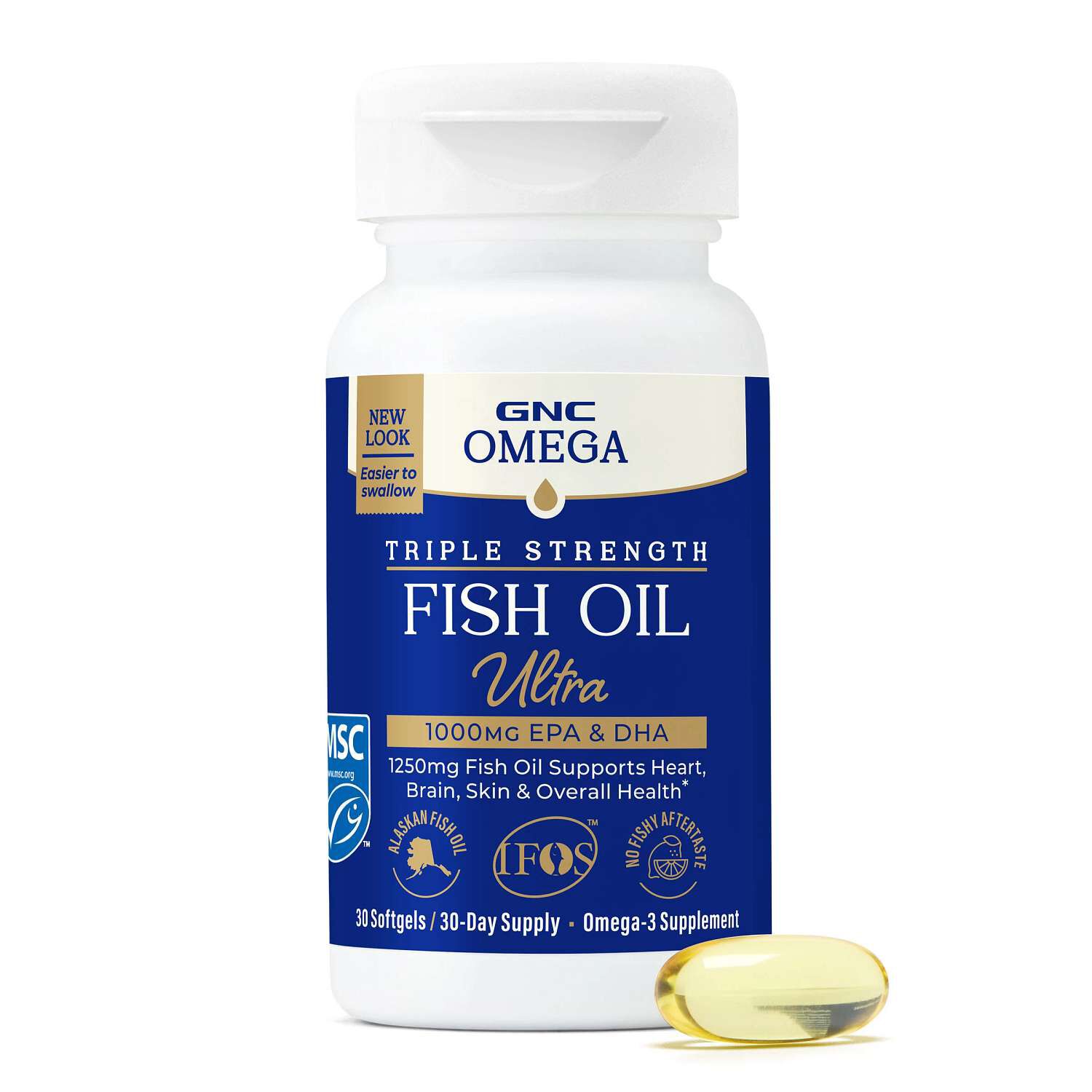
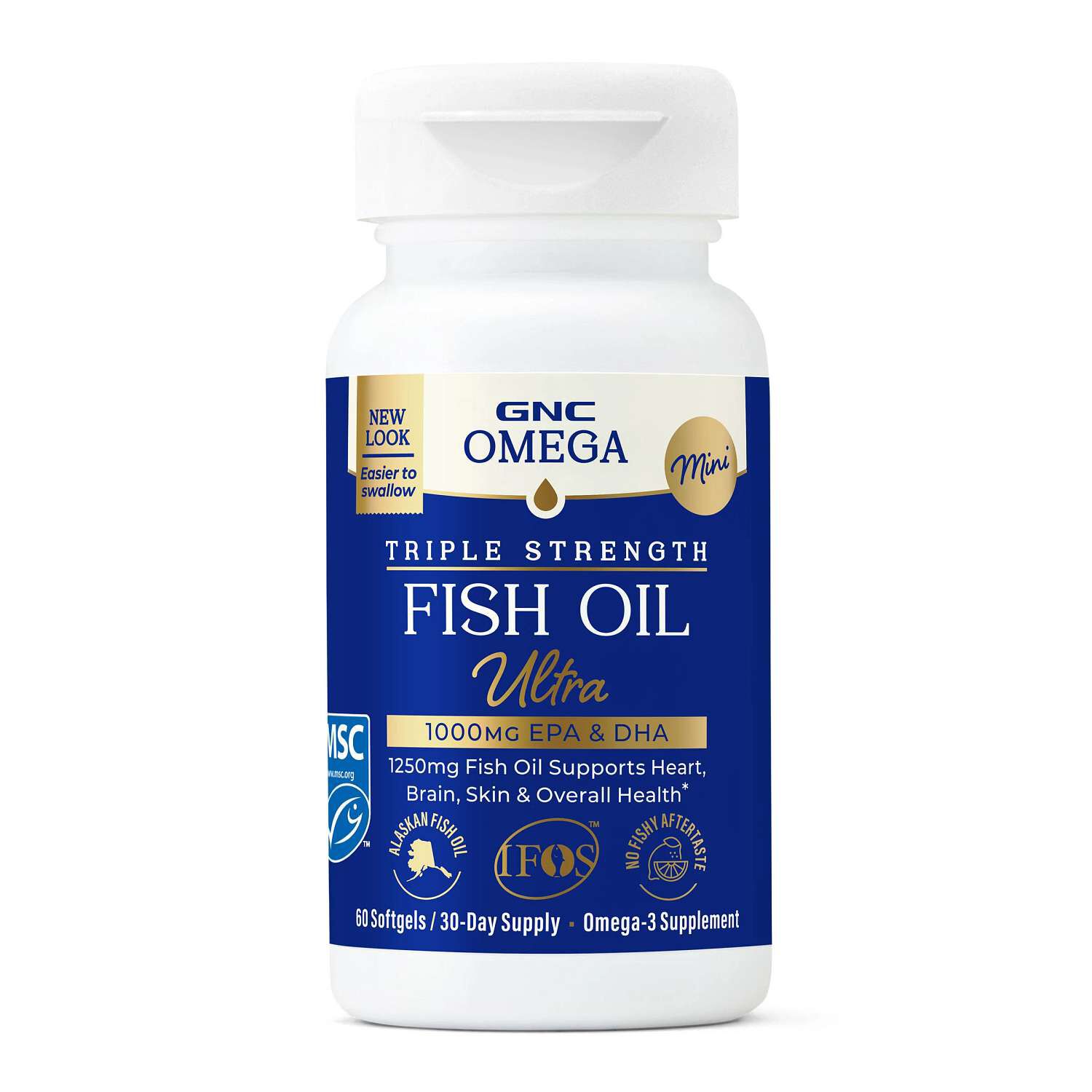
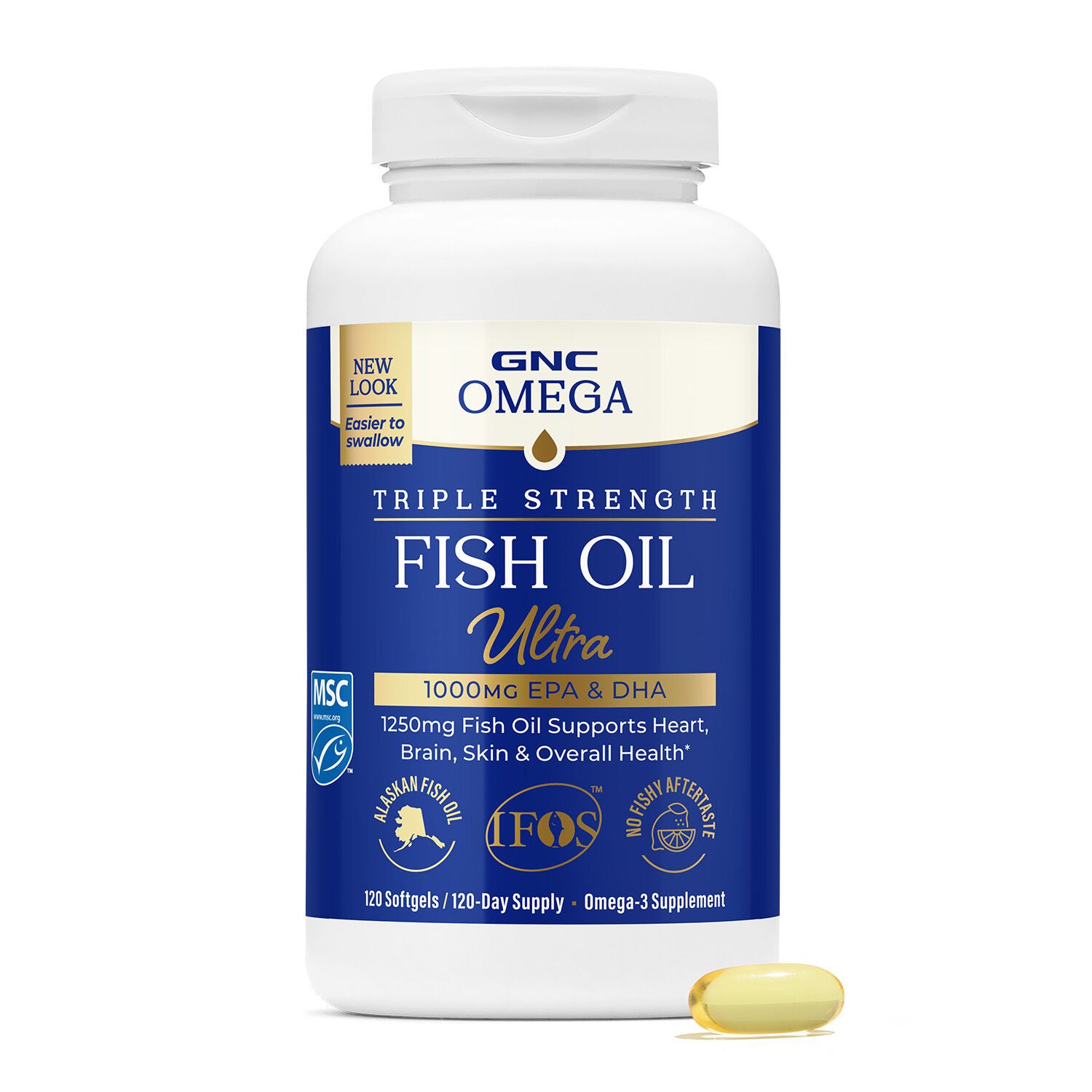

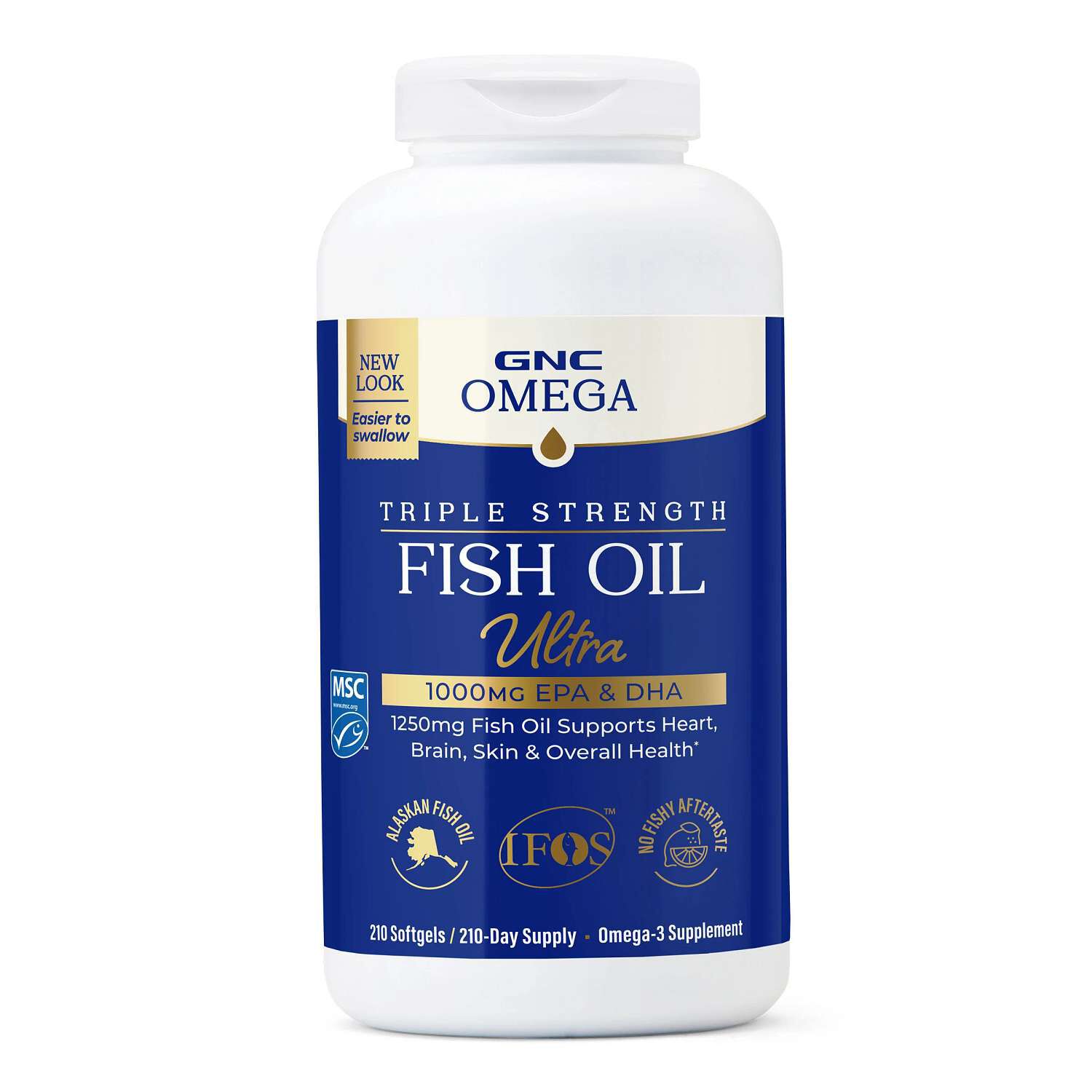
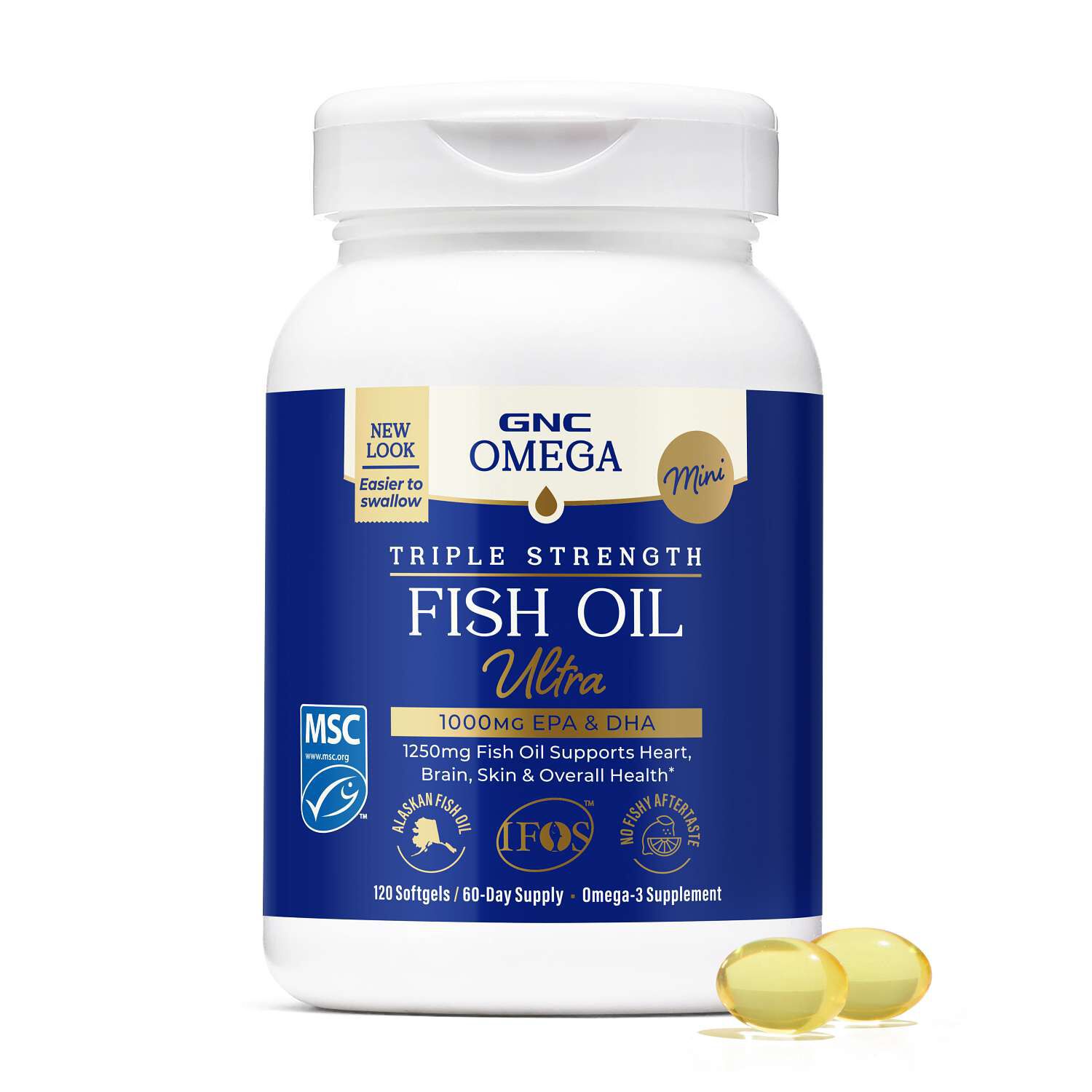
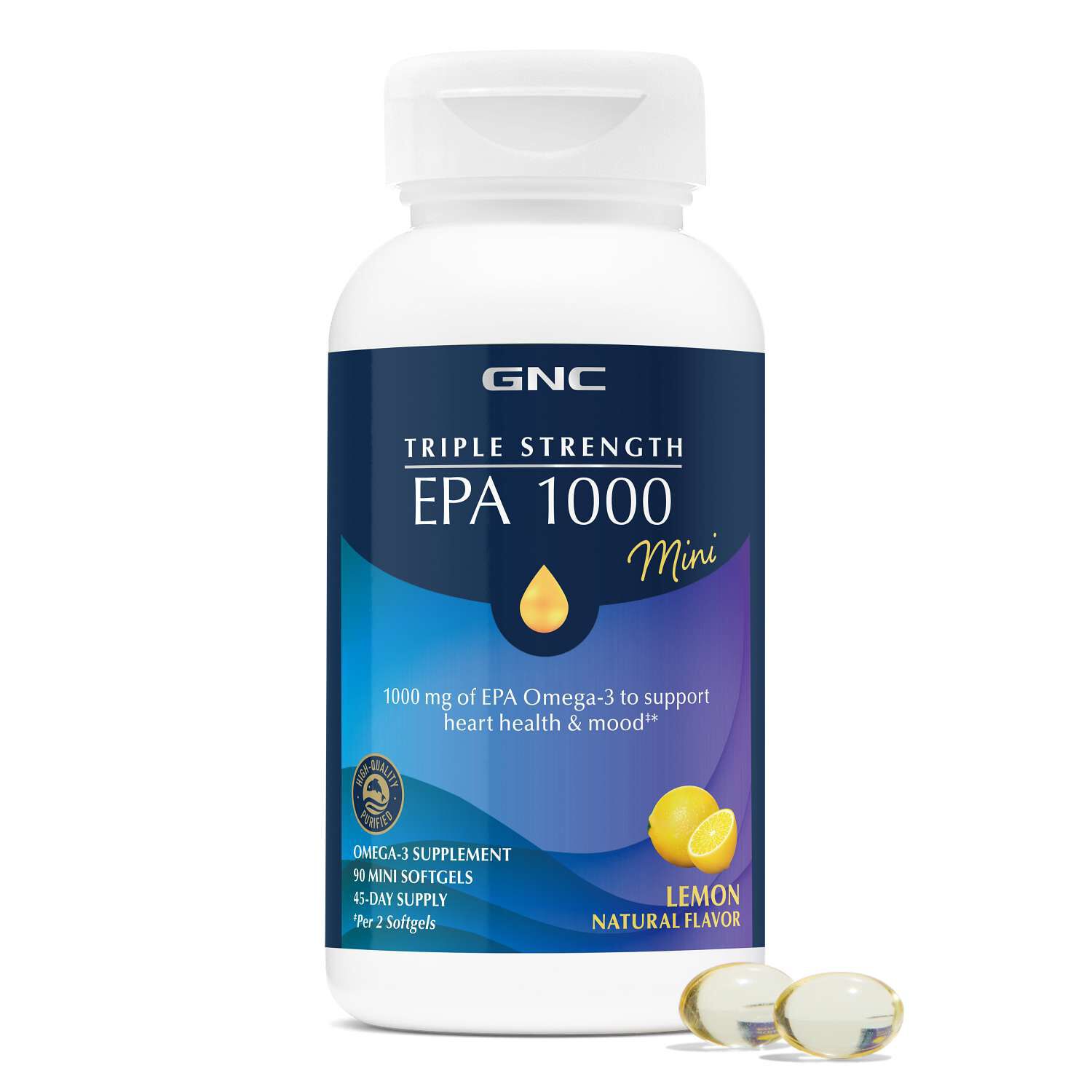
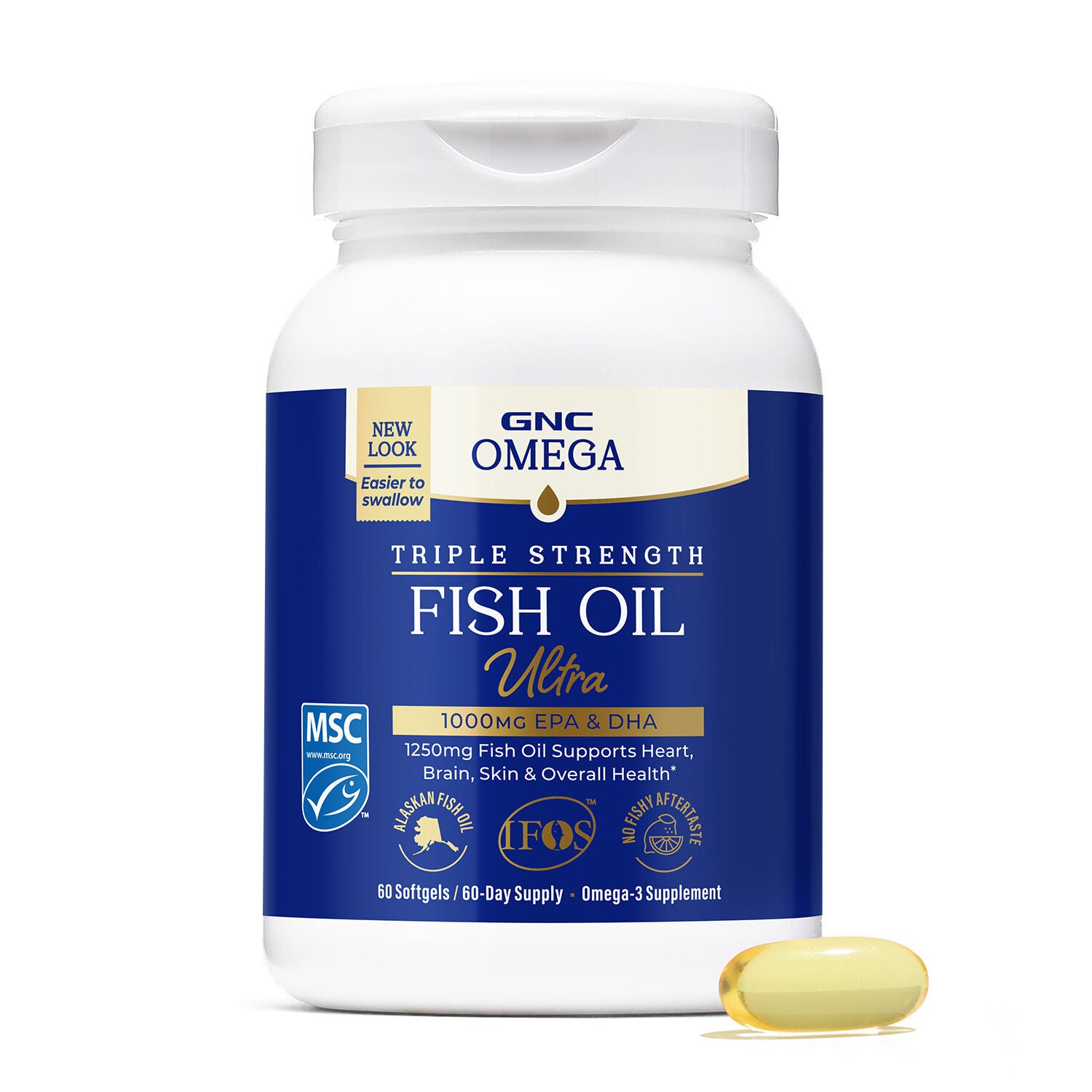

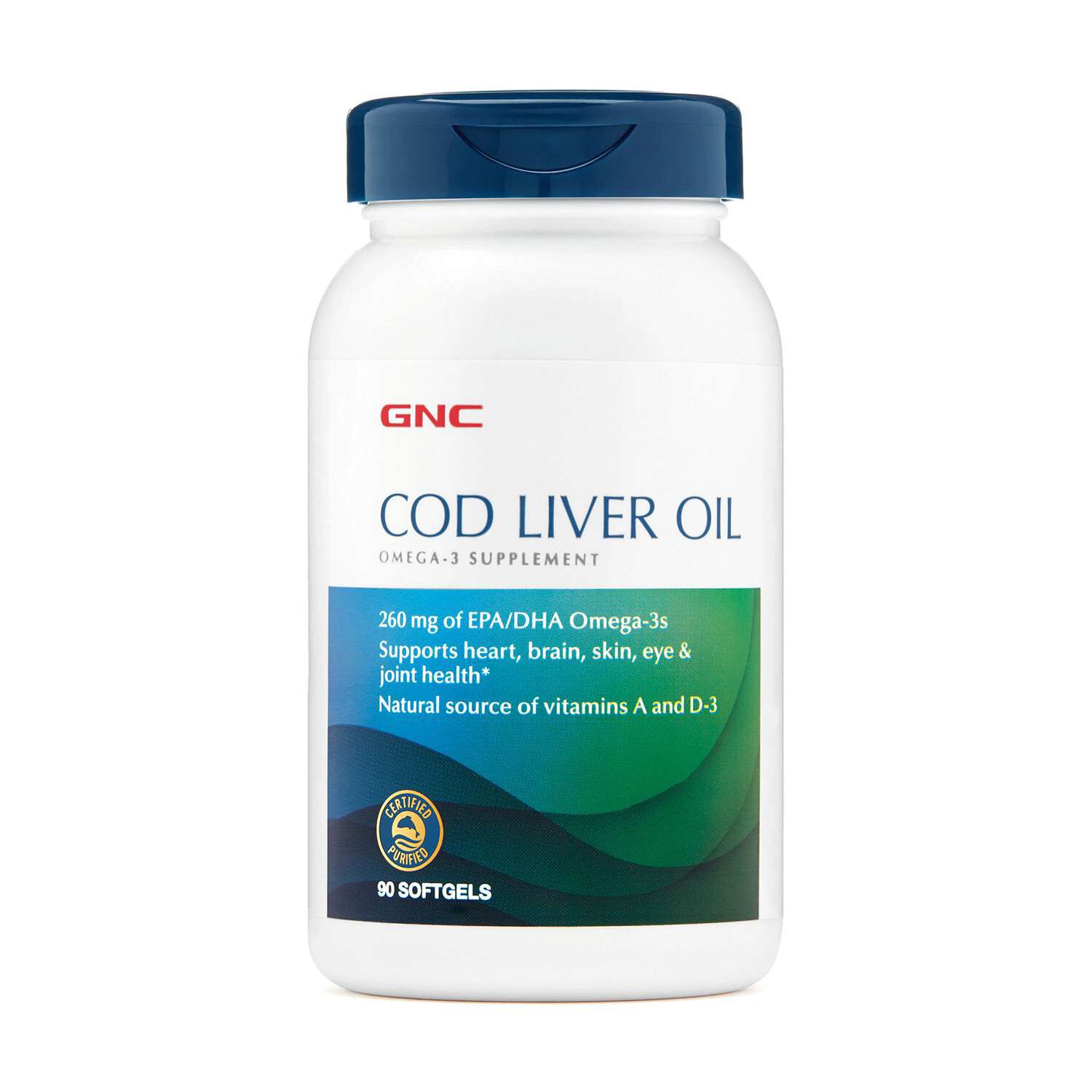


Omega-3 supplements for winter wellness may complement everyday eating habits when busy schedules, travel, and familiar cold-weather meals change what lands on the table. A breakfast before a dark morning commute, a packed lunch between errands, or dinner after an afternoon outdoors can provide a familiar place for a supplement routine. The category includes fish oil, krill oil, algae-derived oil, and certain plant-based oils, with differences in their omega-3 content, ingredients, and serving formats. EPA, short for eicosapentaenoic acid, and DHA, short for docosahexaenoic acid, are omega-3 fatty acids found in marine sources. Fish oils commonly contain both, while algae-derived formulas can contain DHA, EPA, or a combination, depending on the formulation. Flaxseed oil generally provides ALA, or alpha-linolenic acid, a different omega-3 fatty acid. These distinctions matter when comparing labels because two bottles described as omega-3 supplements may contain different nutrients in different amounts. Foods such as salmon, sardines, walnuts, and chia seeds also bring omega-3 fatty acids to everyday meals, although their fatty acid profiles differ. Supplements belong alongside that broader food context rather than standing in for varied meals. Winter does not make every shopper’s preferences or nutritional priorities identical, and a seasonal label alone says little about what is inside a bottle. The more useful details are the oil source, the named omega-3 fatty acids, the amount per serving, and the other ingredients. An adult who regularly eats fish may approach the category differently from someone whose weekly menu rarely includes seafood. A shopper following a plant-based eating pattern may focus on algae-derived options and capsule materials, while another may put serving format first. For a winter wellness routine, the most relevant comparison is between those everyday preferences and the information on the package, not between broad seasonal slogans. Clear labeling makes that comparison more straightforward, whether the bottle will sit beside breakfast supplies at home or accompany a familiar routine during a winter visit with family.
The format of an omega-3 supplement shapes the experience of using it, from capsule size to the flavor of a liquid serving. Softgels enclose oil in a capsule shell and come in different sizes; the number of softgels in a labeled serving can vary considerably. A smaller capsule may suit someone’s format preference, but it may also require more capsules to provide the serving shown on the label. Liquid oils offer another format, with serving directions expressed as a measured amount rather than a capsule count. Flavored liquids and chewable formats introduce additional considerations, including sweeteners, flavor ingredients, texture, and measuring or storage requirements. A citrus flavor describes the taste profile, not the amount of EPA or DHA. Likewise, a prominent fish oil amount on the front of a package is not necessarily the same as its combined EPA and DHA content. The Supplement Facts panel provides the more useful comparison: serving size, servings per container, and the amounts of the named fatty acids. Comparing those details on a per-serving basis keeps unlike formats from appearing interchangeable. Ingredient sourcing deserves similar attention. Fish oil and krill oil have different source materials, while algae-derived oils offer a non-fish source of certain marine omega-3s. Capsule shells may contain gelatin even when the oil itself comes from algae, so an oil source alone does not establish whether a formula matches a vegetarian eating pattern. Allergen statements and other ingredient information also belong in the comparison. Some labels identify triglyceride or ethyl ester forms, and some formulations include vitamin E or other ingredients associated with the oil’s formulation. Those details describe the product; they do not, by themselves, establish that one option is the right choice for every shopper. Where manufacturers provide sourcing descriptions or independent testing information, the specific information disclosed matters more than a broad quality phrase. A clearly described formula can be easier to compare with an existing routine, particularly when several household members have different preferences about seafood sources, capsule materials, flavors, or serving sizes.
Care and storage are especially relevant for oil-based supplements that may move between a kitchen cabinet, a travel bag, and a relative’s guest room during winter visits. Package directions should determine whether a bottle belongs at room temperature or requires refrigeration after opening, since those instructions can differ by formulation. A tightly closed original container keeps the label, serving information, and date markings together. A cabinet away from an oven, dishwasher, or sunny window offers a different storage environment from a warm countertop, while a parked vehicle can expose a bottle to substantial temperature changes. The package’s storage instructions remain the reference point in each setting. Liquids may have specific directions for handling after opening, and their bottle size can matter for someone who travels often or shares limited refrigerator space. For softgels, the closure and container design may be practical considerations for repeated use, along with the readability of the label. A dependable place in the household routine can also matter: a bottle stored with breakfast supplies has a different day-to-day role from one packed for occasional overnight trips. Serving directions and intended age group remain relevant regardless of where the supplement is kept. For gift shopping, personal preferences deserve more weight than the winter theme alone. An omega-3 supplement may be a thoughtful addition to a familiar recipient’s wellness routine when the source, format, and ingredients match preferences already shared; an unfamiliar formula is a more personal choice than a seasonal accessory. The category also extends beyond winter, with Omega 3 Supplements For Summer Vitality offering another seasonal collection to browse. Across either setting, the useful distinctions remain concrete: which omega-3 fatty acids are listed, how much a serving contains, what the capsule or liquid includes, and how the package fits ordinary storage and travel habits. Those details give winter wellness shopping a practical foundation without treating a seasonal supplement as a substitute for the meals and routines that surround it.
Best Sellers
-
 Nordic Naturals
-
 Nordic Naturals
-
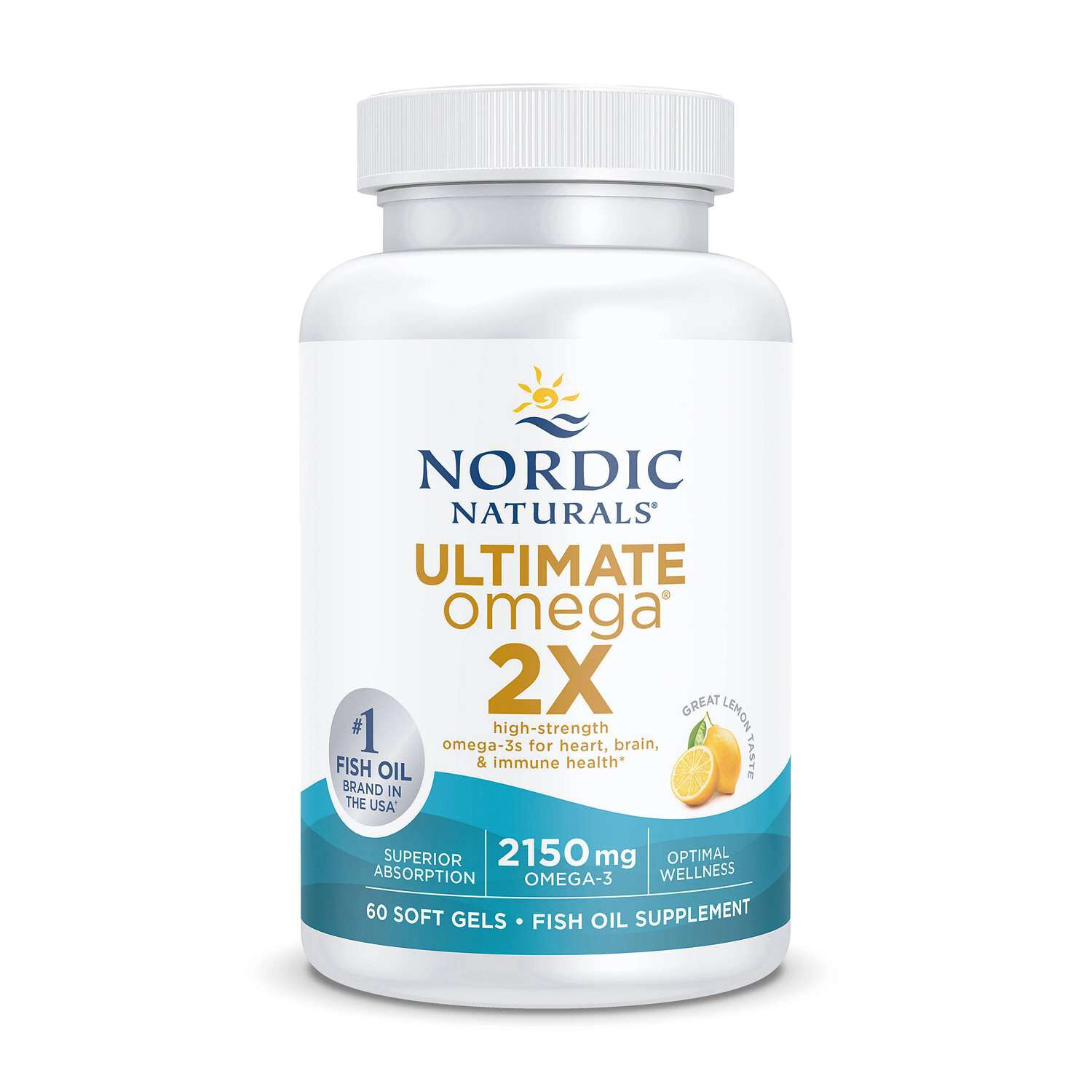 Nordic Naturals
Related Pages


Top Collections
- Daily Collagen Supplements | Top Brands & Deals | GNC
- Natural Collagen Supplements | Top Brands & Deals | GNC
- Top Rated Collagen | Shop Customer Favorites | GNC
- Cortisol Supplements
- Vitamins For Hair Loss
- Spirulina Tablets
- NAD+ Supplement Tablets
- Peptide Supplements
- Best Brand of Magnesium Glycinate
- Vitamins That Help Support Weight Gain