





Omega 3 Supplements For Summer Vitality
(0 Results)
Omega-3 supplements for summer vitality could be an ideal addition to your seasonal wellness routine. Whether you're spending more time outdoors or simply looking to support your overall health, these supplements may help you stay at your best all summer long. Explore a variety of options that might fit seamlessly into your daily regimen as you embrace the energy and activities of the season.
-

-

-

-
-
-

-

-
-
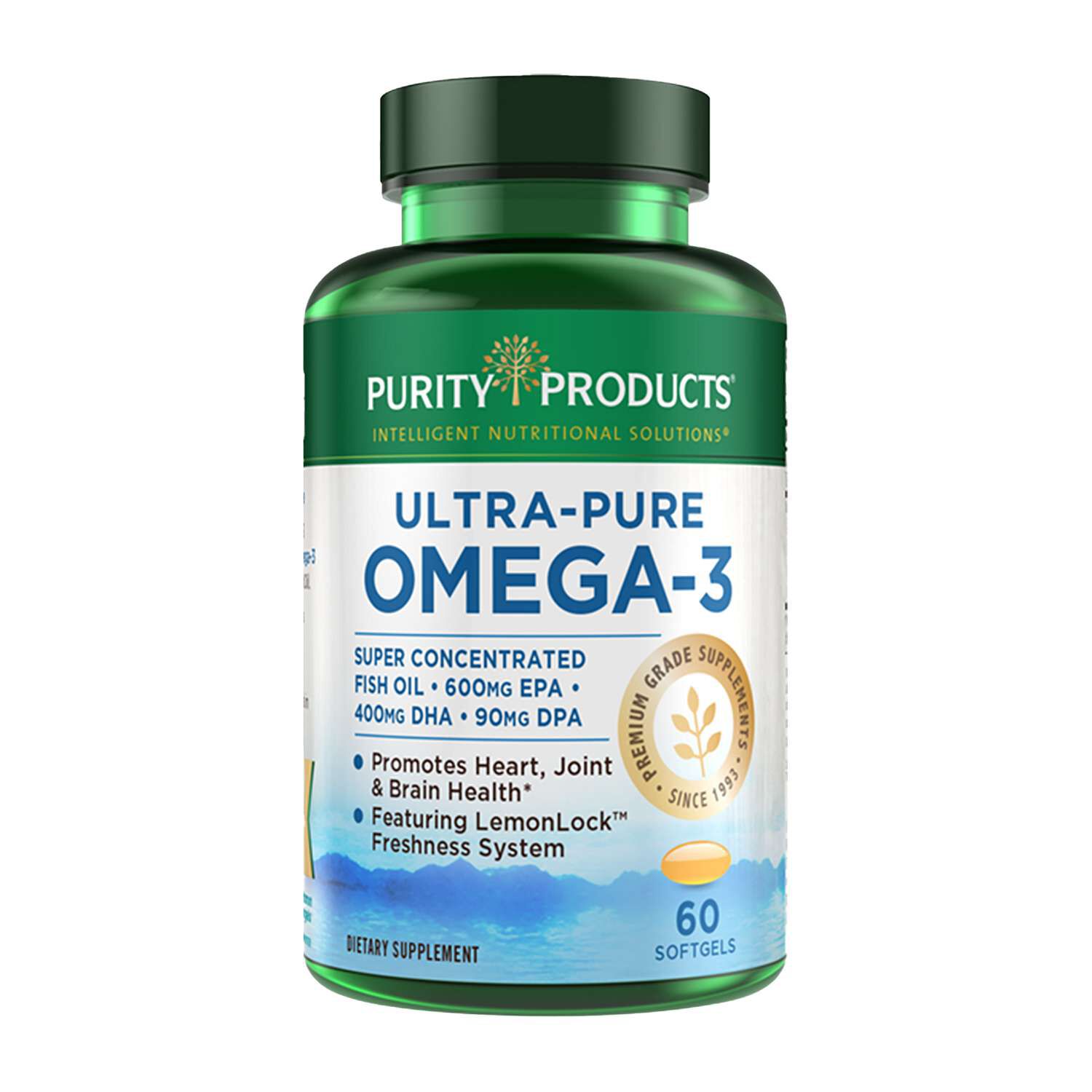 Purity Products$26.99
 -
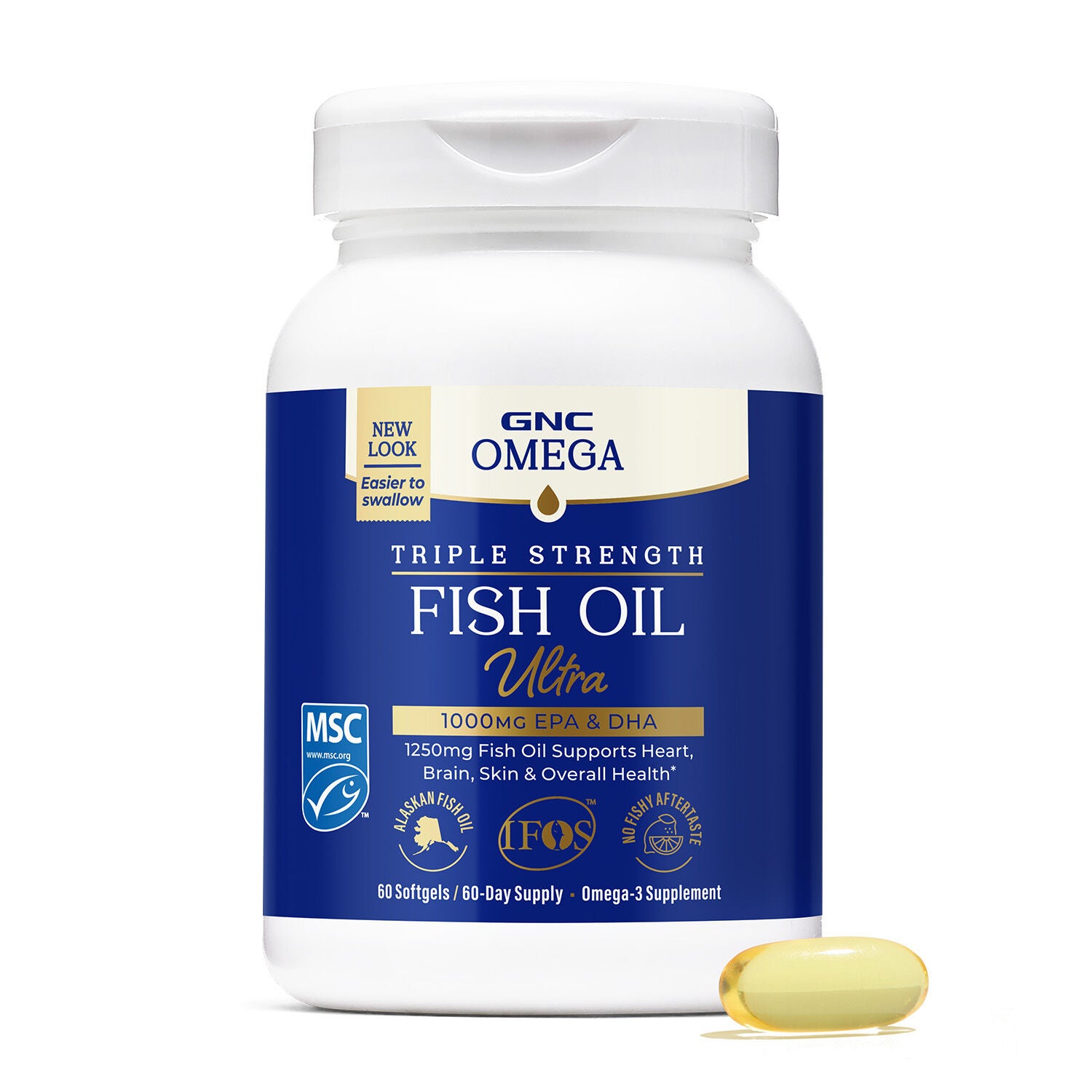
-
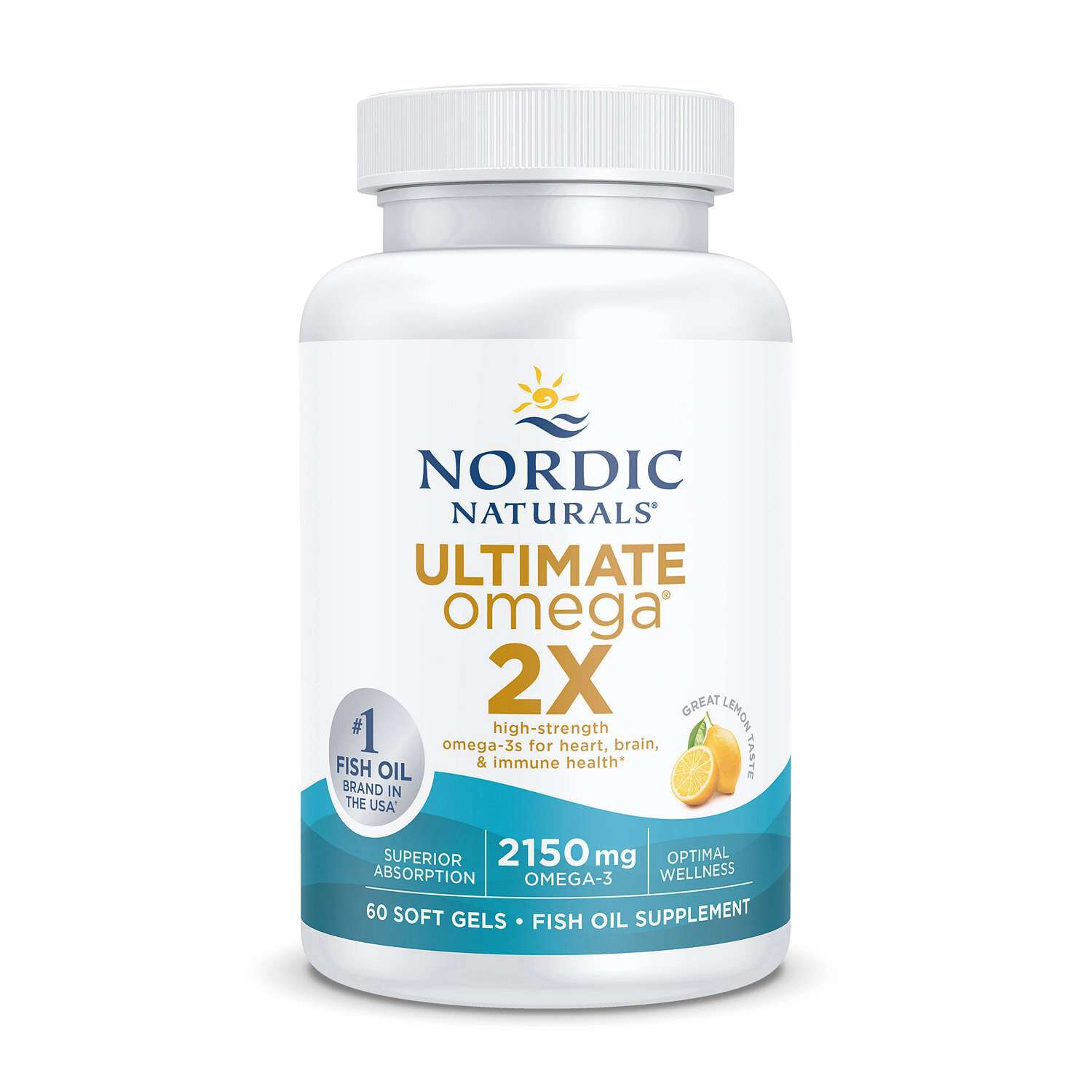
-
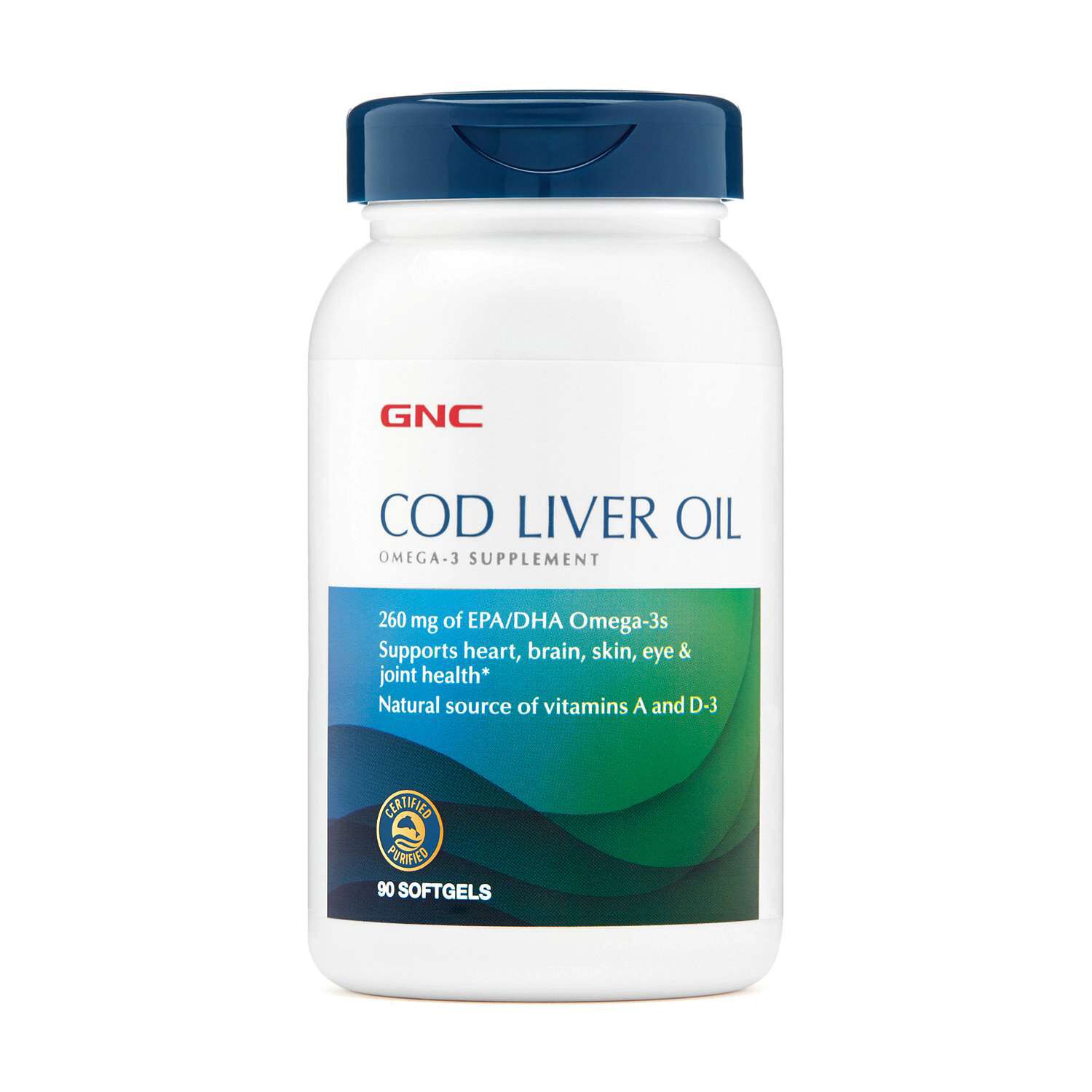
-
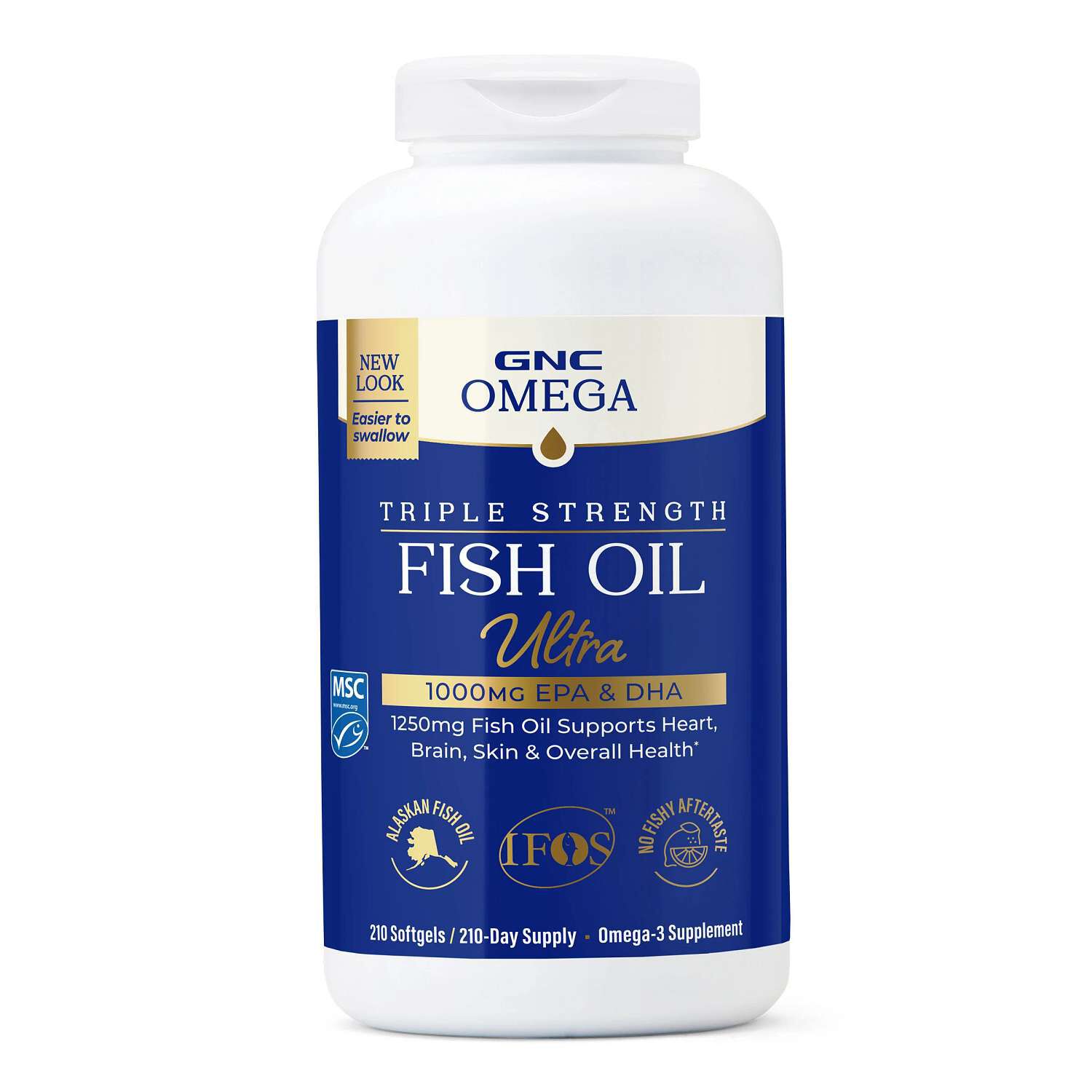
-
-
-
-

-
-
-
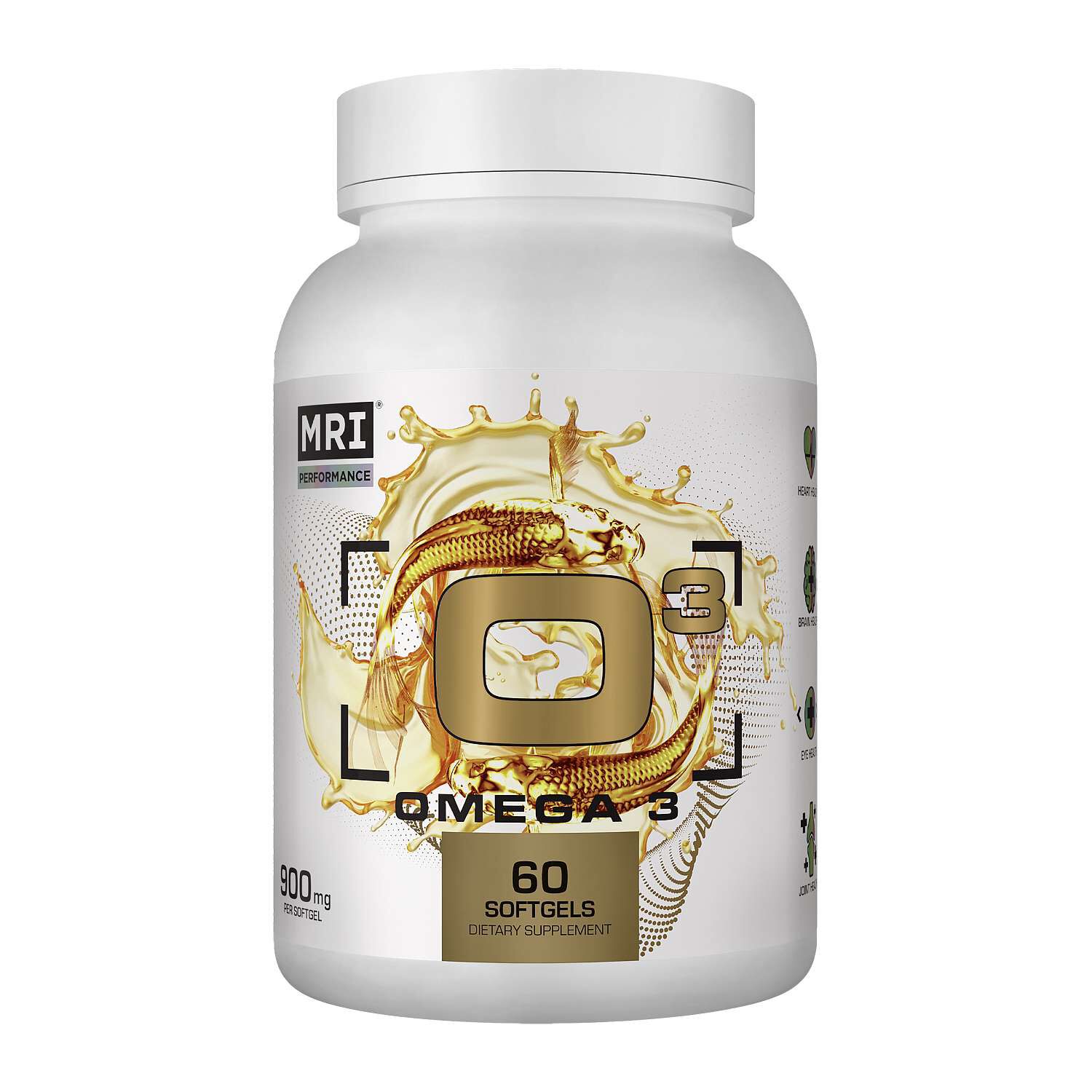 MRI Performance$29.99

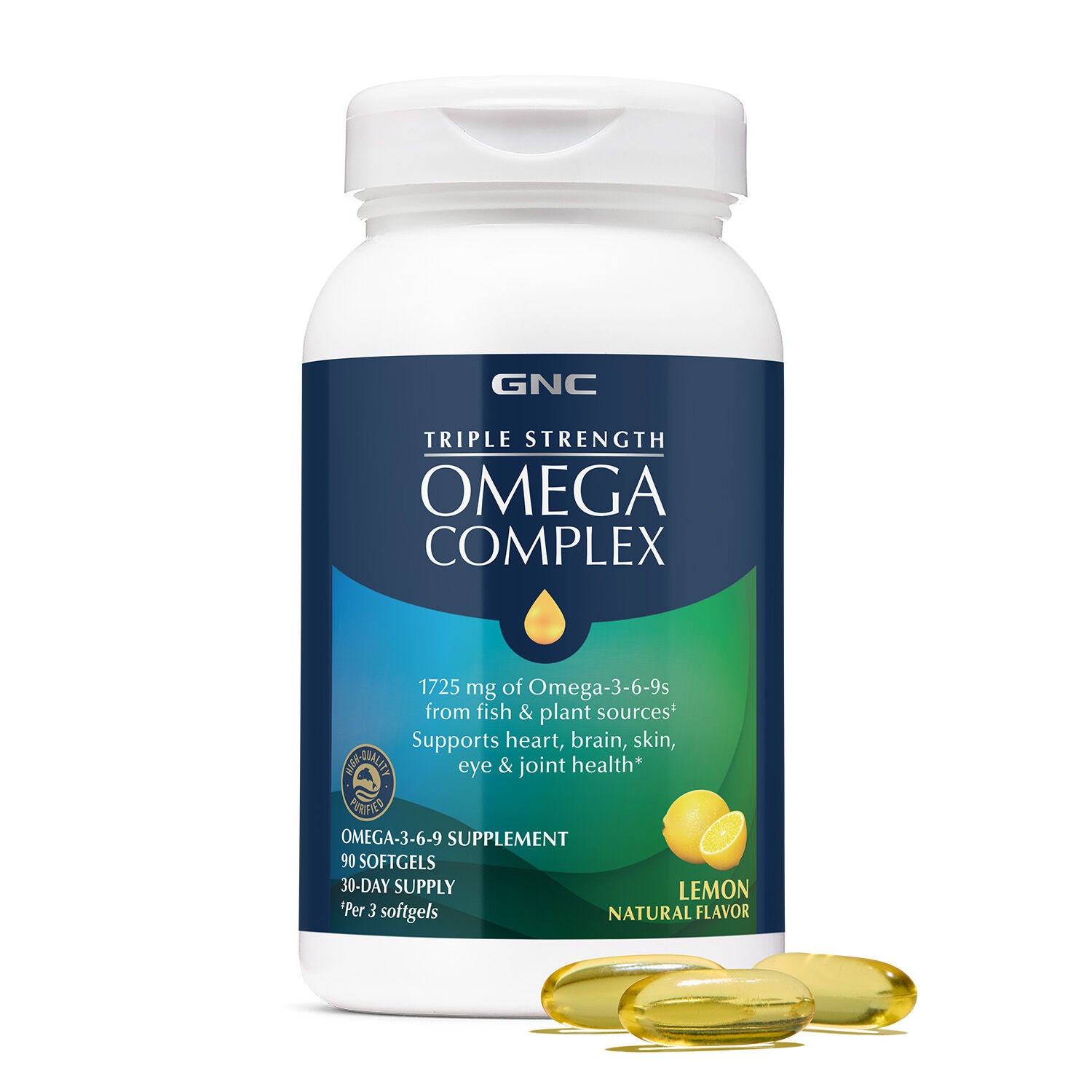

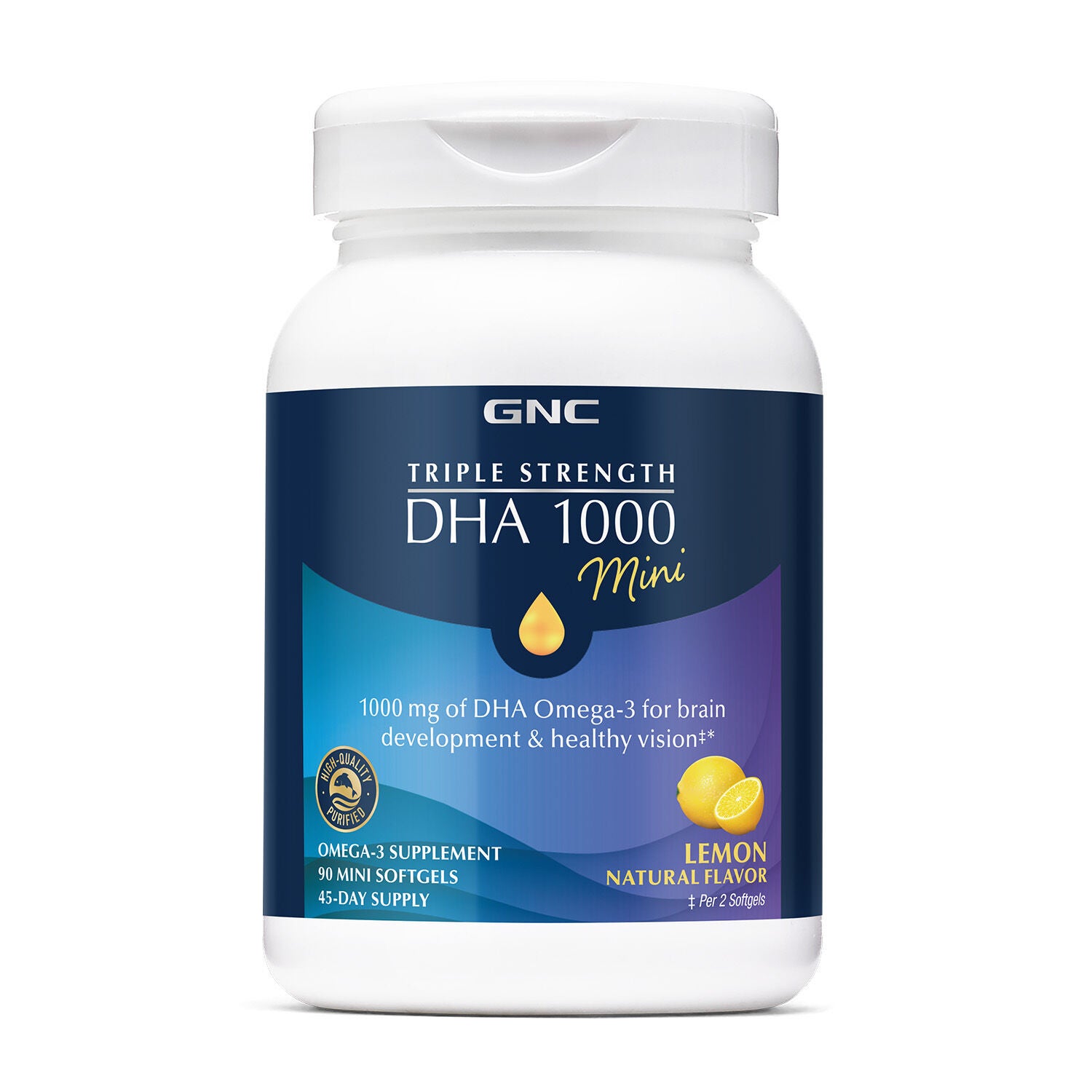
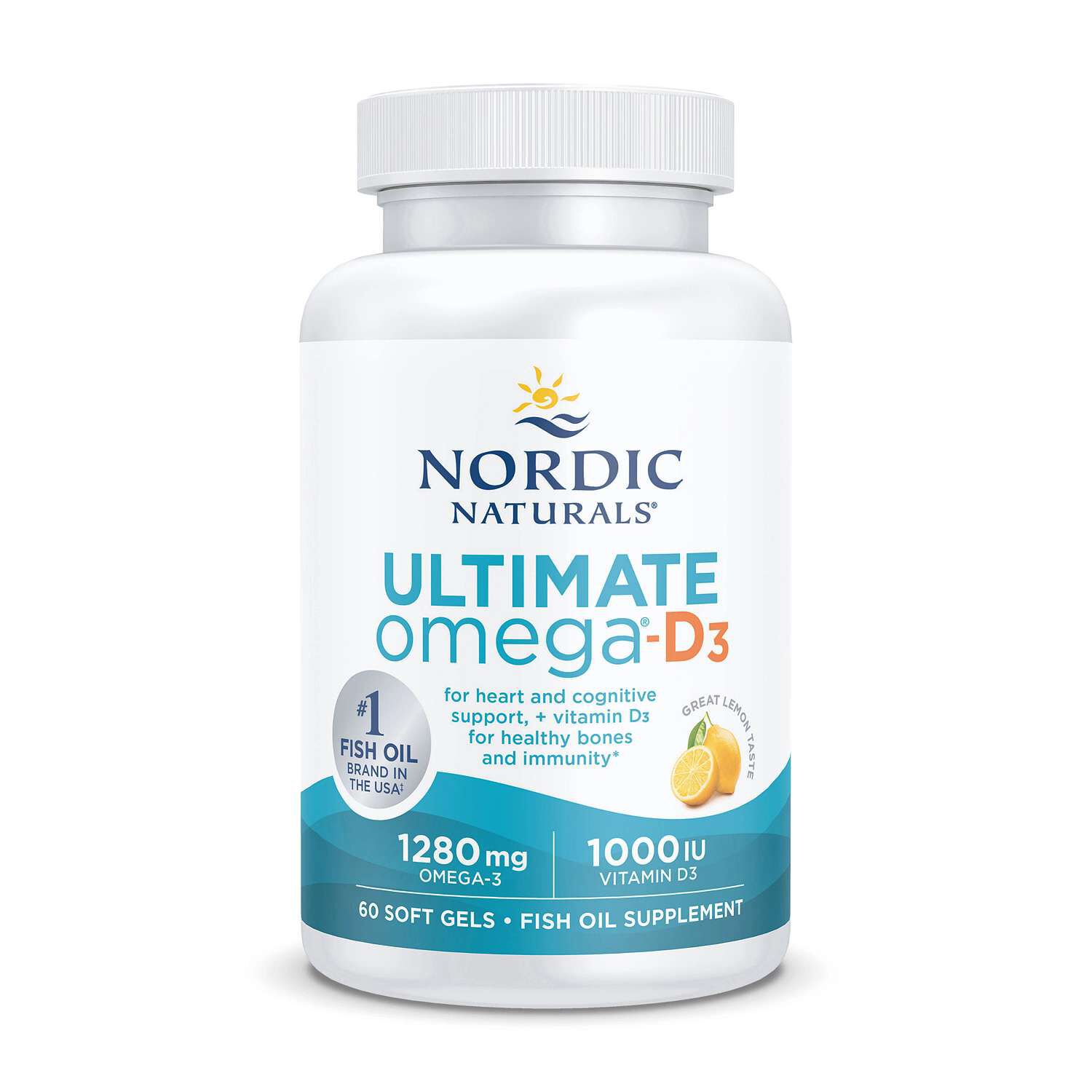
Omega-3 supplements for summer vitality bring together several sources of dietary fats in formats suited to different preferences and everyday routines. The category includes fish oil, algae oil, krill oil, and flaxseed oil, with meaningful differences in the omega-3s each source provides. EPA and DHA are two types commonly found in marine oils, while ALA is the primary omega-3 in flaxseed oil. Algae-derived formulas commonly contain DHA, and some also include EPA; the Supplement Facts panel identifies what a particular formula contains. These distinctions matter more than a summery label or an image of an ocean shoreline. For someone whose summer plans include weekend road trips, outdoor meals, or mornings spent tending a garden, the practical appeal lies in finding a supplement that fits an established routine. Summer vitality is a broad lifestyle theme, not a standardized supplement attribute, and it does not identify a particular ingredient amount or formula. Omega-3 supplements are intended to add specified fatty acids to dietary intake, rather than stand in for varied meals, water, rest, or thoughtful preparation for outdoor activities. Fish oil may appeal to shoppers who prefer a marine source of EPA and DHA, while algae oil offers another source for those whose preferences favor ingredients derived from algae. A vegan designation depends on the entire formula, including the capsule shell, rather than the oil alone. Krill oil comes from small marine crustaceans and contains some omega-3 fatty acids bound to phospholipids. Flaxseed oil belongs to a different part of the assortment because its main omega-3 is ALA, so it should not be read as an identical substitute for a formula listing EPA and DHA. Understanding those source differences gives this collection a useful context: similar-looking bottles can represent distinct ingredient profiles, dietary considerations, and serving formats. The relevant comparison starts with the source and the labeled contents, not with a broad expectation attached to the season.
Format is another important part of choosing an omega-3 supplement for a summer routine. Softgels contain measured portions of oil, but their dimensions, shell ingredients, and suggested serving sizes vary. A serving can consist of more than one softgel, making the serving-size line worth reading alongside the amounts listed below it. Liquid formulas use a measured volume and may suit shoppers who prefer that format, although they introduce considerations such as flavor, a measuring utensil, and storage after opening. Chewable formats have their own textures and ingredient lists, including sweeteners and flavorings, and their omega-3 content should be compared by the labeled serving rather than by the number of pieces in the container. An adult packing a small overnight bag may value a format that travels neatly in its original packaging; someone keeping a regular breakfast schedule at home may place more emphasis on flavor or the number of softgels per serving. Neither preference determines the nutrient content. For that, the Supplement Facts panel is the clearest point of comparison. The amount of fish oil or algae oil is not necessarily the same as the amount of EPA and DHA it supplies. For example, two formulas with the same stated weight of oil can list different quantities of those individual omega-3s. When EPA and DHA are listed separately, adding their amounts gives the combined EPA and DHA per labeled serving. A flaxseed formula, by contrast, calls for attention to its listed ALA content. Comparing equivalent serving sizes keeps these distinctions visible without assuming that a larger bottle, a larger softgel, or a higher oil weight describes the same thing. Other ingredients also deserve attention, particularly capsule materials, flavorings, and declared allergens. Fish and krill come from different animal sources, and a citrus flavor does not change the source of the oil. For shoppers with dietary preferences, both the source description and the full ingredient list contribute to a more informed comparison.
Summer use also brings ordinary but important questions about packaging and storage. An omega-3 bottle tucked into a beach tote, left beside a sunny kitchen window, or forgotten in a parked car may encounter conditions outside its labeled storage directions. Oil-based supplements need the handling specified by their manufacturer, and instructions can differ between unopened bottles and containers already in use. Some liquids require refrigeration after opening, while other formats have different directions. The label, rather than an assumption about all oils, is the appropriate reference. For travel, the original container keeps the ingredient information, serving directions, lot information, and expiration date together. A closure secured after each use and attention to the package instructions are practical considerations for keeping a supplement organized at home or away. Bottle size matters in this context, too: the number of servings, the expected pace of use according to the label, and any after-opening instructions all affect how a container fits into a routine. Packaging durability is about holding up to ordinary handling, not making an oil suitable for prolonged exposure to heat or sunlight. Source details and testing information can offer additional context when they are clearly documented. A named fish source, an identified algal ingredient, or a stated assessment by an independent organization conveys something more specific than a broad description of quality, though any certification should be read for what it actually covers. These details are useful whether summer means a familiar schedule with a few evenings outdoors or a suitcase packed for a longer getaway. Someone shopping for another adult also has personal preferences to consider: oil source, capsule materials, texture, and flavor can make supplements a highly individual purchase rather than an easy surprise gift. For a seasonal comparison, Omega 3 Supplements for Winter Wellness offers a related collection with a different seasonal focus. Across either setting, the most informative product details remain the omega-3 source, the amounts shown per serving, the format, and the storage directions—concrete attributes that distinguish formulas beyond the lifestyle theme.
Best Sellers
-
Nordic Naturals
-
Nordic Naturals
-
Nordic Naturals
Related Pages


Top Collections
- Daily Collagen Supplements | Top Brands & Deals | GNC
- Natural Collagen Supplements | Top Brands & Deals | GNC
- Top Rated Collagen | Shop Customer Favorites | GNC
- Cortisol Supplements
- Vitamins For Hair Loss
- Spirulina Tablets
- NAD+ Supplement Tablets
- Peptide Supplements
- Best Brand of Magnesium Glycinate
- Vitamins That Help Support Weight Gain