

Magnesium Potassium Supplements For Women
(0 Results)
Magnesium potassium supplements for women may offer support for those looking to maintain a balanced wellness routine. These supplements are often chosen by individuals interested in supporting their active lifestyles and overall well-being. With options designed to fit various preferences and routines, magnesium potassium supplements for women could be a convenient addition to your daily regimen. Explore a variety of choices that may help you prioritize your personal health goals.
-
-
 _Front.jpg?sw=305&sh=305&sm=fit "Magnesium: Bioactive Magensium Citrate - 120 Capsules (120 Servings) | GNC")
-
 459$24.99
 -
 Optimum Nutrition459$24.99
 -

-
-
 _Front.jpg?sw=305&sh=305&sm=fit "Magnesium: Bioactive Magensium Citrate - 60 Capsules (60 Servings) | GNC")
-

-

-

-

-

-

-

-

-

-

-

-

-
-


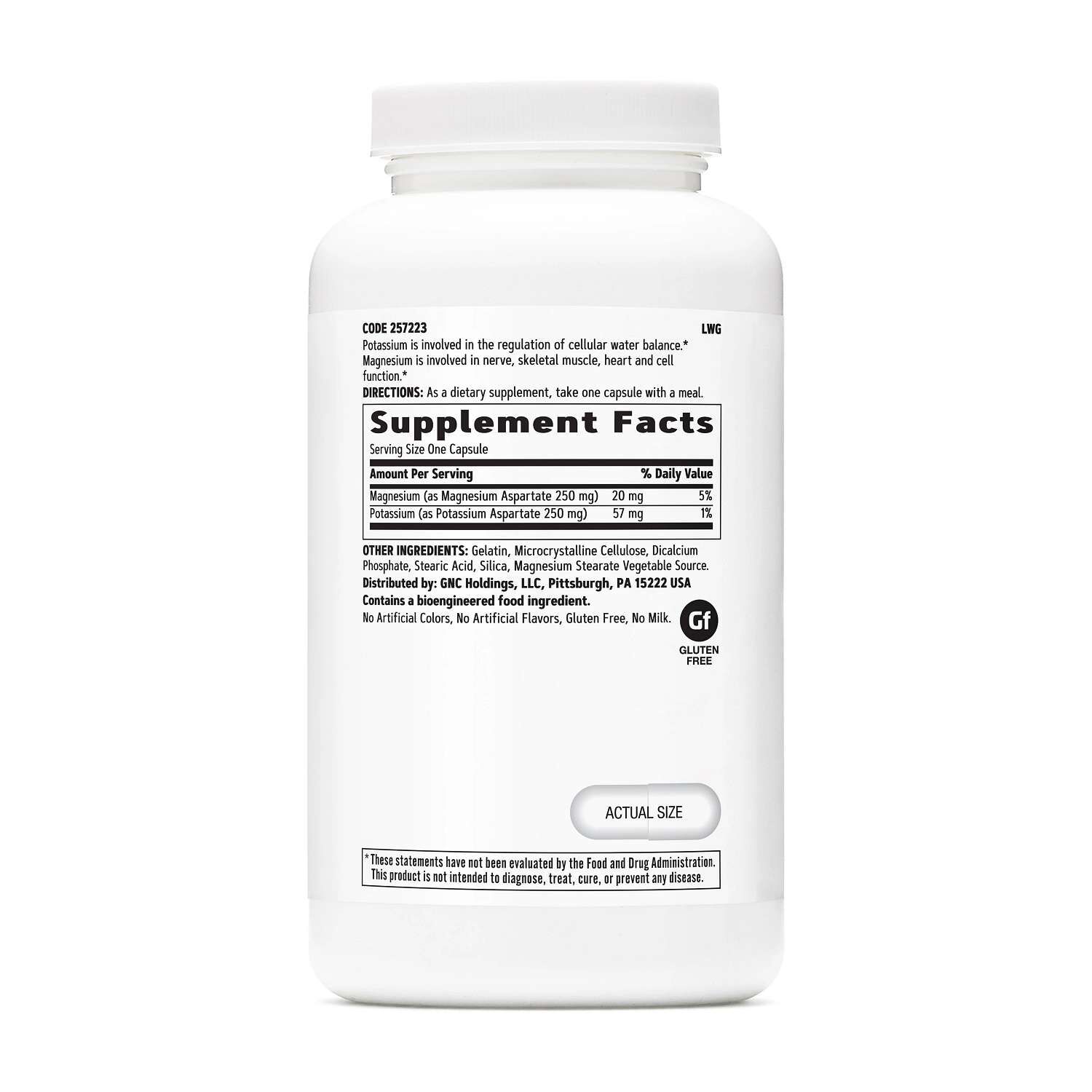

Magnesium potassium supplements for women bring two dietary minerals into one product category, with options that may complement an everyday nutrition routine. Magnesium and potassium occur naturally in foods, including beans, leafy greens, nuts, seeds, and some fruits, while supplements offer a packaged format with a stated amount per serving. A combination formula contains both minerals, but the proportions, ingredient forms, and serving sizes can differ considerably. That distinction matters when comparing bottles that look similar at a glance: one may emphasize magnesium with a smaller amount of potassium, while another may include both within a broader mineral blend. The front label introduces the formula, but the Supplement Facts panel provides a more useful picture of its contents. It identifies the amount of each mineral per serving, the serving size, and any additional listed nutrients. A serving is not always a single capsule or tablet, so the amount printed on the front of a package deserves a closer look alongside the number of pieces in each serving. Products marketed for women also vary in composition; that description alone does not establish a particular mineral ratio or ingredient profile. For women who prefer a simple ingredient list, a formula centered on magnesium and potassium may be appealing. Others may prefer a product that includes additional minerals, depending on the kind of supplement they are browsing. Those interested in comparing the broader category can also explore magnesium for women for another perspective on magnesium-focused formulas. Across these categories, the most meaningful differences are often practical rather than visual: the mineral amounts, the source compounds, the delivery format, and the number of servings in the container. Reading those details together makes it easier to distinguish a straightforward combination formula from a more extensive blend without relying on the color of the bottle or the wording on its front. A clearly described formula gives shoppers concrete information to compare rather than leaving the contents to interpretation.
Format is another important part of choosing among magnesium and potassium supplements for women. Capsules, tablets, powders, and chewable formats offer different experiences, and each has details worth considering beyond the mineral amounts. Capsules have shells made from materials that may include gelatin or plant-derived ingredients, while tablets often contain binders and coatings that give them their shape and finish. These ingredients typically appear outside the Supplement Facts panel in the other ingredients list. For someone who prefers a plant-based capsule, the shell material matters just as much as the mineral source. Tablet dimensions and the number of tablets per serving may also influence personal preferences, especially when comparing a compact bottle with a larger container. Powders bring a different set of considerations, including serving measurements, mixing directions, flavor, and the need for a glass or shaker. A flavored powder may suit someone who enjoys a prepared drink as part of a daily routine, while an unflavored option may appeal to someone who prefers less sweetness. Unflavored does not necessarily mean tasteless; mineral ingredients can have a noticeable character, and the mixing instructions help set expectations for preparation. Chewable formats introduce their own texture and flavor considerations, along with sweeteners and other ingredients that deserve attention on the label. Mineral source names, such as citrate or glycinate for magnesium and citrate or chloride for potassium, describe the compounds used in a formula. Those names are different from the amount of magnesium or potassium listed per serving, so the ingredient description and nutrient amount answer different questions. A label may name a compound in parentheses while listing the quantity of the mineral itself in milligrams. Comparing the same units and serving sizes provides a clearer view than comparing compound names alone. Dietary preferences can further narrow the selection through explicit vegetarian or vegan labeling, allergen statements, and ingredient disclosures. The most useful product description connects those details clearly, giving shoppers a realistic sense of what is inside the container and what using the format involves.
The intended use of these products is dietary supplementation, and a combination mineral formula may fit into a routine alongside varied meals rather than stand in for them. For women browsing magnesium potassium supplements, everyday circumstances often shape format preferences as much as the ingredient panel does. Someone who packs a work bag each morning may favor a securely closed container with straightforward serving information. Someone who already prepares a drink at home may be more interested in a powder, with attention to the scoop, mixing volume, and container opening. For frequent travelers, package dimensions, closure design, and readable labeling can be useful comparison points. A large tub and a small bottle can contain very different numbers of servings, so container size alone says little about how long a product will last when used as labeled. Storage and packaging also deserve consideration. The package directions describe appropriate storage conditions, while a well-fitting cap and intact inner seal are practical features to inspect. Keeping the original container preserves access to the ingredient list, lot information, date marking, and preparation directions. Powder formats may have specific instructions about closing the lid or handling the measuring scoop, and those details belong alongside flavor and serving size in a thoughtful comparison. Clear directions are especially valuable when a format involves measuring or mixing rather than simply opening a bottle. Label transparency matters, too: a straightforward presentation of each mineral amount is easier to interpret than a broad blend name without the same detail. Any certification or testing statement should be considered according to what the label actually says, rather than treated as evidence of a particular personal outcome. For women comparing combination supplements with other daily nutrition products, reviewing the nutrient lists side by side can reveal where ingredients overlap and where formulas differ. Magnesium potassium supplements are not interchangeable simply because they share two mineral names. Their individual balance of ingredients, serving format, taste, packaging, and preparation requirements creates distinct choices for different preferences. Looking closely at those tangible features keeps the comparison grounded in the product itself and may make it easier to find a format that suits an established routine.
Best Sellers
-
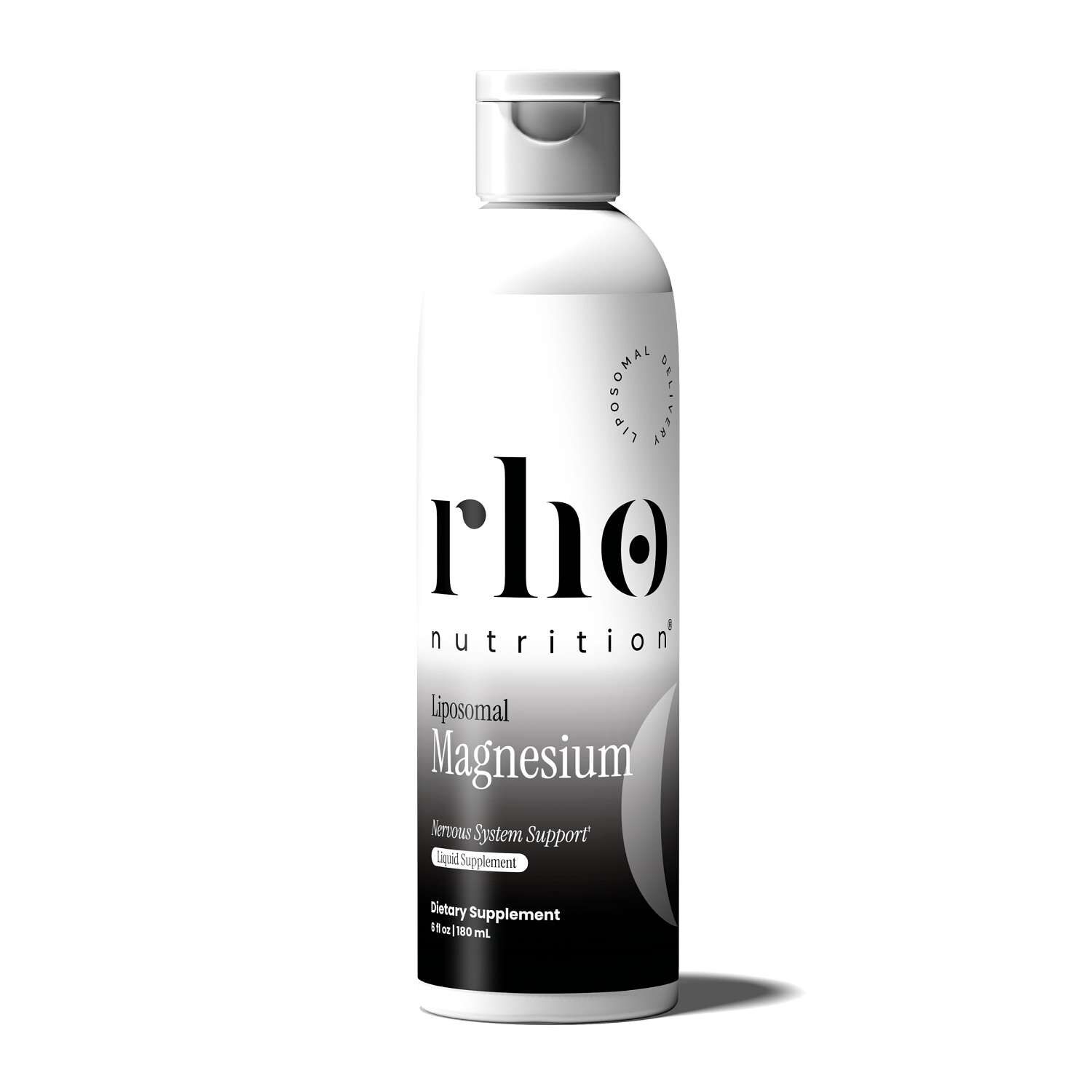 Rho Nutrition
 -
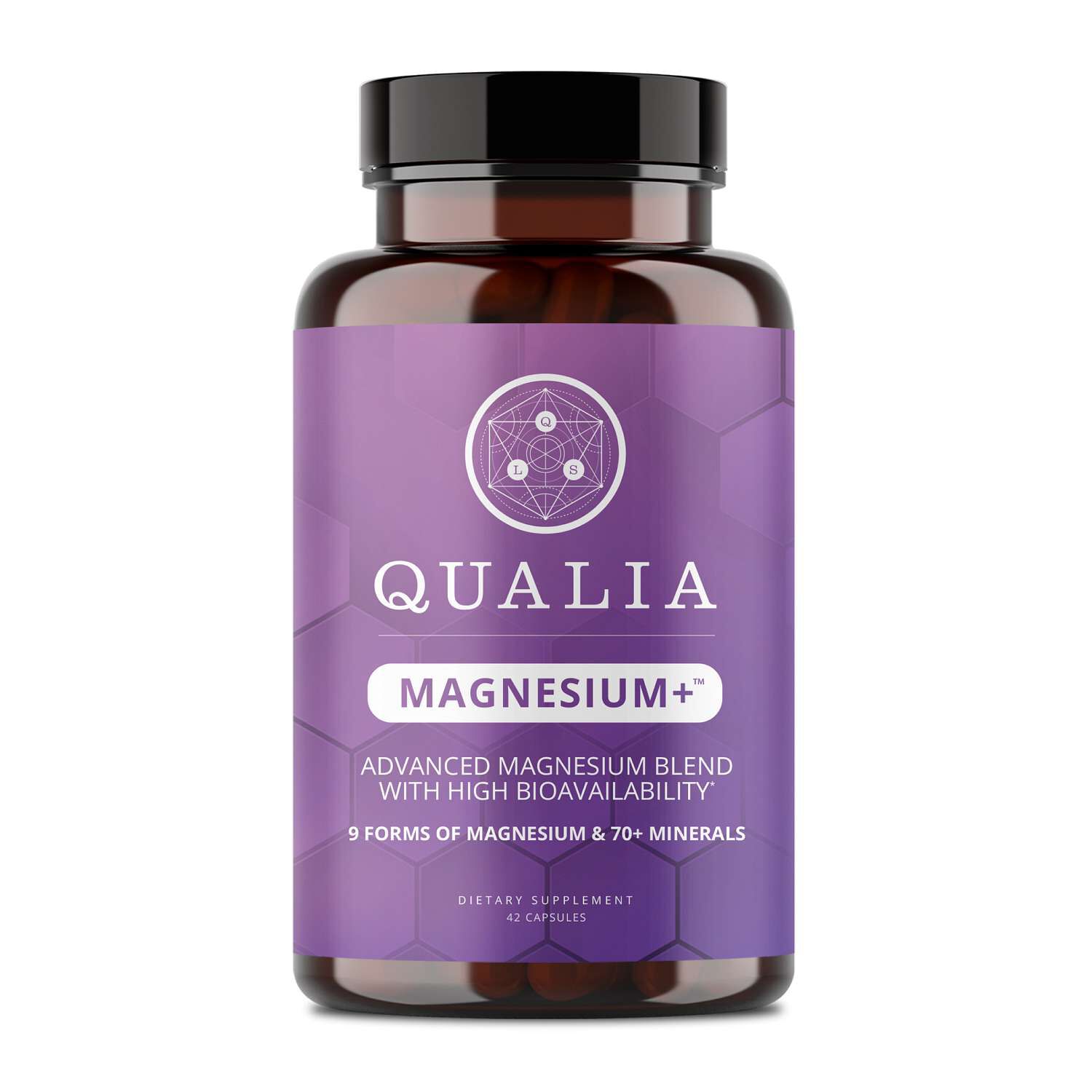 Qualia Life Sciences