Magnesium Potassium Supplements For Bone Health
(0 Results)
Magnesium potassium supplements for bone health are a popular choice for those looking to support their overall wellness routine. These products may offer a convenient way to incorporate important minerals into your daily regimen. Whether you're seeking options to complement your lifestyle or exploring new ways to prioritize your well-being, magnesium potassium supplements for bone health could fit seamlessly into your nutrition plan. Discover a range of choices designed to help you meet your personal goals.
-

-

-

-

-
-
-
-
 Nature's Fusions$29.99
-

-
 _Front.jpg?sw=305&sh=305&sm=fit "Magnesium: Bioactive Magensium Citrate - 120 Capsules (120 Servings) | GNC")
-

-
 _Front.jpg?sw=305&sh=305&sm=fit "Magnesium: Bioactive Magensium Citrate - 60 Capsules (60 Servings) | GNC")
-

-

-

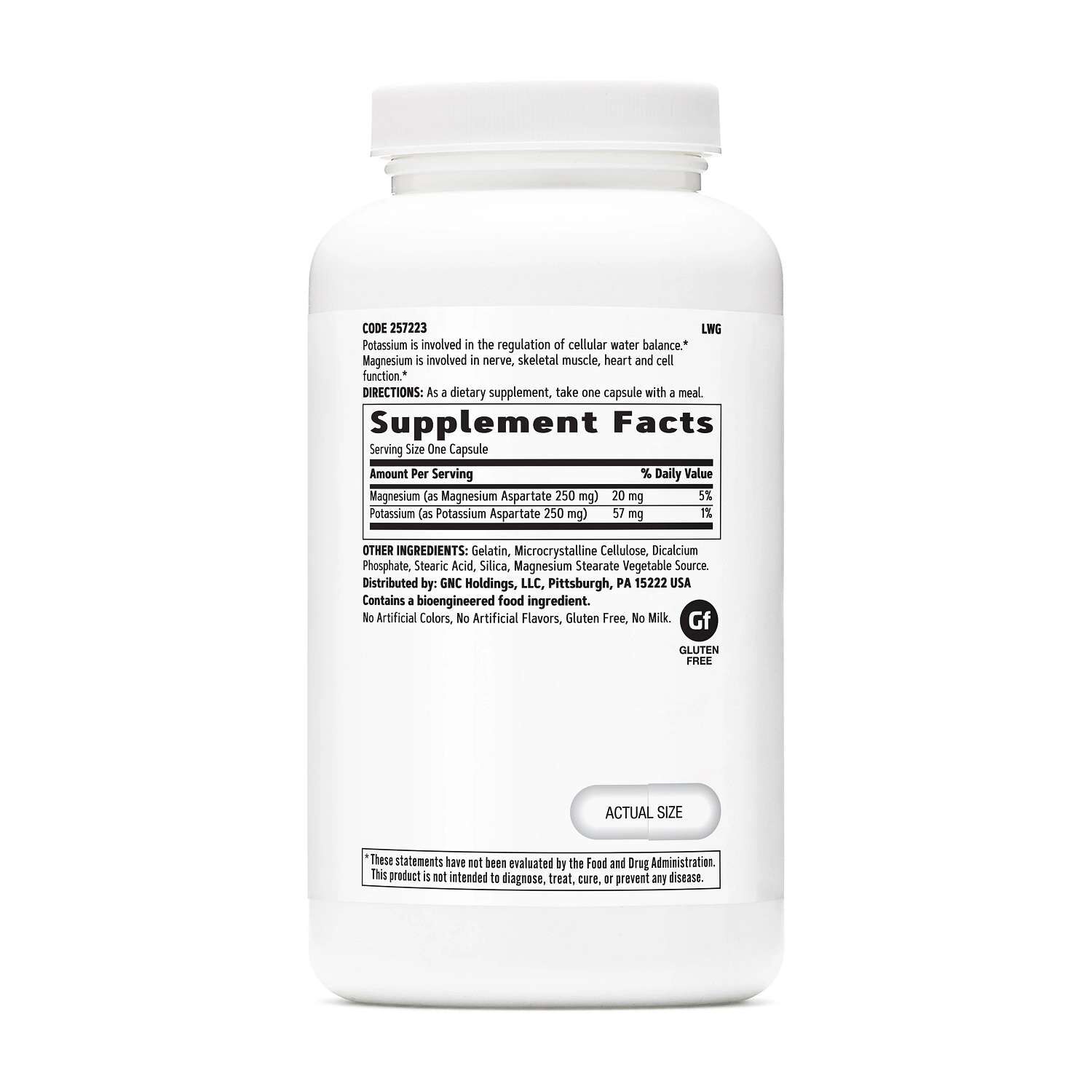
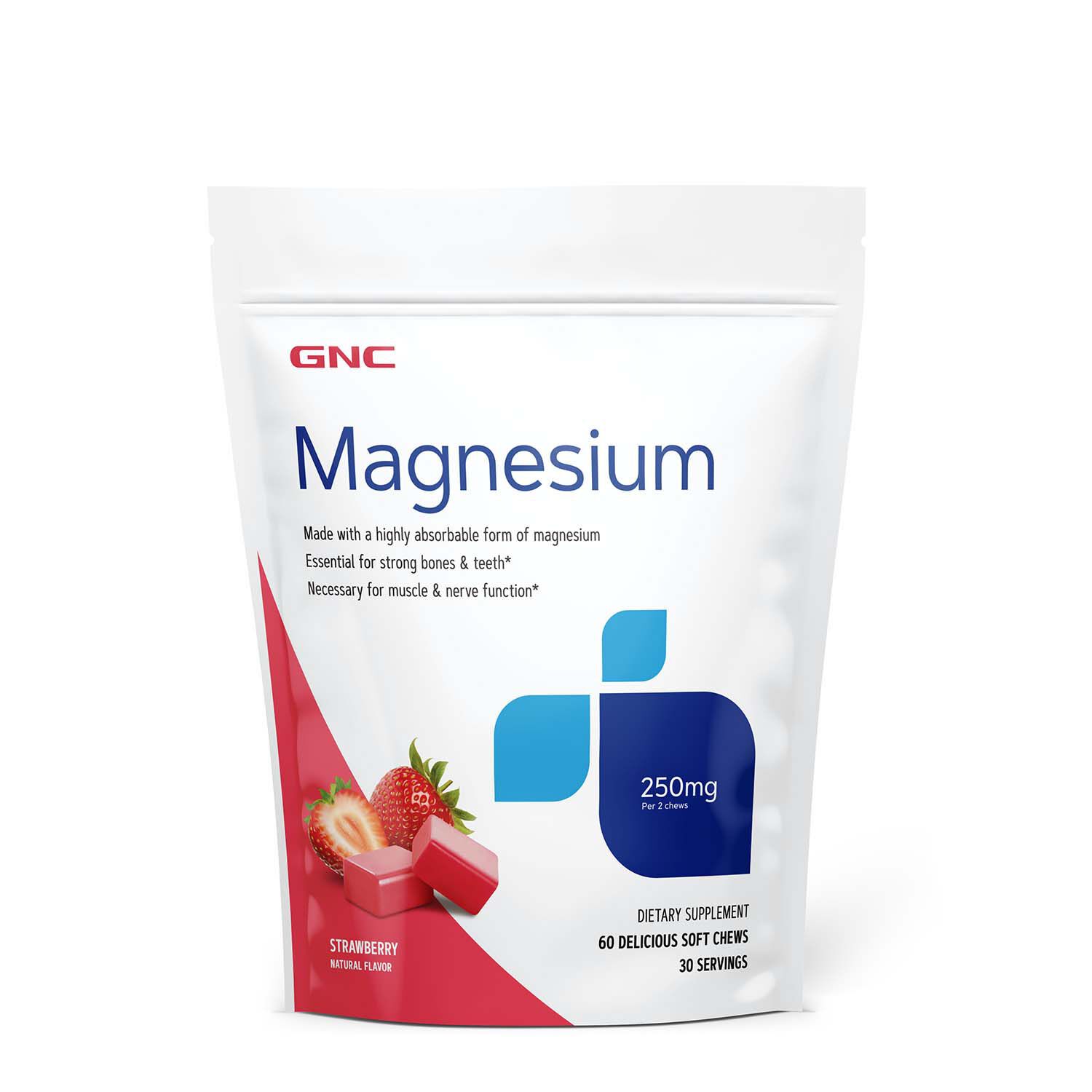


Magnesium potassium supplements for bone health may complement a varied diet within a broader bone-focused wellness routine. Magnesium is a mineral found in bone tissue, while potassium is a separate dietary mineral; the two are not interchangeable, and their presence together does not make every formula equivalent. Products grouped around this theme may combine both minerals or feature them alongside nutrients such as calcium or vitamin D. The meaningful differences are in the ingredient list, the amount of each nutrient per serving, and the format used to deliver it. A prominent mineral name on the front of a package tells only part of the story. The Supplement Facts panel provides a clearer picture of what a serving contains, including whether magnesium and potassium appear in similar amounts or whether one is a smaller part of the blend. For someone comparing magnesium potassium supplements with a bone health focus, that distinction is more useful than treating all mineral blends as alike. Familiar foods also provide context: nuts, seeds, beans, and leafy greens contain magnesium, while potatoes, lentils, yogurt, and many fruits contain potassium. These foods bring other nutrients and variety to meals, something a capsule or tablet cannot replicate. A supplement may offer another way to include particular minerals, but it is not a replacement for the range of foods in a varied eating pattern. A breakfast of yogurt and fruit, a lunch featuring beans, or a dinner with leafy greens illustrates why the surrounding diet matters when considering a mineral formula. Bone-focused shopping is therefore about more than finding two familiar ingredients together. It is also about understanding the formula’s scope, recognizing what it does not contain, and choosing a format that fits an established routine without assuming a particular bone-related result.
The form of the minerals is another useful point of comparison. Labels may identify magnesium as citrate, glycinate, oxide, or another compound, and potassium may likewise appear in different forms. These names describe how the mineral is supplied; they should not be read as interchangeable product descriptions or as proof of a particular outcome. The amount of magnesium or potassium listed in the Supplement Facts panel refers to the mineral itself, rather than simply the weight of the compound named in the ingredients. That makes the nutrient amount and serving size important companions when reading a label. A serving might consist of more than one capsule or tablet, so comparing one piece from each package can give a misleading impression. The percentage Daily Value offers additional label context, although it is not a personalized target. Format brings its own practical differences. Capsules have a shell, which may be made from gelatin or plant-derived materials, while tablets can include binders and coatings. Those details may matter to shoppers with particular dietary preferences. Chewable formats can include sweeteners, flavors, and ingredients that create their texture; powders may require measuring and mixing according to the package directions. A powder can involve a scoop, a glass, and some preparation, whereas capsules or tablets may fit a routine with fewer accessories. Neither format alone establishes how well a product will suit a particular person. Tablet dimensions, serving count, flavor preferences, and ingredient restrictions can be more relevant to everyday fit than a bold description on the front label. Someone who dislikes flavored drinks may prefer to compare unflavored formats, while another shopper may place more importance on avoiding a large tablet. For a more focused category comparison, Magnesium Supplements For Bone Support provides a related place to explore magnesium-centered formulas. Comparing the labeled ingredients and amounts helps distinguish a magnesium-focused supplement from a blend that includes potassium and several other nutrients.
Practical fit also includes how a mineral supplement relates to products already in a household. A multivitamin, a calcium blend, or a drink mix may contain some of the same nutrients, even when its front label emphasizes a different purpose. Reading those panels side by side can reveal overlap that is easy to miss when packages are considered separately. A longer ingredient list does not, by itself, establish a better match, and a shorter list does not explain personal suitability. Questions involving an existing health condition, prescription medicines, or individual nutrient needs belong with a qualified healthcare professional rather than a product description. For everyday product comparisons, clear labeling, a legible serving size, and understandable preparation directions are useful details to look for. Packaging deserves attention as well. An intact closure, a readable date, and storage instructions help shoppers assess and care for the product as packaged. The original container keeps the ingredient panel, directions, and identifying information together, which is especially useful when several supplements share a shelf. Powder containers can also include handling instructions intended to keep the contents in their intended condition; capsule and tablet packaging may specify particular storage conditions. Following those directions matters more than treating every format the same way. A supplement routine may involve keeping a container beside a breakfast setup or storing it with other personal-care supplies, but convenience should still be considered alongside the package’s storage requirements and placement away from children. The most useful comparison is one that stays grounded in the actual label: which minerals are included, how much a labeled serving provides, what other ingredients are present, and what preparation or handling the format requires. Magnesium potassium supplements may have a place in a bone-focused nutrition routine, but the category name alone cannot establish personal fit. Careful attention to those tangible details makes it easier to distinguish among formulas without expecting a mineral supplement to stand in for food variety or individualized guidance.
Best Sellers
-
 Rho Nutrition
-
 Qualia Life Sciences