Magnesium Supplements For Bone Support
(0 Results)
Browse magnesium supplements for bone support and compare options by magnesium amount per serving, serving size, and listed ingredients. Check each product’s label and suggested use to find an option that fits your daily routine.
-

-

-

-

-

-

-
-
-
-
 Nature's Fusions$29.99
-

-
-

-

-

-

-

-

-

-

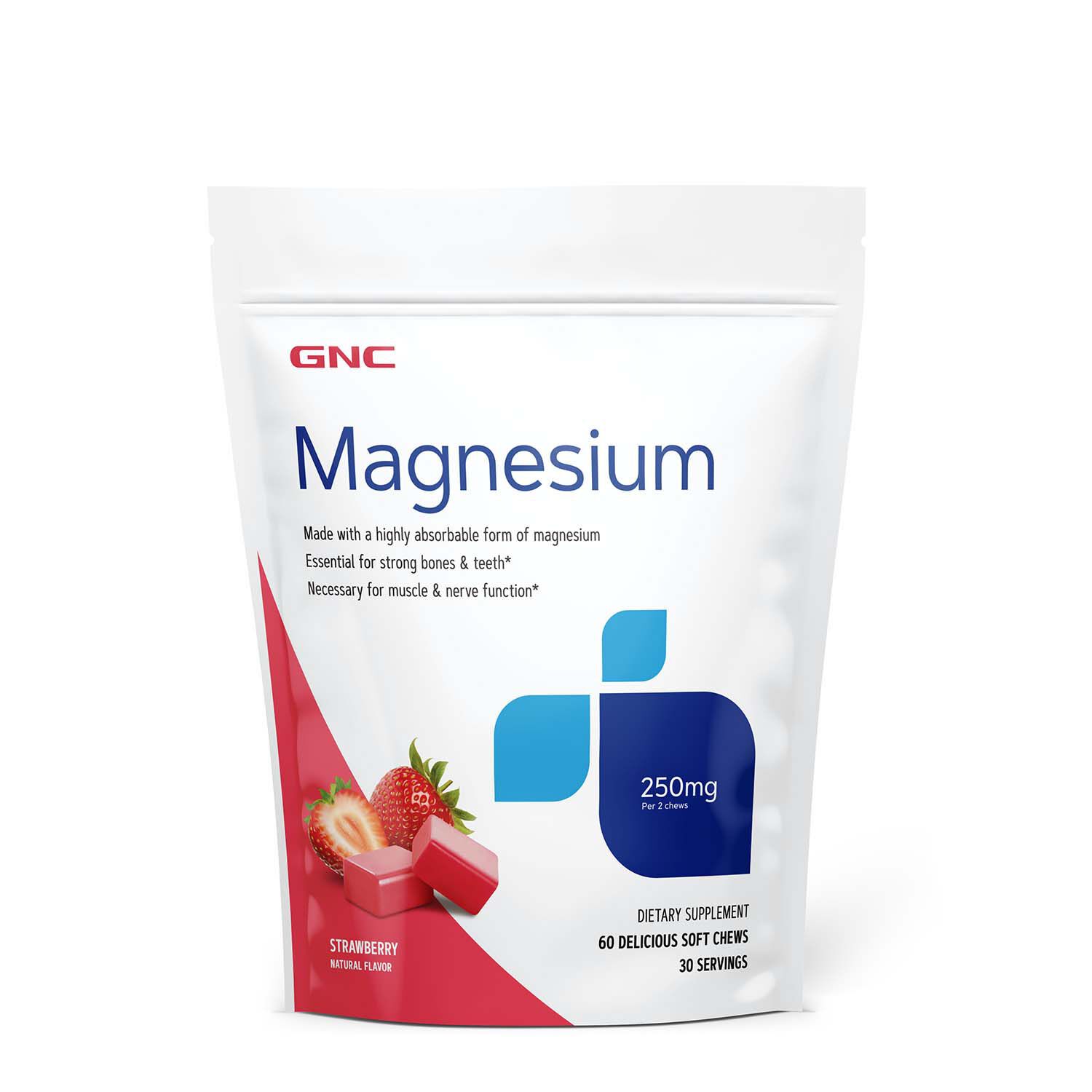


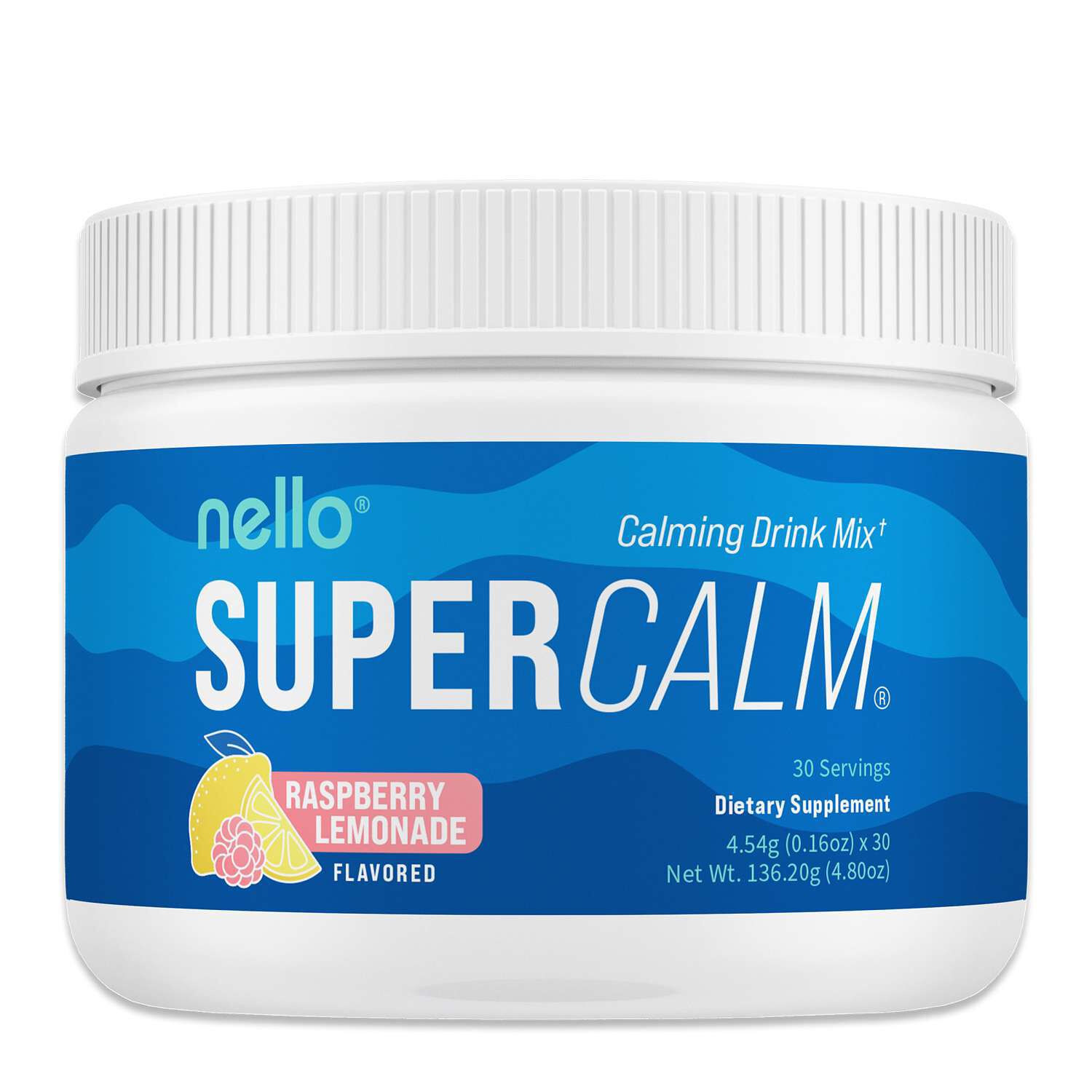
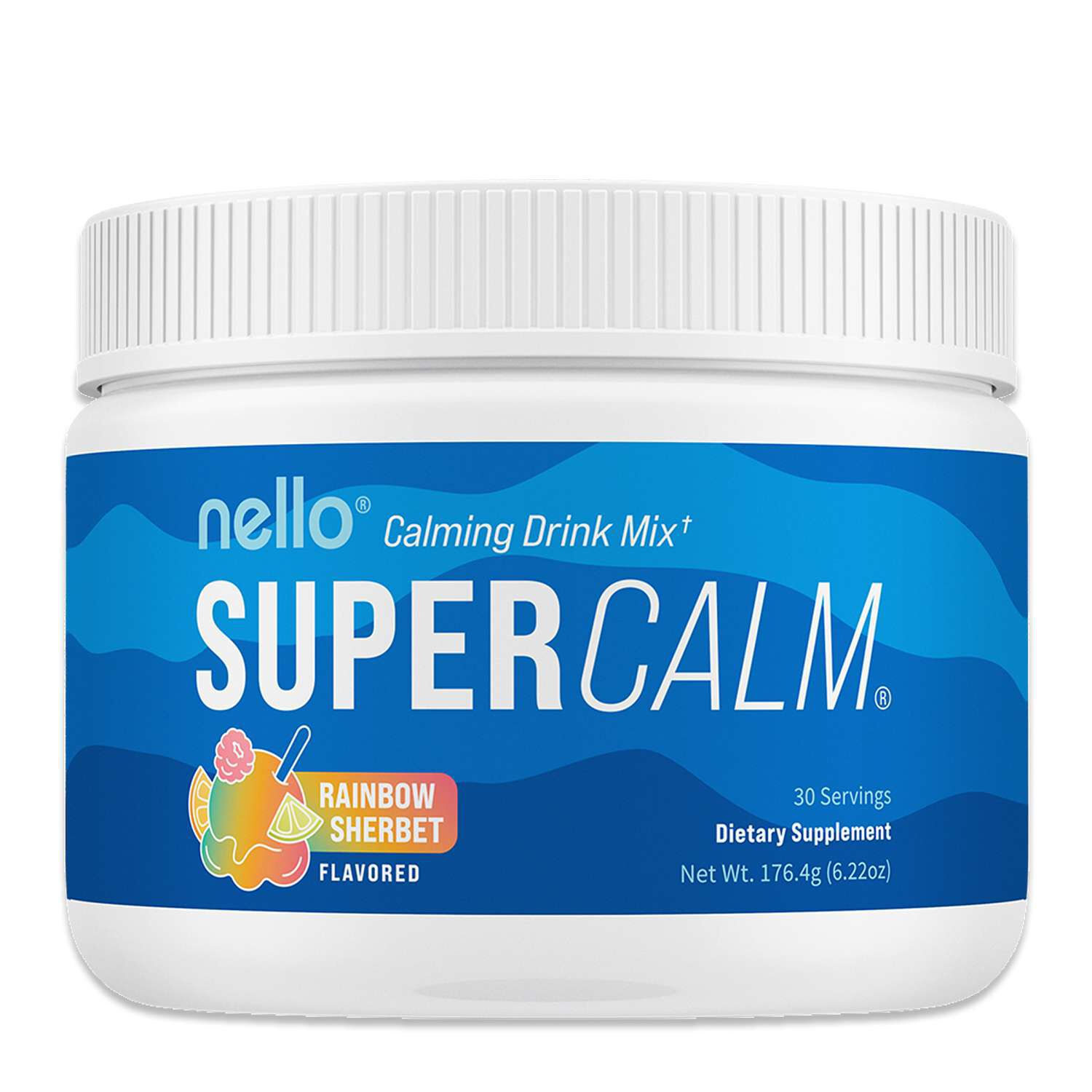
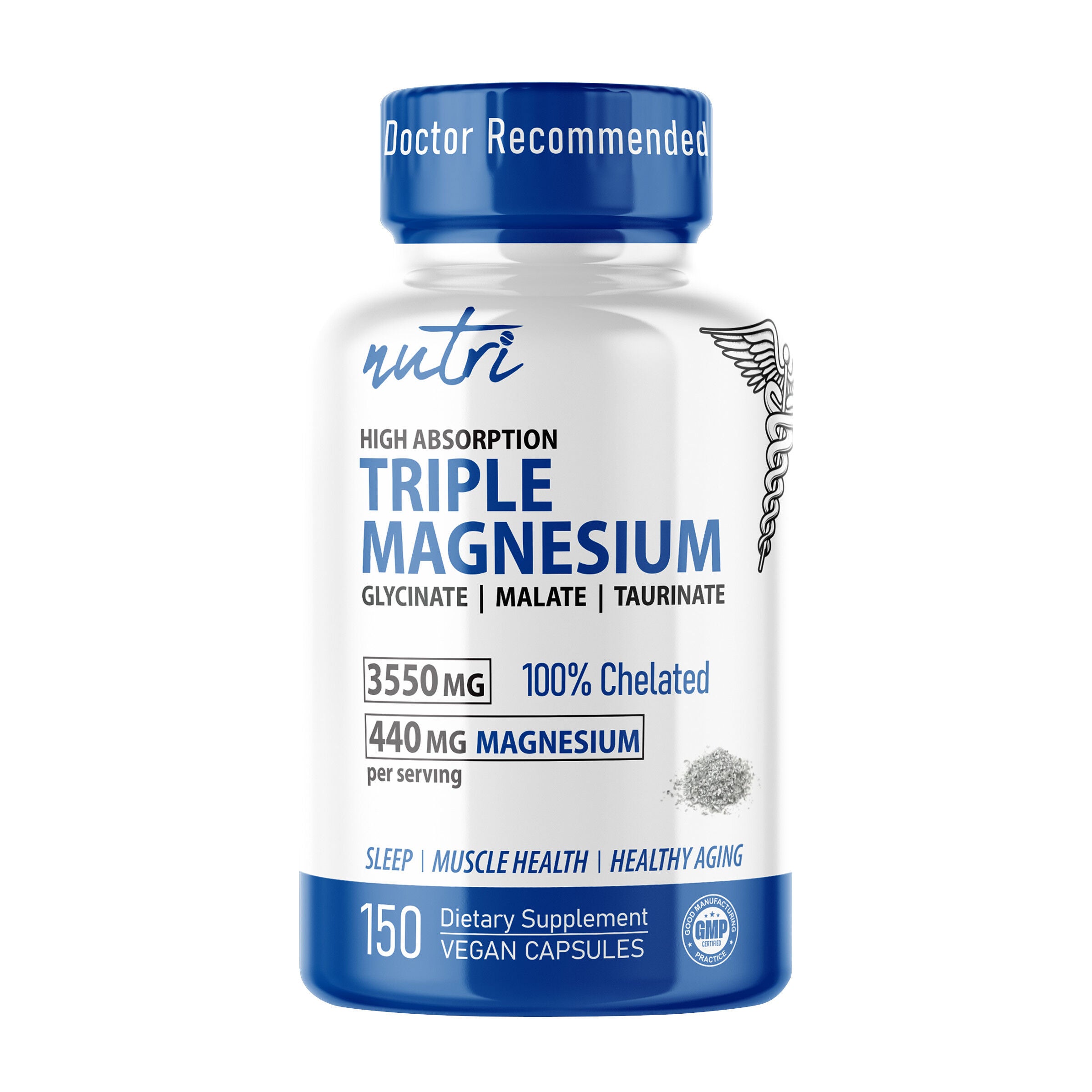
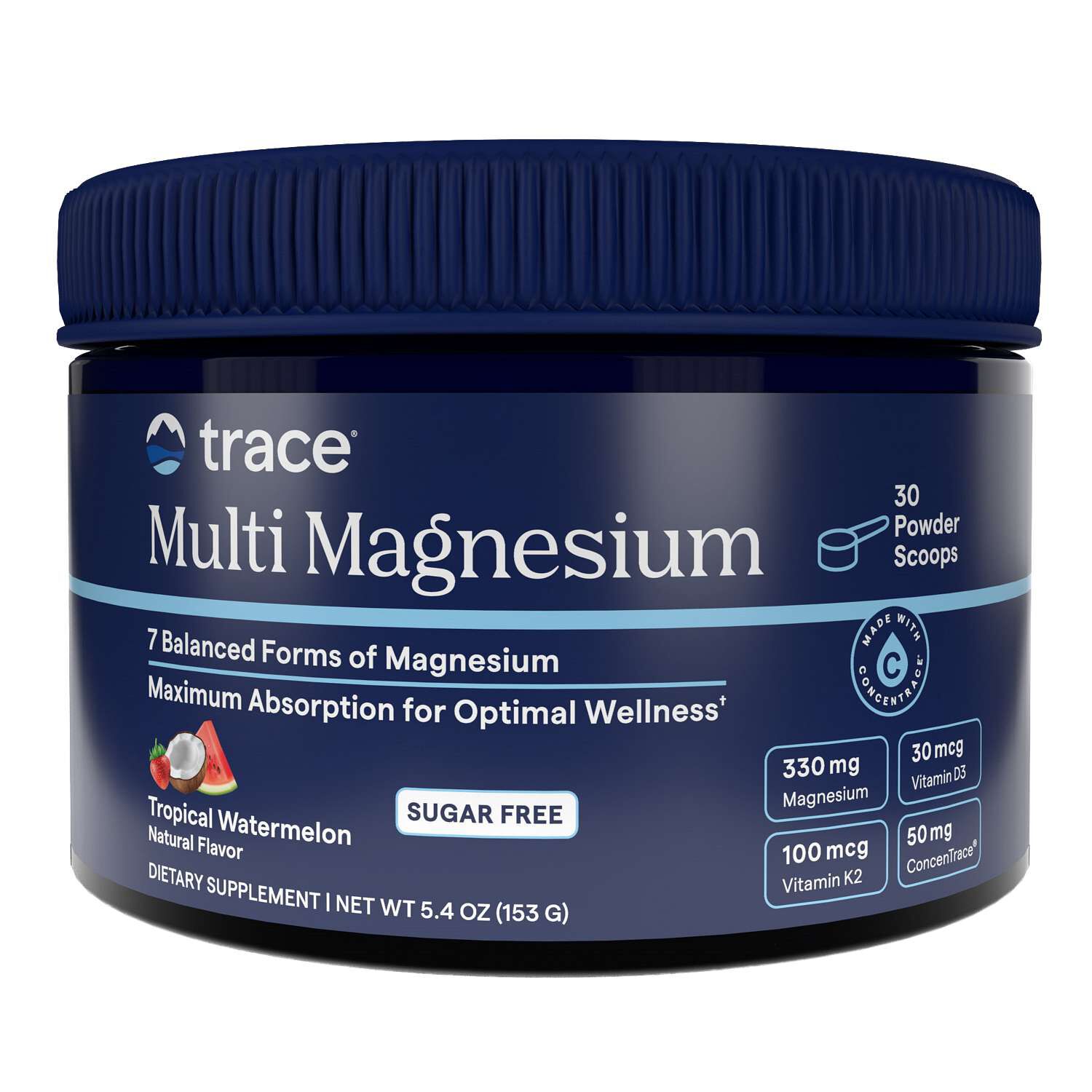
Magnesium supplements for bone support may complement a nutrition routine centered on everyday mineral intake and long-term bone maintenance. Magnesium is a mineral found in foods such as almonds, beans, whole grains, and leafy greens, and bone is one of the body’s main storage sites for it. Its relationship with calcium and vitamin D helps explain why these nutrients often appear together in bone-focused formulas. Magnesium may support normal bone structure and the body’s use of vitamin D, while calcium is part of bone’s mineral makeup. A supplement may offer an additional source of magnesium alongside food, rather than taking the place of a varied eating pattern. For adults comparing options, a useful distinction is often not an elaborate formula name but what the serving actually contains and how that format fits into an ordinary day. Someone who eats breakfast at home may prefer a tablet used according to the package directions, while someone who already mixes a daily beverage may find a powder more familiar. A person who wants a straightforward ingredient list may gravitate toward magnesium on its own; another may prefer a combination that also includes calcium or vitamin D. Neither approach is automatically a better match for every shopper. A bone-support focus describes the intended use of the formula, not a reason to assume that more ingredients or a larger serving will be a better fit. The Supplement Facts panel gives the amount of magnesium per serving, the number of capsules or tablets in that serving, and any accompanying nutrients. Those details distinguish a simple mineral formula from a broader blend without relying on front-label wording alone. The rest of an established supplement routine also adds context: magnesium sometimes appears in a multivitamin or another mineral formula, even when it is not the main reason that formula was chosen.
Capsules, tablets, powders, and chewables offer different experiences in preparation, texture, and serving size. Capsules and tablets involve little preparation, but their serving counts and physical dimensions vary. A serving listed as two capsules is different from a single-capsule serving, even when the amount of magnesium on the panel is similar. Powders involve measuring and mixing, making the directions, scoop size, suggested liquid, and flavor relevant comparison points. An unflavored powder does not necessarily have no noticeable taste, and a flavored powder may contain sweeteners, acids, or colors that matter to personal preferences. Chewables and gummies offer a different texture and may include added sugars or other ingredients used to shape and flavor the serving. Capsule shells can be made with gelatin or plant-derived materials, so the ingredient list matters for shoppers with vegetarian preferences. Allergen statements and manufacturing information also belong in the comparison, particularly when certain ingredients are excluded from an established eating pattern. Magnesium citrate, magnesium glycinate, and magnesium oxide are examples of names that describe the form of the mineral compound. The compound name and the magnesium amount are related label details, but they are not interchangeable. On a Supplement Facts panel, the magnesium amount refers to the magnesium supplied, while wording such as “as magnesium citrate” identifies its source. That distinction allows comparisons without treating the full weight of a compound as the amount of magnesium itself. Comparisons are also clearer when they use the same basis: amount per serving, servings per container, and the number of pieces or scoops in that serving. Different forms do not justify sweeping assumptions about which one every shopper will prefer. Texture, ingredients, serving instructions, and the intended age group provide more concrete information than a broad claim about one form being best.
Everyday handling is part of the comparison, particularly for powders and chewable formats. A tightly closed container, a clean, dry scoop, and storage consistent with the package directions may help preserve a powder’s intended texture. Tablets, capsules, and gummies also have package-specific storage instructions and expiration dates, making the original container a useful place for both the supplement and its label. A bottle kept near breakfast supplies has a different practical role from a powder stored with drink mixes, but either arrangement still calls for secure storage out of children’s reach. For a bag or desk drawer, package dimensions and closure style matter more than decorative packaging; retaining the serving directions and ingredient information matters when taking a supplement away from home. A format that fits naturally into a familiar routine may be easier to use as directed than one that requires a preparation style the shopper dislikes. The same attention to everyday fit applies to a household where more than one adult uses supplements, with each original label keeping the corresponding ingredients and serving instructions together. Bone-focused shopping can also overlap with interest in other intended uses of magnesium. The related Magnesium Supplements For Muscle Support category offers another way to browse options around a different nutrition focus, without assuming that every formula has the same purpose or ingredients. Across these categories, a label’s stated use and actual contents remain more informative than the format alone. For bone-focused nutrition, a practical match is not necessarily the longest ingredient list or the biggest container. It is a format with clearly stated magnesium content, ingredients that align with personal preferences, and directions that suit an established routine. Those details keep the comparison grounded in what the supplement contains and how it is intended to be used, with magnesium considered alongside food and the broader pattern of everyday nutrition.
- Q: What formats do magnesium supplements for bone support come in?
A: Magnesium supplements commonly come in capsules, tablets, powders, and gummies. Check the product description to identify the format that fits your routine. - Q: What types of magnesium might appear on a supplement label?
A: Common names include magnesium citrate, magnesium glycinate, magnesium oxide, and magnesium malate. The Supplement Facts panel identifies the magnesium source, and some formulas contain more than one type. - Q: What other nutrients are commonly included in magnesium supplements for bone support?
A: Some formulas combine magnesium with calcium, vitamin D, or vitamin K. Review the Supplement Facts panel to see which nutrients a formula contains. - Q: How does a magnesium-focused supplement differ from a multivitamin containing magnesium?
A: A magnesium-focused supplement centers on magnesium, sometimes alongside a few other nutrients. A multivitamin typically includes a broader range of vitamins and minerals, with magnesium as one component. - Q: How can I choose magnesium supplements that match my dietary preferences?
A: Review the ingredient list and dietary labeling for attributes such as vegan or vegetarian suitability. Capsule ingredients, flavorings, and sweeteners can vary by formula, so check each label rather than relying on the supplement format alone.
Best Sellers
-
 Rho Nutrition
-
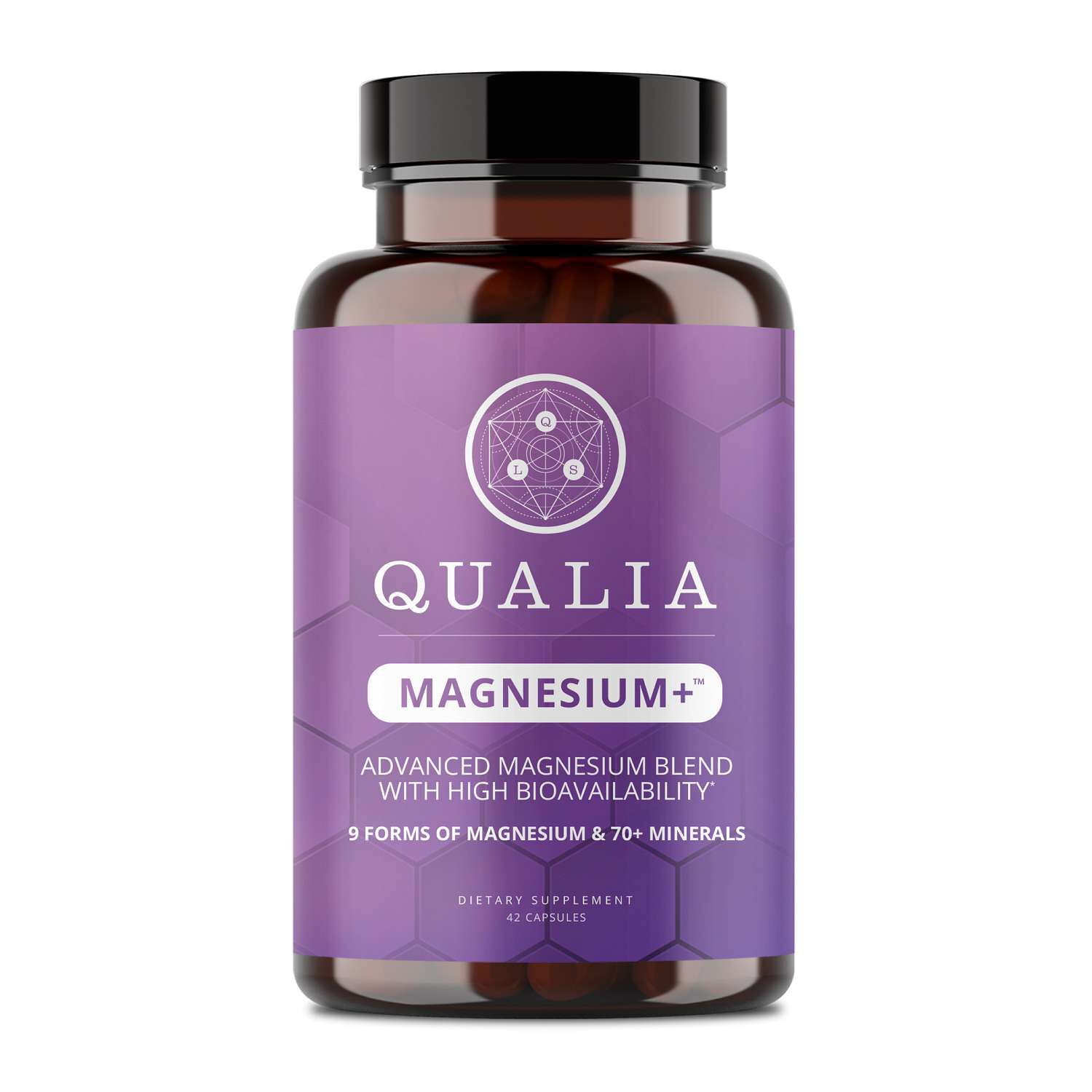
Qualia Life Sciences