





Magnesium Supplements For Bone Health
(0 Results)
Compare magnesium supplements for bone health by reviewing magnesium content per serving, serving size, and suggested use on each product label. Magnesium may support normal bone maintenance as part of a balanced diet, and these details can help you choose an option that fits your daily nutrition routine.
-
-

-

-

-

-

-

-
-
-
-
 Nature's Fusions$29.99
-
 _Front.jpg?sw=305&sh=305&sm=fit "Magnesium: Bioactive Magensium Citrate - 120 Capsules (120 Servings) | GNC")
-
-

-
 _Front.jpg?sw=305&sh=305&sm=fit "Magnesium: Bioactive Magensium Citrate - 60 Capsules (60 Servings) | GNC")
-

-

-

-

-

-



Magnesium supplements for bone health may complement a varied diet by supplying a mineral naturally present in the skeleton. Approximately 50% to 60% of the magnesium in an adult body is found in bone. Magnesium also participates in normal vitamin D metabolism and calcium balance, making it relevant to the broader nutritional picture surrounding bone health. That relationship does not mean magnesium, calcium, and vitamin D are interchangeable; each has a distinct role in normal nutrition. Dietary supplements may provide an additional source of magnesium, but they are not a replacement for varied meals or a balanced eating pattern. Familiar food sources include leafy greens, beans, lentils, nuts, seeds, and whole grains. A bowl of oatmeal scattered with pumpkin seeds, a spinach salad with chickpeas, or brown rice alongside black beans illustrates how the mineral can appear across everyday meals. The amount supplied by food depends on the ingredients and portions involved, so a single magnesium-rich food does not describe an entire day’s intake. Shoppers browsing this category may be looking for a stand-alone mineral supplement, a blend containing other nutrients associated with bone nutrition, or a format that fits an established routine. Someone who already takes calcium or vitamin D may approach the selection differently from someone comparing a magnesium-only supplement. Others may be reviewing their nutrition after changing eating habits or looking for an alternative to a large tablet. These are different shopping needs, even when the page theme is the same. Useful distinctions include the form of magnesium, the amount per serving, accompanying nutrients, and directions for the intended age group. A product’s connection to bone health is only one part of that assessment. Its ingredient list and serving information provide a more detailed picture of what it contains and how it is intended to be used. The clearest comparison starts with those details rather than the most prominent number or phrase on the front of the package.
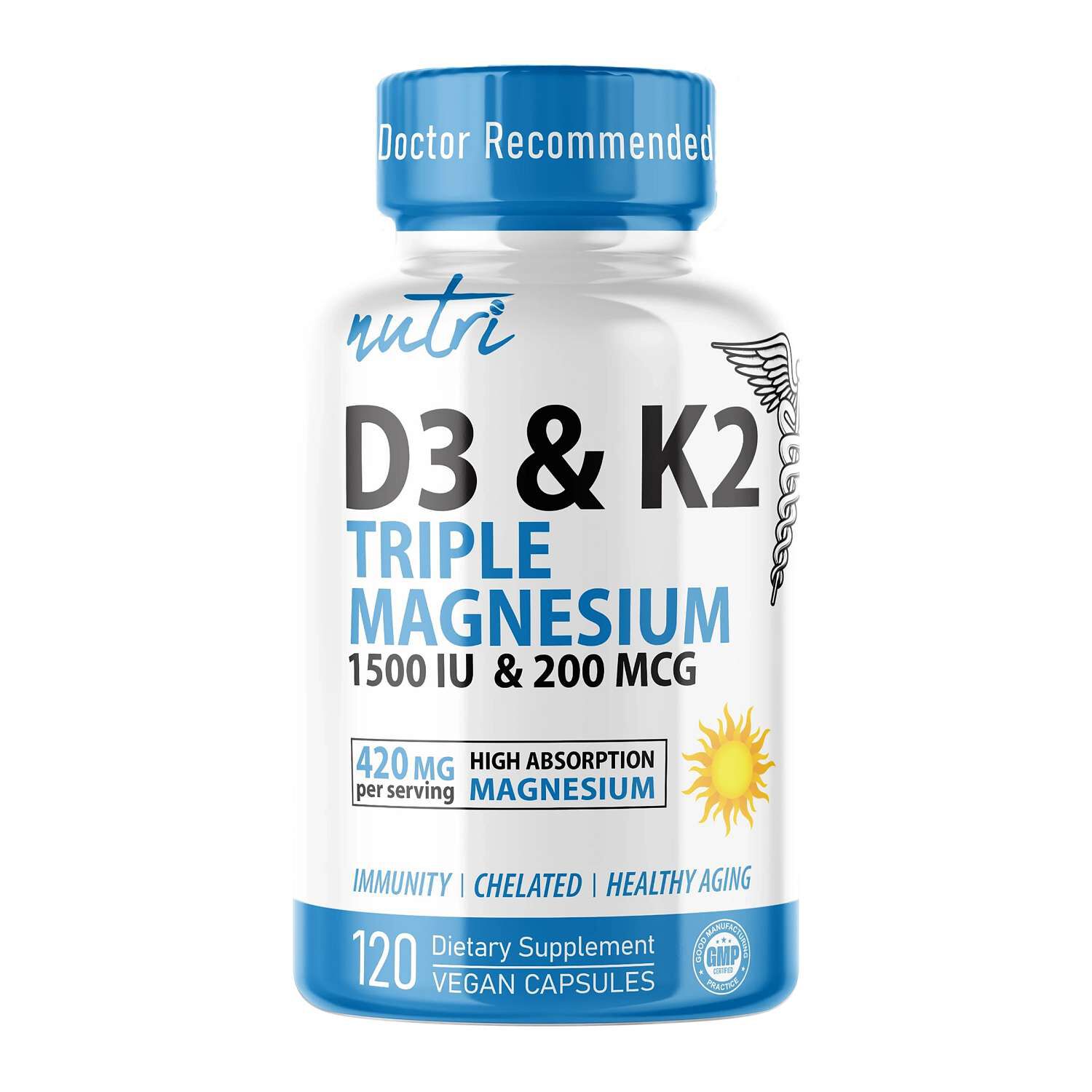
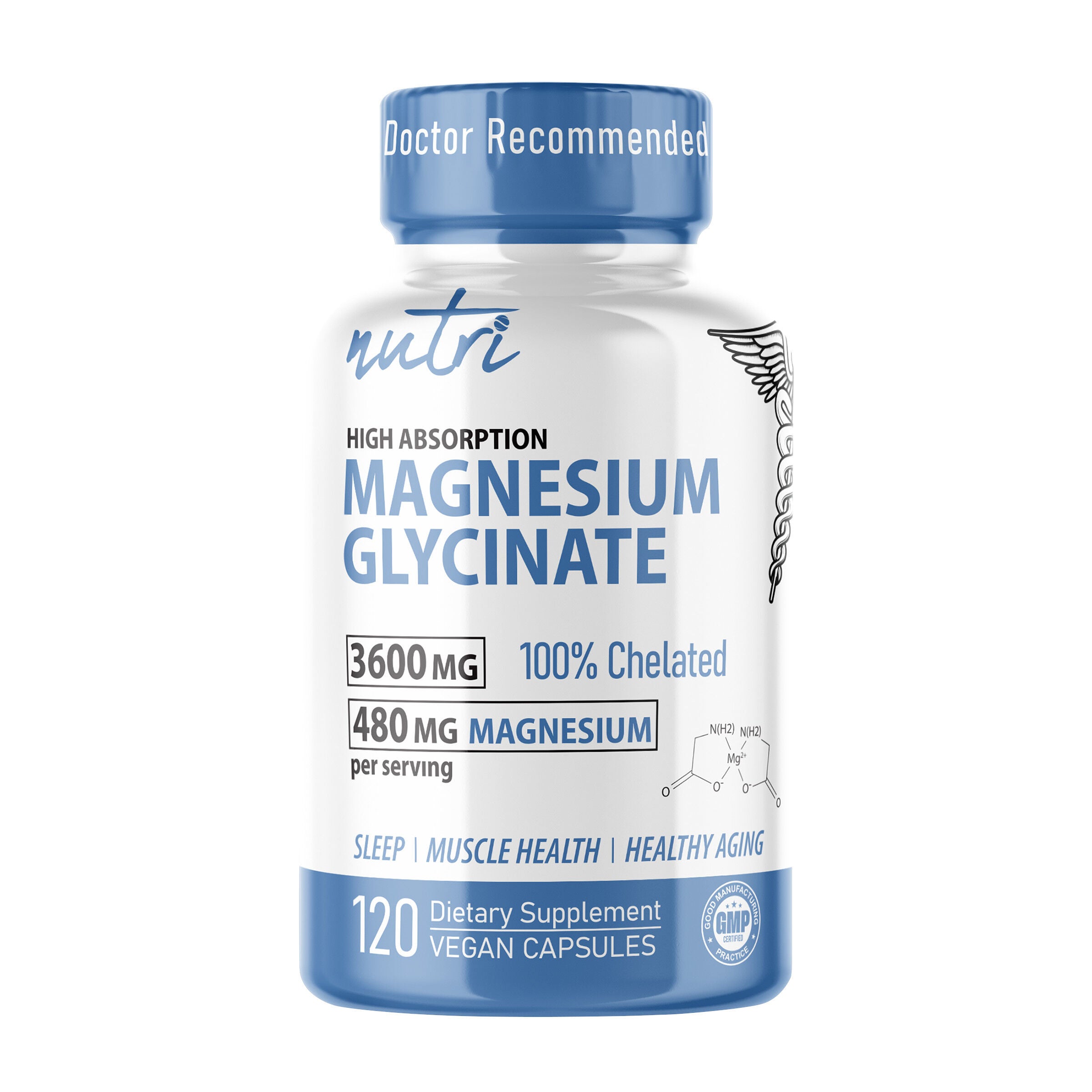
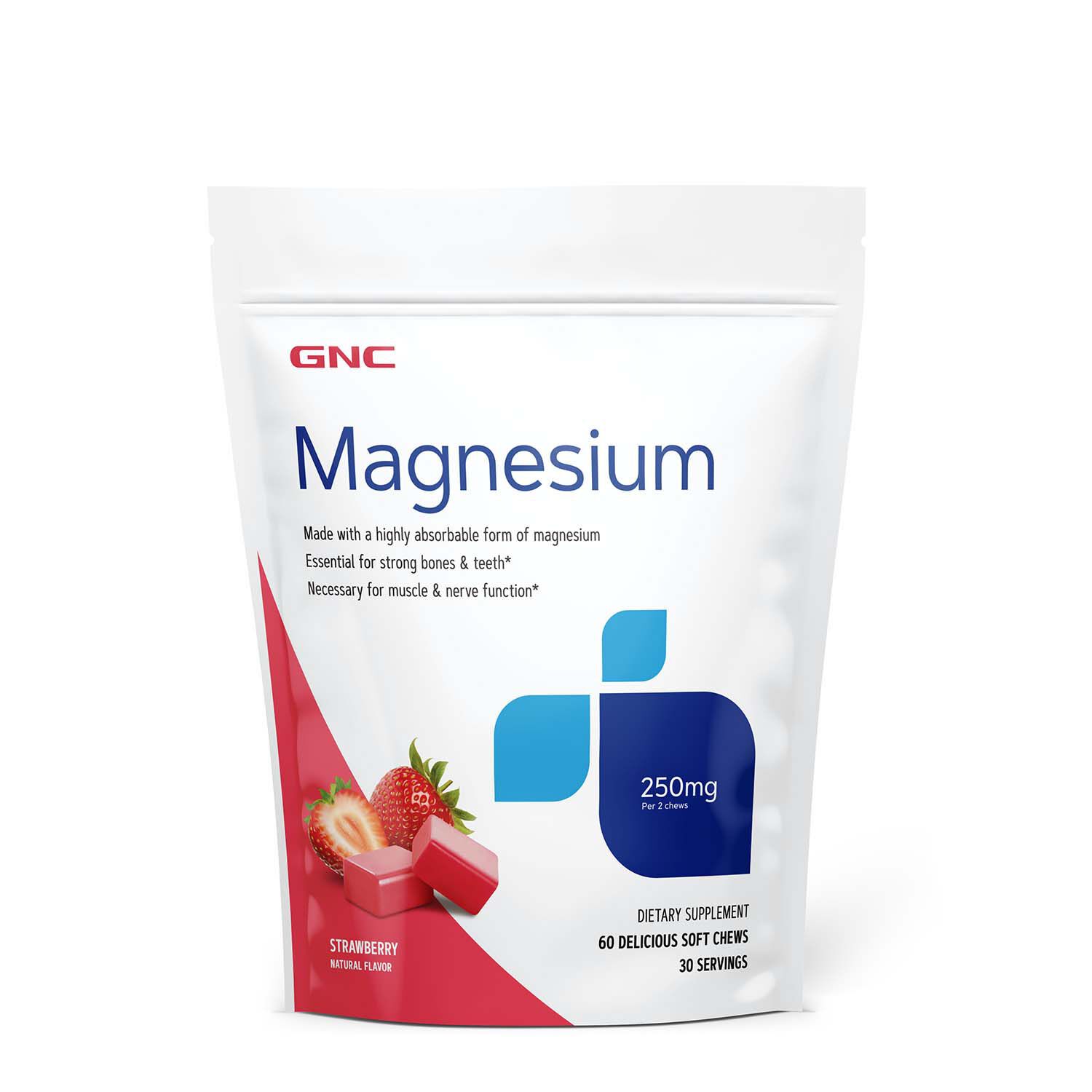
Magnesium supplement labels may identify forms such as magnesium citrate, magnesium glycinate, or magnesium oxide. These names describe different magnesium compounds, not different minerals, and a familiar form name alone does not establish whether a formula suits a particular person. Some formulas contain one form, while others combine several. The Supplement Facts panel distinguishes the amount of magnesium in a serving from the weight of the compound that supplies it. This distinction matters because a compound includes magnesium along with other components; its weight is not the same as the amount of magnesium itself. Serving size deserves equal attention. A listed serving might consist of more than one capsule, several chewables, or a measured portion of powder, so package count and serving count are not interchangeable. The percentage Daily Value offers another label reference, but it is not a personalized assessment of nutritional needs. For a useful side-by-side comparison, consider the listed magnesium amount together with the serving size and directions. Format is another practical difference. Capsules and tablets offer premeasured portions, while powders require the measurement and preparation described on the package. Chewables and gummies bring flavor, texture, and sweetener choices into the decision. A person who dislikes mixing drinks may prefer a capsule format; someone who prefers not to swallow tablets may find a chewable or powder more convenient. Capsule shell materials, tablet coatings, flavoring ingredients, and the presence of gelatin may also matter to shoppers with dietary preferences. The ingredient list and allergen information are useful here, particularly when comparing otherwise similar formulas. Terms describing a mineral form do not describe every ingredient in the serving. For powders, details such as scoop size, mixing directions, and suggested liquid quantity help clarify the preparation involved. For chewable formats, the number of pieces per serving matters just as much as taste. A format that fits comfortably into an ordinary routine may be more practical than one that requires preparation the shopper would rather avoid.
Single-mineral and combination formulas offer different ways to organize a supplement routine. A magnesium-only formula keeps the ingredient focus on that mineral, while a blend may include calcium, vitamin D, potassium, or other nutrients. More ingredients do not automatically make a formula a better match; the relevant distinction is what each serving supplies and how that compares with other supplements already being used. For shoppers interested in formulas pairing two minerals, Magnesium Potassium Supplements for Bone Health offers a related category to explore. Magnesium and potassium are separate nutrients, so a combination label warrants attention to each listed amount rather than just the presence of both names. The same approach applies to blends containing calcium or vitamin D. Overlapping ingredients are easy to overlook when several bottles sit together in a cabinet, especially when their front labels emphasize different purposes. Reading the panels together provides a clearer view of the nutrients represented across the routine without assuming that every formula serves a separate nutritional need. Everyday handling matters, too. Storage directions, the printed expiration date, and the condition of the container are part of assessing and caring for a supplement. Many labels specify a cool, dry location, which makes a steamy bathroom or a spot beside the stove a poor fit when those directions apply. Keeping the original container preserves access to serving information, ingredient details, and storage instructions. Powder containers also require the handling described on their labels, including any directions about keeping the scoop and contents dry. When comparing package sizes, serving count is more useful than judging a bottle by its height or width. A larger container may hold larger tablets or a serving made up of several pieces. Across magnesium supplements for bone health, a thoughtful selection comes down to understandable ingredient information, an appropriate intended use, manageable preparation, and packaging that suits everyday storage. Those practical details help distinguish formulas beyond their shared category name.
- Q: What does elemental magnesium mean on a supplement label?
A: Elemental magnesium refers to the magnesium itself, rather than the full weight of the magnesium-containing compound. The Supplement Facts panel lists elemental magnesium in milligrams. - Q: What forms of magnesium are commonly used in supplements?
A: Common forms include magnesium citrate, magnesium glycinate, and magnesium oxide. These names describe different magnesium compounds and typically appear on the Supplement Facts panel or ingredient list. - Q: What other nutrients are commonly paired with magnesium in bone health supplements?
A: Magnesium is often paired with calcium, vitamin D, or vitamin K in supplements marketed for bone health. Formulas vary, so the Supplement Facts panel identifies which nutrients are included. - Q: What formats do magnesium supplements come in?
A: Magnesium supplements come in formats such as capsules, tablets, powders, and gummies. The format is typically identified on the package or in the product description. - Q: What label details can I use to compare magnesium supplements?
A: Label details to compare include the magnesium compound, elemental magnesium amount, percentage Daily Value, and any additional nutrients. The ingredient list also identifies flavorings, sweeteners, and capsule ingredients when present.
Best Sellers
-
 Rho Nutrition
-
Qualia Life Sciences
Related Pages

Top Collections
- Joint Mobility Supplement Packs
- Daily Collagen Supplements | Top Brands & Deals | GNC
- GLP 1 Support For Adults
- Zinc Supplements | Top Brands at Great Prices | GNC
- Supplements For Yoga Joint Flexibility
- Supplements For Balance
- Capsule Supplements For Energy And Stamina
- Adult Mobility Supplements
- Chronic Fatigue Supplements
- Vitamins For Hair Loss