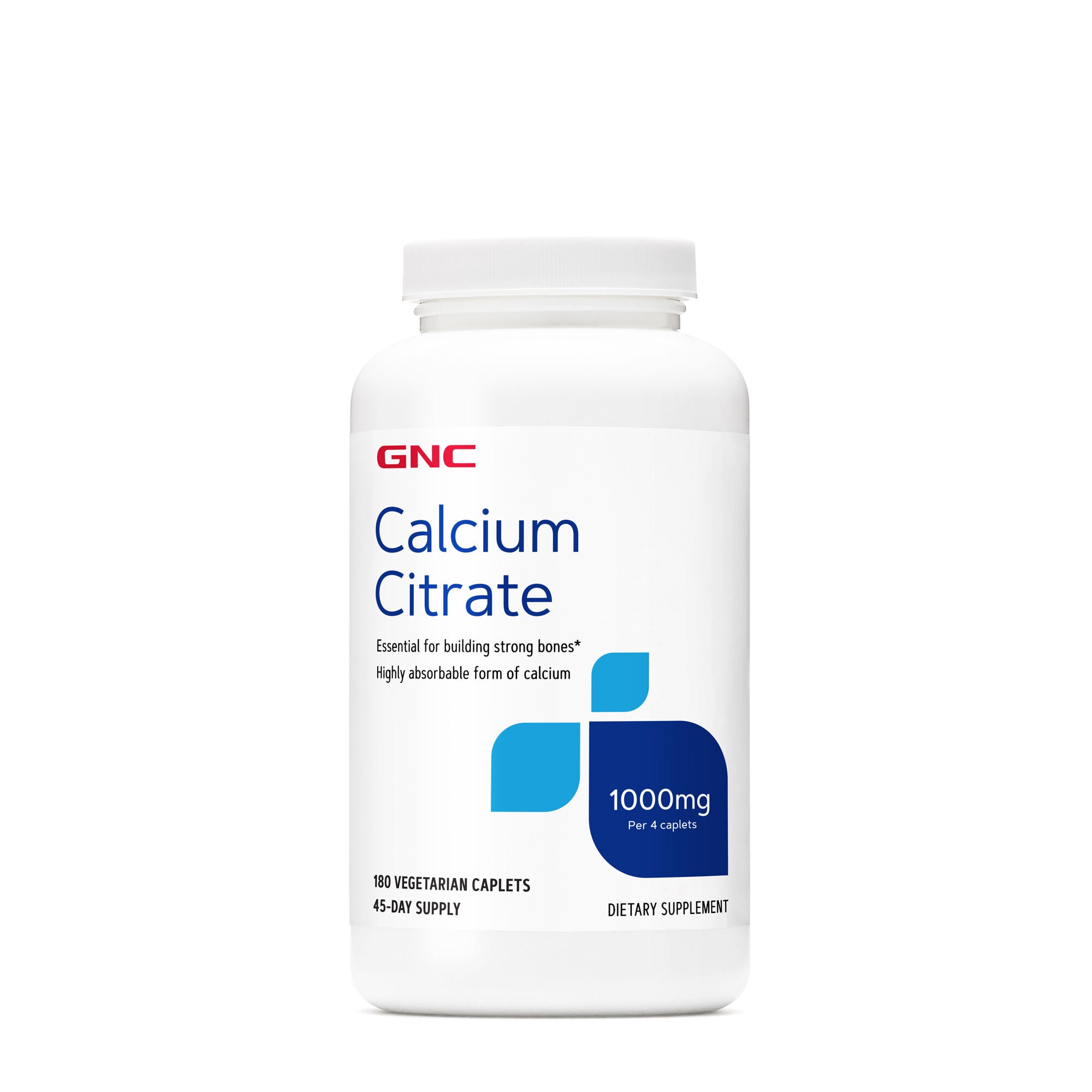


Bone Health Supplements With Vitamin D And Magnesium
(0 Results)
Bone health supplements with vitamin D and magnesium may offer support for those looking to maintain strong bones as part of a balanced lifestyle. Featuring a combination of essential nutrients, these supplements are designed for individuals seeking options that may help them reach their wellness goals. Explore bone health supplements with vitamin D and magnesium to find a variety of formulas that could fit into your daily routine.
-

-

-

-

-
-

-

-

-

-

-
 $39.99
 -
 $20.99
 -

-

-

-

-

-
 $29.99


Bone health supplements with vitamin D and magnesium may be a convenient way to complement a thoughtful nutrition routine, especially for shoppers who want to pay closer attention to the minerals that contribute to the body’s skeletal framework. Vitamin D may help the body absorb calcium from food, while magnesium may support the body’s use of vitamin D and contribute to normal mineral formation. Calcium is also commonly included because it serves as a major structural mineral in bones. Together, these nutrients may offer useful support when daily meals do not consistently provide enough from foods such as dairy products, fortified beverages, leafy greens, beans, nuts, seeds, and fish. A supplement does not replace a varied eating pattern, but it could help fill a nutritional gap as part of an everyday wellness plan. People often explore these formulas when organizing a morning routine, refreshing their pantry as the weather warms, or preparing for cooler months when outdoor time and dietary habits may shift. They may also appeal to adults who are taking a closer look at long-term nutrition, caregivers shopping for an older family member, or anyone assembling a practical wellness gift for a parent, partner, or friend. For a broader selection, browse Supplements For Bone Health and compare formulas according to personal preferences, dietary habits, and guidance from a qualified healthcare professional.
When comparing bone health supplements, start by reviewing the Supplement Facts panel rather than focusing only on the front label. Check the amount of vitamin D and magnesium per serving, note whether calcium is included, and pay attention to the suggested serving size. Some formulas provide a focused combination of vitamin D and magnesium, while others add calcium, zinc, vitamin K, or additional nutrients. These ingredients may complement one another, yet more ingredients do not automatically make one formula a better fit. It can be helpful to consider how much calcium and magnesium already comes from meals, fortified foods, and other supplements before choosing a product with overlapping nutrients. Forms may also differ. Vitamin D3, also called cholecalciferol, is a commonly used form, while magnesium may appear as citrate, glycinate, oxide, or another compound. These forms can differ in serving size, texture, and how they fit into an individual’s routine, so shoppers may prefer to compare labels carefully and select the format they are most likely to use consistently. Tablets may suit someone who likes a simple cabinet staple; capsules may be convenient for a streamlined routine; and chewable or flavored options could appeal to people who prefer not to swallow a tablet. Consider whether the product contains added flavors, sweeteners, or other ingredients that do not suit your preferences. Reading directions matters as well, since serving guidance may vary by formula.
These supplements may be especially appealing to people whose food choices, schedules, or seasonal routines make consistent nutrient intake more challenging. Someone who spends long days indoors, follows a limited eating pattern, or prefers a simple daily regimen might look for a vitamin D and magnesium combination that fits neatly beside breakfast or an evening meal. Others may choose a calcium-containing formula when they want several bone-support nutrients together in one serving. Vitamin D may support calcium absorption, magnesium may contribute to the body’s handling of vitamin D, and calcium may help maintain the structure of bones; however, results and suitability can vary from person to person. Anyone who is pregnant, managing an ongoing health concern, following a restricted diet, or taking prescription or over-the-counter products should review the label with a healthcare professional before adding a new supplement. A pharmacist or clinician may also help shoppers decide whether a single nutrient or a combination makes sense for their individual needs. Keep products stored according to the package directions and consider choosing a routine that is easy to remember, such as taking a supplement with a regular meal. During the warmer and cooler parts of the year alike, a steady approach to meals, movement, and everyday nutrition may make it easier to keep wellness habits grounded and practical.