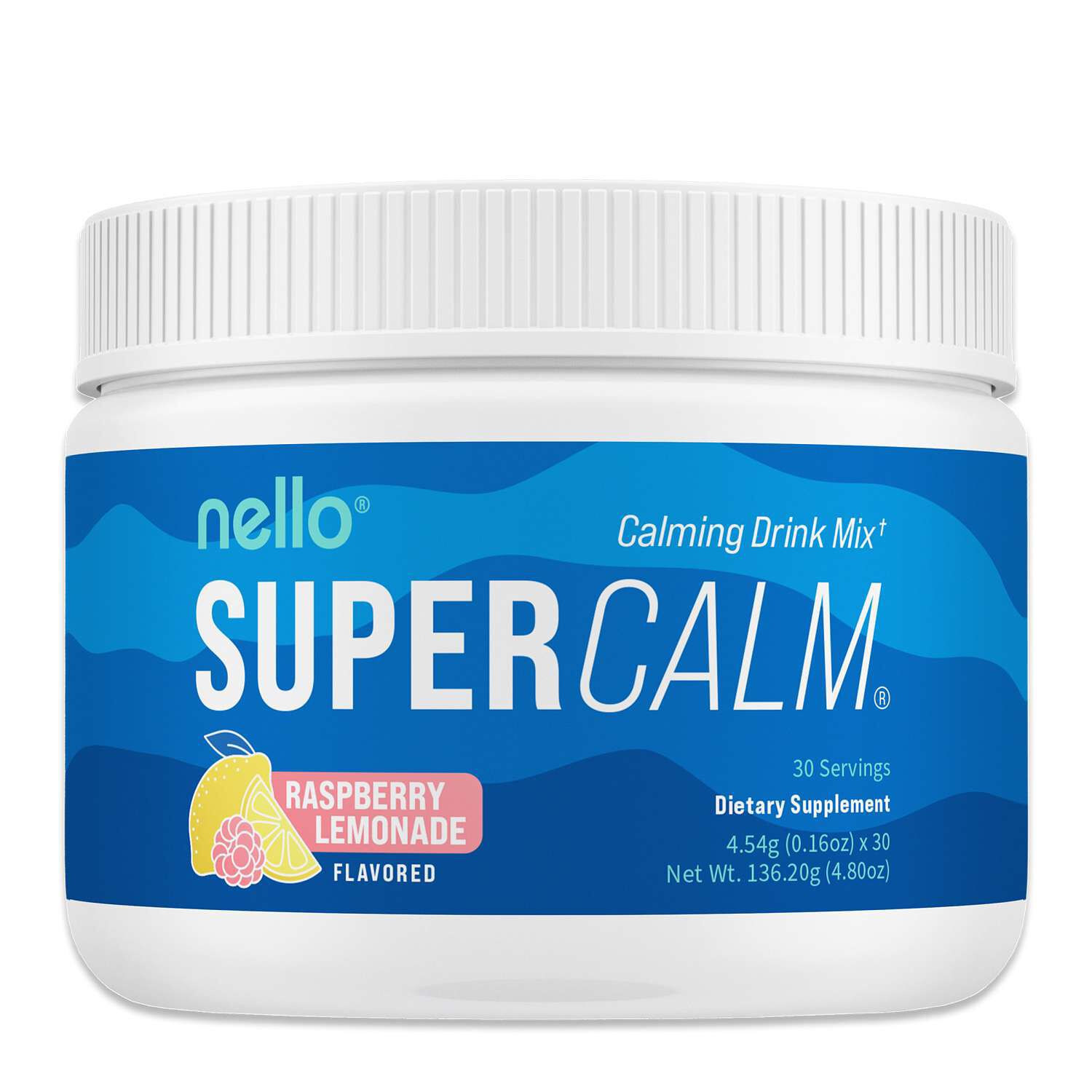
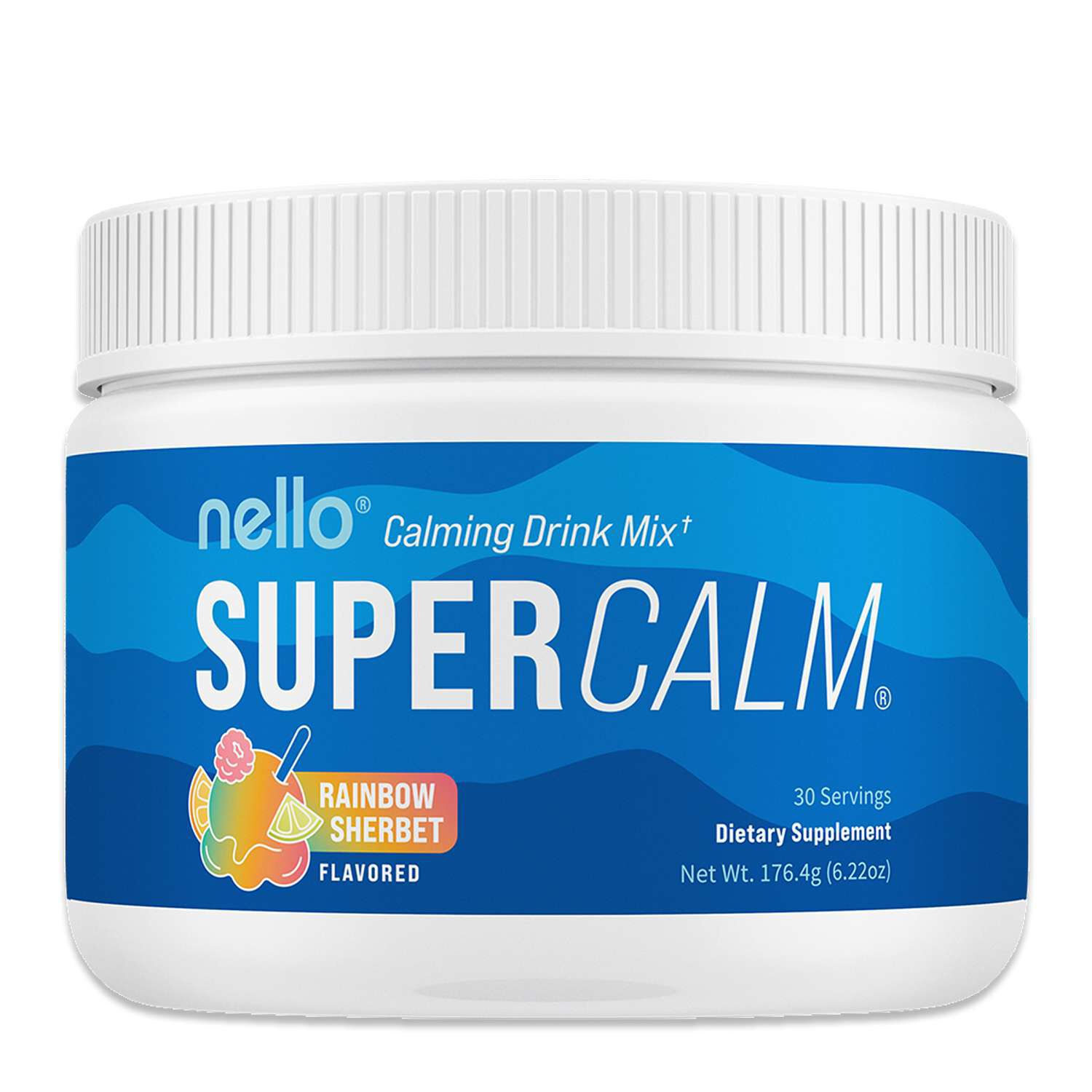
Magnesium Potassium Capsules For Cyclists
(0 Results)
Magnesium potassium capsules for cyclists may offer a convenient way to support your active lifestyle. Cyclists often look for nutritional options that could help them stay on track with their wellness goals, and these supplements are designed with that in mind. Whether you’re training for a big event or enjoying daily rides, magnesium potassium capsules for cyclists might fit seamlessly into your routine. Explore a variety of choices to find the option that aligns with your unique needs and preferences.



 _Front.jpg?sw=305&sh=305&sm=fit "Magnesium: Bioactive Magensium Citrate - 120 Capsules (120 Servings) | GNC")


 _Front.jpg?sw=305&sh=305&sm=fit "Magnesium: Bioactive Magensium Citrate - 60 Capsules (60 Servings) | GNC")
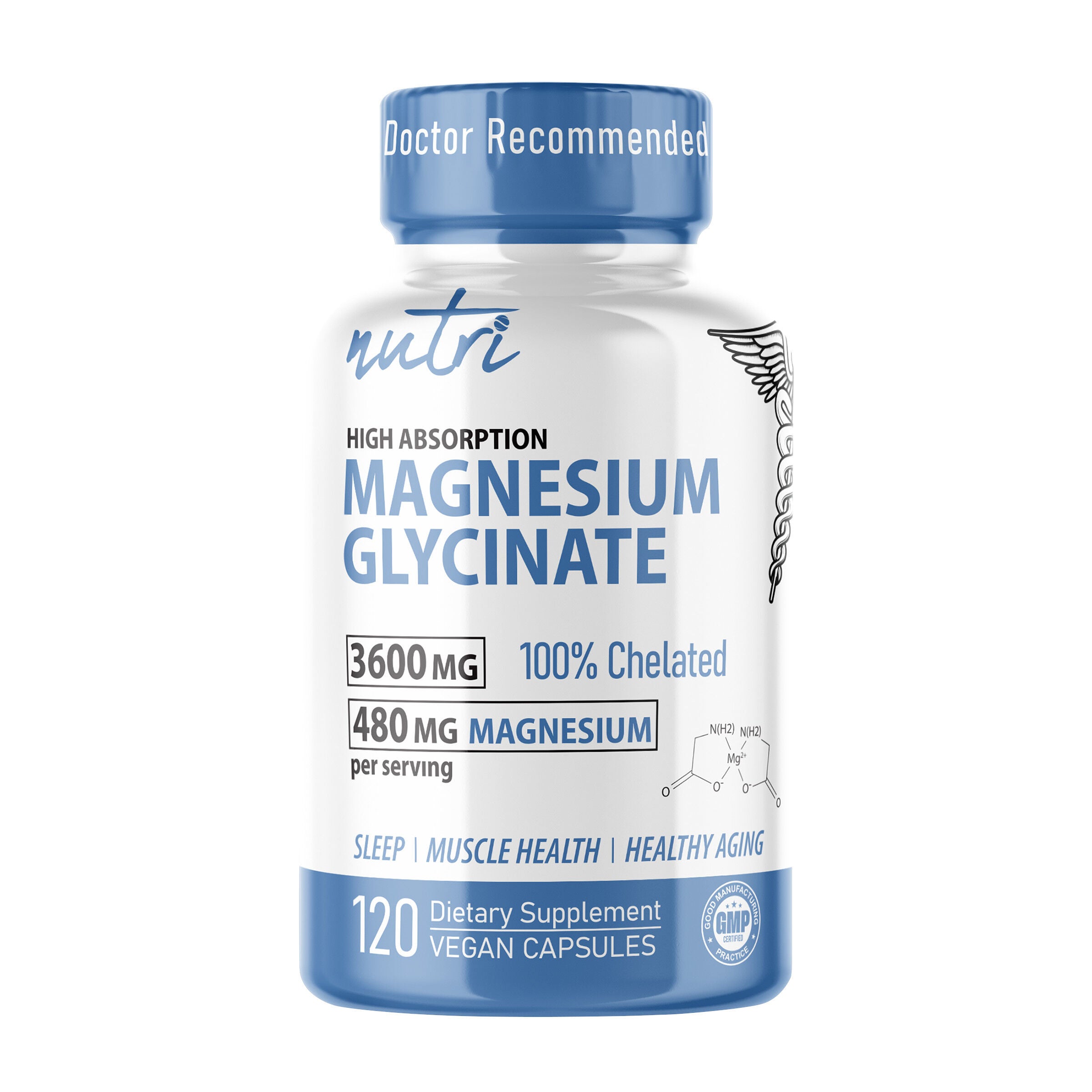


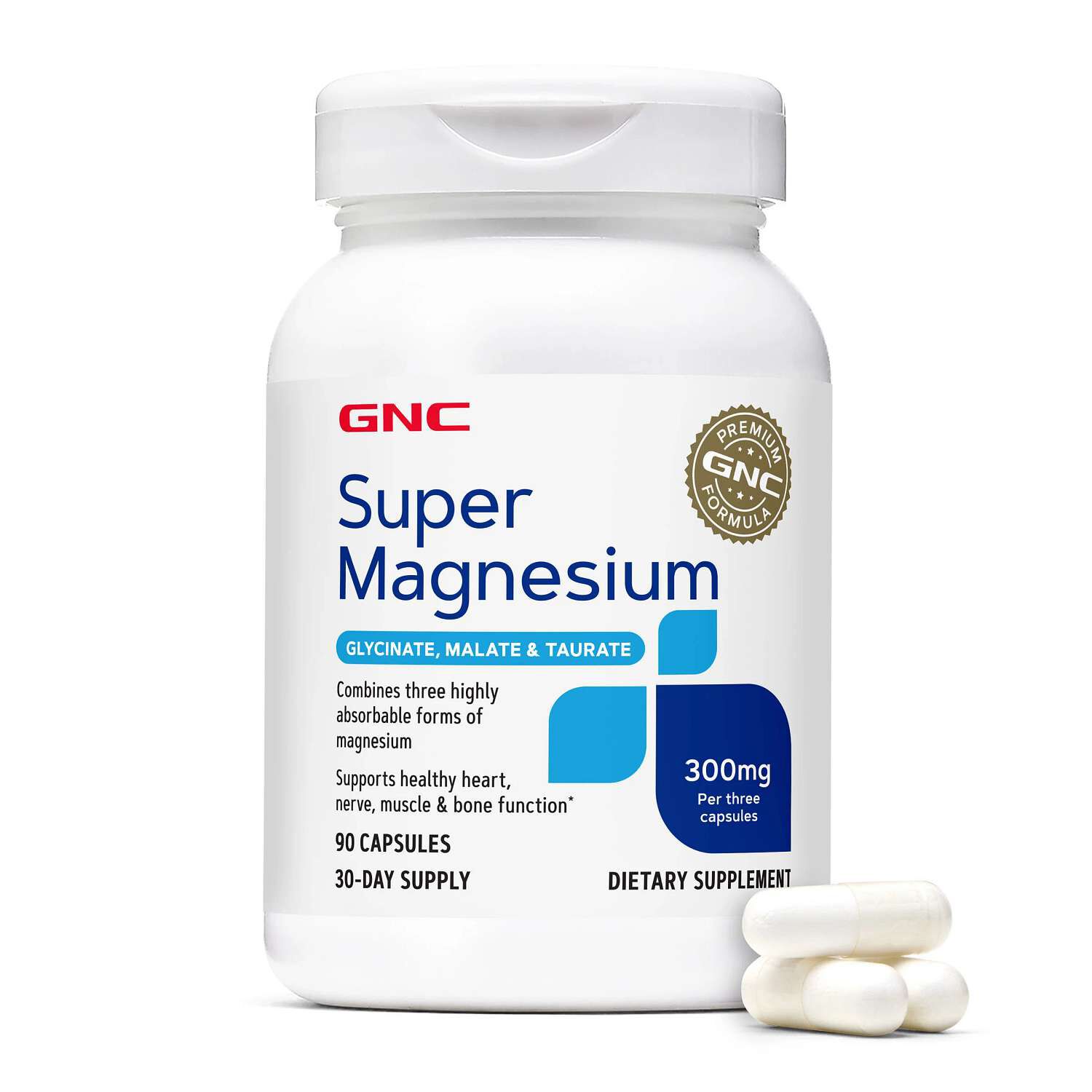

Magnesium potassium capsules for cyclists are dietary supplements intended to add two minerals to an everyday nutrition routine. Magnesium may support normal muscle function and energy metabolism, while potassium may support normal muscle and nerve function. Both are electrolytes, but their presence in a capsule does not make that formula interchangeable with a sports drink or a broader ride nutrition plan. For cyclists comparing supplements, the distinction matters: a capsule containing magnesium and potassium is not necessarily a source of sodium, carbohydrate, or fluid. Those are separate considerations when planning for a long road route, a mountain bike outing, or an indoor training session. The category is best understood in the context of regular meals, personal food preferences, and the practical demands of riding, rather than as a shortcut to stronger performance. Foods such as beans, leafy greens, potatoes, yogurt, nuts, and fruit contribute minerals alongside other nutrients, and capsules are not substitutes for that variety. A commuter with a short morning route may approach nutrition differently from a rider spending several hours away from home, even when both are browsing the same capsule format. Distance alone does not establish an individual mineral requirement, and matching a supplement to a ride is more nuanced than choosing the largest number on a label. Sweat losses also vary between individuals, so a magnesium and potassium formula should not be assumed to match everything lost during exercise. These distinctions are especially relevant when comparing a standalone mineral supplement with a drink mix that contains several ingredients for different purposes. Capsules may appeal to cyclists who prefer a format without drink preparation or who want to evaluate mineral intake separately from the contents of a bottle carried on the bike. Their intended role remains nutritional, with the formula, serving information, and existing eating routine providing more useful context than cycling imagery on the package.
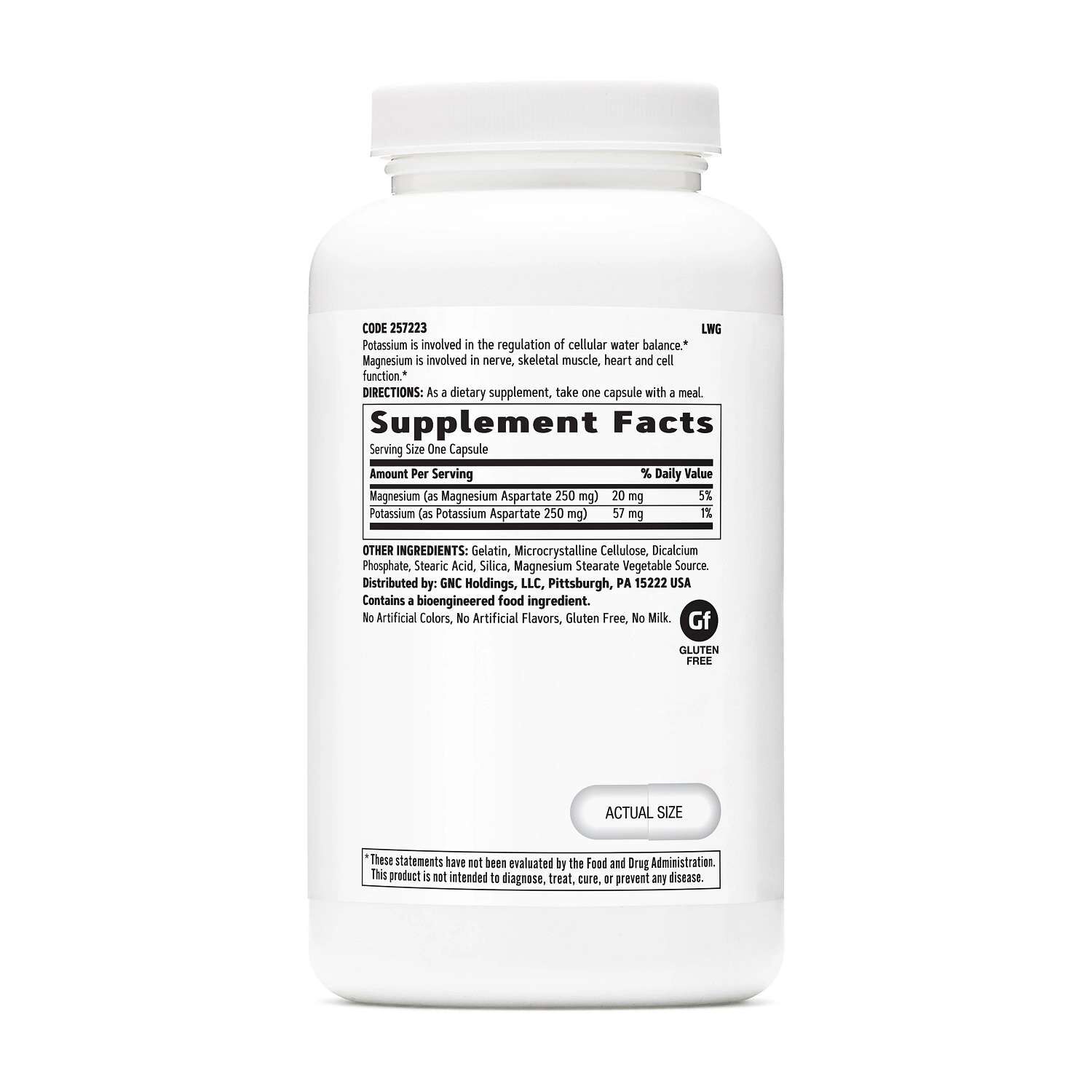
When comparing magnesium potassium capsules, start with what the Supplement Facts panel actually describes. The amount of magnesium and potassium per serving, the number of capsules in that serving, and the named mineral forms are distinct details. A serving may involve more than one capsule, so a front-label number does not necessarily describe the contents of a single capsule. Likewise, the weight of a mineral compound is not the same as the amount of the mineral itself. Magnesium may appear in forms such as citrate, glycinate, or oxide, while potassium may appear as citrate or chloride; the form name alone does not establish whether a formula matches a particular cyclist’s preferences. Comparing the declared mineral amounts alongside the ingredient list gives a clearer picture than relying on a prominent number or an athletic-looking package. Capsule construction deserves attention as well. Shells may contain gelatin or plant-derived materials such as cellulose, and other ingredients may serve manufacturing purposes within the capsule. Shoppers with dietary preferences can look for explicit labeling rather than assuming that every capsule uses the same materials. Allergen statements, capsule dimensions when provided, and the number of capsules per serving are practical comparison points, particularly for someone who already has an established supplement routine. Looking across that routine also matters because a multivitamin, a mineral capsule, and a drink powder may contain overlapping ingredients. A neatly organized comparison considers each label separately rather than treating every supplement as an unrelated addition. For cyclists who track nutrition in a training journal, recording the serving information exactly as printed may make later comparisons less confusing. There is no need to translate a higher mineral amount into a claim about riding farther or climbing faster. Clear ingredient disclosure and understandable serving directions provide a more grounded basis for choosing among formulas than broad athletic messaging. The goal is a product format and composition that make sense within the shopper’s existing routine, not a capsule chosen solely because its packaging suggests endurance.
Practical fit extends beyond the ingredient panel to how a supplement is stored, carried, and incorporated into an ordinary day. Cycling equipment often lives in crowded spaces: a helmet beside the door, shoes under a bench, bottles drying by the sink, and a saddle bag already packed with a tube and repair tools. A capsule bottle belongs in a storage setting consistent with its label directions, rather than being treated like another piece of equipment that can remain indefinitely in a vehicle or bike bag. Check storage instructions, the closure, the package seal, and the printed date, and keep identifying information with the capsules instead of transferring them into an unmarked container. Packaging durability concerns the container and closure, not whether the supplement itself is built for rugged outdoor use. A compact container may be convenient for travel to a cycling event, but compactness does not replace readable directions or suitable storage. Serving timing should come from the package directions, not from assumptions that a cycling-focused supplement belongs immediately before a ride or at a particular mile marker. Someone heading to a weekend group ride may prefer to keep the supplement routine separate from the food and drinks packed for the route, while a stationary-bike rider may value the same familiar routine used on non-riding days. Neither scenario establishes a special performance benefit; both illustrate how personal habits shape format preferences. Cyclists whose interest extends beyond training can also explore Magnesium Potassium Capsules for Daily Wellness for a broader everyday context. Across these uses, the most meaningful comparison remains the relationship between the labeled ingredients, the serving format, dietary preferences, and intended use. Magnesium potassium capsules may support everyday mineral intake, but their relevance to cycling depends on that wider context rather than a single ride, a demanding route, or an expectation of immediate results.
Best Sellers
-
 Rho Nutrition
-
 Qualia Life Sciences