Advanced Magnesium Capsules
(0 Results)
Explore the potential benefits of advanced magnesium capsules, designed to support various aspects of your health and well-being. Magnesium is an important mineral that plays a role in numerous bodily functions, and these capsules may help you maintain optimal magnesium intake. Whether you're looking to support muscle function, promote relaxation, or aid in overall wellness, advanced magnesium capsules could be a valuable addition to your daily routine. Discover the possibilities and find the right option to suit your needs.
-
-
 _Front.jpg?sw=305&sh=305&sm=fit "Magnesium: Bioactive Magensium Citrate - 120 Capsules (120 Servings) | GNC")
-
 _Front.jpg?sw=305&sh=305&sm=fit "Magnesium: Bioactive Magensium Citrate - 60 Capsules (60 Servings) | GNC")
-

-

-
 Nature's Fusions$29.99
-
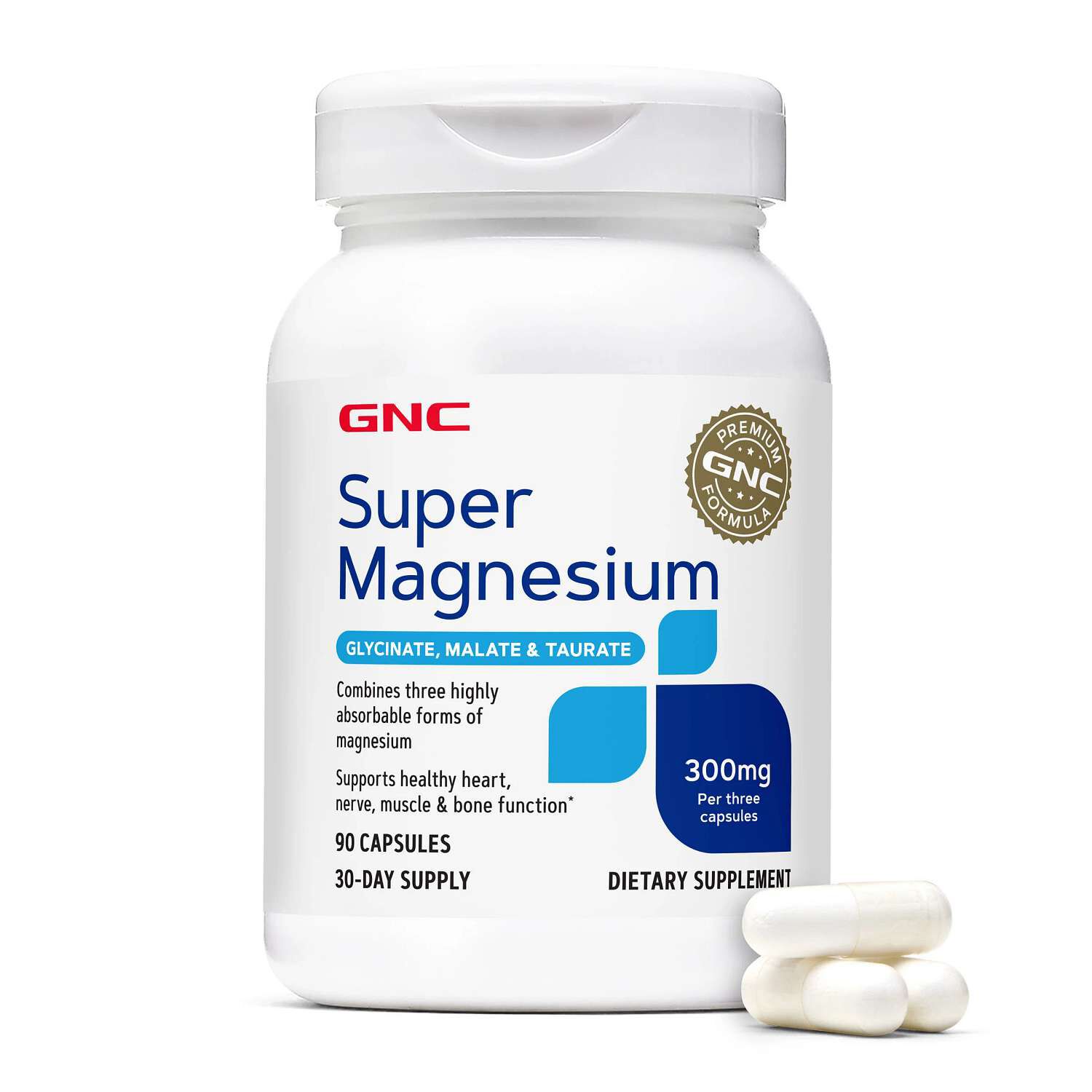
-

-

-

-

-

-

-
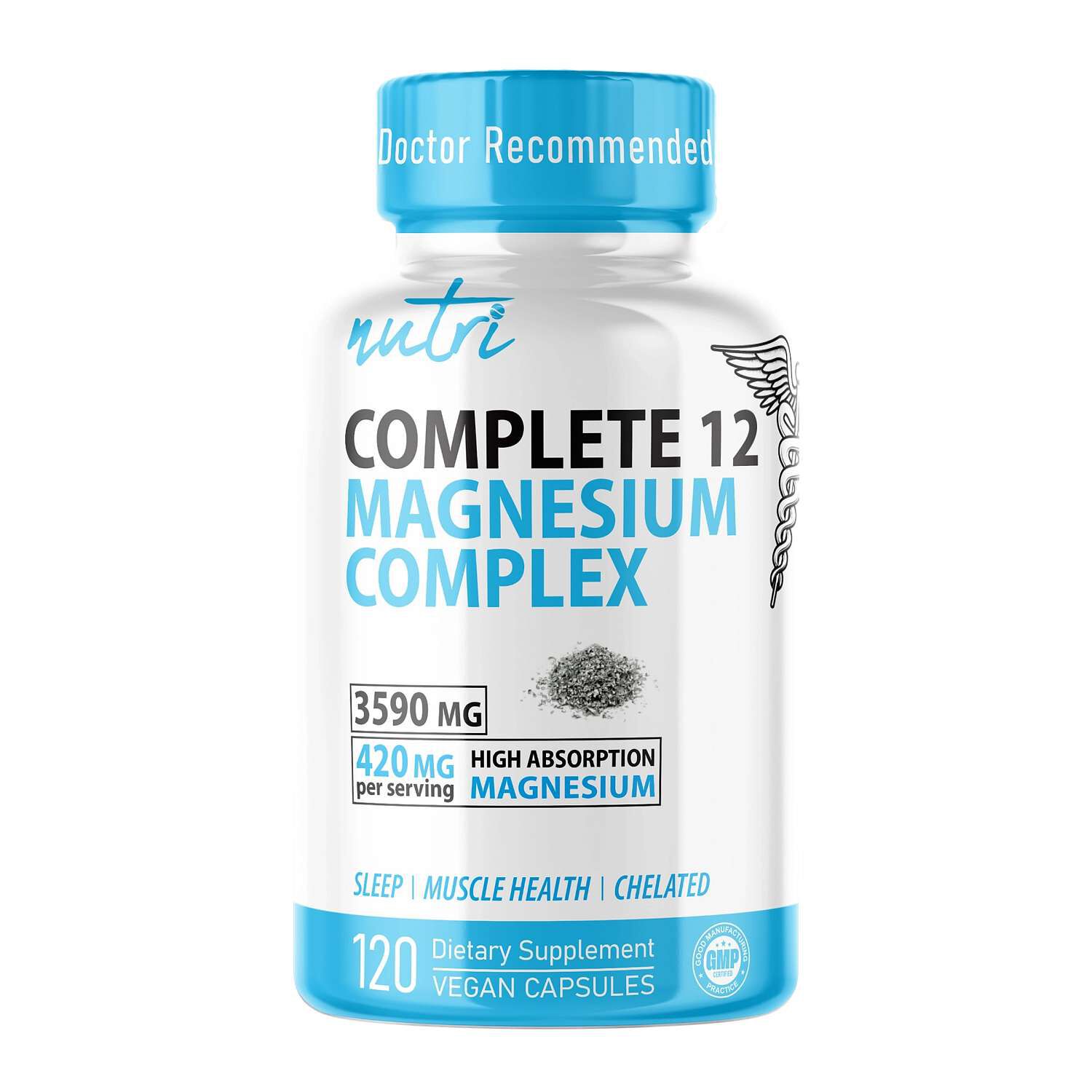 Nature's Fusions$31.99
-
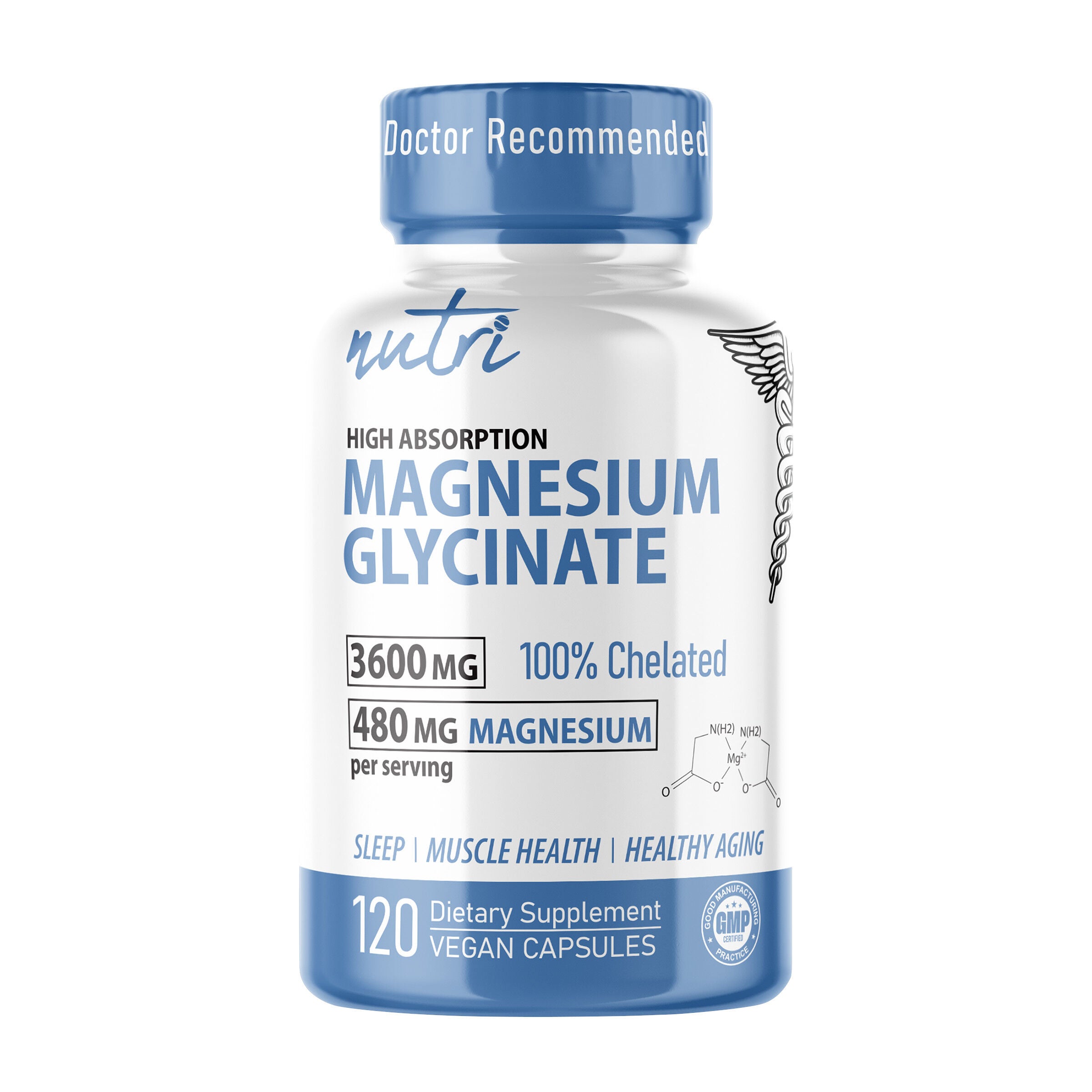
-

-

-
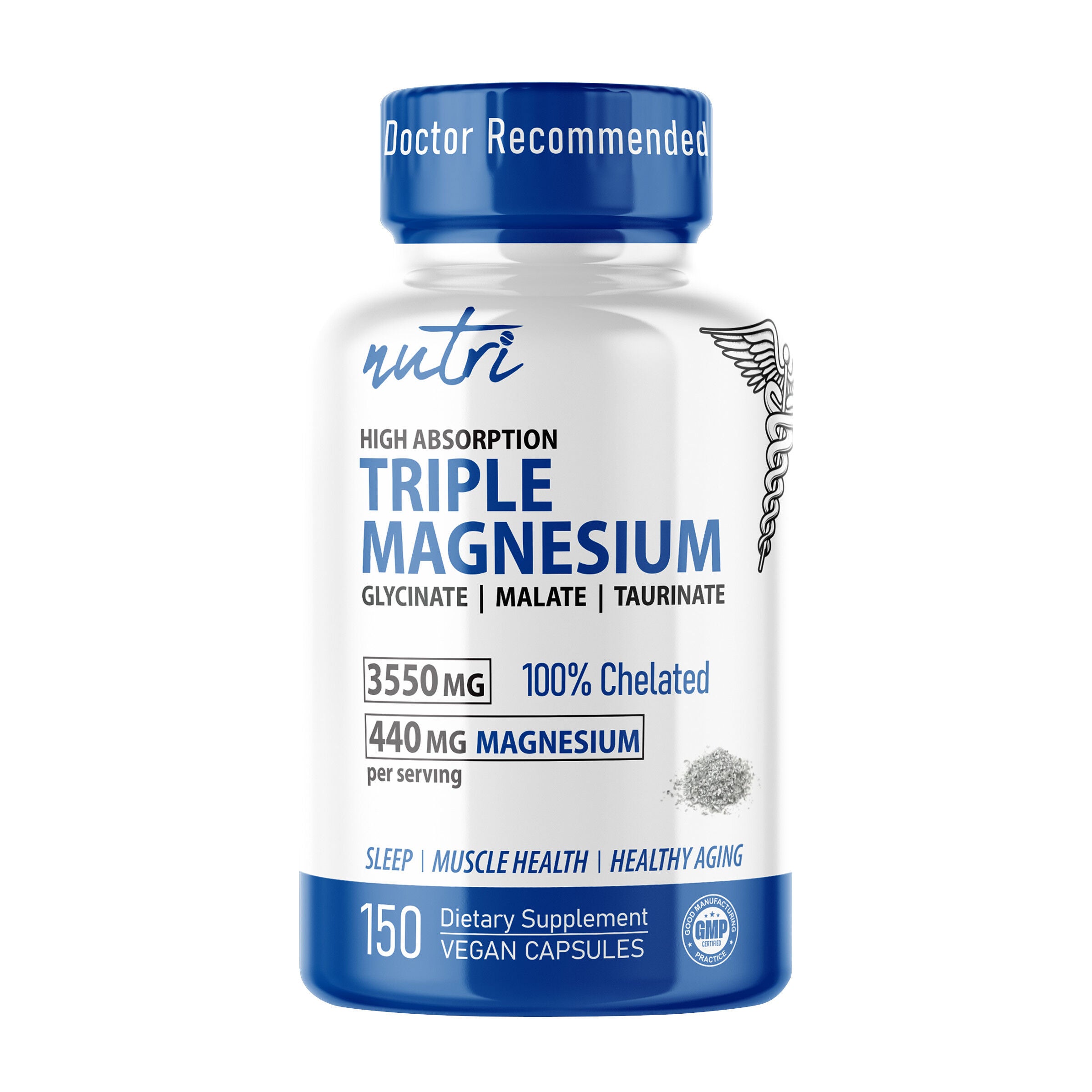
-

-

-
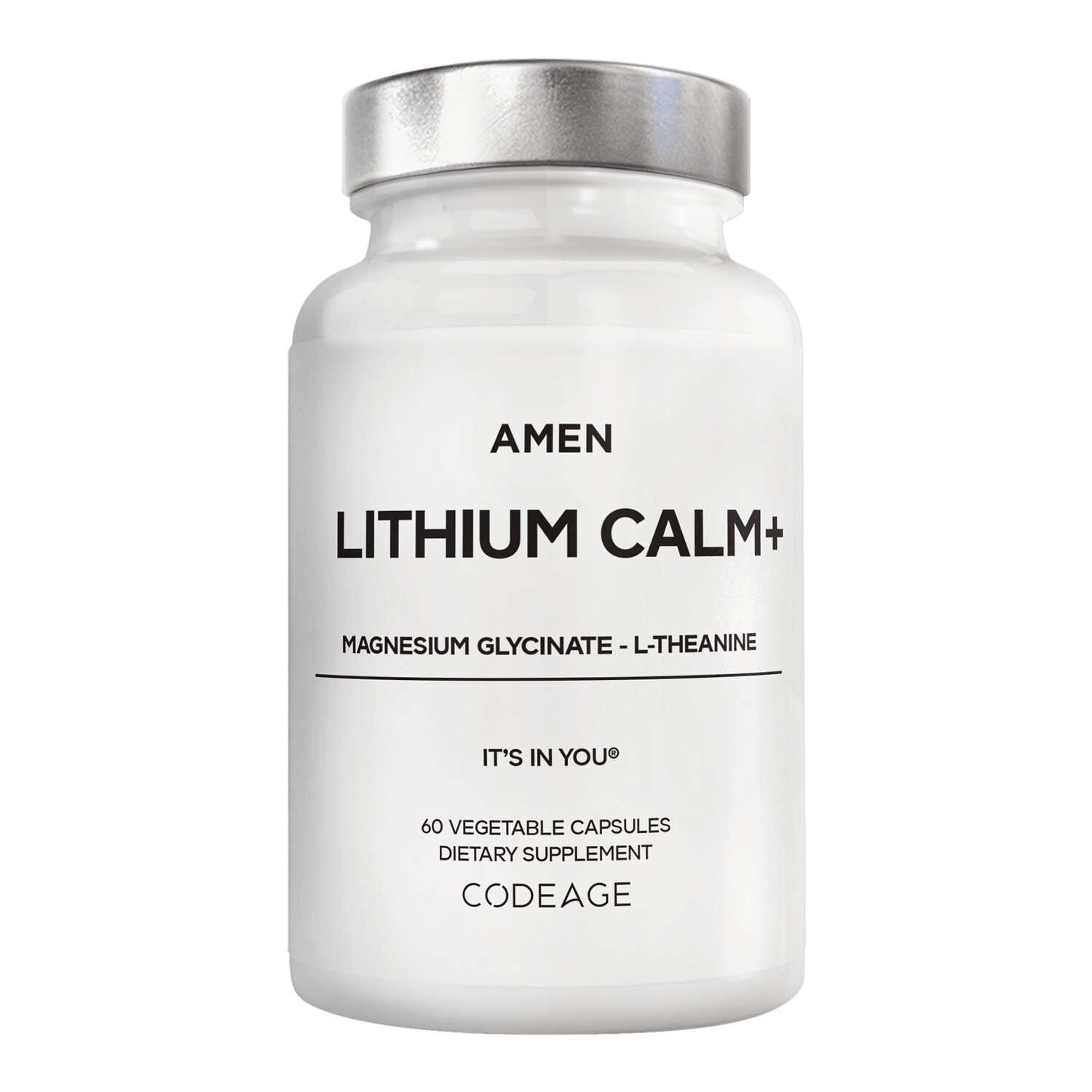 $29.99
-

-
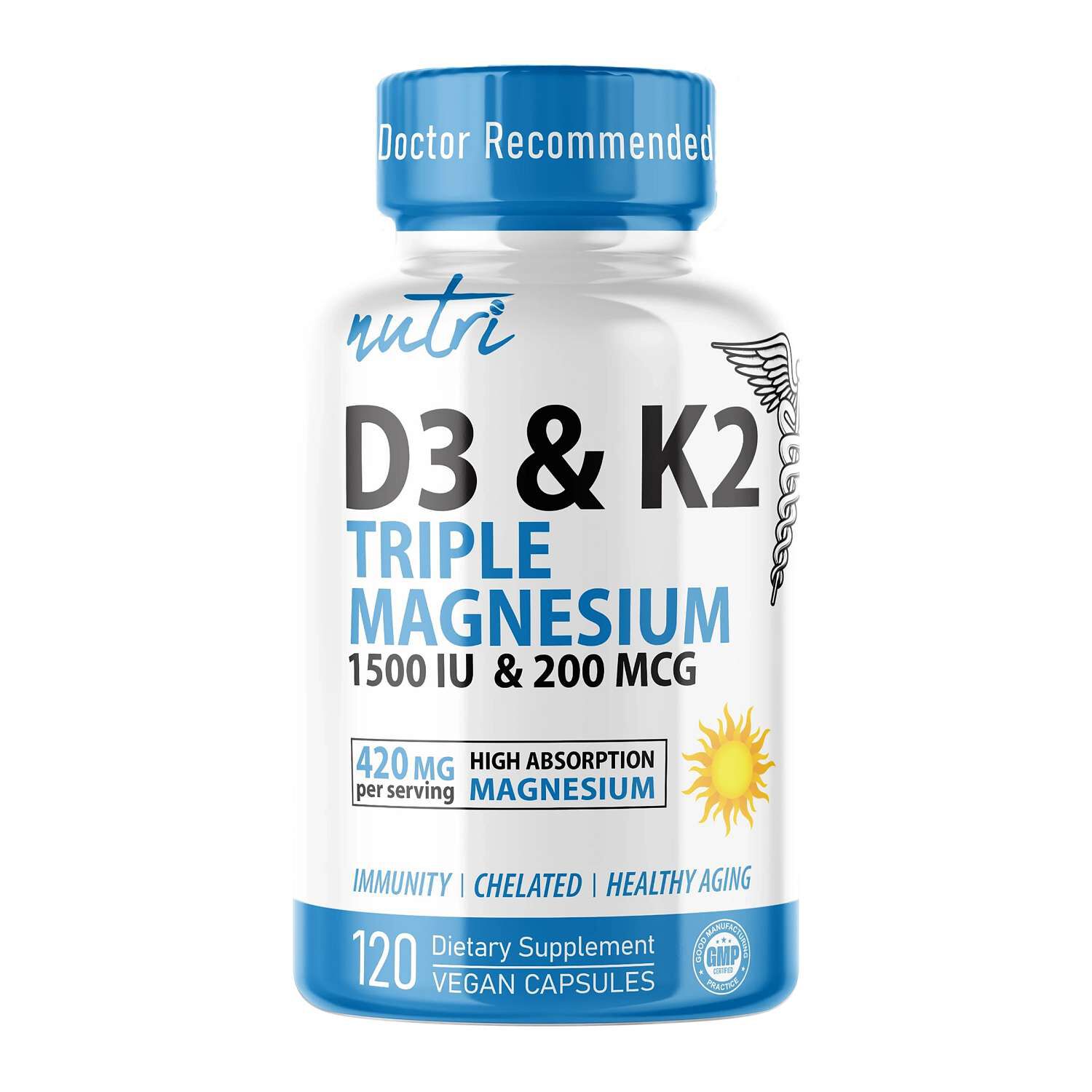 Nature's Fusions$29.99
-
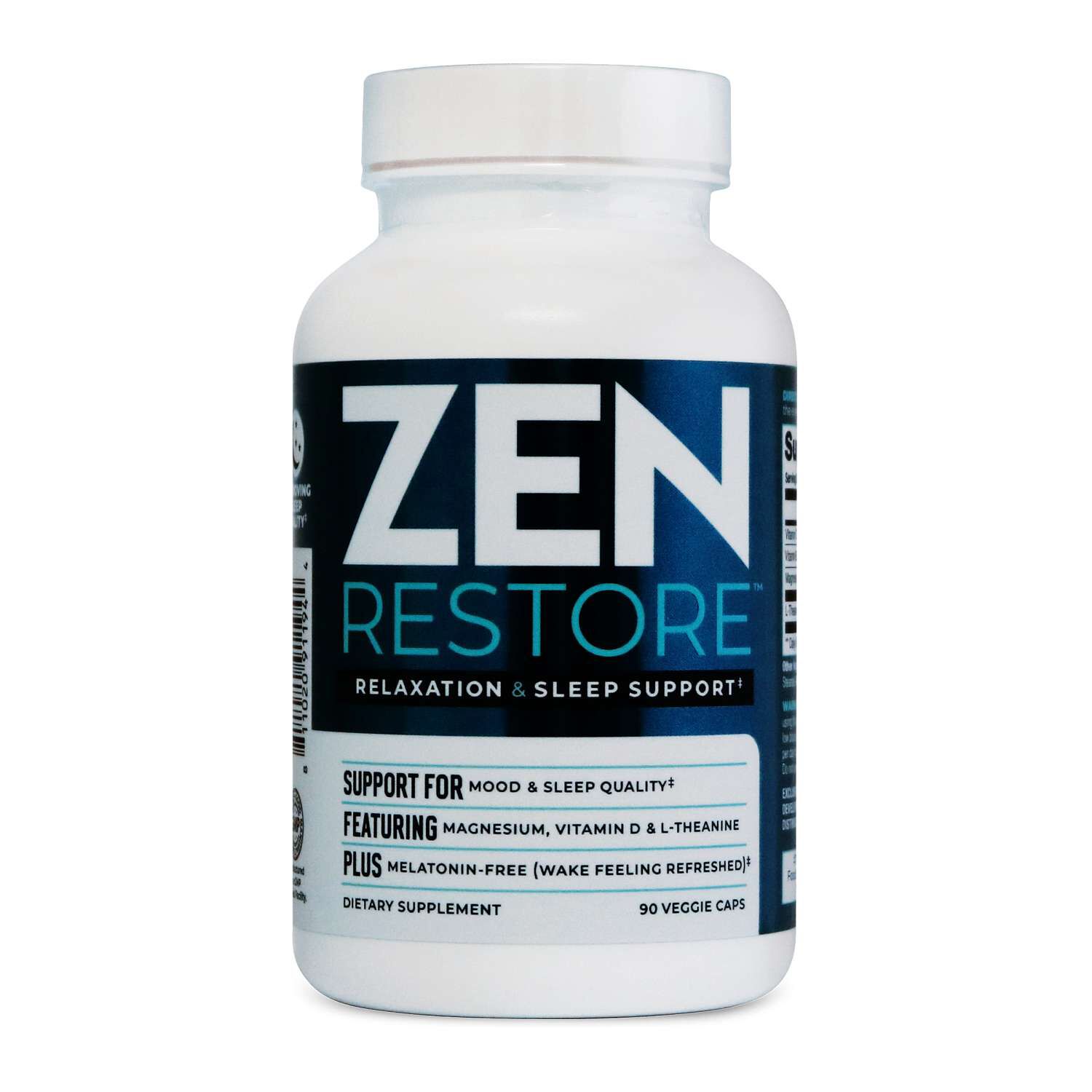 $29.99
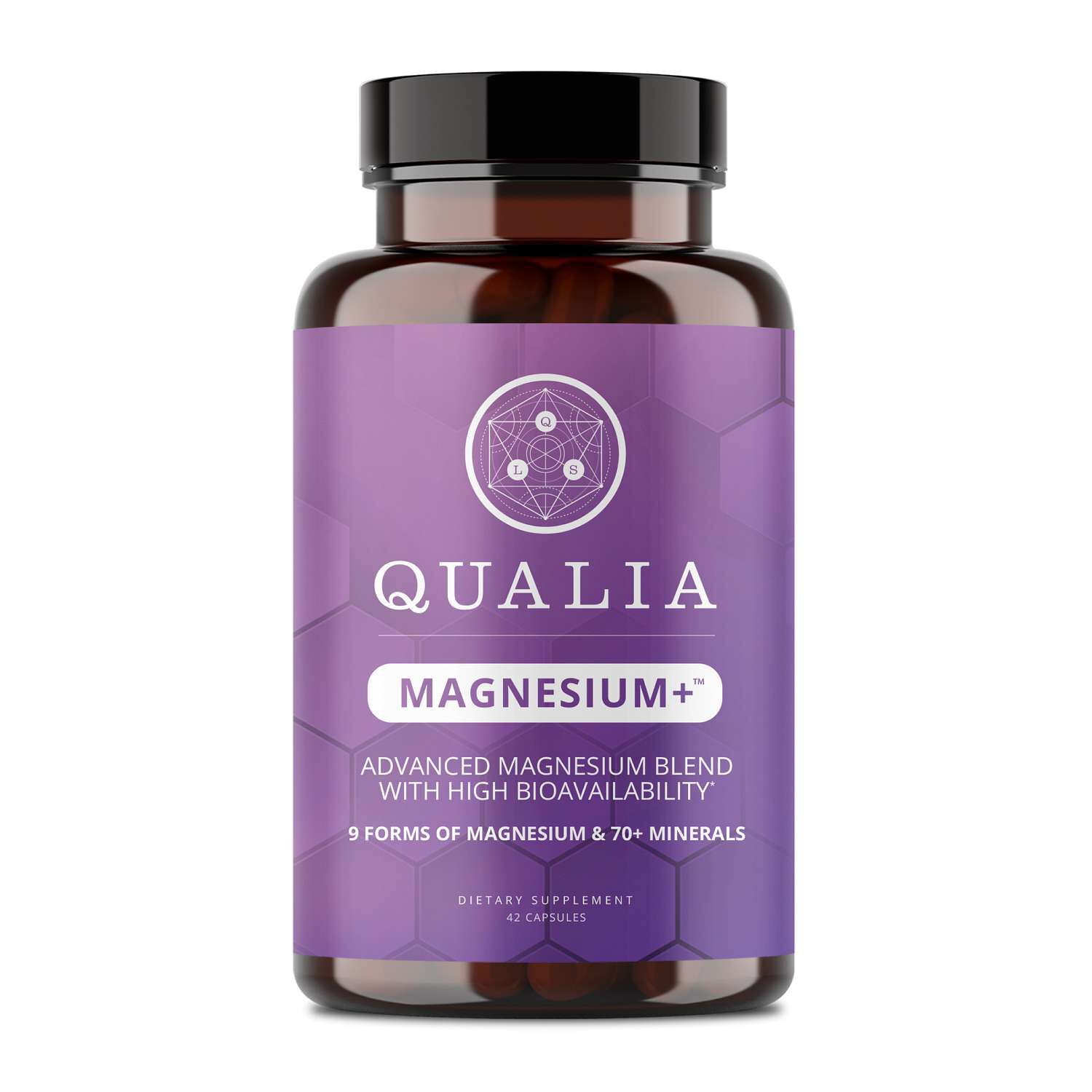
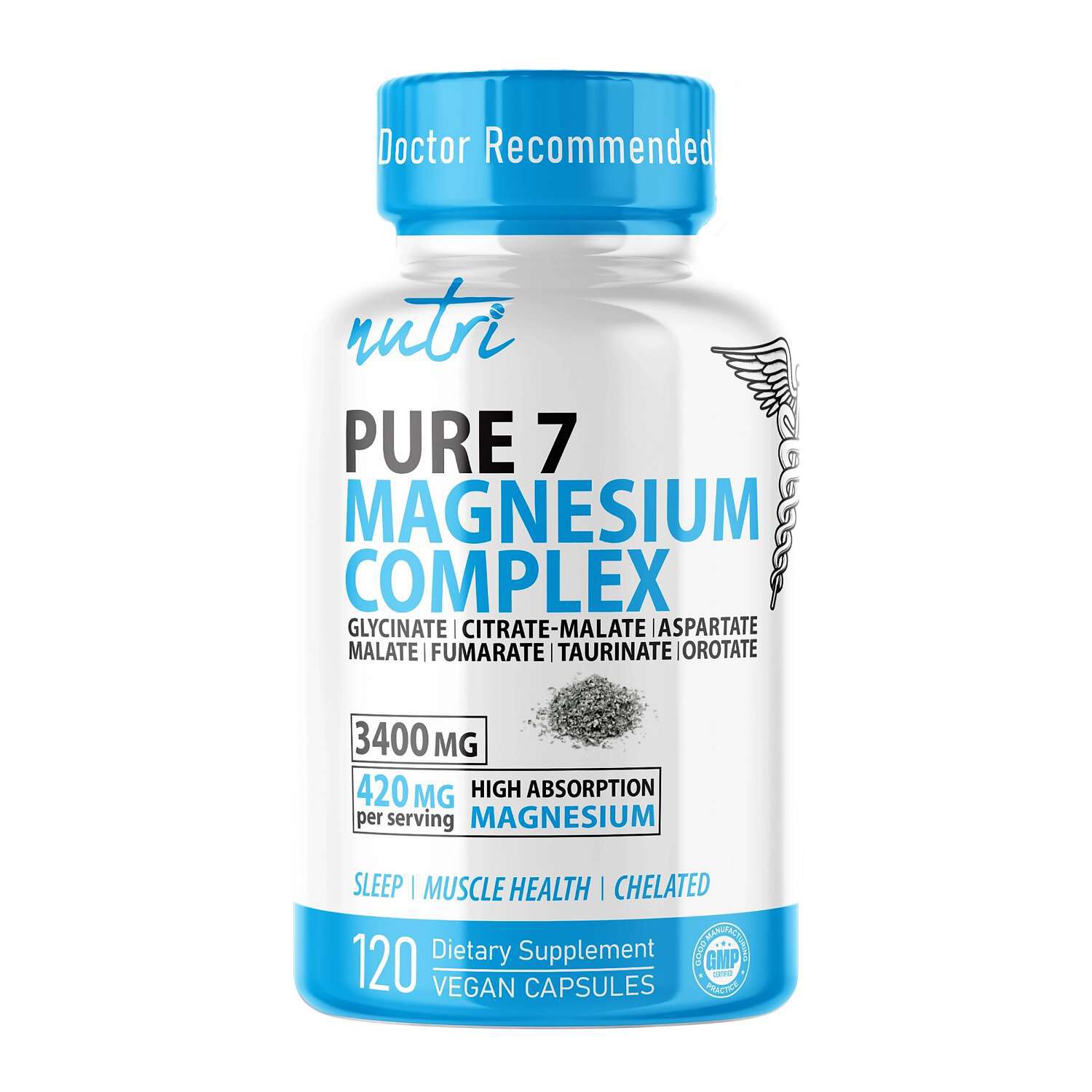
Advanced magnesium capsules are dietary supplements that contain magnesium in a capsule shell, with formulas that may feature one magnesium form or a combination of several. The word “advanced” does not identify a single ingredient, concentration, or manufacturing standard, so the most useful distinctions appear in the Supplement Facts panel and ingredient list. Magnesium glycinate, magnesium bisglycinate, magnesium malate, magnesium citrate, and magnesium oxide are examples of forms that can appear on supplement labels. These names describe different magnesium compounds, not interchangeable descriptions of the same ingredient. Glycinate pairs magnesium with glycine, an amino acid, while malate pairs it with malic acid. Bisglycinate refers to a compound with two glycine molecules associated with each magnesium ion. Some formulas feature chelated magnesium, a term describing how the mineral is bound to another molecule. That description helps explain an ingredient’s structure, but it does not, by itself, establish how one finished supplement compares with another. A formula containing several forms offers a different ingredient composition from a single-form capsule; a longer list is not automatically a better match for every shopper. For a clear comparison, look at the named magnesium sources, the amount of magnesium per serving, and the number of capsules in that serving together. Capsules also offer a distinct format: unlike a powder, they do not require measuring or stirring into a beverage. Unlike flavored chewable supplements, they are generally intended to be swallowed according to the package directions rather than tasted or chewed. That distinction may appeal to adults who prefer a straightforward supplement format without adding a flavored drink to their routine. The category includes variations in capsule construction, serving size, and supporting ingredients, making the details on the label more informative than broad language on the front of the bottle. Those details provide a practical starting point for understanding what advanced magnesium capsules contain and how their formats differ.
The magnesium amount shown in Supplement Facts is elemental magnesium—the magnesium itself, rather than the weight of the entire compound that supplies it. This distinction matters when comparing a prominent ingredient amount elsewhere on a package with the nutrient amount listed in the panel. The serving size provides the context for that number. If a serving consists of two capsules, the listed magnesium amount applies to those two capsules together, not to each capsule individually. Likewise, a bottle’s capsule count is not necessarily its serving count. Reading those details side by side makes it easier to compare formats without confusing the number of capsules with the amount of magnesium. The percent Daily Value is another label reference; it is not a personalized recommendation. Beyond the nutrient panel, the other ingredients list identifies the capsule shell and ingredients used during manufacturing. Shells may be made with gelatin or plant-derived materials such as hypromellose, also called hydroxypropyl methylcellulose. For shoppers who follow a vegetarian or vegan eating pattern, the shell material is an important detail, but the finished formula’s labeling matters as well. A plant-derived shell alone does not describe every ingredient inside it. Manufacturing ingredients may help powders flow into capsules or keep the contents consistent during production. Their names can look technical, yet their presence is separate from the list of magnesium sources. Allergen statements and clearly identified dietary certifications provide additional information for shoppers comparing formulas around personal preferences. Capsule dimensions deserve attention, too: a photograph of a bottle does not reliably show the size of the capsule inside. When dimensions or capsule images are provided, they add useful context alongside serving size. An adult who already manages several containers may place particular value on an easy-to-read label and a clearly stated capsule count per serving. Someone who prefers fewer accompanying ingredients may focus instead on a short, transparent ingredient list. Neither preference requires assuming that a more elaborate formula is inherently superior.
Intended use and everyday handling round out the comparison. Advanced magnesium capsules are packaged as dietary supplements, rather than as food or a substitute for a varied eating pattern. Magnesium also occurs naturally in foods such as beans, nuts, seeds, whole grains, and leafy greens; a capsule is a different way of presenting the mineral, with a measured serving described on its label. For shoppers exploring combinations of magnesium sources, Advanced Magnesium Blend offers a related category to consider alongside capsule-focused choices. The distinction is worth keeping clear: “blend” describes the ingredient combination, while “capsule” describes the delivery format, so the two terms can apply to the same type of supplement. A blend may list several magnesium sources while giving one combined elemental magnesium amount in Supplement Facts. Unless individual amounts are disclosed, the label does not establish how much each source contributes. Clear packaging information is especially useful when a supplement becomes part of an established household routine. Consider the difference between leaving a labeled bottle in its designated storage spot and carrying a few loose capsules in a bag: the original container preserves access to serving directions, ingredient information, and the date printed on the package. Keeping the closure secure and following the stated storage instructions can help protect the contents from moisture and unnecessary exposure. Capsule shells are not designed for repeated handling, and the bottle’s protective packaging matters more than its appearance on a shelf. Follow package directions for use rather than assuming that every capsule can be opened or mixed into food. For travel, retaining the original label keeps important product information close at hand. For shared households, a clearly identified container helps distinguish one person’s supplements from another’s. These practical details are often less prominent than front-label descriptions, but they shape the experience of using a capsule format. A thoughtful comparison brings the same core information into focus: the magnesium sources, elemental amount, serving size, shell material, accompanying ingredients, and storage directions, all considered in the context of the labeled intended use.
Best Sellers
-
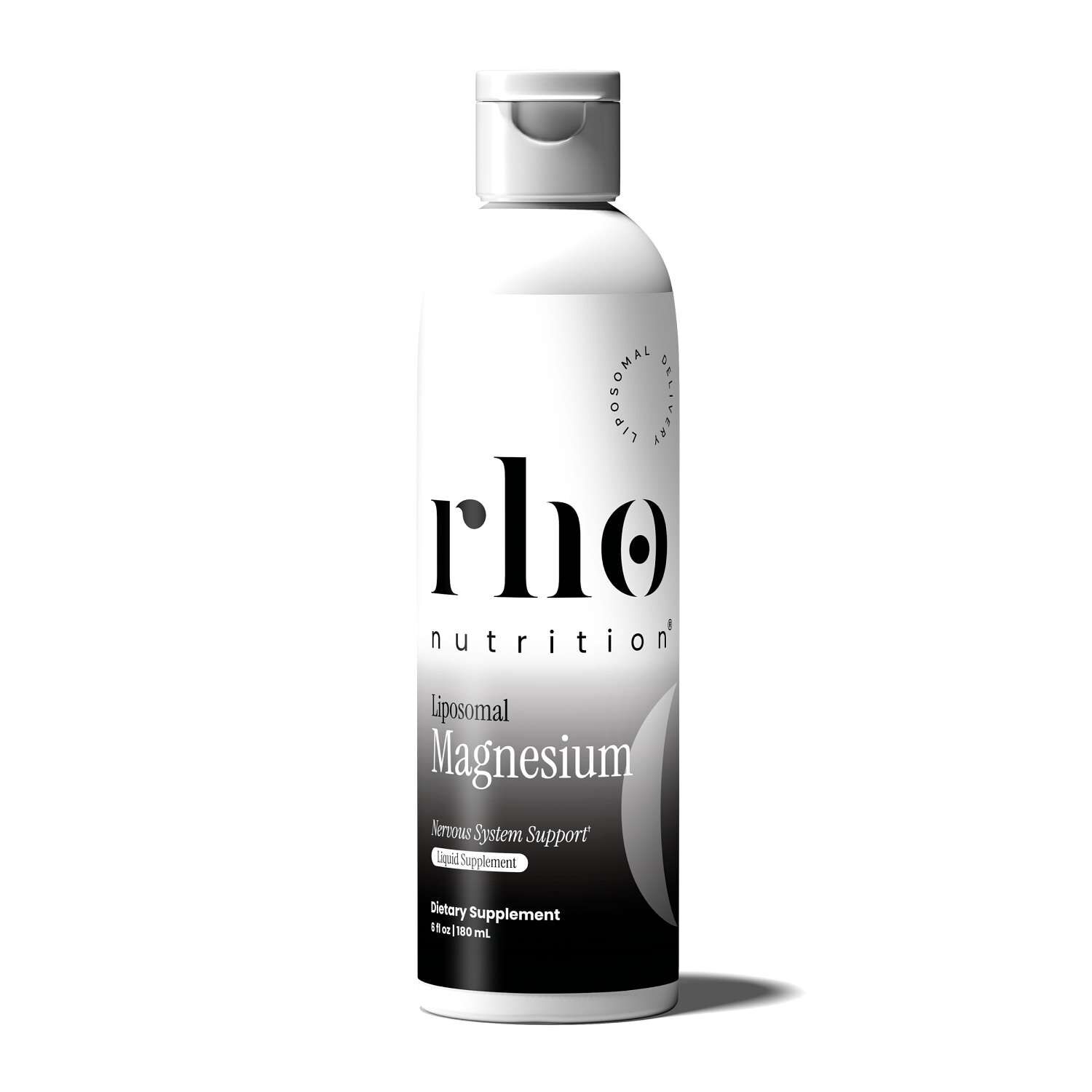 Rho Nutrition
-
Qualia Life Sciences