Pure Magnesium Capsules
(0 Results)
Pure magnesium capsules might be an excellent addition to your daily wellness routine, offering potential support for various bodily functions. Magnesium is an essential mineral that plays a crucial role in muscle and nerve function, energy production, and maintaining a healthy balance of electrolytes. These capsules could be a convenient way to help ensure you meet your daily magnesium needs, especially for those who lead busy lifestyles. Whether you're looking to support relaxation or aid in recovery after workouts, pure magnesium capsules may offer a simple and effective solution. Explore our selection to find options that align best for your health goals.

 _Front.jpg?sw=305&sh=305&sm=fit "Magnesium: Bioactive Magensium Citrate - 120 Capsules (120 Servings) | GNC")


 _Front.jpg?sw=305&sh=305&sm=fit "Magnesium: Bioactive Magensium Citrate - 60 Capsules (60 Servings) | GNC")


Pure magnesium capsules are a capsule-format mineral supplement for shoppers who prefer a measured serving without a flavored drink mix, chewable tablet, or powder to stir into a glass. Magnesium occurs naturally in foods such as nuts, seeds, beans, and leafy greens, while supplements provide the mineral in a labeled amount and form. Within this category, the word “pure” deserves a closer look: it does not, by itself, identify the magnesium compound, the capsule material, or the other ingredients in a formula. A magnesium capsule generally contains a magnesium compound inside a shell, along with any ingredients used to help manufacture and preserve the finished capsule. That makes both the Supplement Facts panel and the other ingredients list useful parts of a comparison. Magnesium glycinate, magnesium citrate, and magnesium oxide are different forms, not interchangeable names for the same ingredient. Glycinate pairs magnesium with glycine, citrate pairs it with citric acid, and oxide combines magnesium with oxygen. Some labels use the term “bisglycinate” or describe a form as chelated, which refers to the mineral being bound to another molecule. Those descriptions explain something about the ingredient, but they do not establish how a particular person will experience a supplement. The amount of elemental magnesium is another important distinction. Elemental magnesium means the magnesium itself, rather than the weight of the entire compound that carries it. On a U.S. Supplement Facts panel, the magnesium amount is listed per serving, with the source typically identified alongside it. A serving can contain one capsule or several, so a number on the front of a bottle needs that context. For an adult comparing pure magnesium capsules, the most informative picture comes from reading the form, elemental amount, and serving size together rather than treating any one of those details as the whole story.
Capsule construction also matters when finding a format that fits personal preferences. Shells may be made with gelatin or plant-derived materials such as cellulose, and the other ingredients can include substances used to keep the powder moving consistently during manufacturing. A vegetarian capsule shell does not automatically describe every ingredient in the formula, just as a short ingredient list does not establish a particular manufacturing standard. Shoppers who follow vegetarian or vegan eating patterns can look for an explicit statement that applies to the finished supplement. For those with specific ingredient preferences, the label provides a more concrete basis for comparison than broad terms such as “clean” or “pure.” Allergen disclosures, named certifications, and clearly described testing practices offer additional details, although each statement should be understood according to what it actually covers. Testing for ingredient identity, for example, addresses a different question from testing for specified contaminants. Neither the appearance of a capsule nor the color of its contents establishes its quality. Capsule dimensions are another practical consideration: two bottles with the same listed magnesium amount per serving can contain capsules of different sizes, or require different capsule counts per serving. Someone accustomed to a small capsule may care more about those details than about the size of the bottle. A person who prefers an unflavored format may appreciate that capsules require no mixing, while someone who already uses powders may be comparing formats rather than mineral forms. Capsule count and serving count also tell different stories. A bottle containing ninety capsules represents ninety servings only when the labeled serving is one capsule. When the serving is three capsules, the same count represents thirty servings. These straightforward distinctions make comparisons more meaningful without assuming that a larger bottle, a higher listed amount, or a longer ingredient description is necessarily a better match. The relevant fit is the relationship between the formula, its labeling, and the shopper’s established preferences.
Intended use and everyday handling round out the picture for pure magnesium capsules. These products are dietary supplements, not a replacement for meals or a varied eating pattern, and their directions are specific to the individual formula. A serving size on one magnesium label should not be carried over to another simply because the capsules look similar. This is especially relevant when comparing a single-form formula with one that lists a blend of magnesium sources: the named ingredients and the amount per serving both deserve attention. Some shoppers prefer magnesium as the sole featured mineral because the label is easier to distinguish from a multinutrient formula. Others may be looking for a capsule format that suits an existing routine, whether the bottle stays in a designated household cabinet or accompanies them on an overnight trip. In either setting, storage is part of caring for the product. The package’s storage directions, closure, and date markings are more useful measures of handling than the bottle’s appearance alone. A tightly closed original container retains the ingredient information, directions, and lot details in one place. Heat and humidity can affect capsules and their contents, making a steamy bathroom shelf or a parked car less suitable than a storage location consistent with the label. Packaging also deserves attention during travel; an intact container with a readable label makes it easier to keep one supplement distinct from another. Unlike a durable household accessory, a supplement has a dated period of use and should be considered in that context when choosing a bottle size. For a broader look at related mineral formats and ingredient descriptions, Natural Magnesium Supplements provides another category to explore. Across these comparisons, the most useful details remain tangible: which magnesium form is named, how much elemental magnesium appears in a serving, what surrounds the mineral inside the capsule, and how the package describes its intended use and storage. Together, those details give pure magnesium capsules a clearer identity beyond the category name and help shoppers distinguish between formulas without relying on sweeping claims.
Best Sellers
-
 Rho Nutrition
 -
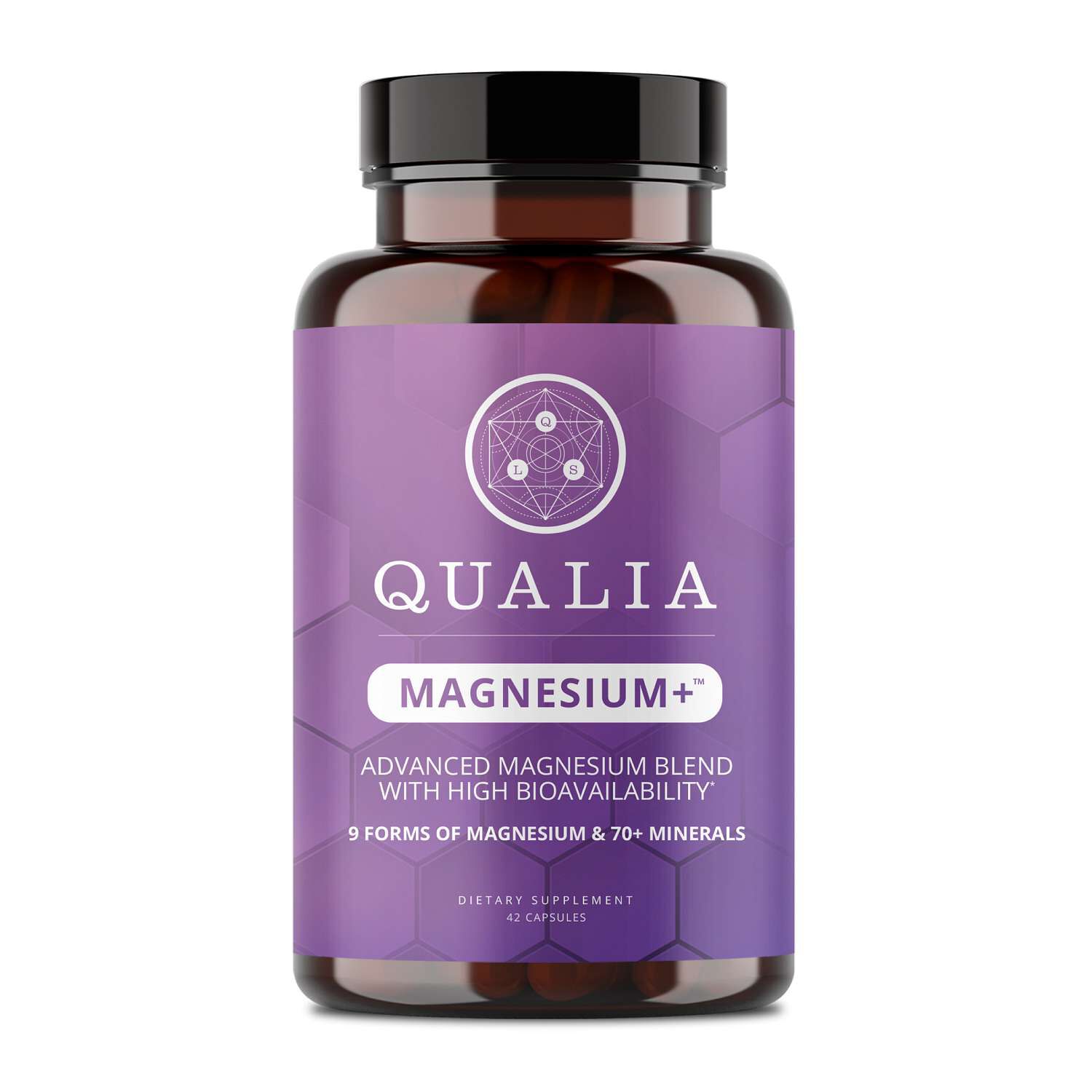 Qualia Life Sciences