





Supplements And Vitamins With Potassium
(0 Results)
Discover a wide selection of vitamins with potassium to support your overall health and wellness goals. Potassium is an essential mineral that plays a key role in maintaining proper muscle function, nerve signaling, and fluid balance in your body. Explore our range of potassium-rich vitamin supplements designed to help you meet your daily nutritional needs and enhance your well-being. Whether you're looking to boost your energy levels, support cardiovascular health, or simply maintain optimal electrolyte balance, our collection of vitamins with potassium has something for everyone.
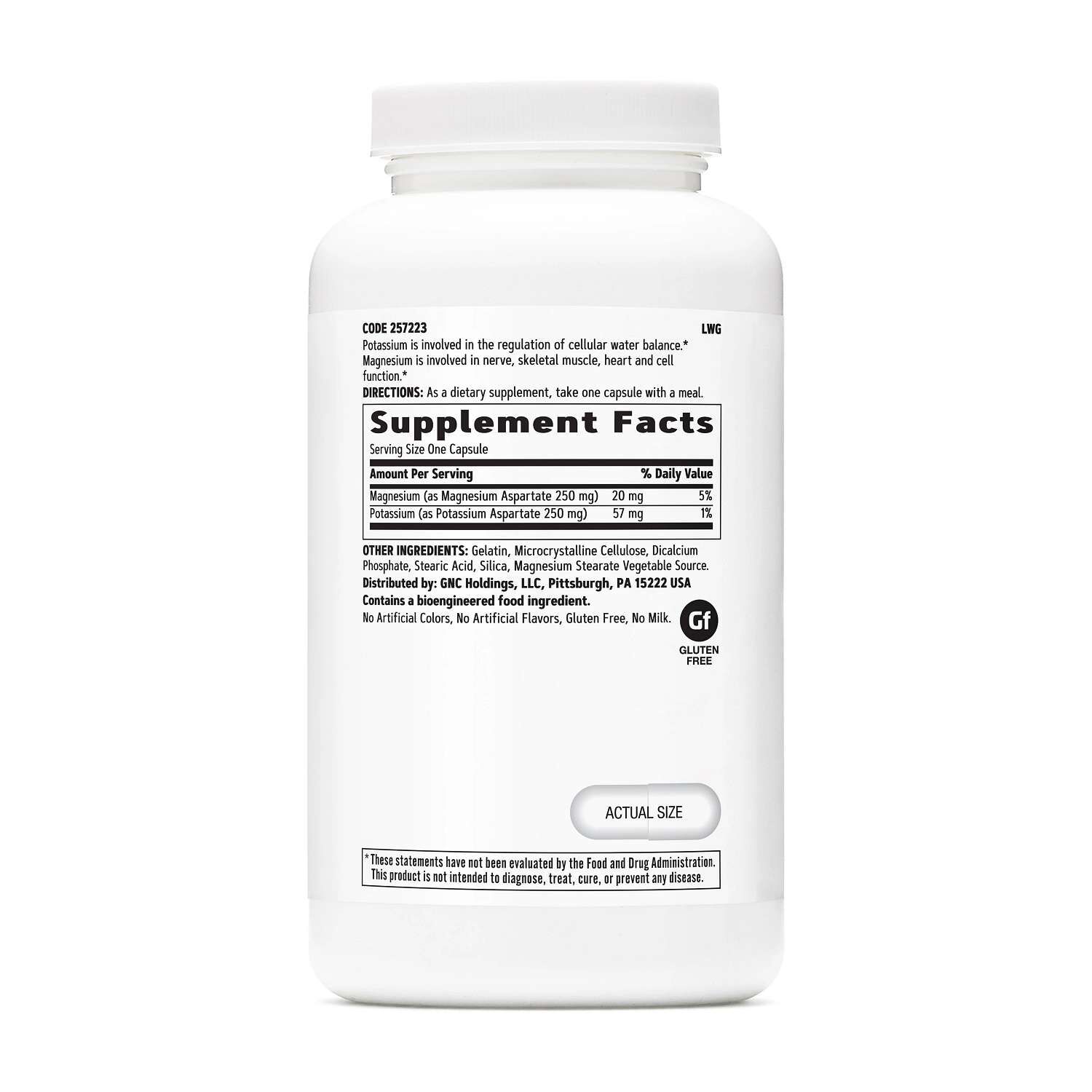


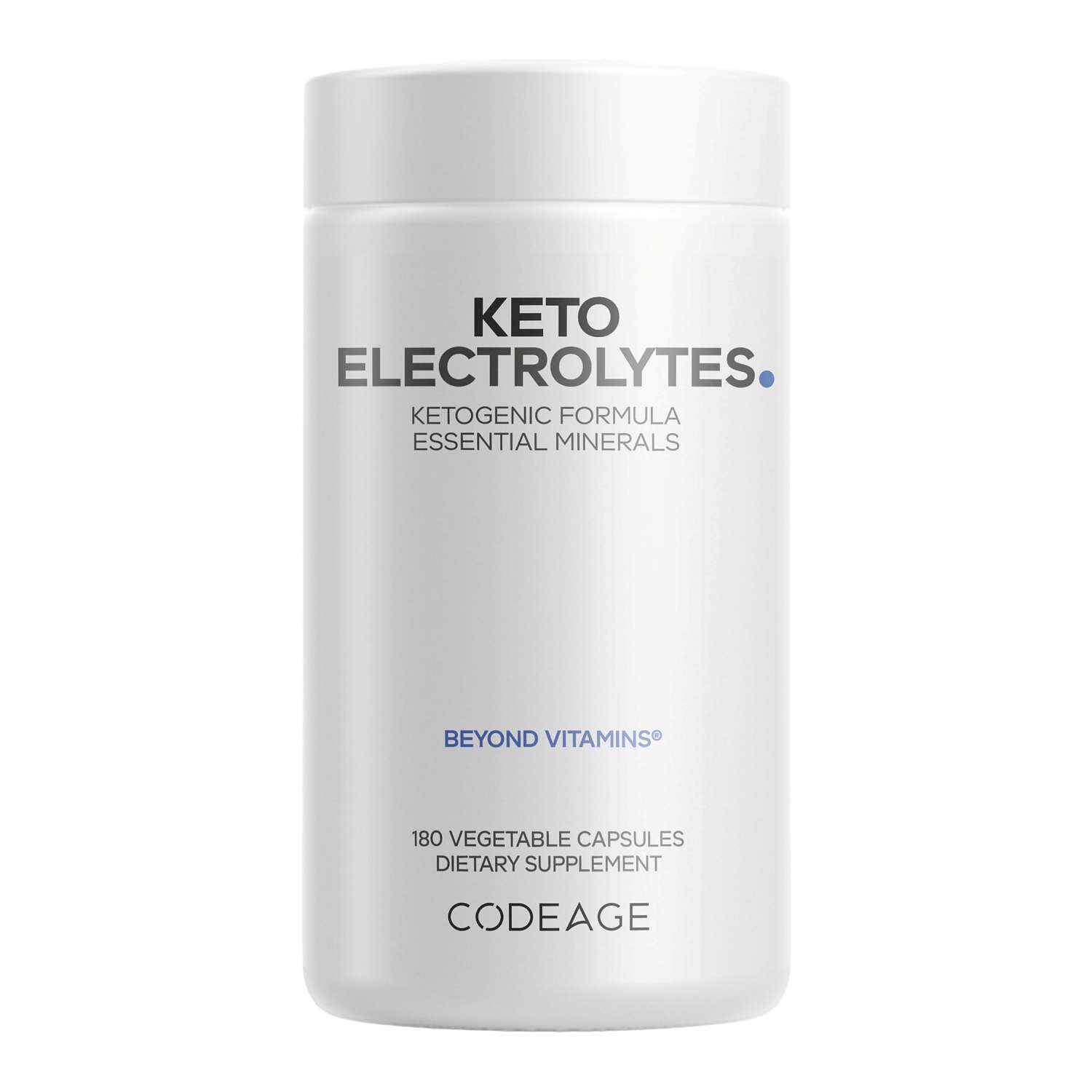
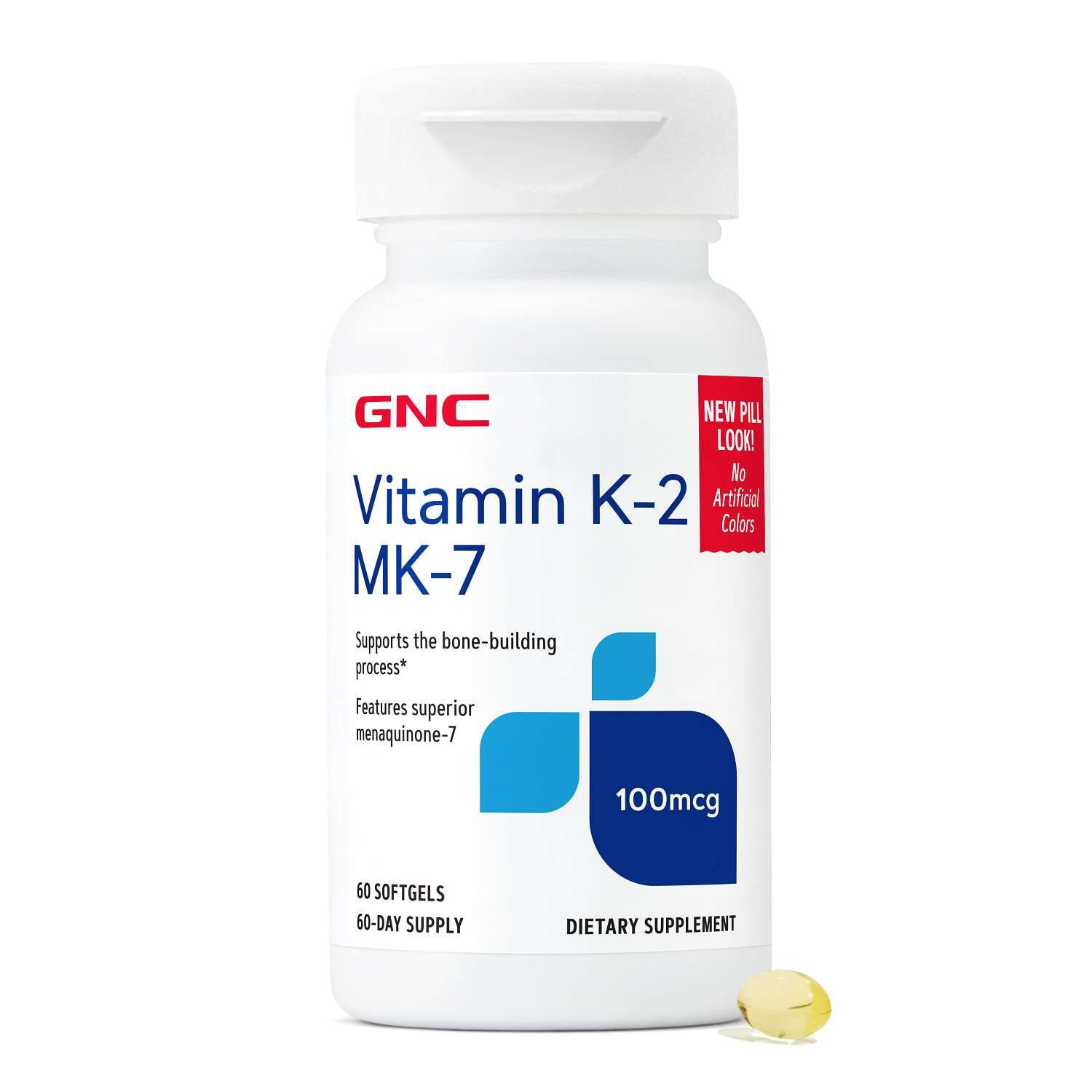

Potassium supplements and vitamins may appeal to shoppers who want a convenient way to include this mineral in a daily wellness routine. Products in this category range from stand-alone potassium formulas to multivitamins, electrolyte blends, and mineral combinations that include magnesium or other nutrients. Potassium may play a role in normal muscle function, nerve signaling, and fluid balance, so some people choose these products as part of a broader approach to hydration and everyday nutrition. Others may receive them as a thoughtful gift for a family member, walking companion, frequent traveler, or active friend who appreciates practical additions to a wellness cabinet. During the cooler months, a compact bottle or single-serve electrolyte option may fit easily into a work bag, gym tote, or travel kit, while a multivitamin with potassium may suit someone who prefers a simplified routine. Anyone considering a potassium product may want to begin with the Supplement Facts panel and compare the amount per serving, serving size, form of potassium, and the other nutrients included. Potassium gluconate, potassium citrate, and potassium chloride are among the forms shoppers may see on labels. Each formula may have a different purpose within a product blend, and the right choice could depend on personal preferences, dietary habits, and guidance from a qualified healthcare professional. Shoppers who are comparing mineral combinations for a woman in their life may also browse Magnesium Potassium Supplements for Women for formulas grouped around that shopping need.
Food may remain a convenient starting point for adding potassium to a varied eating pattern. Bananas, avocados, potatoes, beans, leafy greens, yogurt, and some dried fruits are familiar sources that can fit into breakfasts, packed lunches, snacks, and dinner recipes. A baked potato with beans, a yogurt bowl with fruit, or a spinach and avocado salad can make potassium-rich foods feel natural rather than like another task on a checklist. Supplements may be useful for shoppers who prefer a measured serving, have a limited food routine, travel often, or want to pair potassium with other vitamins and minerals in one product. Product labels may show a modest amount of potassium, particularly in over-the-counter formulas, so shoppers may wish to compare the serving information instead of assuming that a larger bottle provides a larger serving. A multivitamin may contain potassium alongside several other nutrients, while a stand-alone formula may be better suited to someone specifically seeking potassium. Electrolyte powders, tablets, and drink mixes may offer another format for people who prefer to add a serving to water before a walk, commute, or outdoor activity. These products could also make useful care-package additions for students, new parents, travelers, or anyone building a practical pantry of wellness items. As with any supplement, reading the directions matters: use only the serving suggested on the label, store the container as directed, and keep it away from children and pets. More is not automatically better, and potassium products may not be suitable for every person or routine.
Potassium deserves extra care when shoppers take prescription or over-the-counter medications, especially certain medicines used for blood pressure or fluid management. ACE inhibitors, ARBs, and potassium-sparing diuretics may affect how the body handles potassium, so anyone using these medicines may want to speak with a healthcare professional before choosing a potassium supplement or combining products. People with kidney concerns or other ongoing health considerations may also benefit from professional guidance before adding a stand-alone formula. A pharmacist can help review a product label, serving size, and potential overlap with a multivitamin, electrolyte mix, or meal replacement. It may help to keep a simple list of all vitamins, minerals, and medications used throughout the day when asking for that guidance. Shoppers can then compare potassium amounts across bottles and avoid taking several products with similar ingredients without realizing it. For everyday selection, look for clear labeling, a format that fits comfortably into the routine, and a serving size that aligns with professional guidance. Capsules may suit someone who wants a no-mix option, powders may work for those who enjoy flavored water, and chewables may appeal to shoppers who prefer a different format. During cooler weather, a well-organized supplement drawer can make morning routines easier, but consistency should still be paired with varied foods, regular hydration, and sensible label reading. Potassium products may complement a balanced lifestyle, yet they are not a substitute for personalized guidance or a varied eating pattern.


