





Vitamins With Ginger
(0 Results)
Explore the potential benefits of vitamins with ginger, a dynamic combination that could support overall wellness. Ginger, known for its rich history in traditional practices, may complement your daily vitamin intake with its natural properties. Whether you're looking to support digestion or add a touch of vitality to your routine, vitamins with ginger might be the perfect addition to your health regimen. Discover how this powerful blend could fit into your lifestyle and help you achieve your wellness goals.
-

-
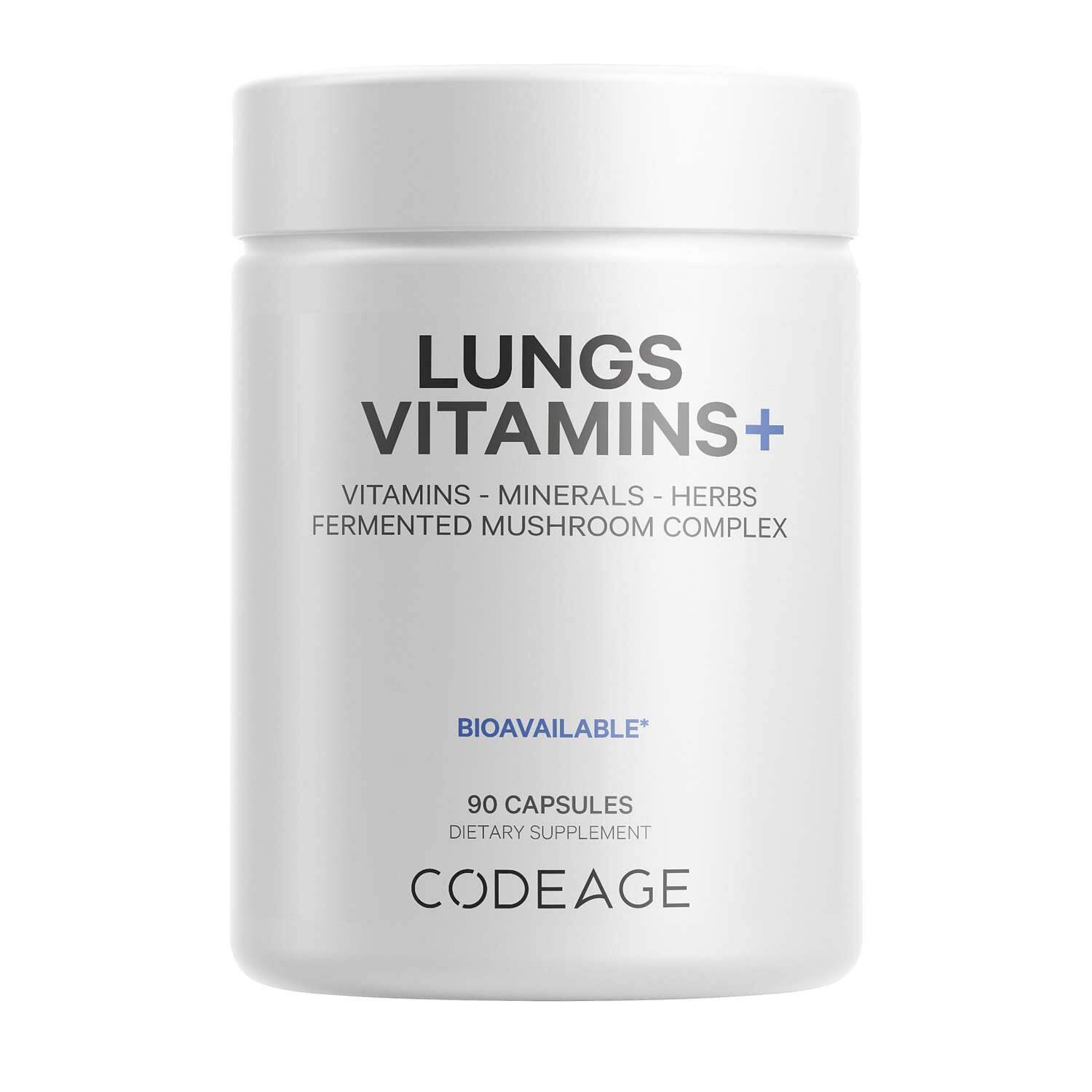
-
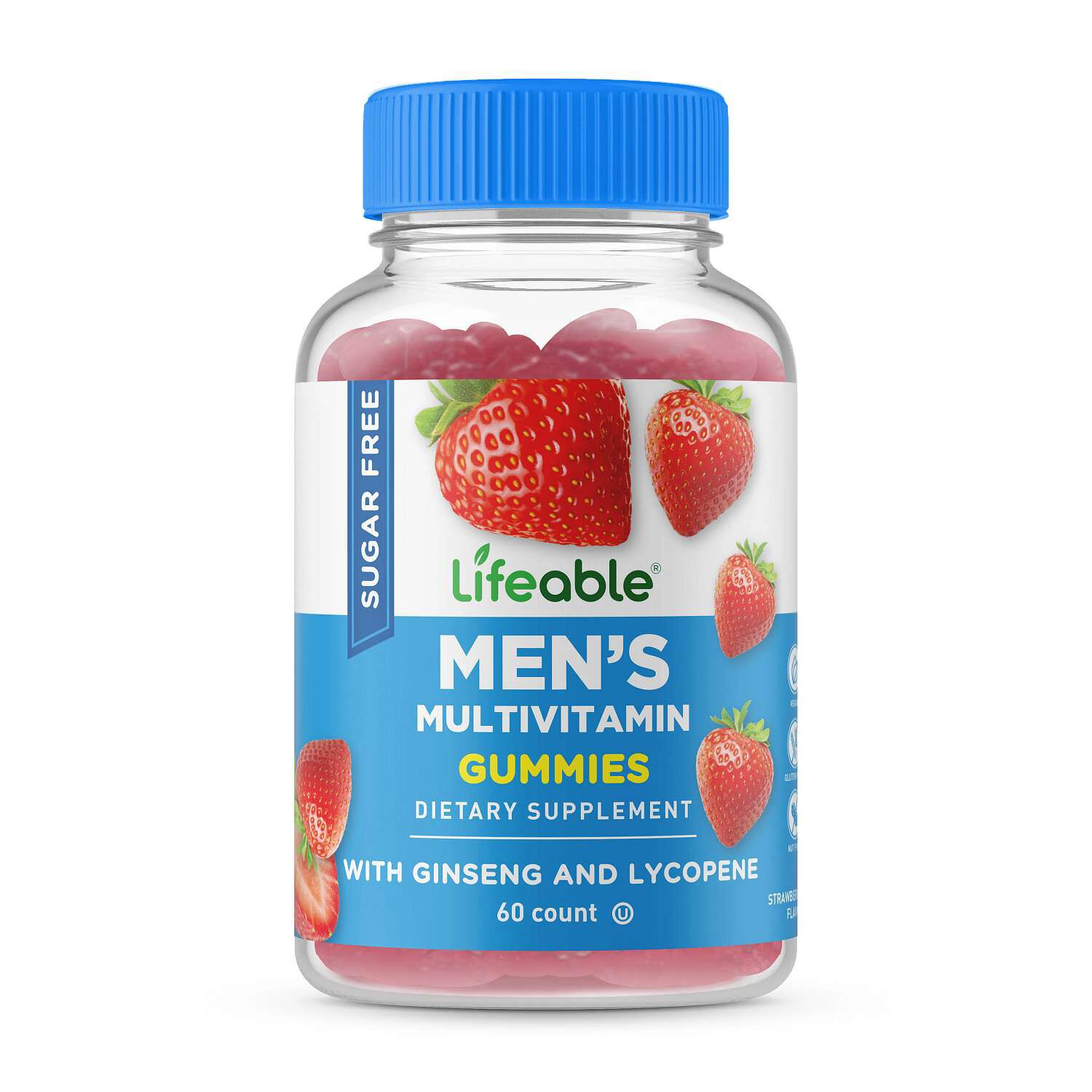 $18.99
-
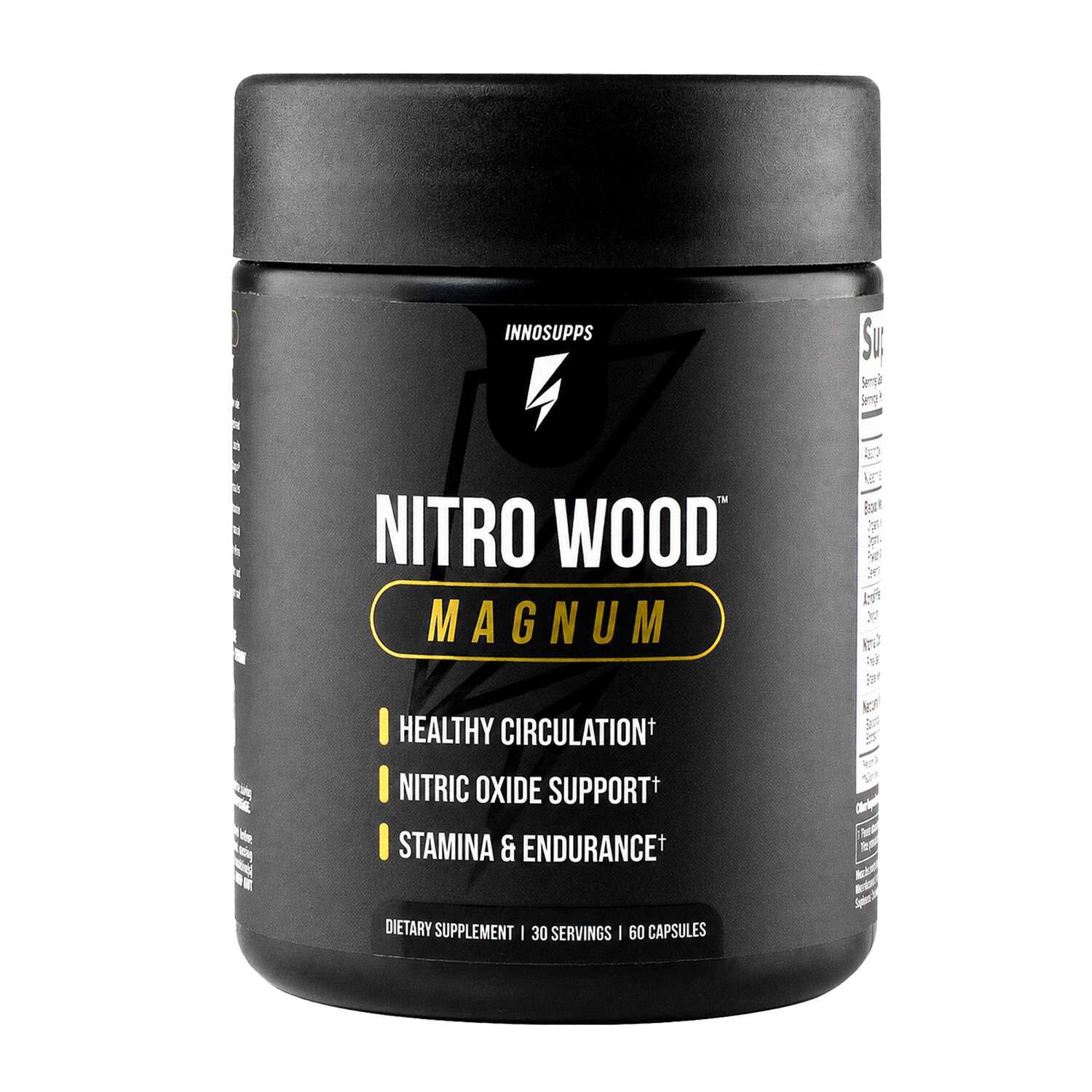
-

-
 185$24.99
-
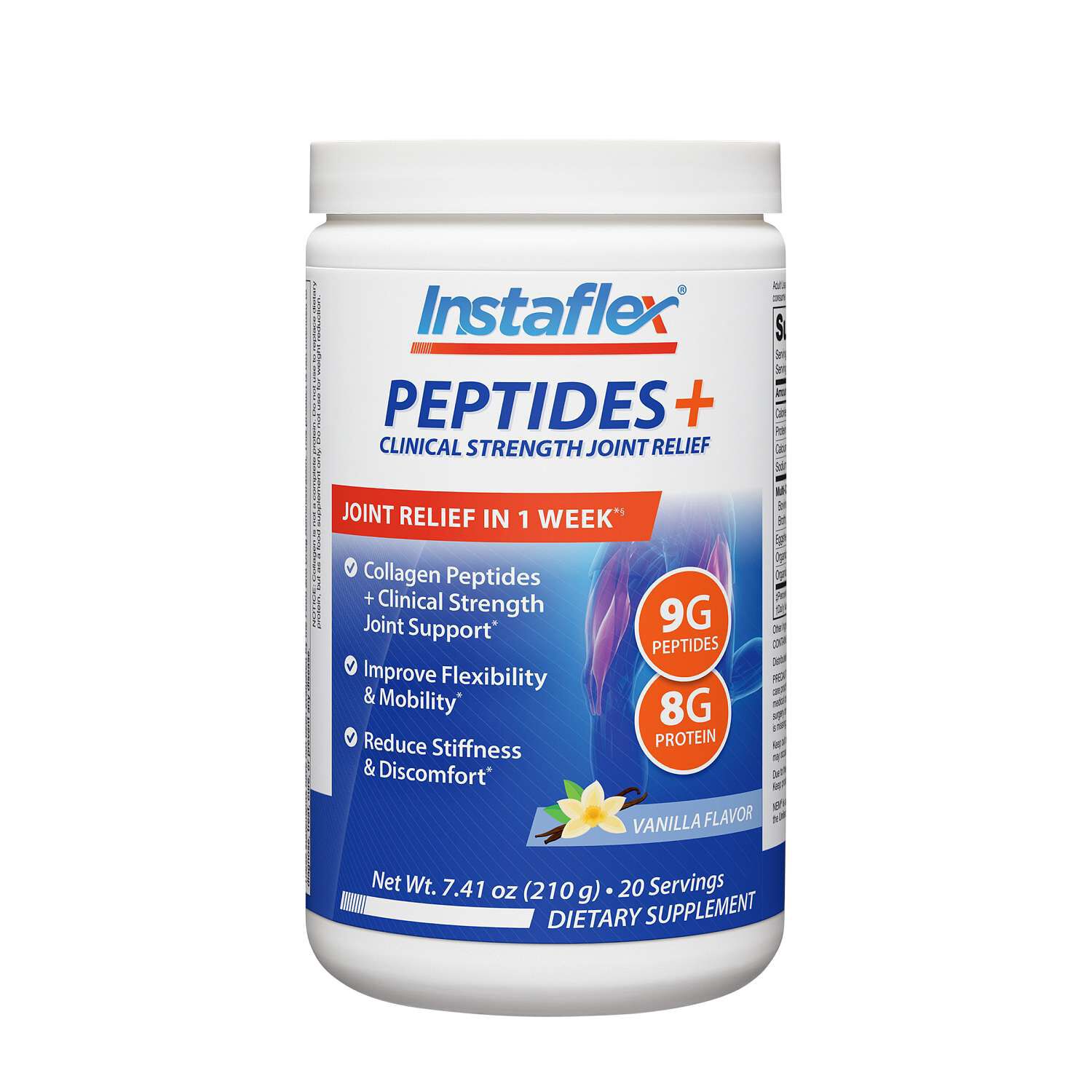
-

-

-

-
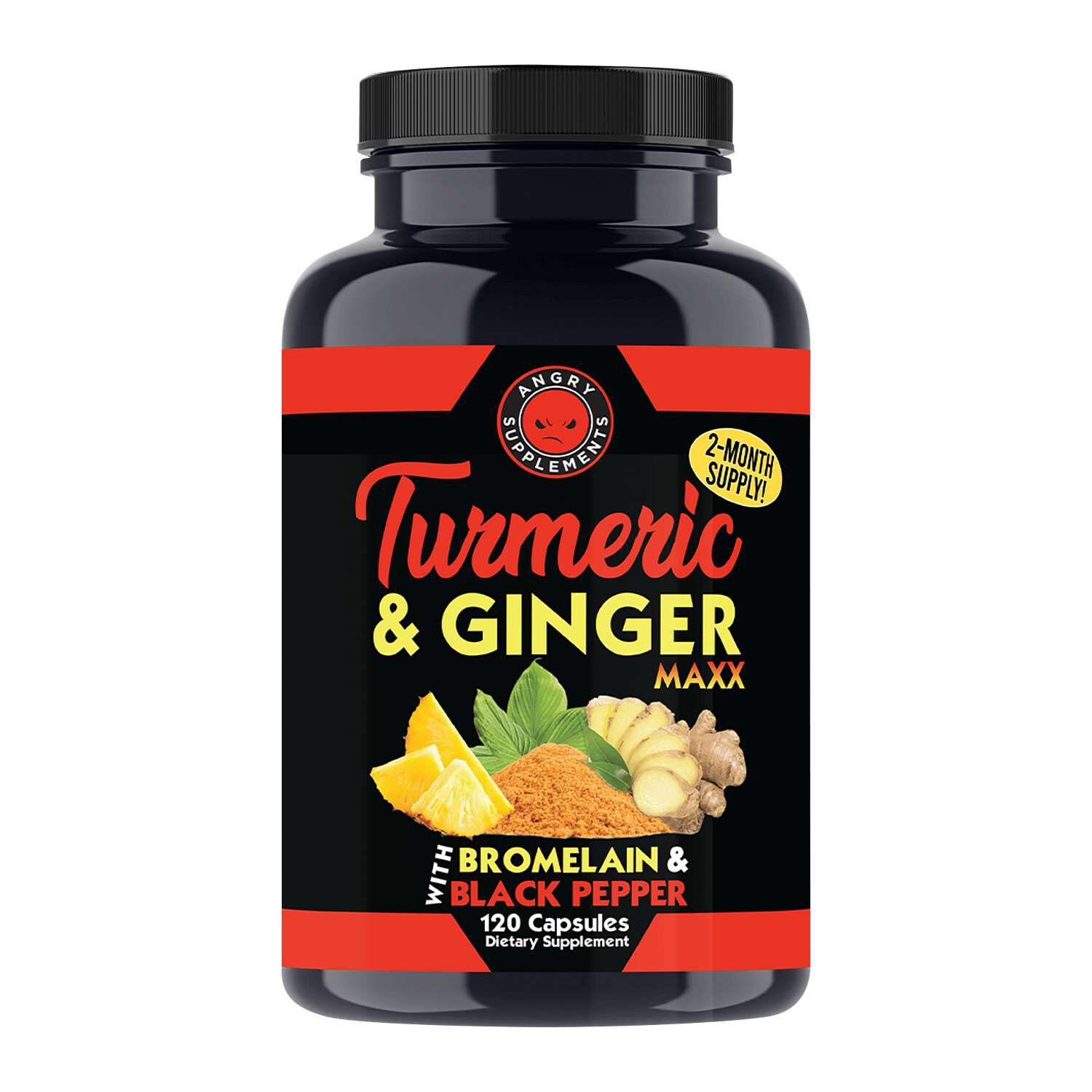 Angry Supplements1$24.99
-
 Angry Supplements3$15.99
-
 $15.99
-

-

-

-

-

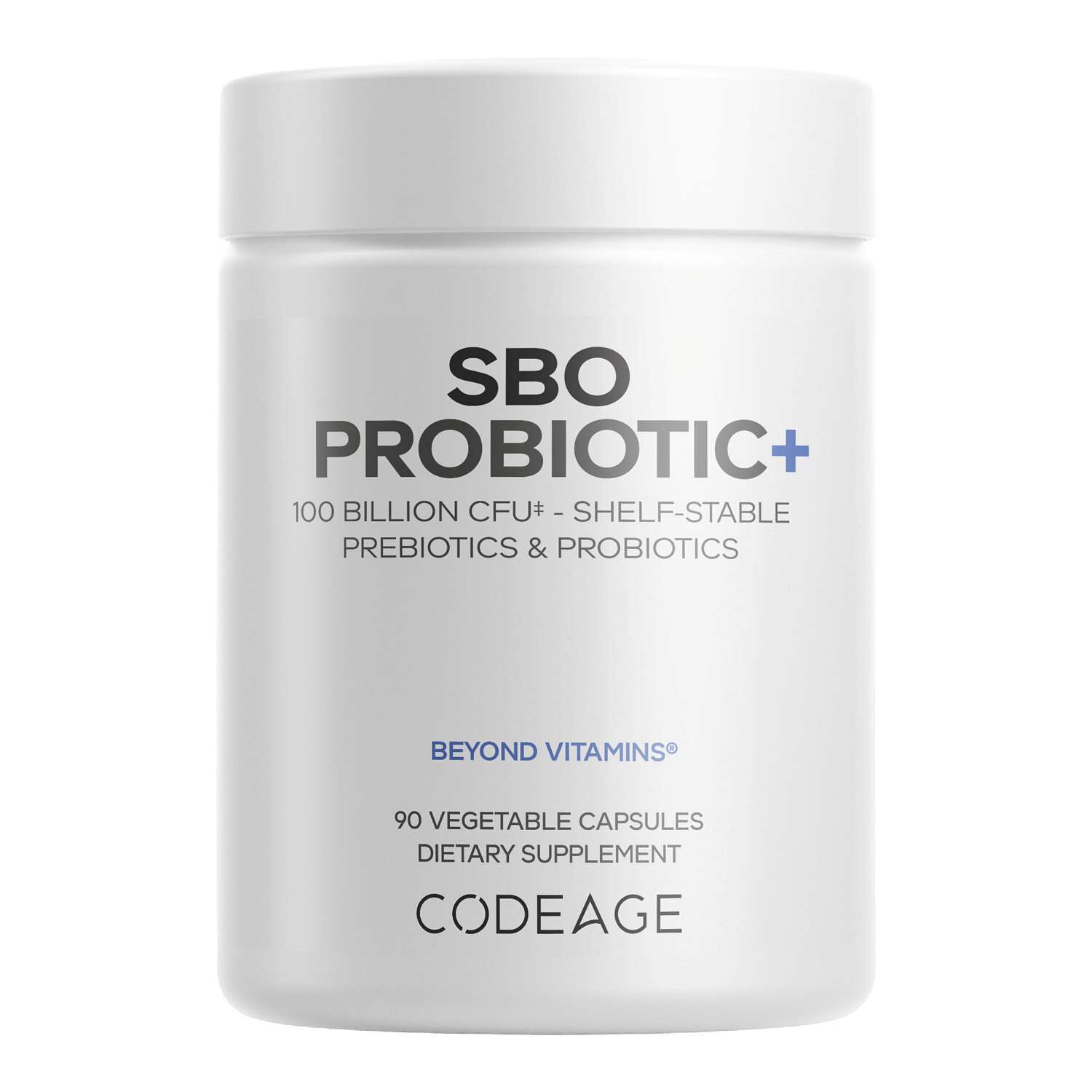

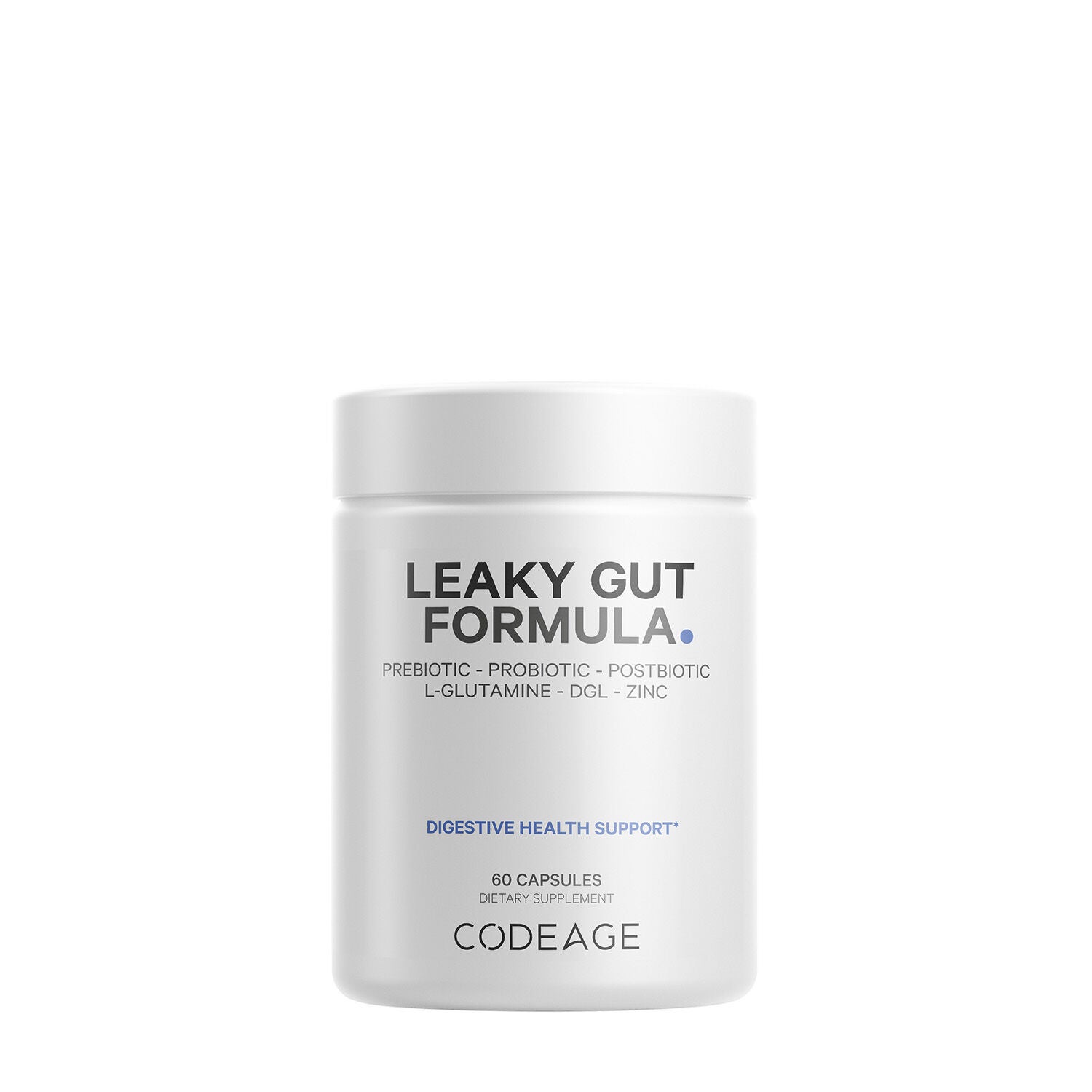
Vitamins with ginger combine vitamin ingredients with a botanical ingredient derived from the ginger plant, Zingiber officinale. Ginger is not itself a vitamin; it is a plant ingredient that appears in some vitamin and supplement formulas. The portion commonly called ginger root is a rhizome, an underground stem also used in cooking. In supplements, ginger can appear as dried root powder, an extract, or part of a blend with other ingredients. Those distinctions help explain why two formulas with ginger can look quite different on the label. One might combine ginger with a single vitamin, while another might include it within a broader multivitamin formula. Capsules, tablets, gummies, and liquid preparations also offer different textures, ingredient lists, and serving formats. For shoppers browsing vitamins with ginger, the useful starting point is the combination of ingredients rather than ginger alone: which vitamins are included, how much ginger is listed per serving, and how the formula fits the intended user’s preferences. Ginger naturally contains plant compounds called gingerols and shogaols, but their presence and stated amounts depend on the preparation. A label that names ginger root powder provides different information from one that identifies an extract and specifies particular plant compounds. The ingredient’s familiar place in the kitchen does not make a supplement equivalent to a cup of ginger tea or a piece of fresh ginger. Supplements have their own serving directions and ingredient proportions, and flavor is not a reliable measure of ginger content. Some formats may have a noticeable peppery ginger taste, while others may have little of that character. This makes the category relevant to adults who prefer a botanical component alongside vitamins, as well as shoppers comparing formats for an established supplement routine. The distinction is between the vitamins supplied, the ginger preparation used, and the experience of taking the finished formula—not simply whether the word ginger appears on the front of the package.
The Supplement Facts panel provides a more useful comparison than package size or capsule count alone. Serving size establishes the basis for the amounts listed, so a bottle containing sixty capsules does not necessarily contain sixty servings. Some formulas list amounts for one capsule or gummy, while others list amounts for several. Vitamin quantities are generally expressed in milligrams or micrograms, often alongside a percent Daily Value; ginger is usually listed by weight, although the details vary with the preparation. An extract description may also include an extract ratio or a stated concentration of selected plant compounds. These numbers describe different aspects of the ingredient and should not be treated as interchangeable measurements. When ginger appears within a blend, the label may identify a combined blend weight rather than a separate amount for every component. Reading that distinction helps keep comparisons grounded in the information actually provided. Beyond the Supplement Facts panel, the other-ingredients list describes the capsule shell, gummy base, coatings, flavors, colors, and other components used to make the format. Gelatin and plant-derived capsule materials are different options, just as pectin and gelatin are different gummy ingredients. Dietary preferences can therefore influence the choice even when the featured vitamins and ginger look similar. Added sugars, sweeteners, flavorings, and allergen statements are also worth noting when comparing chewable formats. Capsule and tablet dimensions matter for someone who has a strong preference about size or texture, although photographs do not always convey those dimensions accurately. A liquid format introduces a different consideration: the serving measurement and any directions for shaking or measuring. For someone already using a multivitamin, the ingredient lists provide a way to identify repeated vitamins across formulas. Labels can also specify an intended age group and particular use directions. These practical details make the choice more personal without relying on broad descriptions that reveal little about what is inside the container.
Everyday fit matters just as much as the ingredient panel. A shopper who prefers a short routine may look closely at the number of capsules or gummies in each labeled serving, while someone who dislikes sweet flavors may focus on unflavored capsule formats. Someone packing for an overnight trip may care most about a secure closure and a container that keeps the label readable. These are ordinary differences in how supplements fit into daily life, not reasons to assume that one format has the same composition as another. Storage and handling also deserve attention because the finished formula includes more than the featured ginger ingredient. Packaging directions describe how to store the contents and whether there are additional steps after opening. A tightly closed original container keeps the ingredient list, serving directions, lot information, and expiration date together. A bathroom shelf near a shower or a kitchen ledge beside a sink introduces moisture into the storage setting; the package’s storage instructions are the appropriate reference for choosing a location. Gummies, capsules, tablets, and liquids have different physical characteristics, so their handling directions should not be assumed to match. Keeping measuring accessories with a liquid formula and retaining the outer carton when it carries important directions are small organizational choices that preserve useful information. For a wider look at the botanical category, Ginger Health Products offers another place to explore ginger-focused formats alongside this vitamin-centered selection. The distinction remains straightforward: a ginger supplement is not necessarily a vitamin formula, and a vitamin formula does not necessarily contain ginger. Reading both the featured ingredients and the supporting label details makes that difference clear. Whether the preference is a capsule, a chewable format, or a measured liquid, the most informative comparison brings together the vitamin amounts, ginger preparation, serving size, ingredient preferences, and packaging directions in one view.
Best Sellers
-
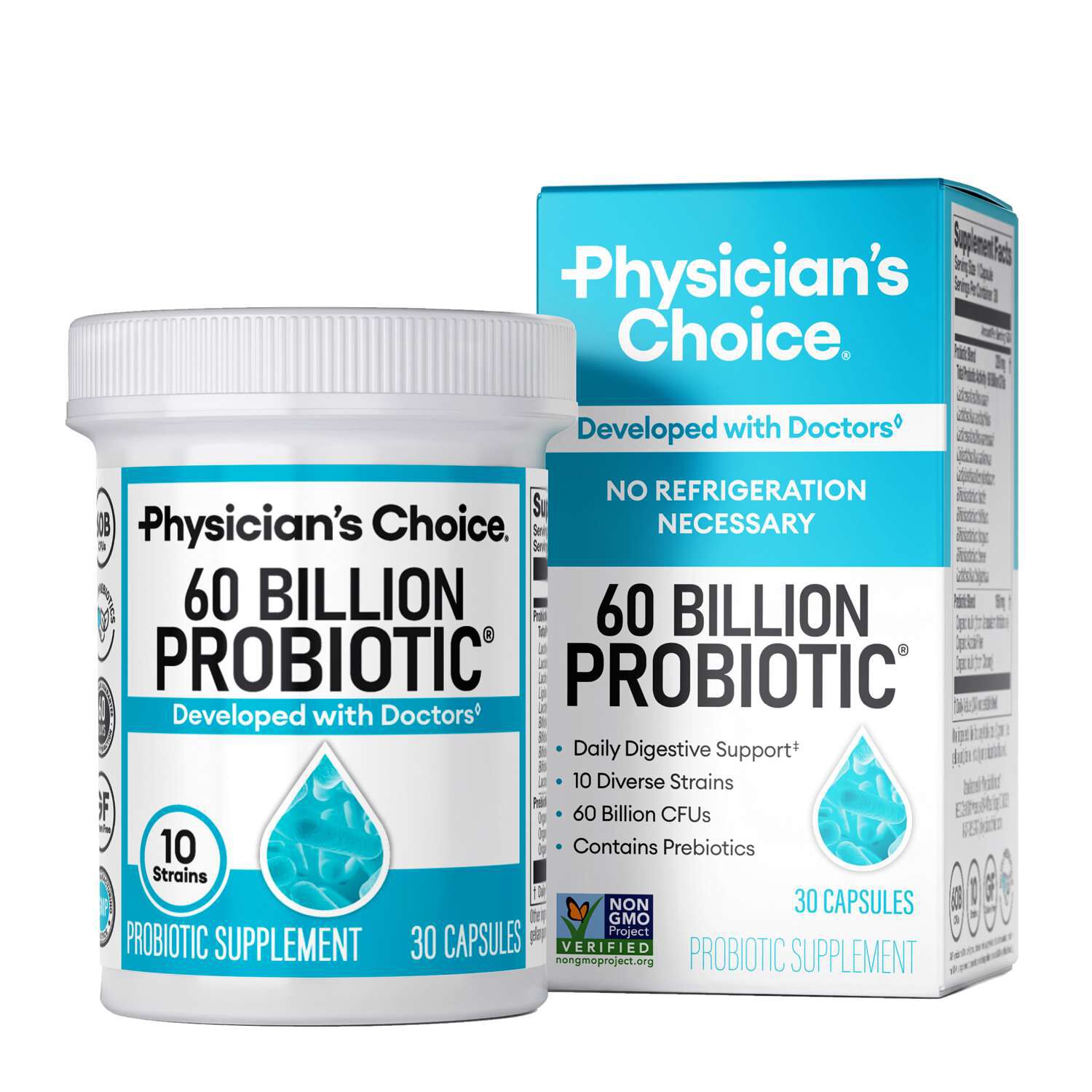 Physician's Choice

Related Pages


Top Collections
- Daily Collagen Supplements | Top Brands & Deals | GNC
- Joint Mobility Supplement Packs
- Zinc Supplements | Top Brands at Great Prices | GNC
- GLP 1 Support For Adults
- Supplements For Yoga Joint Flexibility
- Supplements For Balance
- Capsule Supplements For Energy And Stamina
- Adult Mobility Supplements
- Chronic Fatigue Supplements
- Vitamins For Hair Loss