Ginger Health Products
(0 Results)
Ginger health products offer a natural and versatile way to support your wellness journey. Known for its rich history in traditional medicine, ginger may provide numerous benefits that could contribute to overall health. Whether you're seeking to incorporate ginger into your daily routine through supplements, teas, or other forms, there are plenty of options available to suit your needs. Explore our range of ginger health products and discover how this powerful root might help you achieve your wellness goals.
-

-
-

-

-

-
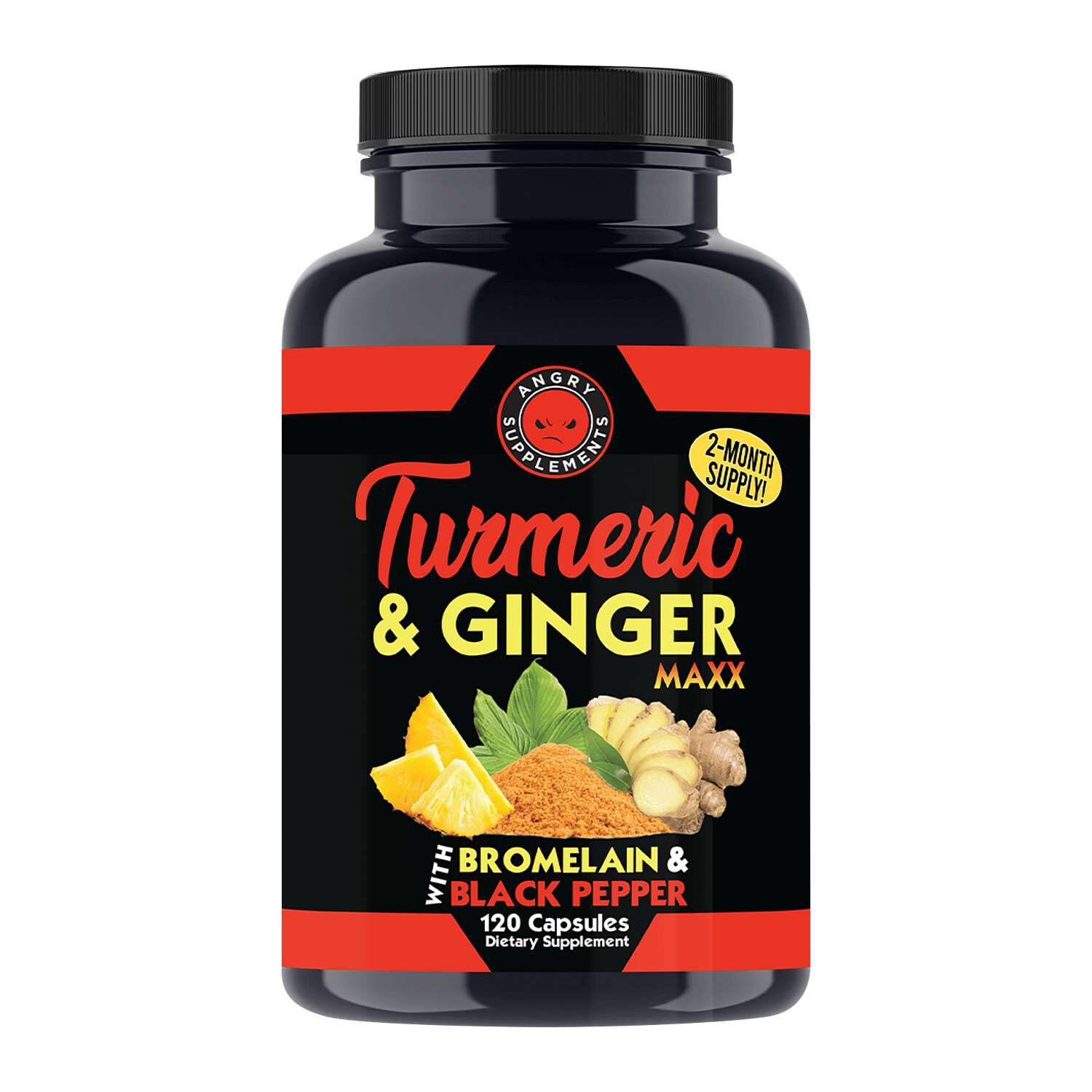 Angry Supplements1$24.99
-
 Angry Supplements$14.99
-
 Angry Supplements3$15.99
-
 3$11.99
-

-
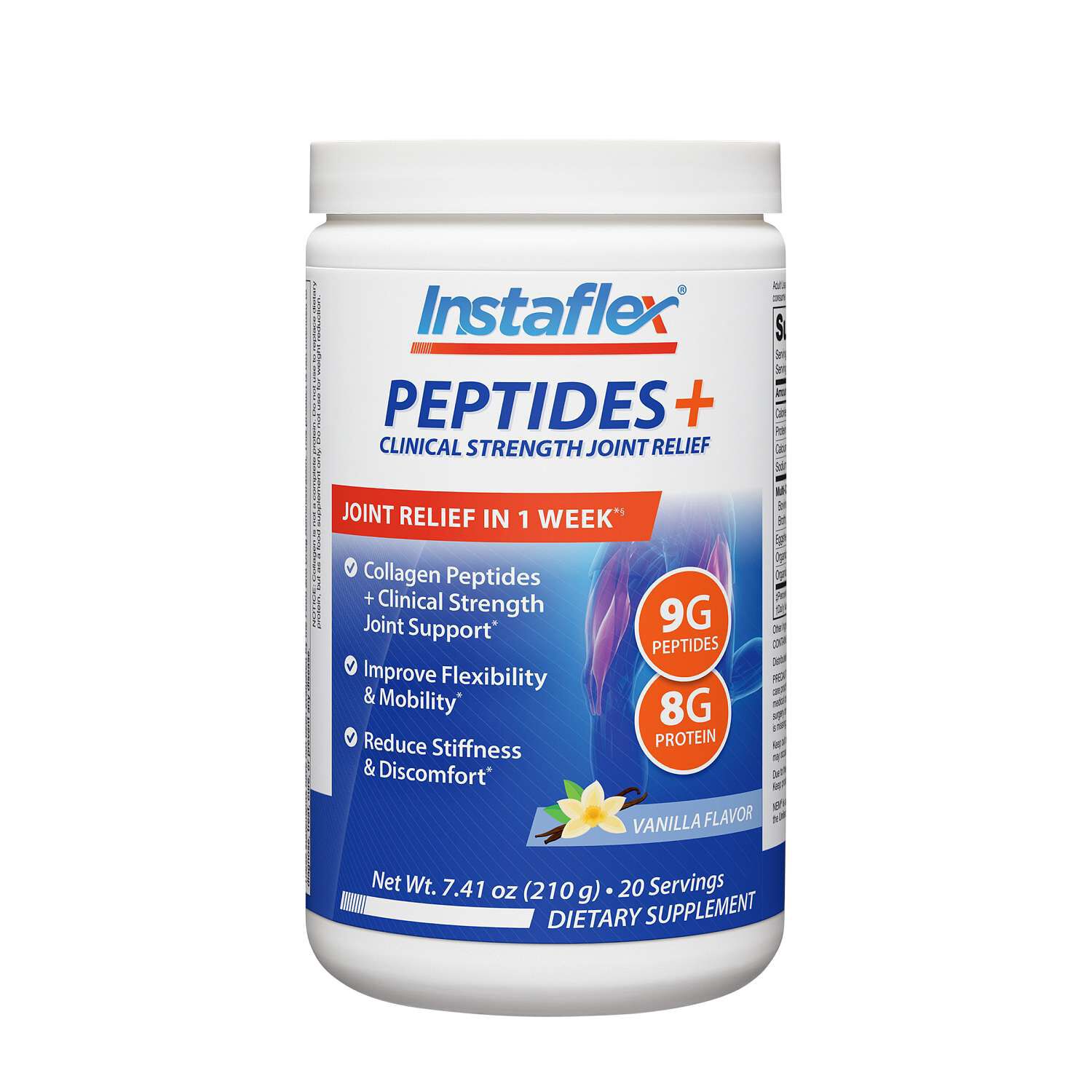
-
 185$24.99
-

-

-
 $18.99
-
-

-
 $23.99
-
 $19.99


Ginger health products include dietary supplements and other preparations made with ginger, the aromatic underground stem of Zingiber officinale. Although commonly called ginger root, this part of the plant is a rhizome, recognized for its peppery flavor and long history in foods and beverages. In supplement form, ginger may fit a wellness routine built around botanical ingredients and personal preferences. The category encompasses several approaches to preparation, from dried root that has been milled into powder to extracts made by processing the plant material to obtain selected constituents. These distinctions matter when comparing labels: ginger root powder and ginger extract describe different preparations, even when both appear in a capsule. Ginger naturally contains compounds called gingerols and shogaols, and their proportions can vary with processing. Some extract labels identify a specified gingerol content, while others describe the amount of ginger extract without naming individual compounds. Neither description, by itself, establishes how a person will experience a product. A straightforward ingredient list may appeal to someone who prefers a single botanical, while a blended formula may appeal to someone seeking several ingredients in one serving. In either case, the amount of ginger deserves attention separately from the other ingredients. A blend’s prominently displayed serving amount does not necessarily describe the amount of ginger within it. Botanical naming, the plant part used, and the preparation type offer more useful context than a large number alone. Organic certification, when present, addresses production standards rather than making root powder and extract interchangeable. Similarly, a statement about ingredient sourcing describes a different attribute from a statement about the finished formula. These details give ginger supplements a more specific identity than the broad category name suggests. They also help distinguish a simple dried-root preparation from a concentrated extract or a multi-ingredient blend without assuming that one approach is the right match for every shopper.
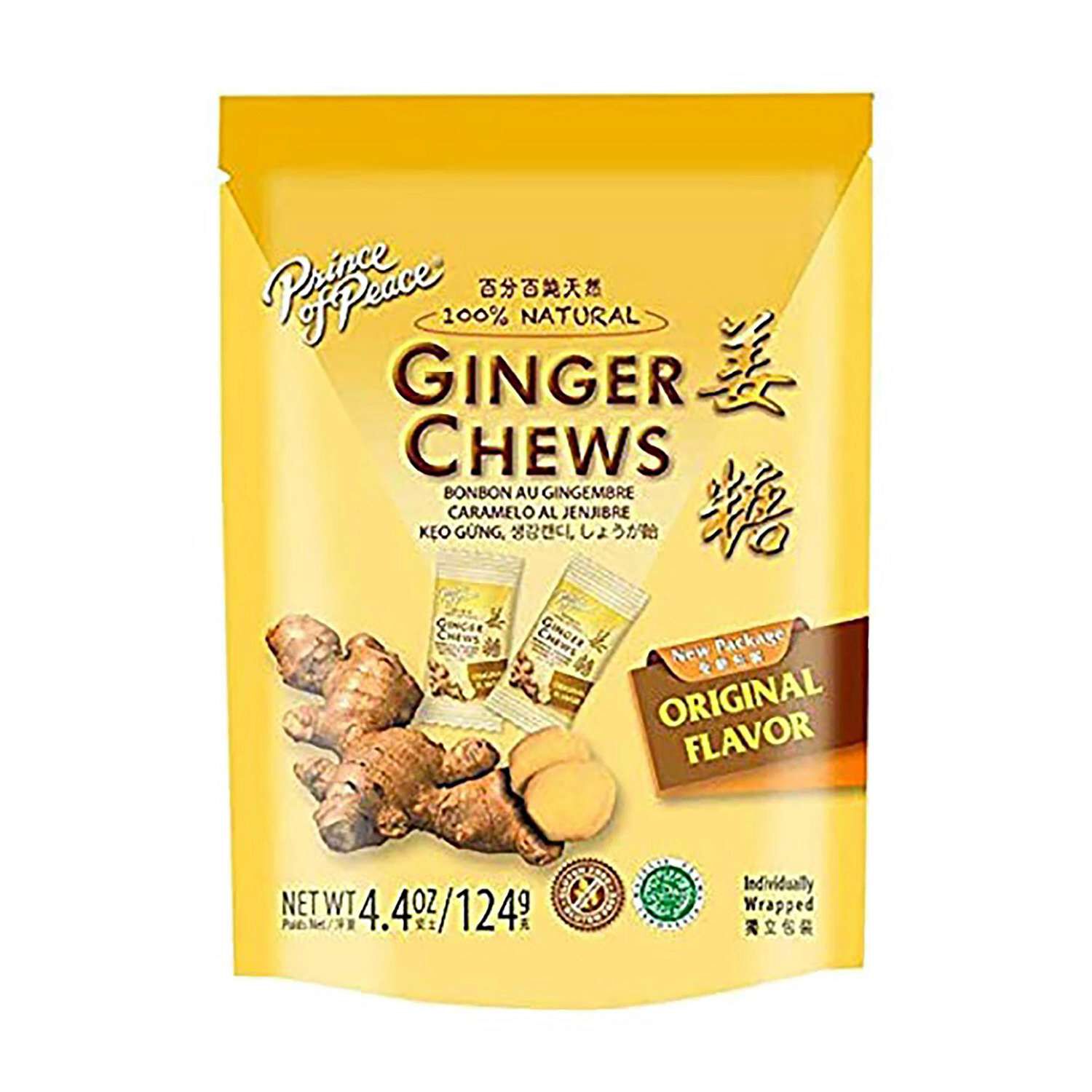
Format is another practical difference among ginger health products. Capsules contain a measured portion of powdered root or extract inside a shell, which may be made from gelatin or plant-derived materials. For someone who prefers not to taste ginger directly, an enclosed format may be more appealing than a powder or liquid, though the label remains the reference for how it is intended to be taken. Browsing Ginger Extract Digestion Support Capsules offers a more focused comparison of capsule-based extracts within the broader ginger category. Tablets have their own ingredient considerations, including binders, coatings, and the dimensions of each serving. Chewable formats and gummies bring flavor, texture, sweeteners, and serving count into the comparison; a serving may consist of more than one piece. Liquid preparations require attention to the stated volume and the measuring device described on the package. A dropper marking and a full dropper are not necessarily interchangeable measures. Powders have a different place in a routine, particularly for someone who prefers a preparation intended for mixing. Their suitability for food or beverages depends on the product’s labeled use, rather than simply on ginger’s familiarity as a cooking ingredient. Ginger teas and other beverage preparations also differ from concentrated supplements, so a cup of tea should not be treated as the equivalent of a capsule. Flavor can be an important distinction for anyone choosing a preparation that is tasted directly: ginger’s sharp, lingering character may be welcome in a beverage but less appealing in a chewable. Capsule shells, sweeteners, flavorings, and other accompanying ingredients deserve the same attention as the ginger itself when matching a formula to dietary preferences. A plant-derived capsule shell does not, on its own, establish that every ingredient in a formula is plant-based. The full ingredient list and any relevant certification provide a clearer picture than the format name alone.
The practical fit of a ginger supplement extends beyond the bottle’s front panel. Serving size, servings per container, ingredient amounts, and package directions together describe what regular use would involve. A label listing an amount per serving may refer to two capsules rather than one, a detail that matters when comparing otherwise similar-looking preparations. Extract ratios require context as well: they may describe the relationship between starting plant material and finished extract, but they are not a reason to treat every extract with the same ratio as identical. A larger milligram amount is not automatically a better match for an individual routine. For an adult who organizes supplements alongside breakfast, a clearly labeled container with straightforward serving directions may be appealing. Someone who carries supplements between home and work may place more emphasis on secure packaging and keeping the original directions with the product. These everyday details are distinct from any expected effect and can make comparisons more concrete. Storage also matters for maintaining the condition of the contents. The package directions should govern where a product is kept, with attention to moisture, light exposure, and closing the container securely after use. A steamy bathroom shelf or an open pouch beside a sink may not match the labeled storage conditions. Printed dates and intact seals provide additional context, while keeping supplements in their original containers preserves access to ingredient information, lot details, and directions. Packaging with a child-resistant closure still needs to be stored out of children’s reach. For anyone considering ginger supplements as a gift, the recipient’s expressed preferences are a better starting point than an assumption about personal wellness needs. Across formats, a thoughtful comparison centers on what the preparation contains, how clearly it is described, and whether its intended use matches an established routine. That keeps the focus on tangible differences among ginger health products rather than treating every bottle, capsule, or extract as interchangeable.