Vitamins With Magnesium
(0 Results)
Discover a wide selection of vitamins enriched with magnesium to support your overall health and wellness needs. Magnesium plays a crucial role in various bodily functions, including muscle function, energy production, and bone strength. Explore our range of magnesium-infused vitamins designed to help you maintain optimal health and vitality. Whether you're looking to boost your energy levels, support your heart health, or simply ensure you're meeting your daily magnesium requirements, we have a diverse array of options to suit your individual needs.
-
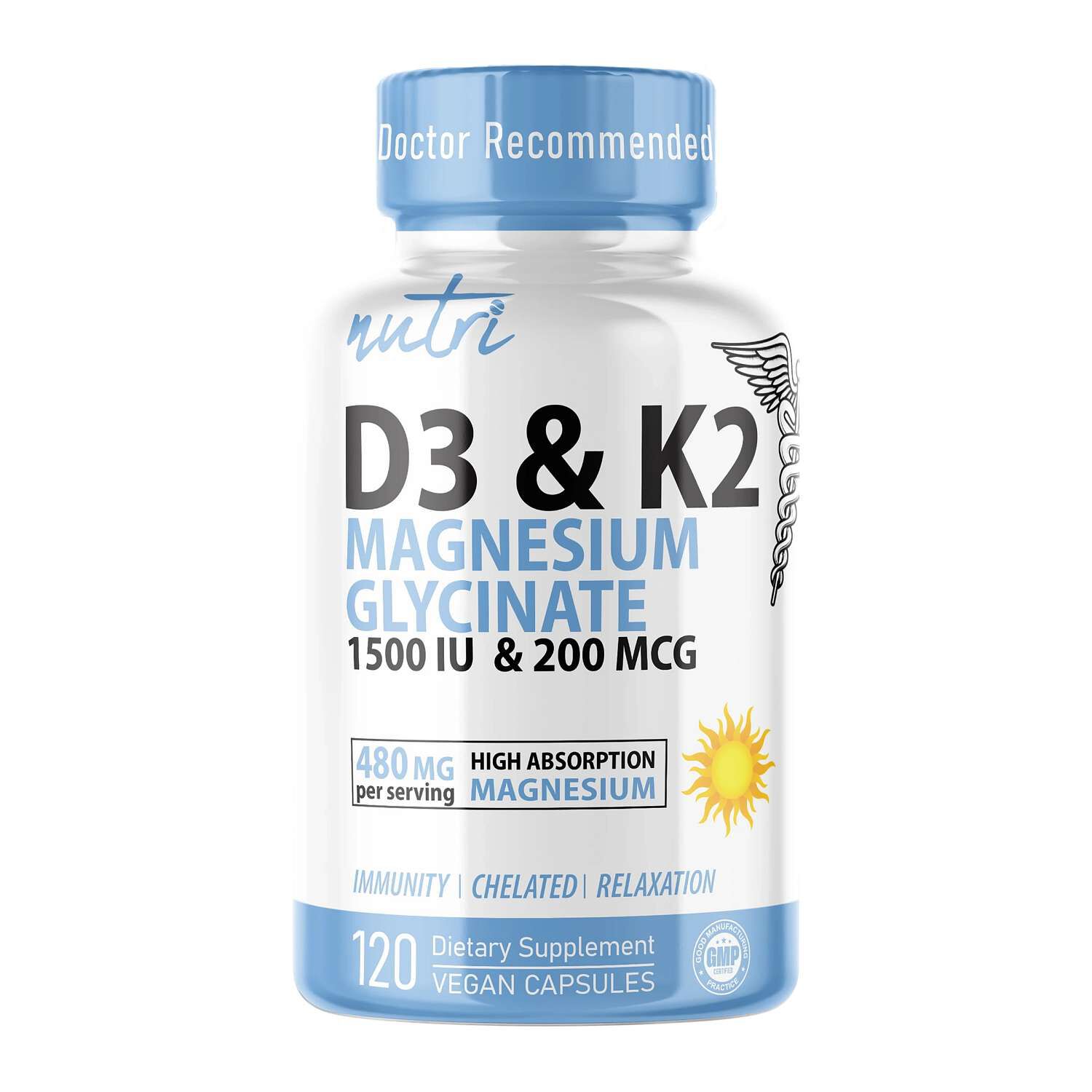 Nature's Fusions$29.99
-

-
-
-

-

-

-
 Angry Supplements$11.99
-
 $20.99
-
-
 $29.99
-

-
 Nature's Fusions$29.99
-

-
 $20.99
-
 Nature's Fusions$31.99
-
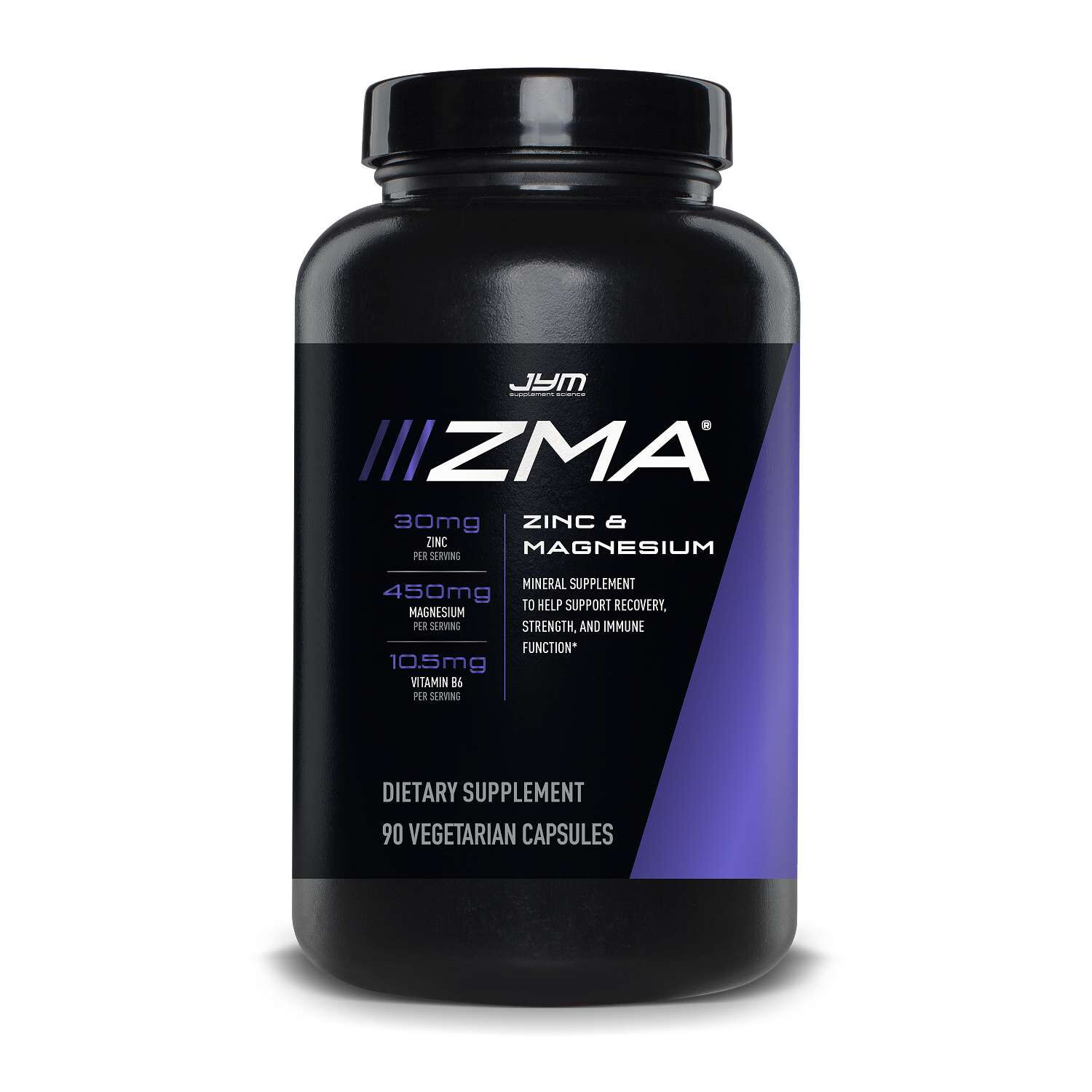


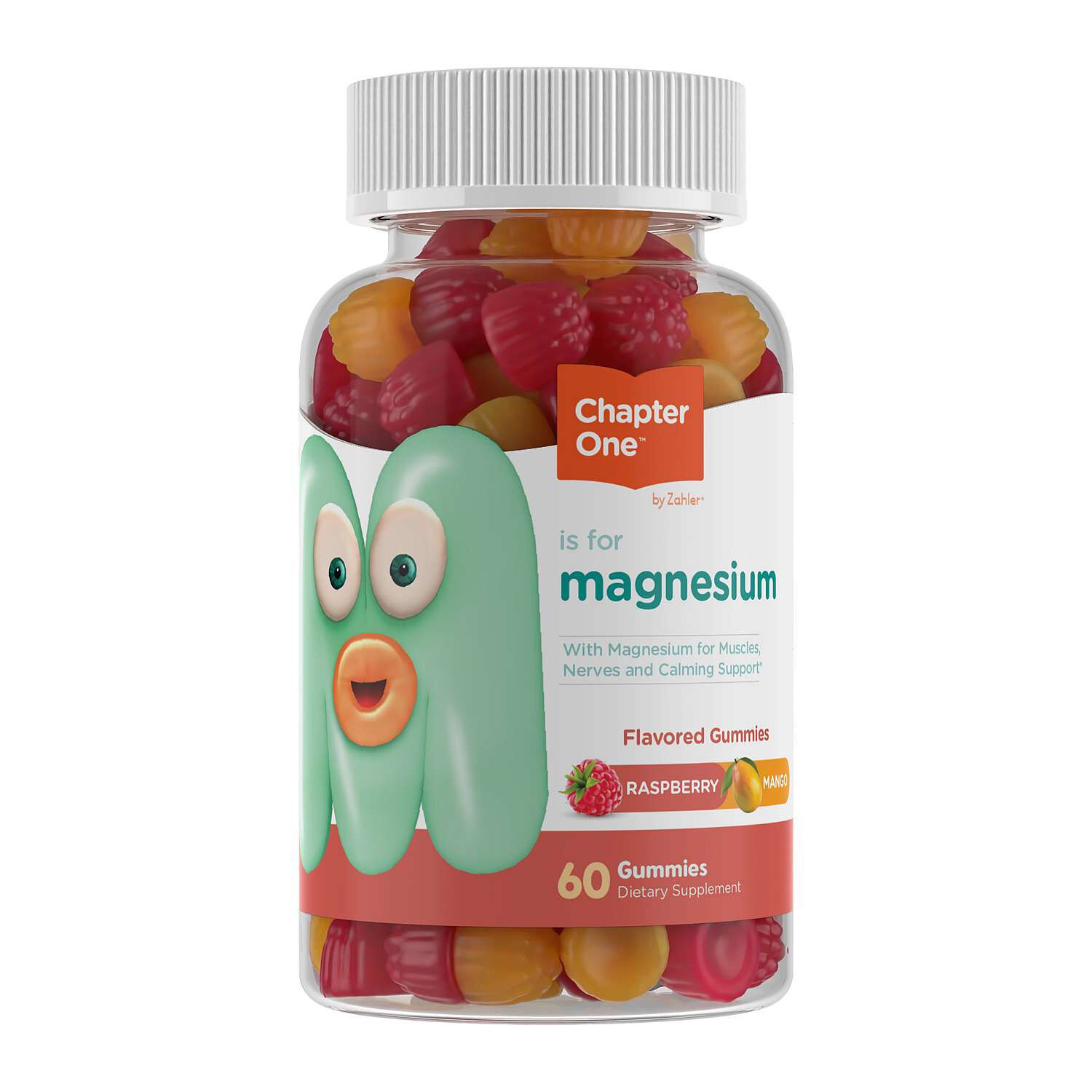
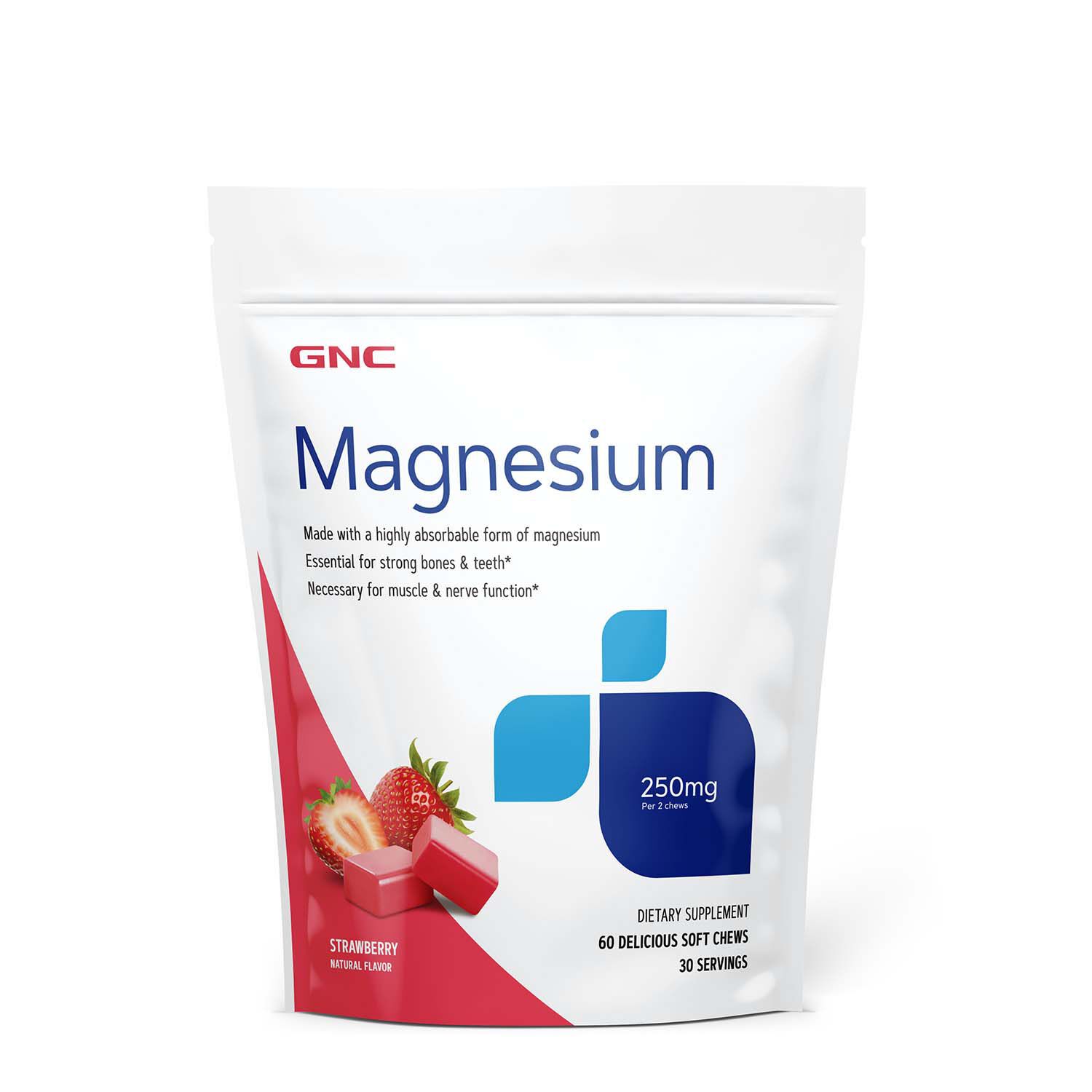


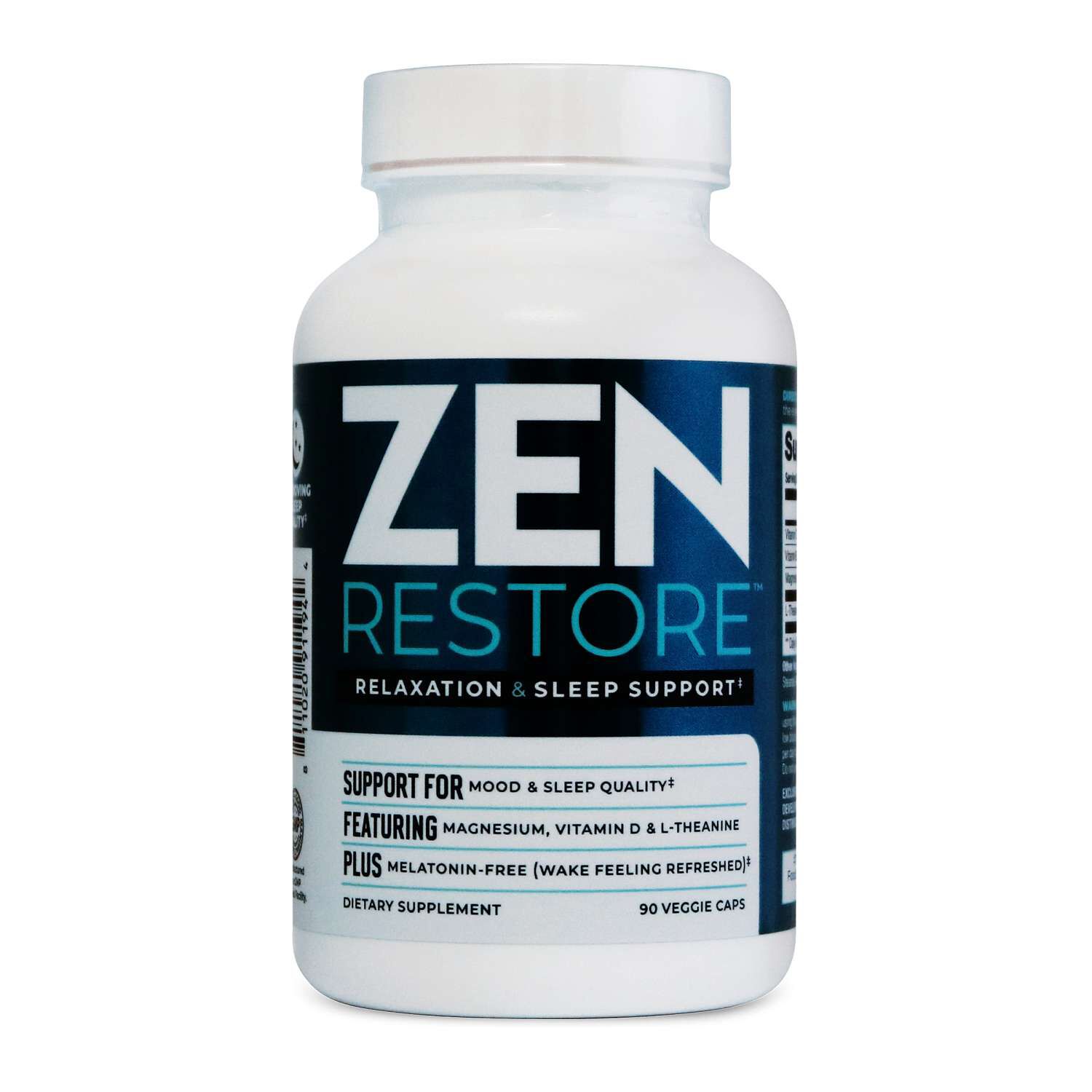
Vitamins with magnesium are dietary supplements that combine magnesium, a mineral, with one or more vitamins. The term covers both broad multivitamins and blends built around just a few nutrients. Vitamin D3, a form of vitamin D, is a common companion to magnesium, and some blends include zinc, another mineral. As part of everyday nutrition, magnesium may contribute to normal muscle function and bone health. Vitamin D may also play a role in bone health, while vitamin D and zinc may support normal immune function. A formula centered on magnesium and vitamin D has a different ingredient list from a multivitamin that also includes nutrients such as vitamin C and several B vitamins. For a closer look at that pairing, see Magnesium With Vitamin D. The name on the front of a bottle may highlight only a few ingredients, so the Supplement Facts panel gives a clearer picture of what’s included. Two formulas that look similar at first glance can differ in which nutrients they contain, the form of magnesium used, and how much magnesium is listed per serving. For someone comparing a broad multivitamin with a shorter blend, the useful distinction is which nutrients come together in each serving, not simply how many names appear on the label. Magnesium also occurs naturally in foods such as beans, pumpkin seeds, and leafy greens. The amount on a supplement label describes what’s in that formula, rather than how much magnesium a person gets from food and supplements combined.
The Supplement Facts panel makes it easier to compare formulas across tablets, capsules, gummies, and powders. The amount listed next to magnesium refers to the mineral itself, while a name such as magnesium citrate, magnesium glycinate, or magnesium oxide identifies the form used. Depending on the label, the form may appear in parentheses next to magnesium or elsewhere in the ingredient information. Serving size is worth reading alongside the amount: two labels can show the same amount of magnesium per serving even though one serving is a single tablet and the other is two gummies. The number of pieces in the bottle and the number of servings are therefore different details. From there, the format comes down to practical preferences. Someone who likes a supplement that doesn’t need mixing might compare capsules and tablets, while someone who prefers a chewable format might pay closer attention to flavor, texture, and sweeteners. Tablets and capsules can differ in shape and size, even when the nutrients on their labels look similar. For powders, the package shows whether a serving is measured with a scoop or portioned into a packet, along with any mixing directions. The ingredient list can answer questions the nutrient panel doesn’t. A capsule shell may contain gelatin or a plant-derived ingredient such as cellulose, and gummies may get their texture from gelatin or pectin. A flavored powder or gummy may list ingredients that give it its taste, color, or texture. Those details can help a shopper compare formulas based on dietary preferences or decide which format feels practical to keep on the kitchen counter. A scoop and glass may fit easily into an unhurried breakfast, for example, while a tablet or capsule may be simpler for someone who prefers not to set out anything to mix.
The best points of comparison depend in part on where a supplement would fit into an existing routine. Someone replacing a multivitamin might set the old and new labels side by side to see whether both include magnesium and whether the serving sizes match. Someone comparing a blend with products already in the cupboard might notice that vitamin D or zinc appears on more than one label, even if the names on the front emphasize different nutrients. For a household with several supplement bottles on the same shelf, the intended age group on each package is another useful detail, since a similar flavor or format doesn’t mean two formulas are meant for the same person. Packaging matters in small, practical ways, too. A bottle keeps the servings together in one container, while individually portioned powder packets avoid the need to carry a scoop. The original package keeps the ingredient list, serving information, and any printed date handy. For a powder that comes in a tub, a dry scoop and a lid that closes securely can help keep moisture out between uses. A cupboard away from the sink may be a more practical spot than a shelf that collects steam or splashes, with the storage directions on the package providing details for that particular formula. Gummies and chewables also come with their own storage directions, which are worth noting when comparing them with tablets or capsules. Whether the focus is a multivitamin with magnesium or a blend with just a few nutrients, the distinctions that matter often show up in the everyday details: what one serving contains, how it’s taken or prepared, and how the package fits into the place it will be kept.
Best Sellers
-
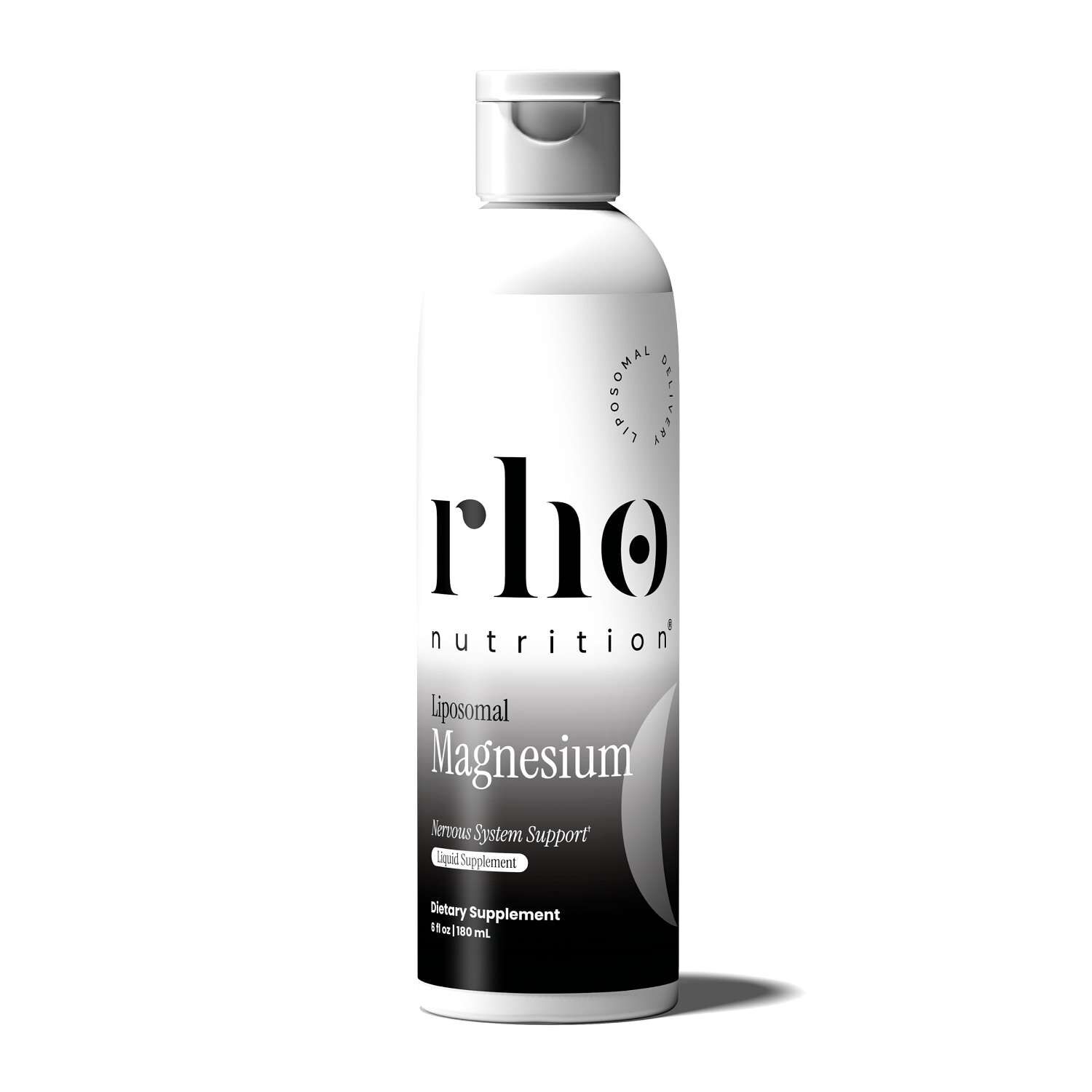 Rho Nutrition
-
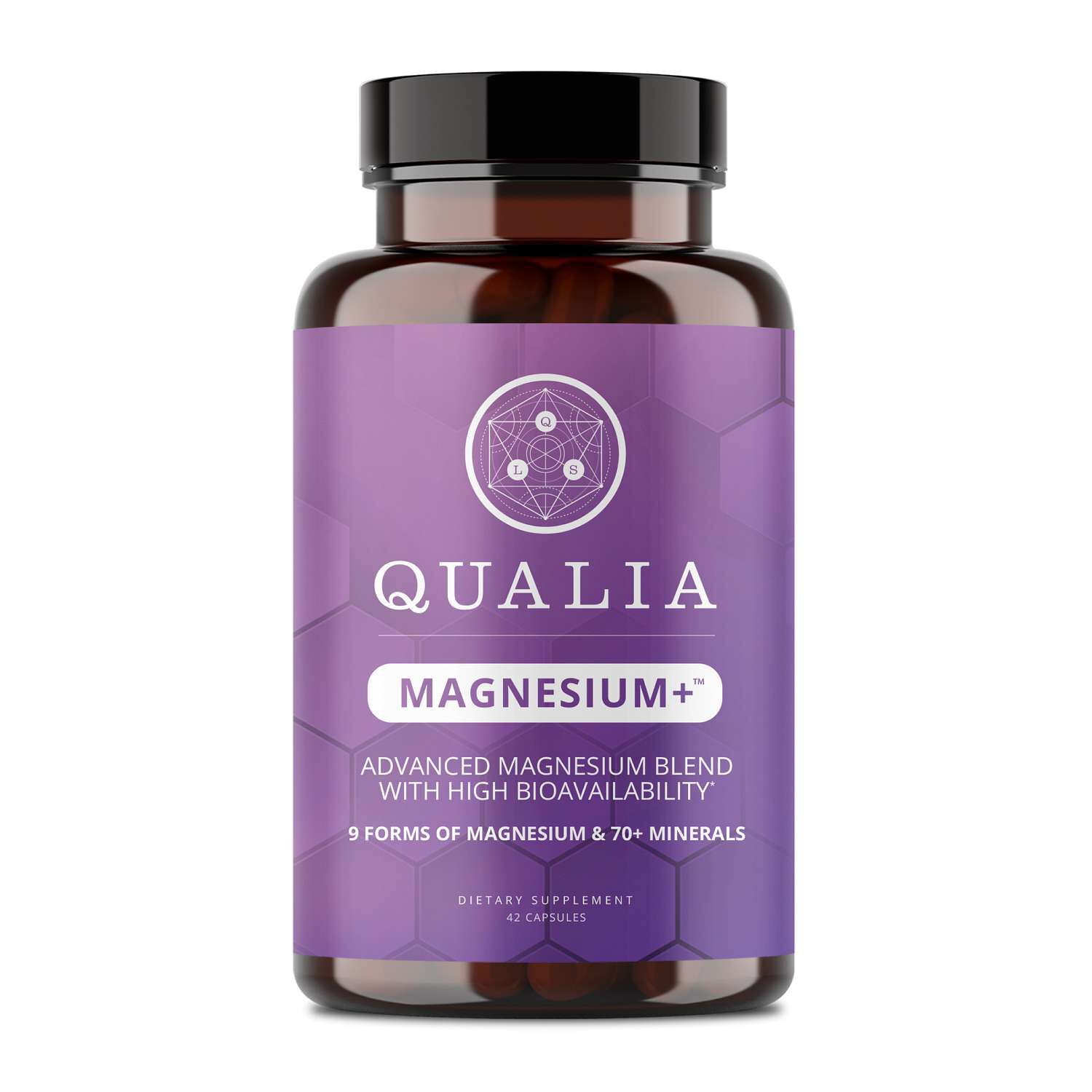
Qualia Life Sciences