Multivitamin Supplements With Magnesium
(0 Results)
Multivitamin supplements with magnesium offer a convenient way to support your daily wellness routine. Packed with a blend of essential vitamins and minerals, these formulas may help fill nutritional gaps that can occur in even the most balanced diets. Whether you’re looking to maintain overall health or seeking additional support for an active lifestyle, multivitamin supplements with magnesium could be a valuable addition to your regimen. Explore a variety of options designed to fit your unique needs and goals.
-

-
-

-
-

-
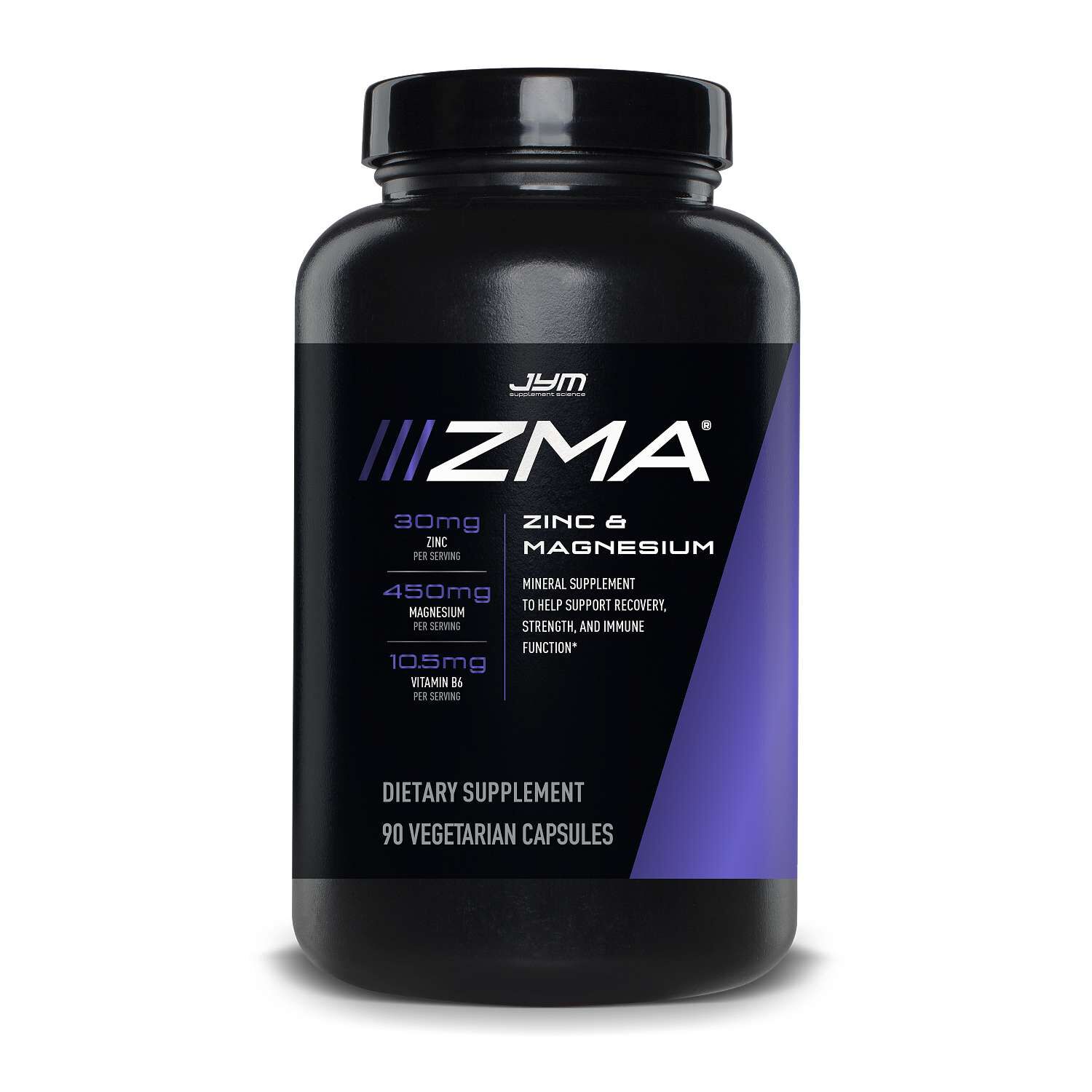
-
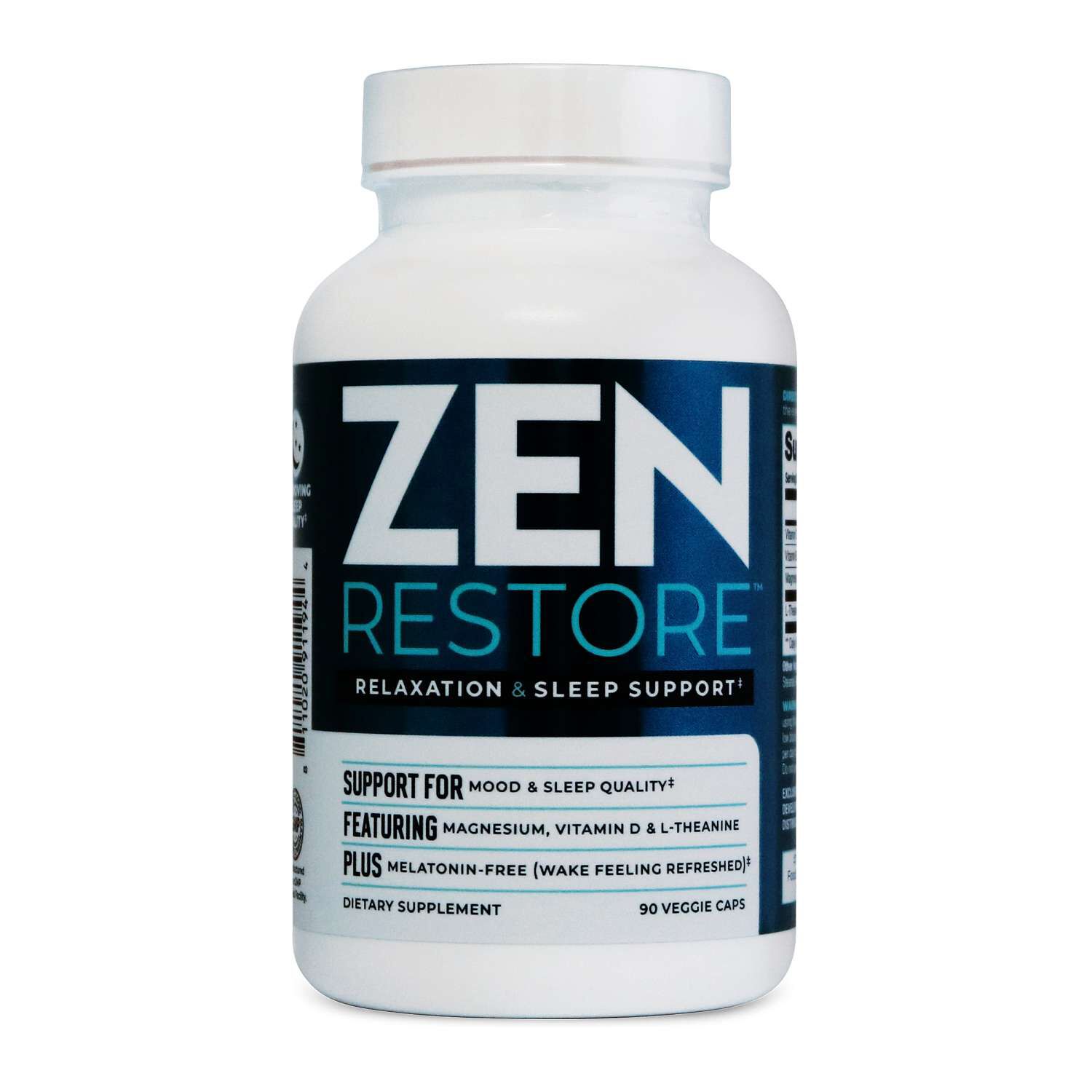 $29.99
 -

-
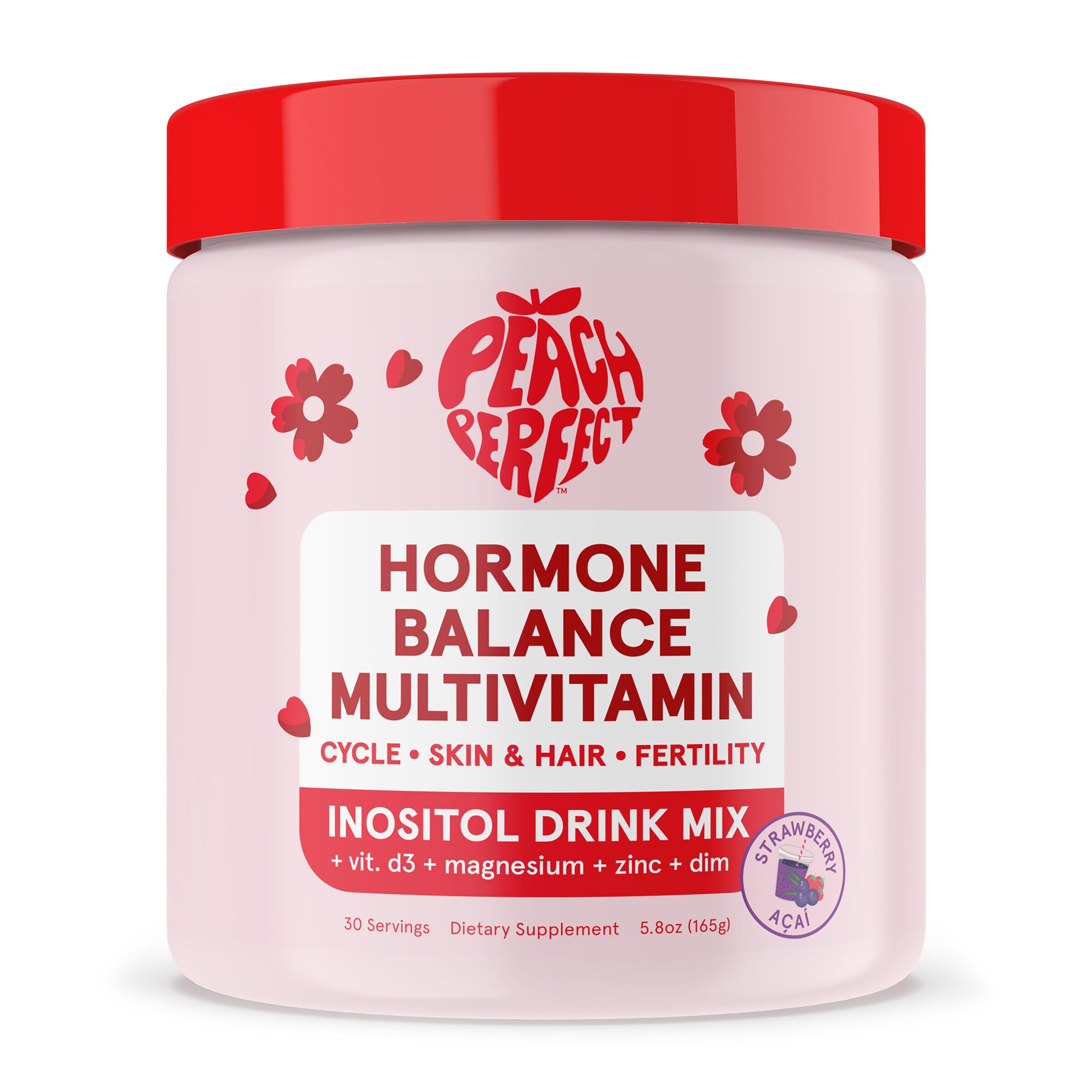
-
 _Front.jpg?sw=305&sh=305&sm=fit "Magnesium: Bioactive Magensium Citrate - 120 Capsules (120 Servings) | GNC")
-

-
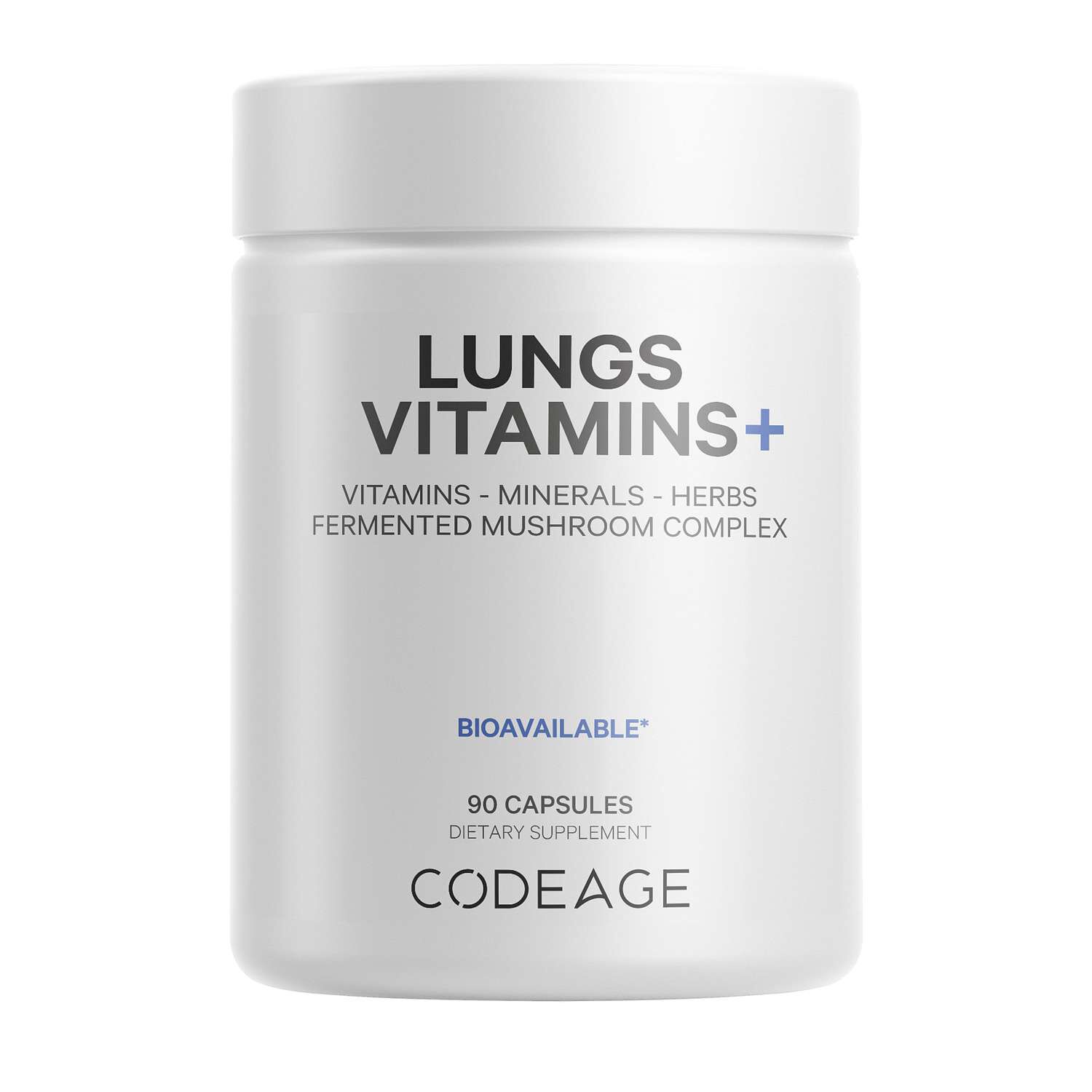
-
-

-

-

-

-
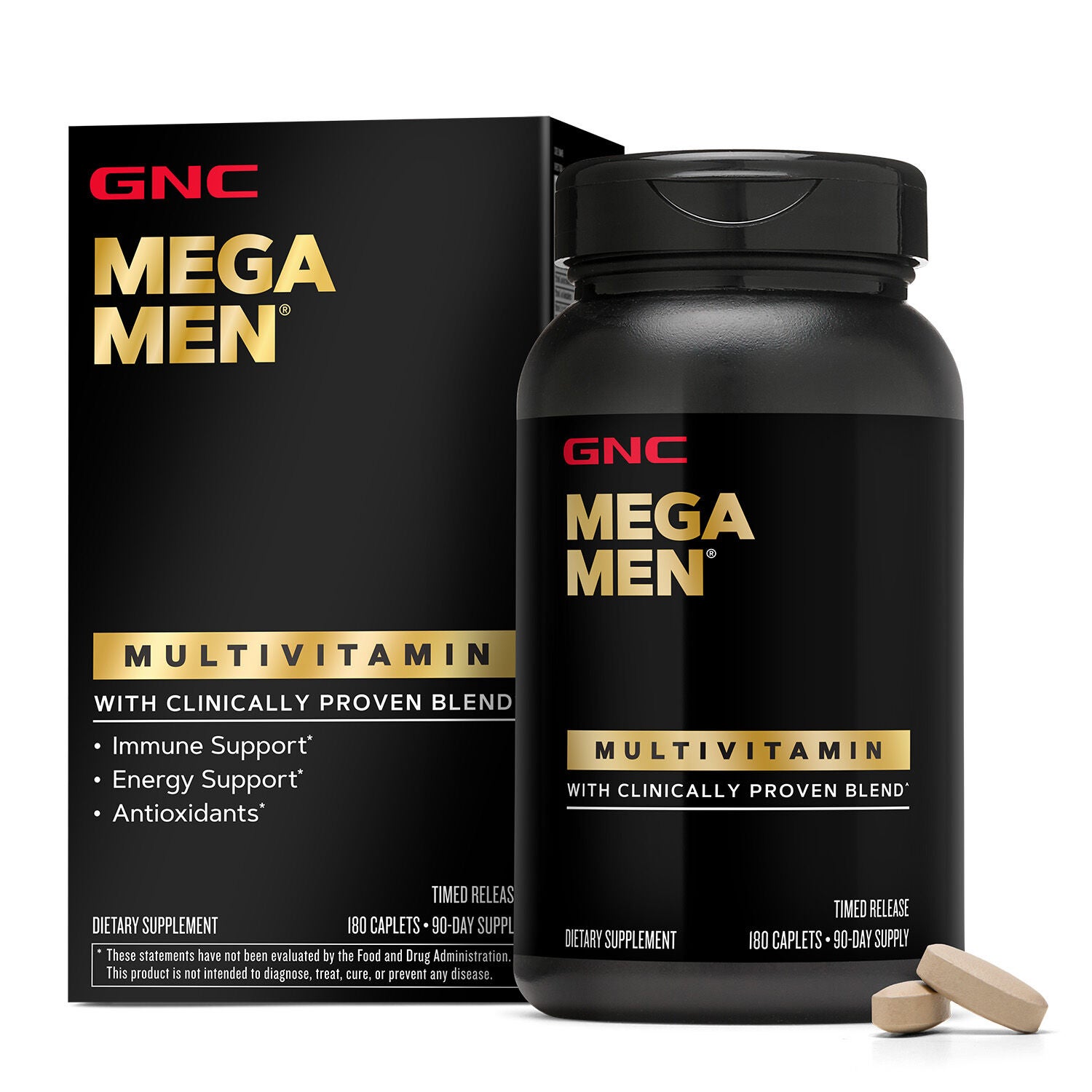

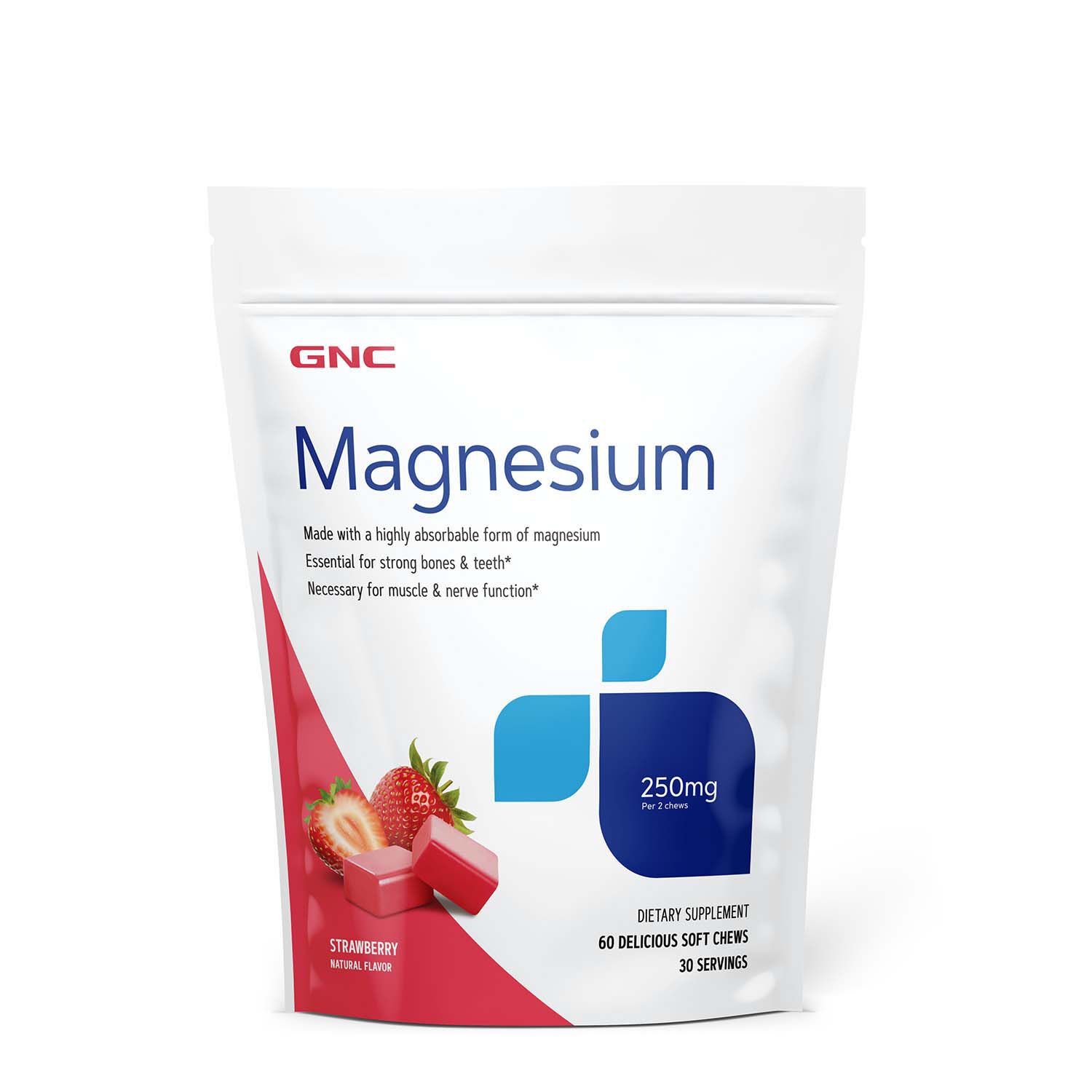


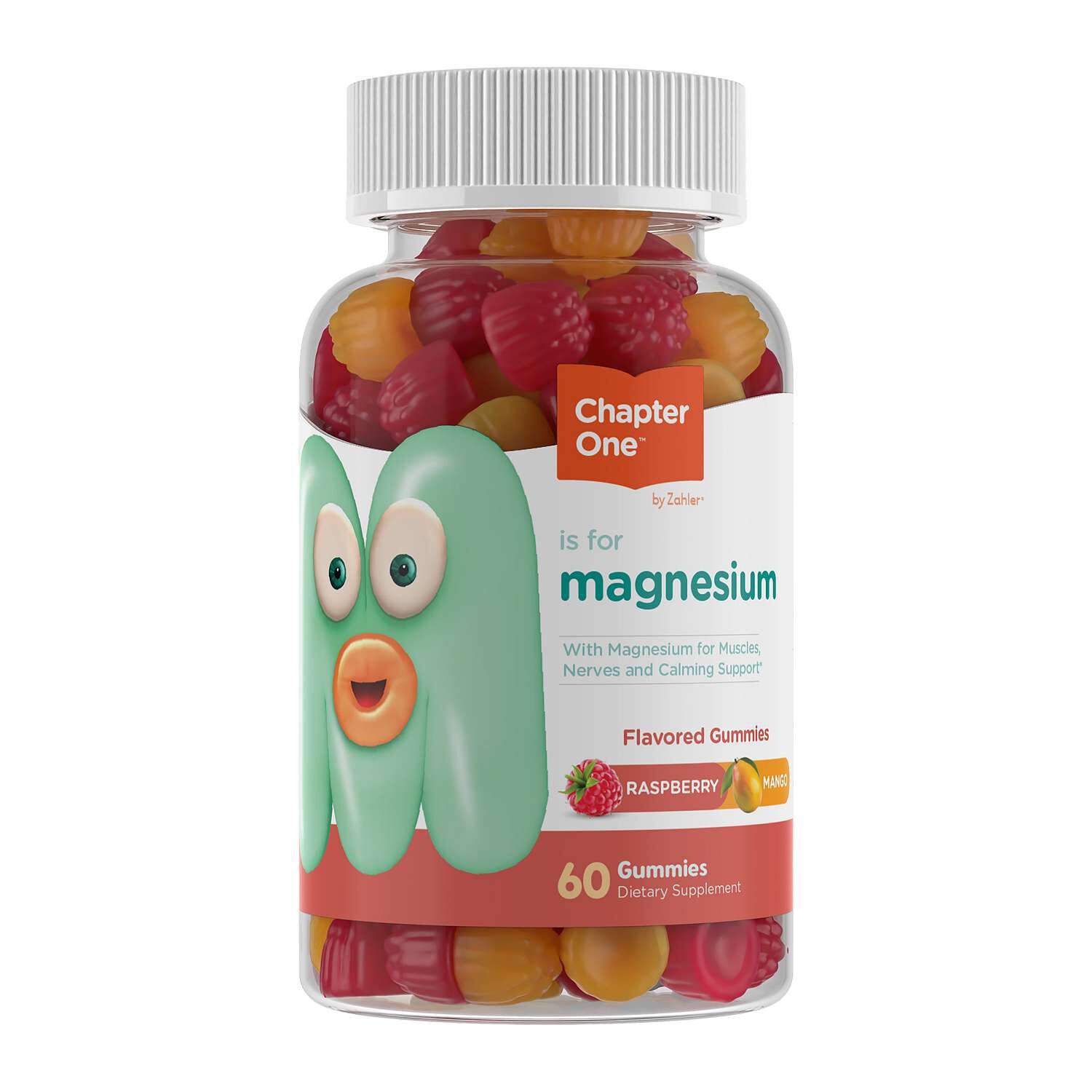

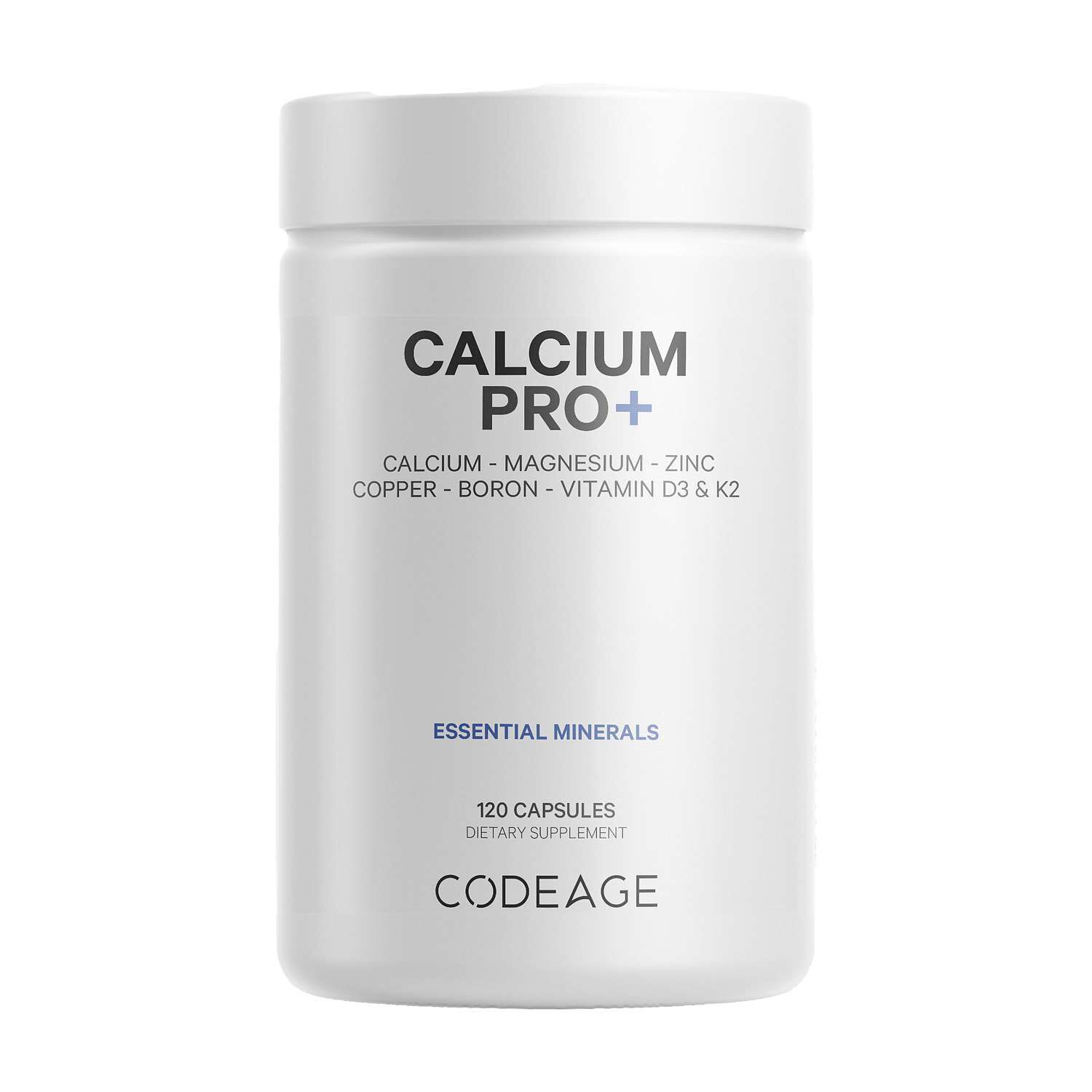
Multivitamin supplements with magnesium bring a range of vitamins and minerals together in a formula intended to complement everyday food choices. Magnesium is one part of that blend, alongside nutrients that may include vitamins A, C, D, and E, B vitamins, zinc, and other minerals. The amount of magnesium varies by formula, and its presence on the front label does not tell the whole story. A multivitamin can contain magnesium without supplying the full Daily Value in a serving. Magnesium-containing ingredients take up space within a tablet, capsule, or other format, so the finished formula must accommodate those ingredients alongside the rest of its nutrient blend. That is one reason a broad multivitamin may contain a smaller amount of magnesium than a supplement centered on that mineral. There is no single magnesium amount that defines this category; the Supplement Facts panel provides the amount for each labeled serving. It also shows the percentage of the Daily Value, giving shoppers a consistent reference for comparing formulas with different serving sizes. A once-daily tablet and a formula with a serving of several capsules are not necessarily equivalent, even when their bottle labels describe a similar nutrient mix. For adults interested in a multivitamin that includes magnesium, the distinction is less about finding the longest ingredient list and more about understanding what is actually in each serving. These products sit within a broader nutrition routine that includes foods such as beans, nuts, seeds, whole grains, and leafy greens, all of which can contribute magnesium to the diet. A supplement is not a substitute for a varied diet, and a multivitamin label describes the contents of the product rather than the nutritional picture of an entire day. That context matters whether the bottle will sit beside a breakfast bowl at home or become part of a carefully organized weekday routine.
The details of a magnesium-containing multivitamin extend beyond the mineral’s name. Labels may identify magnesium citrate, magnesium oxide, or another magnesium source, sometimes in parentheses after the nutrient listing. On a U.S. Supplement Facts panel, the stated magnesium amount refers to elemental magnesium, not the weight of the entire compound used to supply it. That distinction makes the nutrient line more useful for comparison than the weight of a magnesium-containing ingredient mentioned elsewhere on the package. A source name alone does not establish how much magnesium a serving contains or whether a formula matches a shopper’s preferences. The rest of the panel adds context, including the amounts of accompanying vitamins and minerals and whether the blend includes iron, calcium, or zinc. Multivitamins with similar names can differ considerably in those details. Format is another practical consideration. Tablets and capsules have different dimensions and textures, while chewables and gummies introduce considerations such as flavor, sweetness, and the number of pieces in a serving. A gummy format does not automatically contain the same nutrient amounts as a tablet, and a smaller tablet does not necessarily represent a one-tablet serving. For someone who prefers an unflavored option, a capsule or coated tablet might fit more naturally into an existing routine; someone who values taste and texture might be drawn to a chewable format. The other ingredients list helps describe that experience, identifying components such as capsule shells, coatings, sweeteners, colors, and flavorings. Gelatin-based and plant-derived capsule materials may matter to shoppers with particular dietary preferences, while allergen statements provide a separate set of details. Packaging can also clarify the serving count, which is not always the same as the tablet, capsule, or gummy count printed on the bottle. A container holding ninety capsules, for example, represents thirty servings when the labeled serving size is three capsules. These concrete differences help explain why two multivitamins that both feature magnesium may look, taste, and fit into daily life quite differently.
The intended audience for a formula is another useful part of its identity. Adult multivitamins may be labeled for different age groups or organized around men’s and women’s nutrition, with differences across the broader nutrient blend rather than magnesium alone. Those descriptions offer context, but the individual nutrient amounts remain the clearest account of what the formula contains. Some shoppers prefer a straightforward vitamin-and-mineral blend, while others want to compare formulas that bring particular minerals together. The related selection of Multivitamins With Zinc and Magnesium provides another way to explore that pairing within a broader multivitamin category. A product containing both minerals is still defined by its full ingredient list and labeled serving, not simply by the two names highlighted in its description. Likewise, a magnesium-only supplement or a mineral blend is a different type of product from a multivitamin, even when some ingredients overlap. For shoppers comparing several supplements, repeated nutrients across labels are an important distinction; a multivitamin may contain magnesium even when another nutrient receives more attention on the bottle. Practical fit also includes the package itself and the way it will be kept between uses. An easy-to-read label, a clearly marked expiration date, and legible directions make the bottle simpler to reference over time. Original packaging retains the ingredient information, storage instructions, and lot details that loose tablets in an organizer do not carry. A secure cap and storage consistent with the package directions are relevant considerations for maintaining the product’s condition, particularly in a shared household. Supplements belong out of children’s reach, even when their shape or flavor resembles a familiar snack. From capsule materials and serving size to magnesium content and accompanying nutrients, this category offers several meaningful points of comparison. The most informative description is the one that connects those details: what the formula contains, how the serving is measured, who it is intended for, and how its format aligns with an everyday routine.
Best Sellers
-
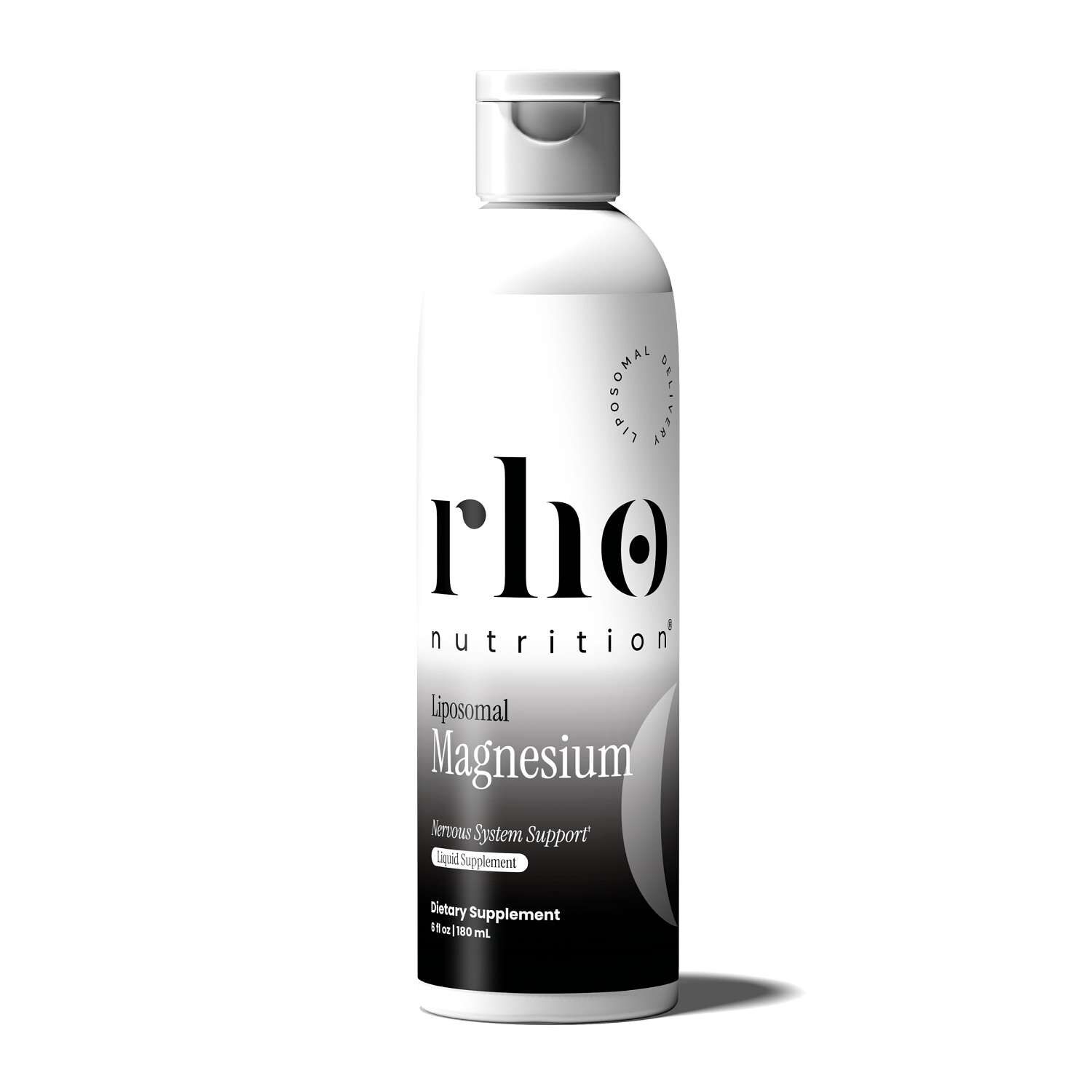 Rho Nutrition
 -
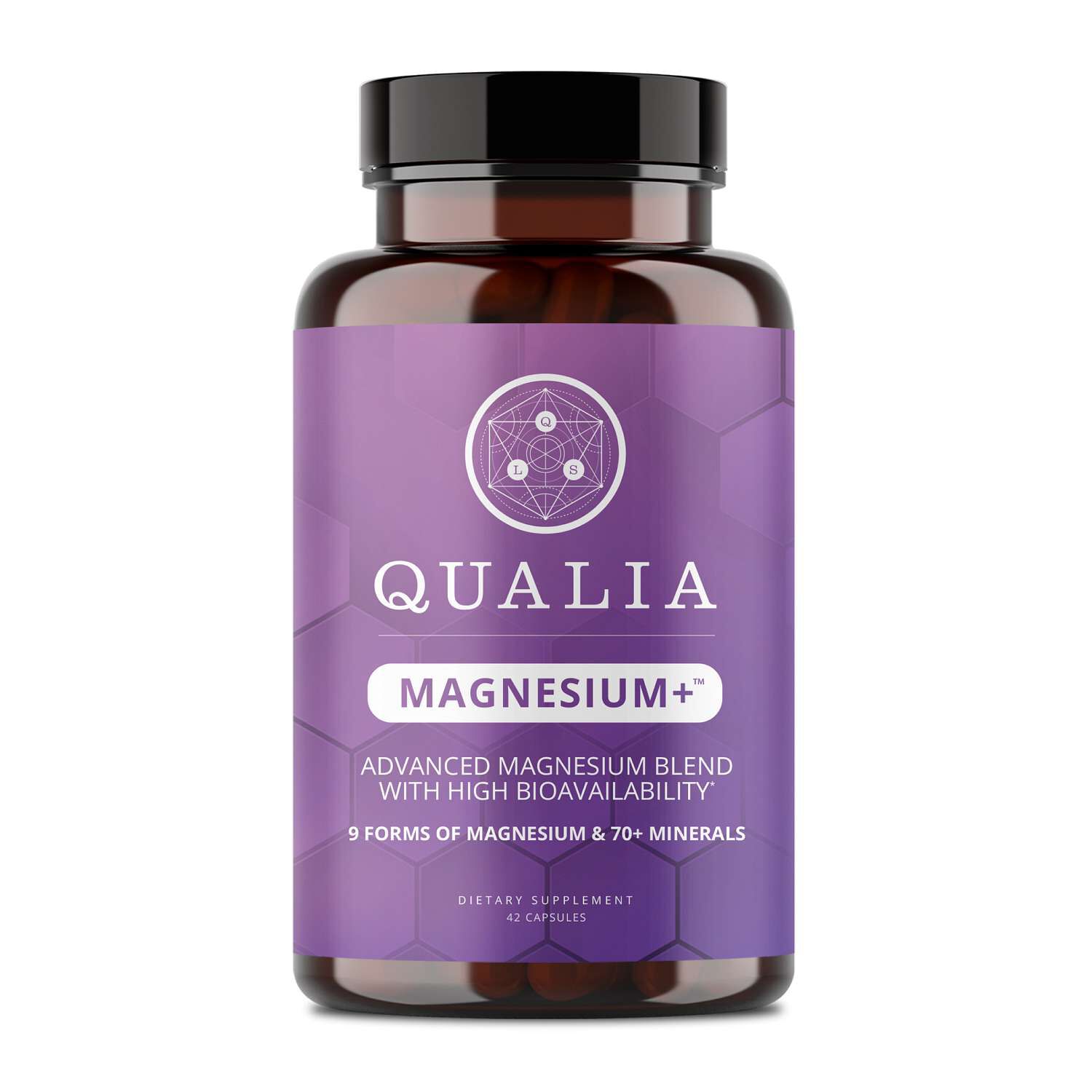 Qualia Life Sciences