Magnesium With Vitamin D
(0 Results)
Magnesium with vitamin D brings together two essential nutrients that may support your overall wellness goals. Combining these supplements could be an easy addition to your daily routine, especially for those looking to maintain a balanced lifestyle. Explore a variety of magnesium with vitamin D options that fit your preferences and help you stay on track with your nutritional needs.
-
-

-
-
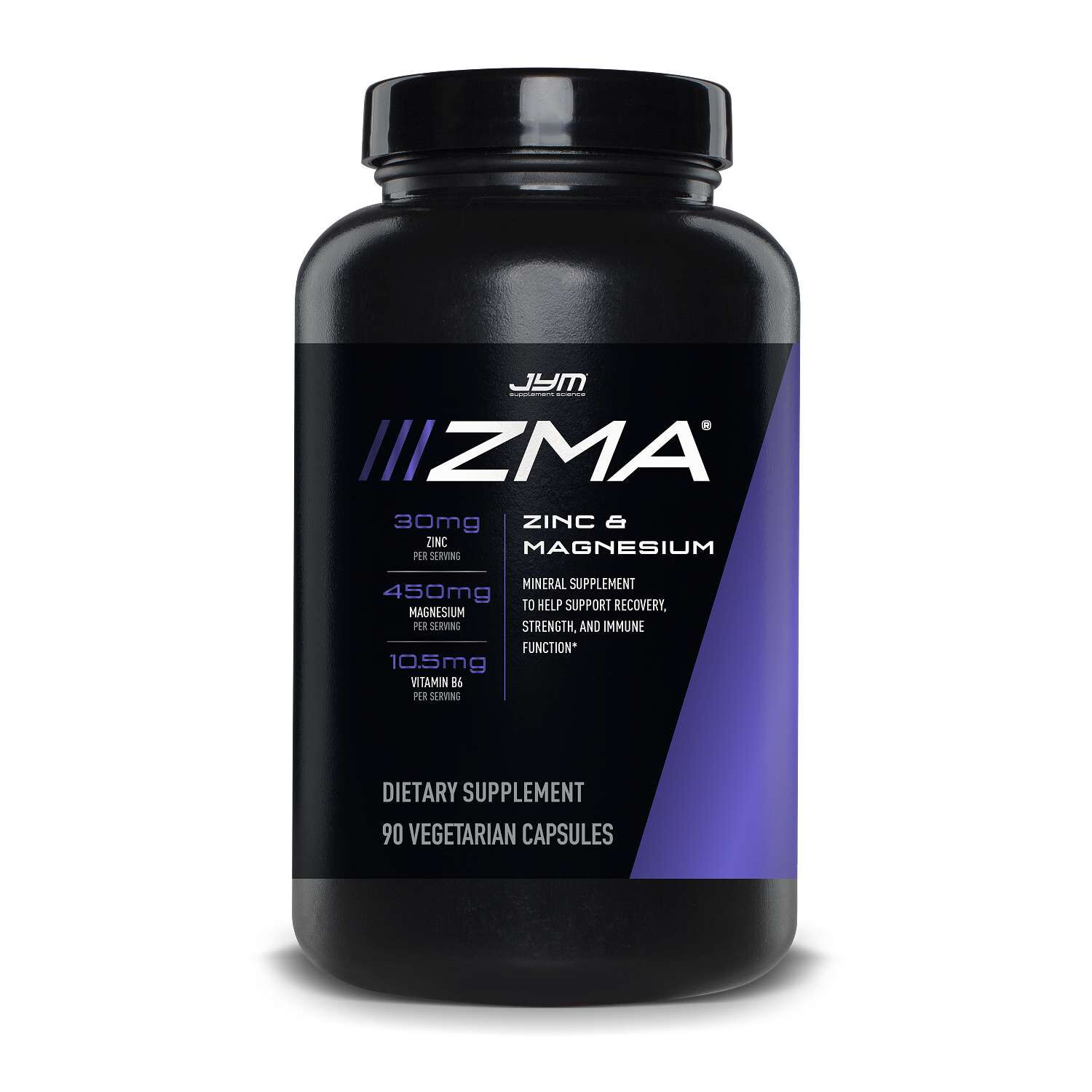
-

-

-
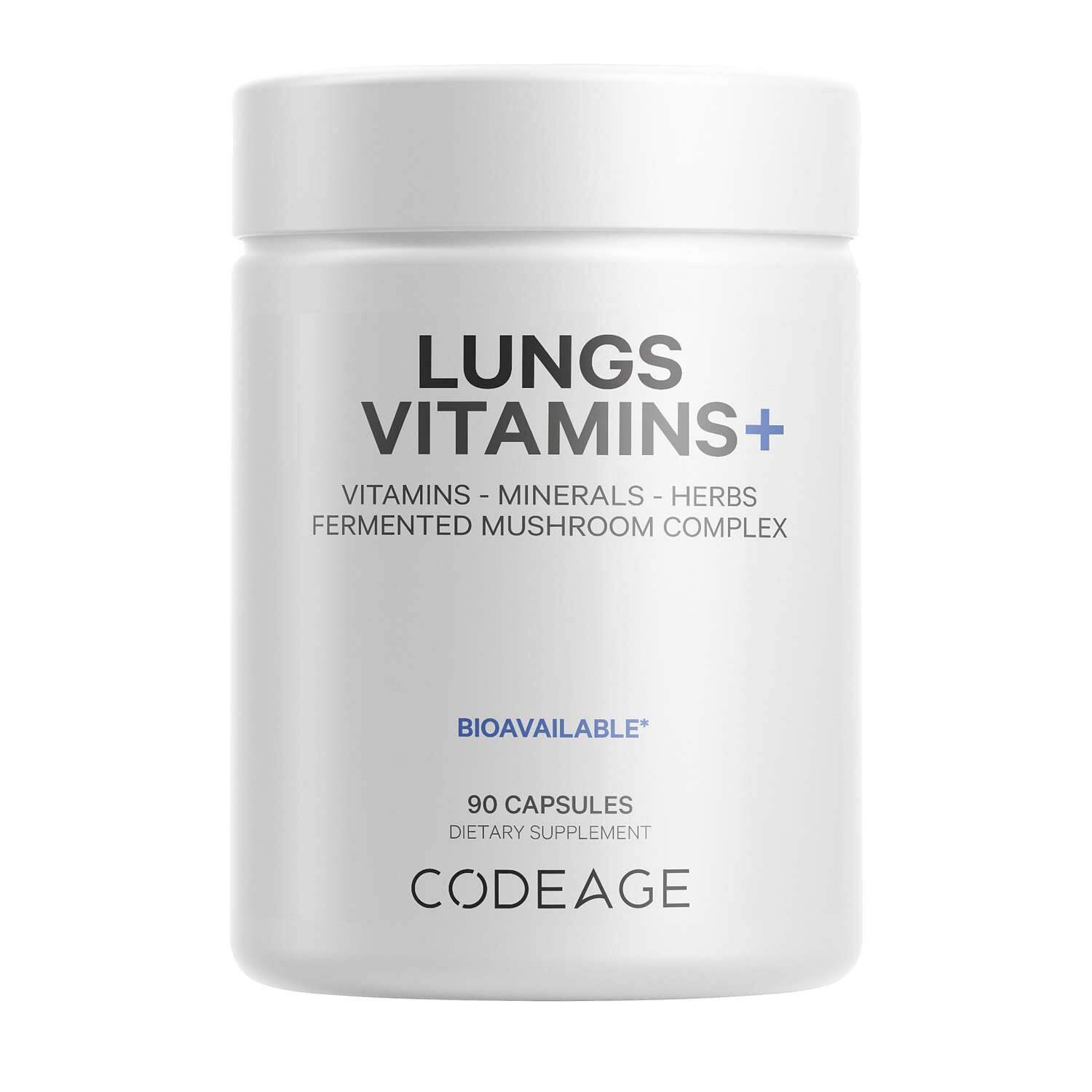
-

-
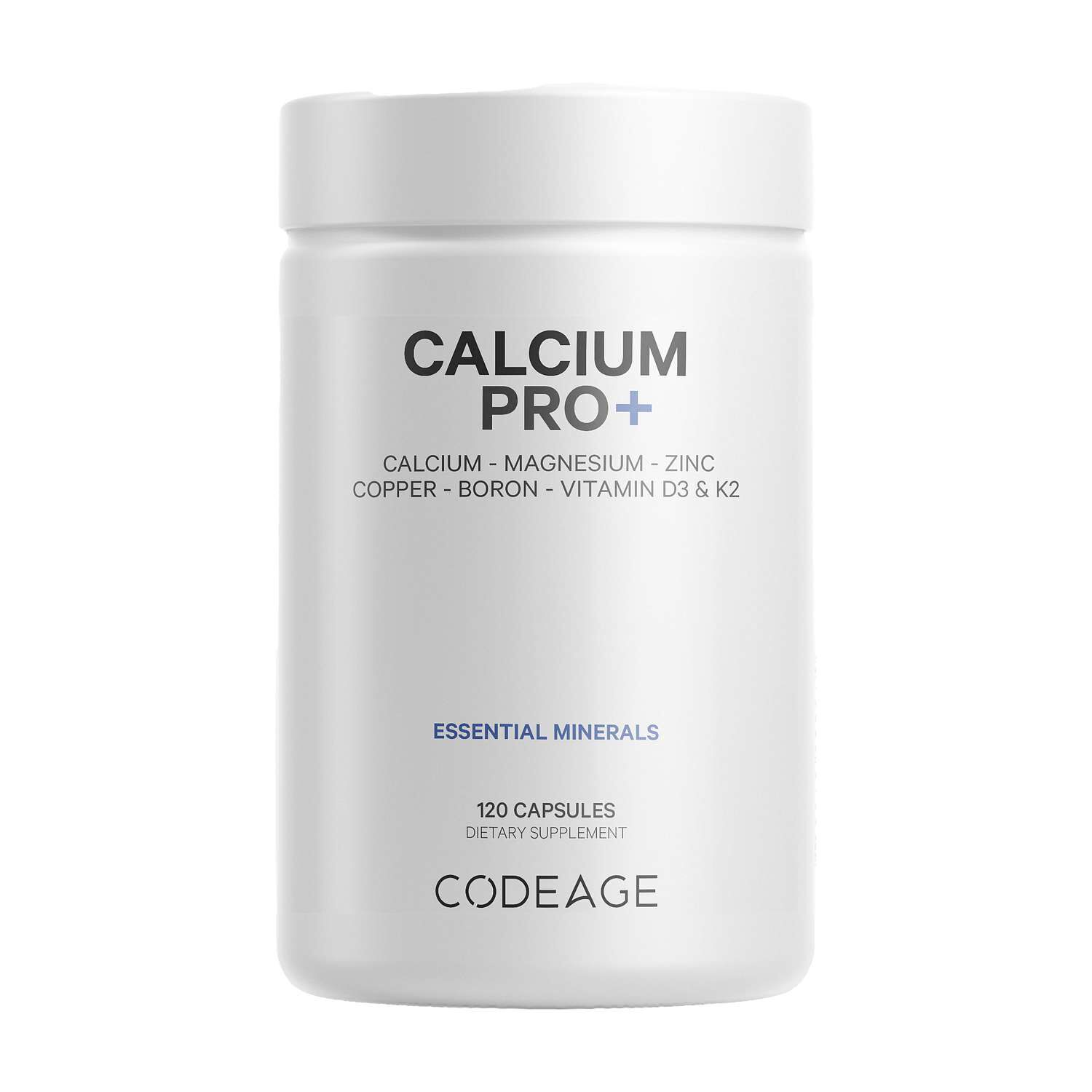
-

-

-

-
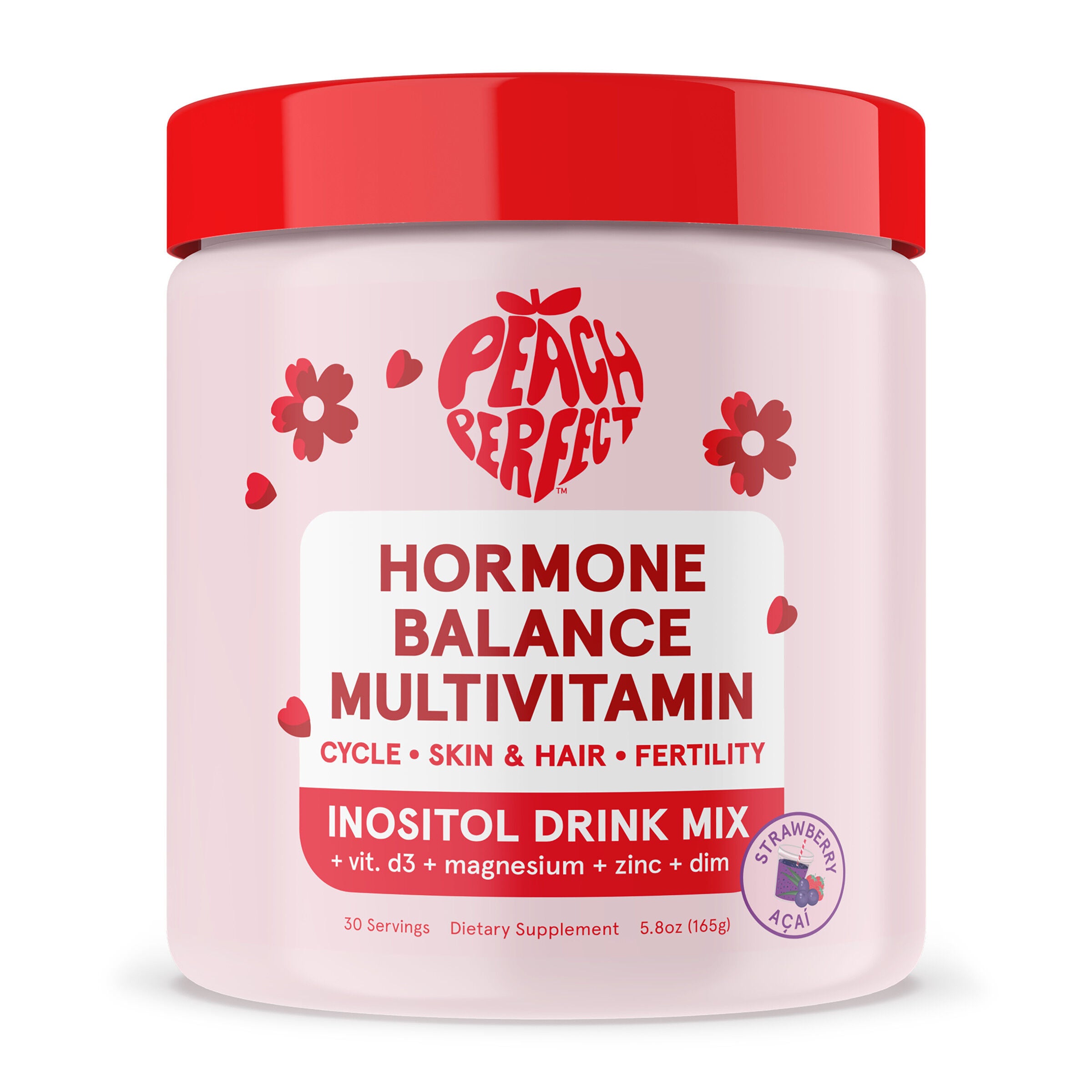
-

-

-
 $39.99
-
 $29.99
-
 Angry Supplements$11.99
-
 $20.99

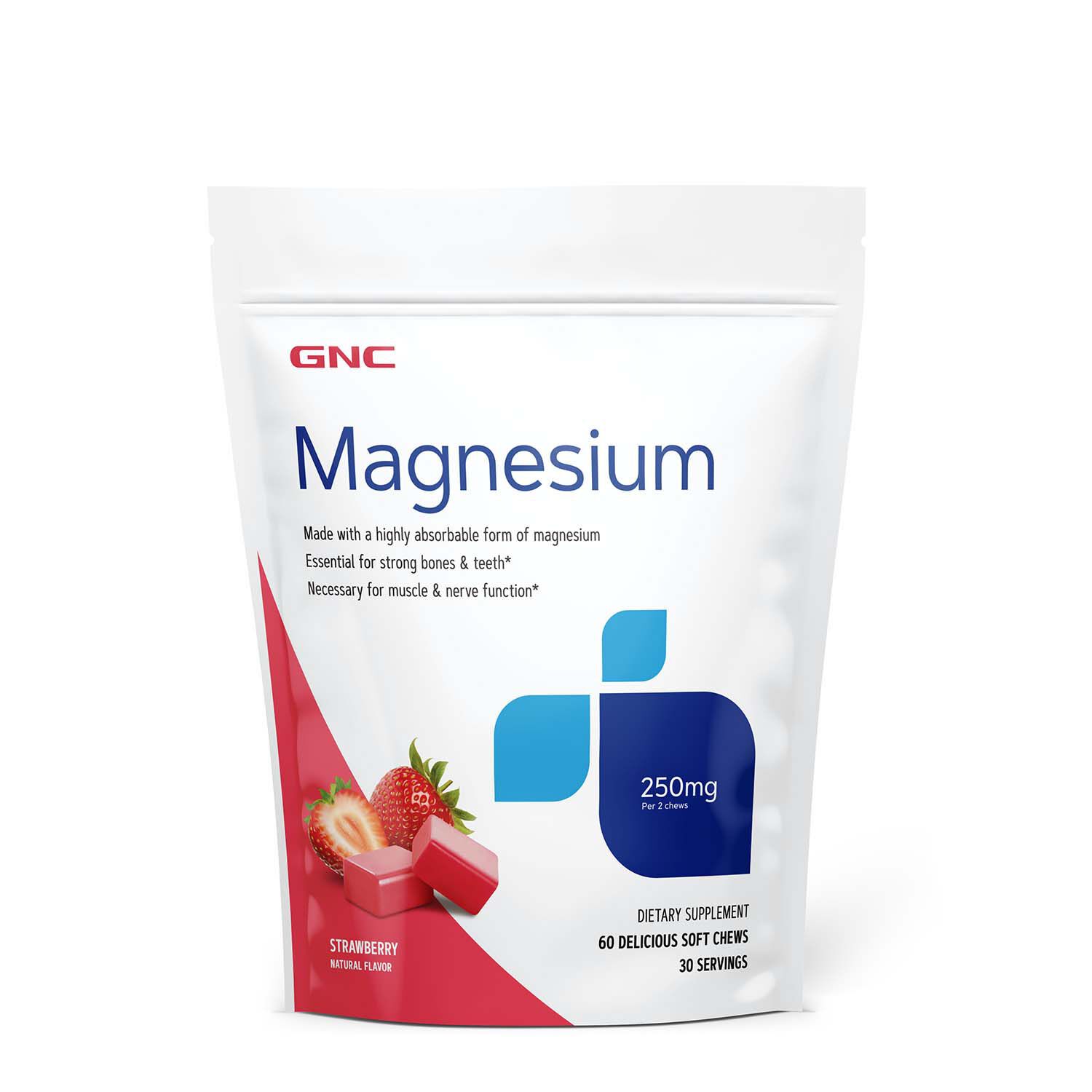


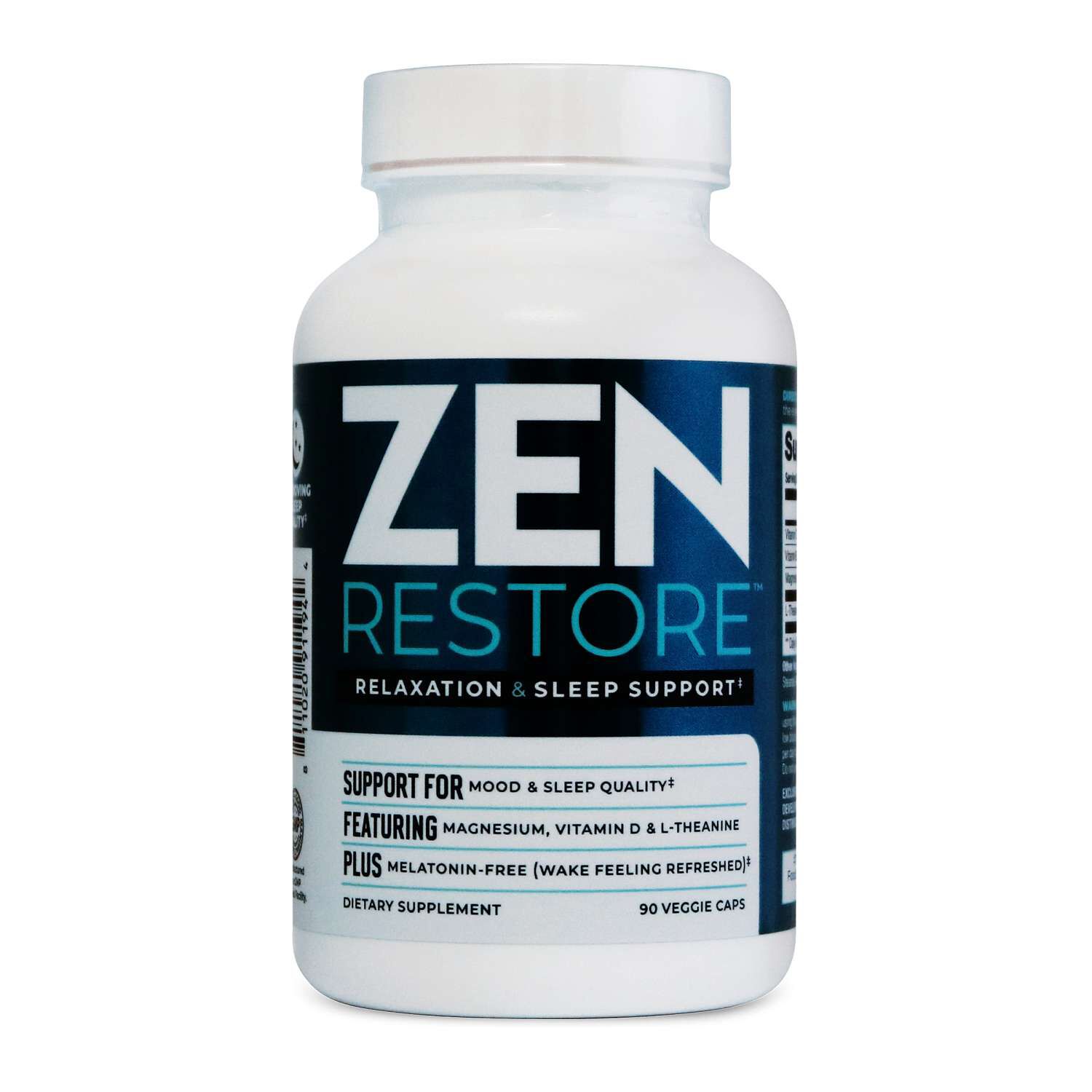
Magnesium with vitamin D brings a mineral and a vitamin into the same supplement category, with choices distinguished by nutrient forms, serving amounts, ingredients, and format. Magnesium is a mineral found in foods such as nuts, seeds, beans, and leafy greens, while dietary sources of vitamin D include fatty fish and certain fortified foods. Supplements containing these nutrients may complement everyday eating habits, but they are not substitutes for a varied diet. The pairing appears in several kinds of formulas, from products centered on these two nutrients to blends that also contain calcium, zinc, or other vitamins and minerals. That distinction matters when comparing labels: a front label highlighting magnesium and vitamin D does not necessarily describe everything inside the container. The Supplement Facts panel provides a clearer picture of each nutrient, its amount per serving, and the serving size used to calculate those amounts. A bottle with a large capsule count, for example, may contain fewer servings than its package size initially suggests if each serving consists of several capsules. Likewise, two formulas with similar names may differ considerably in the amount of magnesium or vitamin D they provide. Percent Daily Value offers another point of comparison, though it is a labeling reference rather than a personalized intake target. For someone comparing a focused mineral-and-vitamin blend with a broader formula, Vitamins With Magnesium provides a related category to explore. The most meaningful comparisons come from looking beyond the nutrient names to the details that distinguish one formula from another. A short ingredient list, a particular capsule material, or a serving that fits neatly into an established routine may matter more to an individual shopper than a prominent number on the front of the bottle. This category is therefore about both nutrient composition and the practical experience of using a supplement.
The forms of magnesium and vitamin D listed on a label add useful context to those comparisons. Magnesium citrate, magnesium glycinate, and magnesium oxide are different magnesium compounds, and a formula may use one form or a blend. On a U.S. Supplement Facts panel, the magnesium amount represents the magnesium itself, rather than the weight of the entire compound that contains it. This helps explain why wording elsewhere on a package may include a different figure associated with a named magnesium compound. Vitamin D may appear as vitamin D2, also called ergocalciferol, or vitamin D3, also called cholecalciferol. Its amount is listed in micrograms, sometimes accompanied by International Units; one microgram of vitamin D equals 40 IU. These units describe quantity, not a reason to favor the largest amount. Ingredient sourcing is another distinction for shoppers with dietary preferences. Vitamin D3 can come from sources such as lanolin or lichen, so the nutrient name alone does not establish whether a formula is suitable for a vegan preference. Capsule shells may contain gelatin or plant-derived materials, and other ingredients can include oils, flavorings, sweeteners, or substances used during manufacturing. Tablets, capsules, softgels, gummies, powders, and liquids each have different handling and serving characteristics. A capsule-based formula may appeal to someone who prefers a format without added flavor, while a flavored powder may suit someone who already uses a shaker cup as part of a daily routine. Powdered formats also introduce considerations such as scoop size, mixing instructions, and the amount of liquid specified on the label. Gummies have their own serving counts and may contain added sugars or sugar alcohols. Liquids require attention to the labeled measurement and the measuring tool supplied with the package. None of these formats is automatically the right choice for everyone. Texture, taste, ingredient preferences, and the number of pieces or scoops per serving all shape how a magnesium and vitamin D supplement might fit into everyday life.
Practical fit continues after the label comparison. For an adult who prefers a simple morning routine, a formula with straightforward serving directions may be easier to organize alongside breakfast and other daily habits. Someone who travels often may place more importance on a securely closing container, readable packaging, and a format that does not require mixing equipment. A shopper who dislikes flavored supplements may look closely at unflavored powders or capsule formats, while someone who prefers a chewable texture may compare gummy ingredients and serving sizes. These are differences in preference and convenience, not evidence that one format will produce a particular result. Package size also deserves attention: the number of servings, rather than the size of the bottle or tub, is the useful reference when comparing how long a container is designed to last under its labeled directions. Care and storage are similarly product-specific. Original packaging preserves access to the ingredient list, directions, lot information, and expiration date, while a properly closed lid helps limit exposure to moisture. Powders may have instructions concerning the scoop or closure, and liquids may have additional storage directions after opening. Those package details matter more than assumptions based on the format alone. Clear labeling is especially useful when several supplements share space in a cabinet, because magnesium and vitamin D may also appear in multivitamins and other nutrient blends. Comparing the full ingredient panels makes that overlap visible without relying on front-label wording. For shoppers with preferences concerning animal-derived ingredients, added sugars, colors, or flavors, the other-ingredients section and any relevant labeling offer additional context. Any certification should be considered according to what it actually covers, rather than treated as evidence of a particular outcome. A thoughtful comparison of magnesium with vitamin D brings these details together: the two nutrient forms, their labeled amounts, the serving format, ingredient sourcing, and package care. Together, those features offer a grounded way to distinguish formulas and identify options that may suit personal preferences and an established supplement routine.