200mg Caffeine Energy Drinks
(0 Results)
Looking to kickstart your day with a jolt of energy? Our selection of energy drinks containing a potent dose of 200mg of caffeine is just what you need. Whether you're looking for a pre-workout boost or a mid-afternoon pick-me-up, these drinks are designed to provide you with a quick and convenient way to power through your day. Browse our range of energy drinks packed with 200mg of caffeine per serving and find your perfect companion for staying alert and focused whenever you need it most.
-

-
-

-
-

-

-

-

-

-

-

-

-

-

-
 Portions Master$24.99
 -
-

-
-

-

-

-


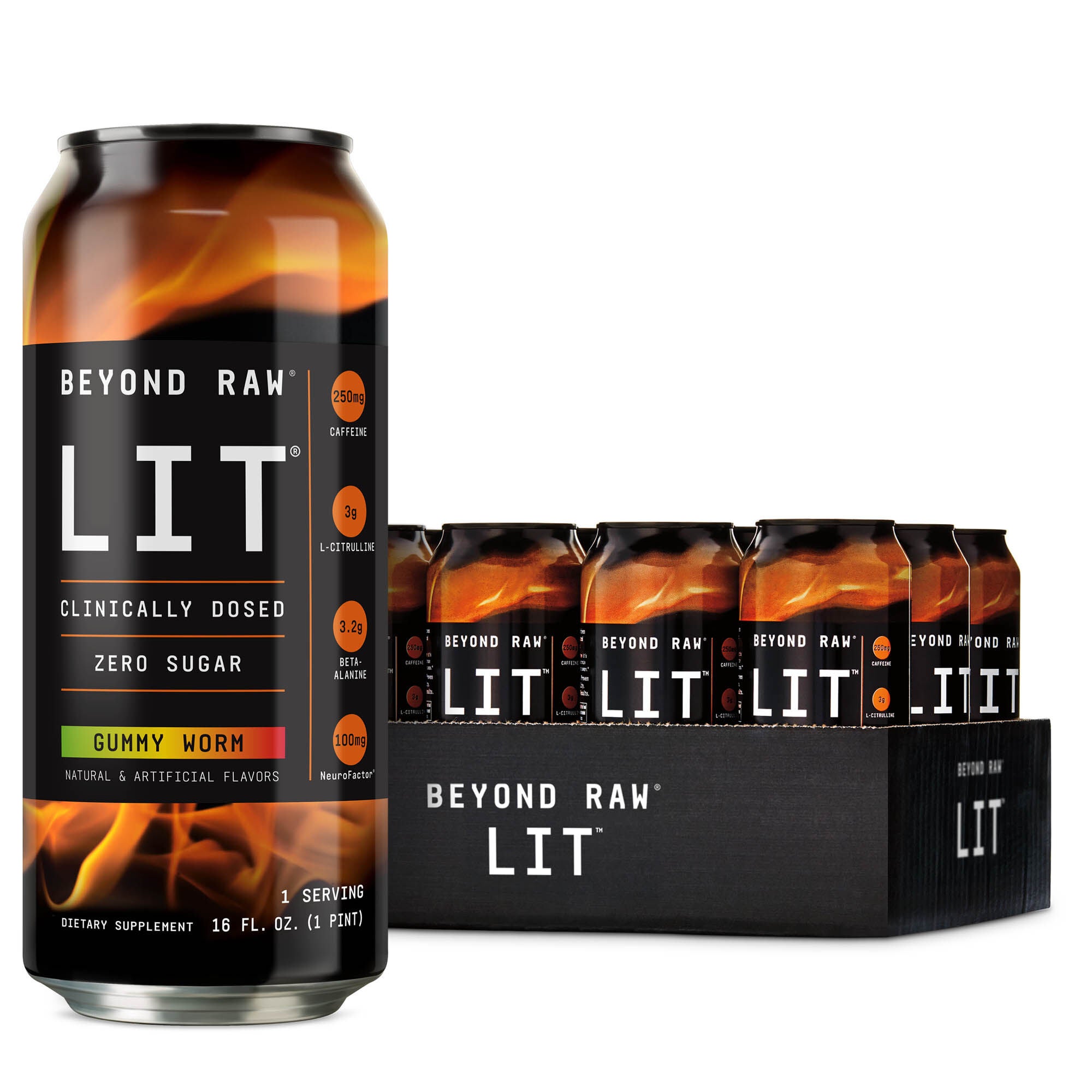
200mg caffeine energy drinks are ready-to-drink beverages labeled with 200 milligrams of caffeine per serving or container, depending on the product. That amount describes the caffeine content, not the drink’s size, sweetness, or flavor intensity. Two beverages with the same caffeine amount can offer very different drinking experiences: one might be a compact, sharply carbonated citrus drink, while another might come in a larger can with a softer berry flavor. For an accurate comparison, the serving size and servings per container matter as much as the number printed on the front. A label showing 200mg per serving means something different when the package contains more than one serving. Within this category, differences often center on flavor, carbonation, sweeteners, ingredients, and packaging rather than caffeine quantity alone. These drinks are generally intended for adults who want a packaged caffeinated beverage that requires no brewing, scooping, or mixing. Caffeine may support alertness, though individual experiences can vary, and the stated amount does not predict how a particular drink might feel. A ready-to-drink format can fit into an office refrigerator, a lunch bag, or a planned stop between daily activities. For someone who enjoys a cold beverage rather than hot coffee, the appeal may be as much about the crisp texture and fruit-forward taste as the caffeine itself. The category also spans different flavor styles, from tart lemon and lime to sweeter tropical blends and candy-inspired profiles. Those descriptions refer to taste and do not necessarily mean the beverage contains fruit juice. The ingredient list provides that distinction. When comparing 200mg caffeine drinks, the most useful starting point is the combination of the labeled caffeine amount, the actual container size, and a flavor profile that suits the occasion. A familiar caffeine number can narrow the category, but the details on the package help distinguish one beverage style from another.
Flavor and mouthfeel are especially important in a beverage meant to be enjoyed straight from its container. Carbonation can give citrus flavors a brisk, sparkling finish, while a noncarbonated format offers a smoother sip without the bubbles. Sweetness varies independently of sugar content, so a drink with little or no sugar can still taste distinctly sweet. Some formulas use sugar, some use other sweeteners, and some combine different sweetening ingredients. The nutrition panel shows sugar and calorie amounts, while the ingredient list identifies the sweeteners used. Someone who prefers a dry, tart finish may enjoy a different flavor style than someone looking for a rounder, dessert-like taste, even when both drinks carry the same 200mg caffeine statement. Can size changes the experience as well. A smaller container offers less liquid to finish, while a larger container stretches the beverage across more sips without necessarily changing its stated caffeine amount. Comparing fluid ounces alongside serving information makes that difference clearer. Caffeine sources may also vary, with labels identifying ingredients such as caffeine, coffee extracts, or tea extracts. A plant-derived source does not, by itself, establish a lower caffeine amount; the labeled milligrams remain the relevant measurement. Other formulas may include B vitamins, amino acids, or minerals, but their presence does not make every energy drink nutritionally equivalent. Specific ingredients and quantities depend on the formula, and ingredient names alone do not establish a particular benefit. For shoppers with dietary preferences, clear package statements are more informative than flavor names or colorful graphics. Juice content, sweetener choice, and other formula details can all influence which drink fits those preferences. Even the finish matters: a lingering sweetness, pronounced tartness, or strong carbonation can shape whether a beverage suits a quick lunch break or a slower afternoon sip. These everyday sensory details give the category variety beyond the caffeine number on the label.
Packaging and intended use bring another set of practical differences to 200mg caffeine energy drinks. A slim can may fit a narrow cup holder more easily, while a wider container may take up more room in a packed lunch bag. A pull-tab can is convenient to open but cannot be closed again, which matters when moving between a desk, a car, and a shared workspace. Where a resealable package is offered, the closure provides a different kind of portability. Container dimensions and closure style are worth considering alongside fluid ounces, particularly for anyone carrying the drink rather than keeping it in one place. Package condition, storage directions, and date markings also deserve attention. Cans and bottles are designed for everyday handling, but their seams, closures, and surfaces are not intended for rough treatment. Following the package’s storage directions helps preserve the beverage’s intended quality; serving it chilled, when recommended, may make its flavor and carbonation more enjoyable. Once opened, a carbonated drink gradually loses its fizz, so the first sip and the last may have different textures. Intended use also separates this category from other caffeinated formats. A ready-to-drink energy beverage needs no shaker or measuring scoop, whereas workout powders involve preparation and their own serving instructions. Shoppers comparing formats can also explore 400mg Caffeine Pre Workout Supplements, a separate category with a different stated caffeine amount and product format. The two categories are not interchangeable serving for serving, and each package has its own directions and cautions. Coffee, tea, energy beverages, and some supplements can all contribute caffeine to a daily routine, making clear serving information useful across categories. For an adult choosing a beverage for personal use, the best fit comes down to more than the largest number or the boldest can design. Readable labeling, a preferred flavor, a comfortable container size, and suitable ingredients create a more meaningful comparison. Together, those details help distinguish a crisp, portable drink for a busy day from a larger beverage meant to be enjoyed at a more leisurely pace.