Agmatine And Nitrosigine Supplements
(0 Results)
Agmatine and nitrosigine supplements have become popular additions to many fitness and wellness routines. Whether you’re looking to support your training goals or enhance your supplement stack, these options may offer a versatile way to complement an active lifestyle. Explore a variety of agmatine and nitrosigine supplements that could fit seamlessly into your daily regimen.
-
-
-
 Axe & Sledge Supplements$49.99
 -

-

-
-
-
-

-

-
-

-

-

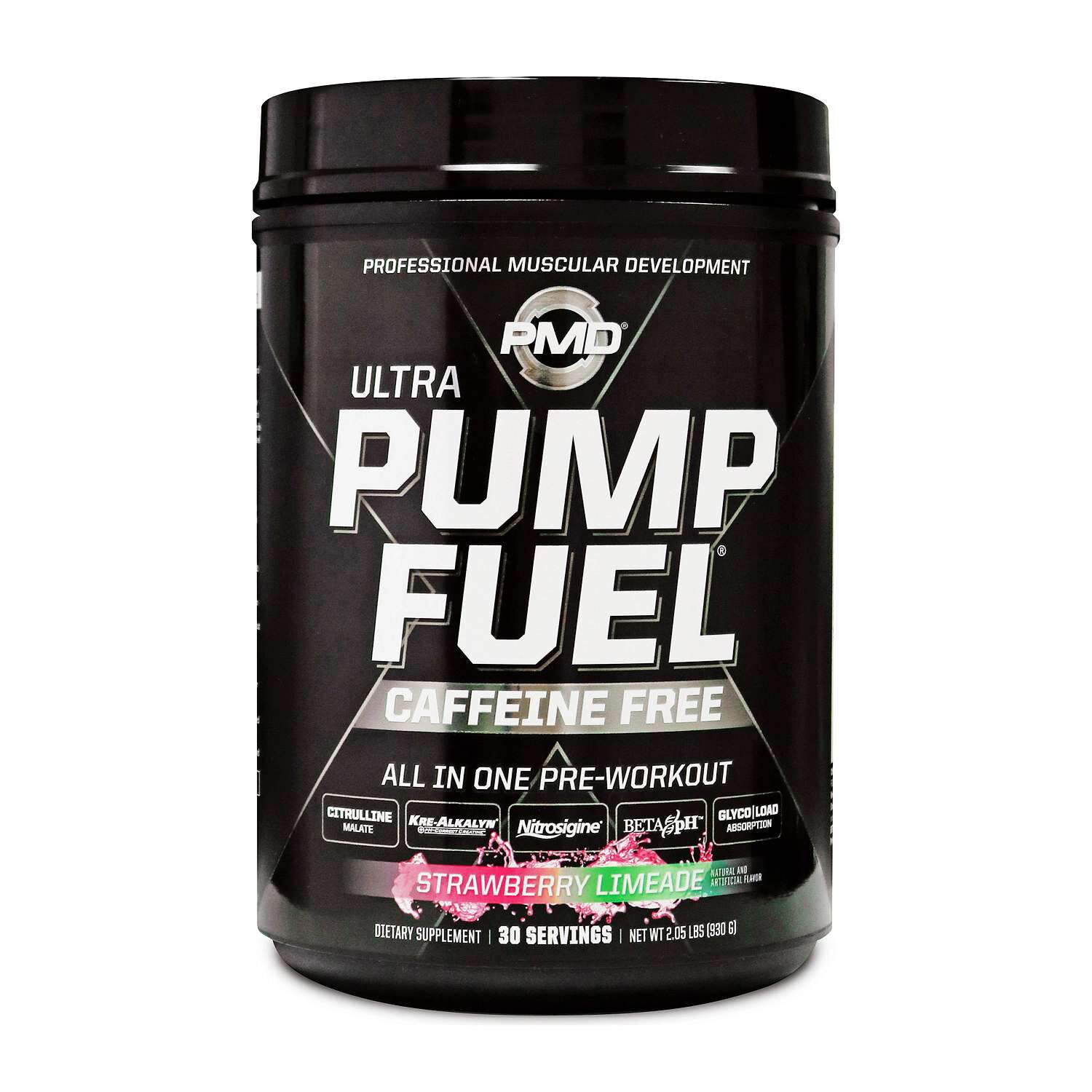


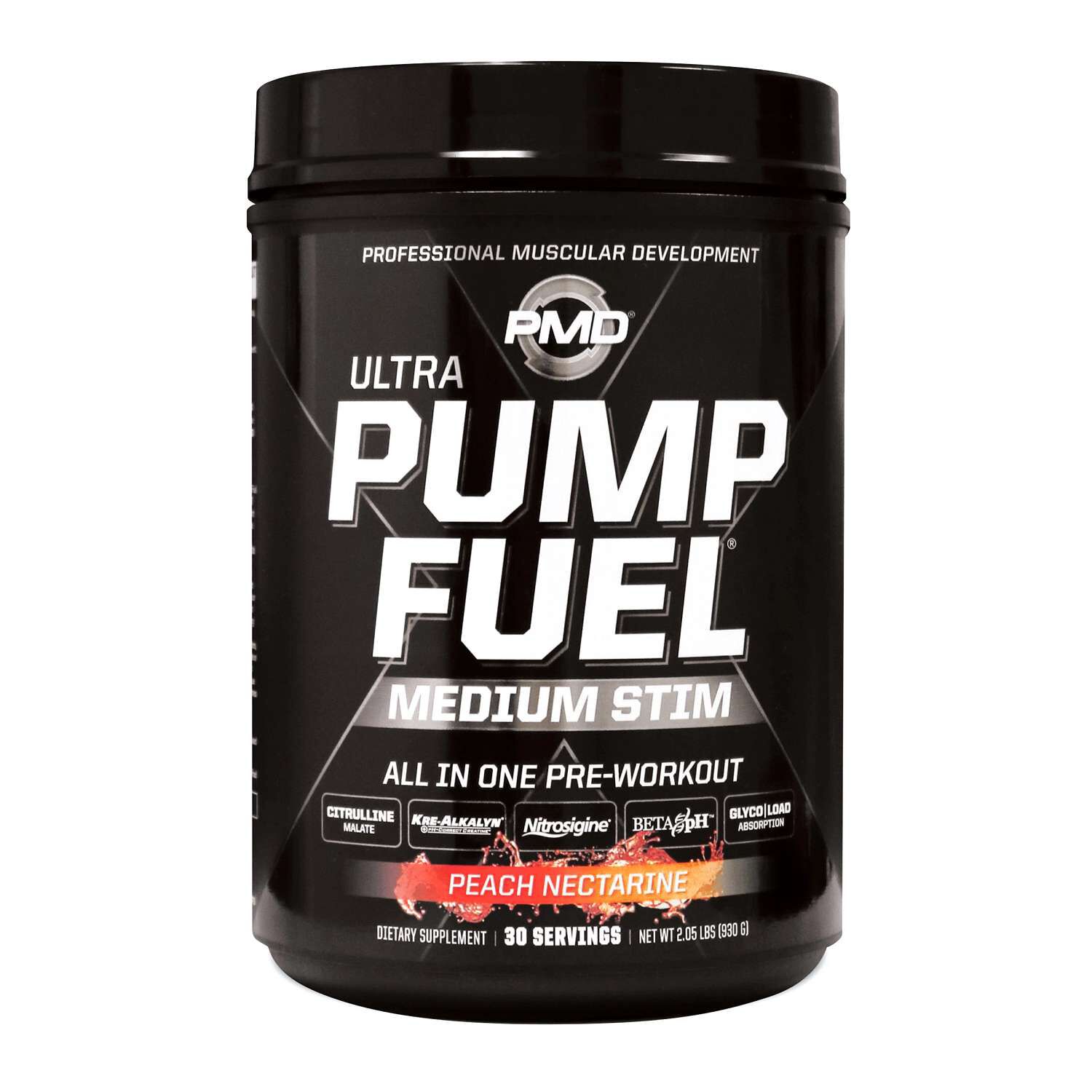


Agmatine and Nitrosigine supplements are sports nutrition products commonly associated with pre-workout routines, particularly for adults interested in options without added caffeine. Agmatine is a compound derived from the amino acid arginine and often appears on supplement labels as agmatine sulfate. Nitrosigine is an ingredient made with arginine, silicon, and inositol, also identified as inositol-stabilized arginine silicate. Although both ingredients have connections to arginine, they are distinct compounds rather than interchangeable names for the same ingredient. Products featuring them may appeal to people seeking support for exercise performance or the temporary feeling of muscle fullness during resistance training. Neither ingredient is itself a source of caffeine, but a finished formula can contain caffeine or other stimulating ingredients alongside it. That distinction matters when comparing a straightforward powder with a broader pre-workout blend: the featured ingredient tells only part of the story. The Supplement Facts panel and the full ingredient list provide a clearer picture of what each serving contains. Some formulas focus on a single ingredient, while others combine several sports nutrition ingredients in one serving. A single-ingredient option makes the featured compound easy to identify; a combination formula brings several ingredients together in one product. The better fit depends on the intended use, the rest of an existing supplement routine, and preferences around preparation. Someone who enjoys mixing a drink before lifting may prefer a powder, while someone who travels between work and the gym may value a format with less preparation. These products belong within a broader exercise routine that includes regular meals, hydration, rest, and consistent training. They are not substitutes for those habits, and individual experiences can differ. Comparing agmatine and Nitrosigine supplements starts with understanding those basic distinctions, rather than assuming that similar pre-workout positioning means identical ingredients, serving sizes, or experiences.
Powder and capsule formats offer different practical considerations, especially when a supplement needs to fit into an ordinary training day. Powders involve measuring, mixing, and choosing a beverage, while capsules eliminate the mixing step but may require more than one capsule per serving. For a powder, the serving size in grams and the amount of the featured ingredient are separate details worth reading together. A larger scoop does not necessarily contain more agmatine or Nitrosigine; flavoring and other formula components also contribute to serving weight. Likewise, the number of capsules in a bottle is not the same as the number of servings. When comparing labels, look at the amount per serving rather than relying on container size or the prominence of an ingredient on the front panel. Shoppers specifically interested in a mixable agmatine format can explore Agmatine Sulfate Pre Workout Powders with those serving details in mind. Flavor, sweetness, and texture also shape the everyday experience. An unflavored powder is not necessarily tasteless, and adding it to an already flavored drink can change that drink’s character. Flavored formulas may contain sweeteners, colors, or other ingredients that matter to personal preferences. For capsule products, the shell material and other listed ingredients can be relevant to dietary choices. Directions for mixing and serving vary by formula, so the package is the appropriate reference for preparation rather than a routine borrowed from another product. On a busy morning, a powder that calls for careful measuring creates a different preparation step from a capsule format. Before a gym session after work, a flavored drink may be a more natural fit for someone who already carries a shaker. Neither format establishes product quality by itself. Clear labeling, understandable serving information, and a format that suits the intended routine offer more useful points of comparison than a dramatic flavor name or an oversized container.
The distinction between a targeted ingredient and a broader pre-workout formula becomes especially useful when several supplements share space on the same shelf. A person who already uses a caffeinated pre-workout has different comparison needs from someone building a routine around products without added stimulants. Agmatine sulfate or Nitrosigine may already appear within an existing blend, so reviewing each label can reveal overlapping ingredients that are easy to miss when looking only at product names. Products marketed around muscle pumps may include other ingredients as well, and a formula’s overall composition matters more than any single phrase on its packaging. Any perceived workout effect may vary with the formula, the individual, and the training session; a stronger sensation is not a reliable measure of product quality. These distinctions are particularly relevant for adults who follow structured resistance-training programs, keep track of their supplement use, or prefer to understand each part of a pre-workout drink. Practical care matters, too. Powders need a tightly closed lid and protection from moisture, including the damp scoop that can accidentally find its way back into a container beside a sink. Capsules should remain in their original packaging under the storage conditions stated on the label. A dry cabinet away from splashes provides a more suitable storage location than the bottom of a gym bag beside a wet towel. Keep the serving directions, expiration date, and ingredient information readable, especially when a product is used only on certain training days. For powders taken on the go, a securely closed container can help prevent spills, but retaining access to the original label remains useful. Packaging durability and a closure that stays secure are practical details for frequent travel, not indicators of what a formula may do. Ultimately, a thoughtful comparison of agmatine and Nitrosigine supplements brings together ingredient identity, serving information, format, dietary preferences, and storage needs. Those concrete details make it easier to choose a product that fits the way a workout is actually prepared for, whether that means a measured drink at the kitchen counter or a simple routine before heading to the gym.