





Antioxidants Vitamins
(0 Results)
Antioxidants play a crucial role in supporting our overall health and well-being by helping to combat free radicals that can cause oxidative stress in our bodies. In today's fast-paced world, it can be challenging to ensure we are getting enough of these essential nutrients from our diets alone. That's where antioxidant vitamins come in, offering a convenient way to supplement our daily intake and provide added support for our immune system, skin health, and more. Explore our selection of antioxidant vitamins to find a range of options to help you maintain a healthy lifestyle.
-

-

-
-
-
 GNC Preventive Nutrition23$34.99 $44.99
-

-
-

-
-
-
-

-

-

-
 Purity Products$39.99
-
 $19.99
-

-
-

-
-

-


Antioxidant vitamins, including vitamin C and vitamin E, are nutrients found in foods and offered in dietary supplement formats. Vitamin C is water-soluble and occurs naturally in citrus fruits, strawberries, bell peppers, and broccoli. Vitamin E is fat-soluble and is found in foods such as almonds, sunflower seeds, and vegetable oils. Another ingredient associated with this category is beta-carotene, a plant pigment found in carrots, sweet potatoes, and other colorful produce that the body can convert into vitamin A. Although these nutrients often appear together in conversations about antioxidants, they are not interchangeable. Their sources, amounts, and formulation details differ, making the ingredient label a useful starting point when comparing antioxidant vitamin supplements. This category includes single-nutrient formulas as well as combinations that bring several vitamins or other ingredients into one serving. A single-nutrient option keeps the ingredient focus narrow, while a combination formula includes multiple components with their own listed amounts. The distinction matters for someone seeking a straightforward vitamin C tablet versus someone comparing a broader blend for an established supplement routine. Antioxidant supplements also differ from the foods that contain these nutrients: an orange, a handful of almonds, and a serving of vegetables each contribute a mix of dietary components beyond an isolated vitamin. Supplements are intended to complement a varied diet rather than replace meals or reproduce everything found in whole foods. For shoppers browsing antioxidant vitamins, the most useful comparisons often begin with nutrient identity, serving size, delivery format, and the other ingredients in the formula. Those details provide a clearer picture than a large number on the front of a bottle alone. They also help distinguish between products that look similar at a glance but differ in the number of tablets per serving, the source of a capsule shell, or the addition of flavorings and sweeteners. Understanding those differences makes the category easier to navigate without treating every antioxidant formula as the same purchase.
The delivery format shapes much of the everyday experience of using antioxidant vitamin supplements. Tablets offer a familiar, compact format, though their dimensions and coatings vary. Capsules have an outer shell whose composition is worth checking, particularly for shoppers with vegetarian preferences. Softgels commonly contain a liquid or oil-based fill, and their shell ingredients can differ from those of other capsules. Gummies and chewables bring flavor and texture into the comparison, with details such as added sugars, sweeteners, serving count, and consistency becoming part of the decision. A fruit-flavored chewable is a different experience from a capsule taken with water, even when both list the same featured nutrient. Powders and liquids add another set of considerations, including measuring, mixing directions, flavor intensity, and the container or utensil needed for each serving. Someone who prefers a simple bottle-based routine may gravitate toward tablets or capsules, while someone who already prepares a beverage each morning may be interested in a mixable format. Shoppers considering a beverage-centered option can also explore Antioxidant Drinks as a related category, while comparing the ingredients and serving information rather than assuming drinks and vitamins are equivalent. Flavor descriptions deserve attention with any format that is tasted rather than swallowed whole. Citrus, berry, and unflavored options create different sensory experiences, and an unflavored powder is not necessarily without a noticeable taste. The Supplement Facts panel provides the amount of each listed nutrient per serving, along with its percent Daily Value where established. Serving size is especially important: the amount shown may refer to two gummies, several capsules, or a measured portion of liquid rather than one piece or one sip. The other ingredients list adds context about coatings, capsule materials, colors, sweeteners, and ingredients used to create the finished texture. Together, these details give shoppers a practical way to compare formulation and usability without relying only on the format name or the featured nutrient on the front label.
Choosing antioxidant vitamins also involves thinking about where the container will live, how it will be handled, and whether the format suits the intended user. An adult who keeps supplements beside a breakfast place setting has different packaging preferences from someone who regularly packs a work bag. Bottle dimensions, closure style, and clearly printed serving directions can matter as much to that experience as flavor or tablet shape. For a shared household cabinet, recognizable labels and original packaging keep ingredient information, directions, and date markings connected to the contents. Formulas intended for adults and those labeled for other age groups should not be treated as interchangeable; the intended audience is part of the product information to compare. Dietary preferences add another layer. Capsule shells, flavoring ingredients, and the source of certain components can vary, so vegetarian labeling and allergen statements deserve a closer look when those details matter to the shopper. A familiar nutrient name does not establish that every formula has the same composition. Storage and handling are similarly product-specific. Package directions may call for a tightly closed container, protection from moisture or direct light, or particular handling after opening. A gummy, a dry powder, and a bottled liquid do not necessarily have identical storage requirements. Checking the date marking and keeping the label legible are practical parts of maintaining a supplement collection. Package quantity is worth interpreting alongside serving size, too: a bottle containing sixty pieces represents a different number of servings when the labeled portion is one piece rather than two. For anyone already using a multivitamin or another nutrient blend, comparing ingredient lists can reveal overlap that is easy to miss when looking only at product names. A larger listed amount is a quantity difference, not a measure of how well a formula suits an individual. The strongest basis for browsing this category is a clear view of what each serving contains, how the product is intended to be used, and whether its format, ingredients, and packaging fit the shopper’s preferences.
Best Sellers
-
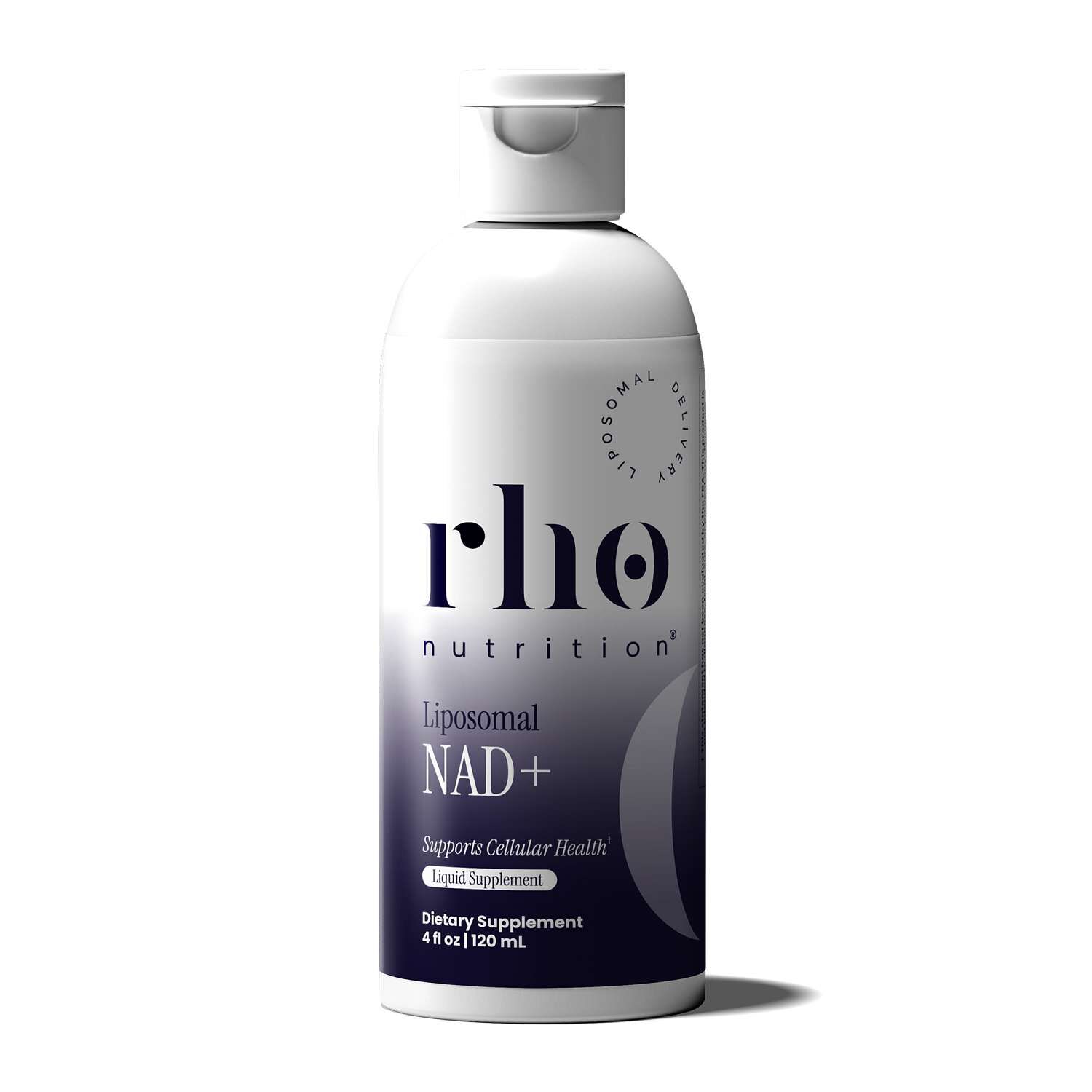 Rho Nutrition
-
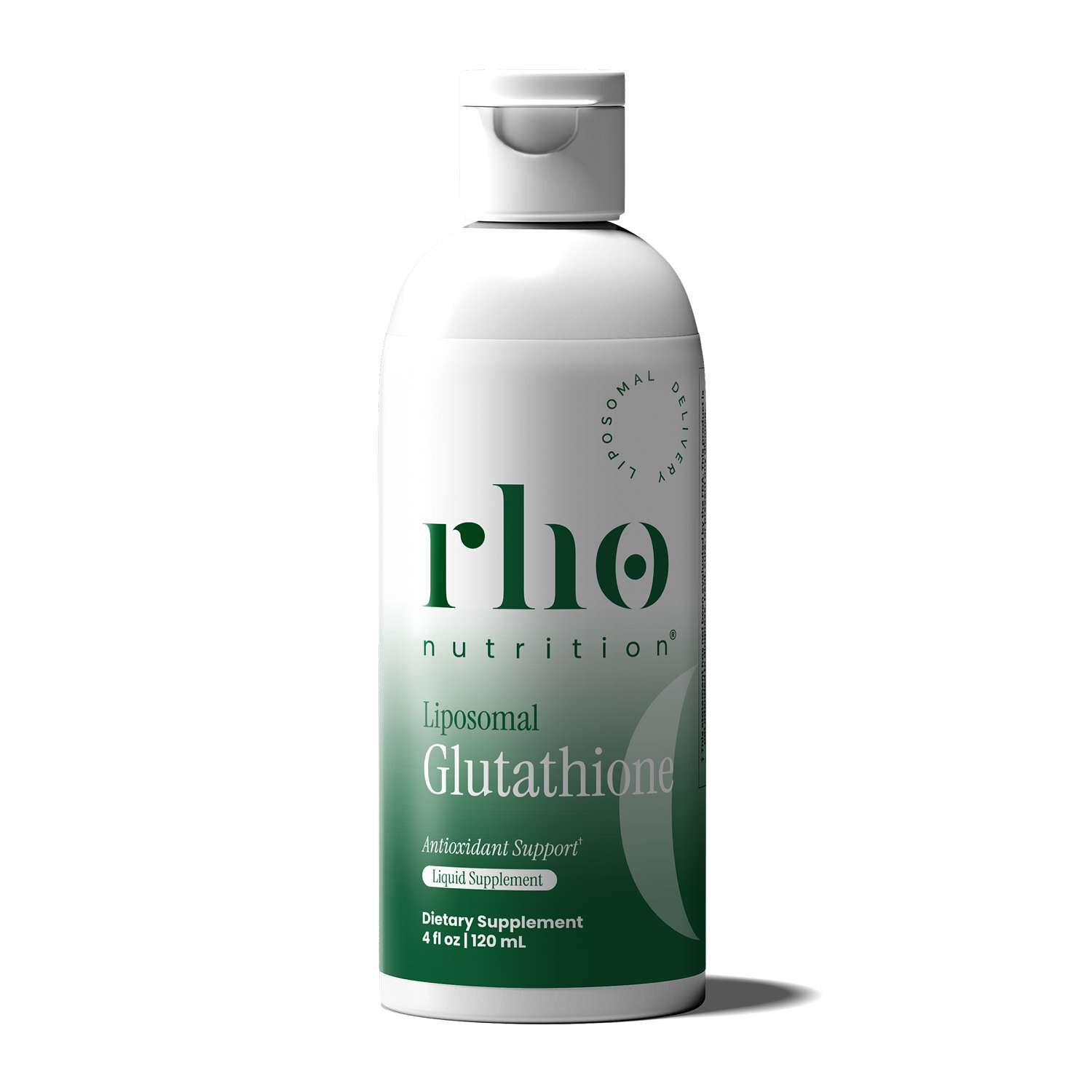 Rho Nutrition
-
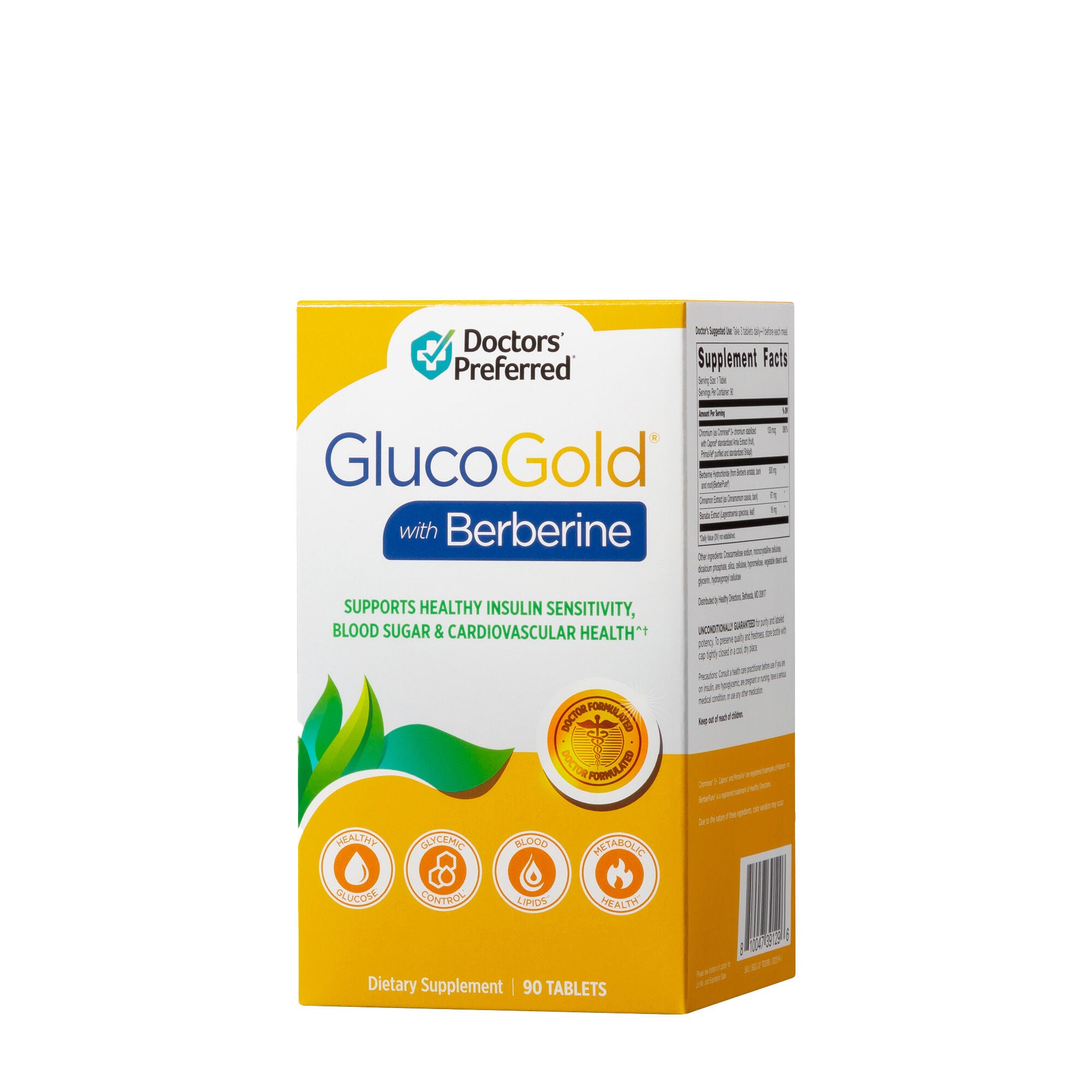 Doctors' Preferred
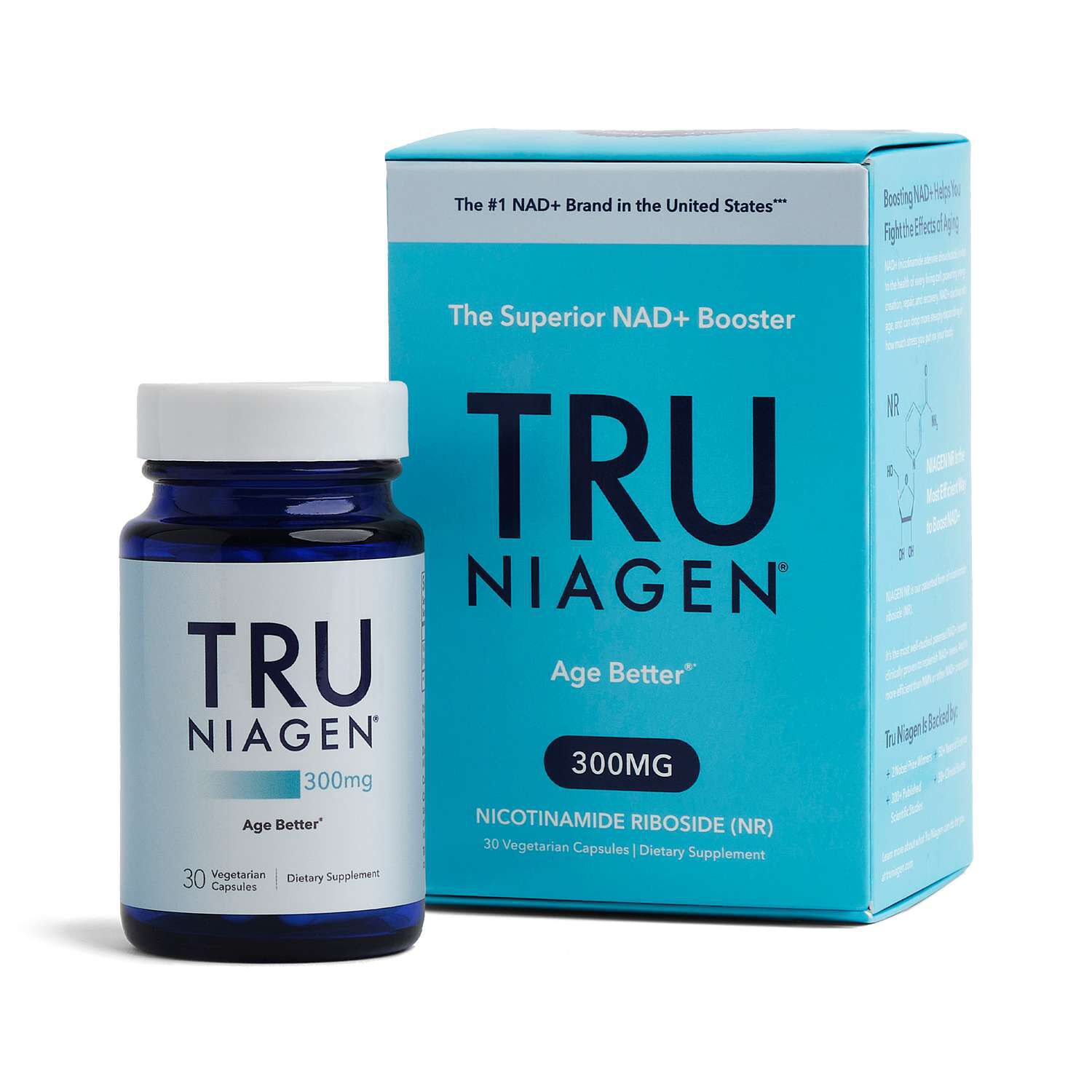
Related Pages


Top Collections
- Top Rated Collagen | Shop Customer Favorites | GNC
- Cortisol Supplements
- Vitamins For Hair Loss
- NAD+ Supplement Tablets
- Peptide Supplements
- Best Brand of Magnesium Glycinate
- Vitamins That Help Support Weight Gain
- Protein Powders For Muscle Growth Support
- Spirulina Tablets
- Peptide Supplements for Muscle Growth