





Ashwagandha Capsules For Exam Stress
(0 Results)
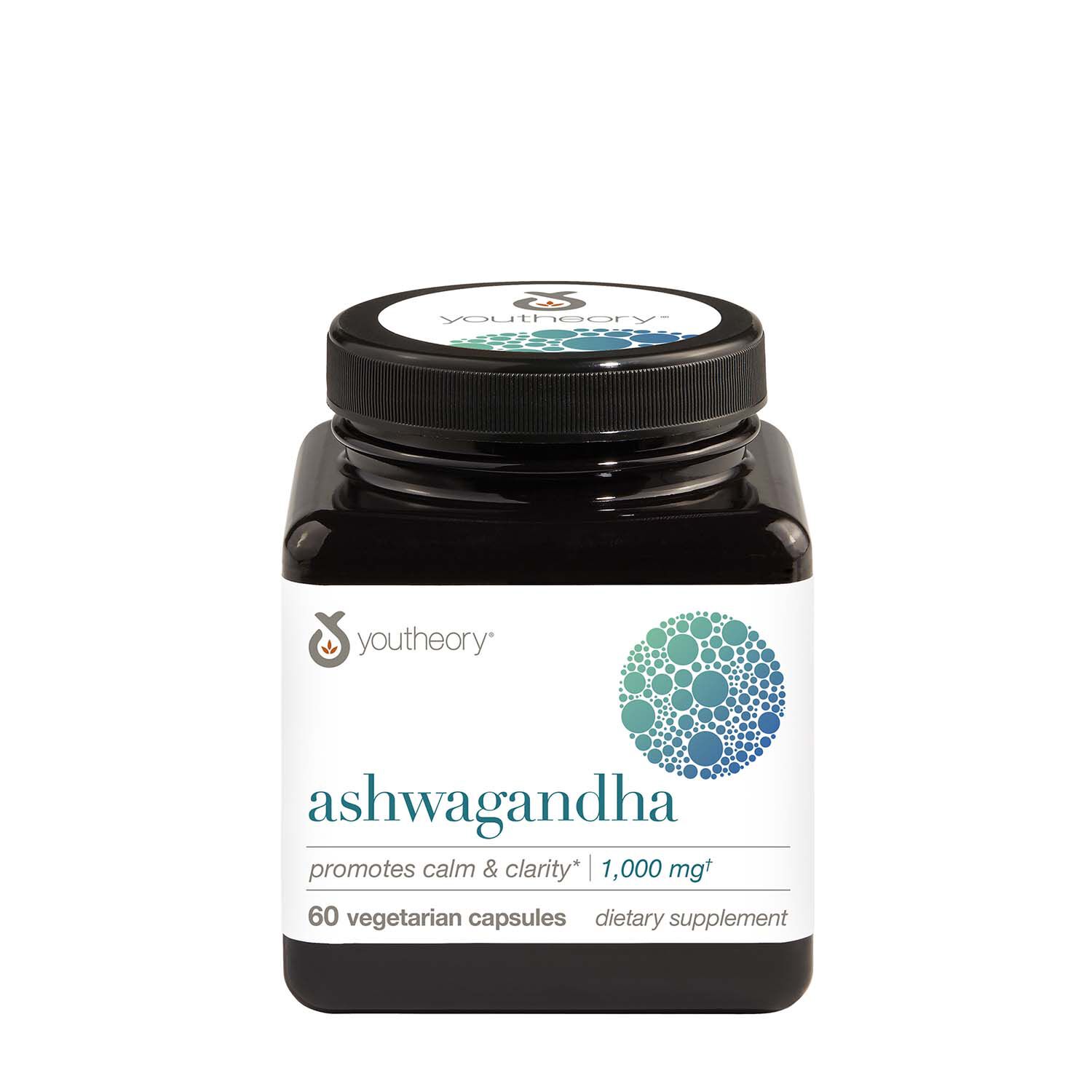
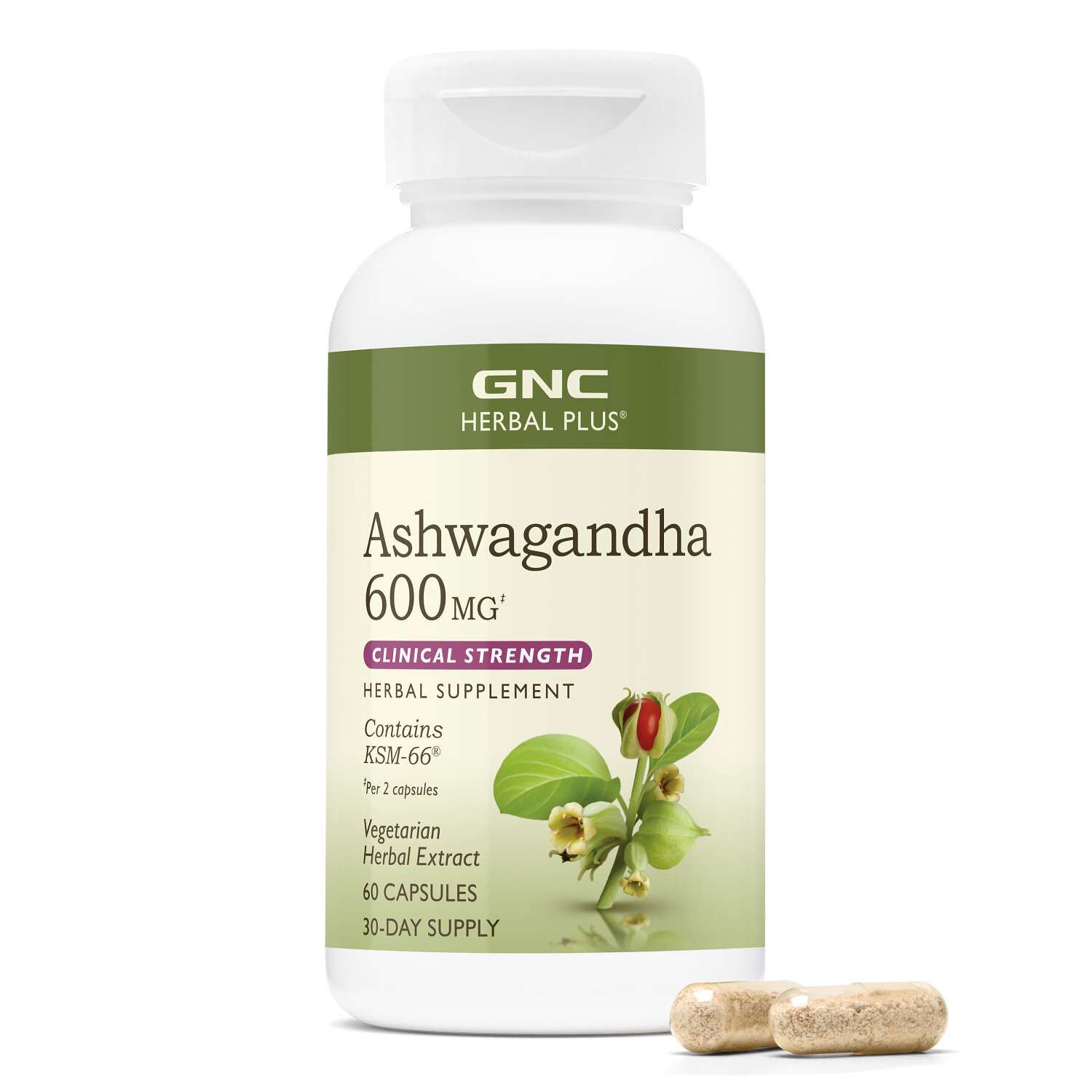
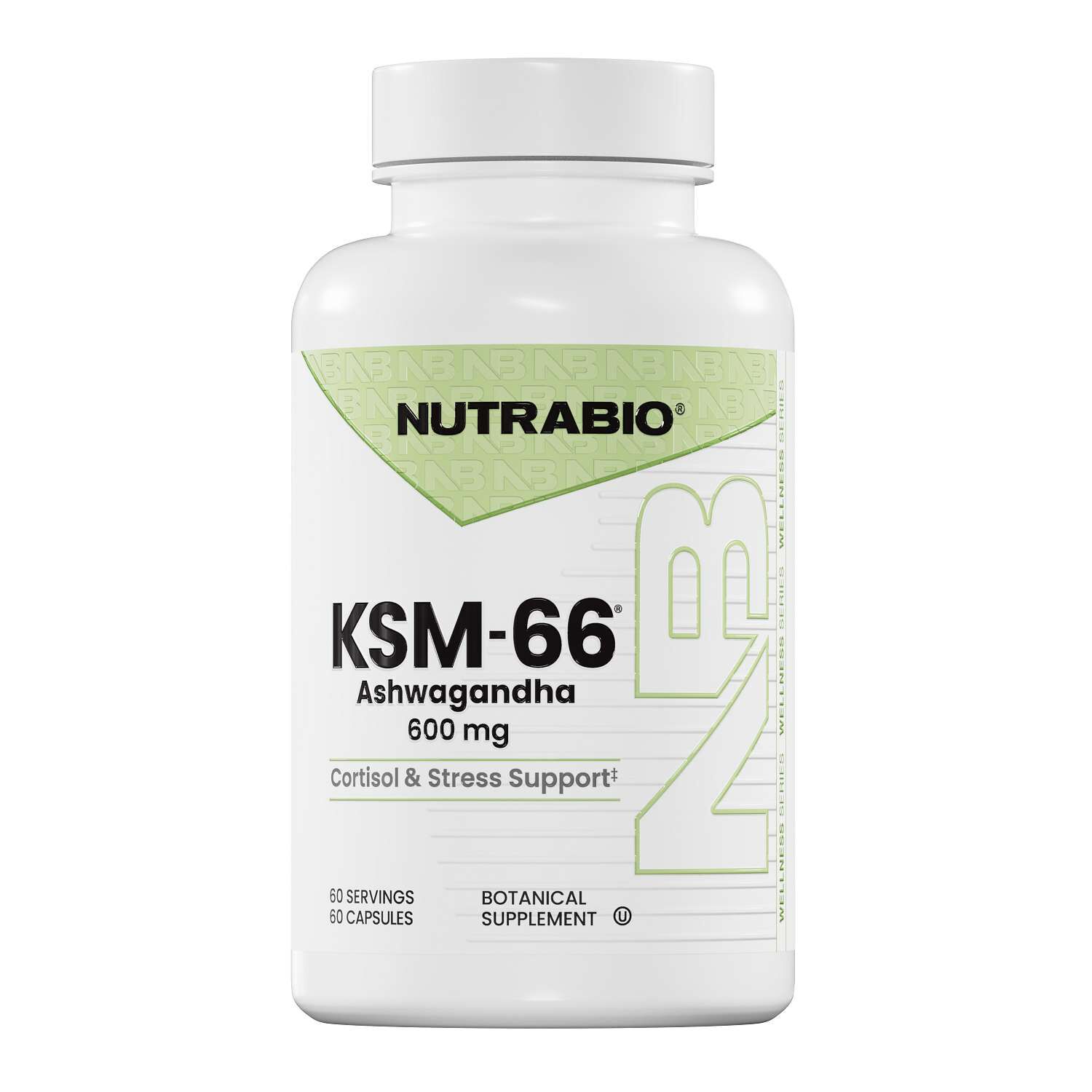
Ashwagandha capsules for exam stress could be a supportive addition to your wellness routine during busy study periods. With a long history in traditional wellness practices, ashwagandha is often chosen by students and professionals alike who are looking for natural options to help manage demanding schedules. Explore a range of ashwagandha capsules that may fit seamlessly into your daily regimen as you prepare for exams and strive to maintain balance.
-
-

-
-
-

-

-
-
-
-
-
-
-

-
-
 $35.99
-
 You Matter Wellness$49.99
-
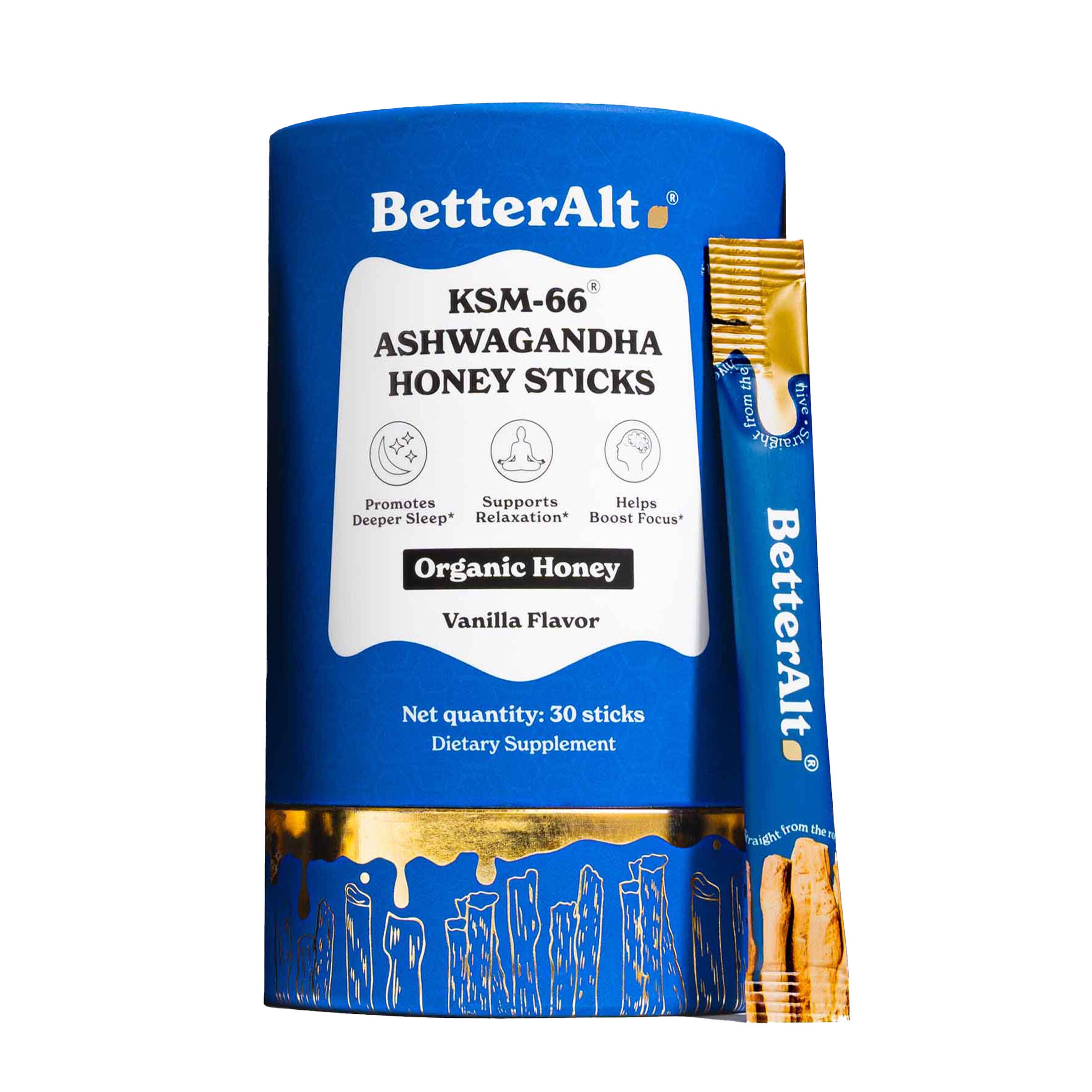
 BetterAlt$39.99
-
 $24.99
-
-

-
-
-
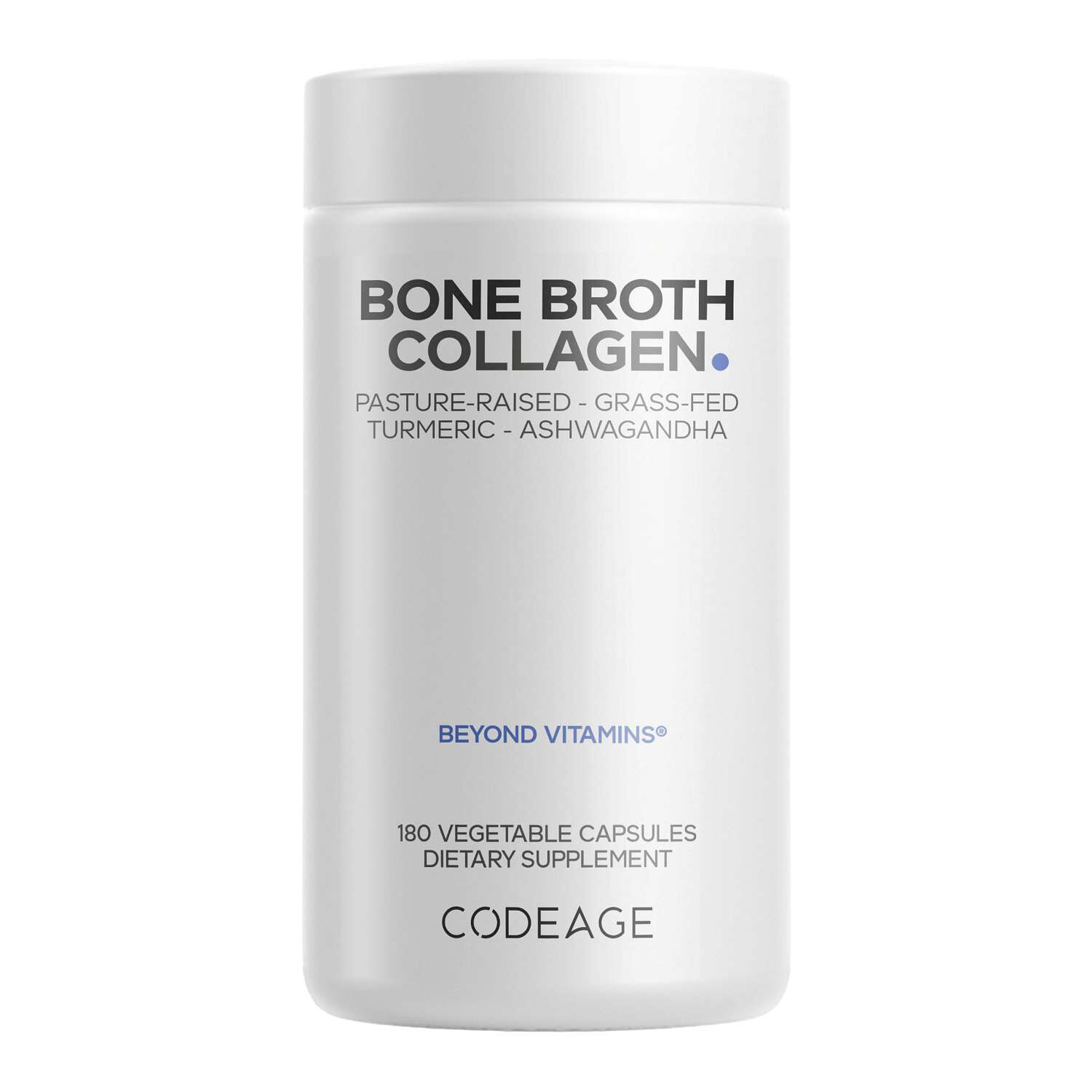
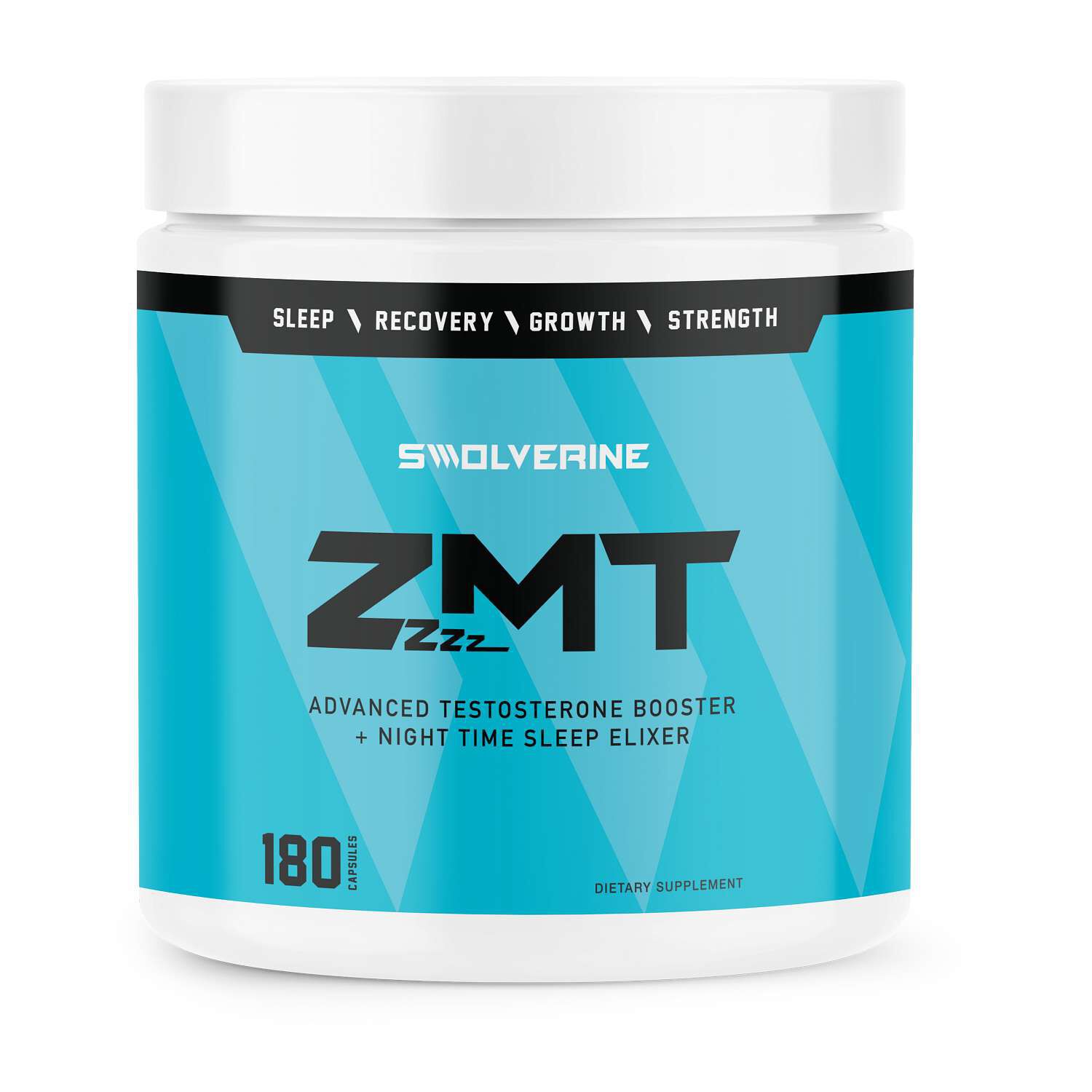
Ashwagandha capsules for exam stress bring together a familiar botanical ingredient and a capsule format that may suit an adult student’s established wellness routine. Ashwagandha, also identified on labels by its botanical name, Withania somnifera, has a long history in traditional herbal practices. In dietary supplements, it appears as plant powder, an extract, or a combination of botanical ingredients. The capsule itself is the delivery format, while the ingredient panel explains what is inside. That distinction matters when comparing options for a demanding stretch of coursework, professional certification preparation, or graduate entrance exams. Two bottles with similar names can contain different plant parts, different amounts per serving, and different accompanying ingredients. Some formulas use ashwagandha root, while others identify both root and leaf. Extract labels may also state a percentage of withanolides, naturally occurring compounds found in the plant. These details describe the formula; a larger number alone does not establish which option fits a particular person’s preferences. For adults browsing this category, the most useful context is the full label rather than a prominent number on the front of a bottle. Ashwagandha capsules belong to the dietary supplement category, not the category of study tools or exam preparation materials. They are not a substitute for learning the material, regular meals, or adequate rest. Their appeal may be practical for someone who prefers a contained serving format over mixing a powder into a drink. A capsule does not require a shaker bottle, a flavored beverage, or an additional recipe, although capsule dimensions and serving size can vary. That may matter to a commuter carrying a packed lunch and notebooks, an adult returning to school after work, or a graduate student moving between a library desk and a seminar room. The relevant comparison is not simply which bottle mentions ashwagandha, but how its ingredients, capsule construction, and labeled use align with an existing routine.
Formula composition gives this category much of its variety. A single-ingredient ashwagandha supplement has a different ingredient profile from a blend containing several botanicals, vitamins, or minerals. For someone who already uses other supplements, that distinction provides useful context when reviewing overlapping ingredients. The amount listed per serving also deserves a separate look from the amount in each capsule: a serving may consist of more than one capsule, so similarly sized bottles may represent different numbers of servings. Root powder and concentrated extracts are not identical preparations, and milligram amounts do not tell the entire story without the ingredient description beside them. A clearly identified extract, named plant part, and readable supplement facts panel provide concrete points of comparison without relying on vague descriptions. Capsule shells add another consideration. Gelatin and plant-derived cellulose are common materials, and the shell composition may matter to shoppers with particular dietary preferences. Other ingredients may include materials used during manufacturing or to maintain the capsule’s form. These belong in the comparison alongside the featured botanical, especially for someone who prefers a shorter ingredient list. Capsule size, the number of capsules in a serving, and the presence of additional ingredients are all practical differences rather than measures of how someone would perform on an exam. An individually sealed format and a conventional bottle also present different packaging considerations, including how serving information and storage directions remain accessible. Shoppers interested in a related selection can explore Ashwagandha Capsules For Anxiety Relief, with the same attention to ingredient identity, capsule materials, and labeled serving information. Across related categories, the page name is only a starting point; the details on each label describe the actual formula. For an adult balancing a reading list, practice tests, and everyday responsibilities, those concrete details may make a comparison more relevant than broad language about a demanding schedule.
The practical side of choosing capsules extends beyond the ingredient panel to how they fit into daily life. A student with an early train ride and an evening review session may have different packaging preferences from someone studying at a kitchen table between work shifts. Bottle dimensions, closure design, and the number of servings are useful considerations when deciding whether a container belongs in a home cabinet or a bag carried between locations. Portable packaging does not change a supplement’s labeled storage requirements. Original containers retain the ingredient list, serving directions, caution statements, lot information, and date markings together, which may make them more convenient than an unmarked travel container. Storage instructions vary, so the label remains the reference for handling and care. Capsules also differ from durable study accessories: they are consumable products with package-specific directions and date information, rather than something to keep indefinitely beside a stack of textbooks. A bottle left at the bottom of a crowded backpack can become separated from the details someone intended to review, making packaging readability a worthwhile part of the purchase decision. Intended users matter as well. An exam-related theme can apply to adult undergraduates, graduate students, people preparing for licensing exams, and adults pursuing a new professional credential, but it does not establish that every formula is intended for every student. Age-related statements and other label cautions remain relevant regardless of the academic setting. Supplements are also a personal choice rather than a default addition to an exam care package; ingredient preferences and intended use are difficult for someone else to assume. For adults selecting their own ashwagandha capsules, a clearly described formula, a suitable capsule material, manageable serving requirements, and practical packaging may be more meaningful than an elaborate routine. Between annotated pages, practice essays, and a calendar filled with test dates, the most useful product details are the ones that remain clear: what the capsules contain, how the serving is defined, who the label identifies as the intended user, and how the container should be stored.
Best Sellers
-
GNC Herbal Plus
-
GNC Herbal Plus
Related Pages

Top Collections
- Zinc Supplements | Top Brands at Great Prices | GNC
- Cortisol Supplements
- NAD+ Supplement Tablets
- Top Rated Collagen | Shop Customer Favorites | GNC
- Best Brand of Magnesium Glycinate
- Peptide Supplements
- Vitamins That Help Support Weight Gain
- Protein Powders For Muscle Growth Support
- Vitamins For Hair Loss
- Peptide Supplements for Muscle Growth