





B Vitamin Sources
(0 Results)
Exploring b vitamin sources could be a great way to support your daily wellness routine. B vitamins are found in a variety of foods and dietary supplements, offering convenient options for those looking to add more of these nutrients to their day. Whether you prefer capsules, tablets, or gummies, there are many b vitamin sources that might fit your lifestyle and nutritional preferences. Discover the different ways you could incorporate b vitamin sources into your routine and find options that may align with your personal wellness goals.


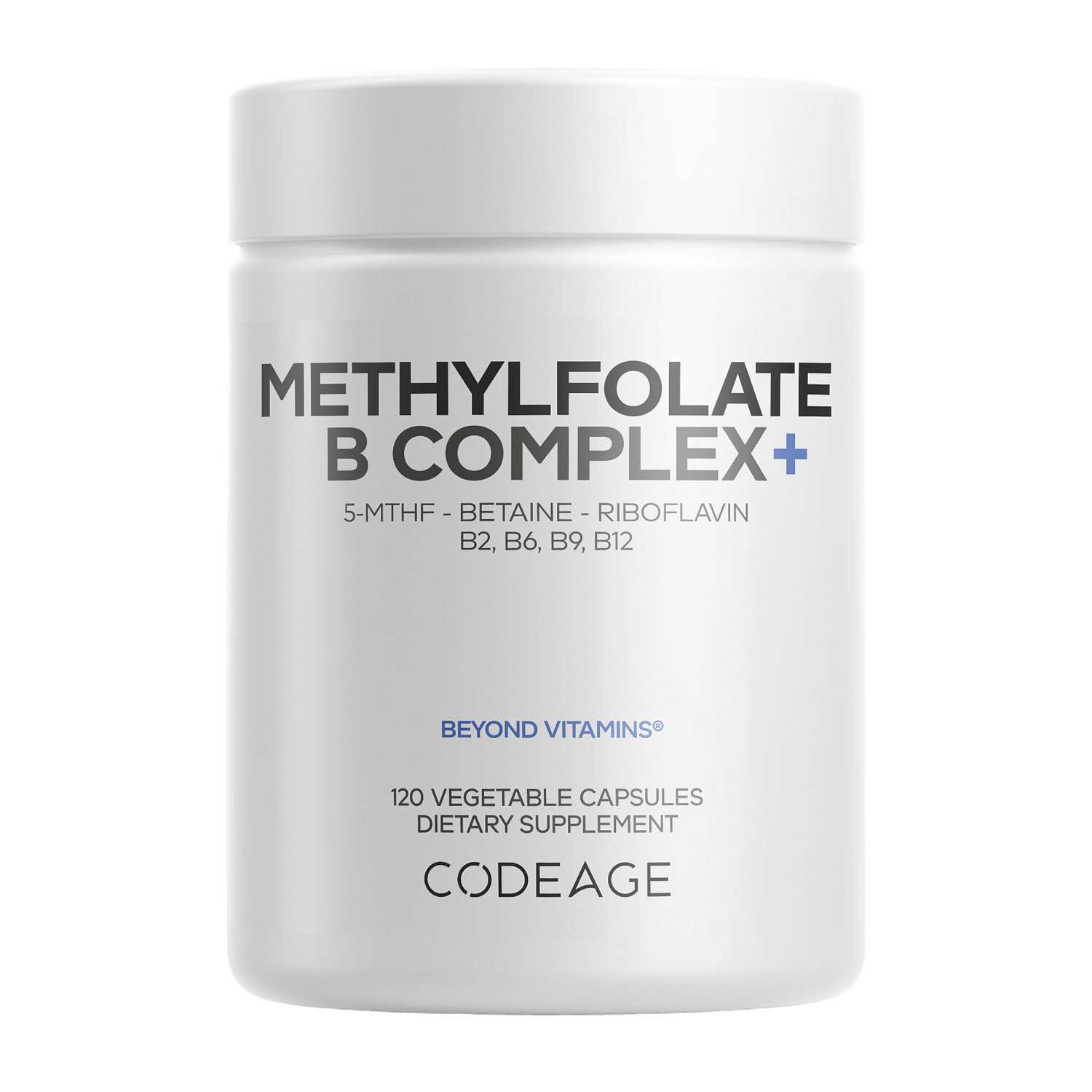
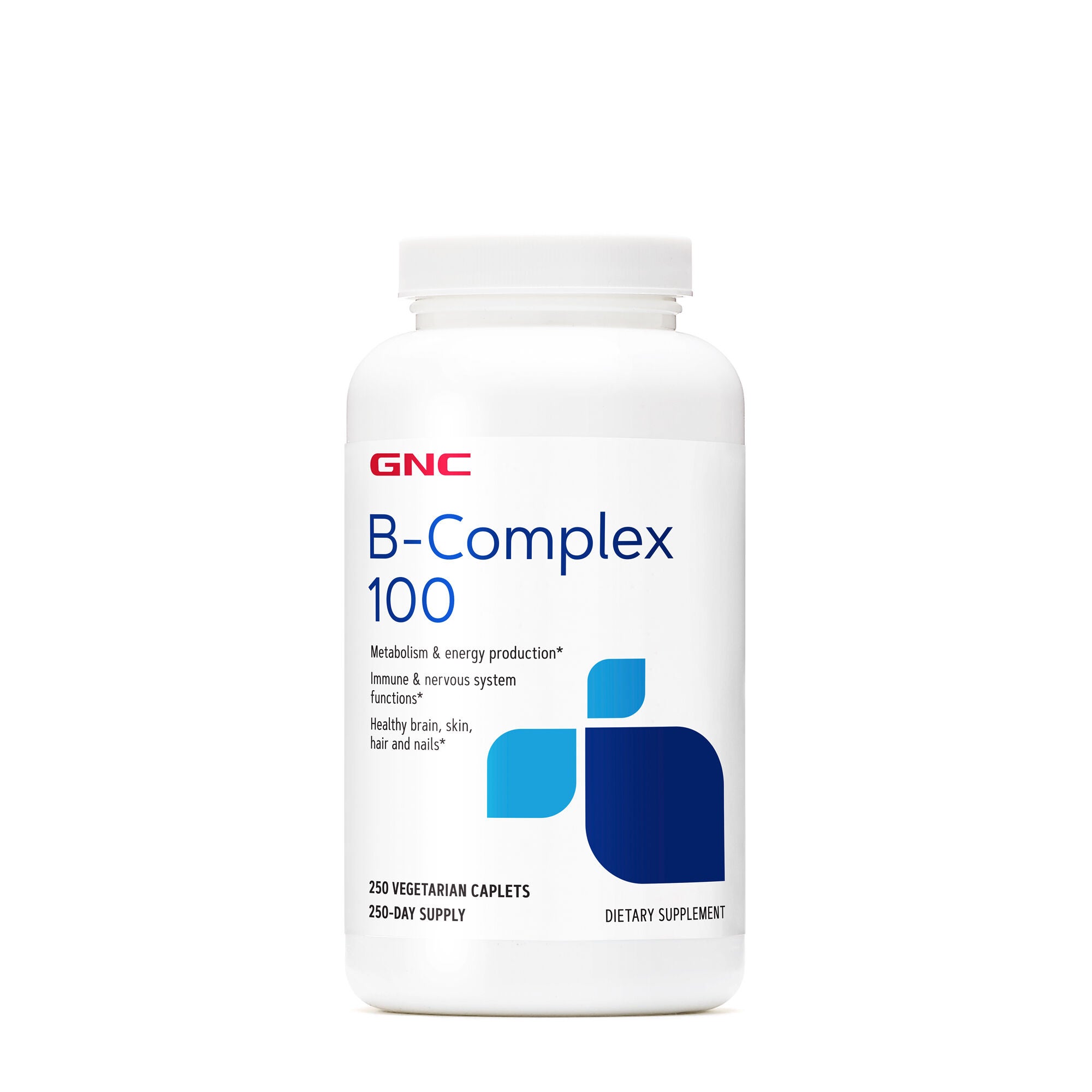
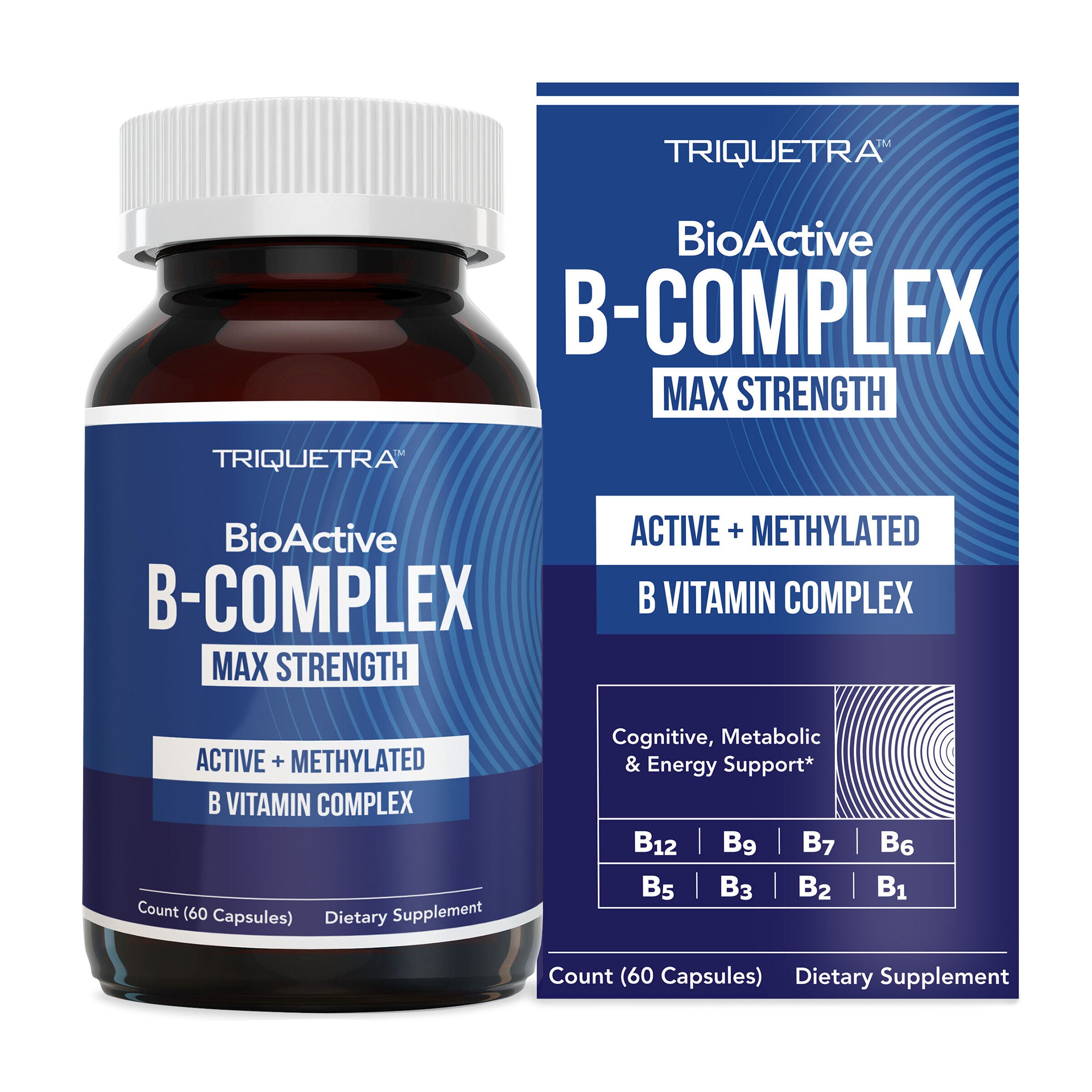
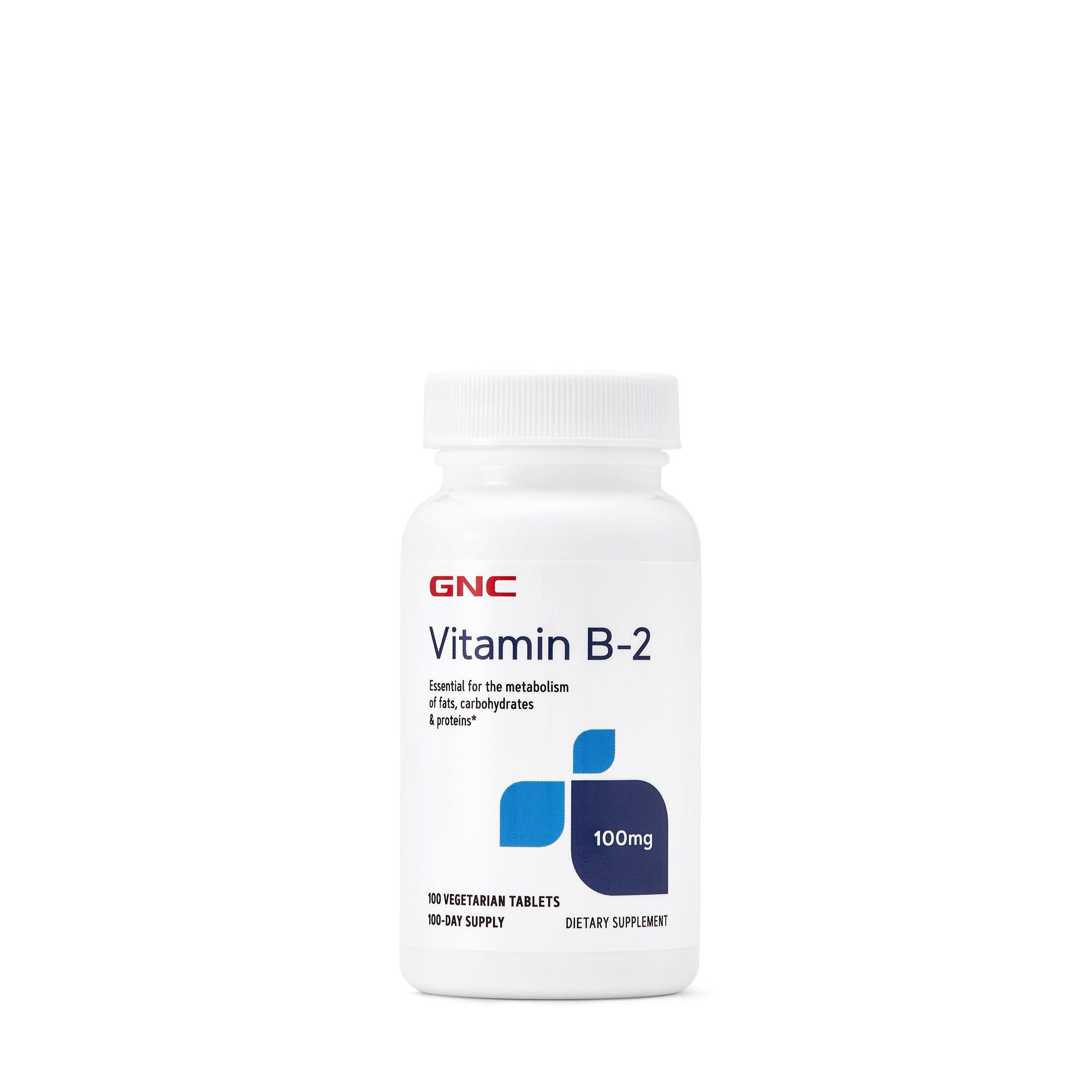
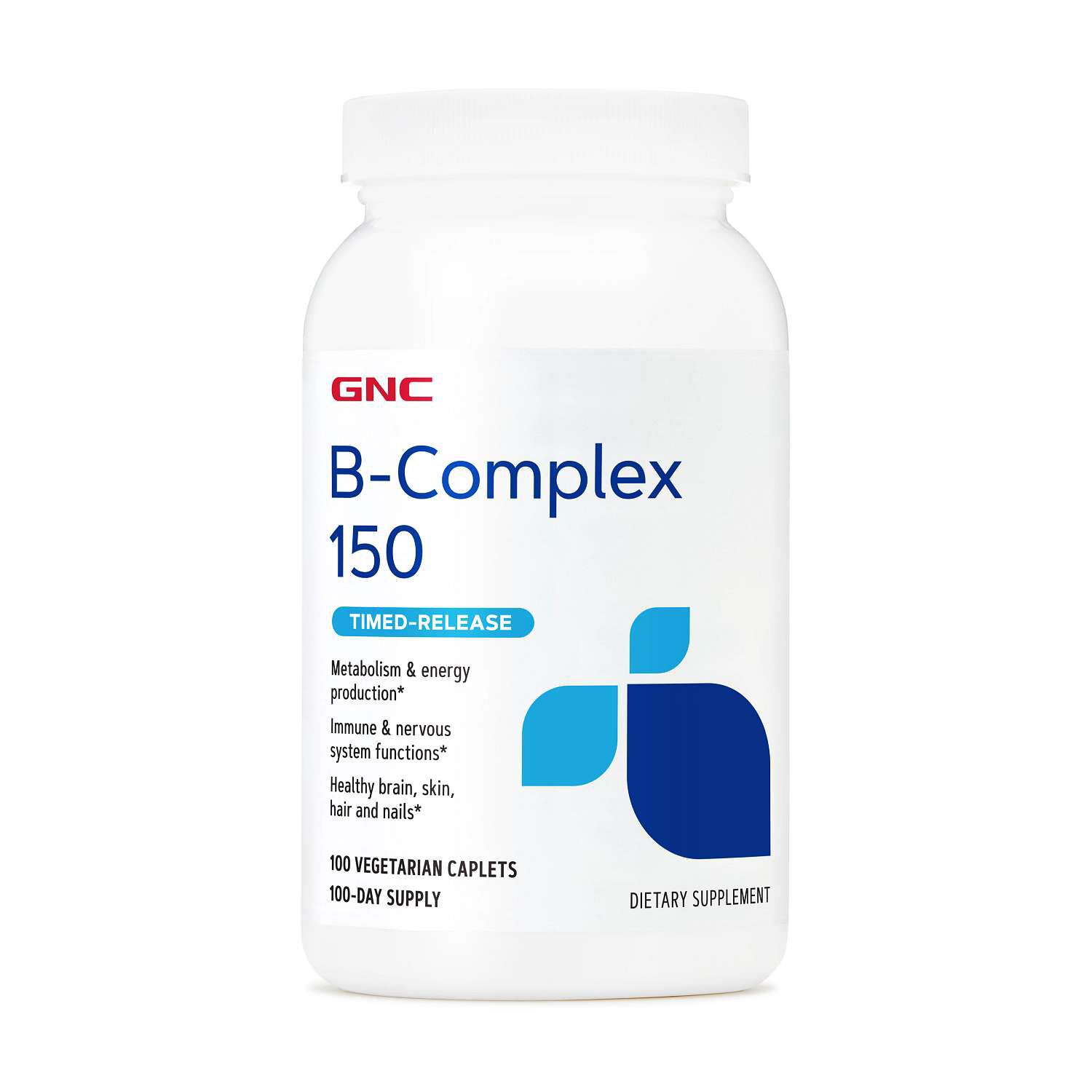


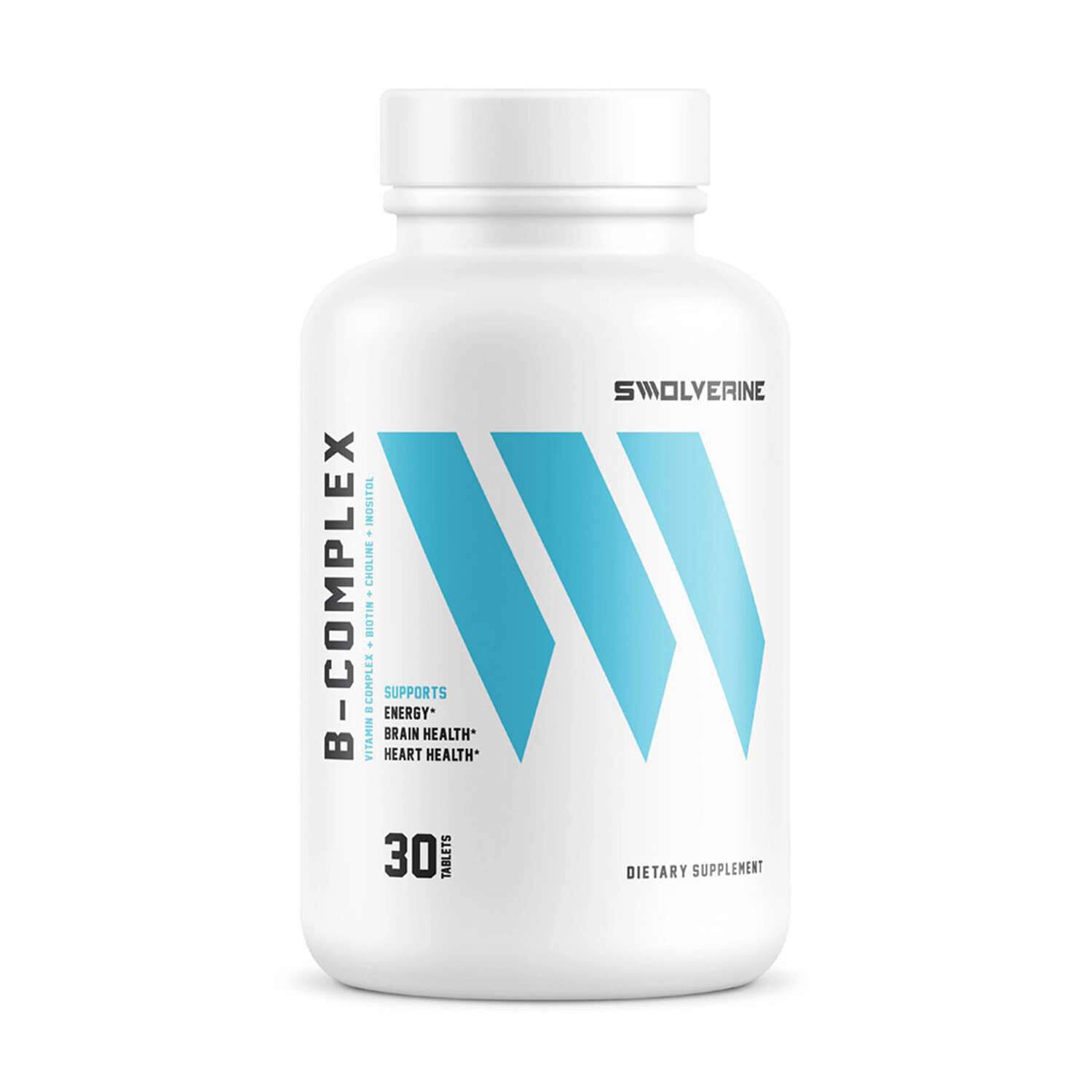
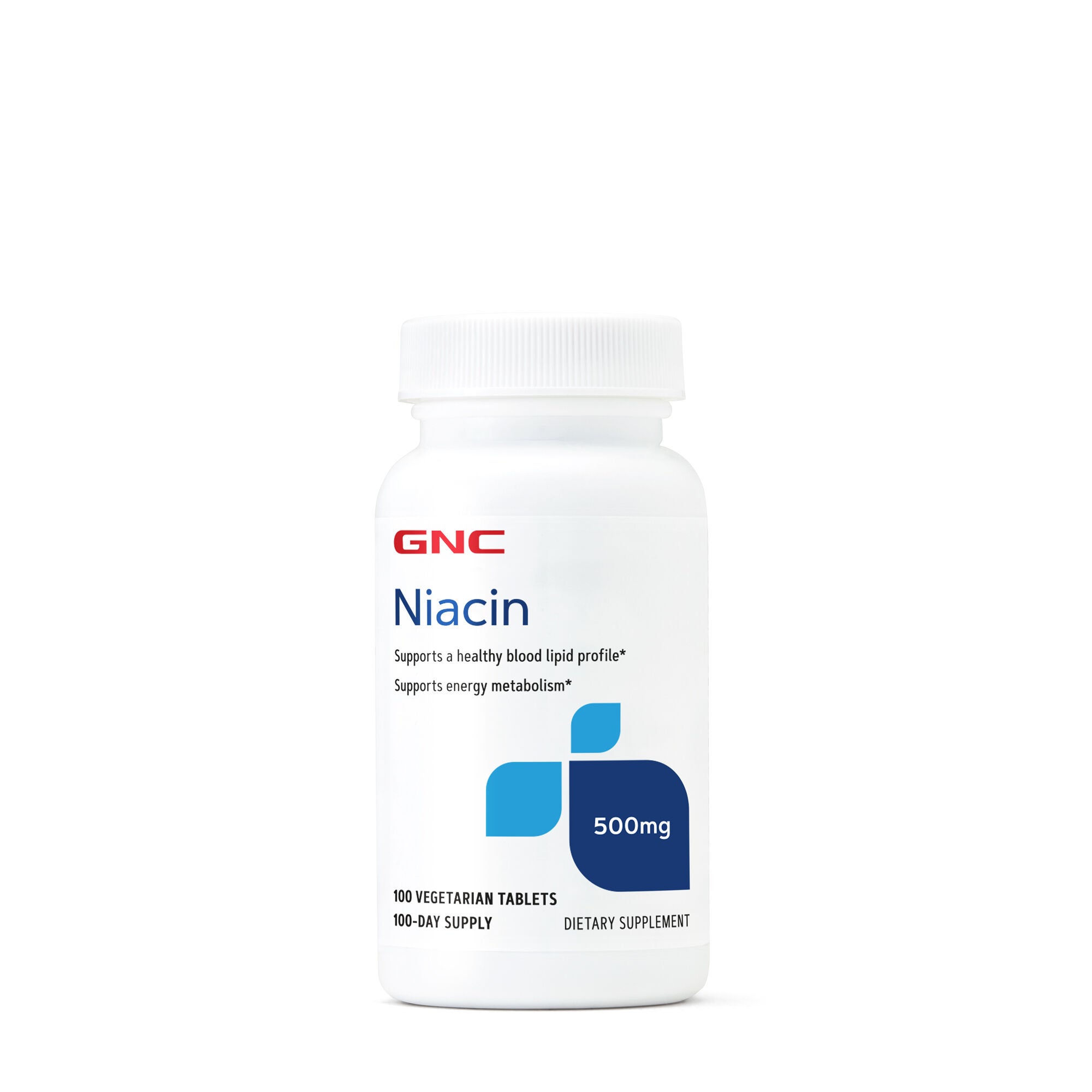
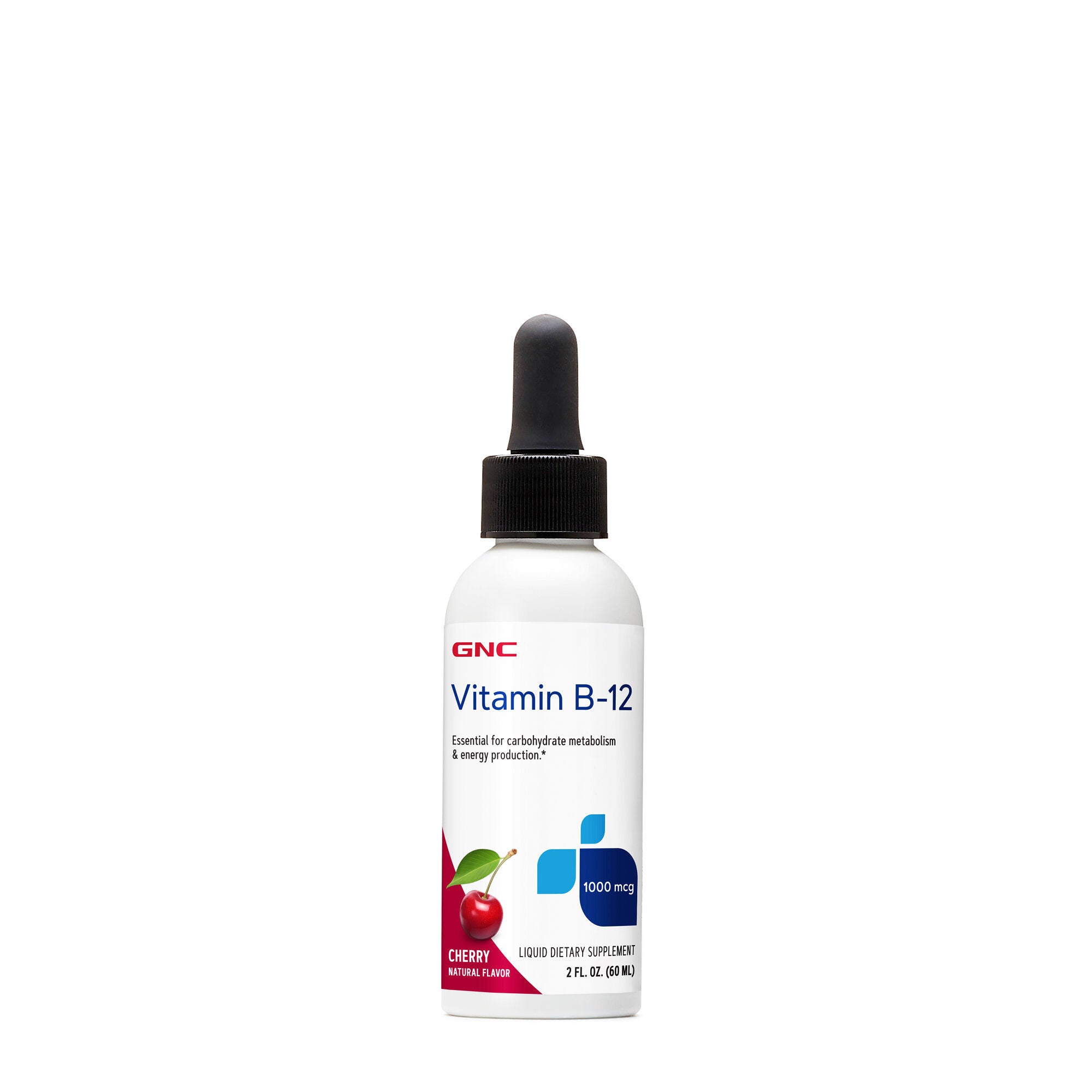
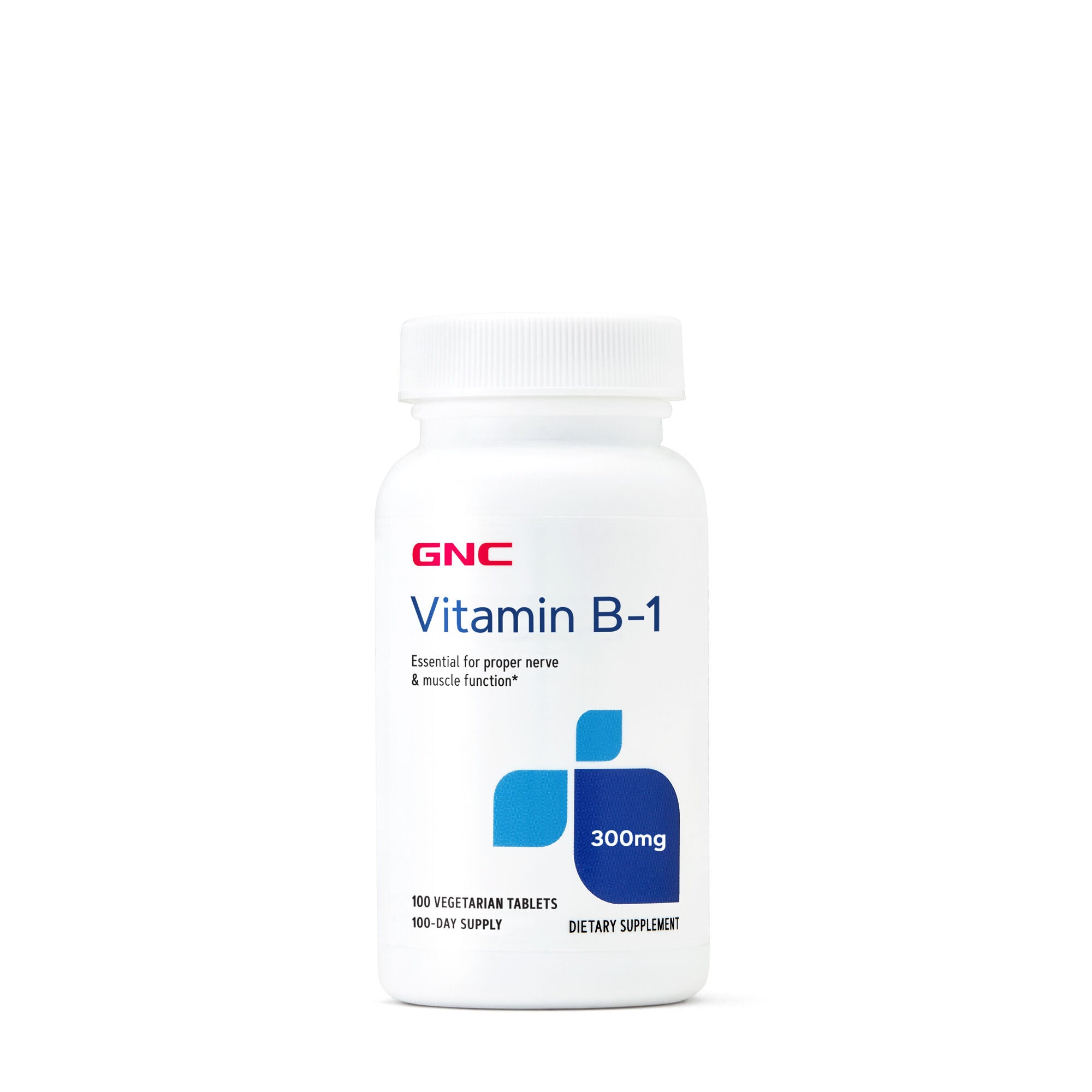


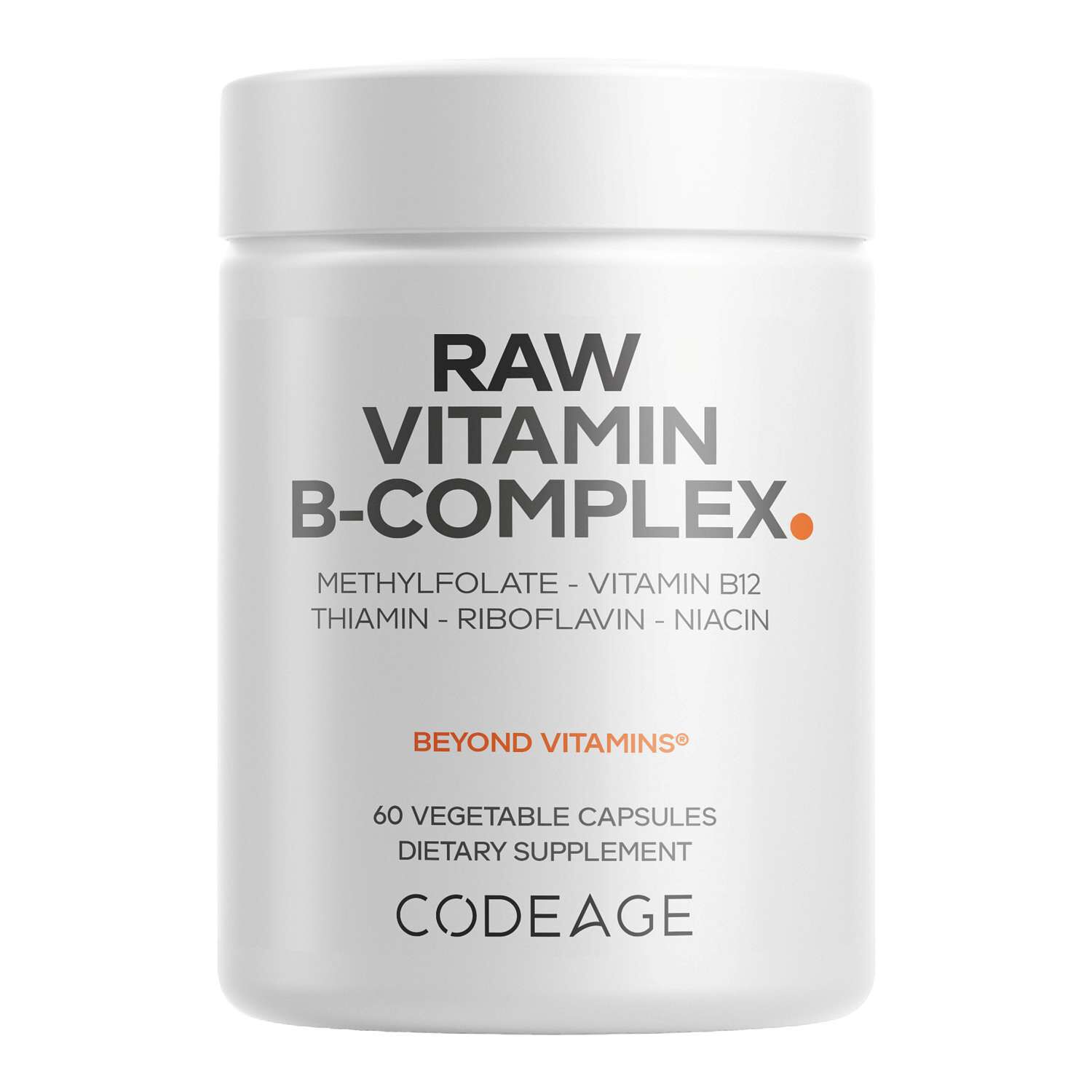

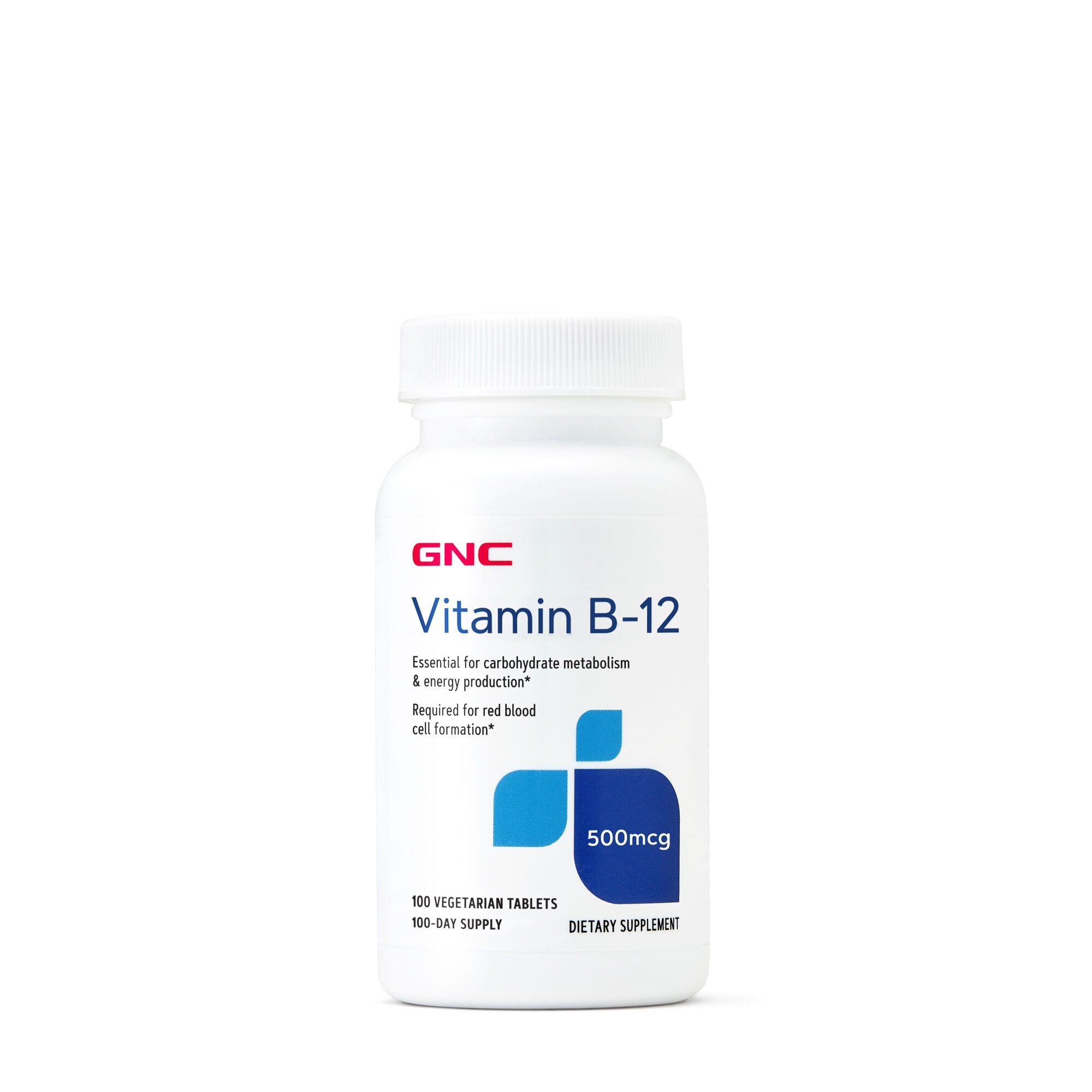


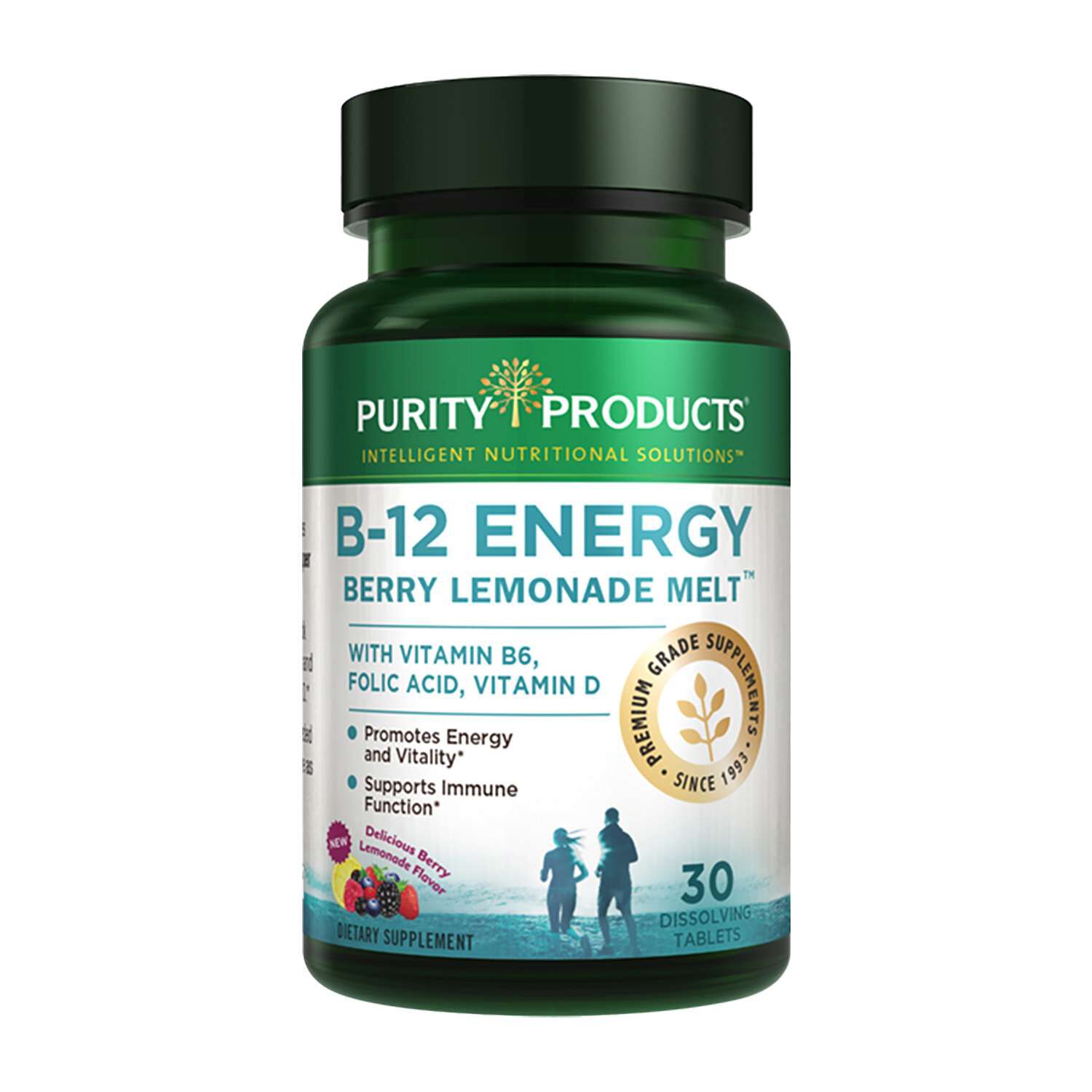
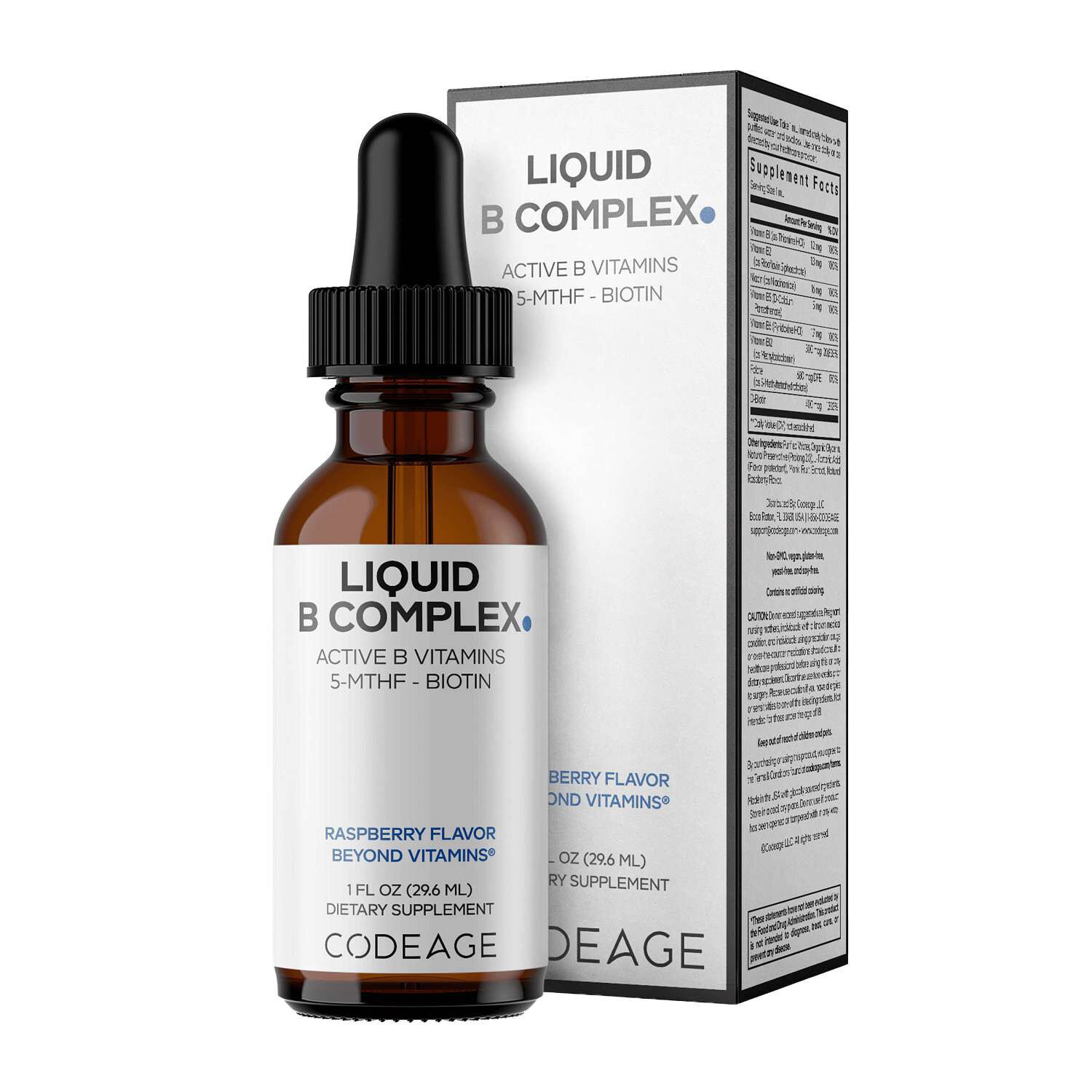

B vitamin sources span familiar foods, fortified staples, and supplements made with individual B vitamins or a combination of them. The B vitamin family includes eight water-soluble nutrients, each with its own name and food sources. Thiamin, or B1, is found in pork, sunflower seeds, beans, and fortified cereals. Riboflavin, or B2, occurs in milk, yogurt, eggs, mushrooms, and beef. Niacin, or B3, is found in poultry, tuna, salmon, peanuts, and fortified grains. Pantothenic acid, or B5, occurs in foods such as mushrooms, avocado, eggs, and yogurt. Vitamin B6 sources include chickpeas, poultry, salmon, potatoes, and bananas, while biotin, or B7, is found in cooked eggs, nuts, and seeds. Folate, or B9, occurs in leafy green vegetables, lentils, beans, avocado, and citrus fruits; folic acid is a form used in fortified foods and many supplements. Vitamin B12 occurs naturally in meat, fish, poultry, eggs, and dairy foods. Fortified nutritional yeast, plant-based milks, and breakfast cereals can also provide B12, though fortification varies by food and manufacturer. These distinctions matter when comparing B vitamin supplements because the family name covers several different nutrients rather than one interchangeable ingredient. A B-complex formula combines multiple B vitamins, while a single-vitamin formula focuses on one member of the group. Multivitamins may include B vitamins alongside other nutrients, making their ingredient lists different from those of a dedicated B-complex supplement. For someone comparing B vitamin sources alongside a varied eating pattern, the most useful details are the nutrients listed, their amounts per serving, and the format. A bowl of fortified cereal, a serving of lentils, and a B-complex capsule have very different ingredient profiles, even when some of the same vitamin names appear on their labels. Food labels and Supplement Facts panels provide a clearer comparison than the words “B vitamins” alone.
Supplement format adds another layer to the comparison, especially when texture, swallowing preferences, and preparation are part of the decision. Tablets and capsules are familiar formats, but their dimensions, coatings, and serving counts differ. A serving may consist of one tablet, several capsules, or a measured amount of liquid or powder, so the amount per serving deserves attention alongside the amount in each piece or measure. Gummies and chewables have their own flavors and textures, with ingredients that can include sweeteners, colors, fruit concentrates, or gelling agents. Liquids may use a dropper or measuring device, while powders may require mixing according to the package directions. These differences may make one format a more practical fit for a kitchen counter, a workday bag, or a routine built around breakfast at home. Capsule materials also matter for shoppers with dietary preferences: shells can contain gelatin or plant-derived materials such as cellulose. A plant-derived capsule shell does not, by itself, describe every ingredient inside it, so dietary statements and the full ingredient list remain relevant. For someone following a vegan or vegetarian eating pattern, the source of capsule materials and other ingredients may be as important as the vitamin names on the front panel. Allergen statements, added sugars, flavoring ingredients, and color additives are other concrete points of comparison. Supplement Facts panels also distinguish the amount of each nutrient from its percent Daily Value, which provides a common label reference rather than a personalized recommendation. Some formulas list several B vitamins in different amounts; others center on B12, biotin, folate, or another individual nutrient. Ingredient names can vary as well, with labels identifying forms such as thiamin, riboflavin, folic acid, methylfolate, cyanocobalamin, or methylcobalamin. A familiar-sounding form or a larger number on the front of a package does not explain the entire formula. The serving information and ingredient panel supply the context needed to understand what is being compared.
Everyday fit also includes how a supplement is stored, measured, and kept with its original information. A bottle that stays beside breakfast dishes has different practical demands from a container carried between home and an office. Package dimensions, closure style, and the presence of a measuring device may influence convenience, while the label provides the relevant storage and handling directions. A dry cupboard away from direct sunlight and household heat is a different setting from a bathroom shelf beside a steamy shower; storage instructions help distinguish suitable locations for a particular formula. Keeping the original container preserves access to the ingredient list, serving directions, date markings, and any handling notes. A tightly closed cap and a clean, dry measuring utensil, where applicable, are useful details to consider as part of routine care. Supplements should also remain out of reach of children. For travel, a secure closure and readable packaging may be more useful than an elaborate container, especially when several similar-looking tablets or capsules share space in a bag. Shoppers exploring B Vitamins For Stress can use the same practical comparisons: which B vitamins are included, how much appears in a serving, what other ingredients are present, and how the format fits the intended routine. Collection names describe a browsing theme, while the individual label supplies the product details. Someone who prefers an unflavored capsule may compare options differently from someone who values a chewable texture or a measured liquid. Likewise, a shopper interested in one B vitamin may have different priorities from someone comparing multi-nutrient formulas. Across these preferences, B vitamin sources are best understood through their actual composition, not simply their format or front-label wording. Food sources provide nutritional context, and supplement labels make the differences among formulas visible, allowing comparisons grounded in ingredients, serving information, dietary preferences, and everyday handling.
Best Sellers
Top Collections
- Joint Mobility Supplement Packs
- Daily Collagen Supplements | Top Brands & Deals | GNC
- GLP 1 Support For Adults
- Zinc Supplements | Top Brands at Great Prices | GNC
- Supplements For Yoga Joint Flexibility
- Supplements For Balance
- Capsule Supplements For Energy And Stamina
- Adult Mobility Supplements
- Chronic Fatigue Supplements
- Vitamins For Hair Loss