B12 Energy Tablets With Antioxidants
(0 Results)
Explore a range of b12 energy tablets with antioxidants designed for those seeking convenient ways to support their daily wellness routines. These supplements may offer a blend of vitamin B12 and antioxidant ingredients, making them a popular choice for individuals with active lifestyles or anyone looking to add a little extra support to their day. Discover options that could fit seamlessly into your supplement regimen and find out how b12 energy tablets with antioxidants might complement your everyday wellness goals.
-
-
-

-

-
 Purity Products$19.99
 -
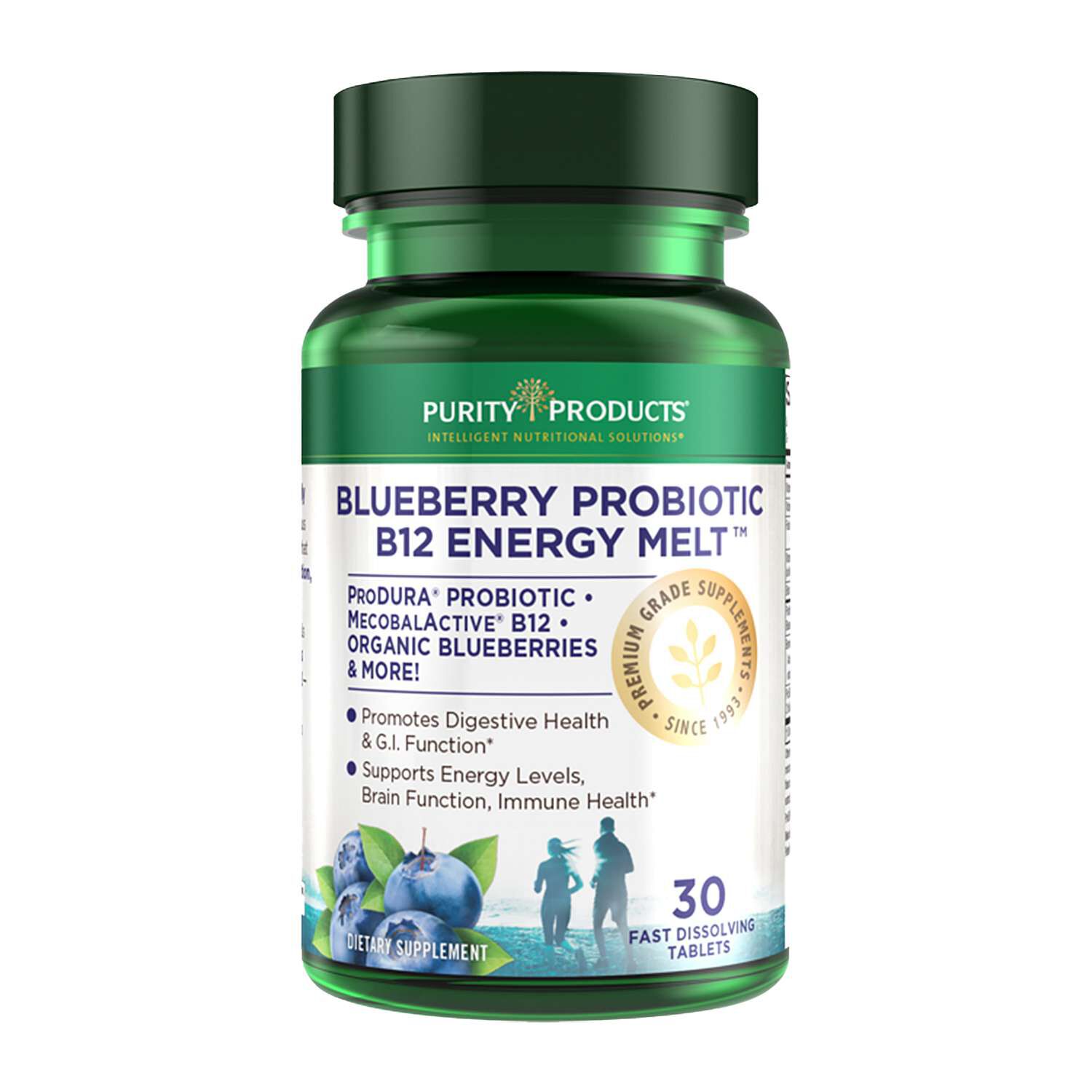 Purity Products$24.99
 -
 Purity Products$19.99
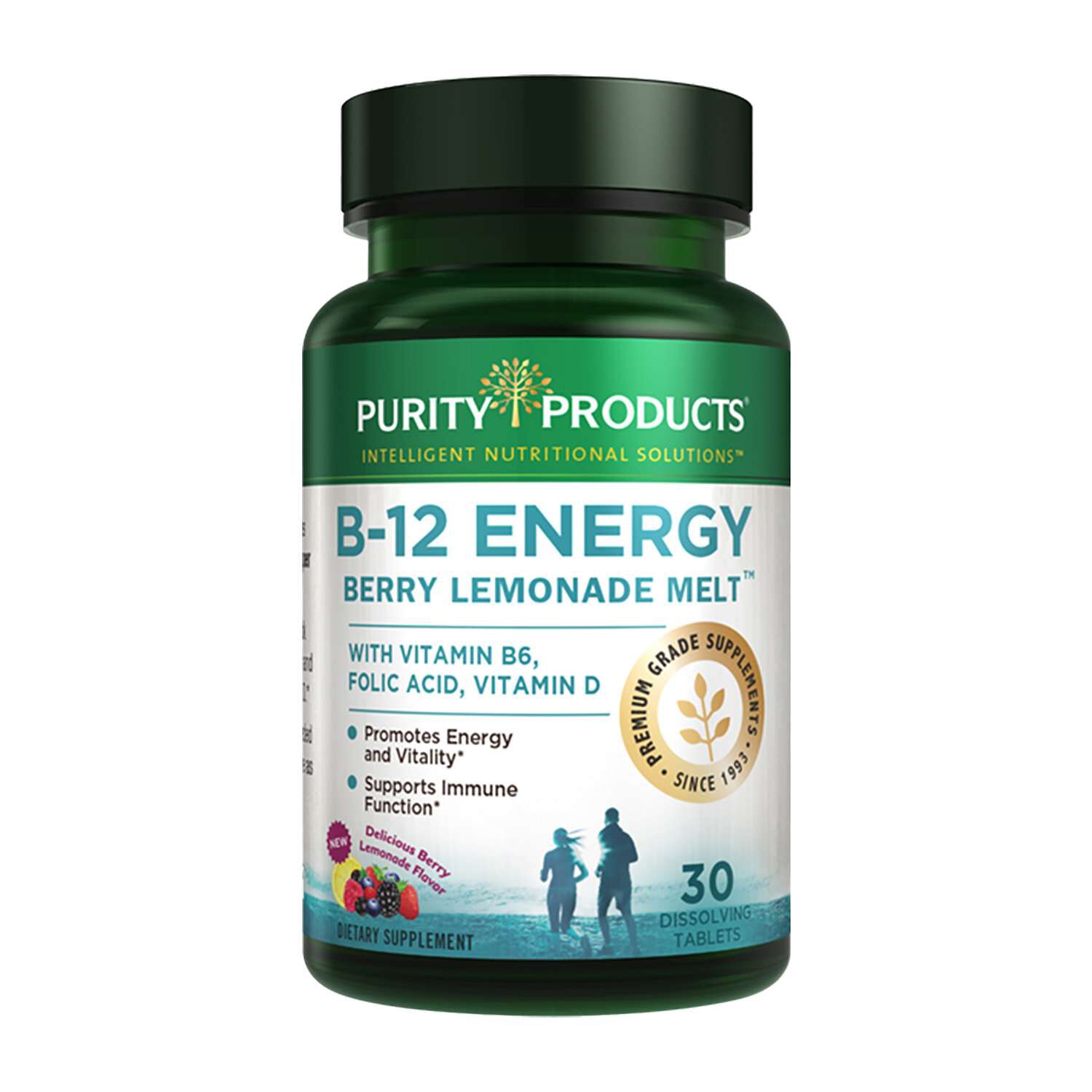
B12 energy tablets with antioxidants bring vitamin B12 and selected antioxidant ingredients into a tablet format for everyday nutrition. Depending on the formula, the antioxidant portion may include vitamin C, vitamin E, or ingredients derived from plants. Some formulas also contain other B vitamins, while others keep the ingredient list more focused. Vitamin B12 may support normal energy metabolism, making it a familiar ingredient in supplements designed around daily energy needs. That nutritional role is different from the experience associated with a caffeinated drink, and the word “energy” on a label does not, by itself, identify a stimulant ingredient. The Supplement Facts panel provides a clearer picture of what a formula contains than the wording on the front of the bottle. It lists nutrients, amounts per serving, and any additional ingredients included in that panel, allowing meaningful comparisons between tablets with similar names. Antioxidant ingredients add another dimension to the formula, but their sources and quantities can vary considerably. A tablet containing vitamins C and E is not interchangeable in composition with one featuring a blend of botanical extracts. For shoppers interested in both B12 and antioxidants, the most relevant distinction is whether both appear in the actual formula and how clearly their amounts are disclosed. These tablets may appeal to adults who prefer a compact supplement format, already have an established nutrition routine, or want to compare combined formulas rather than separate bottles. Someone who packs breakfast before a morning commute may value a straightforward tablet, while someone who dislikes mixing powders may prefer a format that requires no preparation. Neither scenario calls for an elaborate routine. The category is best understood through its ingredients, serving format, and intended use, with the product label supplying the details that a broad category name cannot.
Tablet design can make a noticeable difference in the everyday experience of using a supplement. Conventional tablets are intended to be swallowed according to their directions, and some have a coating that changes their surface texture. Chewable tablets are designed for chewing, while dissolving formats have their own instructions for placement and use. These formats should not be treated as interchangeable simply because they contain the same vitamin. A dissolving tablet also should not be assumed to provide a more noticeable energy experience based on format alone. For someone comparing options at a kitchen counter before work, practical details such as tablet dimensions, serving size, and whether water is needed may matter as much as the ingredient list. Flavor is another consideration when the tablet stays in the mouth rather than being swallowed immediately. Fruit flavors, sweeteners, and other flavoring ingredients can shape that experience, and the Other Ingredients list offers useful detail beyond the highlighted nutrients. Colorings, coatings, binding ingredients, and ingredients used to maintain the tablet’s structure may also appear there. Shoppers who follow a vegetarian or vegan eating pattern can look for an explicit label statement rather than assuming that every tablet matches their preferences. Allergen declarations and ingredient sources deserve the same attention when comparing formulas. B12 may be listed as cyanocobalamin or methylcobalamin, so recognizing those names can make labels easier to read without treating one name as a reason to expect a particular result. Amounts of B12 are commonly expressed in micrograms, abbreviated mcg, while some companion nutrients may be listed in milligrams, abbreviated mg. Serving size supplies important context for those numbers: an amount listed for two tablets is not the amount in one tablet. Bottle count and servings per container are likewise different pieces of information. Together, these details help distinguish a simple one-tablet format from a formula with a different serving arrangement, even when both belong to the same category.
Antioxidant blends deserve a closer look because the term describes a broad ingredient category rather than a single standardized formula. Vitamins C and E may appear individually or together, and plant-derived ingredients may be identified by their source, extract name, or amount. When a blend is listed, the panel may show a combined quantity rather than a separate quantity for every component. That distinction matters to shoppers who want a transparent view of what they are comparing. A longer ingredient list is not, on its own, evidence of a better match; a focused formula and a broader blend offer different compositions. Other B vitamins, botanical ingredients, and caffeine, when present, are separate considerations from the B12 itself. Comparing the full label can help keep those differences visible, particularly for someone who already uses a multivitamin or another supplement with overlapping ingredients. Intended use also matters: everyday tablets, chewable formats, and products marketed for particular activities can have different directions even when their names sound similar. For an occasion-focused view of the category, B12 Energy Supplements For Concerts offers a related browsing theme; the occasion does not change the importance of the individual formula and its labeled directions. At home or while traveling, packaging and care remain practical parts of the purchase. A securely closing bottle, legible label, and clearly marked expiration date can make a supplement easier to organize alongside other daily items. Storage instructions on the package take precedence, and retaining the original container keeps the ingredient information and directions close at hand. A loose tablet at the bottom of a bag loses that useful context. For a shared household, separate, clearly labeled containers can also make personal routines easier to distinguish. The most useful comparison ultimately brings together ingredient transparency, tablet format, taste where relevant, serving arrangement, and storage needs. Those concrete details give B12 energy tablets with antioxidants a place in a considered shopping routine without relying on dramatic expectations or treating every formula as the same.