B6 B12 Drinks
(0 Results)
Elevate your energy and support your wellness journey with b6 b12 drinks, designed to fit seamlessly into your busy lifestyle. These refreshing beverages offer a convenient way to enjoy the potential benefits of vitamins B6 and B12, which may play a role in supporting metabolism and overall vitality. Whether you’re looking for a morning pick-me-up or an afternoon recharge, b6 b12 drinks could provide the nutritional support you need to keep moving forward. Discover a range of flavors and formulations that might just become your new go-to choice for on-the-go nutrition.

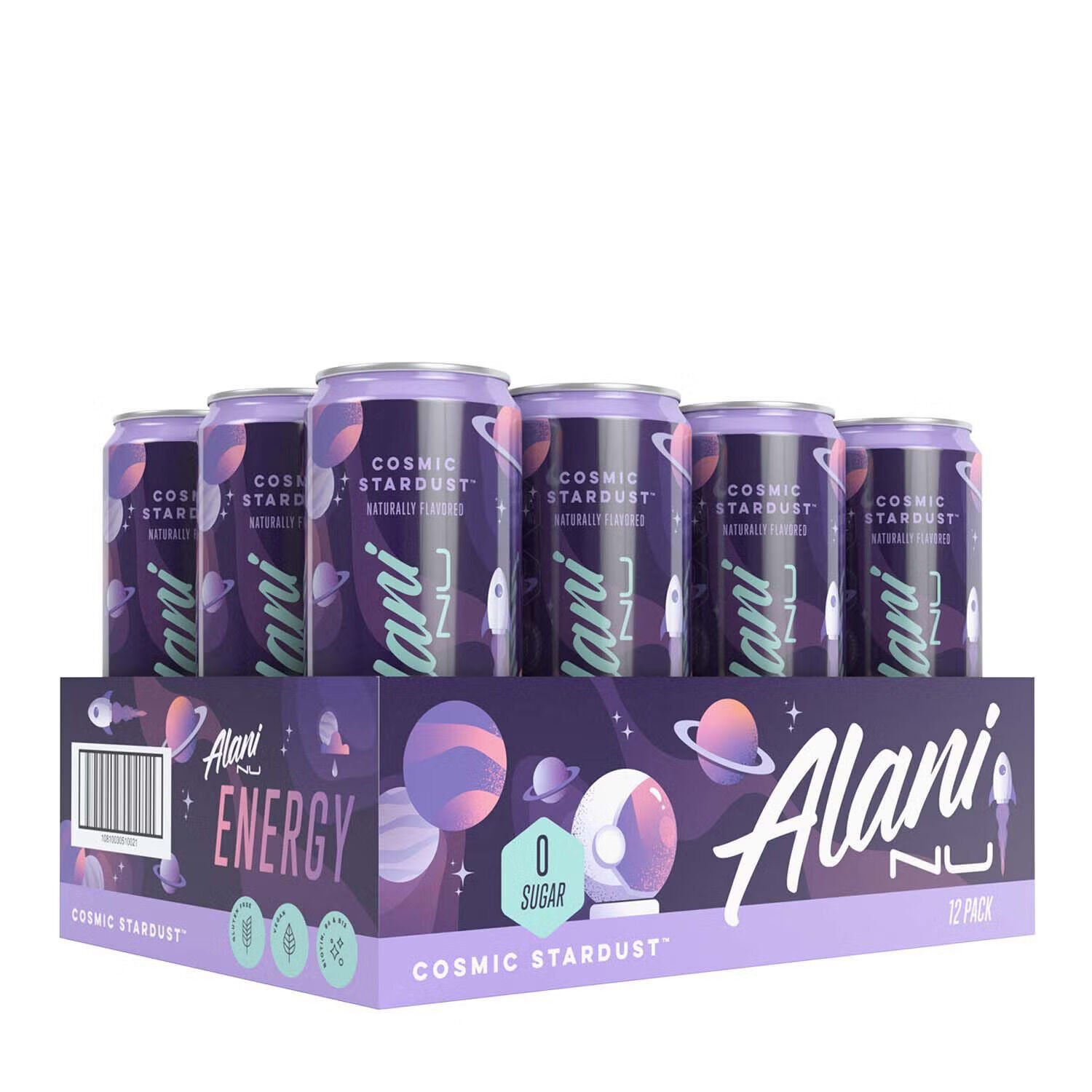

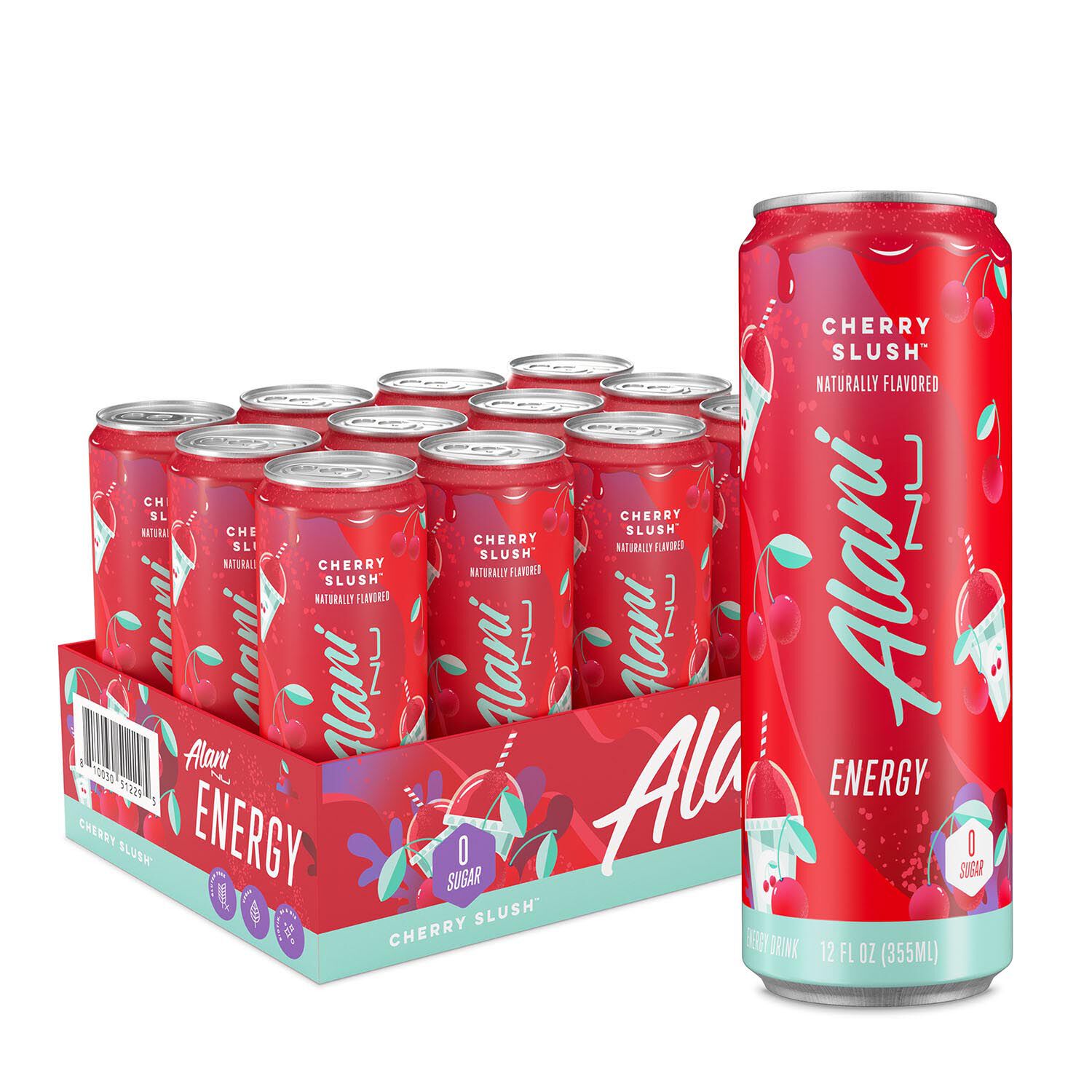

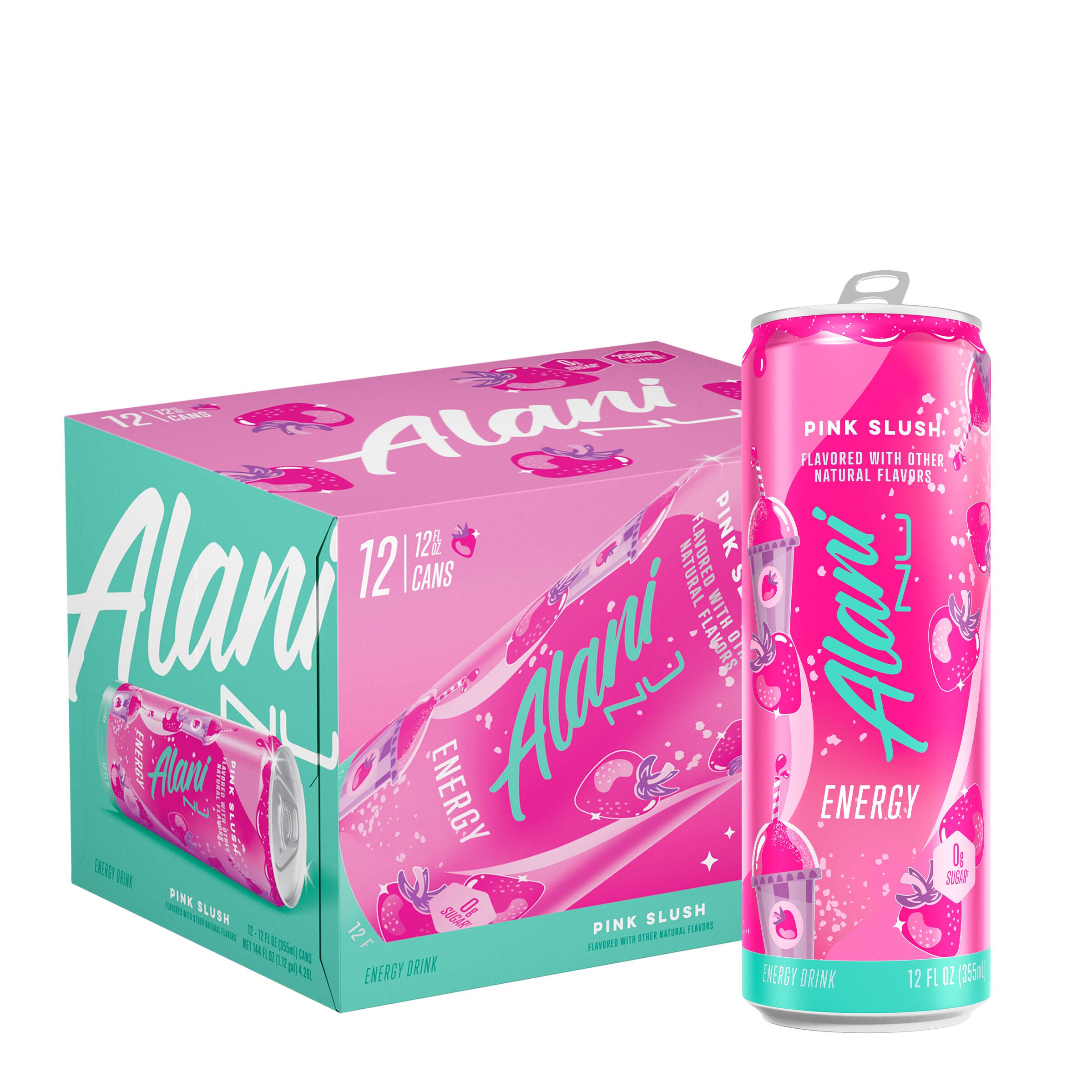


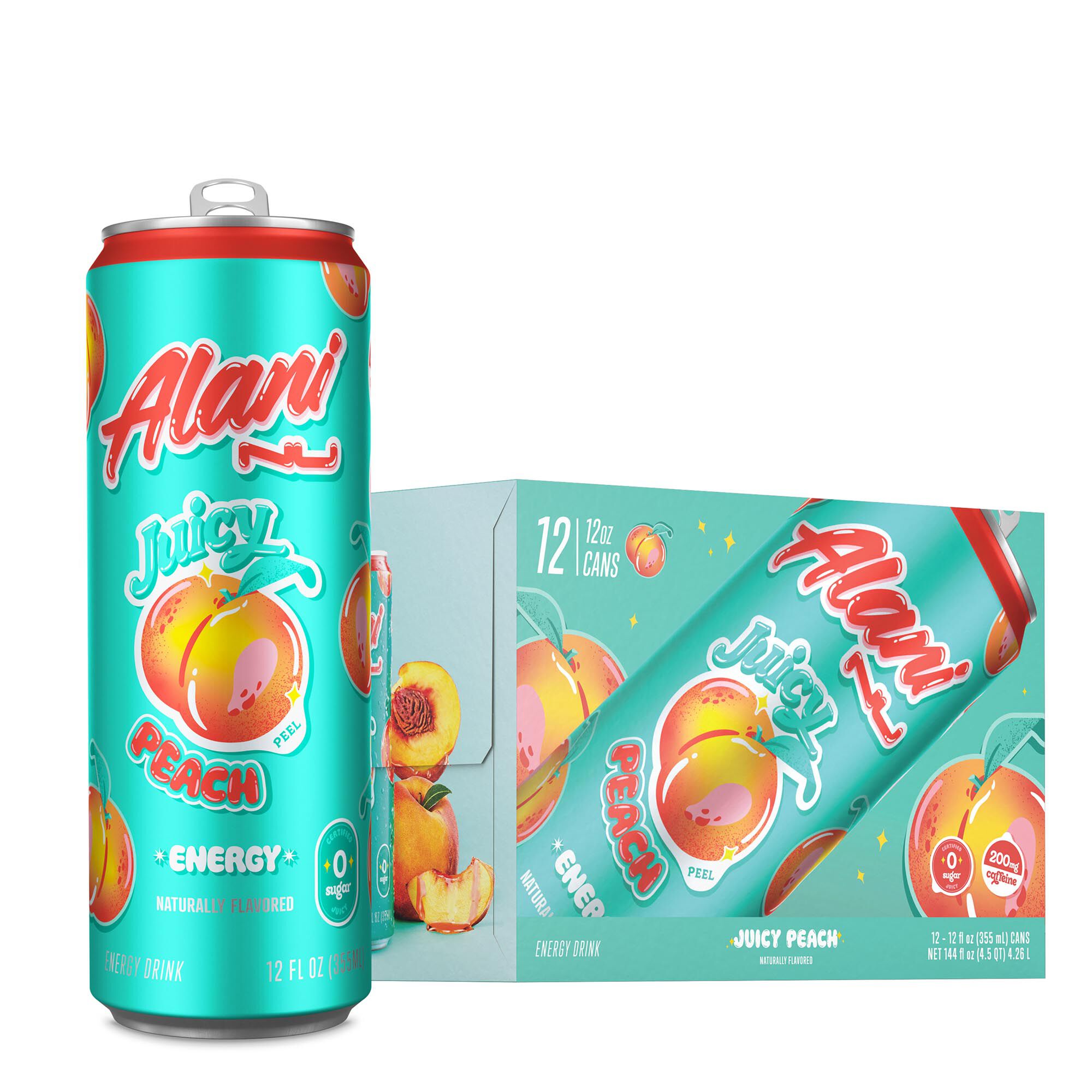
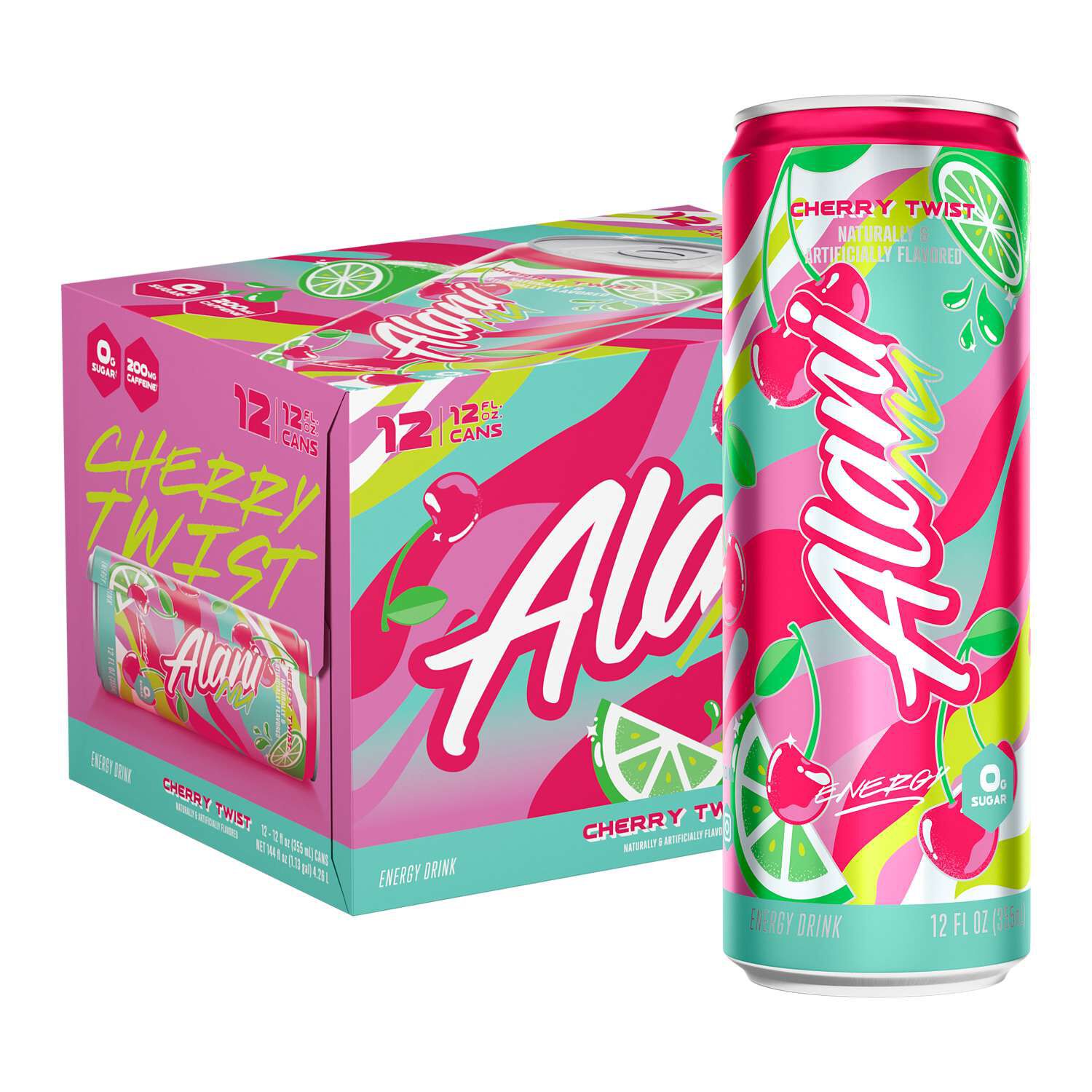

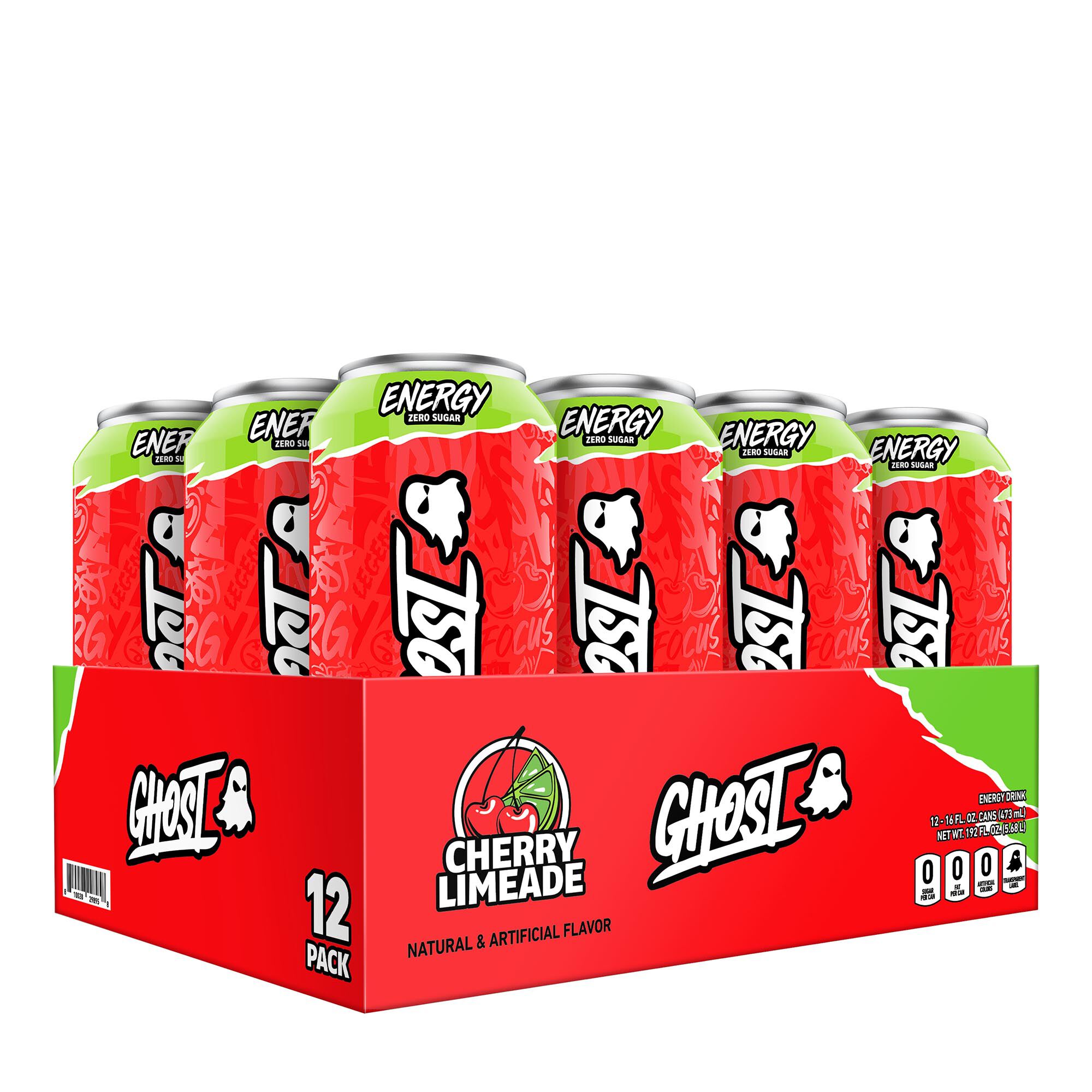


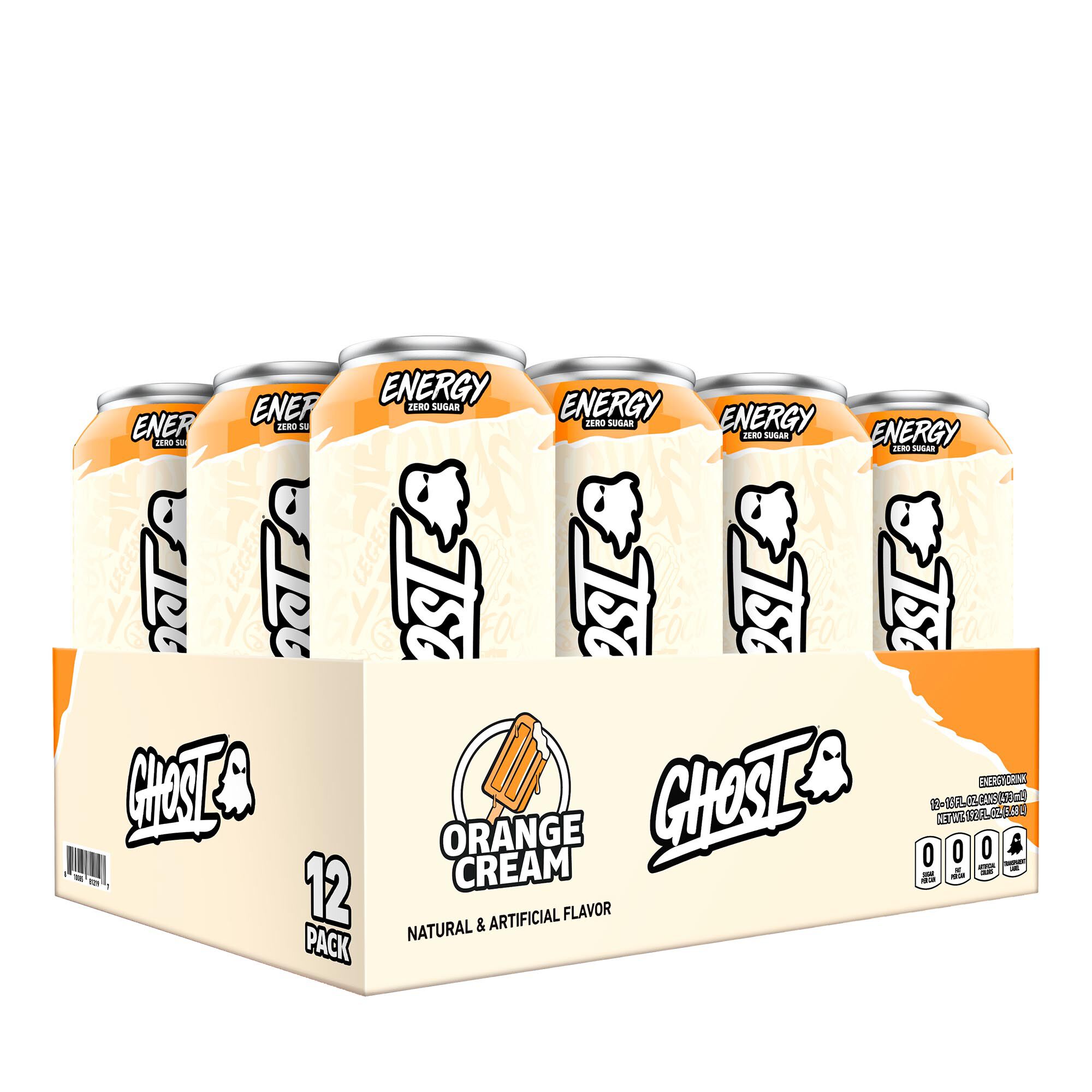


B6 B12 drinks are beverages formulated with vitamin B6 and vitamin B12, often alongside other B vitamins, minerals, flavorings, or caffeine. The category includes ready-to-drink beverages, compact liquid shots, and powdered drink mixes, with differences in serving size, sweetness, texture, and preparation. Some nutritional shakes also contain both vitamins, although their thicker consistency and broader nutrient profiles make them a different drinking experience from a sparkling can or a fruit-flavored water mix. Vitamin B6 and vitamin B12 are water-soluble vitamins, but their presence alone does not describe everything a beverage contains or how it fits into a daily routine. A drink with these nutrients is not necessarily caffeinated, and a caffeinated beverage does not necessarily contain both vitamins. The ingredient list and nutrition panel provide the clearest picture of the formula. For a beverage that specifically includes B6 and B12, look for both nutrients by name rather than relying on a general reference to B vitamins on the front of the package. The amount of each vitamin per serving and its listed Daily Value percentage offer more useful detail than the size of the lettering on the can. Serving information matters, too: a container, a measured portion of liquid, and a scoop of powder are not always interchangeable. A small shot and a full-size bottle may have very different ingredient amounts despite sharing similar flavor descriptions. Shoppers comparing the wider family of B Vitamin Drinks can consider which nutrients appear together, whether caffeine is included, and what kind of beverage they actually enjoy drinking. A crisp, citrus-flavored sparkling option has a different place in a lunch bag than a creamy shake or a powder packet tucked into a desk drawer. Those everyday distinctions are useful starting points for choosing a format, especially when the goal is a beverage that suits a familiar schedule rather than another preparation task.
Taste and serving style are often the details that determine whether a B6 B12 drink fits naturally into the day. Carbonated beverages have a lively texture, while still drinks offer a smoother sip without bubbles. Citrus and berry profiles are common across flavored beverages, but sweetness, tartness, and aftertaste vary with the ingredients. Sugar content is worth comparing separately from flavor: a sweet-tasting drink may contain sugar, alternative sweeteners, or a combination of the two. The nutrition panel lists sugars, while the ingredient list identifies the sweeteners used. For someone who enjoys a drink slowly alongside lunch, a larger ready-to-drink format may be a practical match. Someone who wants a small liquid serving rather than a full beverage may prefer the compact proportions of a shot. Powdered mixes bring another set of considerations, including how much water the directions specify, whether stirring or shaking is recommended, and whether a bottle is needed for preparation. Individually portioned packets require less measuring, while larger powder containers usually call for attention to scoop size and storage between uses. Water quantity can change the flavor intensity of a mix, so the labeled preparation directions are a useful reference for the intended serving. Caffeine deserves its own comparison rather than being treated as another name for B6 or B12. Some formulas contain added caffeine or ingredients such as coffee or tea extracts, while others are made without caffeine. The labeled caffeine amount, when provided, is a separate detail from the vitamin amounts and can be considered alongside other caffeinated beverages in a person's routine. Protein, carbohydrates, sodium, and other nutrients may also distinguish a nutritional beverage from a lighter flavored drink. Dietary preferences require a closer look at the full label as well; dairy ingredients, sweeteners, and other components can vary even when two beverages feature the same vitamins. A familiar flavor name is not a substitute for checking the formula.
Packaging, preparation, and storage add practical context to the choice of B6 B12 drinks. A sealed can is convenient for a single sitting, while a bottle with a screw cap offers a different serving experience when the package allows resealing. A small shot takes up little room in a bag, although its compact size should not be confused with a smaller vitamin serving. Powder packets fit easily beside a water bottle, but they still require the specified amount of liquid and a suitable container. For a commute that begins with a crowded train or a drive across town, packaging that suits the trip may matter as much as flavor. At a desk, a still drink in a capped bottle may be more practical than an open can; after a visit to the gym, a chilled beverage may simply be more appealing than mixing powder on the spot. Package condition and care matter across these formats. Intact seals, readable serving directions, and a clearly marked date are useful details to check before use. Follow the storage instructions for the particular beverage, including any directions to refrigerate after opening or consume within a stated period. Powder containers need the care described on their labels, often including a tightly closed lid and storage away from moisture. A dry measuring scoop and a clean mixing bottle help keep preparation tidy, while prompt washing keeps leftover flavor from carrying into the next drink. During cooler months, a beverage may spend more time in a work bag than in a picnic cooler, but the package's storage directions remain the reference point. For a shared office refrigerator or a household with different beverage preferences, clearly labeled individual servings can make it easier to keep selections separate. Across B6 and B12 beverages, the most meaningful comparisons remain concrete: the two vitamins listed on the label, the serving size, caffeine content, sweetness, preparation, and the format that suits the occasion. Together, those details offer a grounded way to compare drinks beyond their front-label descriptions.