Bean Protein Snacks
(0 Results)
Looking for a delicious and nutritious way to power up your day? Our Bean Protein Snacks are a fantastic choice! Packed with plant-based protein, fiber, and essential nutrients, these snacks are perfect for anyone looking to fuel their body with wholesome ingredients. Whether you're on-the-go, at work, or hitting your workout goals, these bean protein snacks are a convenient and tasty option to keep you satisfied and energized throughout your day. With a variety of flavors and textures to choose from, you're sure to find a favorite that suits your taste buds while supporting your health and wellness goals.


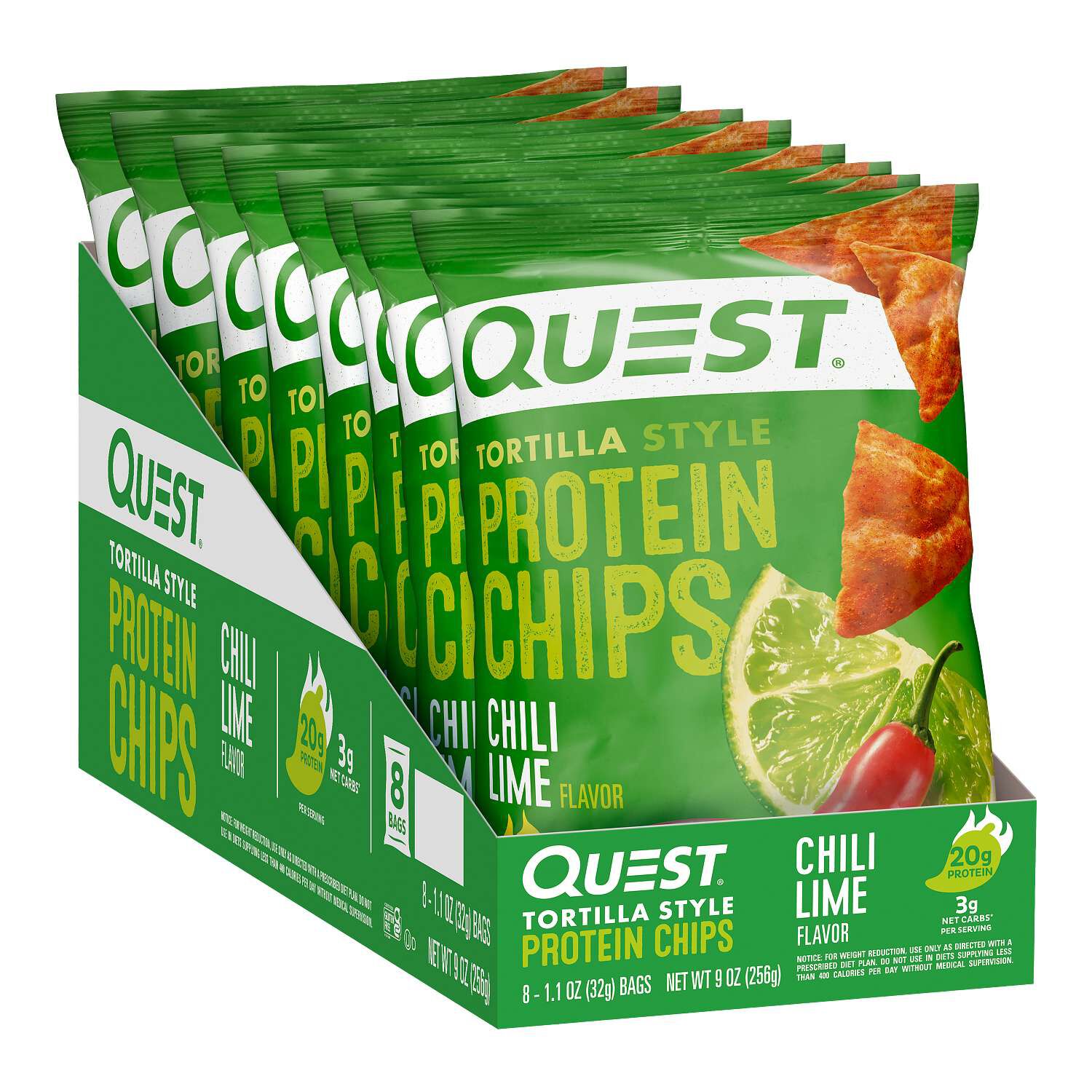

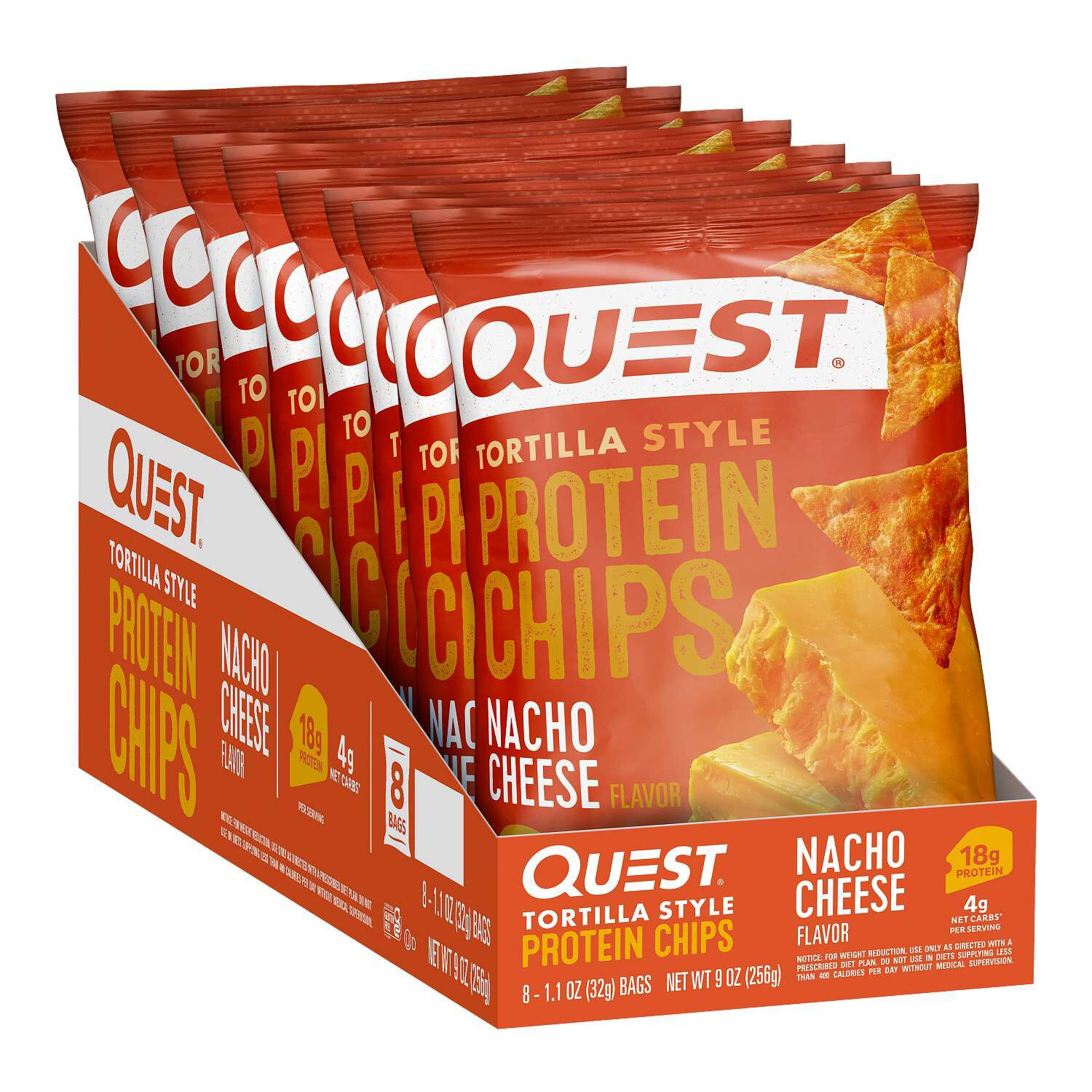
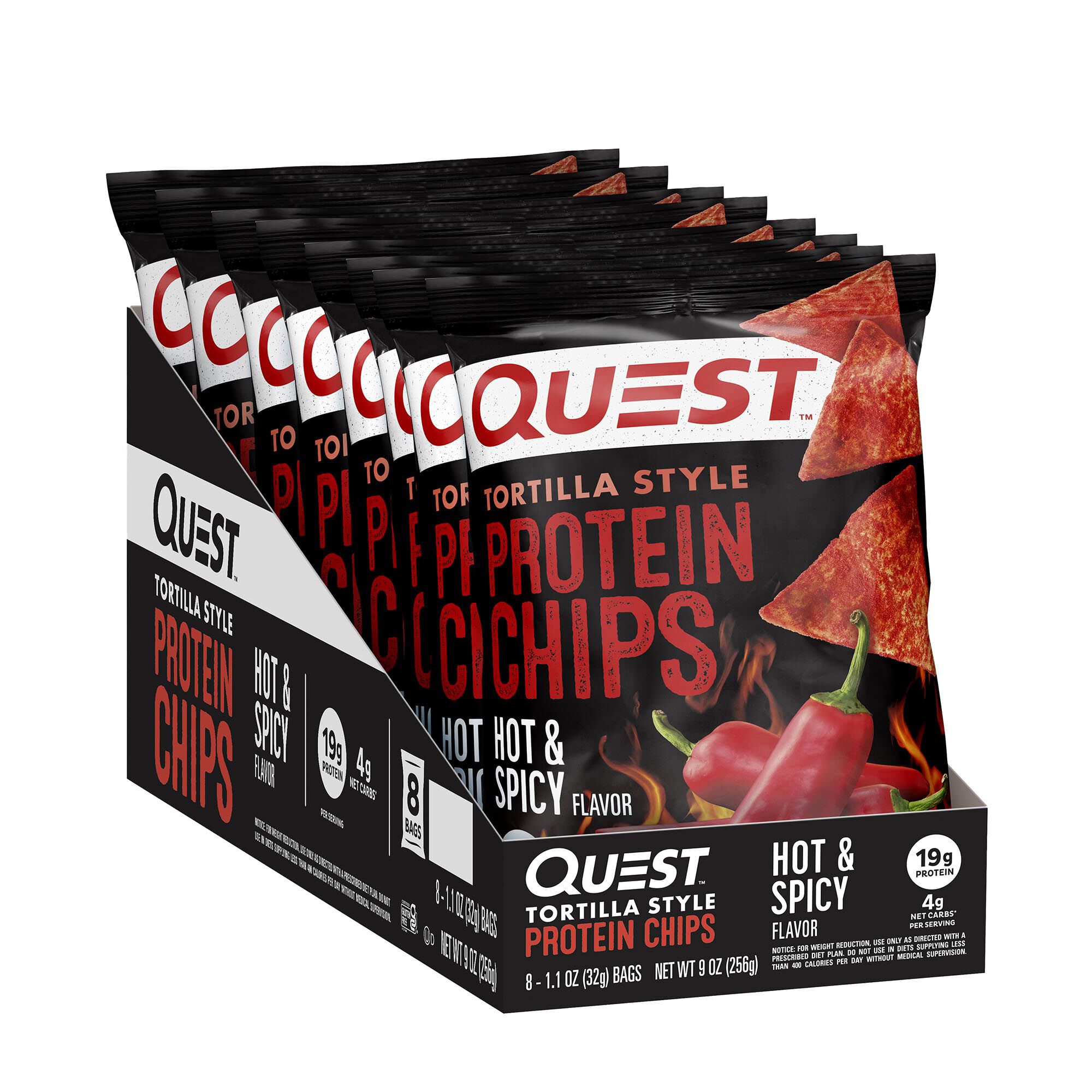
Bean protein snacks are packaged snacks made with beans or other legumes, often roasted, baked, or shaped into crisp bites for a savory alternative to familiar snack foods. The category includes whole-bean formats, such as roasted edamame and fava beans, along with puffs and chips made from bean flour. Edamame are young soybeans, while fava beans are broad beans; each brings a different flavor and texture to the finished snack. Roasted edamame generally has a firm crunch and a mild, nutty taste, while split fava beans often have a more substantial bite and an earthy character. Bean-flour snacks vary more widely in shape and texture, from airy puffs to thin, crisp chips. Those differences matter when choosing something to eat straight from the bag, pair with lunch, or scatter over a salad. Protein content depends on the bean, the recipe, and the serving size, so the Nutrition Facts panel is the best place to check grams of protein per serving. A bag of whole roasted beans and a puff made with a blend of bean and grain flours should not be assumed to provide the same amount. Package size also matters: a small pouch may contain one serving, while a larger bag may contain several. Comparing equal serving weights gives a clearer picture than comparing the numbers on the fronts of two differently sized packages. Fiber, sodium, carbohydrate, and fat amounts are other useful details to review alongside protein, depending on personal food preferences and everyday eating habits. Dry-roasted, baked, and oil-roasted describe preparation methods rather than a uniform nutritional profile. The ingredient list provides the additional context, including the kinds of beans, oils, flours, and seasonings used. For shoppers interested in plant-based protein snacks, that combination of bean type, preparation method, serving size, and flavor is more informative than any single description on the package.
Flavor and texture give bean protein snacks much of their appeal, especially for anyone who prefers something savory to a sweet bar or shake. Lightly salted varieties put the bean’s own flavor at the center, while chili, garlic, onion, smoky spices, or tangy vinegar seasonings create a bolder bite. A simple seasoning blend may suit a lunch with several other flavors; a more assertive blend could be a good match for an afternoon snack eaten on its own. The coating matters as much as the flavor name. Finely powdered seasoning tends to cling to the surface, while coarser spice blends can leave a different feel on the fingers and at the bottom of the bag. For desk snacking, a lightly coated whole-bean format might be a practical preference. For a shared snack bowl, a mix of shapes and textures could make the assortment more interesting. Some bean snacks have a dense, firm crunch, while puffed formats often have a lighter structure, so photographs and package descriptions are worth examining rather than treating every bean-based option as interchangeable. Ingredient preferences deserve the same attention. A snack made from beans is not automatically vegan, because seasonings may contain dairy ingredients or other animal-derived components. Likewise, a bean-based recipe can include wheat, nuts, sesame, or ingredients processed on shared equipment. Soybeans are soy, including when they are labeled as edamame. Anyone shopping around ingredient restrictions should review the full ingredient list and allergen statements on each package instead of relying on the category name. For a snack intended to accompany hummus or another dip, a broad chip shape may be more convenient than small roasted beans. For adding crunch to a grain bowl, whole beans or split pieces could be a better fit. These everyday uses make shape, seasoning, and serving format just as relevant as the protein number when deciding what belongs in a pantry or lunch bag.
Packaging is another useful way to narrow the choice, particularly when bean protein snacks are part of a regular routine. Individually portioned pouches separate servings for a work bag, a campus backpack, or a lunch packed before a busy day. Larger bags make sense for a household that shares snacks or for someone who prefers to portion food into reusable containers. A resealable closure is worth checking, along with whether the package stands upright, fits into a lunch tote, or needs a separate clip after opening. A rigid container may help protect thin chips and airy puffs from getting crushed beneath a water bottle or notebook. When comparing larger formats and individually wrapped portions, the Bulk Protein Snacks page offers a related category to consider for pantry planning. Storage directions remain specific to each package, but keeping the closure secure and storing snacks away from moisture are practical considerations for crisp foods. Follow any instructions for storage after opening, and check the printed date before putting a bag aside for later. A clean, dry scoop is useful when dividing a larger package into smaller containers, and keeping the original packaging makes ingredient and serving information easy to reference. For everyday use, roasted beans could accompany a sandwich, sit alongside sliced vegetables, or add a contrasting texture to a salad shortly before serving. Keeping them separate from moist ingredients until mealtime may help preserve their crunch. They can also be included in a snack assortment for a road trip, an office break area, or a casual gathering, with the original labels nearby so guests can review ingredients. As a gift, an assortment may suit someone who enjoys savory foods, provided their ingredient preferences are known; a mix of mild and boldly seasoned choices offers variety without depending on one flavor. Whether the intended use is a packed lunch, a shared pantry, or a small snack between activities, the most useful comparison comes down to the details: recognizable ingredients, a preferred texture, clearly stated protein per serving, and packaging that suits the way the snack will be carried, stored, and enjoyed.