





Best Vitamin D Supplement Brand
(0 Results)
Finding the best vitamin D supplement brand could make it easier to support your daily wellness routine. With a wide variety of options available, choosing the right supplement might help you maintain your health goals. Explore top-rated choices and discover which best vitamin D supplement brand may fit seamlessly into your lifestyle.


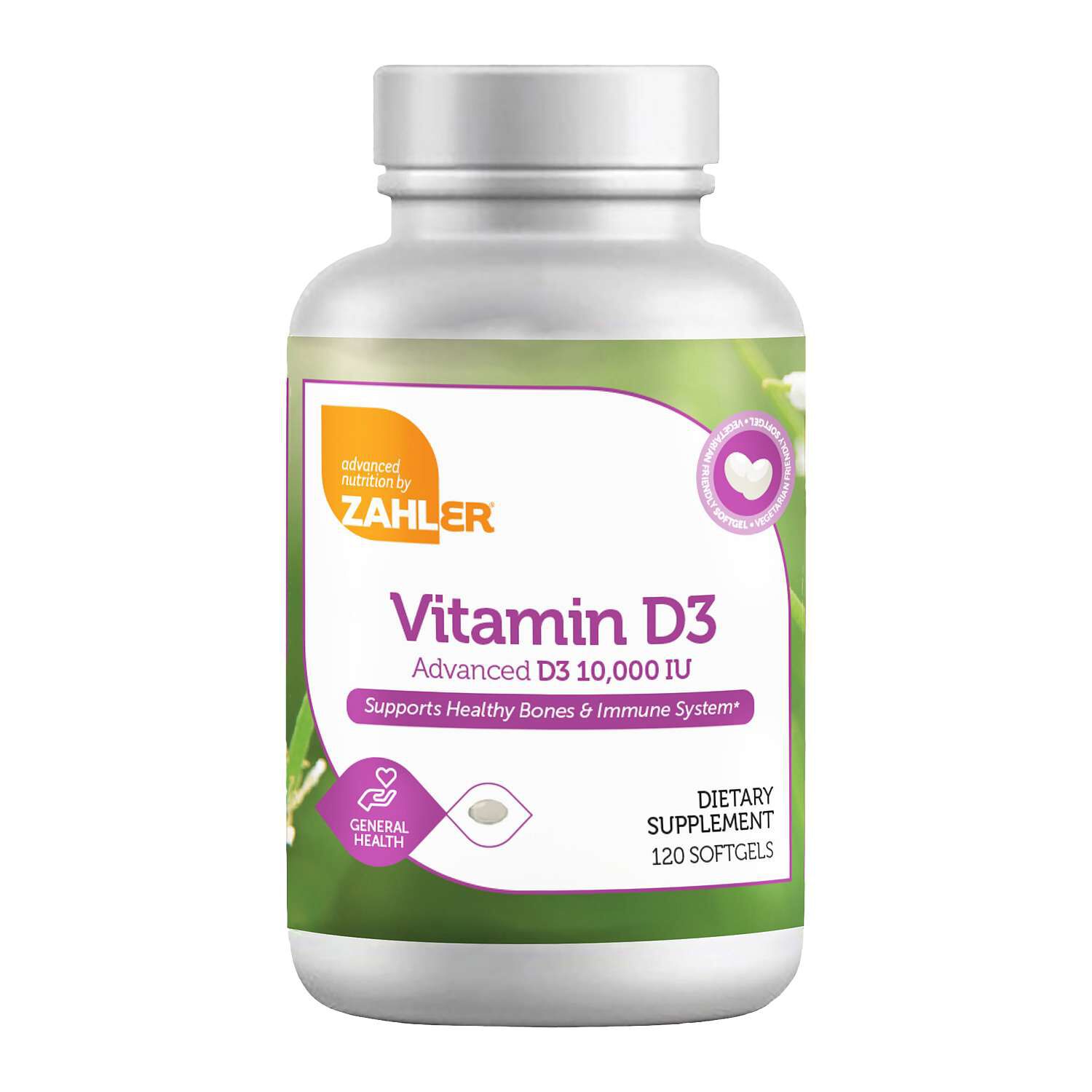


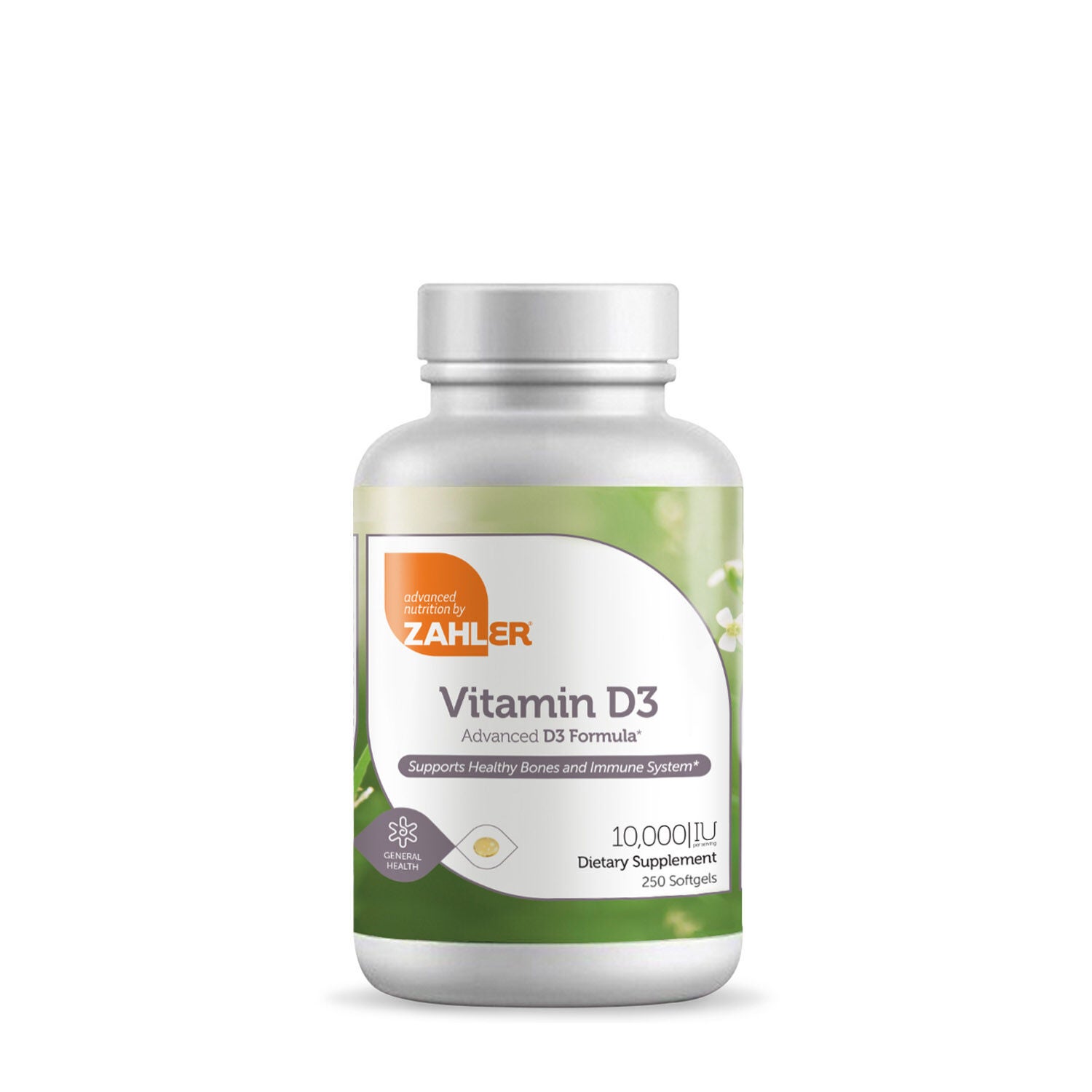


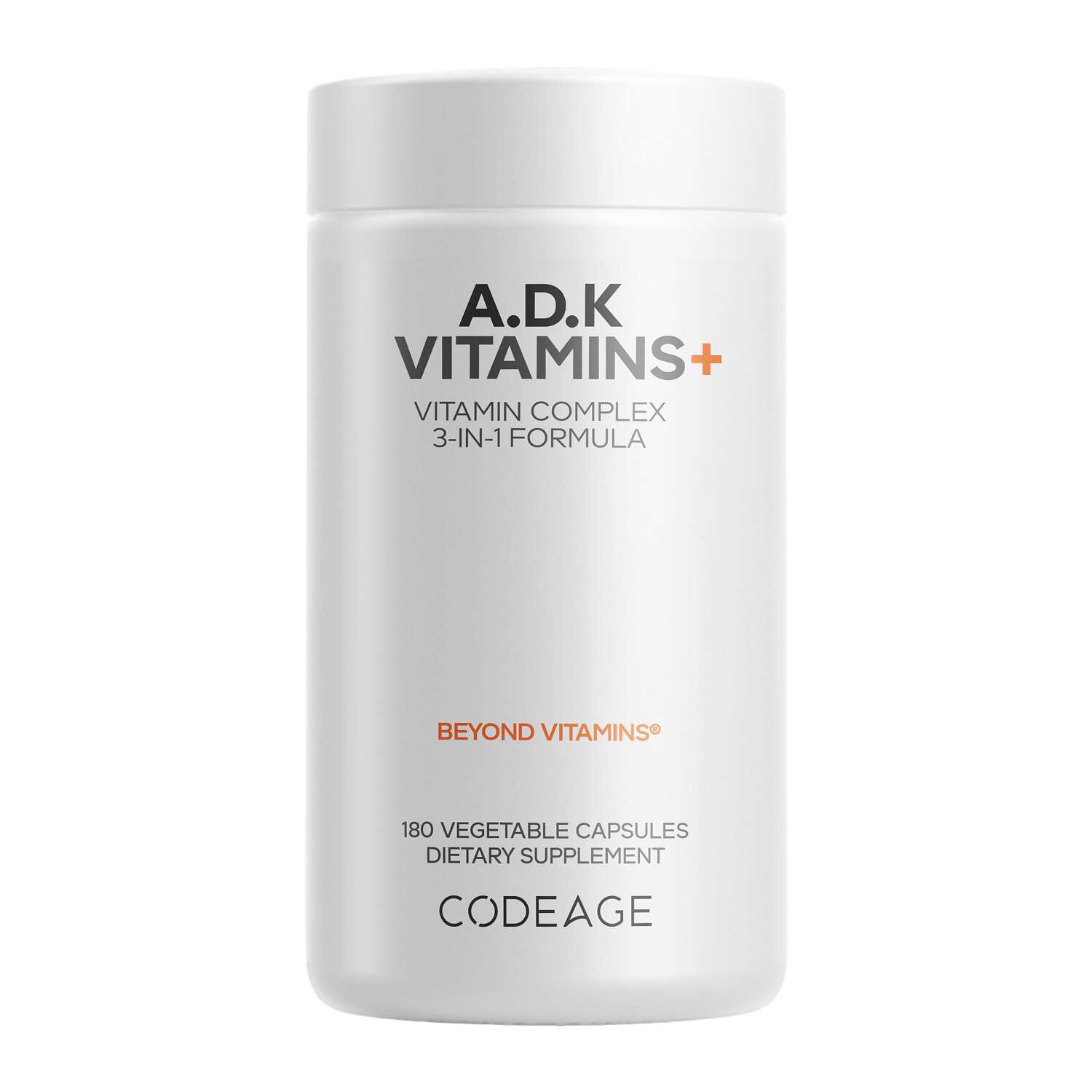


The best vitamin D supplement brand for a particular shopper depends on the formula, ingredient sourcing, serving format, and quality information that matter to that person. A useful comparison starts with clear labeling rather than a broad claim of superiority: the form of vitamin D, the amount per serving, the serving size, and the supporting ingredients should be easy to identify. Vitamin D supplements generally contain either vitamin D2, also called ergocalciferol, or vitamin D3, also called cholecalciferol. D2 is commonly derived from fungi or yeast, while D3 can come from sources such as lanolin or lichen. That distinction matters to shoppers with plant-based preferences, because a D3 label alone does not establish the ingredient’s origin. The capsule shell and other ingredients also deserve attention; a plant-derived vitamin can still be packaged in a gelatin softgel. For someone comparing several bottles, the strongest starting point is a label that answers practical questions without leaving the details to guesswork. Look for an identifiable vitamin source, a readable Supplement Facts panel, and straightforward directions. Amounts may be listed in micrograms, international units, or both, so comparing the same unit and serving basis makes differences easier to understand. One gummy, one capsule, and one dropper are not automatically equivalent servings, even when the front labels look similar. A larger number on a bottle is not, by itself, evidence of better quality or a better personal match. Some formulas contain vitamin D alone, while others pair it with ingredients such as vitamin K2 or calcium. These combinations represent different ingredient profiles, not a universal ranking of better and worse. Shoppers seeking a straightforward formula may prefer fewer components to review, while those comparing combination formulas have additional amounts, sources, and serving details to consider. The most meaningful brand comparison brings these details together rather than treating packaging, popularity, or a single prominent number as the deciding factor.
Format is another important part of choosing a vitamin D supplement, especially when a bottle will become part of an established routine. Softgels typically have a smooth outer shell and a liquid or oil-based interior; the label identifies the carrier oil and shell ingredients. Capsules may contain powder or other fill materials, while tablets have their own binders, coatings, shapes, and dimensions. Someone who prefers a compact format may pay close attention to the actual capsule or tablet size instead of judging by the bottle’s photograph. Liquid vitamin D offers a different experience, with dispensing systems that can include individual drops, measured droppers, or pumps. Those systems are not interchangeable: a serving described as one drop is different from a serving described as one full dropper. Clear markings, an understandable serving description, and a closure that fits securely are practical packaging details worth comparing. Gummies and chewables add taste and texture to the decision, with differences in sweetness, flavoring, color ingredients, and serving count. A fruit-flavored gummy might suit someone who dislikes conventional capsules, while an unflavored liquid might appeal to someone who prefers a format without a candy-like taste. Ingredient lists help distinguish these options more reliably than package imagery. Dietary preferences add another layer, including the source of gelatin, the presence of milk or soy ingredients, and whether a vegan claim is supported by details about both the vitamin and its delivery format. A short ingredient list can be appealing, but length alone does not establish quality; supporting ingredients often serve specific roles in texture, consistency, or the capsule’s structure. Intended users matter, too. Adult and children’s formulas can differ in concentration, serving instructions, and presentation, so similarly styled packages should not be assumed to serve the same audience. For a shopper who already knows a preferred format, consistent labeling and detailed ingredient disclosure make it easier to compare brands without relying on vague descriptions such as premium or advanced.
Quality documentation can further distinguish vitamin D supplement brands, particularly when it explains what was evaluated and who performed the evaluation. Independent testing may address ingredient identity, the amount of a listed ingredient, or checks for certain contaminants. These are separate criteria, and a statement about one does not automatically establish the others. A named certification program with publicly described standards is more informative than an unexplained testing symbol. It also matters whether a claim applies to the specific formula being considered, rather than another formula from the same company. Athletes subject to sports organization rules may place particular importance on certification programs designed around those requirements, while other shoppers may focus on accessible test information, sourcing details, or clearly stated manufacturing practices. None of those features makes every formula from a brand identical, which is why the individual label remains central to a thoughtful comparison. Packaging and storage details deserve similar attention. Readable lot information, a date marking, a secure seal, and accessible manufacturer contact information are useful features when reviewing a bottle. Storage directions belong in that comparison as well, especially for liquids with instructions that differ before and after opening. Keep the original label with the product so the serving information and handling directions remain available throughout use. Bottle count also needs context: the number of capsules or gummies is not necessarily the number of servings. Shoppers who prefer a larger container can compare Large Bottle Vitamin D3 Supplements while checking serving size, container dimensions, and the labeled date alongside the count. A larger bottle may suit an established household purchasing pattern, whereas a smaller container may fit more comfortably in a compact cabinet. The best vitamin D supplement brand is ultimately a practical match supported by transparent information: a suitable format, clearly identified ingredients, understandable serving details, and quality claims with a defined basis. Those characteristics offer a more useful way to evaluate the selection than a one-size-fits-all ranking, allowing personal preferences and verifiable product details to shape the comparison.


