





Best Vitamins For Digestion And Bloating
(0 Results)
Finding the best vitamins for digestion and bloating may support your wellness journey by helping you feel your best from the inside out. Whether you’re looking to maintain digestive comfort after meals or simply want to explore options that may promote gut health, a variety of vitamins are available to suit your needs. Discover selections that could complement a balanced lifestyle and fit seamlessly into your daily routine, all designed with digestive health in mind.
-

-

-

-

-
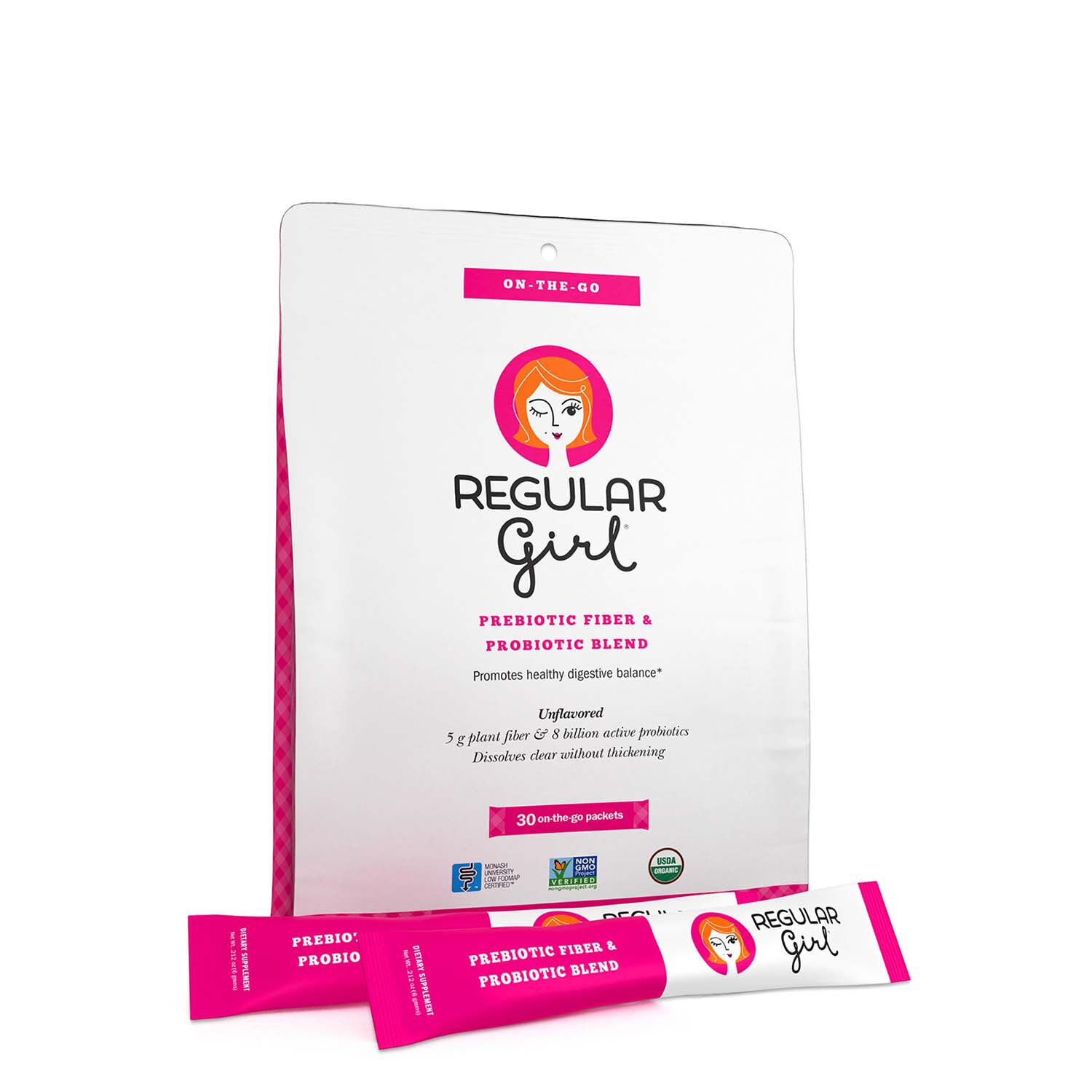 205$34.99
 -

-

-

-
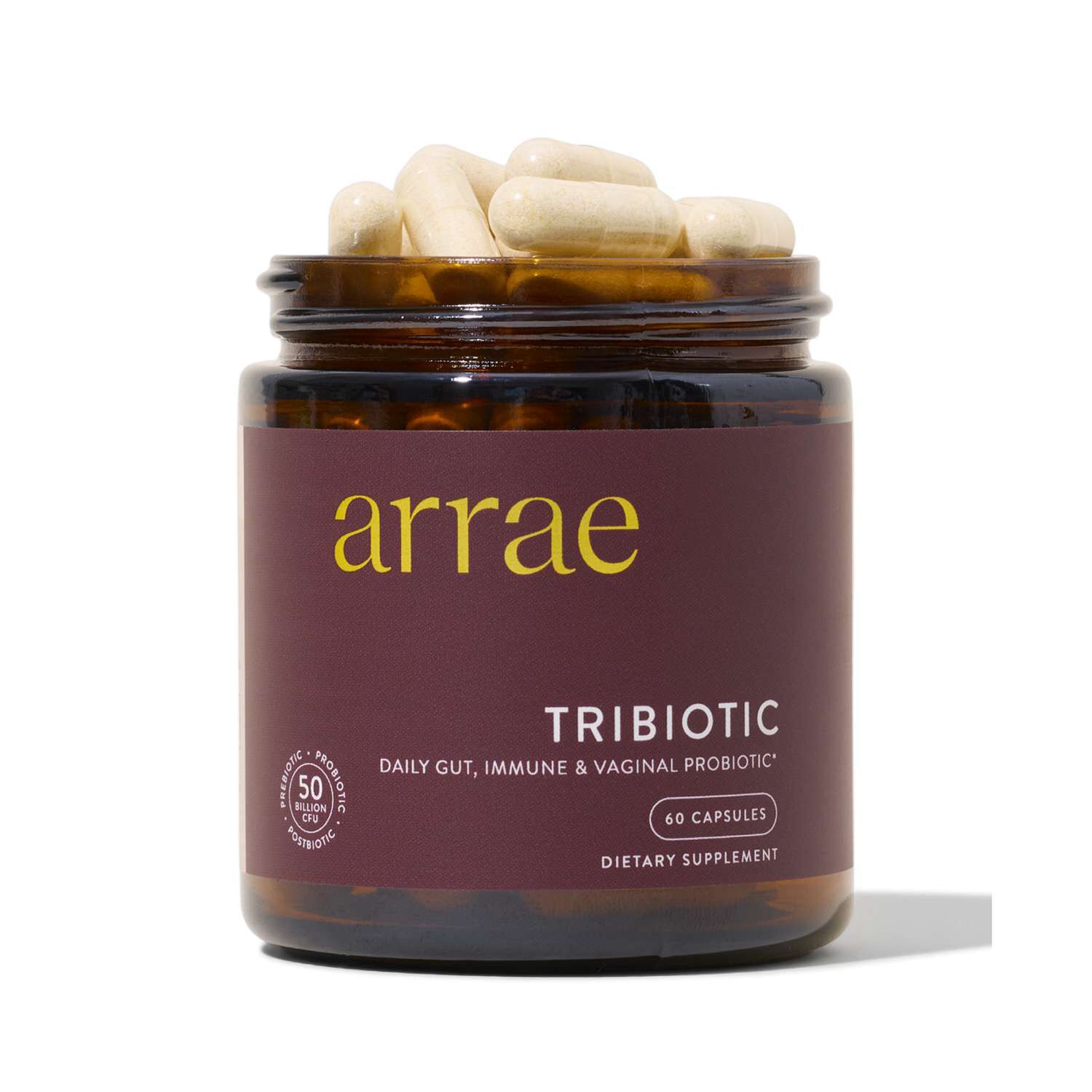
-
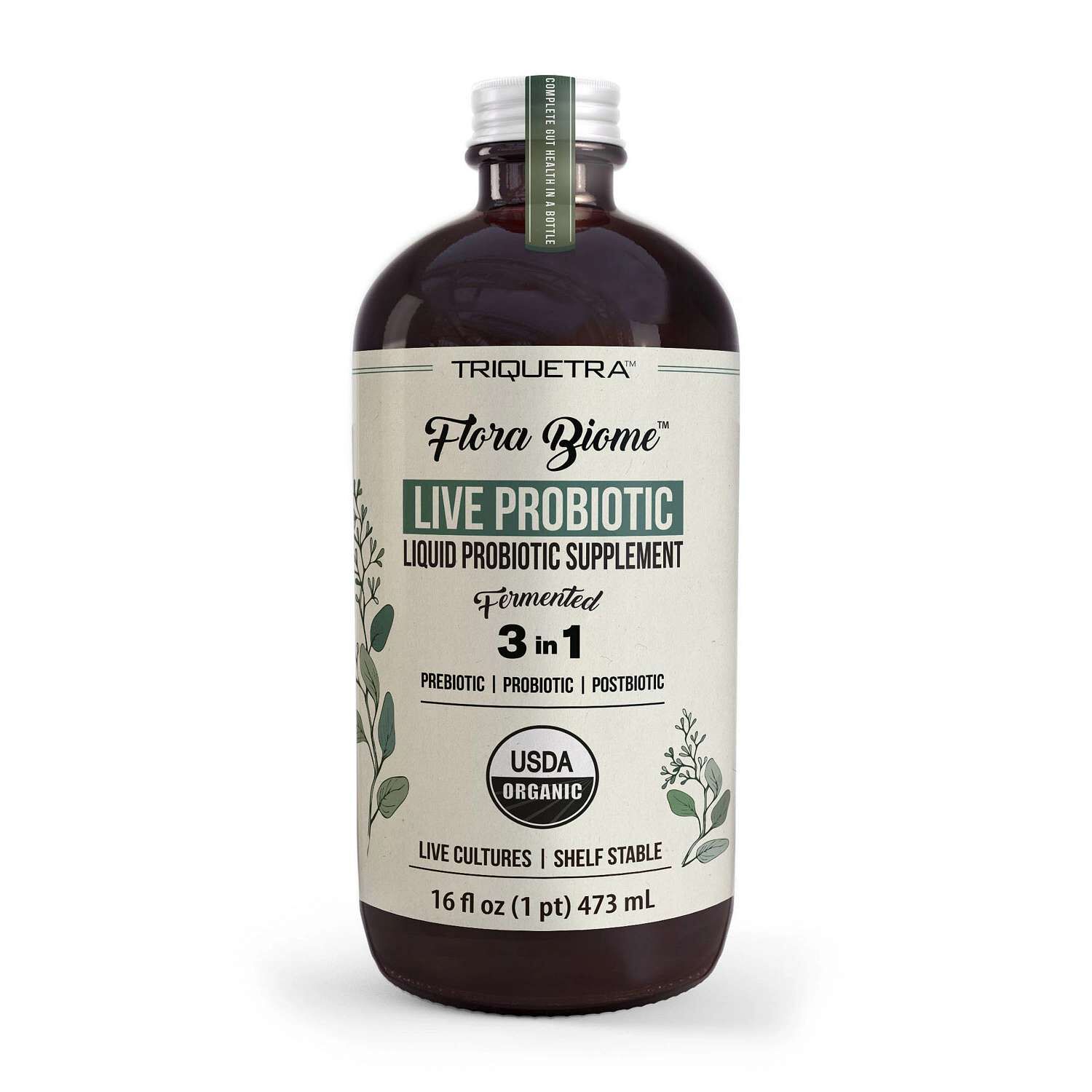
-

-
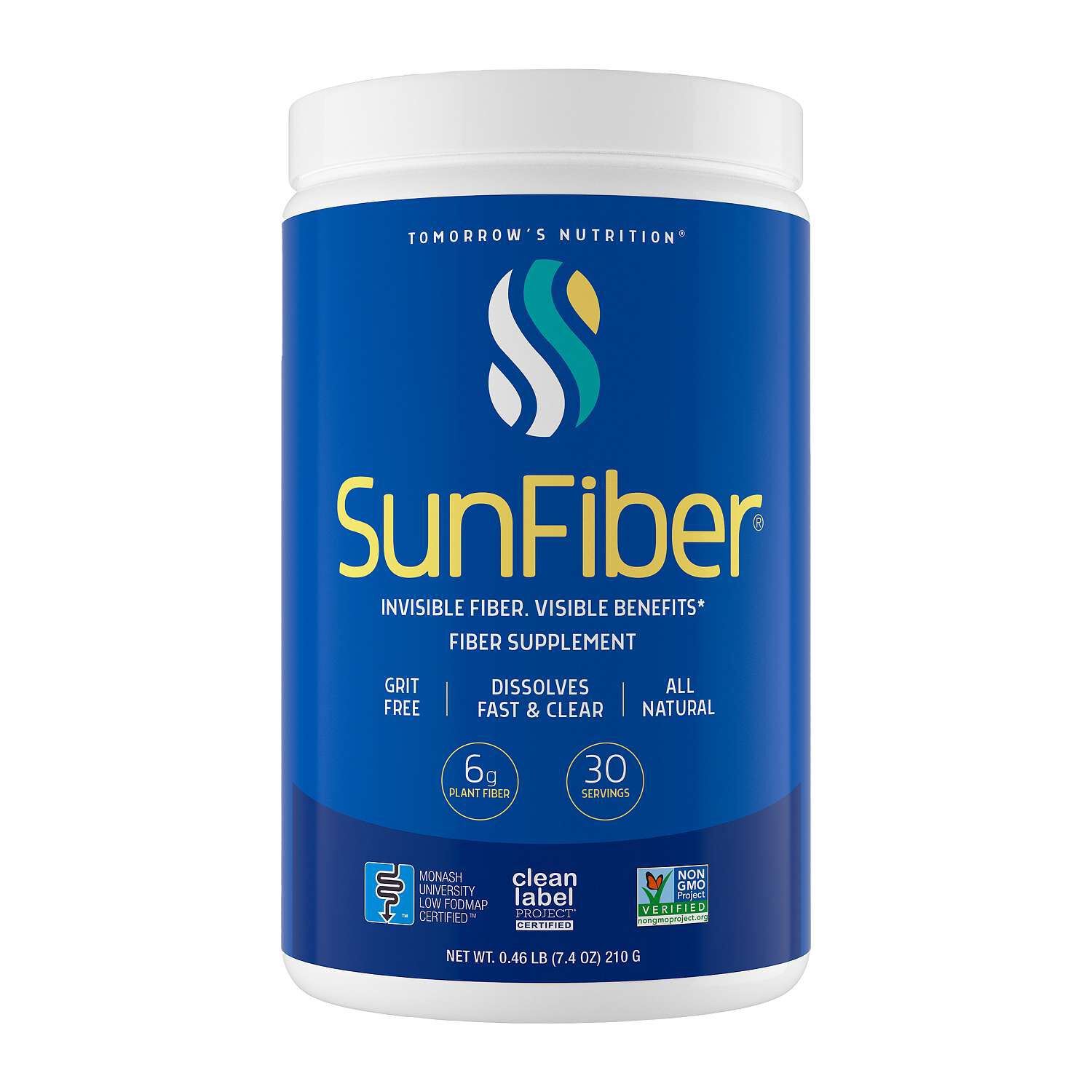
-

-

-

-
-
 _Front.jpg?sw=305&sh=305&sm=fit "Magnesium: Bioactive Magensium Citrate - 60 Capsules (60 Servings) | GNC")
-




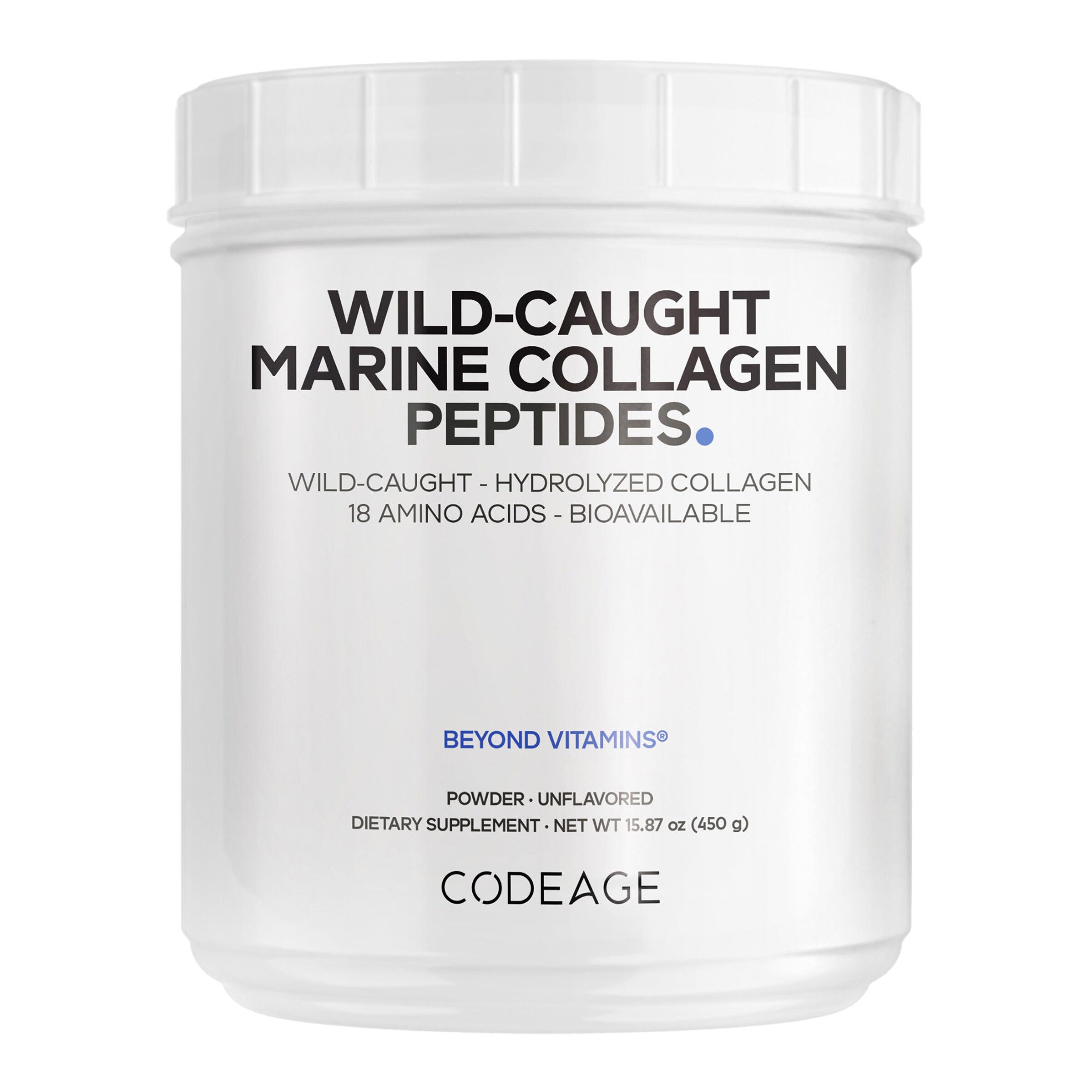


Shopping for the best vitamins for digestion and bloating often means looking beyond vitamins alone. This category includes probiotics, digestive enzymes, fiber supplements, and botanical formulas, each with a different ingredient profile and intended use. Vitamins are nutrients, while probiotics contain live microorganisms, enzyme supplements contain particular enzymes, and fiber supplements provide forms of dietary fiber. Those distinctions matter more than whether a package uses the broad phrase “digestive support.” A multivitamin may complement everyday nutrient intake, but it is not interchangeable with a probiotic or an enzyme formula. For shoppers comparing digestive supplements, the most useful starting point is the type of formula, followed by its ingredients, serving size, and directions. Probiotics may support a balanced digestive environment, digestive enzymes may support normal food digestion, and certain fibers may support regularity. These are different purposes, not competing versions of the same product. The best fit depends on personal preferences, dietary considerations, and how a supplement fits into an established routine; no single format or ingredient is the best choice for everyone. Someone who prefers a capsule with breakfast has different practical priorities from someone who wants an unflavored powder to mix into a beverage. A shopper browsing after noticing fullness around meals may also arrive with different expectations from someone simply looking to round out a daily wellness routine. Those shopping goals explain the range of formulas grouped under digestion and bloating, but a category name does not establish what an individual supplement might do. Clear ingredient labeling is more informative than broad front-label language. Look for the actual ingredient names, amounts per serving, and any details that distinguish one formula from another. A short ingredient list can be appealing for simplicity, while a combination formula brings several ingredient types into one serving. Neither approach is automatically better; what matters is understanding what the formula contains rather than treating every digestive supplement as a vitamin.
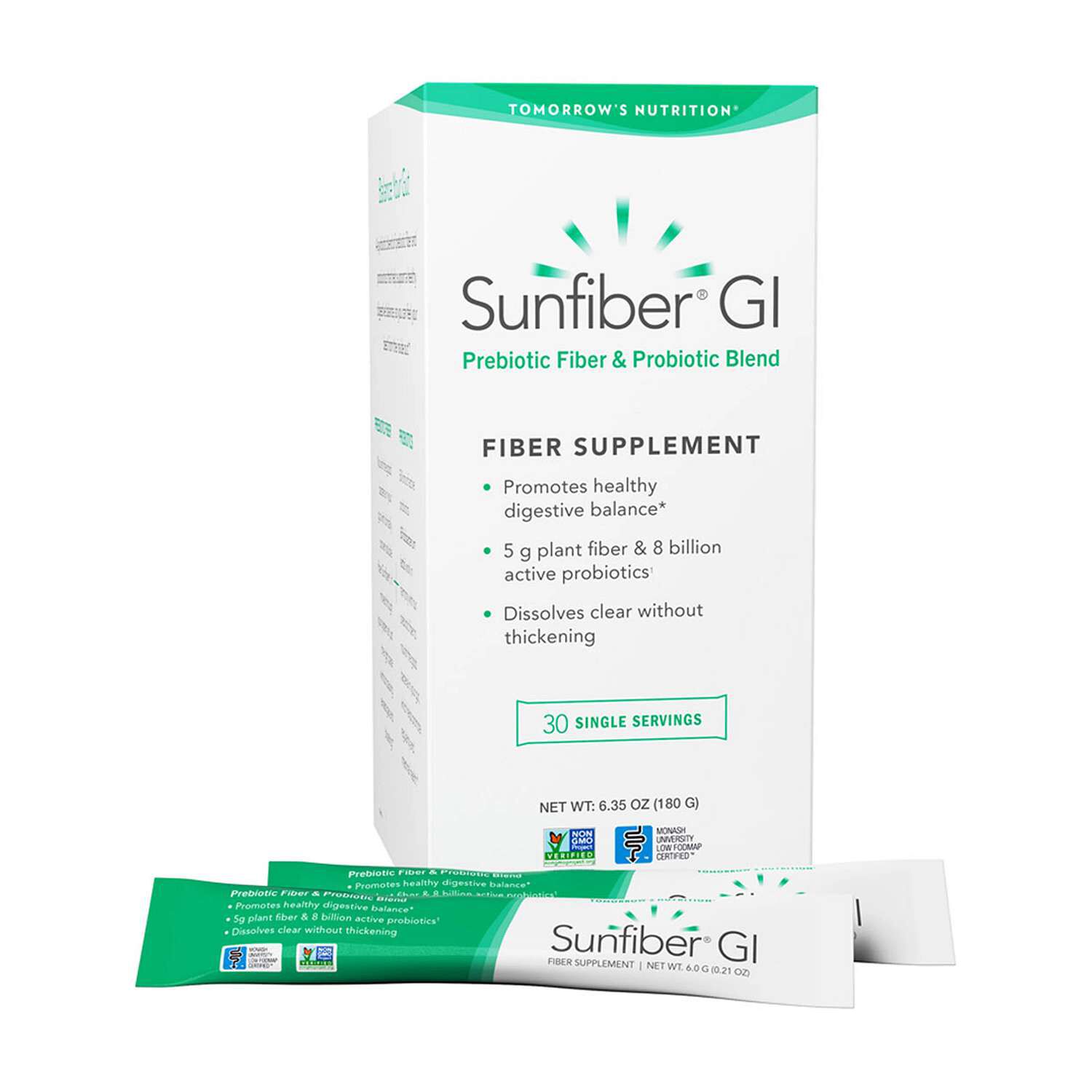
Probiotic supplements commonly feature microorganisms from groups such as Lactobacillus and Bifidobacterium. Labels may identify the genus, species, and strain, giving shoppers a more precise picture than a general reference to “good bacteria.” Colony-forming units, abbreviated CFU, describe a measure of viable microorganisms. A larger CFU number or a longer list of strains is not, by itself, a reason to prefer one formula. Strain identification, serving directions, and whether the stated count applies at manufacture or through the labeled expiration date provide additional context for comparison. Prebiotics belong to a different category: they are substrates that microorganisms can use, and some forms of dietary fiber serve this purpose. Not all fiber is prebiotic, and a fiber supplement is not automatically a probiotic. Fiber formulas may include ingredients such as psyllium husk, inulin, or other plant-derived fibers, with differences in texture, mixing characteristics, and grams of fiber per serving. Combination formulas pair fiber or prebiotic ingredients with probiotics, bringing distinct components into a single format. Shoppers interested in that pairing can explore Fiber Probiotic Supplements For Bloating Support and compare the types and amounts listed on the label. Digestive enzyme supplements are another separate option. Labels may list amylase, protease, lipase, or lactase, sometimes with activity units that describe enzyme activity rather than ingredient weight alone. These formulas may support normal digestion of particular food components, so an enzyme blend deserves a closer look than its overall serving weight. Botanical supplements may feature ginger or peppermint in capsules, softgels, or blended preparations. A botanical name alone does not describe the whole formula: the plant part, preparation, amount, and accompanying ingredients can differ. Across all these categories, single-ingredient and blended supplements offer different approaches to product selection. Comparing like with like—a probiotic with another probiotic, or a fiber powder with another fiber powder—makes the differences easier to understand than comparing unrelated formulas solely by capsule count or package size.
Format and everyday handling also deserve attention when choosing digestive supplements. Capsules and tablets offer measured servings without mixing, though their dimensions and the number required per serving can vary. Softgels have a different shell and texture, while gummies and chewables include flavoring and other ingredients that shape the eating experience. Powders bring their own considerations, including flavor, mouthfeel, mixing directions, and the amount of liquid specified on the package. An unflavored powder is not necessarily textureless, and a flavored option can change the taste of a familiar beverage. For someone who carries a water bottle to work, those details may matter as much as the ingredient list. For someone packing a small travel bag, the original container’s size, closure, and storage requirements deserve a look. Count servings rather than assuming that the number of capsules on the front of a bottle represents the same number of days; one serving can contain more than one capsule. The Supplement Facts panel also makes it easier to compare fiber amounts, ingredient quantities, and serving sizes on equal terms. Other ingredients can include capsule materials, sweeteners, colors, and flavorings. Shoppers with dietary preferences may want to check for gelatin or plant-based capsule shells, while those avoiding particular food ingredients can review allergen statements and the full ingredient list. Storage and care are product-specific: some formulas have refrigeration requirements, while others have different labeled storage directions. Keep packaging information accessible, check expiration dates, and use the labeled preparation and handling instructions rather than assuming that all digestive supplements are handled alike. A scoop included with a powder, a tightly closing lid, and readable directions are practical details that become noticeable with repeated use. Supplements in this category are personal purchases, so ingredient preferences and an existing routine generally matter more than gift presentation. A clearly labeled formula in a manageable format can make comparison straightforward, whether the priority is a probiotic, a fiber supplement, an enzyme formula, or a botanical preparation. The strongest basis for choosing is a clear understanding of the formula and its intended use, not the broadest wording on the package.
Best Sellers
-
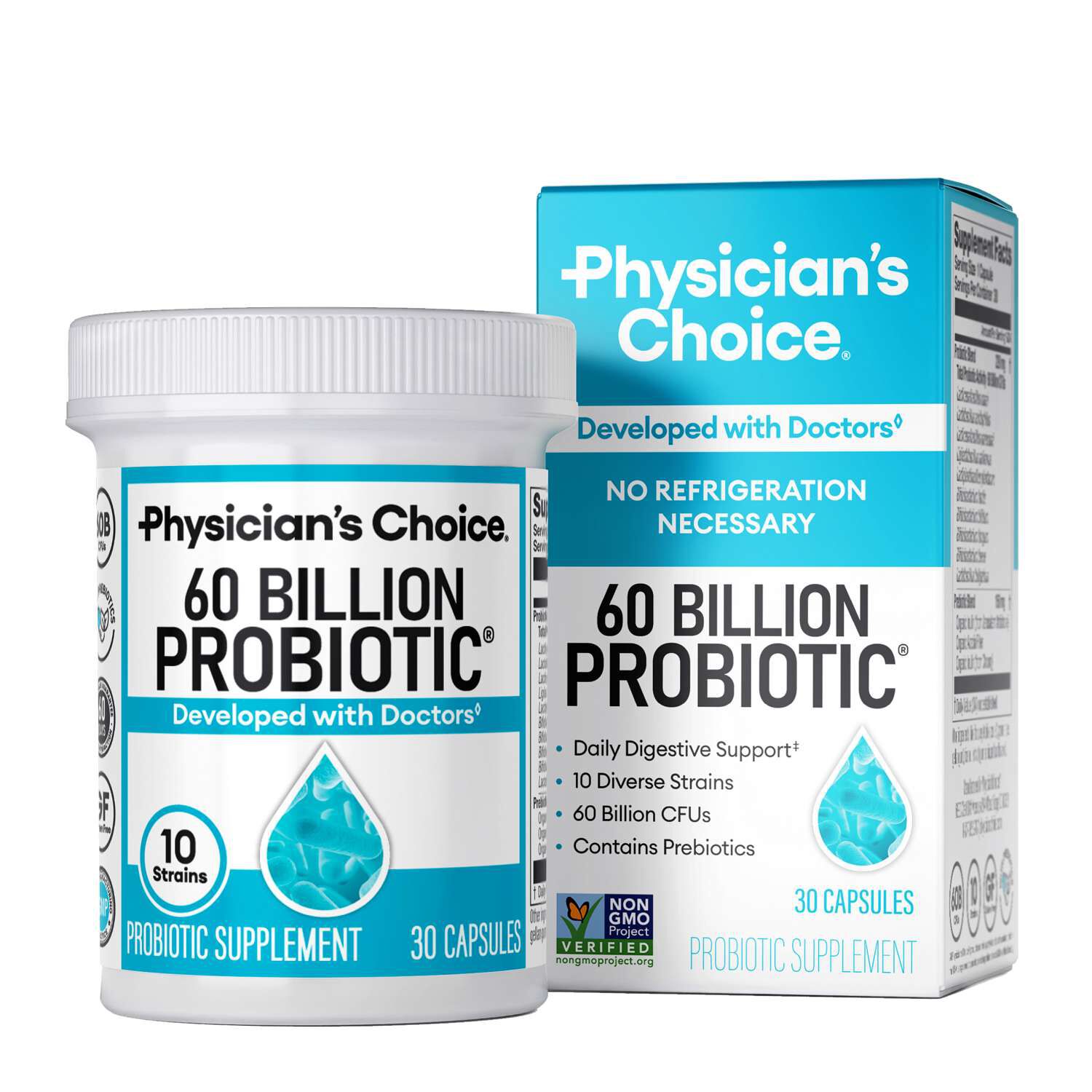 Physician's Choice
