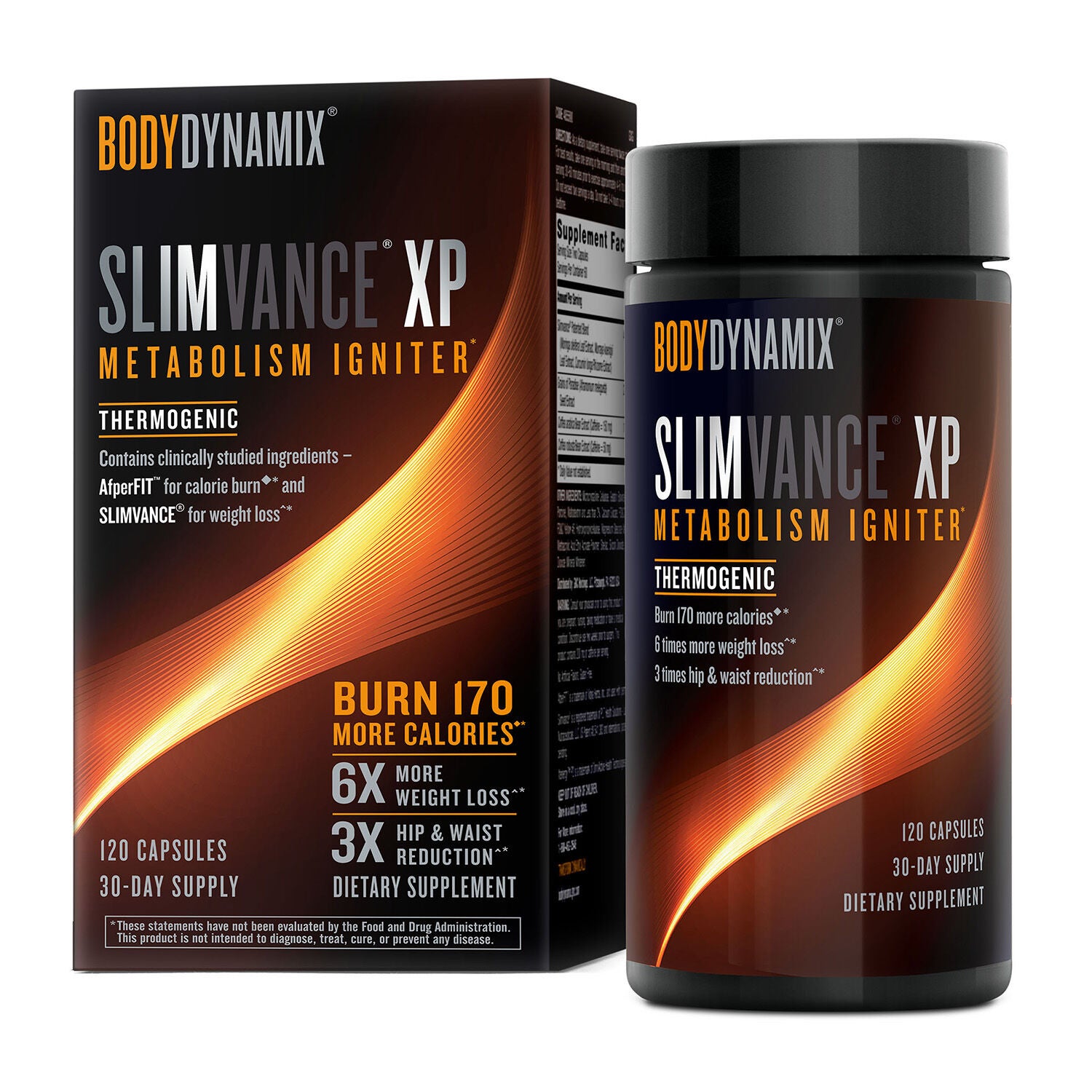
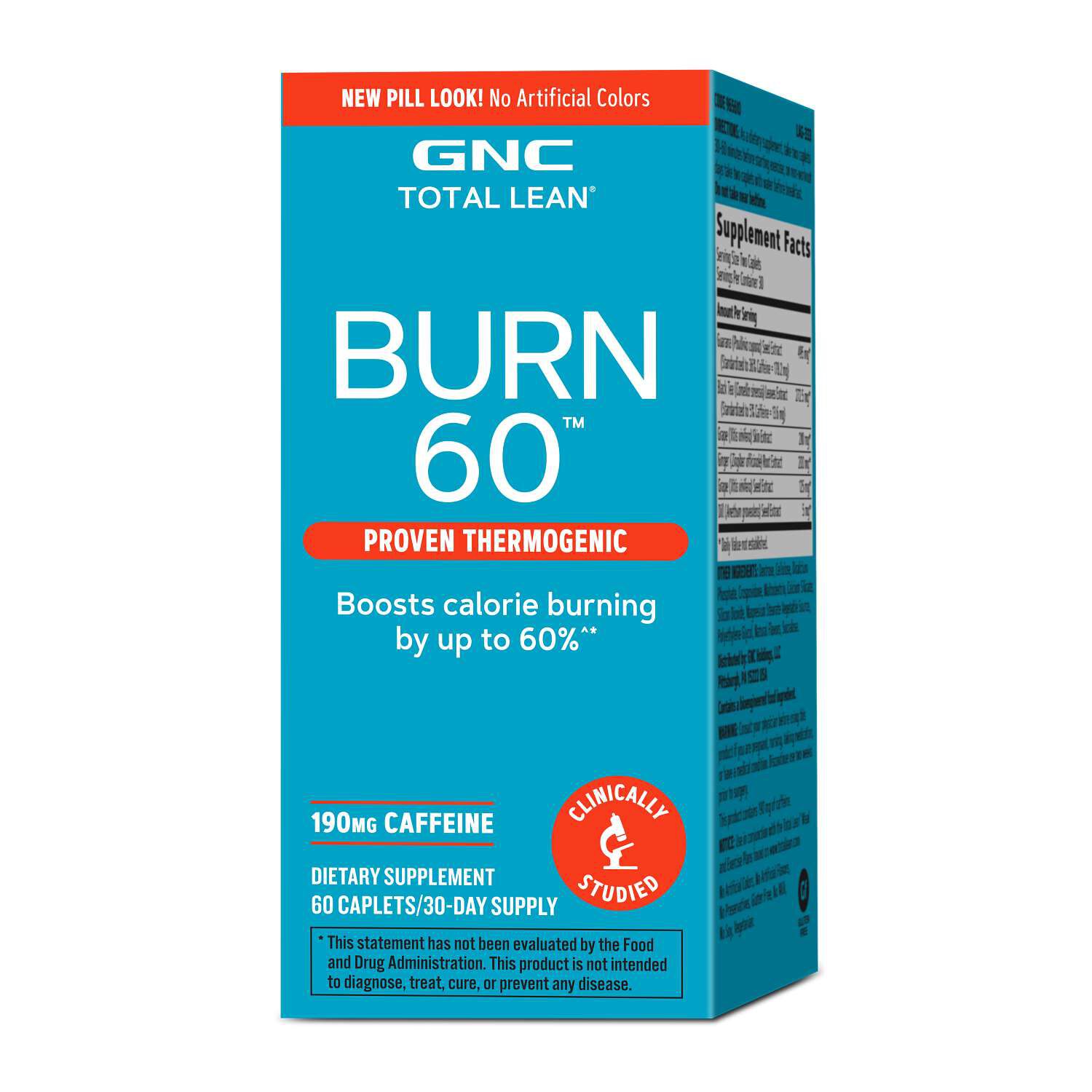
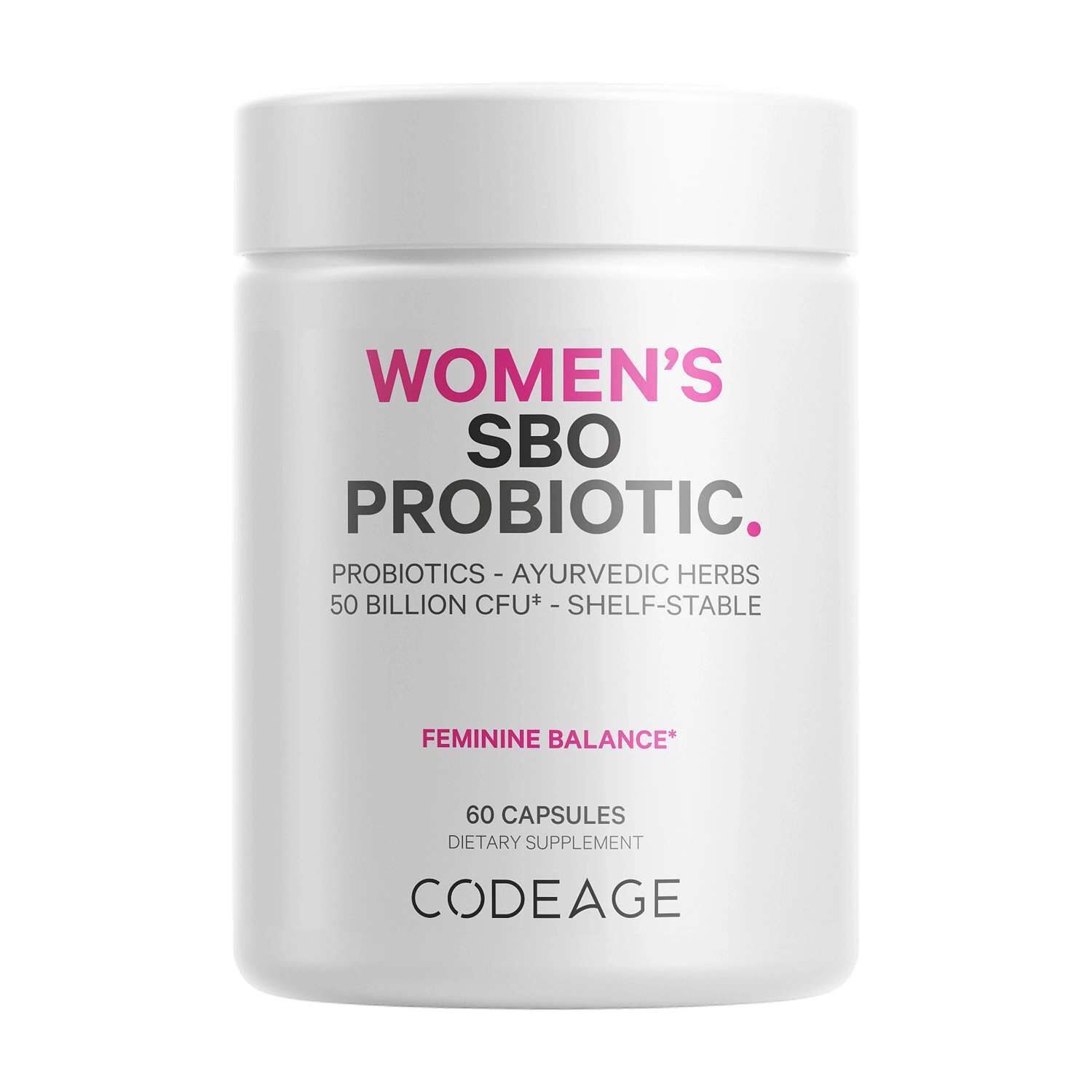
Best Weight Loss Pill For Women
(0 Results)
Finding the best weight loss pill for women often starts with exploring a range of options designed to support your wellness journey. With so many supplements available, selecting a formula that aligns with your lifestyle and goals may help you stay motivated and on track. Whether you’re looking to complement your fitness routine or seeking additional nutritional support, discovering the best weight loss pill for women could be an empowering step toward feeling your best every day.
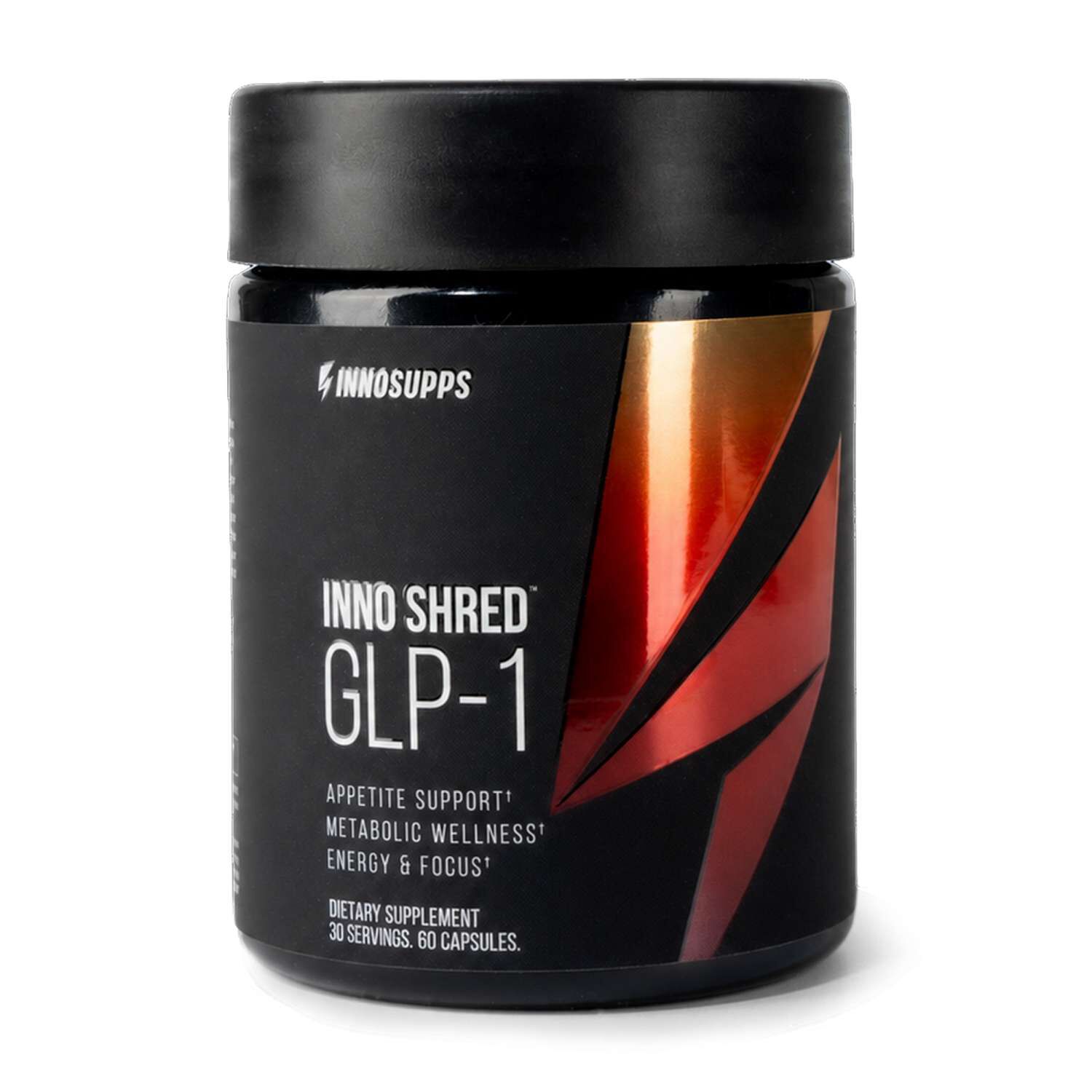

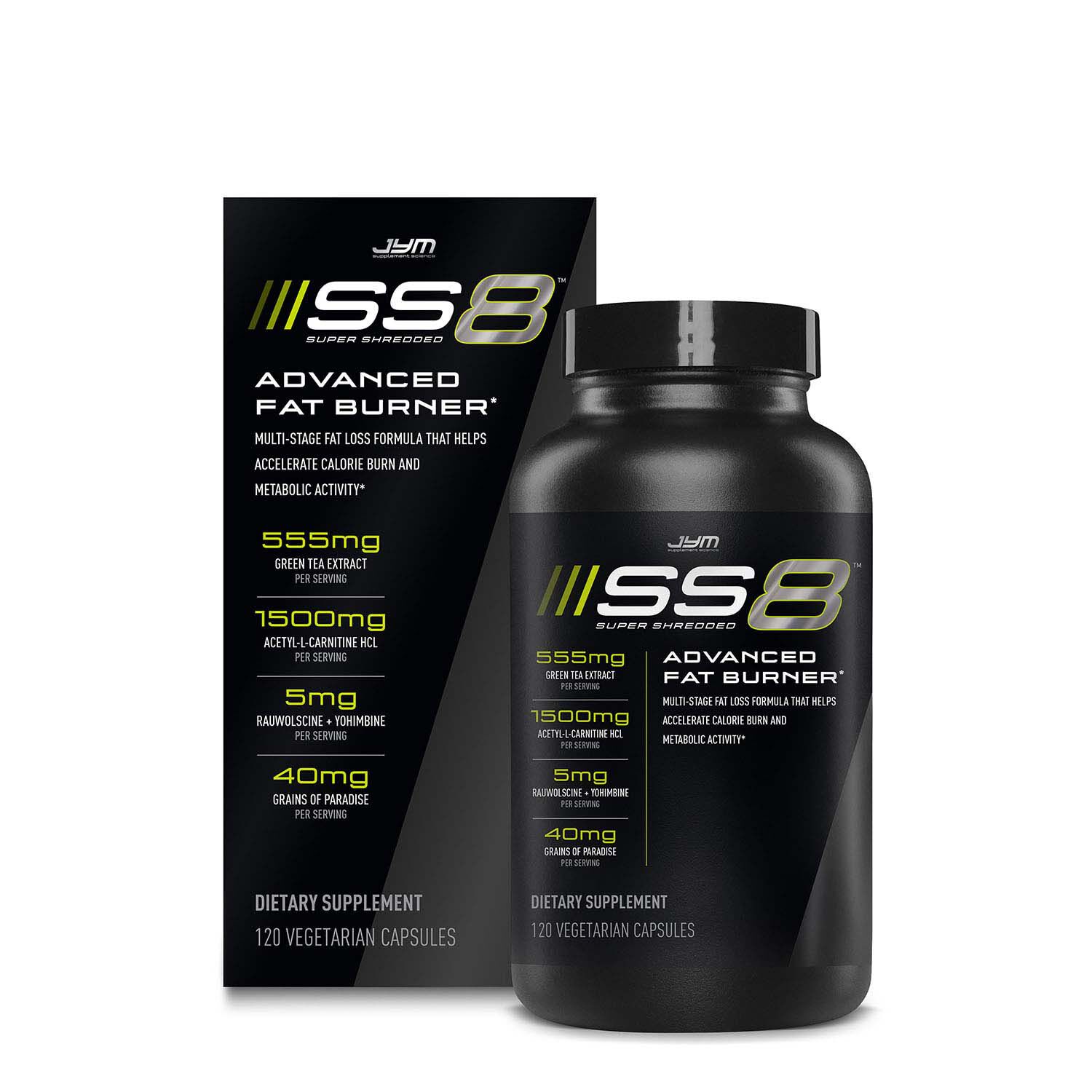


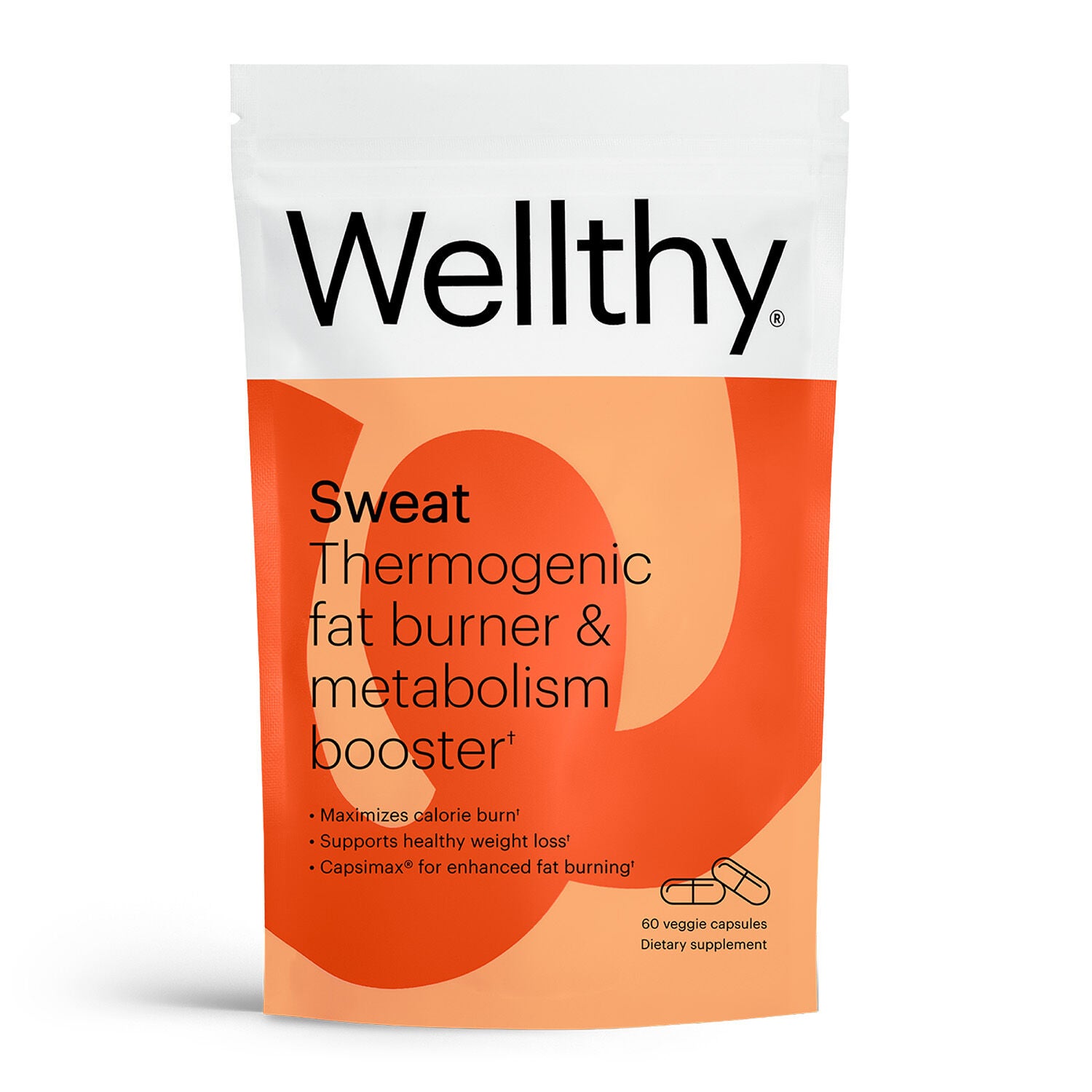
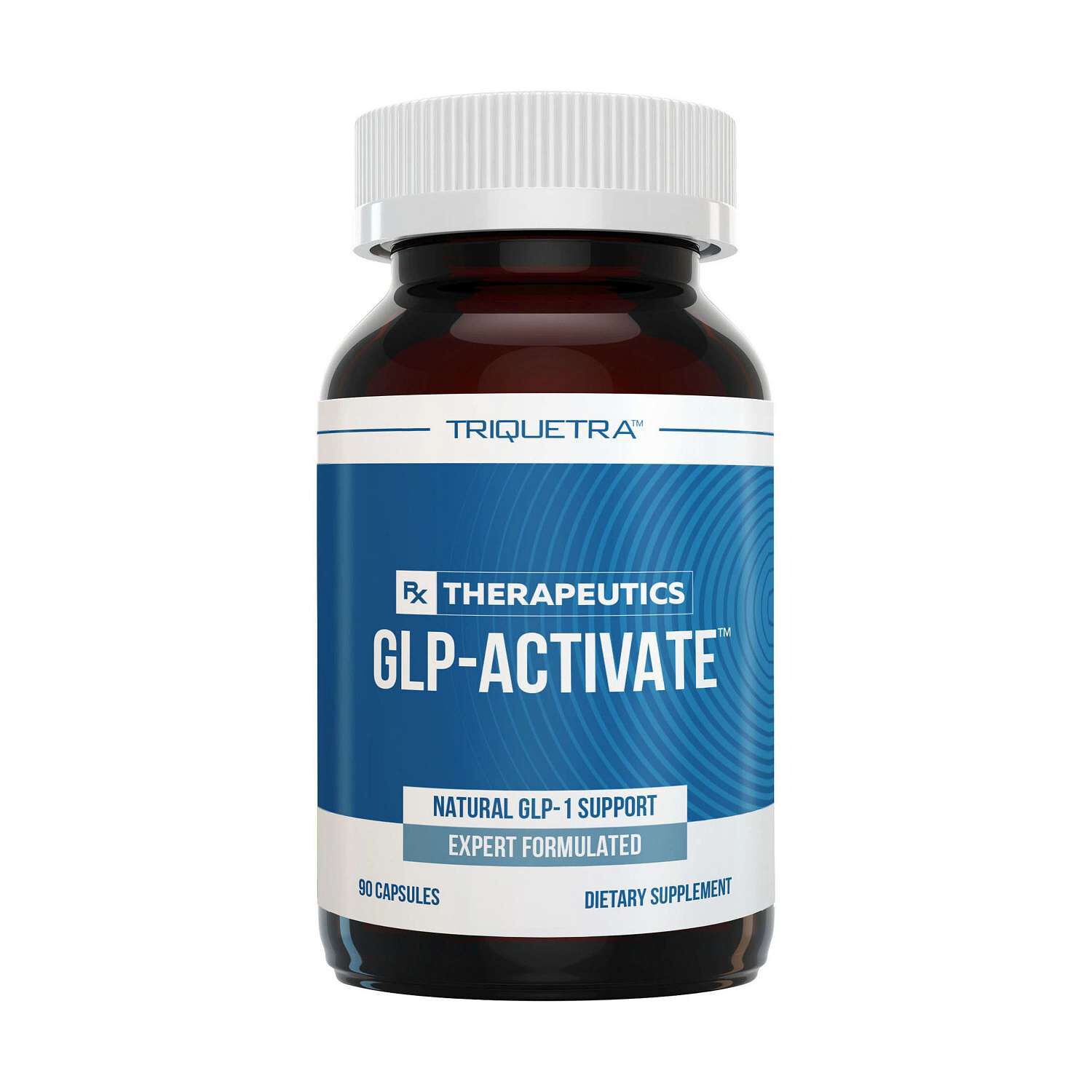
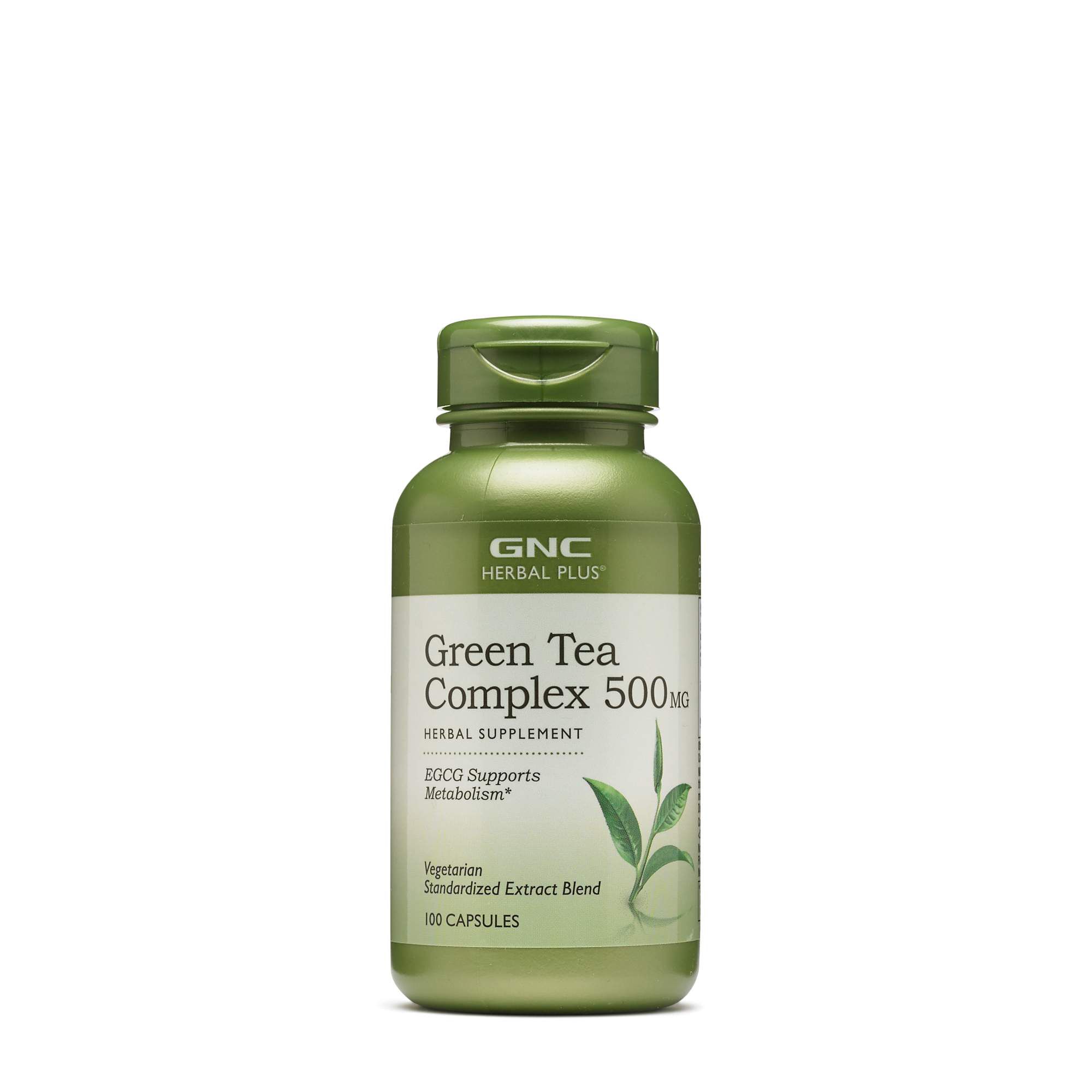
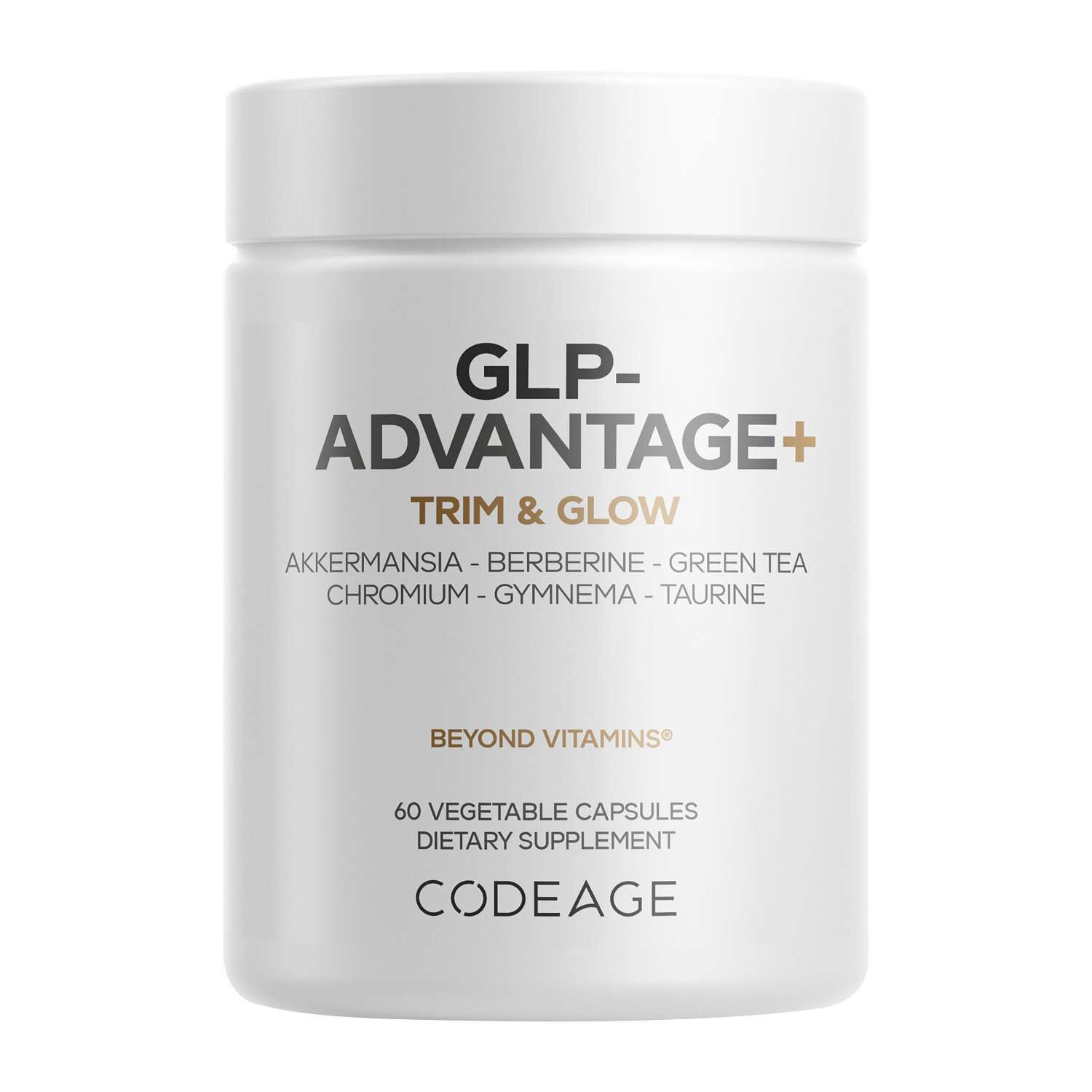


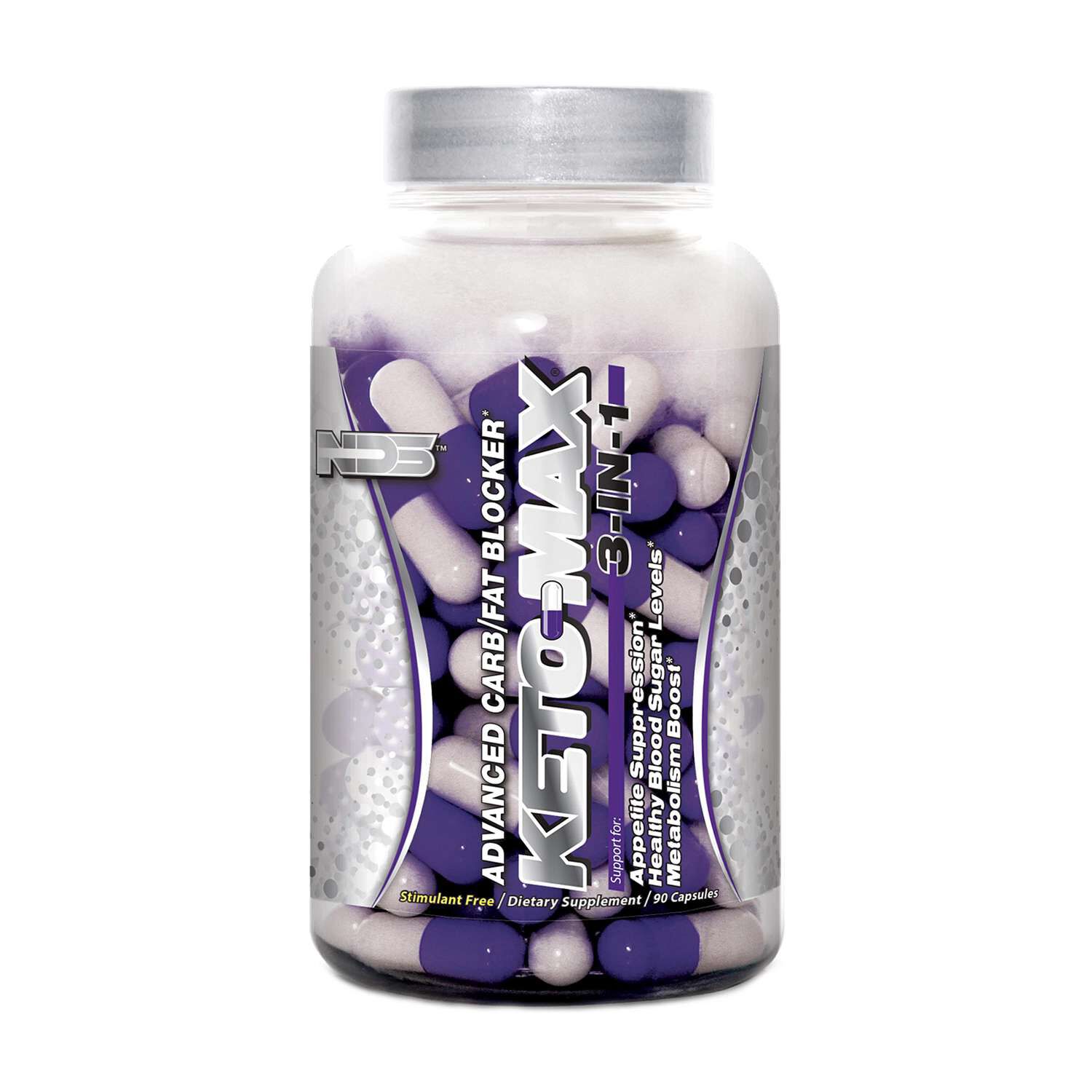
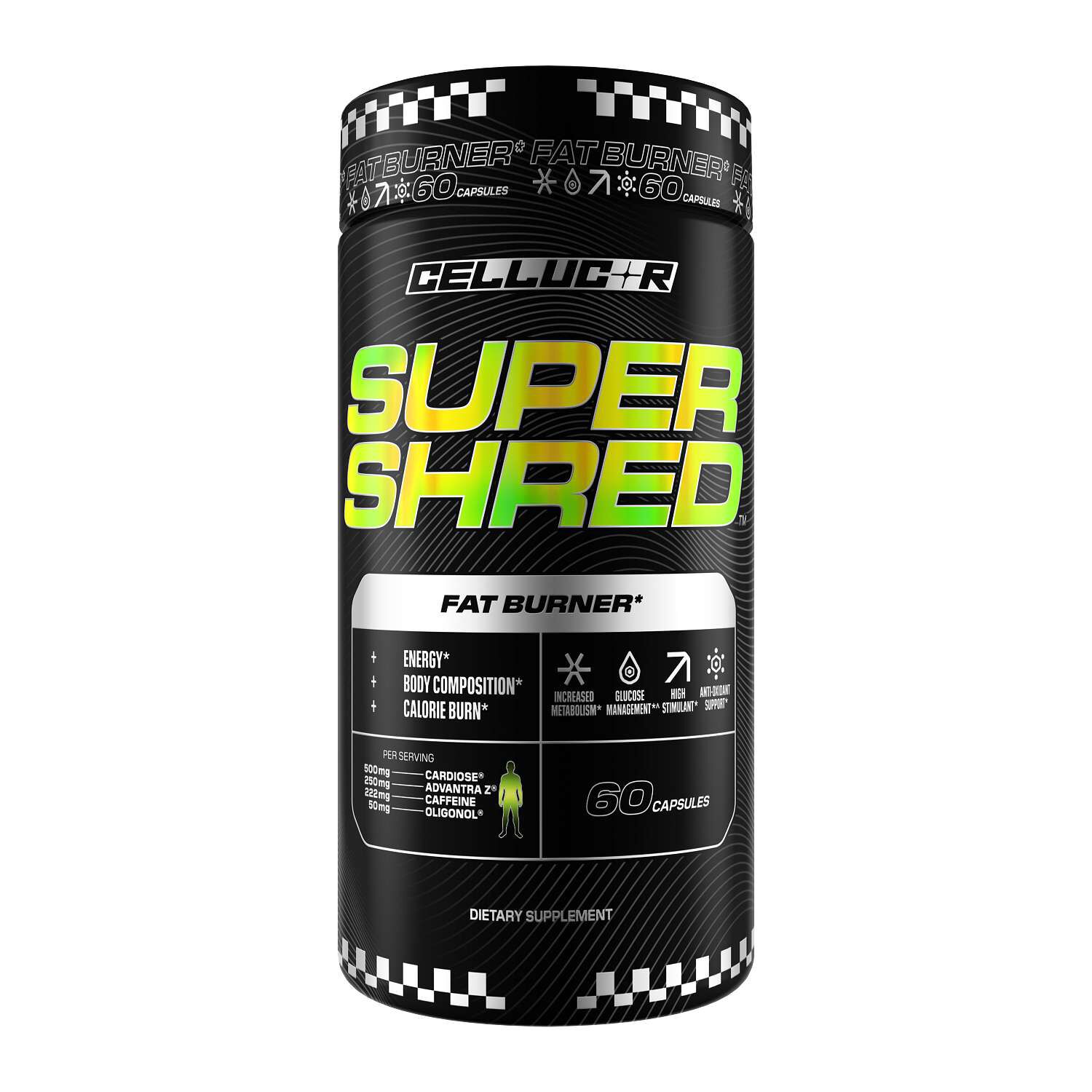

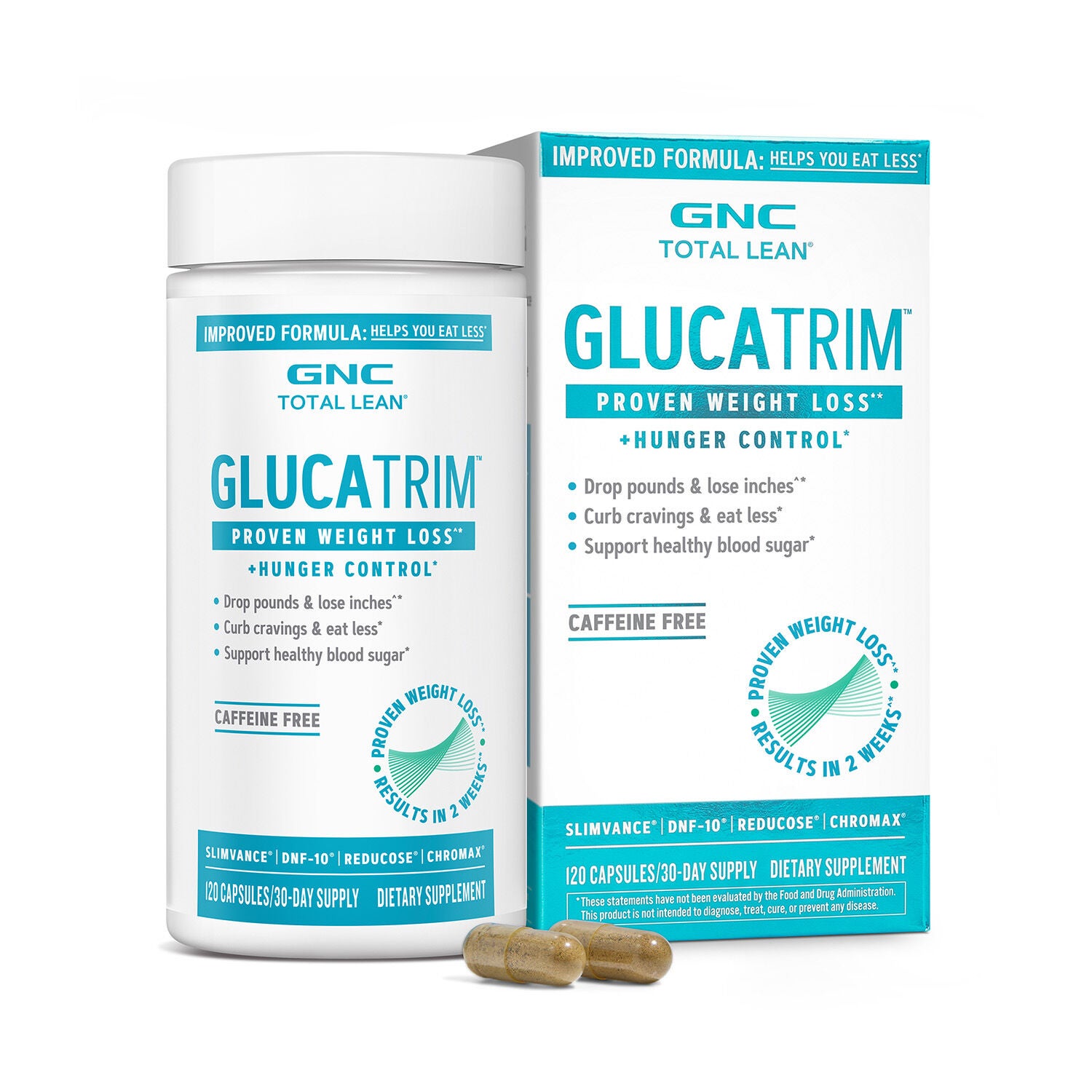
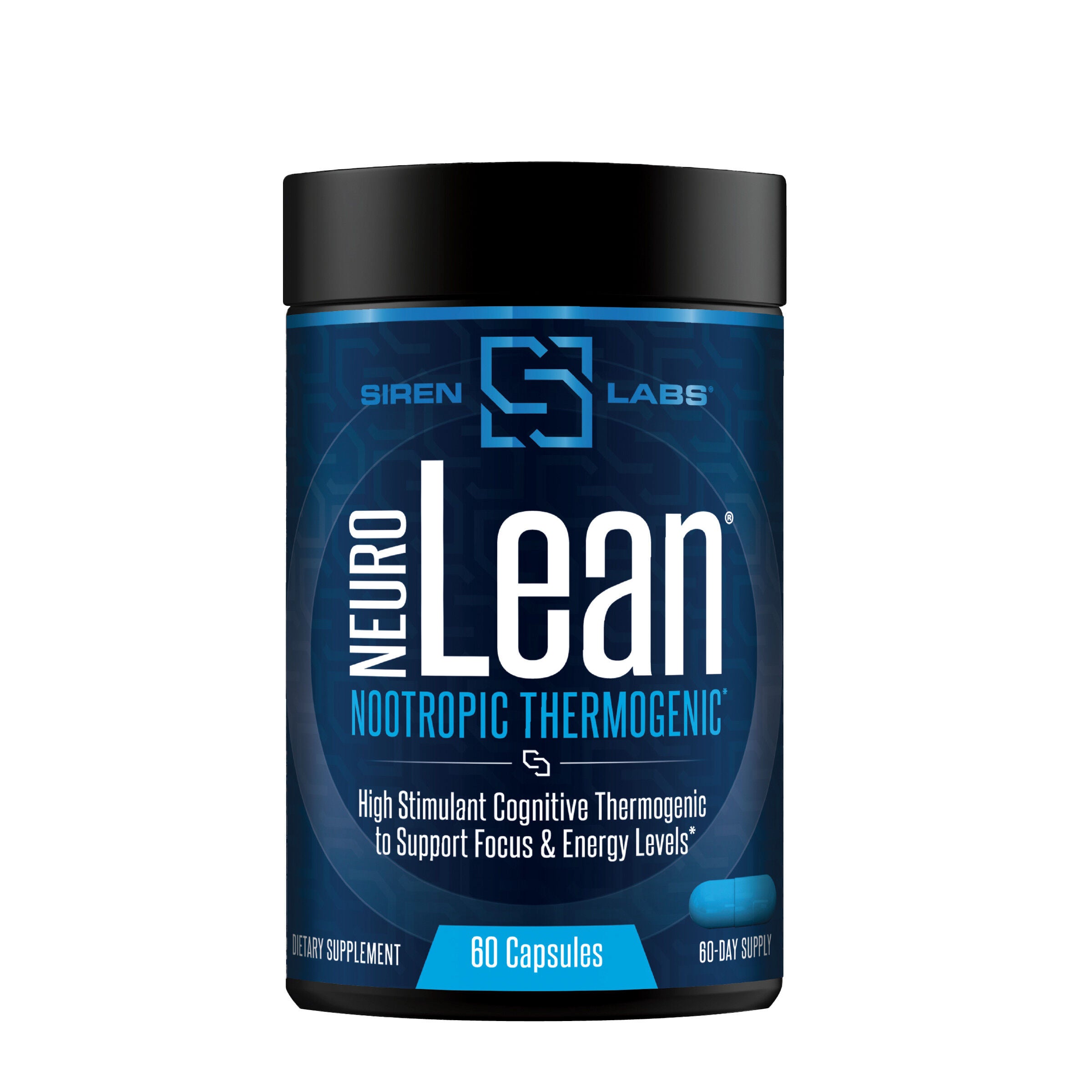
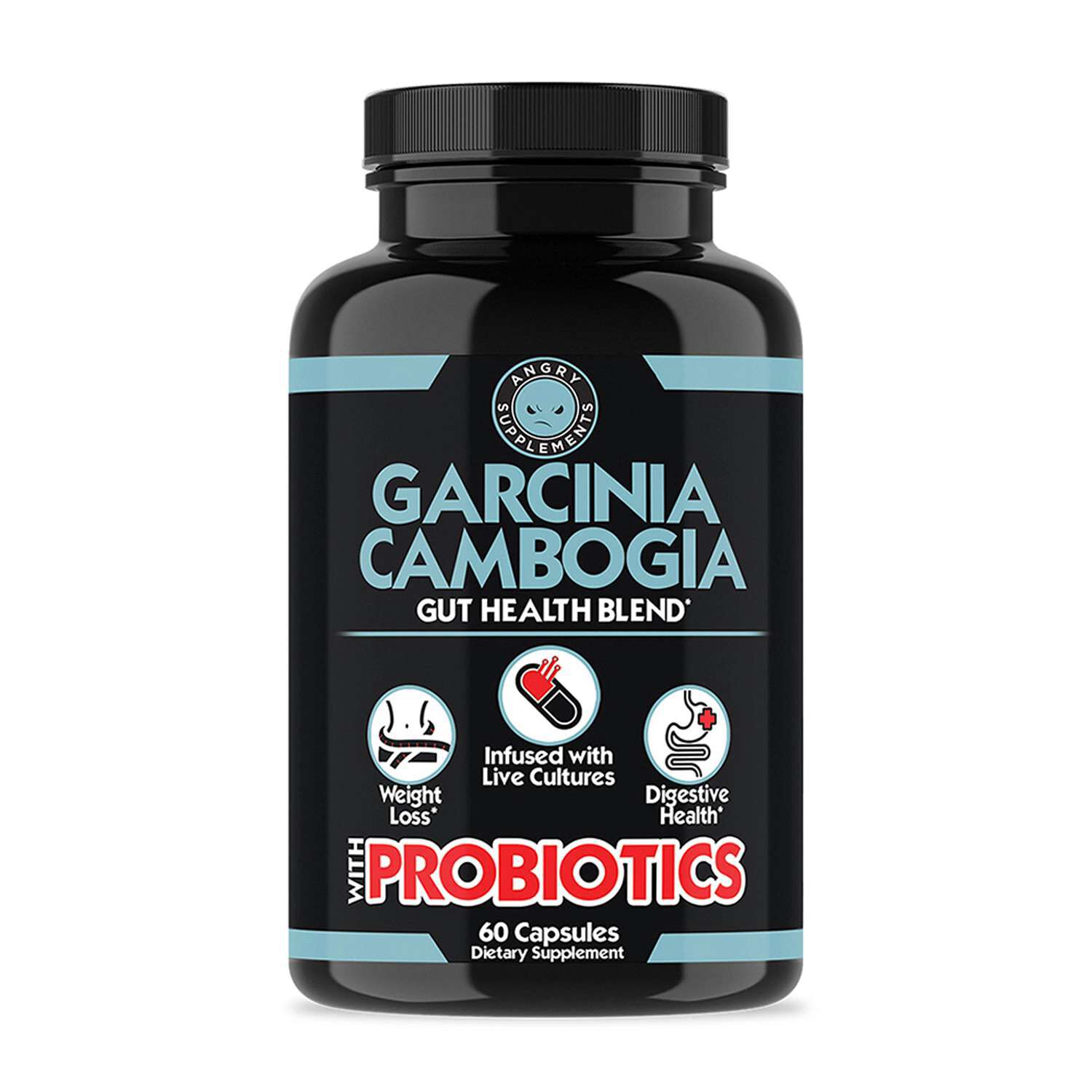

The best weight loss pill for women is not one formula that suits every shopper. The phrase describes a broad search for dietary supplements that fit individual preferences, ingredient priorities, and everyday routines, rather than a universal winner. Products in this category include capsules, tablets, and softgels marketed for use alongside weight management habits. Their differences extend beyond the wording on the front of the bottle: serving size, ingredient amounts, caffeine content, capsule materials, and suggested use all help distinguish one formula from another. A product labeled for women is not automatically a better match than one intended for adults generally, and that label alone does not establish superior results. For someone comparing bottles between work meetings or planning a consistent morning routine, those practical details can be more meaningful than bold package language. One serving may involve a single capsule, while another may require several tablets; the number of pieces in the bottle is therefore different from the number of servings it contains. Similarly, a botanical ingredient listed by name may appear in different amounts or preparations across formulas. An extract and a powdered plant ingredient are not interchangeable descriptions, even when they come from the same source. Clear labeling makes those distinctions easier to understand without relying on assumptions about what a familiar ingredient might do. This category is most relevant to adult women exploring supplements as an optional part of a broader routine that includes meals, movement, and rest. It is not a substitute for individualized care, and a retail category cannot establish which option is appropriate for a particular person. A useful comparison starts with what the product actually contains and how its format fits daily life, not with the expectation that every woman should choose the same bottle or pursue the same outcome.
Ingredient transparency gives weight management supplements much of their context. Some formulas feature botanical extracts, some contain caffeine, and others combine several ingredient types in one serving. Those combinations deserve attention because a longer ingredient list does not, by itself, establish better quality or greater effectiveness. The Supplement Facts panel shows serving information and declared ingredient amounts, while the other ingredients section identifies components such as capsule shells, binders, coatings, and colors. For shoppers with dietary preferences, a gelatin capsule and a cellulose capsule present a straightforward material difference. Tablet coatings, capsule dimensions, and softgel construction also shape the physical format, although those details are not always visible from the front label. A compact bottle can still contain larger tablets, so package size alone says little about the individual serving. Caffeine content is another concrete point of comparison, particularly for someone whose day already includes coffee, tea, or a caffeinated workout supplement. A botanical name on its own may not make that content obvious; clearly stated amounts provide more useful context. Likewise, a blend listed with a combined weight offers a different degree of ingredient detail than a formula that specifies each amount separately. Evidence deserves the same close attention as ingredients. Research involving an individual ingredient does not automatically demonstrate what a finished combination might do, and findings from one amount or preparation may not apply to another. Shopper reviews can describe bottle design, capsule size, or ease of incorporating a serving into a routine, but personal accounts are not proof of effectiveness. For a broader view of related formats and ingredient combinations, Diet Supplements For Women offers another way to explore the category. The meaningful distinction is between information that describes a product and evidence that supports a particular claim; attractive packaging and popularity alone cannot resolve that difference.
Everyday fit also includes how a supplement is stored, handled, and incorporated into an existing schedule. Someone who travels frequently may value a securely closing container with a readable label, while someone organizing a small kitchen cabinet may pay more attention to bottle dimensions and the space needed for several daily-use products. Original packaging keeps the ingredient panel, lot information, date markings, and storage directions together, which makes later reference simpler than relying on an unmarked container. Packaging condition and a legible date are relevant quality details, while durability in this category is primarily about the container and closure rather than the longevity of the consumable itself. Storage requirements vary by formula and packaging, so the individual label provides the relevant conditions. Moisture exposure, a loosely closed lid, or a container left in an unsuitable location can make storage an overlooked part of the shopping decision. Serving directions matter just as much: products can differ in the number of daily servings and whether their labels specify timing with meals. A routine that looks simple on the package may feel less convenient during a commute, an extended shift, or a day spent away from home. That practical fit is separate from any potential product effect, but it helps explain why two shoppers may prefer different formats. Weight management supplements are also a personal purchase rather than an automatic gift choice, since another person’s goals, dietary preferences, and comfort with supplements are not visible from the outside. Being marketed to women does not mean a formula is intended for every age or life stage. Label warnings, intended audience, and suggested use remain important product facts, and personal suitability falls outside what a product listing can determine. The strongest basis for comparing this category is a clear picture of the formula, the serving, the packaging, and the evidence behind its stated purpose. Those details keep the search for the best weight loss pill for women grounded in specific, understandable differences rather than sweeping claims or expectations of a certain result.