





Biotin Supplements For Healthy Aging
(0 Results)
Biotin supplements for healthy aging may offer support for those looking to maintain their wellness routines as the years go by. With a focus on nourishing your lifestyle, these supplements could be a convenient addition to your daily regimen. Explore a variety of options designed to fit your unique needs and help you feel your best at every stage of life.
-
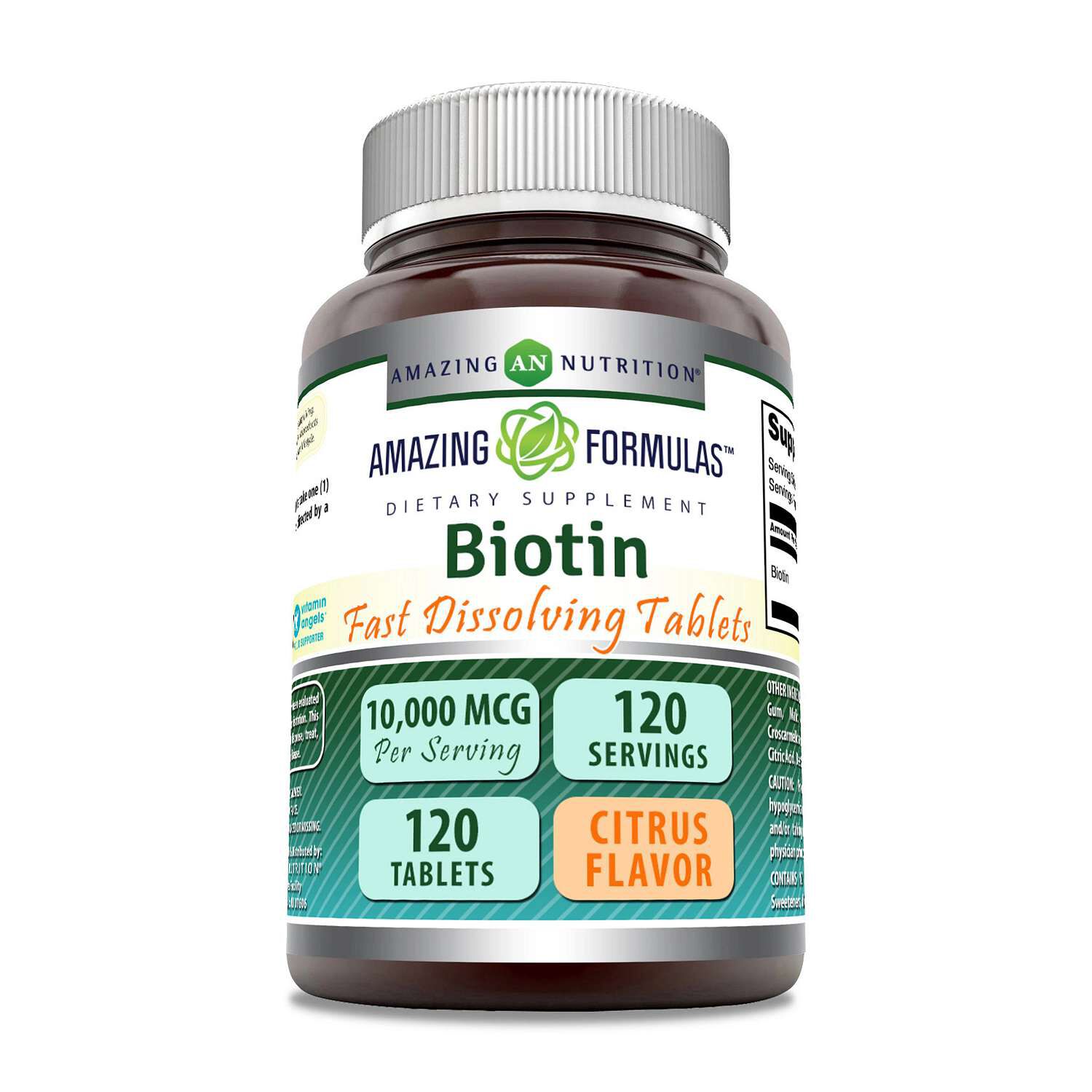 Amazing Nutrition$13.99
-
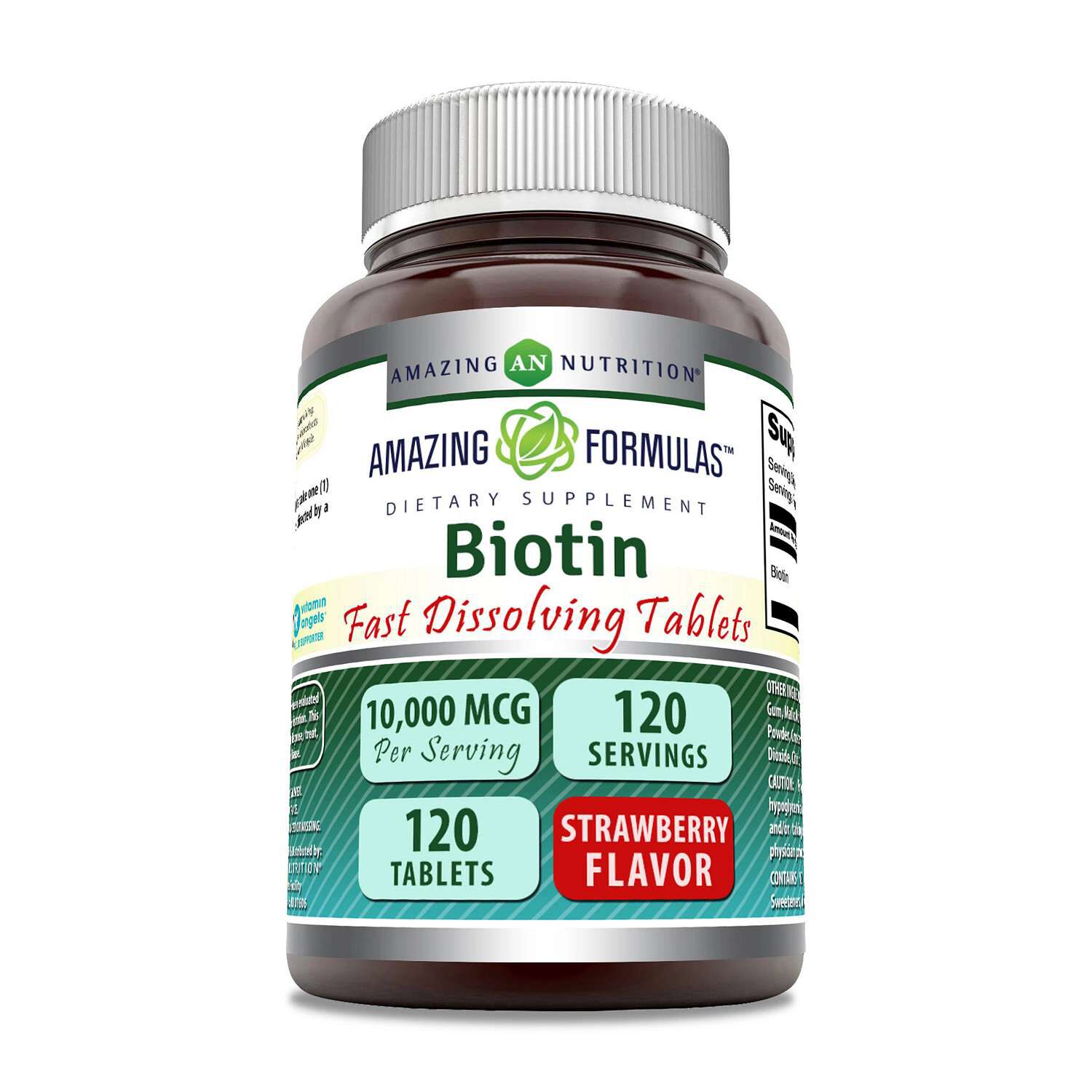 Amazing Nutrition$13.99
-
-

-
 $17.99
-
 Portions Master$29.99
-
 $15.99
-
 Purity Products$19.99
-
-
-

-
-
-

-

-

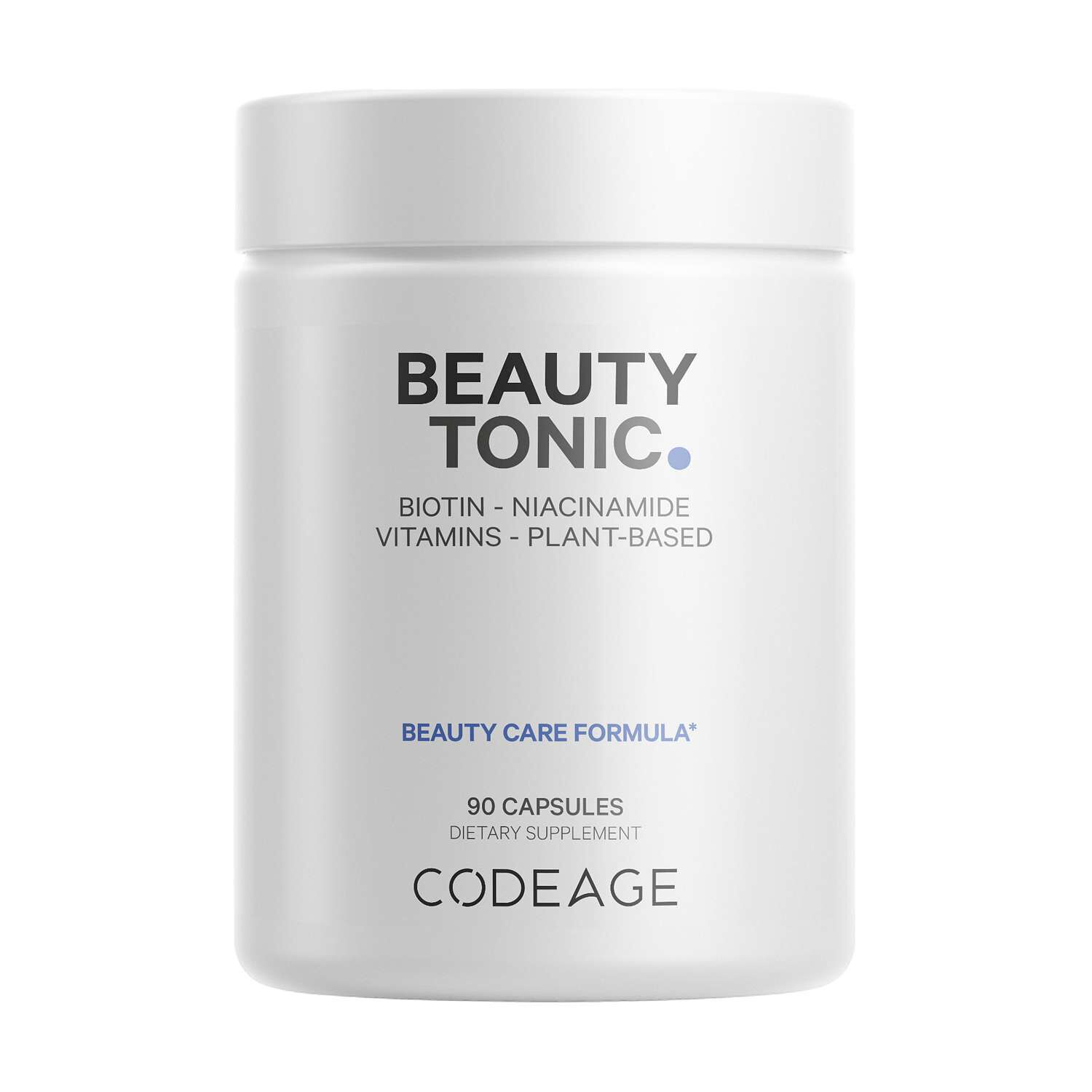


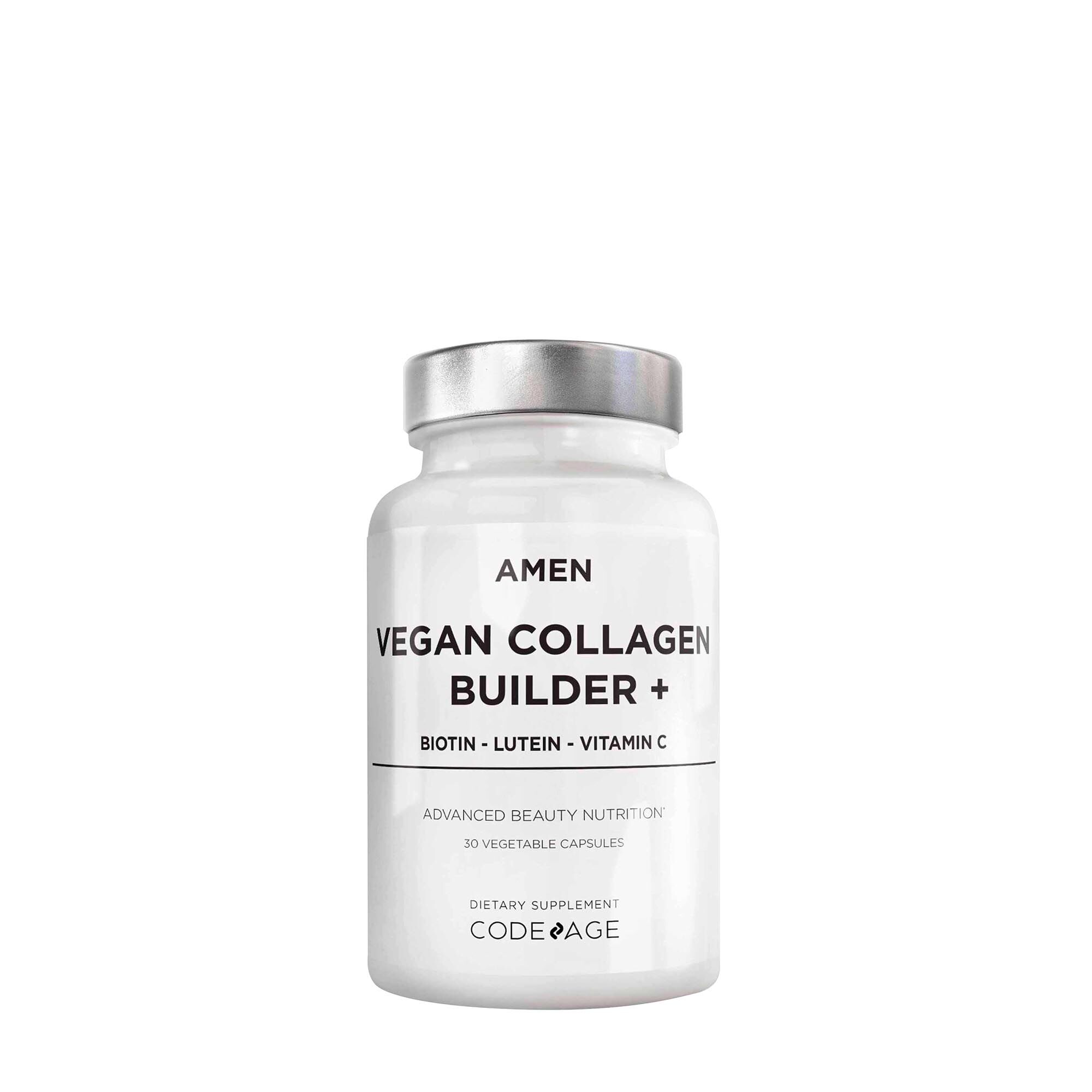

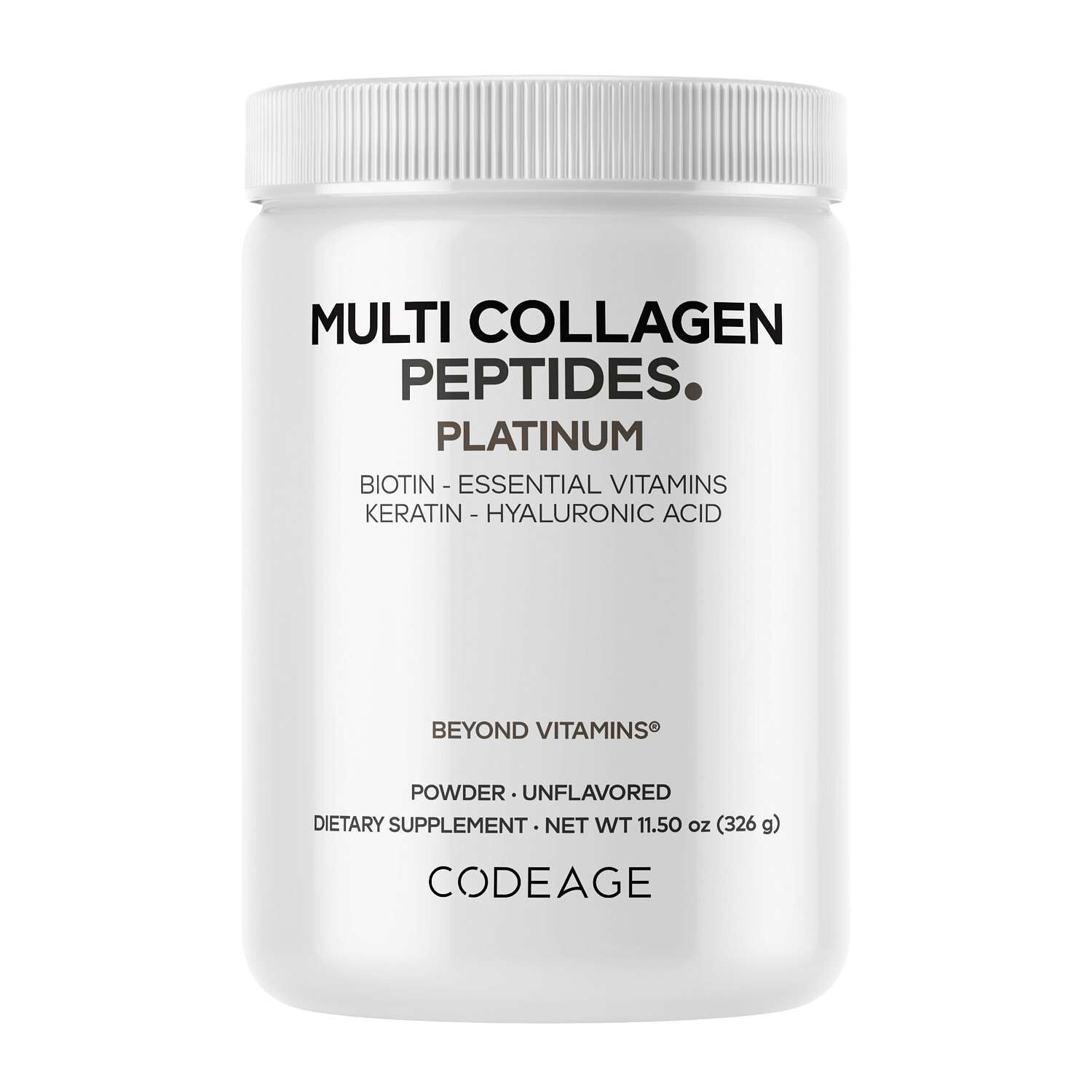
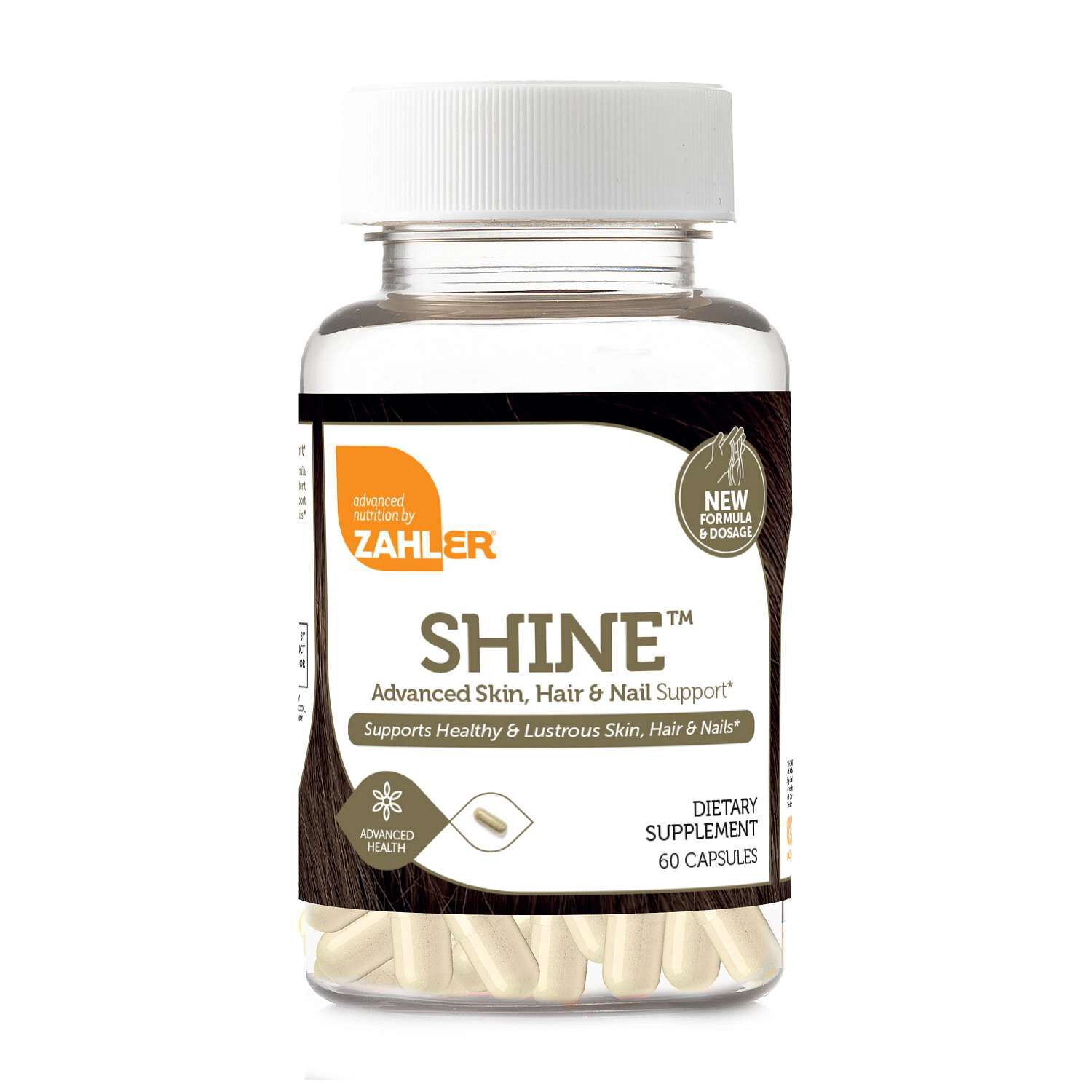
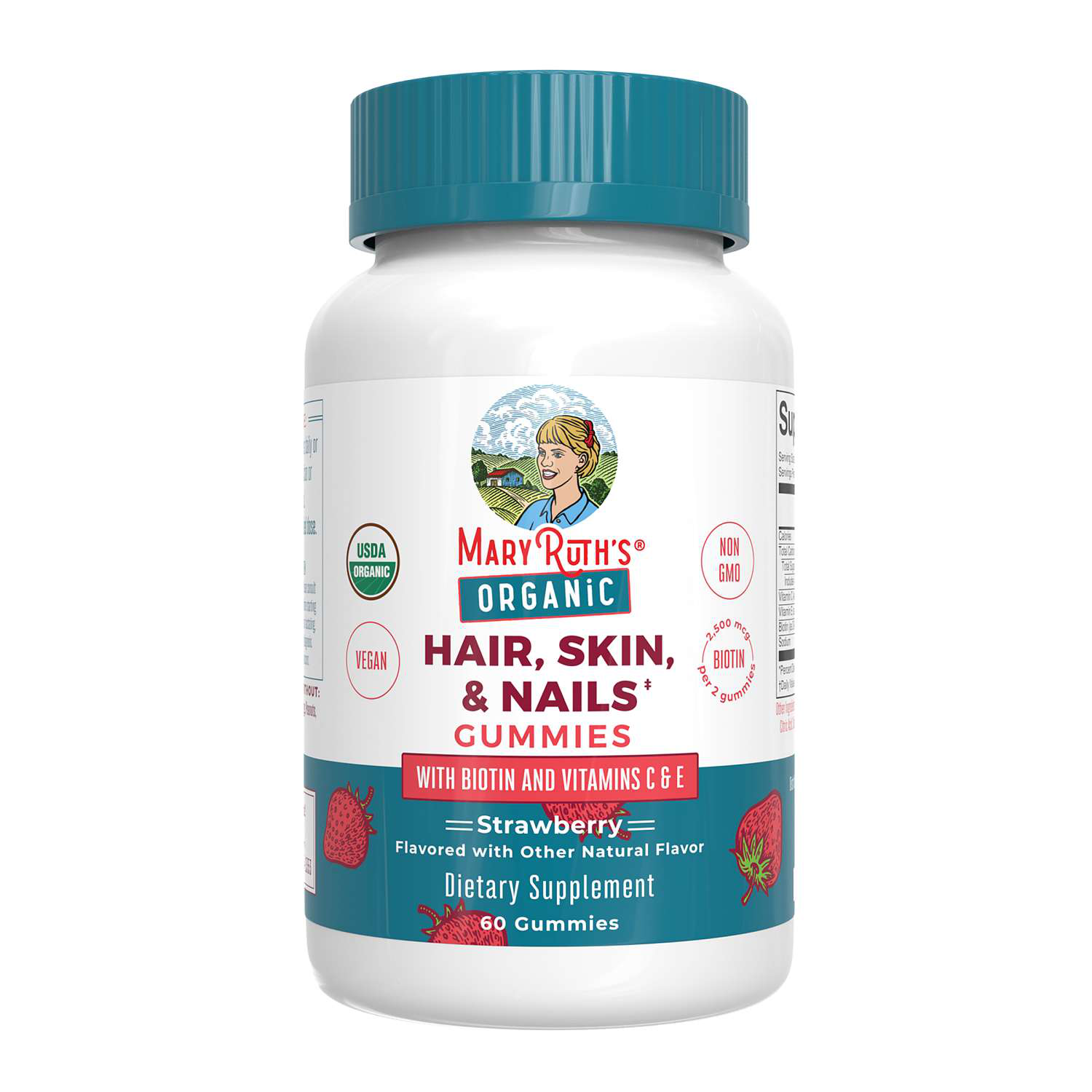
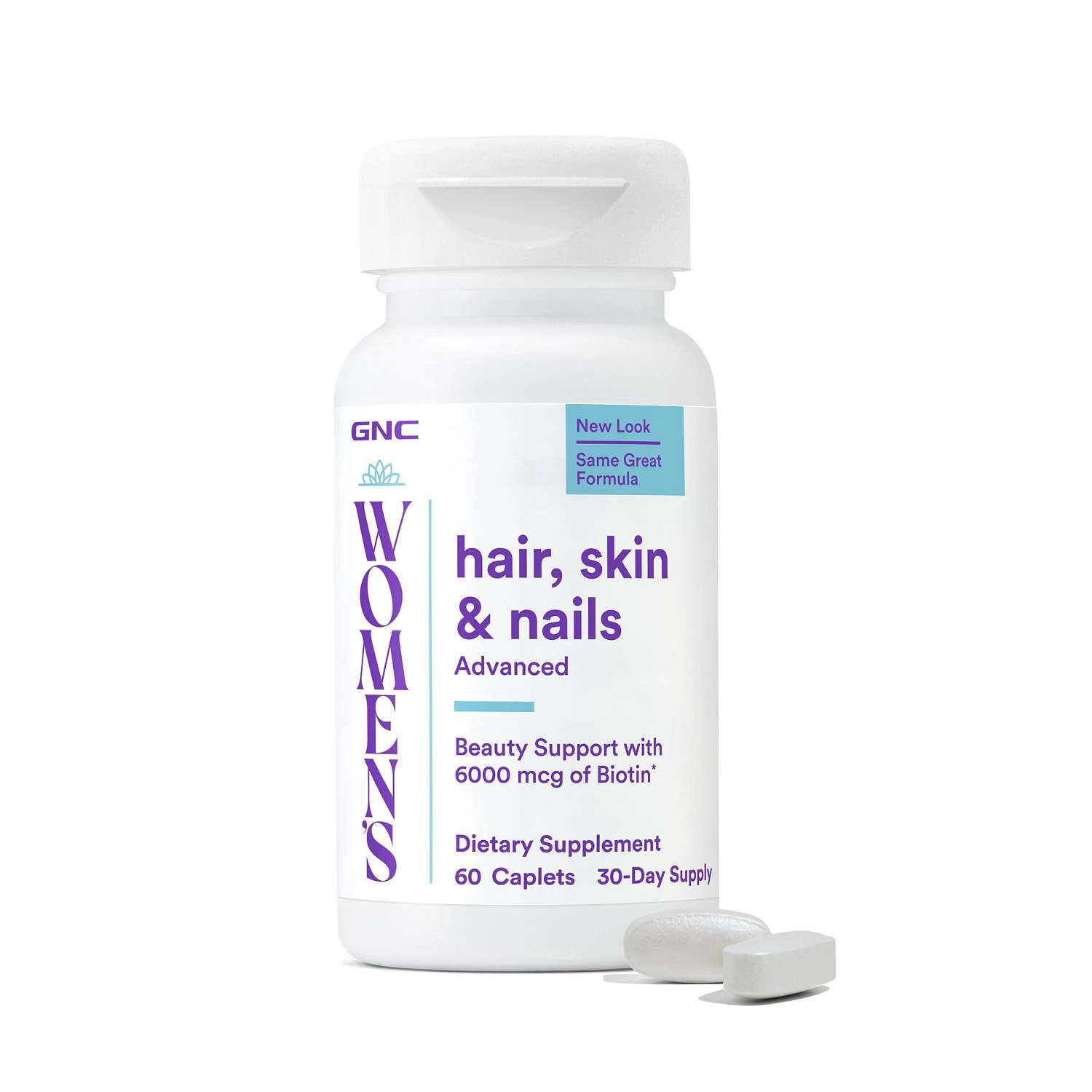
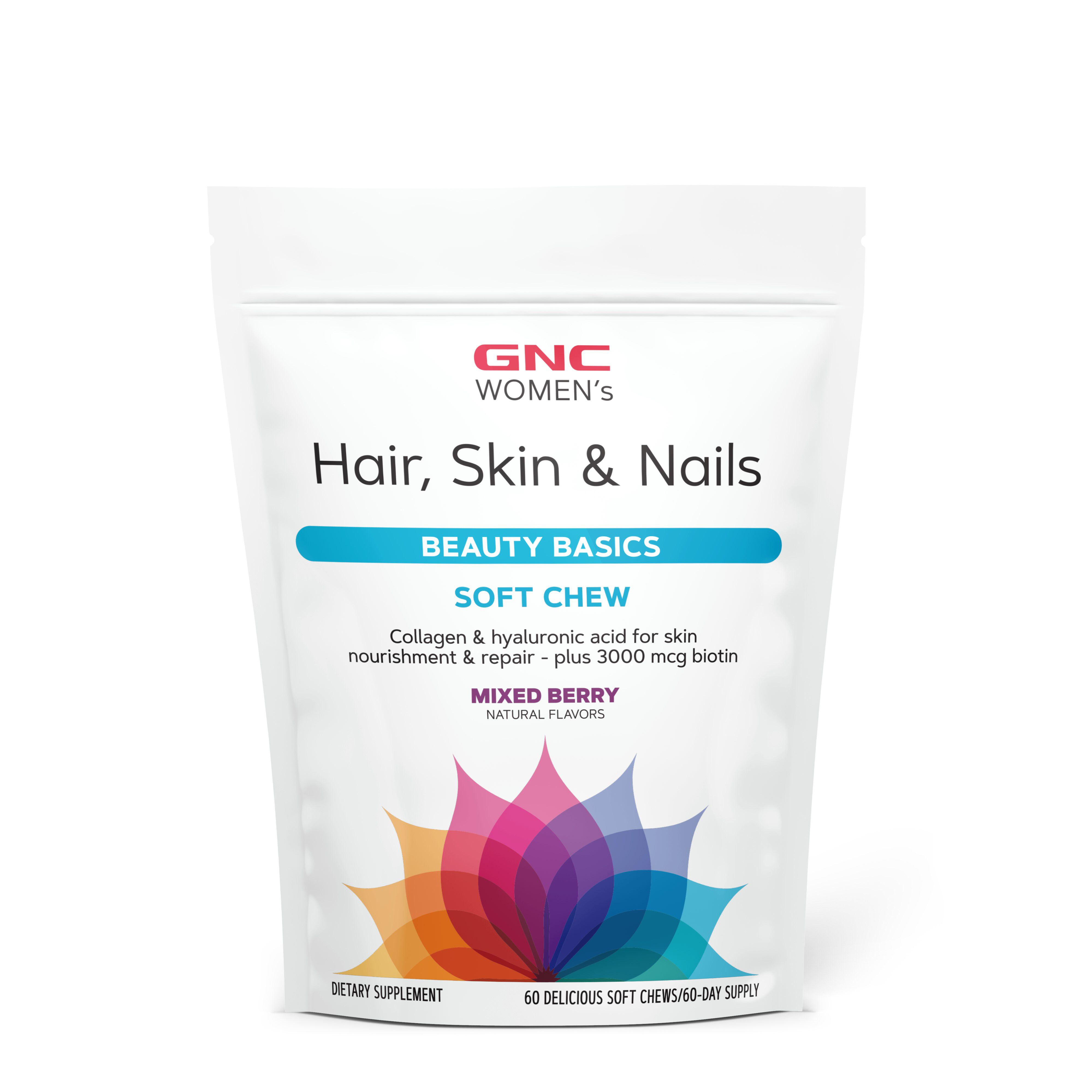
Biotin supplements for healthy aging offer a way to explore vitamin B7 within the broader context of everyday adult nutrition. Biotin is a water-soluble B vitamin found in foods such as cooked eggs, salmon, pork, sweet potatoes, nuts, and seeds. As a nutrient, it may support the normal processes involved in using carbohydrates, fats, and proteins, but its connection to nutrition should not be confused with evidence that a supplement can reverse aging. The commonly cited adequate intake for most adults is 30 micrograms, or mcg, per day. That dietary reference includes food and supplements together; it is not a product-specific serving recommendation. Inadequate biotin status is uncommon in otherwise healthy adults, and a varied eating pattern may already provide an adequate amount. This context matters when browsing formulas associated with hair, skin, nails, and healthy aging. Evidence for additional biotin improving hair or nail appearance is limited in people who already receive enough of the nutrient, so extra biotin may not produce a noticeable cosmetic difference. A higher number on a label does not, by itself, establish a better fit for an individual’s needs. Healthy aging involves a broader picture than any single vitamin, including varied meals, regular movement, rest, and everyday personal care. Within that picture, a biotin supplement may serve as one part of a nutrition routine rather than a replacement for food or a shortcut to a younger appearance. Adults comparing these supplements may be interested in a single-nutrient formula, a familiar tablet format, or a blend that includes other vitamins and minerals. The most useful distinctions are concrete ones: the amount of biotin per serving, the number of pieces in that serving, the other ingredients, and the format that suits an established routine. Those details provide a more grounded basis for comparison than broad beauty language or age-related imagery alone.
Biotin supplements come in several formats, and the differences can matter during ordinary use. Tablets and capsules often appeal to adults who prefer a straightforward format without a sweet flavor, while gummies and chewables may suit shoppers who prefer a chewable option. Liquid formulas introduce another consideration: the serving is measured by volume rather than by counting tablets or gummies. Texture, flavor, capsule material, and the size of an individual tablet are practical details, especially for someone who already has a preferred supplement format. A gummy’s serving may include more than one piece, so the amount shown prominently on the package should be read alongside the serving size in the Supplement Facts panel. Biotin amounts may be expressed in micrograms or milligrams; one milligram equals 1,000 micrograms. Comparing the same unit across labels helps clarify differences that can otherwise look smaller or larger than they are. Single-nutrient formulas keep the focus on biotin, while combination formulas may include other B vitamins or ingredients commonly associated with beauty-oriented nutrition. An existing multivitamin may already contain biotin, making its ingredient list relevant when considering an additional formula. Other ingredients also deserve attention. Depending on the format, these may include gelatin or plant-derived capsule materials, sweeteners, colors, flavorings, or ingredients used to give a tablet its shape. Dietary preferences and ingredient sensitivities can make those details just as important as the featured nutrient. Packaging and care are part of the comparison, too. A clearly printed expiration date, readable storage directions, and an intact container help shoppers evaluate how a supplement fits into daily life. Storage requirements vary by formula, and the label provides the relevant conditions for that package. Moisture, an improperly closed lid, or storage outside those conditions may affect product quality. Keeping a supplement in its labeled container also preserves the serving directions and ingredient information for later reference.
The intended use of biotin supplements is nutritional supplementation, not changing a person’s age or treating a hair, skin, or nail concern. Adults interested in healthy aging may value a routine that feels manageable alongside breakfast, a workday, regular exercise, or travel. For someone who prefers a minimal routine, the appeal may be a simple ingredient list and a serving format that matches existing habits. Another shopper may place more weight on flavor, capsule composition, or packaging that keeps the label easy to read. These are different preferences rather than signs that one format is universally better. A supplement that looks convenient online may still have a serving size or storage requirement that deserves a closer look. For example, a person comparing a capsule with a gummy may find that the two formats provide different amounts of biotin and require a different number of pieces per serving. Someone already using a multivitamin may discover that biotin is included there as well. Shoppers connecting everyday nutrition with regular movement can also explore Biotin Supplements for Active Lifestyles for a related selection organized around that interest. The same attention to serving size, ingredient overlap, and personal preferences remains relevant across both themes. Another important consideration is laboratory testing: biotin, particularly in higher amounts, may interfere with certain blood test methods and affect reported results for thyroid function or some heart-related markers. Supplement use is therefore relevant information in conversations with a healthcare professional, including discussions before laboratory testing. The label, serving amount, and frequency of use provide specific context for those conversations. Individual nutrition needs can also differ with life stage and eating patterns, so a general category label cannot establish the right amount for every adult. Browsing with realistic expectations keeps the focus where it belongs: clear ingredient information, appropriate context, and a product format that may fit an everyday nutrition routine without overstating what biotin can do.
Best Sellers


Related Pages

Top Collections
- Daily Collagen Supplements | Top Brands & Deals | GNC
- Cortisol Supplements
- Top Rated Collagen | Shop Customer Favorites | GNC
- Vitamins For Hair Loss
- NAD+ Supplement Tablets
- Peptide Supplements
- Best Brand of Magnesium Glycinate
- Protein Powders For Muscle Growth Support
- Vitamins That Help Support Weight Gain
- Peptide Supplements for Muscle Growth