





Blood Glucose Capsules
(0 Results)
Explore the potential benefits of blood glucose capsules that might support your body's natural ability to maintain healthy blood sugar balance. Ideal for those seeking to complement their wellness journey, these supplements could offer a convenient way to incorporate vital nutrients into your daily routine. Whether you're looking to support metabolic health or simply aiming for overall well-being, blood glucose capsules may be an excellent addition to your health regimen. Discover options that align with your lifestyle and dietary needs, and take a step towards a healthier you.
-

-

-
-

-
-
-
-
-
 $52.99
 -
 Divine Health$34.99
 -

-
-

-

-
-


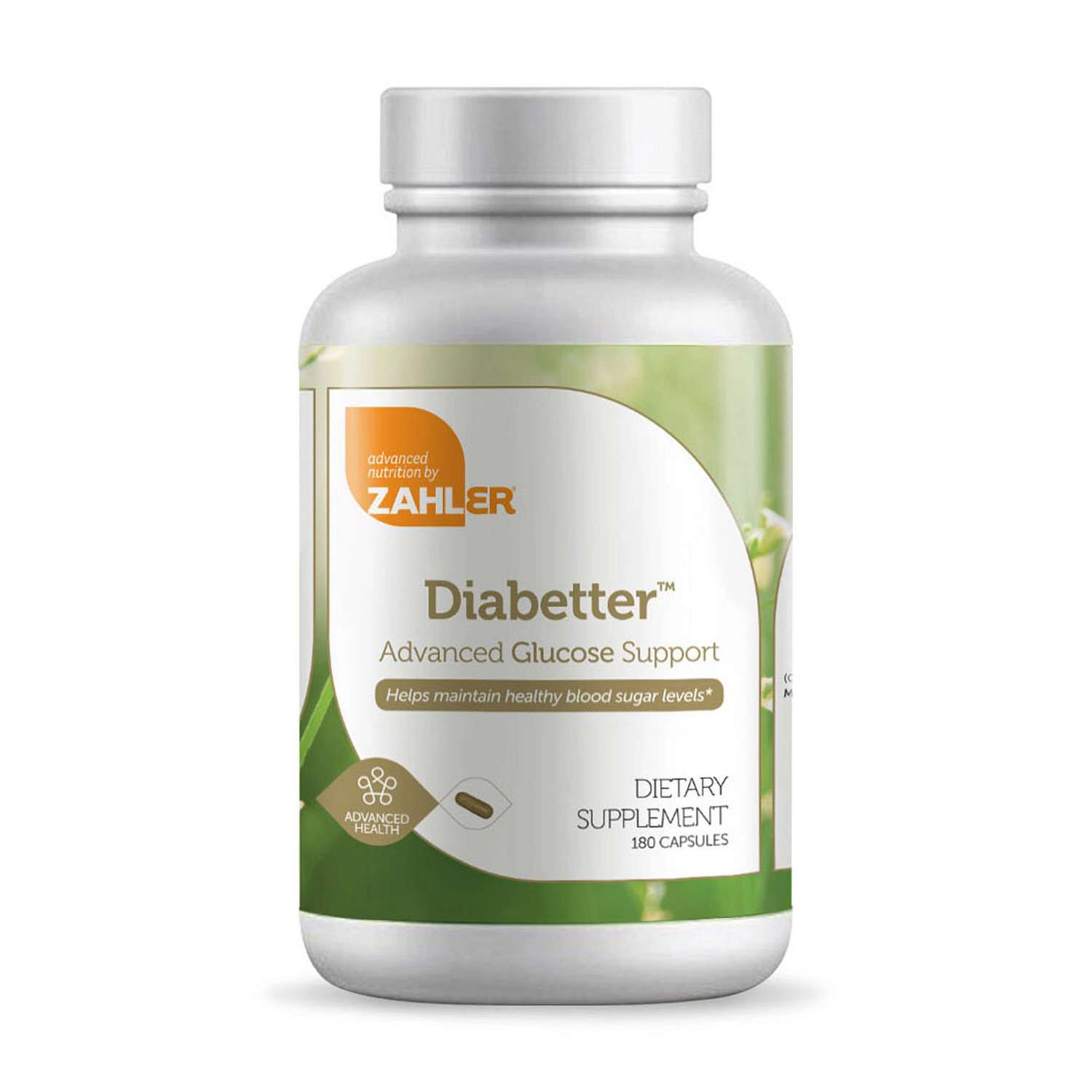
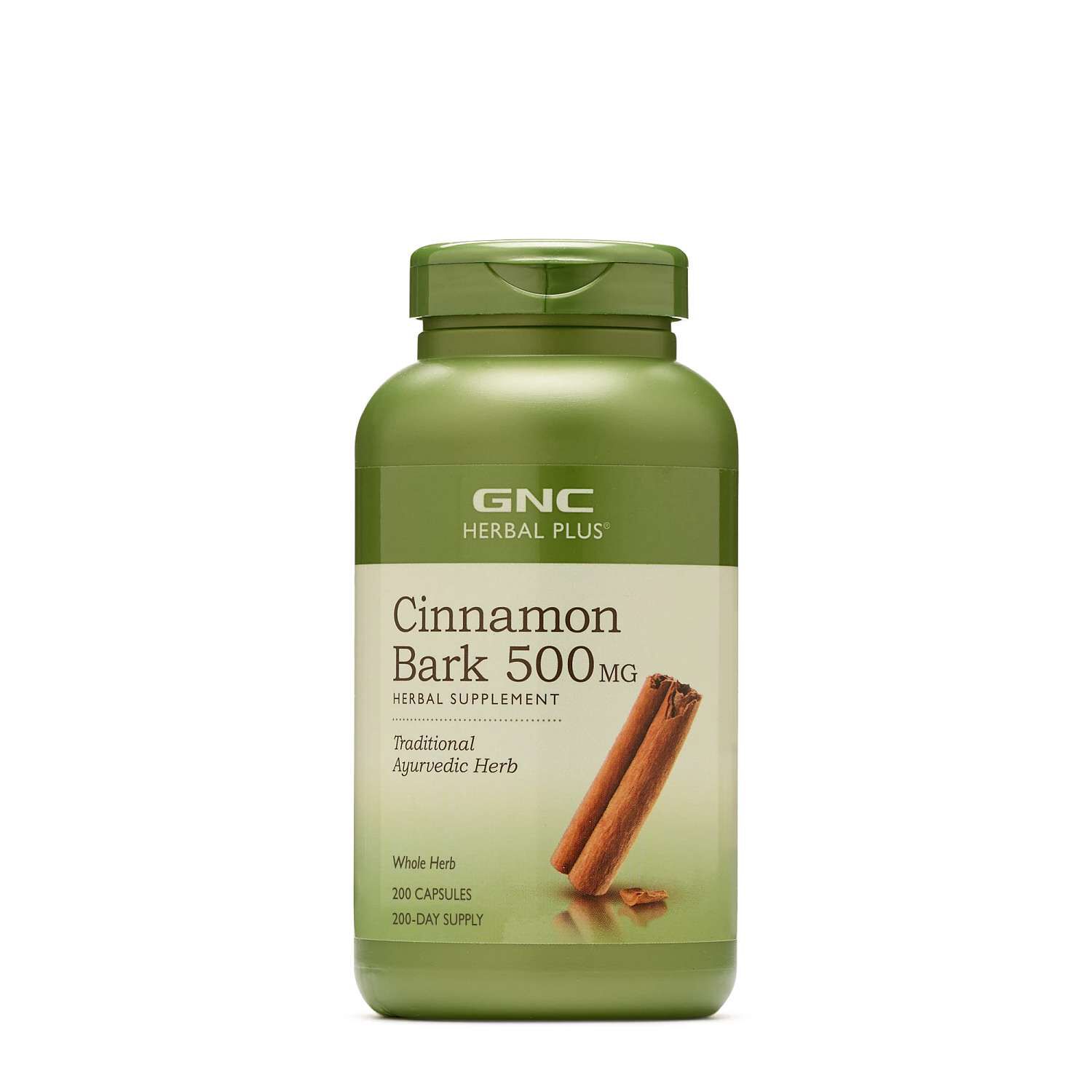
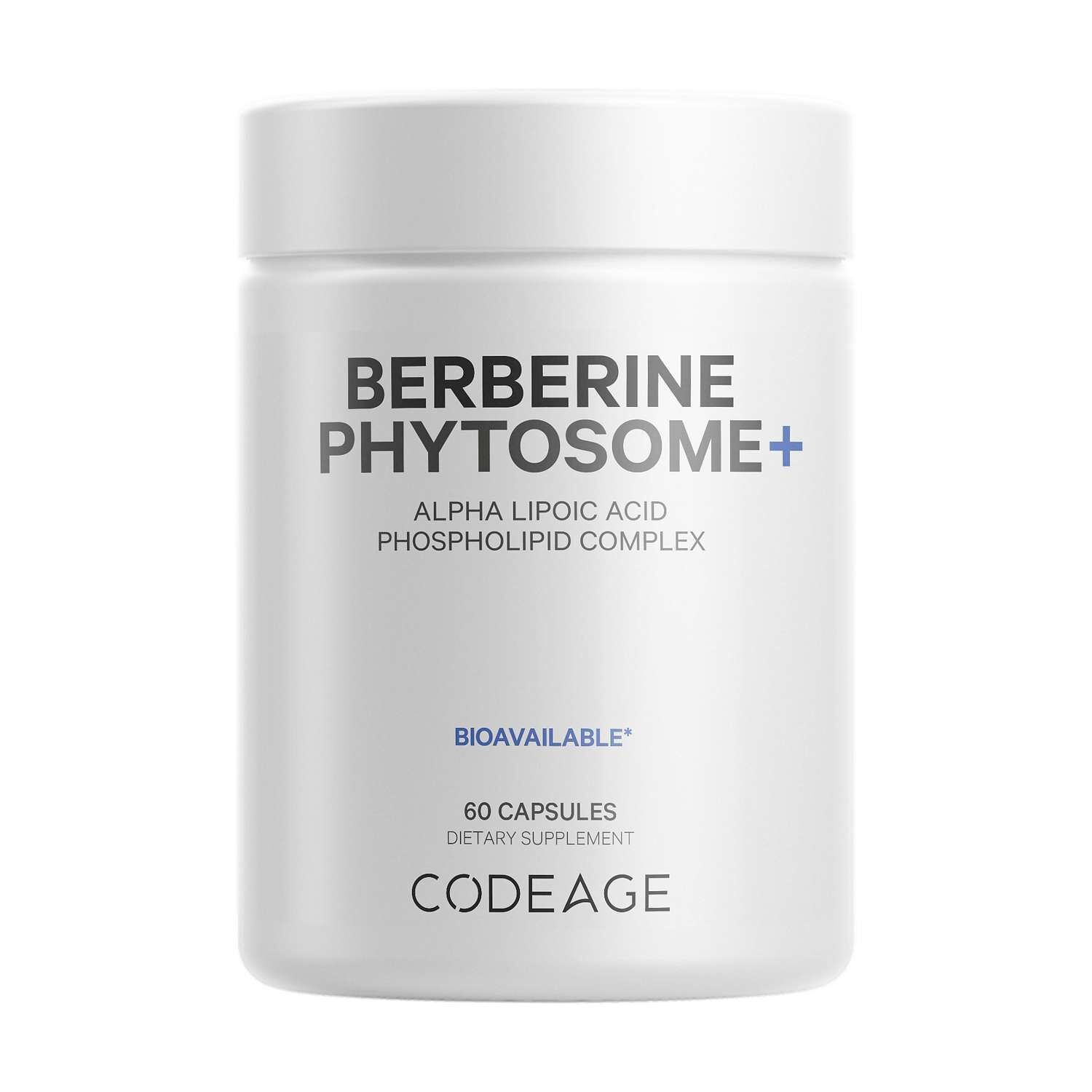
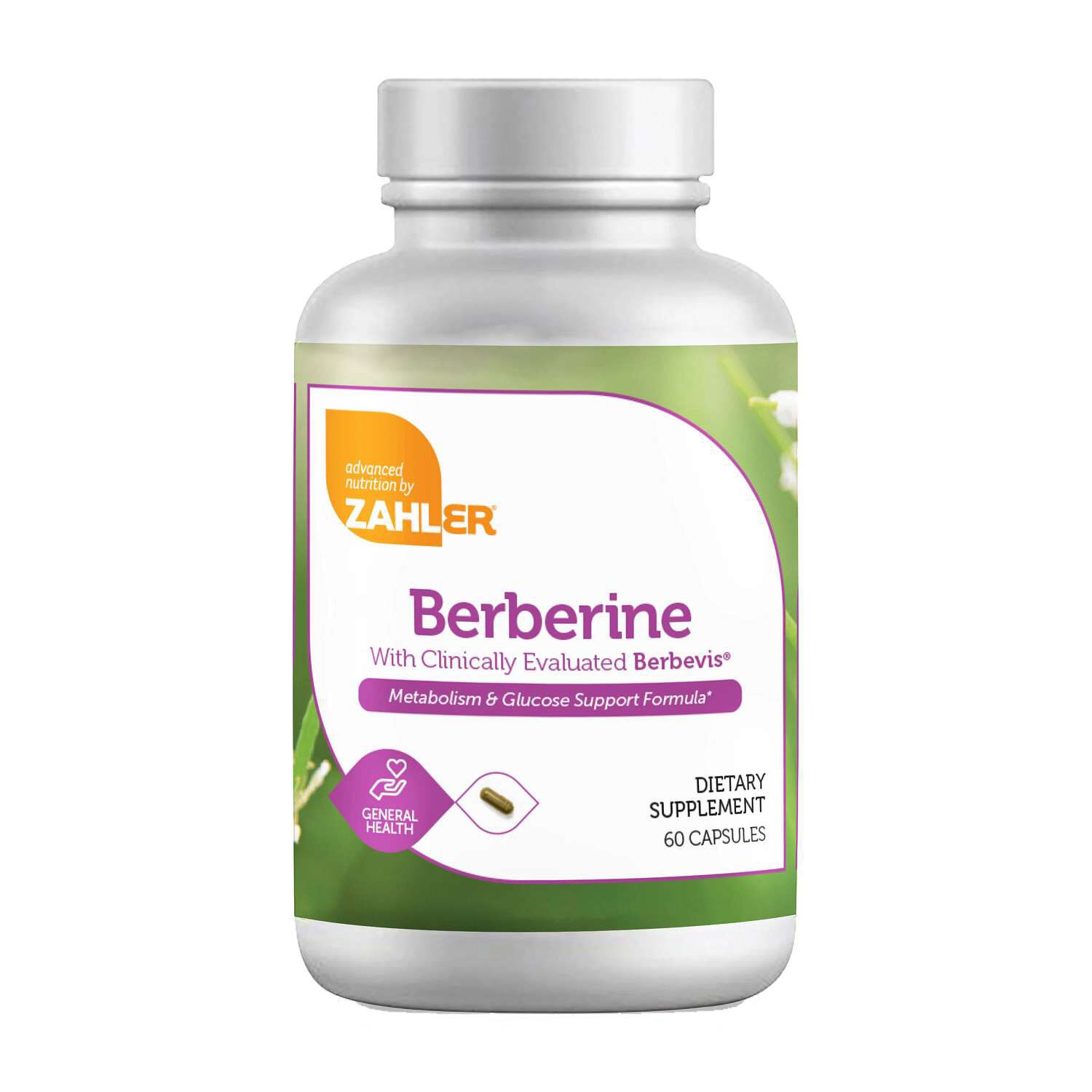
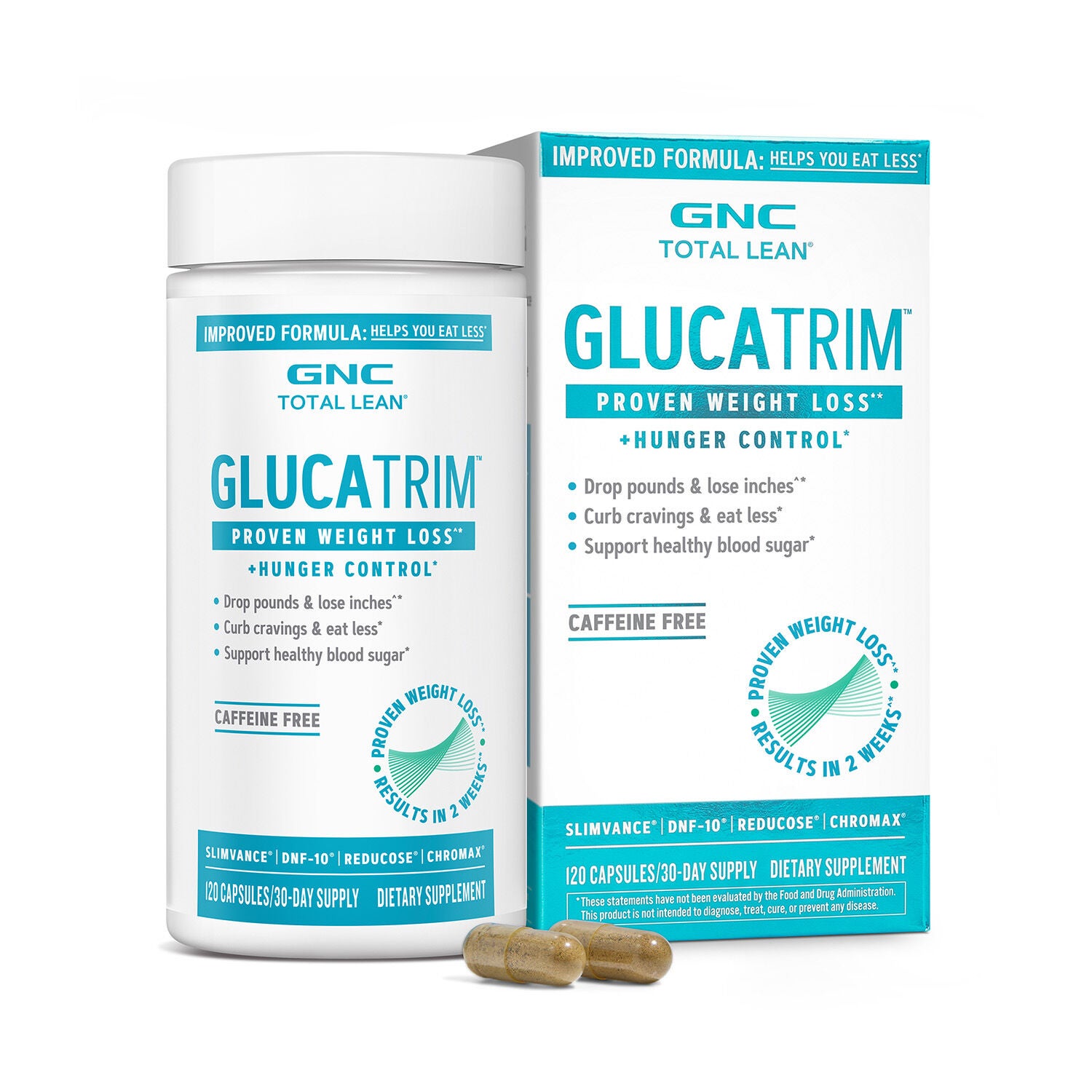
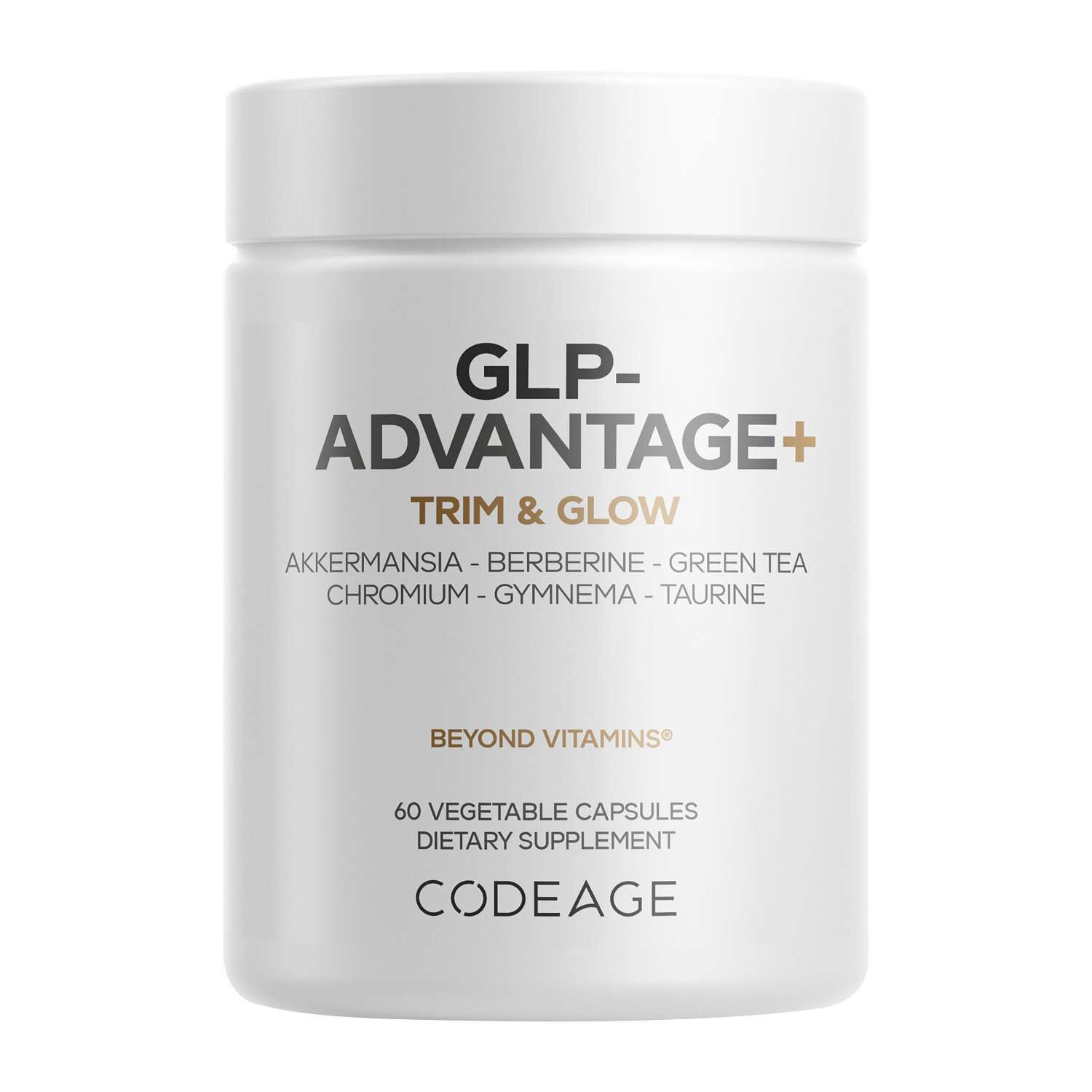
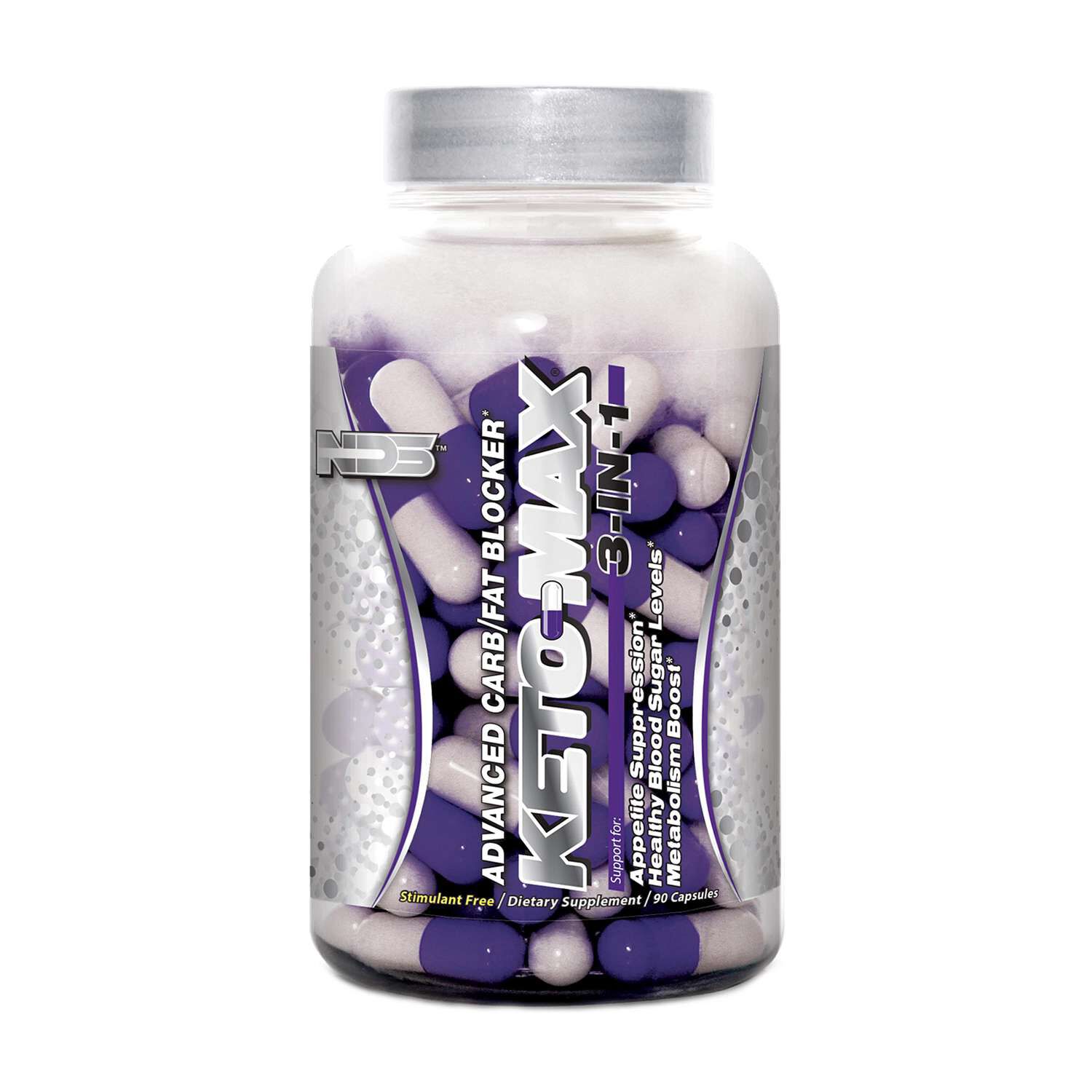
Blood glucose capsules are dietary supplements offered in single-ingredient and multi-ingredient formulas, with ingredient panels that can include botanicals, minerals, and other nutritional compounds. Ingredients associated with this category include berberine, cinnamon, chromium, bitter melon, and alpha-lipoic acid, although the contents and amounts differ from one formula to another. The category name alone does not describe what is inside a bottle, making the Supplement Facts panel a useful starting point for comparison. A single-ingredient formula centers on one featured ingredient, while a combination formula brings several ingredients together in one serving. Neither approach tells the whole story: the amount per serving, ingredient form, capsule count, and other ingredients all contribute to the distinction between two otherwise similar bottles. Cinnamon, for example, can appear as a botanical powder or an extract, and those descriptions should not be treated as interchangeable. Botanical labels may also identify a plant’s scientific name and the part used, such as bark, root, leaf, or fruit. Berberine labels can identify the compound’s form or botanical source, while chromium labels can specify the mineral’s form alongside its listed amount. These details provide a more precise description than a prominent ingredient name on the front of the package. For shoppers browsing blood glucose capsules as part of an interest in everyday wellness, clear labeling offers a practical way to narrow the assortment without relying on broad benefit language. Someone who prefers a short ingredient panel might focus on a formula with one featured ingredient; someone comparing botanical combinations might spend more time reviewing each component and its stated quantity. The distinction is about composition and personal shopping preferences, not a conclusion about results. A familiar ingredient name, a larger number on the label, or a longer list of botanicals does not, by itself, establish how a particular formula will perform.
Capsule construction is another meaningful part of comparing blood glucose supplements. The shell can be made from gelatin or a plant-derived material such as cellulose, and that difference matters to shoppers with vegetarian preferences or other dietary requirements. A formula containing plant ingredients is not automatically a vegetarian capsule, so the shell description deserves attention alongside the featured ingredients. The other ingredients section can identify shell materials, coloring ingredients, and substances used during manufacturing to help powders flow or maintain consistency. These ingredients serve a different purpose from the nutrients and botanicals listed in the Supplement Facts panel, but they remain part of the product’s composition. Dietary statements and allergen disclosures also belong in the comparison, particularly when a shopper is looking for a formula that matches established food preferences. Capsule dimensions and serving size can affect how well a format fits an existing routine. A bottle with a serving of one capsule differs practically from a bottle with a serving of three, even when the front labels look similar. Likewise, the number of capsules in a container is not necessarily the number of servings. A 90-capsule bottle with a three-capsule serving contains 30 servings, a distinction that becomes useful when comparing package sizes. Ingredient amounts should be read on the same basis: an amount listed per serving may represent several capsules rather than one. Units matter as well, since milligrams and micrograms represent different quantities. Some combination formulas state an individual amount for every featured ingredient; others identify a blend and give one amount for the blend as a whole. That difference affects how closely shoppers can compare the contents. A straightforward comparison places serving size, ingredient identity, ingredient amount, capsule material, and servings per container side by side. It also separates packaging preferences from formula composition. An easy-to-read panel or a compact bottle may suit a particular shopper, but neither replaces the ingredient information needed to understand what the package contains.
The intended use of blood glucose capsules is described on each product’s label, rather than determined by the category name or capsule format. Package directions, intended audience, and stated restrictions provide product-specific context without requiring assumptions based on another formula. For an adult comparing options for an established supplement routine, the most useful details are often ordinary ones: how many capsules make up a serving, whether the directions specify a particular time of day, and whether the container fits comfortably in a designated storage space. Picture two bottles sitting next to a breakfast bowl: one features a single botanical, while the other lists several botanicals and a mineral. Their similar appearance says little about their contents, and choosing between them calls for attention to those differences rather than the shared category wording. Shoppers looking across closely related selections can also explore Glucose Management Capsules while keeping the same label-based comparison in mind. For these products, care centers on storage and package condition rather than durability in the sense used for clothing or household goods. The original container keeps the ingredient panel, directions, lot information, and expiration date together, making it a useful reference throughout use. Product labels provide the relevant storage instructions; a dry location away from direct sunlight is a common requirement. A properly closed container helps limit exposure to moisture, and an intact package seal is an important detail when first opening a bottle. Capsules should not be assumed to have the same handling requirements as powders, liquids, or chewable formats simply because the featured ingredients overlap. For shoppers who travel, the package’s dimensions and closure style are practical considerations, along with retaining access to the original labeling. These are personal-use products whose suitability depends on individual circumstances, so gift shopping is less straightforward than choosing a shaker bottle or another general wellness accessory. Across the category, a thoughtful selection comes back to clearly described ingredients, transparent serving information, suitable capsule materials, and a format that aligns with the shopper’s preferences. Those concrete details offer a grounded way to browse blood glucose capsules without confusing a product description with an assured outcome.
Best Sellers
-
 Rho Nutrition
 -
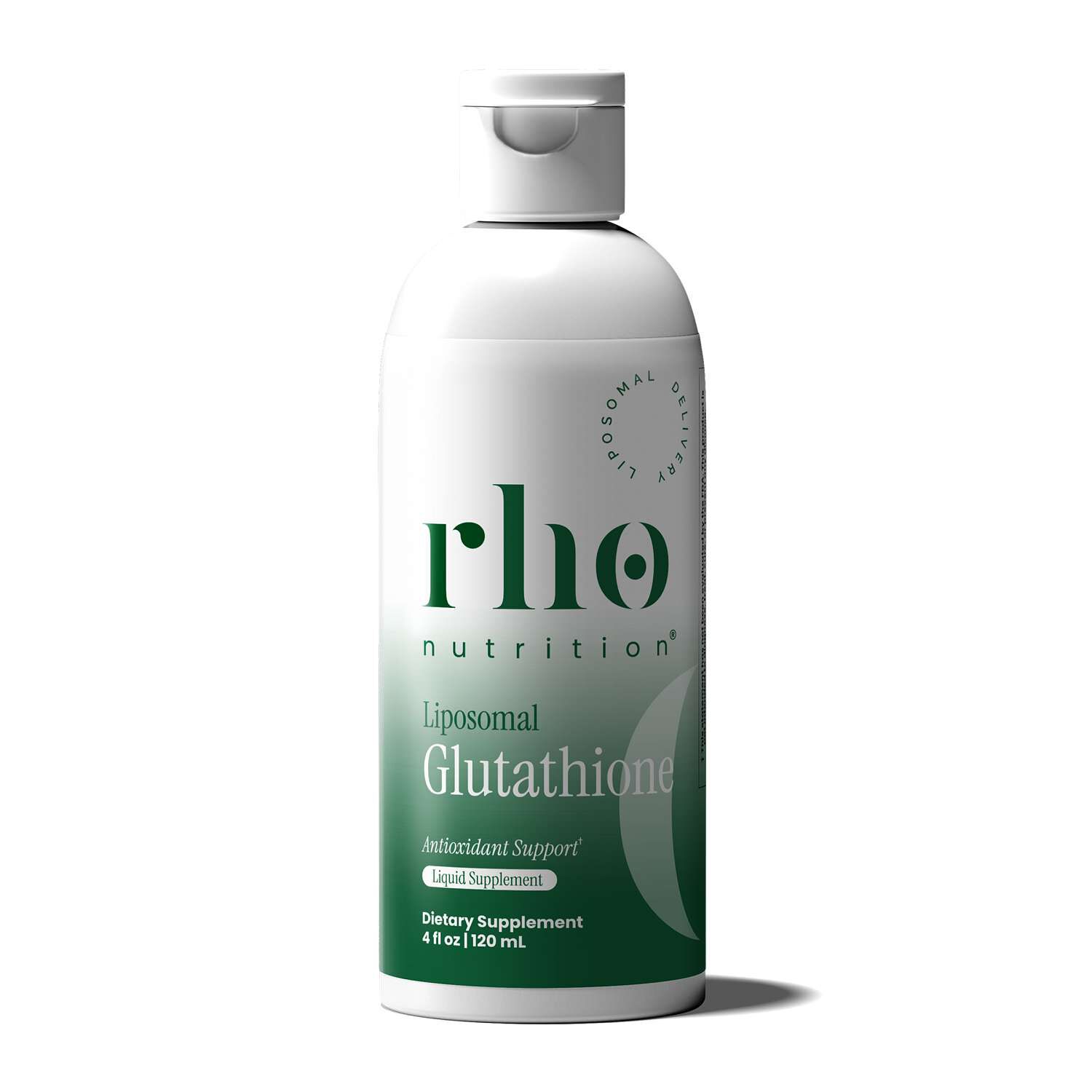 Rho Nutrition
 -
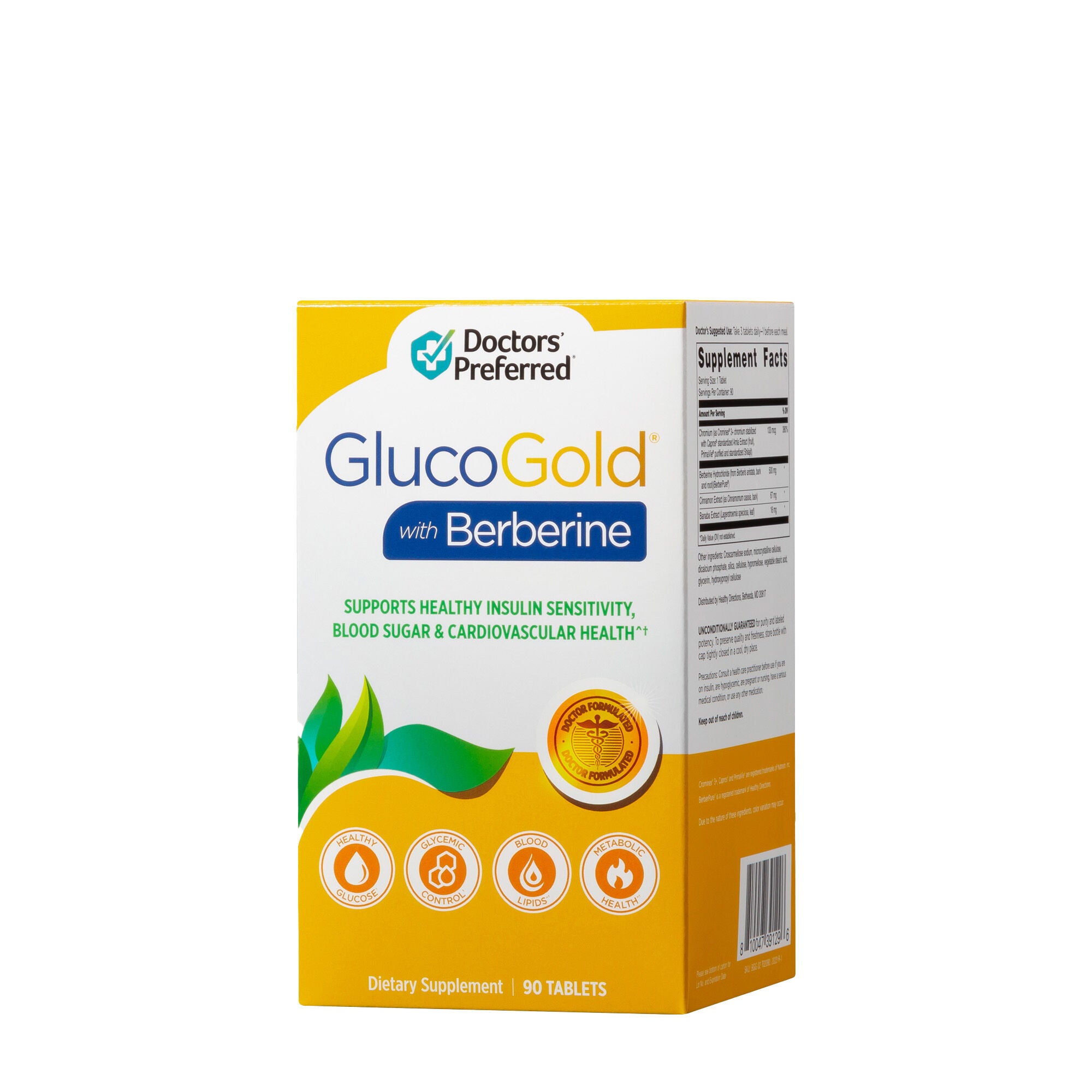 Doctors' Preferred
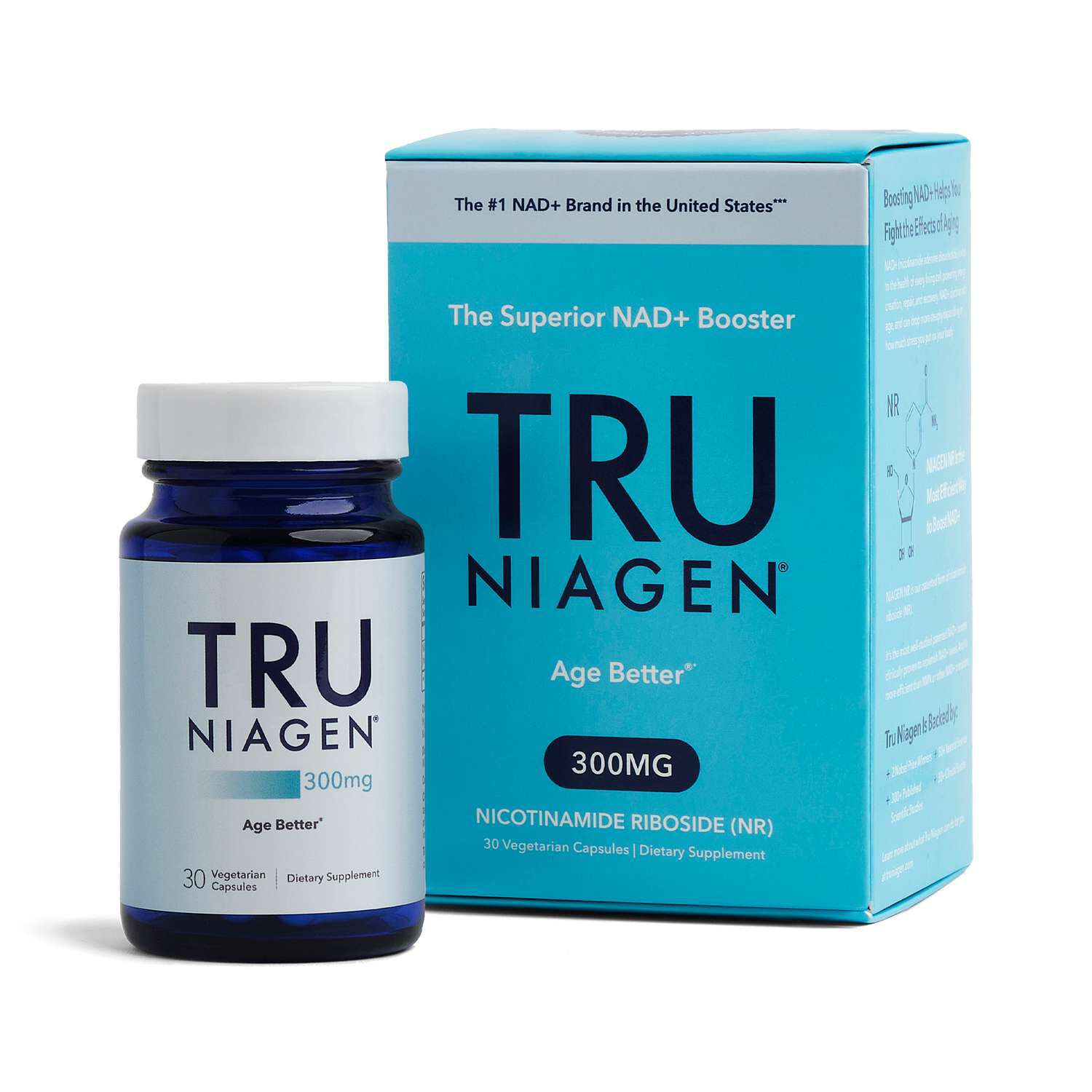
Related Pages

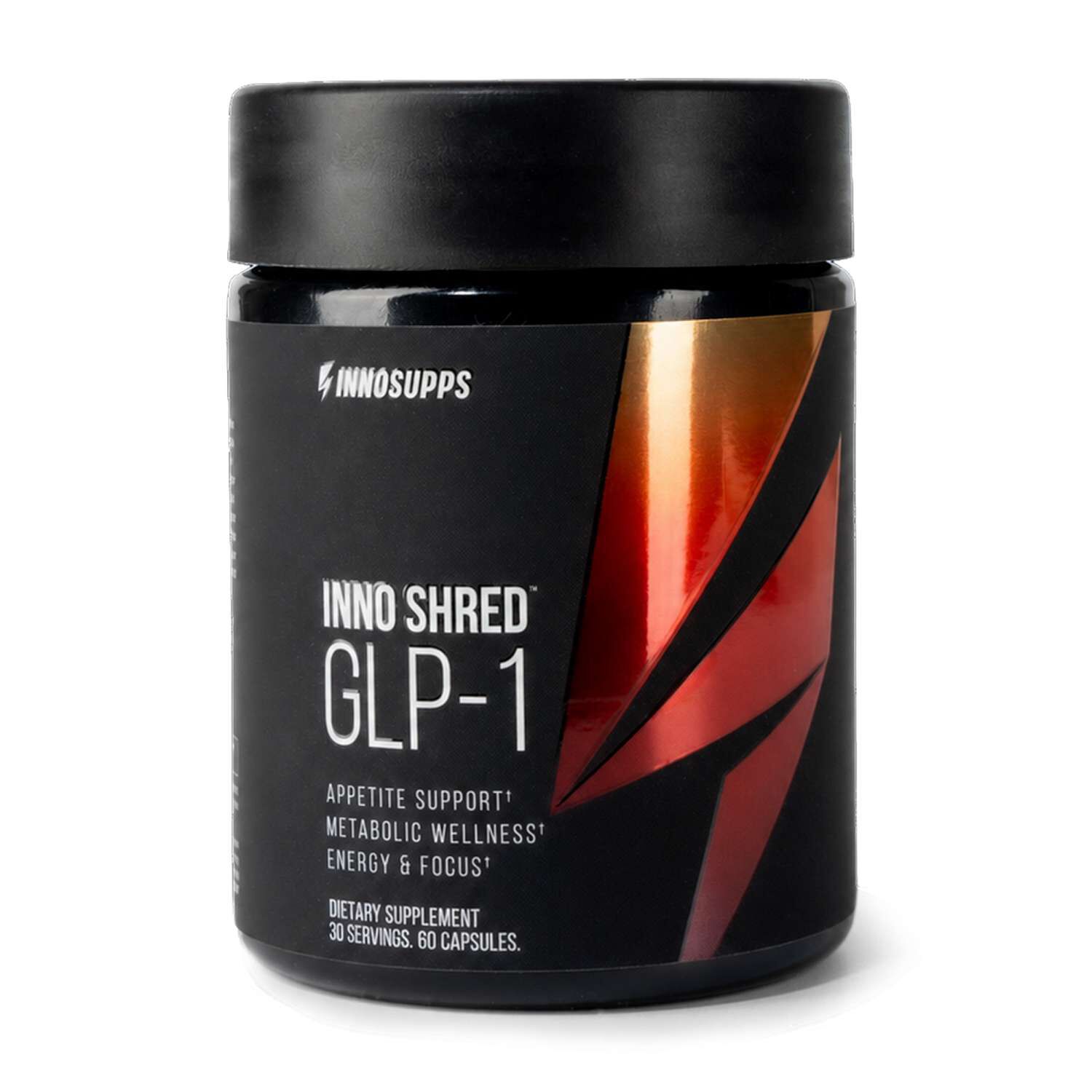
Top Collections
- Daily Collagen Supplements | Top Brands & Deals | GNC
- Cortisol Supplements
- Top Rated Collagen | Shop Customer Favorites | GNC
- Vitamins For Hair Loss
- NAD+ Supplement Tablets
- Peptide Supplements
- Best Brand of Magnesium Glycinate
- Protein Powders For Muscle Growth Support
- Vitamins That Help Support Weight Gain
- Peptide Supplements for Muscle Growth