

Childrens EPA Supplements
(0 Results)
Childrens EPA Supplements
Childrens EPA supplements are designed to support the nutritional needs of growing kids. These products may be a convenient option for parents looking to include EPA, an omega-3 fatty acid, in their child's daily routine. Explore a selection of childrens EPA supplements that could fit into a balanced lifestyle and help meet your family's wellness goals.
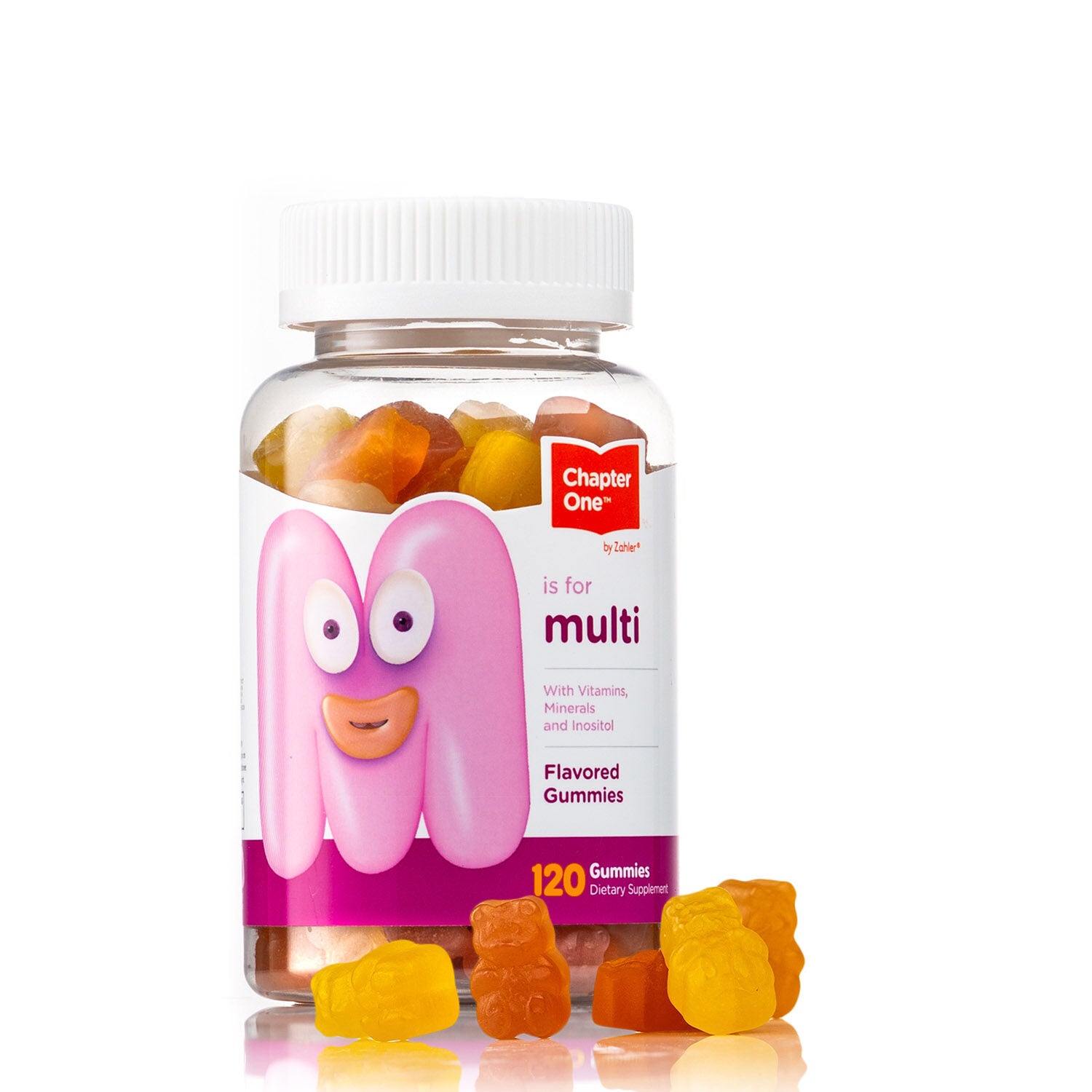


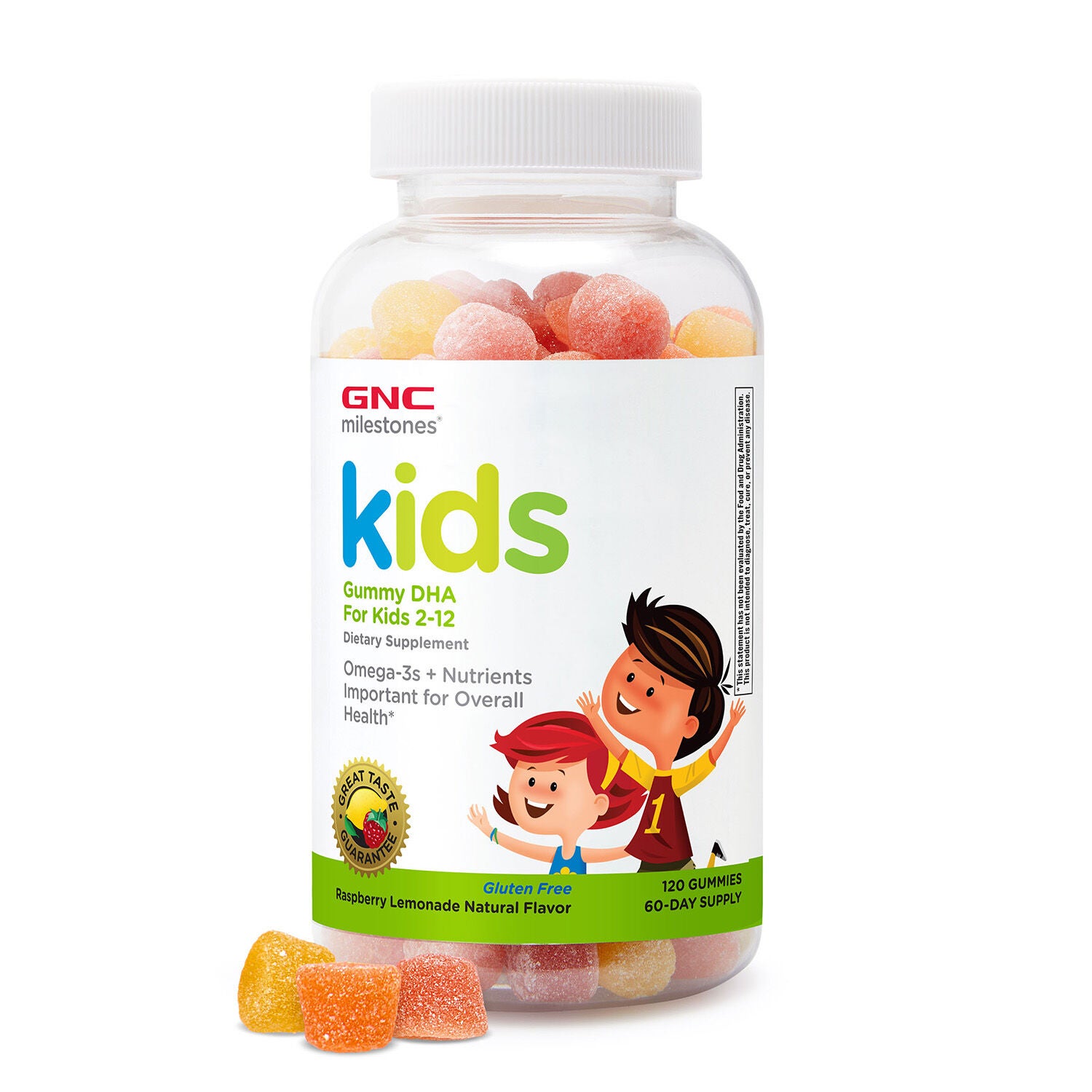

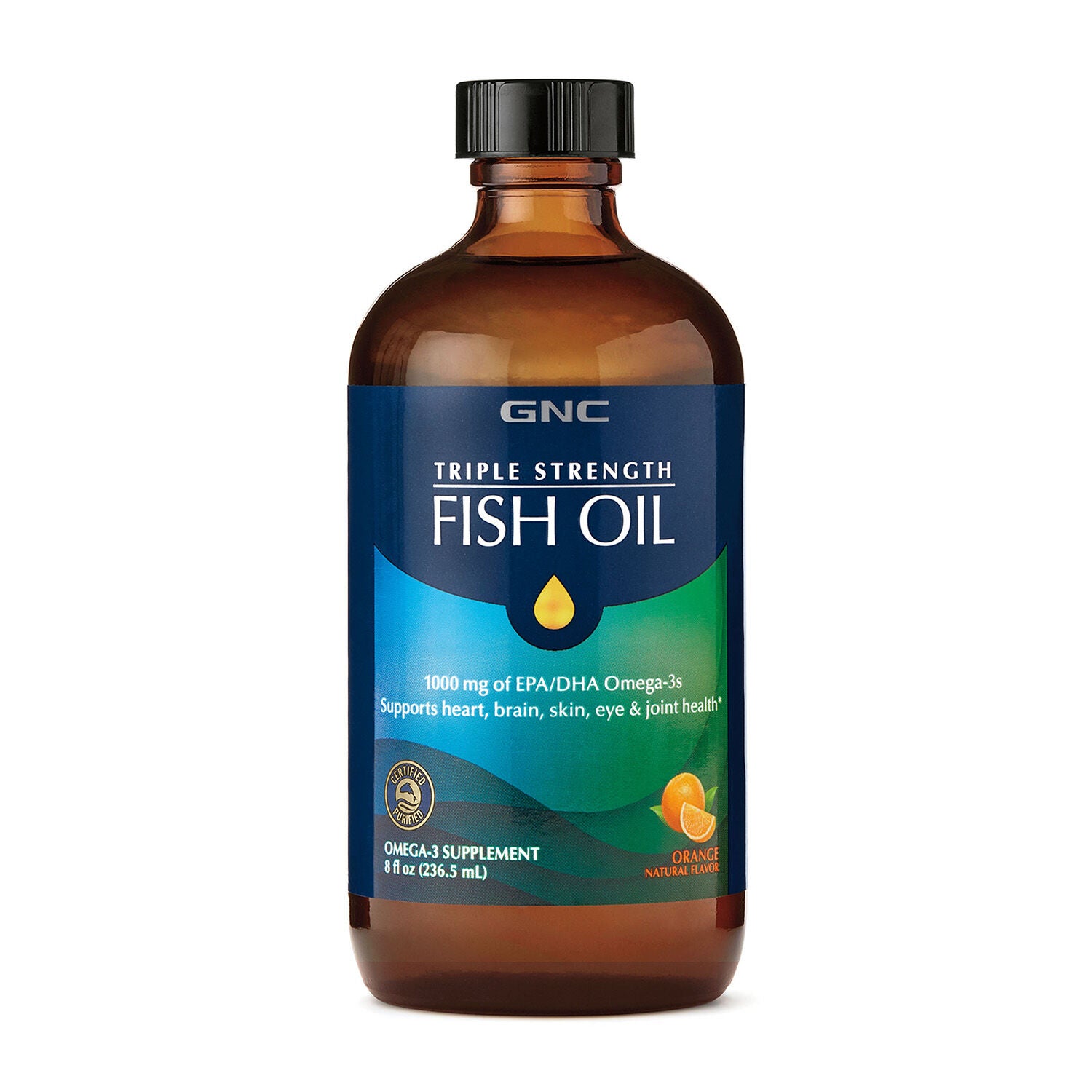
Children’s EPA supplements are a thoughtful addition to many families’ wellness routines, particularly for those who want to support the nutritional needs of growing kids who may not regularly eat fatty fish like salmon, mackerel, or sardines. Eicosapentaenoic acid (EPA) is one of the key omega-3 fatty acids often derived from fish oil or algae, and it is commonly paired with docosahexaenoic acid (DHA) in children’s supplements. These nutrients are known for their role in the development of the brain and nervous system, as well as for supporting focus and mood balance. Parents and caregivers may consider children’s EPA supplements for kids who follow vegetarian or vegan diets, have dietary restrictions, or simply aren’t fond of seafood. As the seasons shift from late summer into the cooler months, routines change—kids head back to school, schedules fill with activities, and families look for ways to help children feel their best both inside and outside the classroom. EPA supplements for children are available in a variety of forms, including liquids, chewables, and softgels, making it easier to find a format that matches your child’s preferences and age. Many products are flavored with kid-friendly tastes like orange, lemon, or strawberry, which can help mask the natural flavor of fish oil and make daily routines more enjoyable.
When choosing a children’s EPA supplement, it’s important to consider a few key factors to help ensure you’re selecting a product that fits your family’s needs. Look for options that are third-party tested for purity and safety, as this can offer peace of mind that the supplement is free from heavy metals and other unwanted contaminants. Certifications such as IFOS (International Fish Oil Standards) are often highlighted on product packaging or descriptions. For families who prefer plant-based options, algae-derived EPA supplements are available and can provide a direct source of omega-3s without animal ingredients. Dosage recommendations may vary based on age, dietary intake, and individual health backgrounds, so it’s always a good idea to consult with a pediatrician or healthcare provider before adding a new supplement to your child’s routine. This conversation can help you determine the most appropriate serving size and form, especially if your child has specific health considerations. Children’s EPA supplements might also make a thoughtful gift for parents or caregivers who are interested in supporting their child’s wellness, especially during the busy back-to-school season or as part of a care package for families with young children. For those looking to explore more about omega-3s and their potential role in family wellness, you can find additional information and options on our Omega 3 Epa Supplements page.
Incorporating a children’s EPA supplement into a daily routine is often a personal decision shaped by dietary habits, lifestyle, and individual preferences. Some families may find it helpful to mix flavored liquid EPA supplements into yogurts or smoothies, while others might opt for chewable or softgel formats for older children who are comfortable with those forms. The transition from summer to fall often brings new routines, from after-school activities to holiday gatherings, and many parents look for ways to support their child’s focus and well-being during these busy months. Whether you’re preparing for a new school year, seeking to fill potential dietary gaps, or simply exploring options to support your child’s wellness, there are a range of children’s EPA supplements designed to meet different needs and preferences. Always remember that each child is unique, and what works for one may not be right for another. Taking the time to read labels, check for third-party testing, and consult with a healthcare provider can help you make an informed choice that fits your family’s lifestyle.


 Chewable Tablets_Front.jpg?sw=305&sh=305&sm=fit "ChildCalm - 60 Chewable Tablets (30 Servings) | GNC")