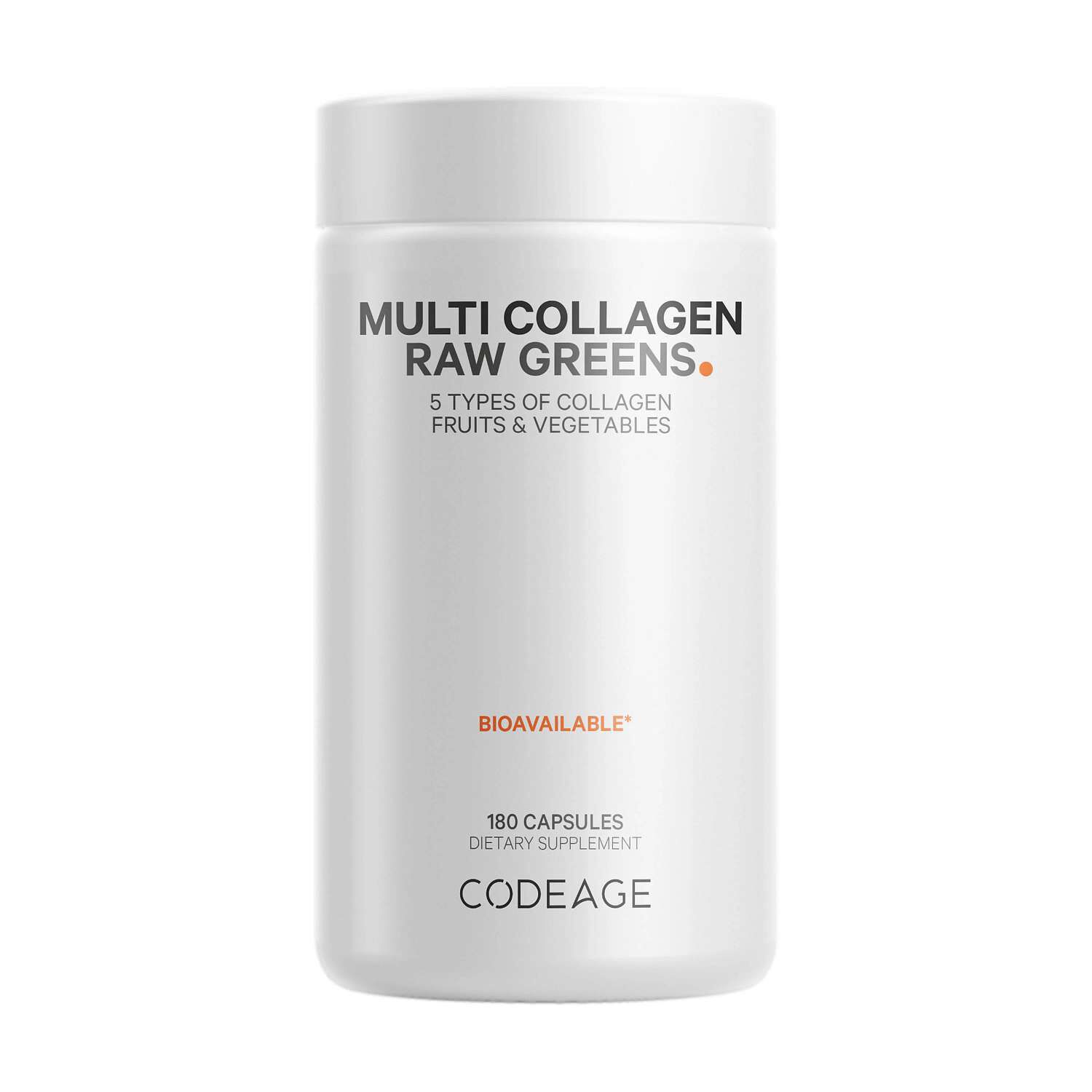
Collagen Peptides For Keto Diets
(0 Results)
Collagen peptides for keto diets could be a convenient addition to your low-carb lifestyle. Those following a ketogenic plan may find that collagen peptides fit seamlessly into their daily routine, supporting their nutrition goals without disrupting ketosis. Explore options that might help you maintain your wellness journey while sticking to your keto-friendly approach.
-
-
-
-

-
-
-

-

-
-
 44$44.99
 -

-
-
-
-
-

-

-

-
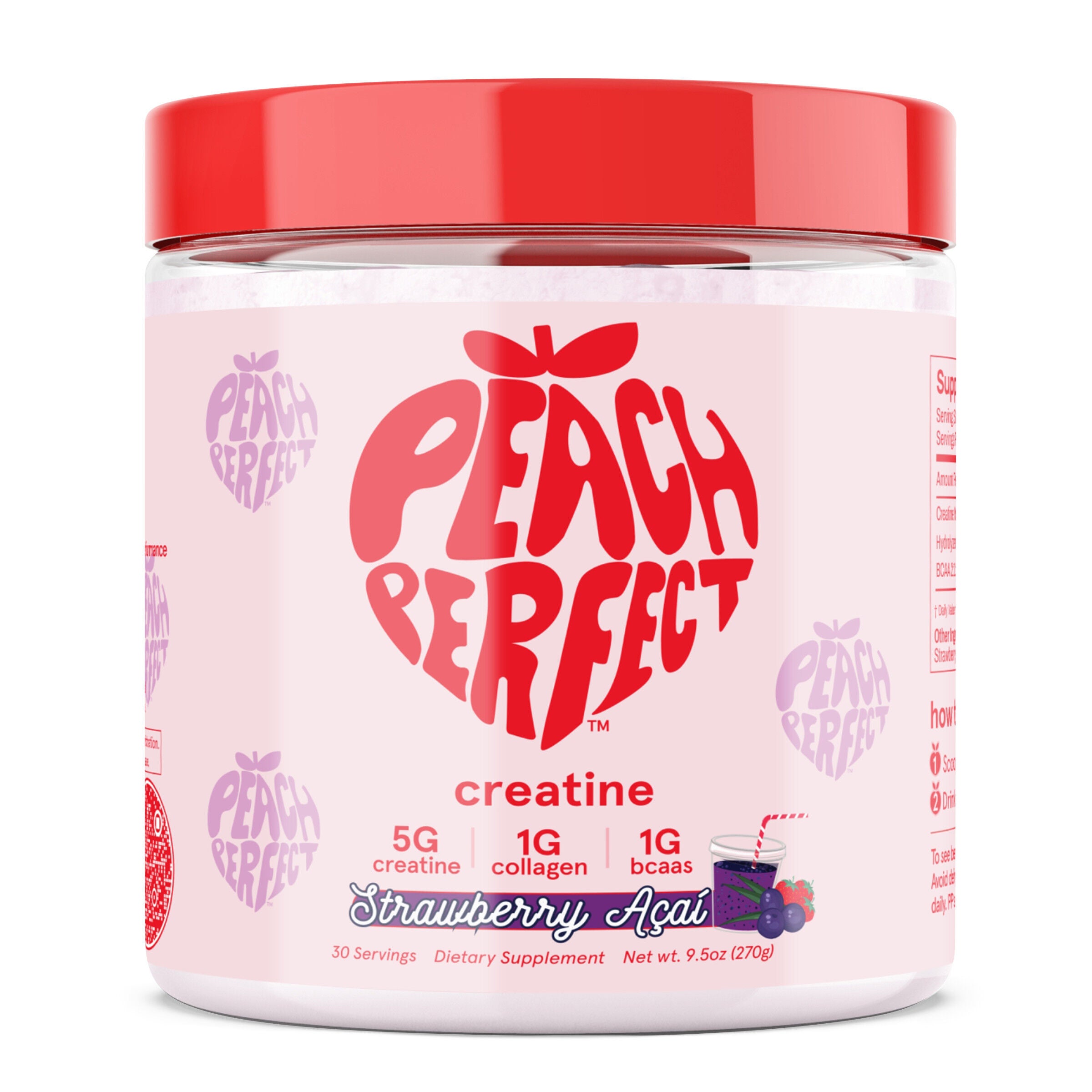
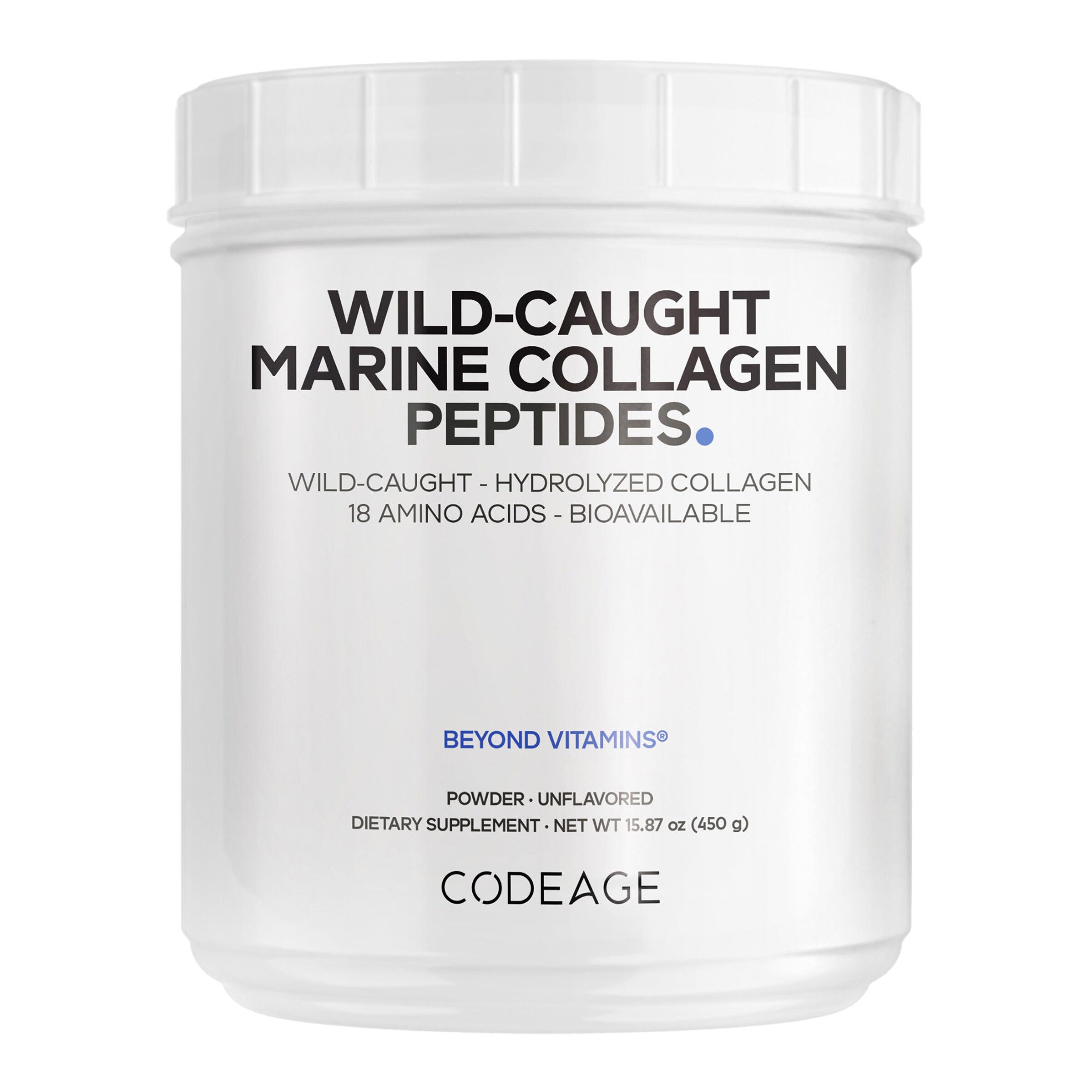

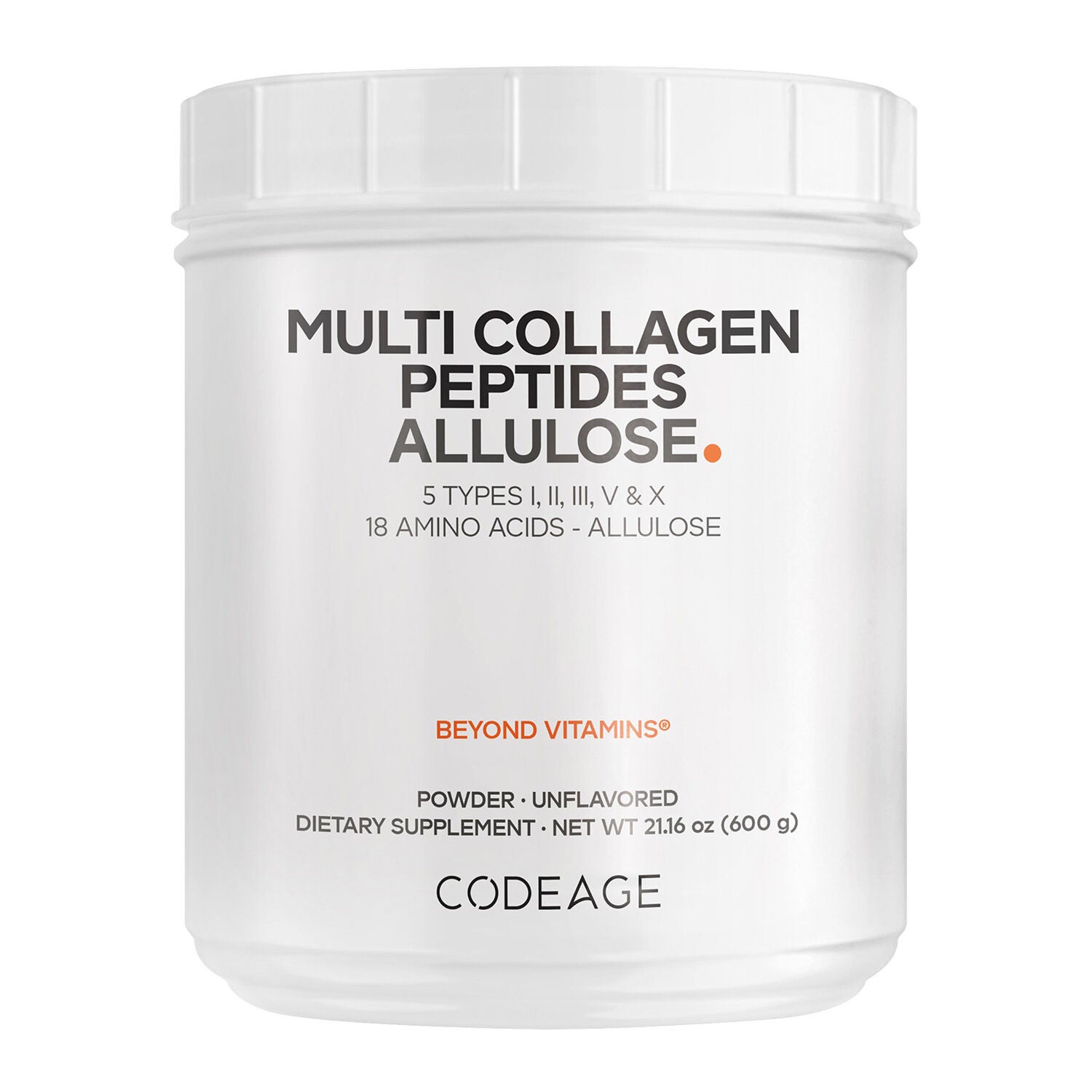
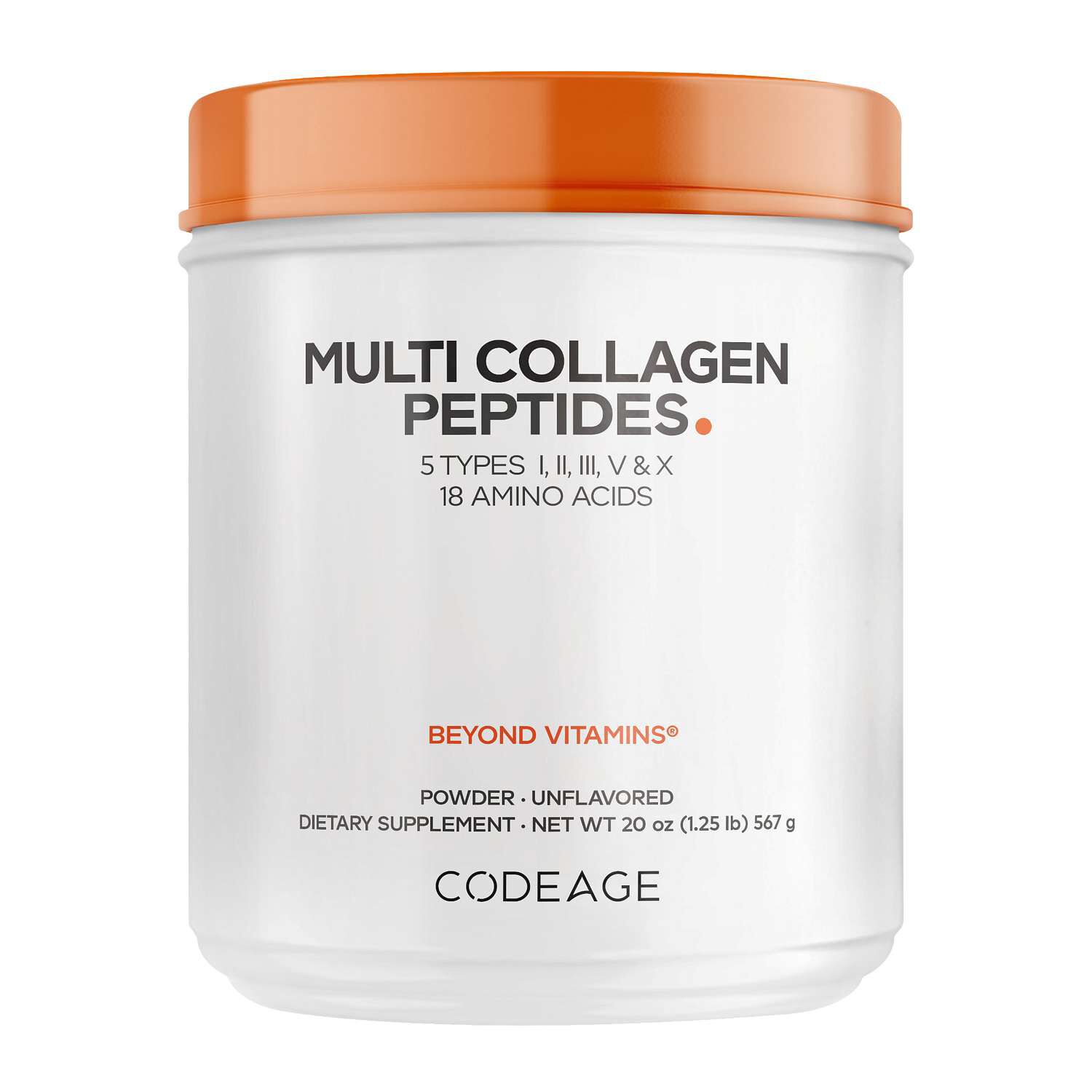
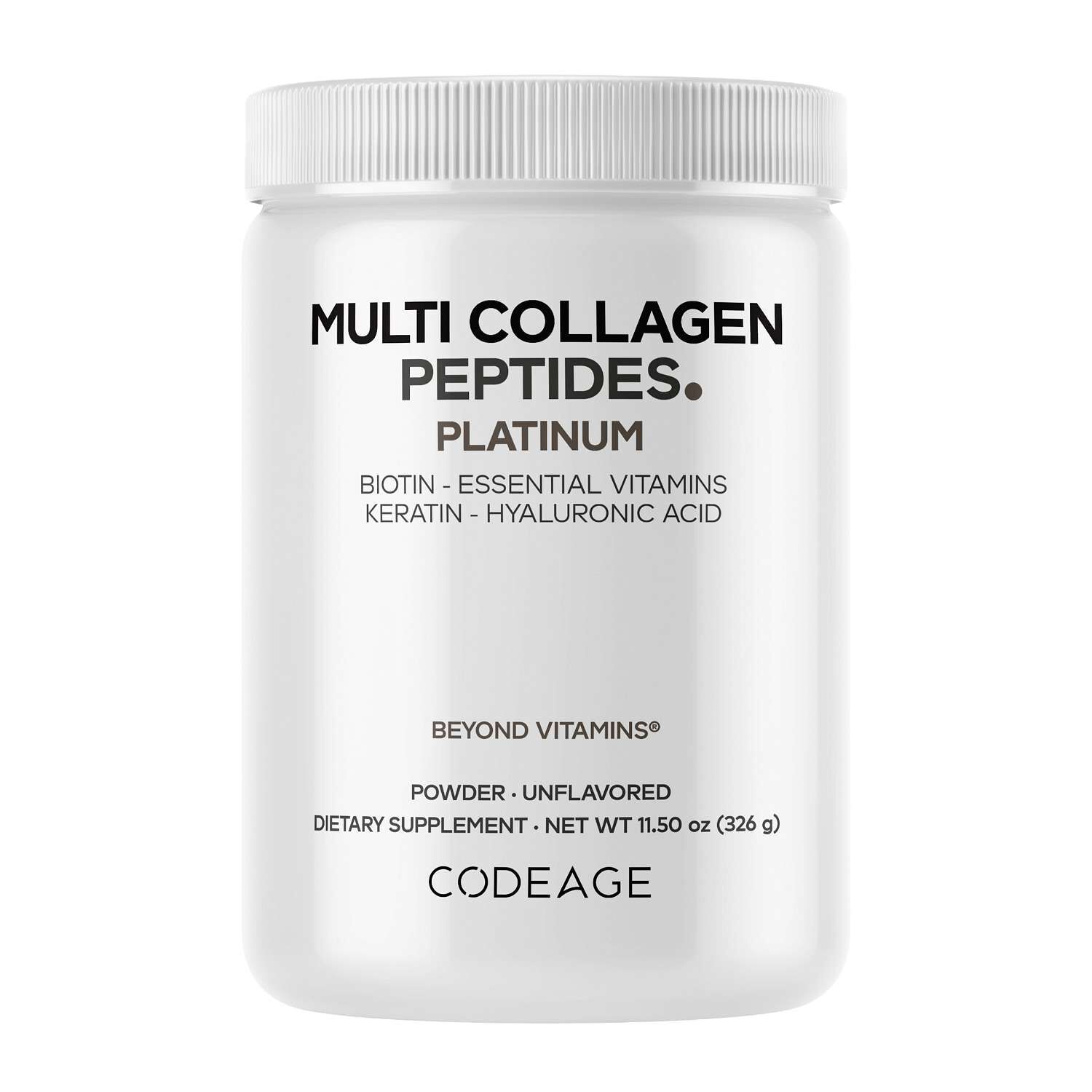
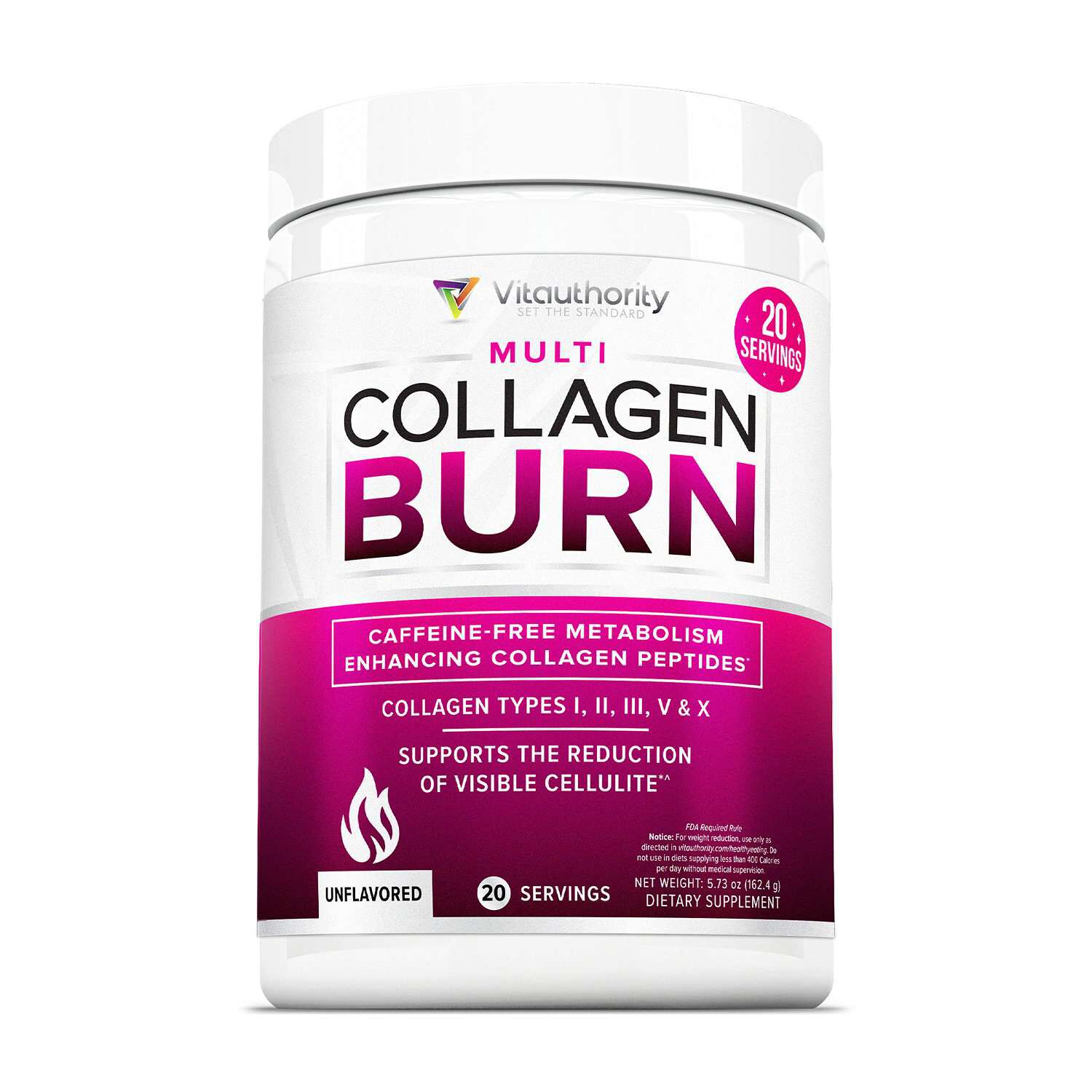
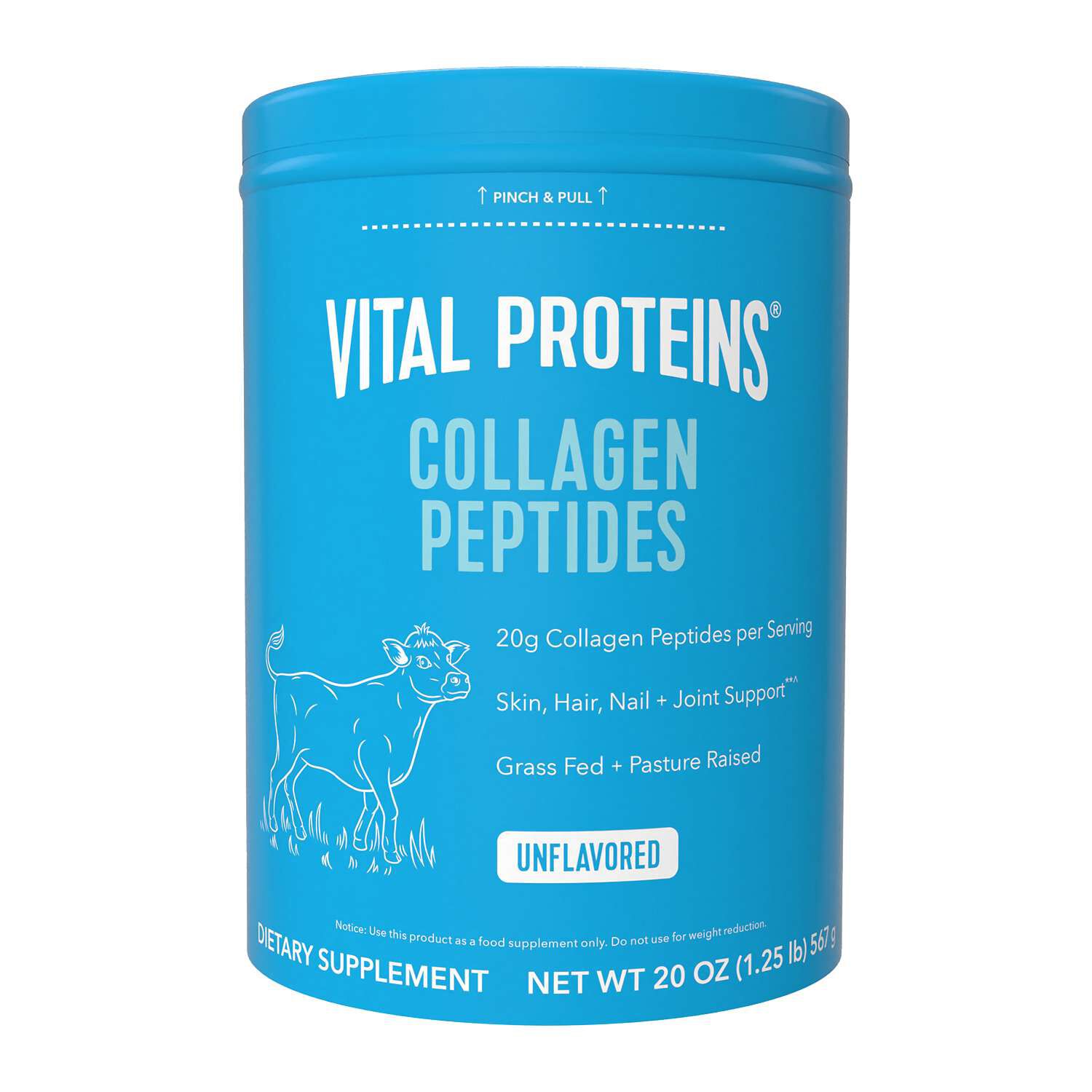
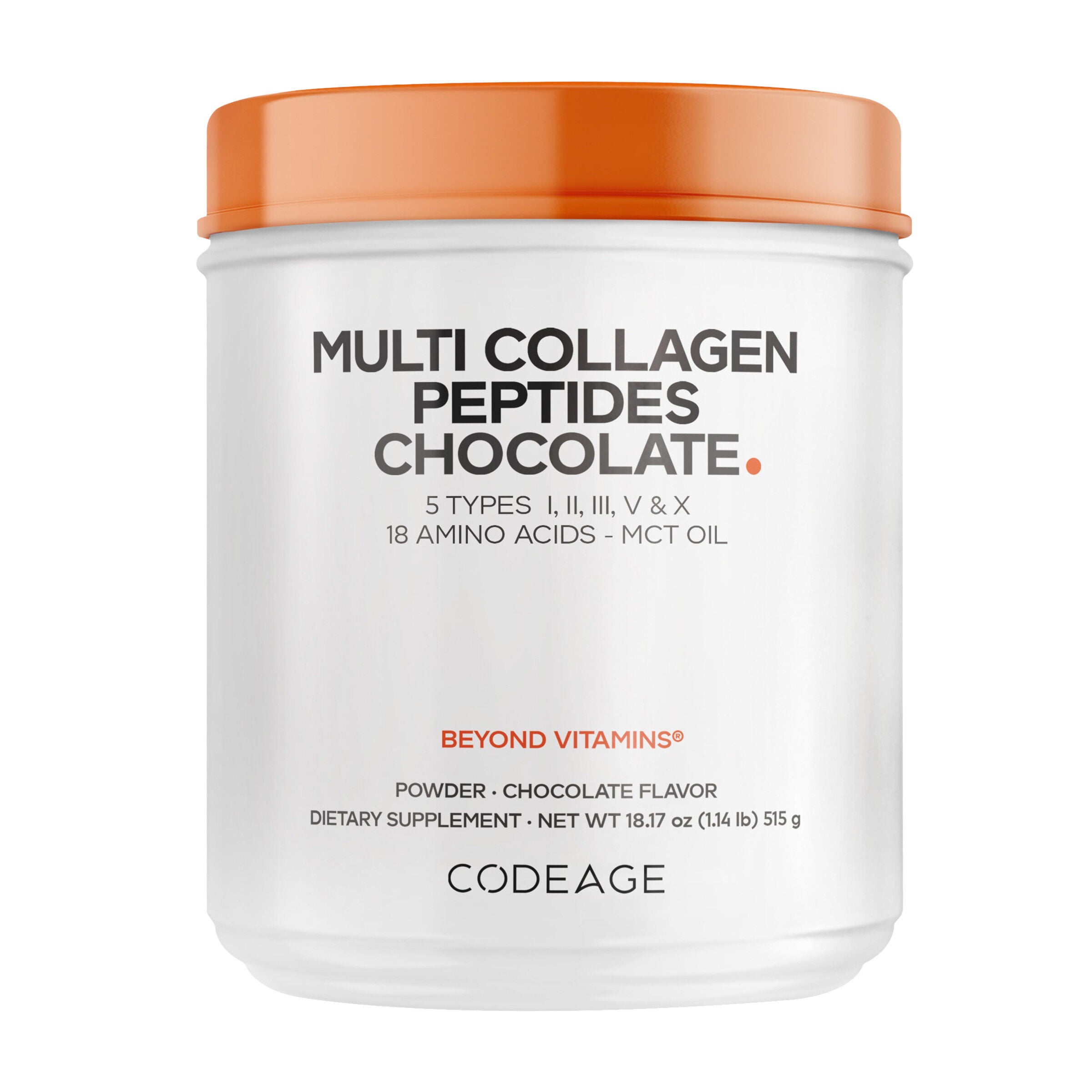
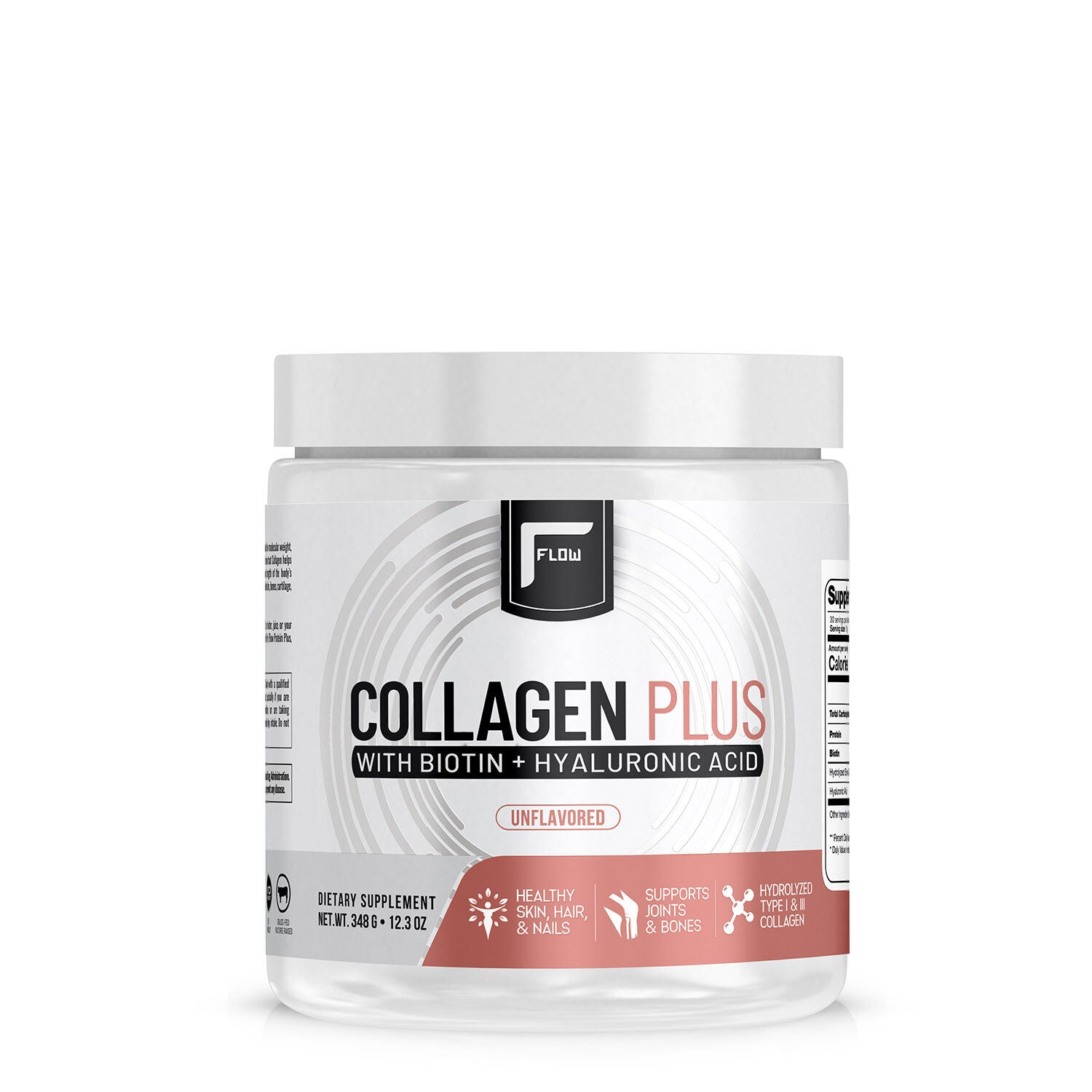
Collagen peptides for keto diets bring a protein-focused ingredient to an eating pattern that emphasizes fat and limits carbohydrates. These supplements contain collagen that has been hydrolyzed, a process that separates the protein into smaller fragments for use in powders and other formats. Plain collagen peptide powders often contain little or no carbohydrate, but the finished formula matters more than the category name. Flavorings, sweeteners, powdered creamers, and other additions can change the carbohydrate, fat, and protein amounts per serving. A useful comparison starts with the nutrition panel: look at the serving size, grams of protein, carbohydrate content, and sugars, then read the ingredient list alongside those numbers. A scoop is not a standardized measurement across formulas, so similar-looking containers can have different serving weights and nutritional profiles. For someone tracking daily macronutrients, the amount actually added to a drink or recipe is the relevant amount to count. The word “keto” on packaging does not replace that comparison, and collagen itself is primarily a protein ingredient rather than a source of dietary fat. Some collagen blends include medium-chain triglycerides, commonly abbreviated as MCTs, often in a powdered oil format. Those blends combine protein with added fat, while plain peptides leave the choice of accompanying fats to the rest of the meal or beverage. MCT-containing formulas also deserve a closer ingredient check because their carriers, flavorings, and other components vary. Neither format is automatically the better match; the distinction is whether the shopper wants a simple collagen ingredient or a blend with additional components. Unflavored powders suit people who prefer flexibility across several recipes, while flavored powders offer a more defined taste for a repeated drink routine. Choosing between them comes down to the intended use, the carbohydrate allowance in an individual eating pattern, and how much control someone wants over sweetness, texture, and the other ingredients in each serving.
Everyday preparation is another meaningful way to compare keto collagen peptides. Someone who stirs a powder into morning coffee has different preferences from someone who blends an afternoon shake or adds it to a savory recipe. Unflavored does not necessarily mean undetectable: the source, concentration, and accompanying ingredients can influence aroma, mouthfeel, and taste. A subtly flavored beverage may reveal those differences more than coffee or a richly seasoned broth. Vanilla and chocolate profiles suit certain drinks, but they are less versatile for soups, sauces, or other savory uses. Sweetness also deserves attention, especially when a powder will be combined with a beverage that already contains a sweetener. Ingredients such as sugar alcohols, plant-derived sweeteners, and added sugars are not interchangeable, and their presence is worth checking rather than inferring from flavor names. For a coffee routine, follow the package mixing directions and measure the serving before adding cream or other ingredients. For a blended drink, consider the entire recipe: milk alternatives, yogurt, nut butter, fruit, and flavorings each contribute their own nutrients. A collagen powder with little carbohydrate does not make every drink prepared with it suitable for a carbohydrate-limited eating pattern. Plain, unsweetened bases offer more room to adjust a recipe to personal preferences, while richer additions change both the texture and the macronutrient balance. Collagen peptides also differ from gelatin in the kitchen. Although both come from collagen, peptide powders generally are not intended to set a dessert the way gelatin does. They are not a direct substitute for flour, either, so recipes developed for collagen powder are a more practical starting point than replacing baking ingredients scoop for scoop. Mixing performance varies by formula and preparation method; a spoon, shaker bottle, or blender may produce different results. Directions for the particular format remain the best reference for portions and preparation. These details matter when choosing something for a daily habit, whether that means a measured addition to coffee or a powder reserved for a few familiar recipes.
Source and formulation help distinguish collagen peptide supplements beyond flavor. Collagen is animal-derived, with bovine and marine sources among the common options. Bovine collagen comes from cattle, while marine collagen commonly comes from fish; the label should identify the source and any applicable allergen information. These distinctions matter for dietary preferences, ingredient avoidance, and anyone selecting a supplement for another person. Traditional collagen peptides are not a vegan protein option, and a product described as supporting collagen is not necessarily a product that contains collagen peptides. Ingredient names clarify that difference. Some formulas also include vitamins, minerals, or other supplemental ingredients. Comparing their amounts with supplements already in a routine can reveal overlap that would not be apparent from the front label alone. Collagen has a different amino acid profile from proteins such as whey, egg, or soy, so equal grams of protein do not make those ingredients nutritionally identical. Shoppers comparing formats for exercise-related routines can also explore Collagen Peptide Supplements for Fitness Goals while considering how each formula fits alongside their usual foods and beverages. Practical packaging details deserve similar attention. A resealable tub can suit a consistent kitchen routine, whereas individually portioned packets can be convenient for carrying a measured serving to work or packing for travel. Packet and tub servings may differ, even when the formats look comparable. Check the number of servings against the intended frequency of use rather than judging a container by its size. For storage, follow the label, close the package after use, and keep moisture away from the powder. A dry scoop and a clean mixing vessel make day-to-day preparation more straightforward, particularly when the container sits near a coffee station or cooking area. For a gift recipient, familiar flavors and a known collagen source are more thoughtful considerations than an elaborate blend chosen without knowing their preferences. Across these choices, the most useful comparison is specific: source, ingredients, nutrition per measured serving, preparation directions, and suitability for the recipes the person actually enjoys.
Best Sellers
-
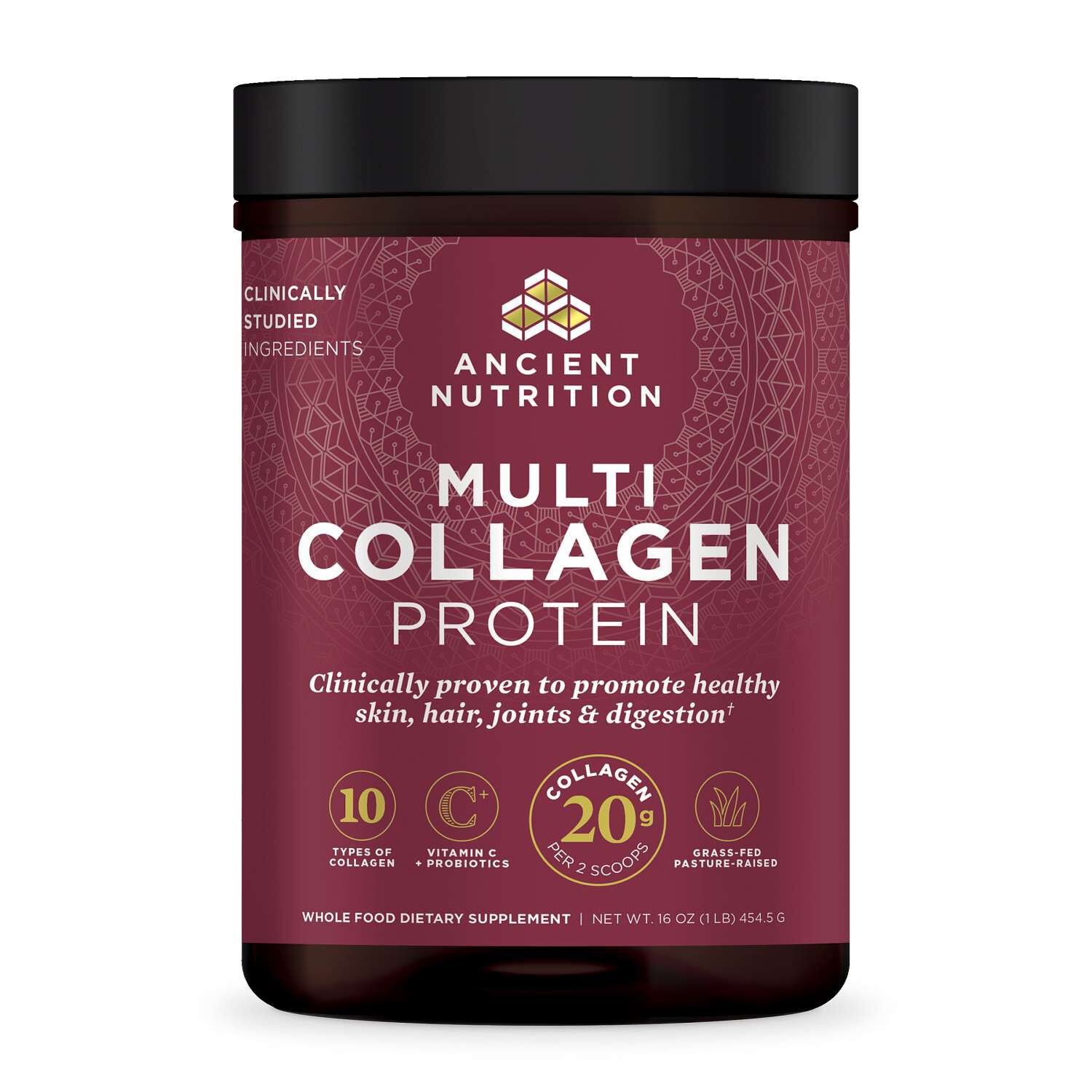
Ancient Nutrition
-
Vital Proteins