Collagen Supplement For Skin
(0 Results)
Discover the potential benefits of incorporating collagen supplements into your daily routine. Often hailed for their ability to support skin health, these supplements may help promote a youthful and radiant appearance. Collagen is a vital protein that could play a role in maintaining skin elasticity and hydration, which might contribute to reducing the appearance of fine lines and wrinkles. Whether you're aiming to enhance your skincare regimen or seeking to nurture your skin from within, exploring collagen supplements might be a step towards achieving your beauty goals. Dive into the world of collagen and uncover how it could make a difference in your skincare journey.
-

-
-
-
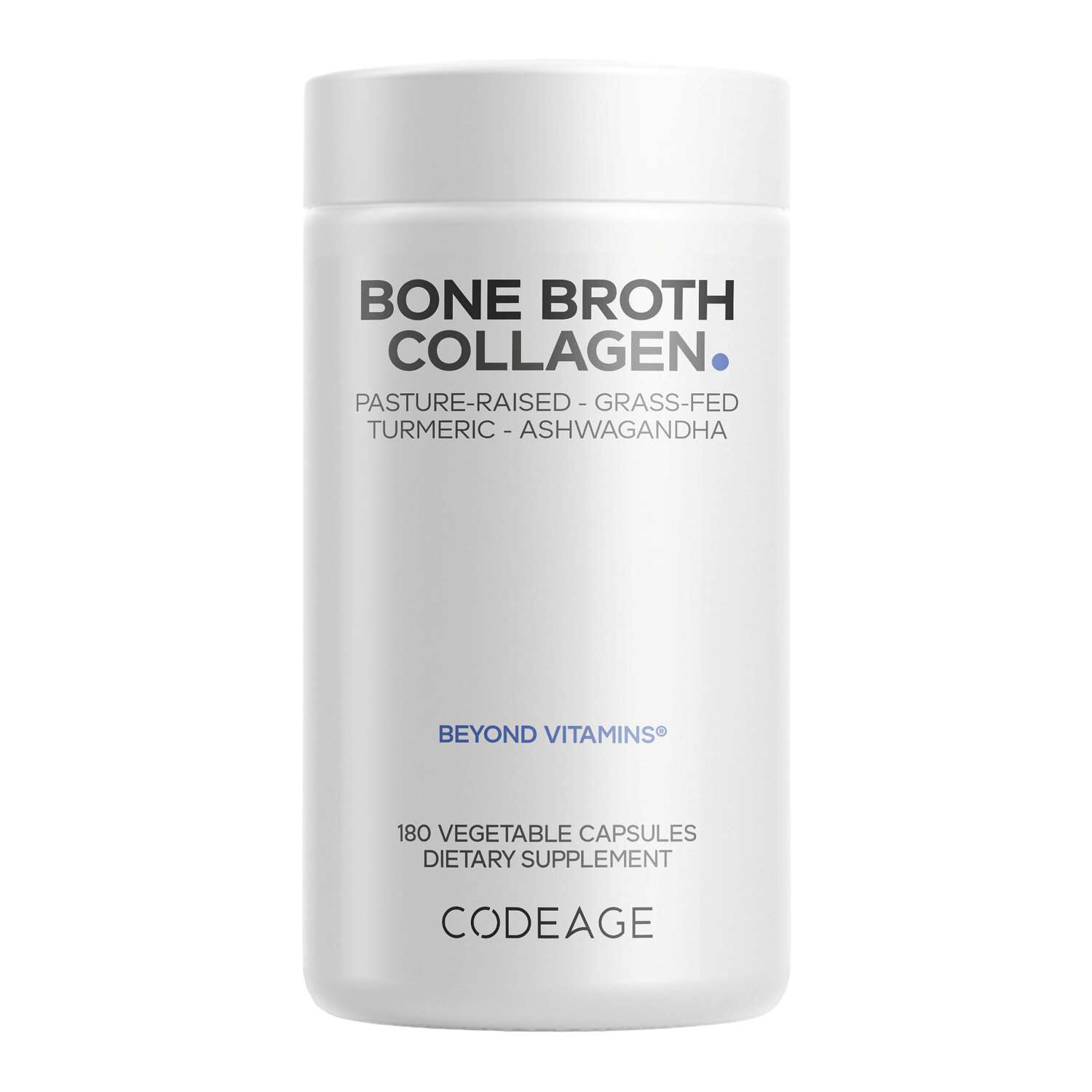
-
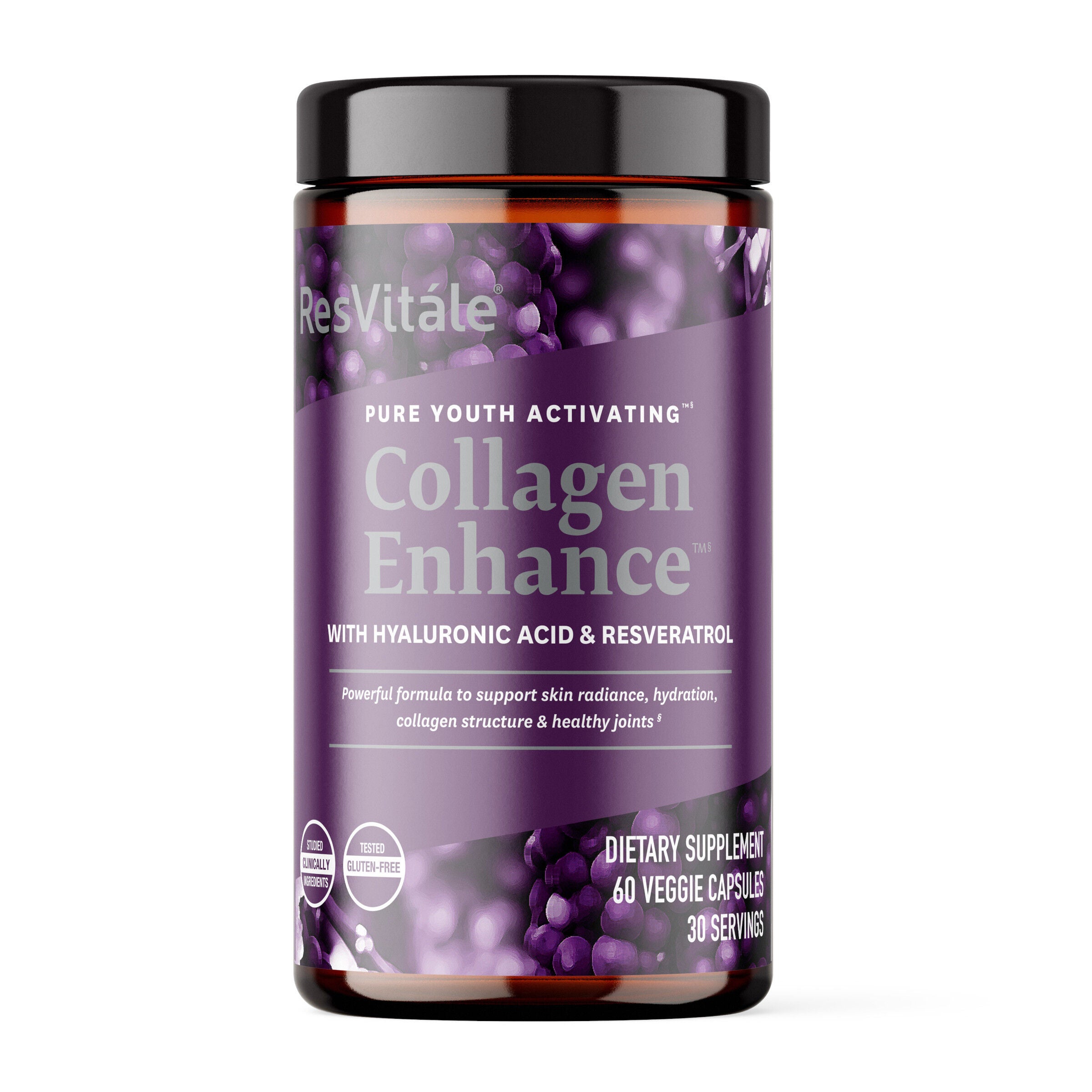
-
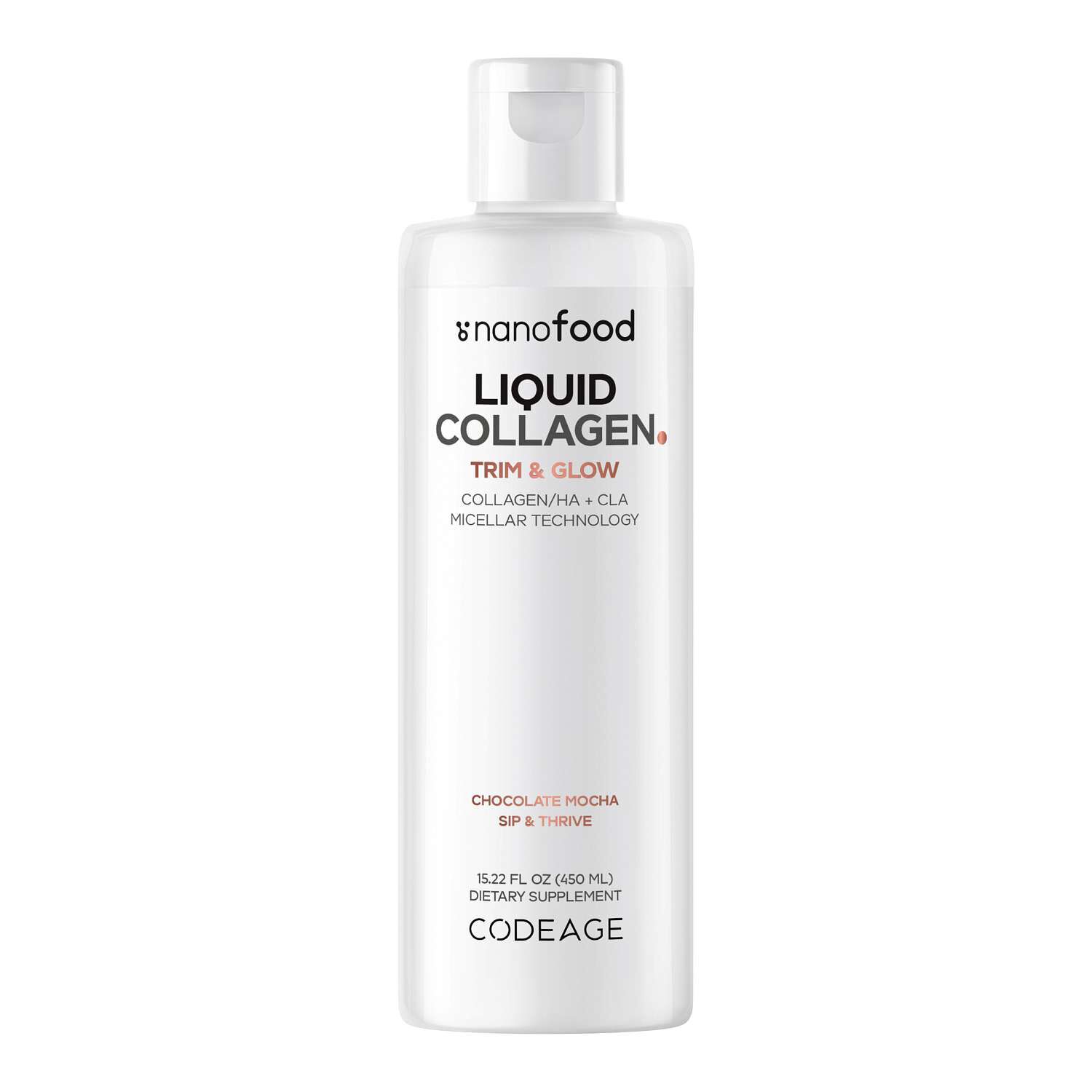
-

-

-

-

-
 You Matter Wellness$34.99
 -
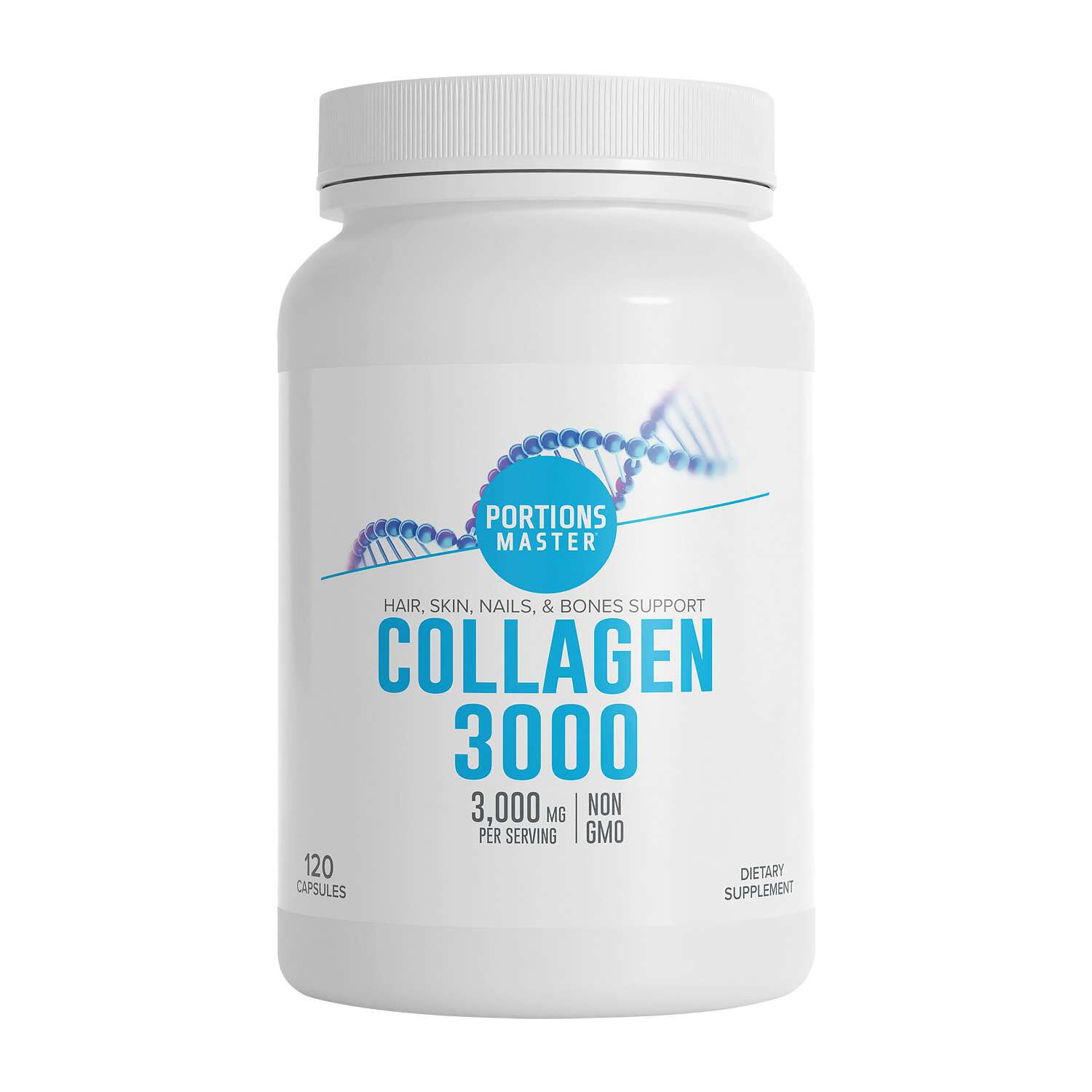 Portions Master$29.99
 -
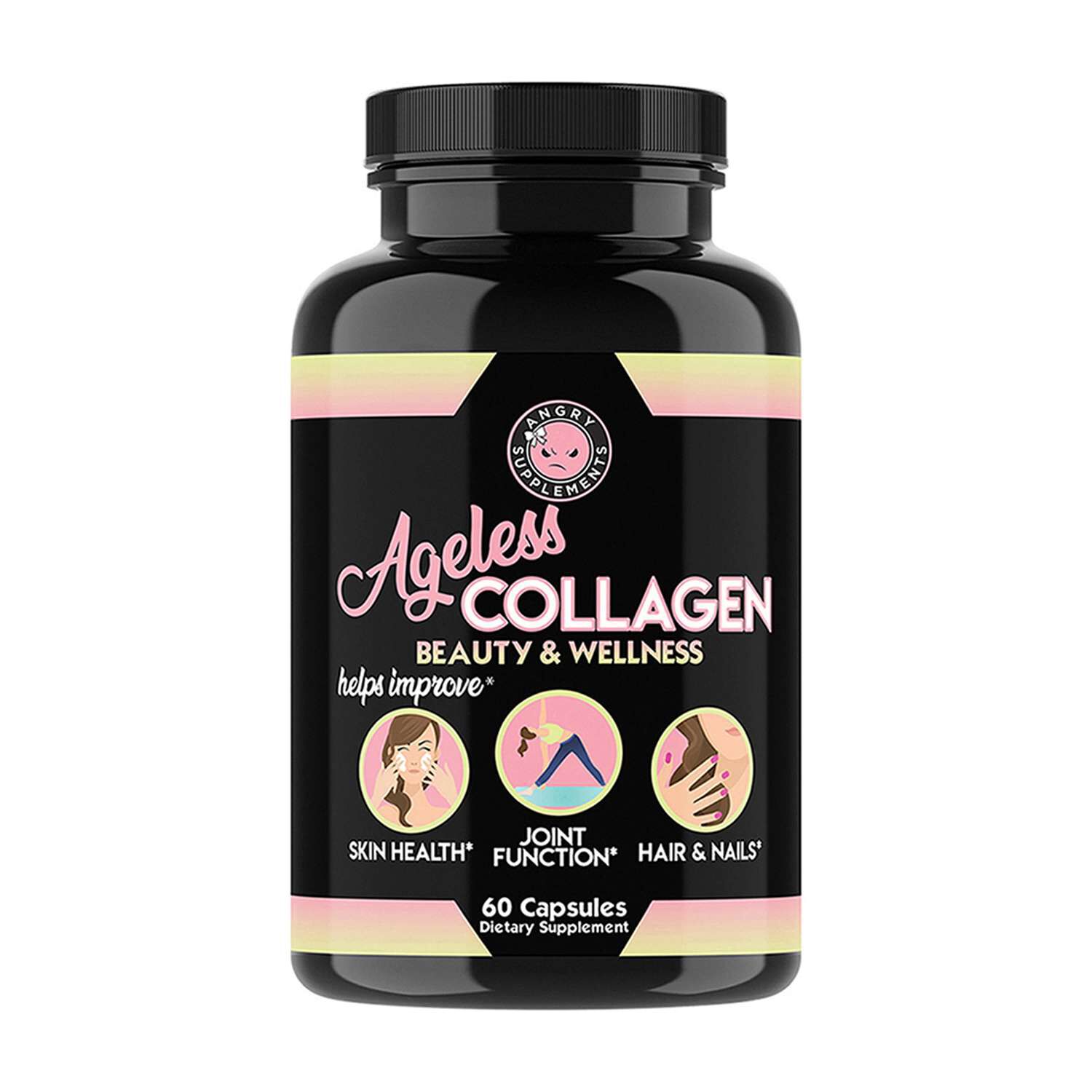 Angry Supplements$14.99
 -
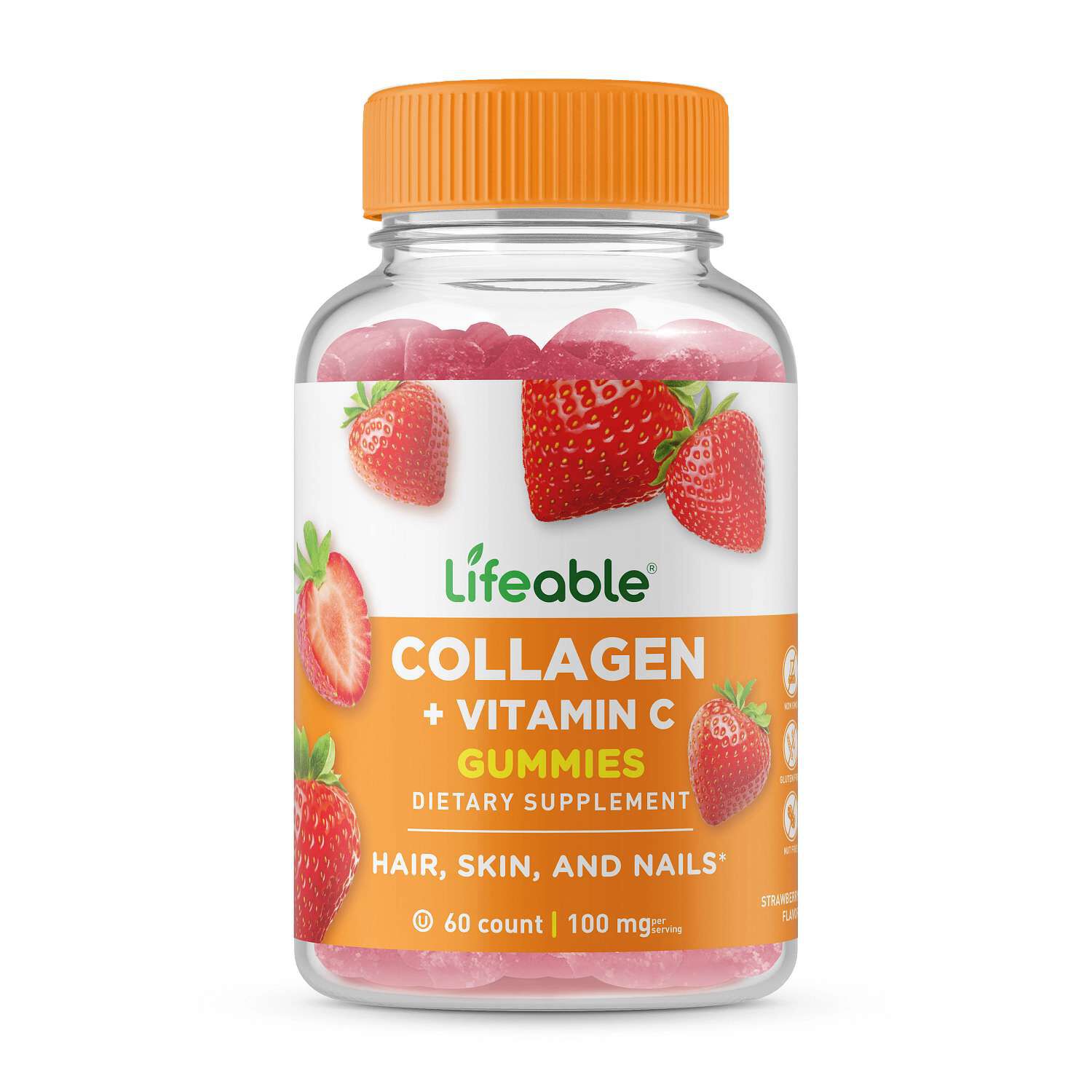 $14.99
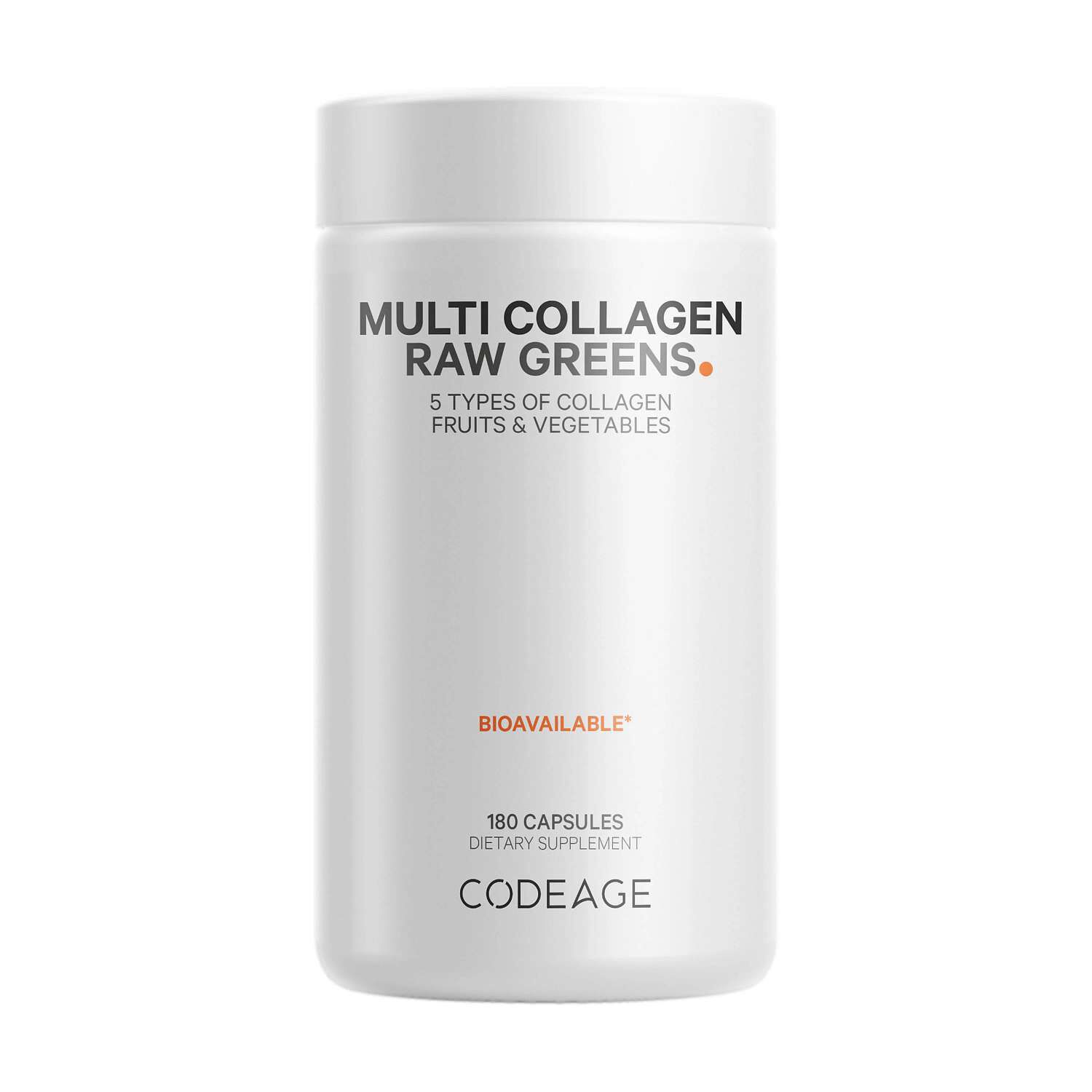
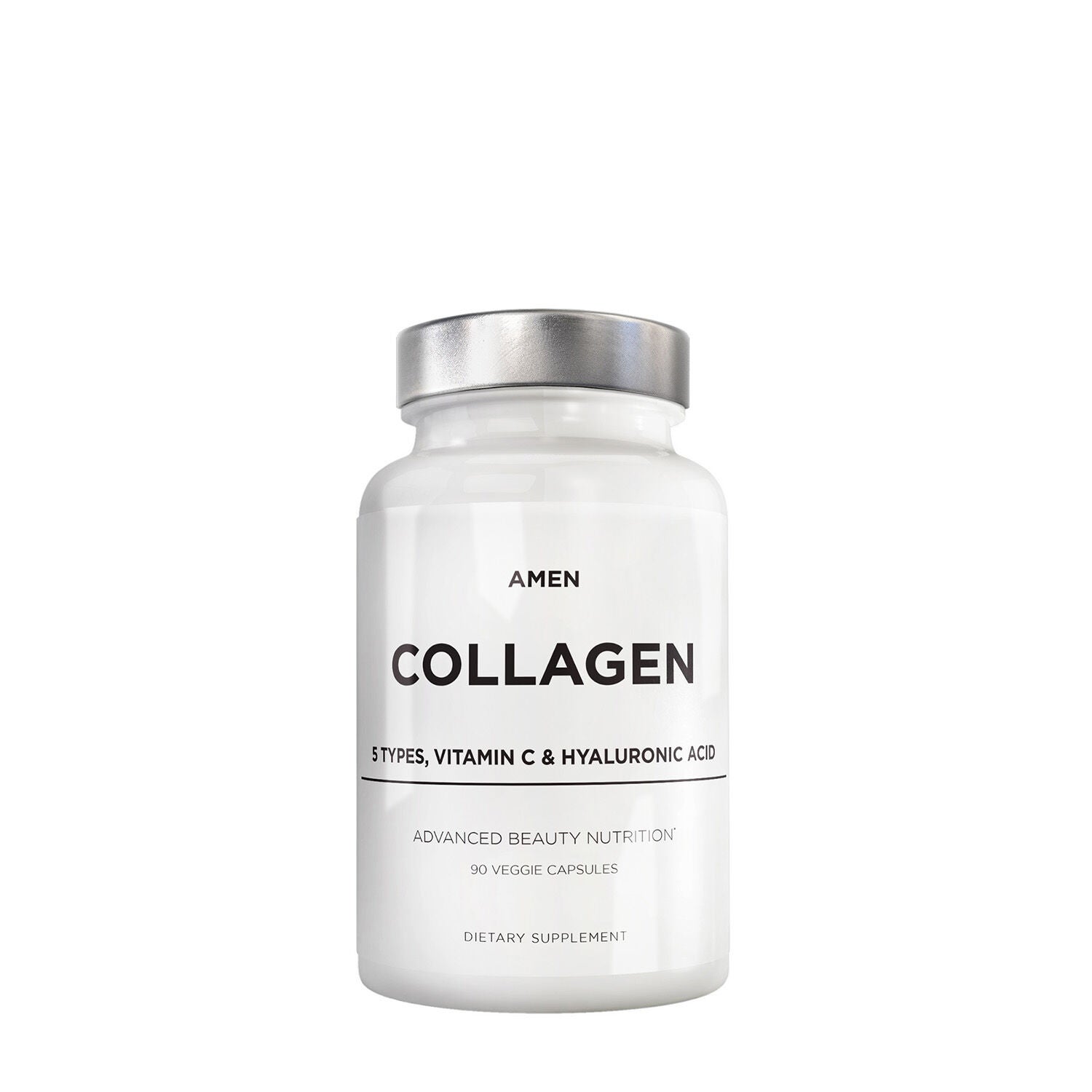
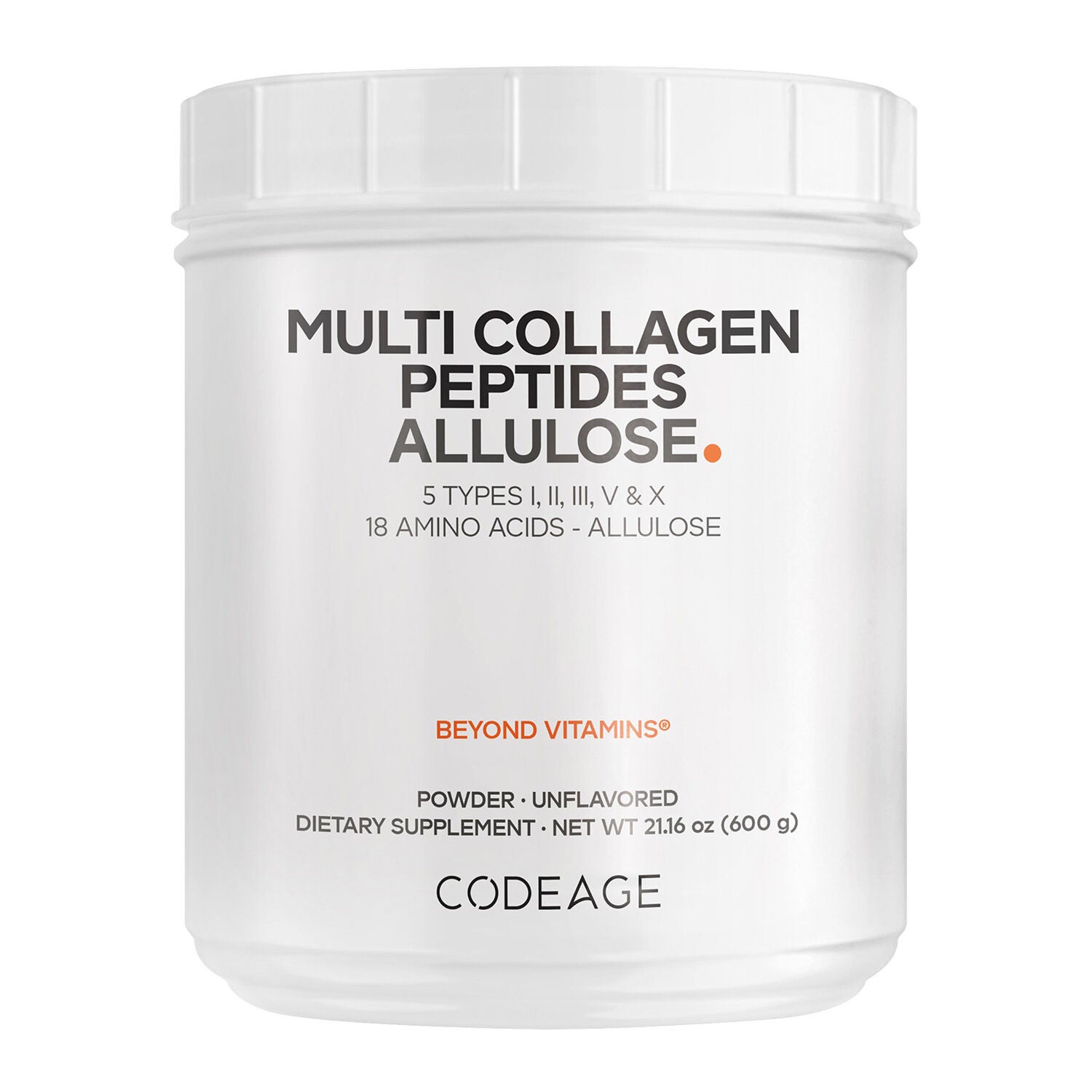
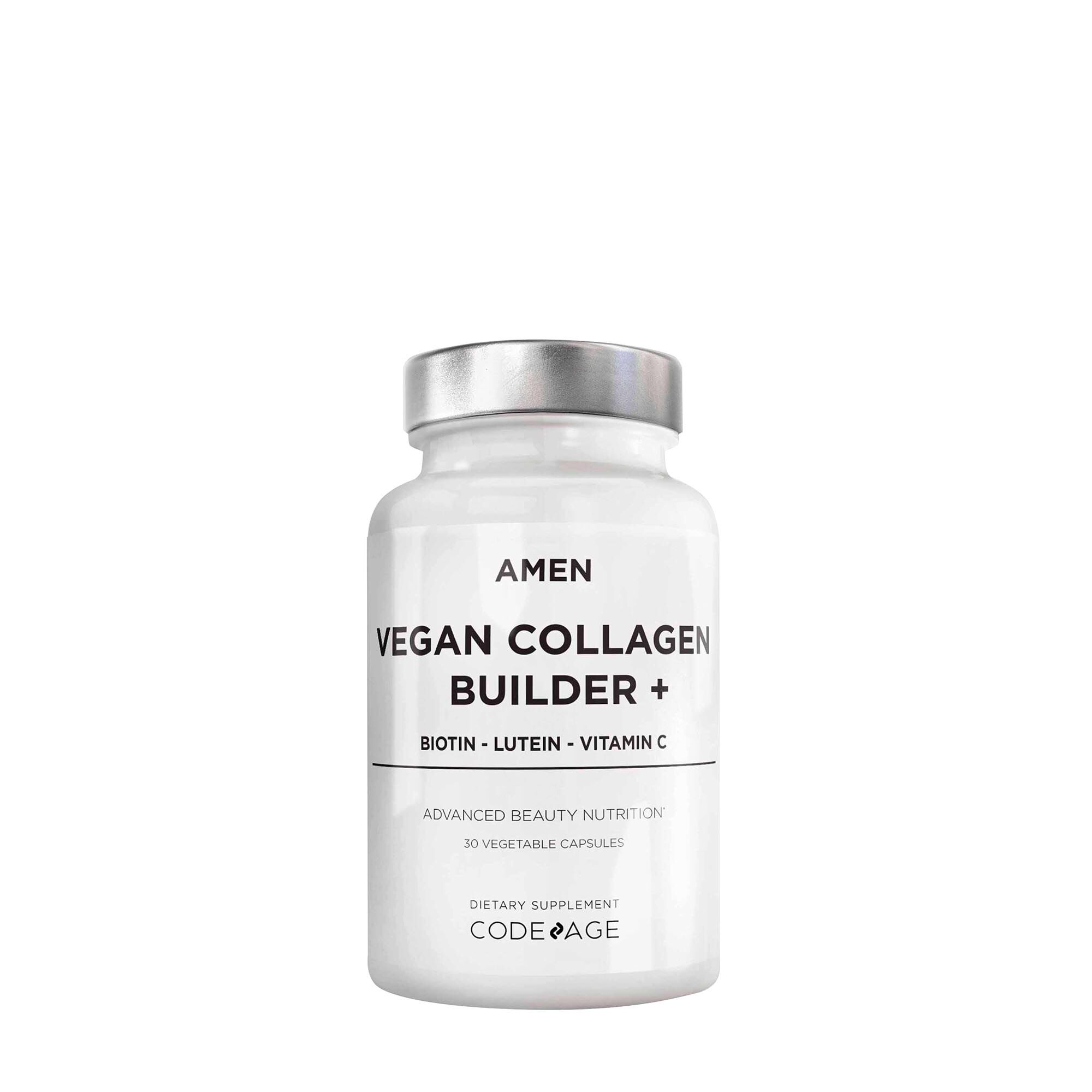
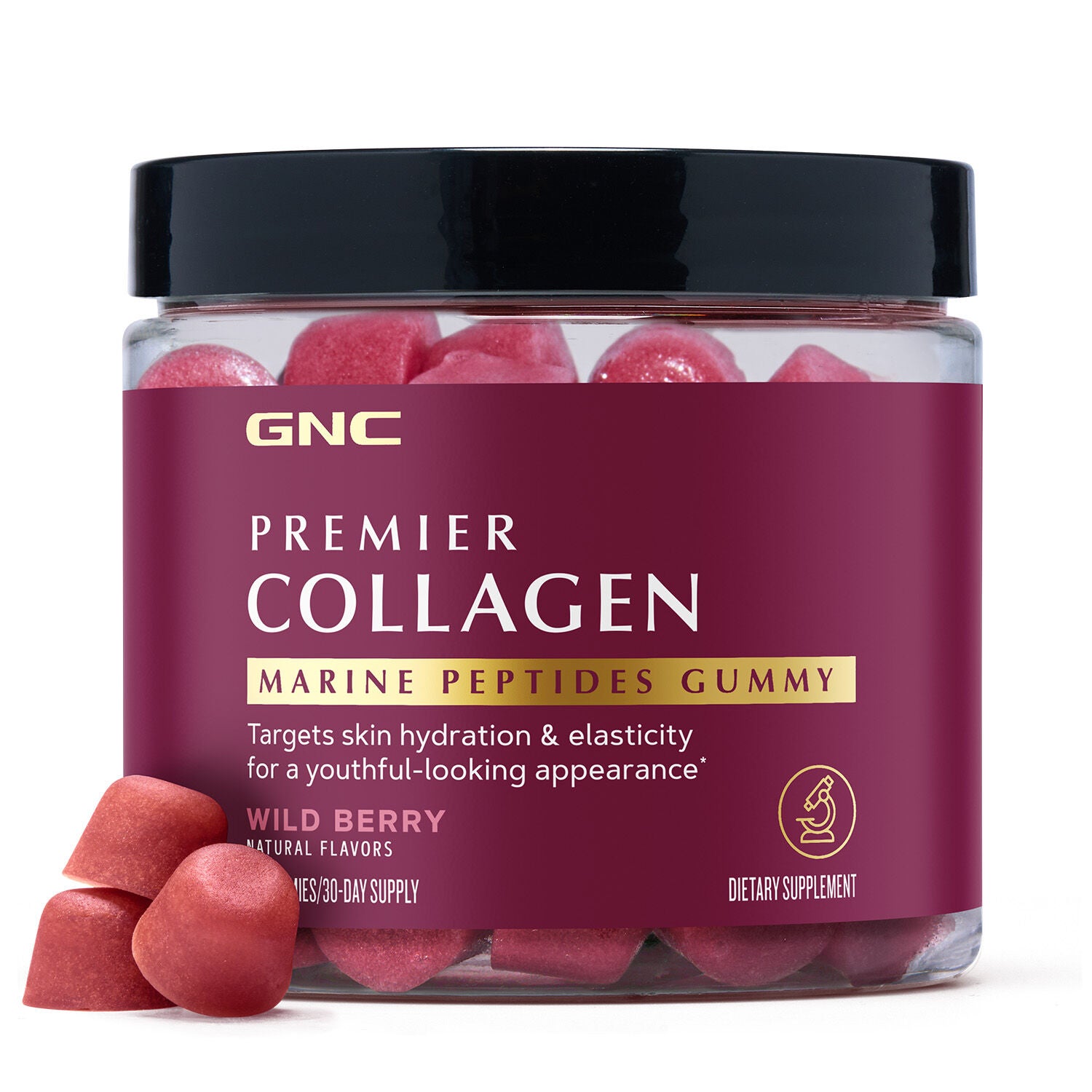


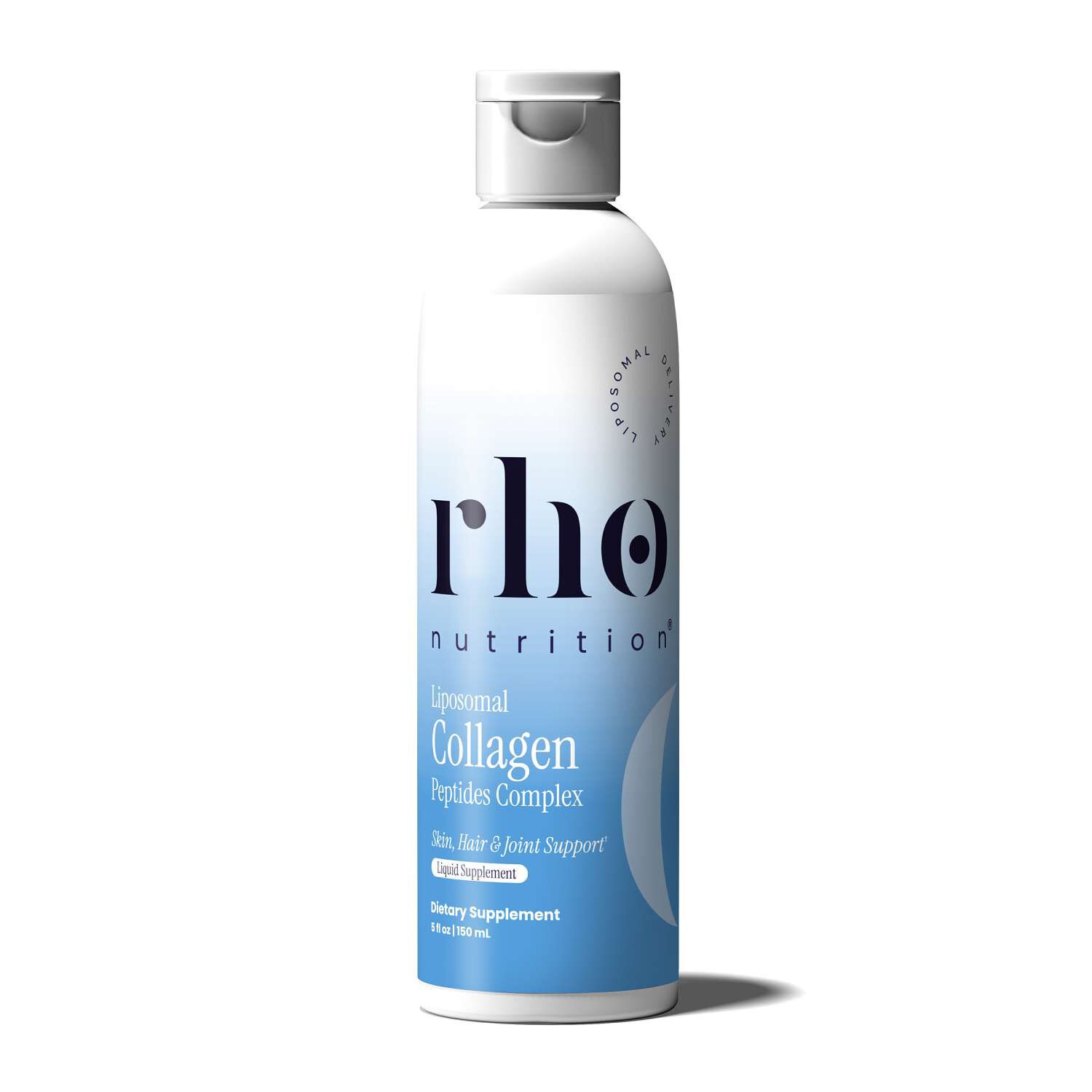
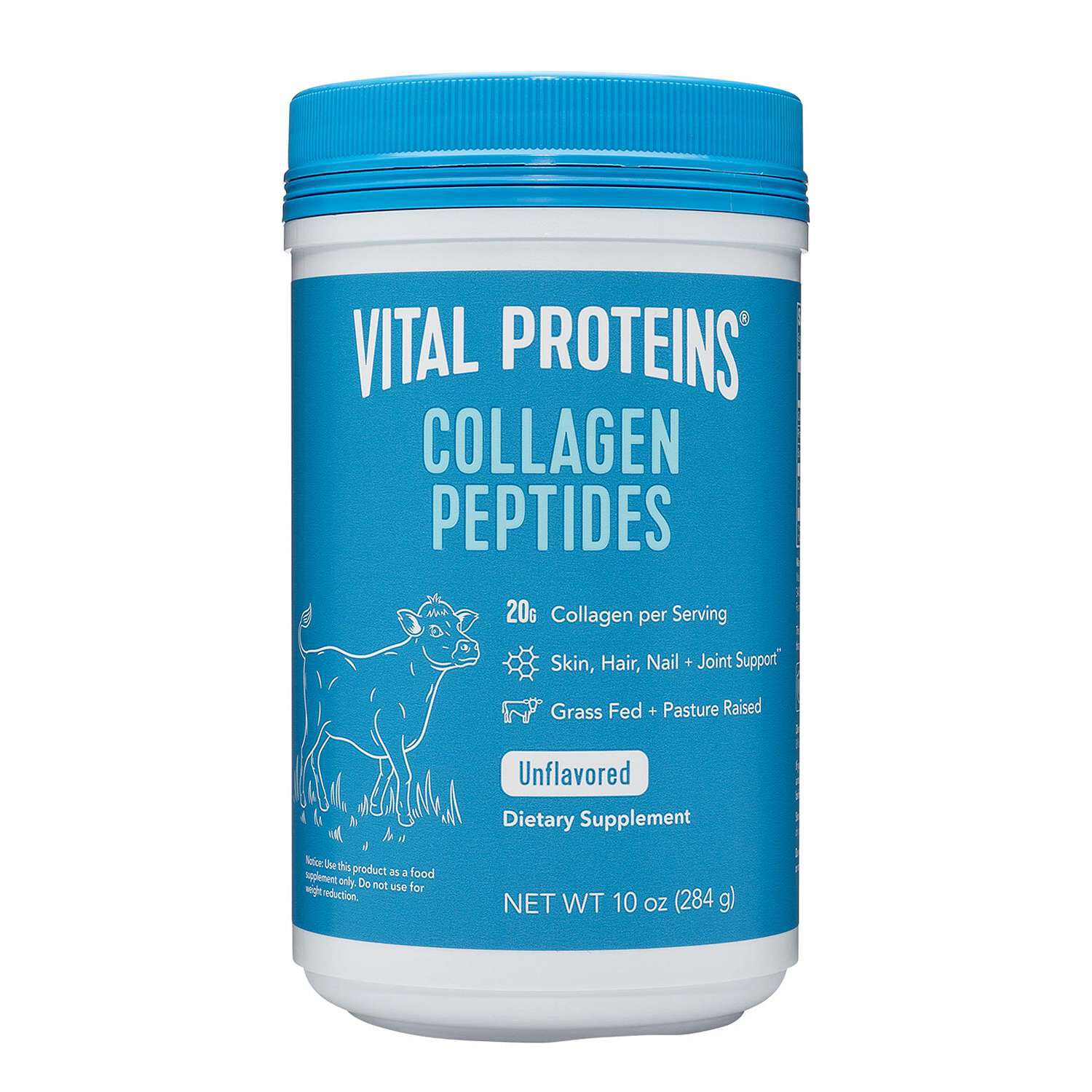
A collagen supplement for skin is an oral dietary supplement often chosen as part of a beauty and personal care routine, with formulas offered as powders, capsules, tablets, gummies, and liquids. Collagen is a structural protein found naturally in skin and other connective tissues. Supplemental collagen usually comes from animal sources, including bovine, porcine, or fish ingredients, so its origin matters as much as its flavor or format when comparing options. Many formulas contain hydrolyzed collagen, also called collagen peptides, which has been processed into smaller protein fragments. During digestion, collagen is broken down further; taking it does not send intact collagen directly to facial skin. Some research suggests that oral collagen may support skin hydration and elasticity over time, but findings vary, and studies differ in their formulas, serving amounts, duration, and funding. Evidence for changes in the appearance of wrinkles is less consistent, so a collagen supplement is better understood as an optional addition to a personal care routine than as a predictable route to a particular result. Research generally evaluates repeated use over several weeks rather than a single serving, and individual experiences may differ. For adults browsing collagen supplements for skin, useful distinctions include the collagen source, the amount listed per serving, additional ingredients, and the steps involved in taking the product. A plain powder stirred into a morning beverage has a different place in the day than a flavored liquid or a capsule taken according to its label. Someone who enjoys preparing a smoothie may prefer a scoopable format, while someone with a tightly packed morning may value a format that requires no mixing. Neither texture nor packaging alone establishes how a formula may perform. The most meaningful comparison comes from looking at the actual contents and intended use, rather than assuming that a beauty-focused name or an elaborate ingredient list signals a more suitable choice.
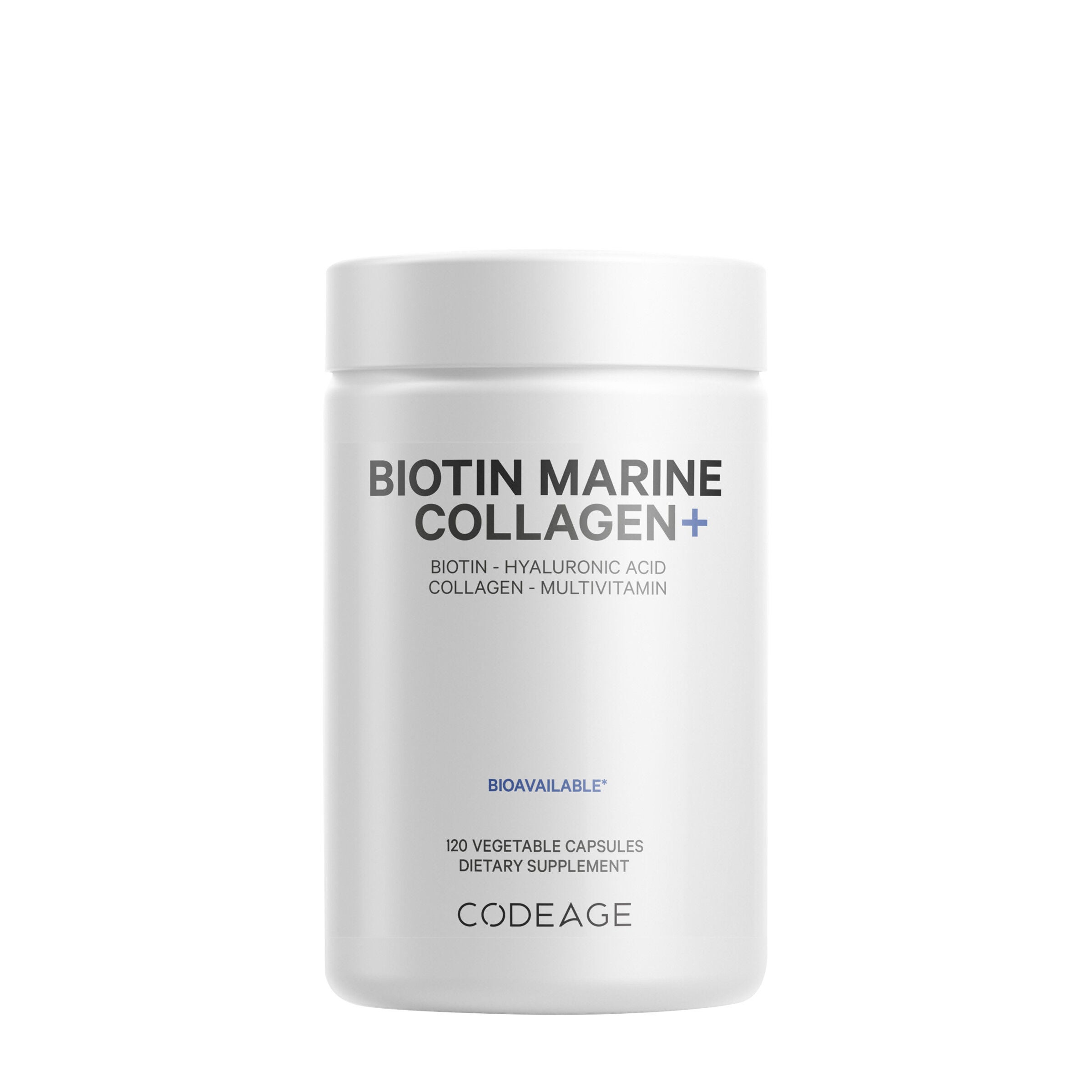
Powdered collagen offers flexibility for people who already make coffee, tea, smoothies, or other mixed drinks, provided the product directions allow the intended preparation. Unflavored does not always mean undetectable: source ingredients and formulation can affect aroma, mouthfeel, and how a powder behaves in a favorite beverage. A lightly flavored drink may reveal subtle notes that are less noticeable in a smoothie with fruit or yogurt. Flavored powders bring a more defined taste and may contain sweeteners, so the ingredient list helps distinguish a simple collagen formula from a drink mix with several added components. Mixing directions also matter, since some powders call for a particular amount of liquid or a specific preparation method. For a closer look at this format, Collagen Powders for Aging Skin provides a focused category for comparing powder options within a skin-focused routine. Capsules and tablets have their own practical considerations, including size and the number needed for a labeled serving. Gummies offer a chewable format, but their serving size, collagen amount, sugar content, and other ingredients deserve the same attention as those of a powder. Liquids may come in individual portions or larger containers, with directions that differ after opening. The amount of collagen per serving is a more useful comparison than container size, scoop size, or the number printed prominently on the front of a package. A serving consisting of several capsules is not directly comparable to one scoop without checking the Supplement Facts panels. Likewise, a powder with added ingredients may contain a different amount of collagen than a similarly sized serving of a simpler formula. Single-serving packets may suit a desk drawer or an overnight bag, while a larger container may fit more naturally beside a shaker cup at home. These everyday details help distinguish formats without treating one as universally preferable.
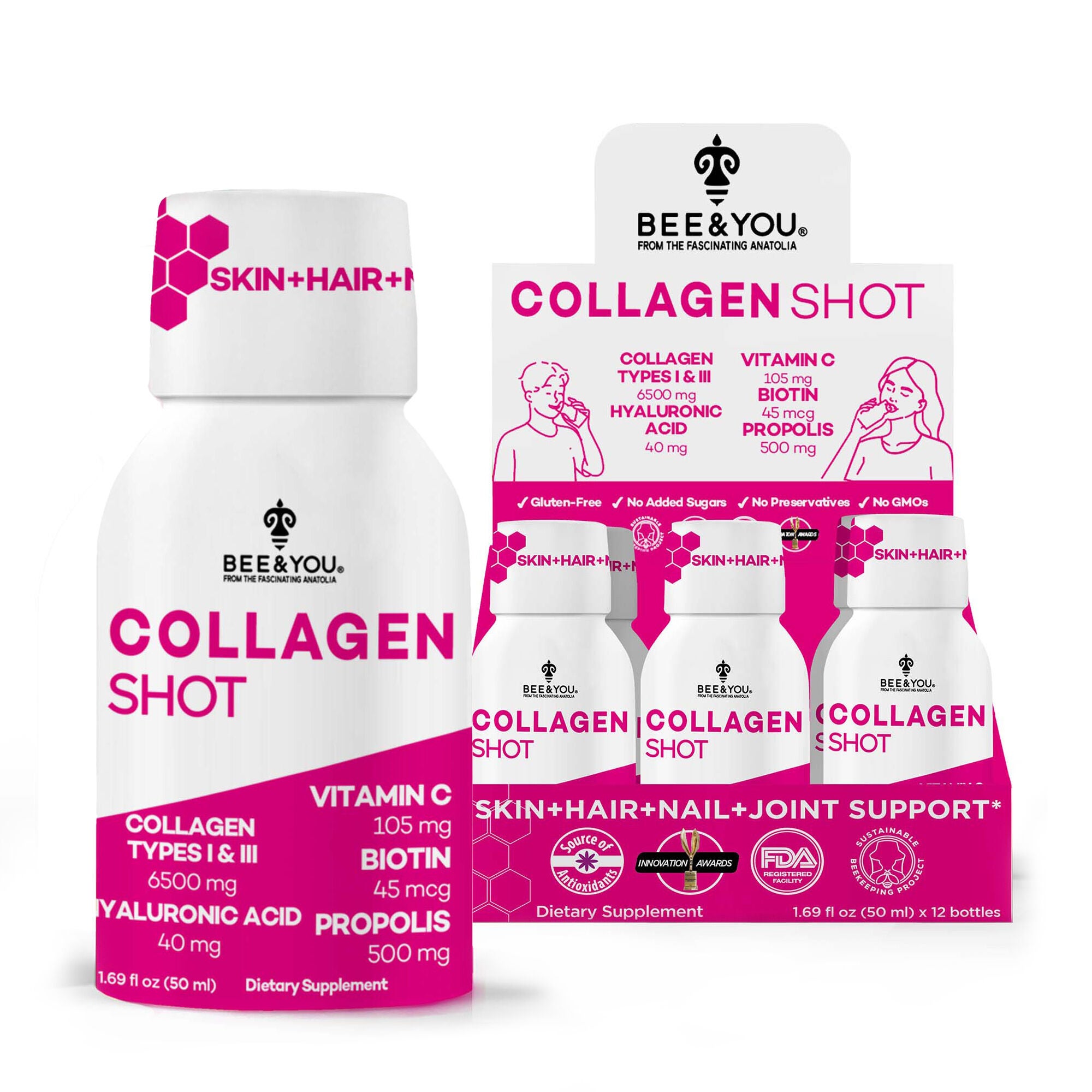
Ingredient sourcing is especially relevant when choosing collagen supplements around dietary preferences. Bovine collagen comes from cattle, porcine collagen comes from pigs, and marine collagen commonly comes from fish. A marine description alone does not establish compatibility with every dietary restriction, so source information and allergen statements remain important points of comparison. Conventional animal-derived collagen is not suitable for vegetarian or vegan preferences. Products described as plant-based collagen support generally contain other nutrients or botanical ingredients rather than conventional collagen itself, making them a different type of formula. Some skin-focused collagen supplements pair peptides with vitamin C, hyaluronic acid, biotin, or other ingredients. Those additions change the composition of the product, but a longer ingredient list does not establish a better match or a more noticeable cosmetic result. For shoppers who already use a multivitamin or another supplement, comparing labels can reveal overlapping ingredients and clarify how simple or elaborate a new addition would be. Source transparency, clear serving information, and relevant third-party testing details can also help distinguish products; testing for identity or contaminants is separate from evidence of cosmetic effects. Packaging and care deserve attention, particularly when a container will be opened regularly in a kitchen or carried between home and work. The label provides the appropriate storage conditions, expiration information, and any refrigeration directions. A dry scoop, a securely closed lid, and storage away from damp counters help keep powder handling tidy, while liquid formats may involve different care after opening. During the cooler months, a powder intended for warm beverages may fit comfortably into an established morning ritual, though preparation should match its directions. Collagen may appeal to adults interested in skin hydration, elasticity, or the appearance of aging skin, but it is a personal purchase shaped by taste, dietary preferences, and expectations. As a gift, it is most appropriate when the recipient has already expressed interest and their preferred source and format are known. Across formats, a thoughtful choice rests on understandable labeling, a manageable serving routine, and realistic expectations about what an oral beauty supplement may offer.
Best Sellers
-
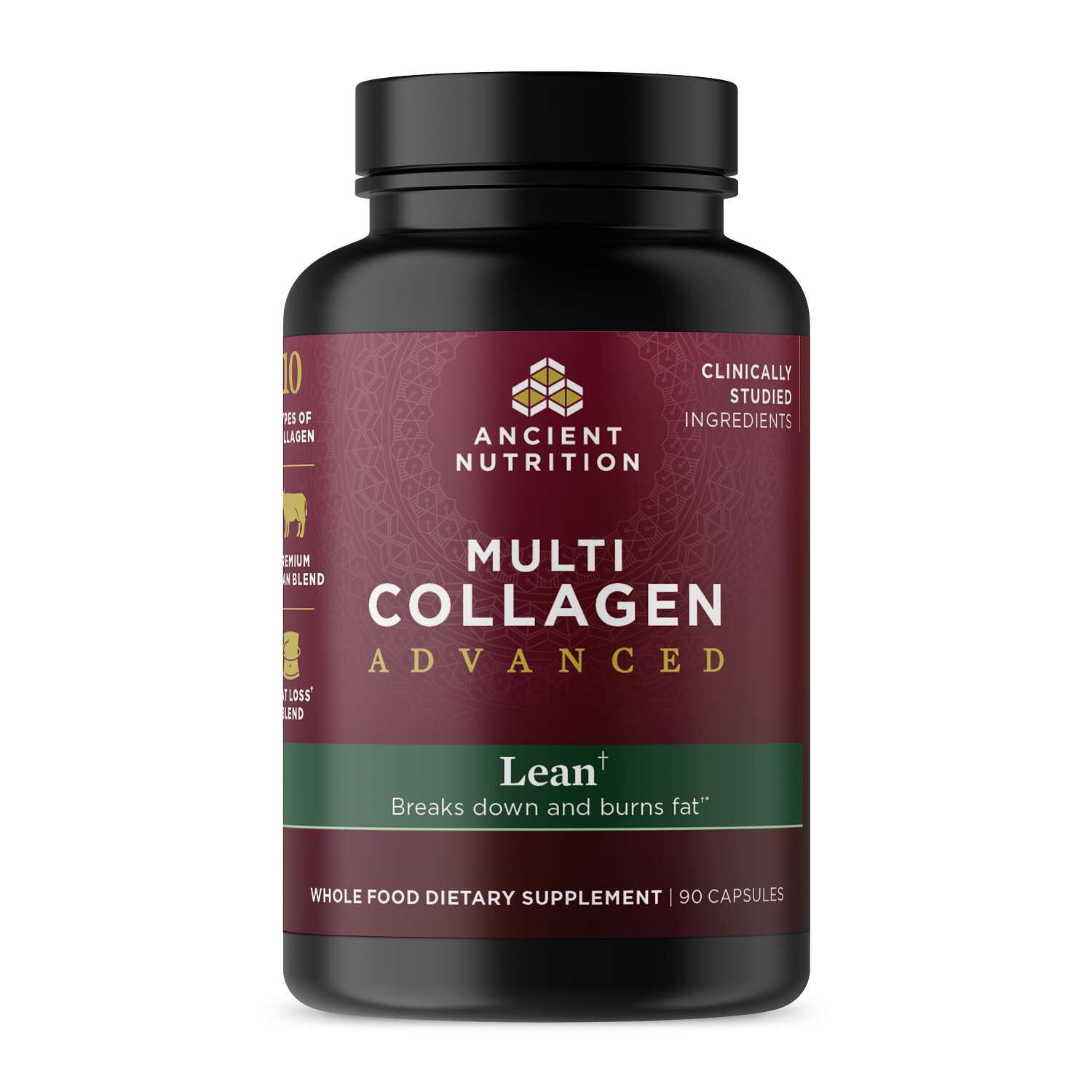 Ancient Nutrition
 -
Bee And You