Concentration Pills For Work
(0 Results)
Unlock your full potential during the workday with concentration pills for work, designed to support mental clarity and focus. These supplements may help you stay sharp and attentive, allowing you to tackle tasks with efficiency and ease. Whether you're facing a challenging project or need to maintain productivity throughout the day, these concentration aids could be just what you need to keep your mind on track. Explore options that might offer the cognitive support necessary for a successful and fulfilling work experience.
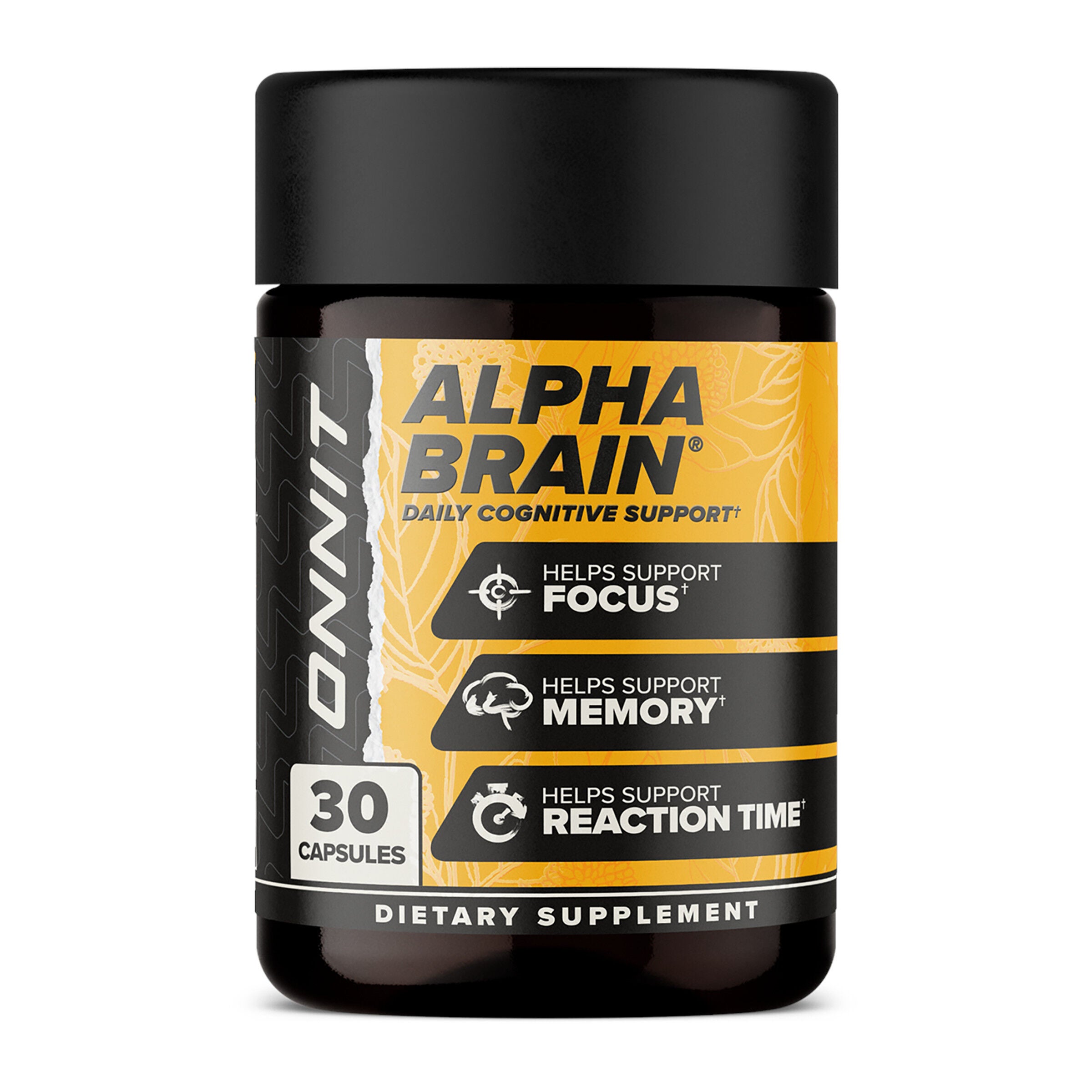
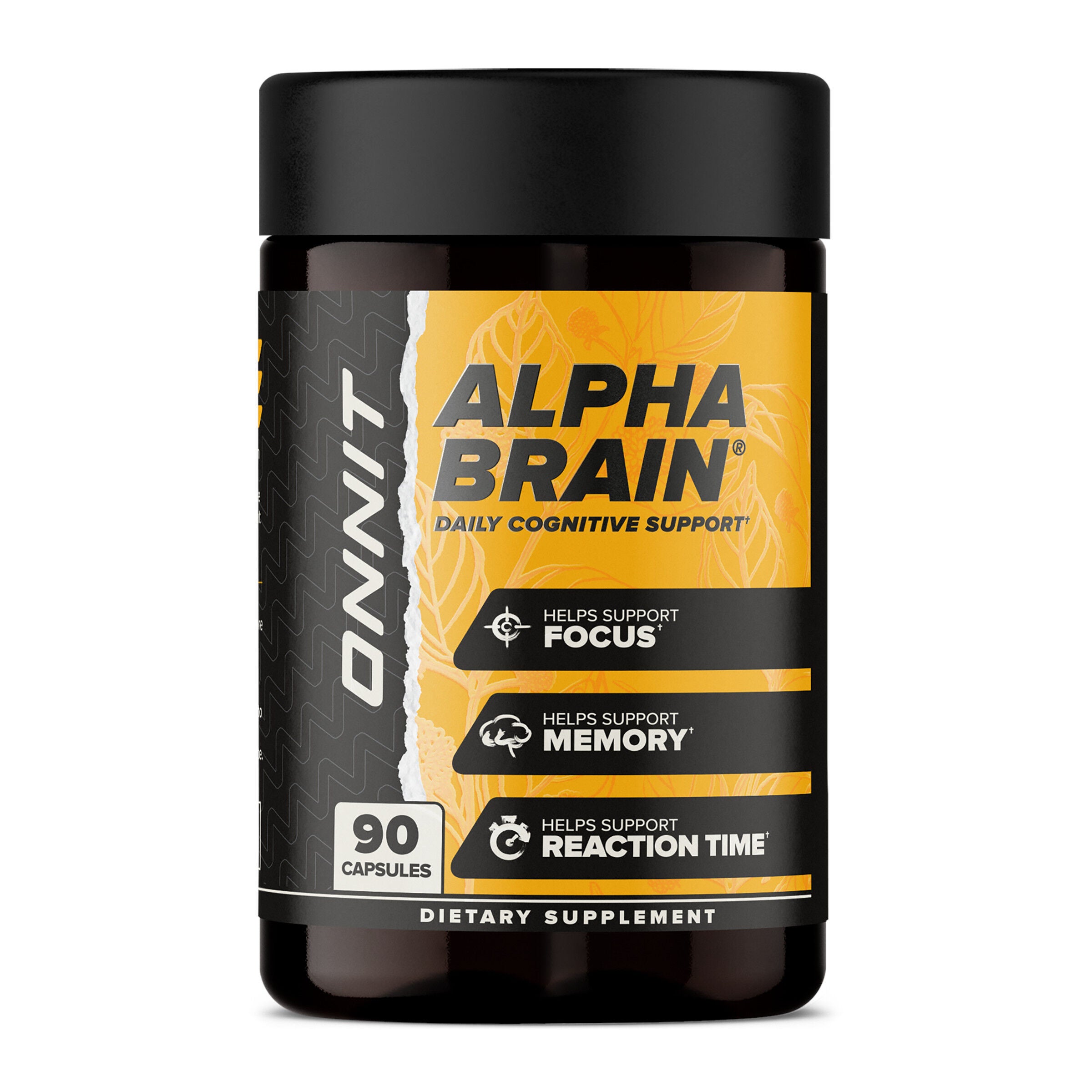
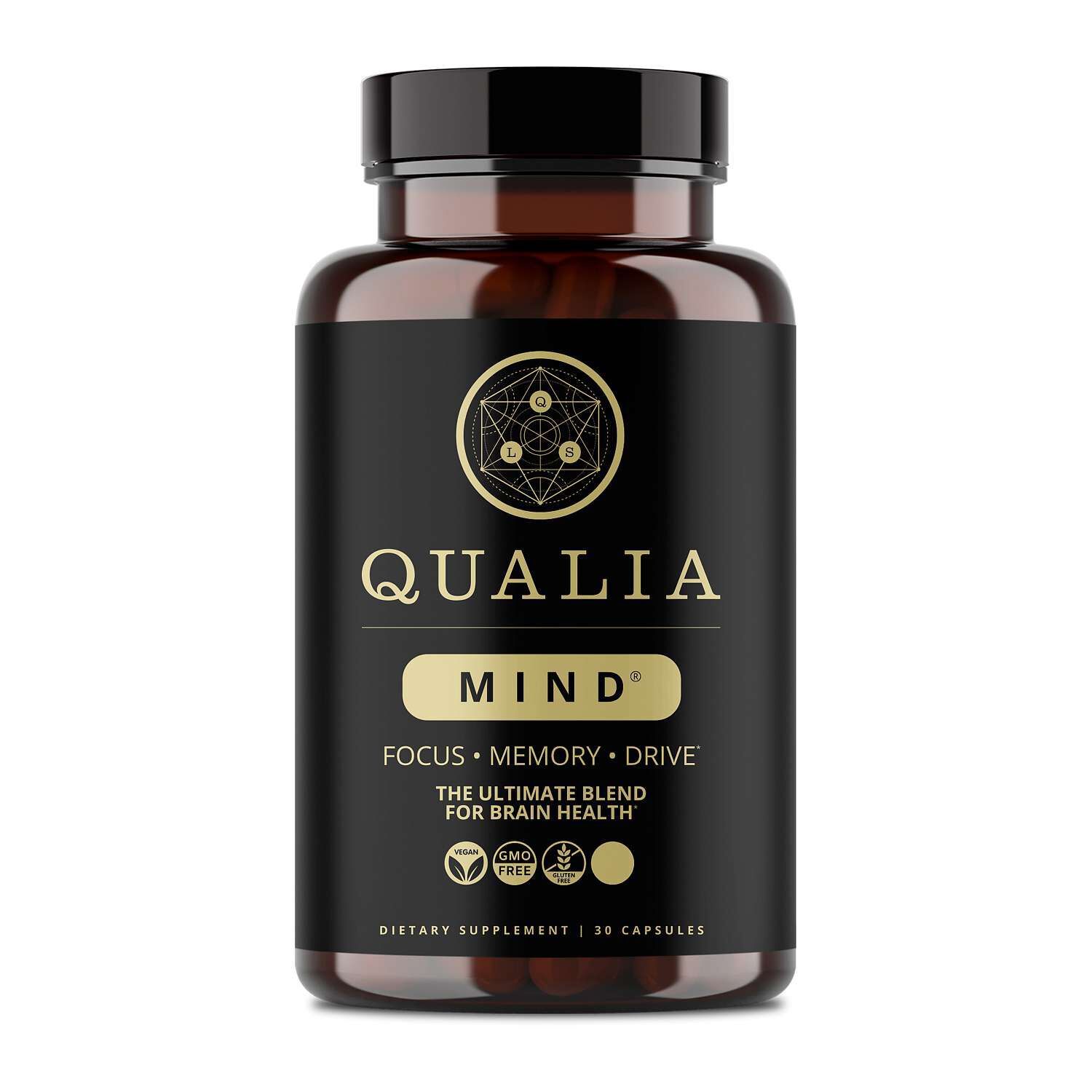


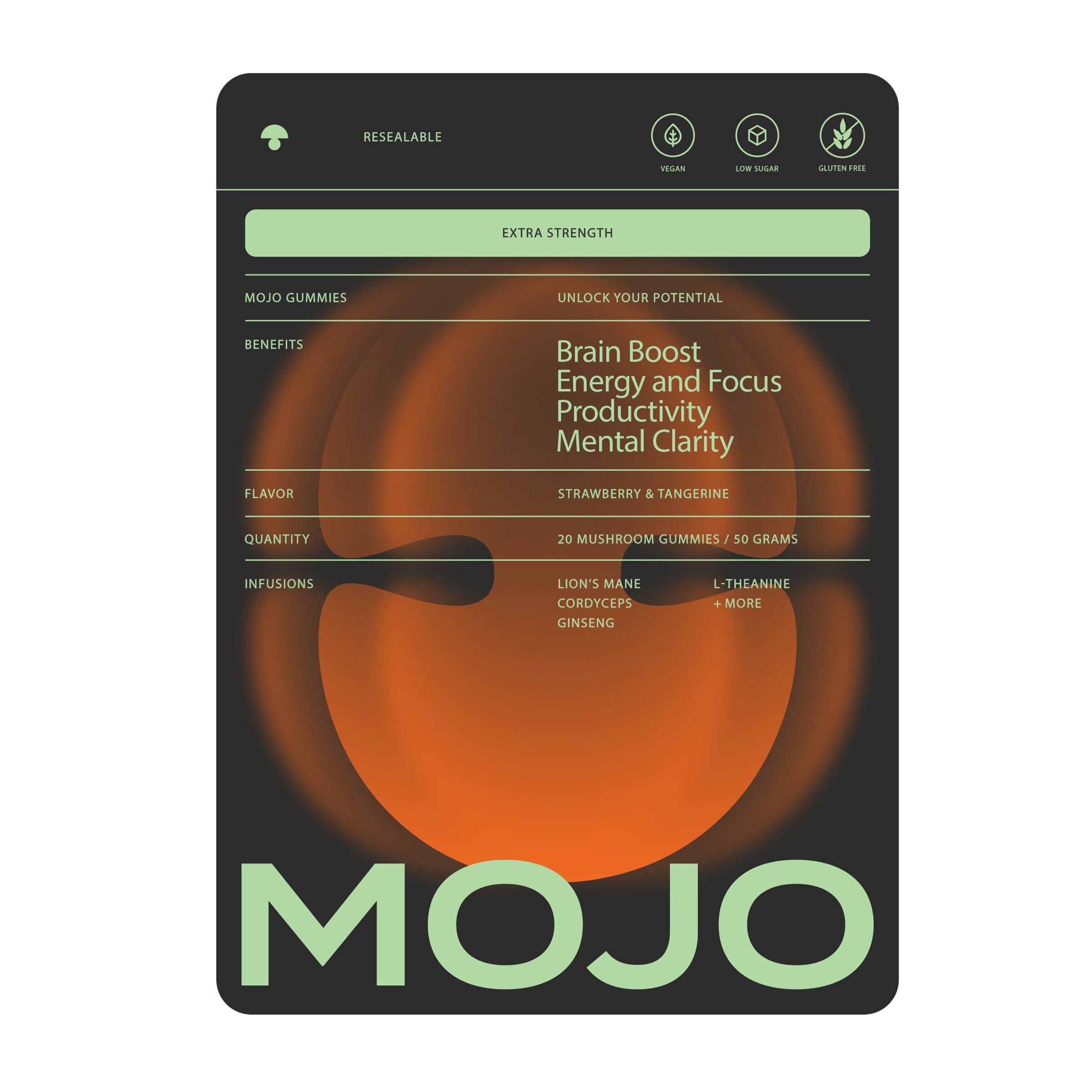
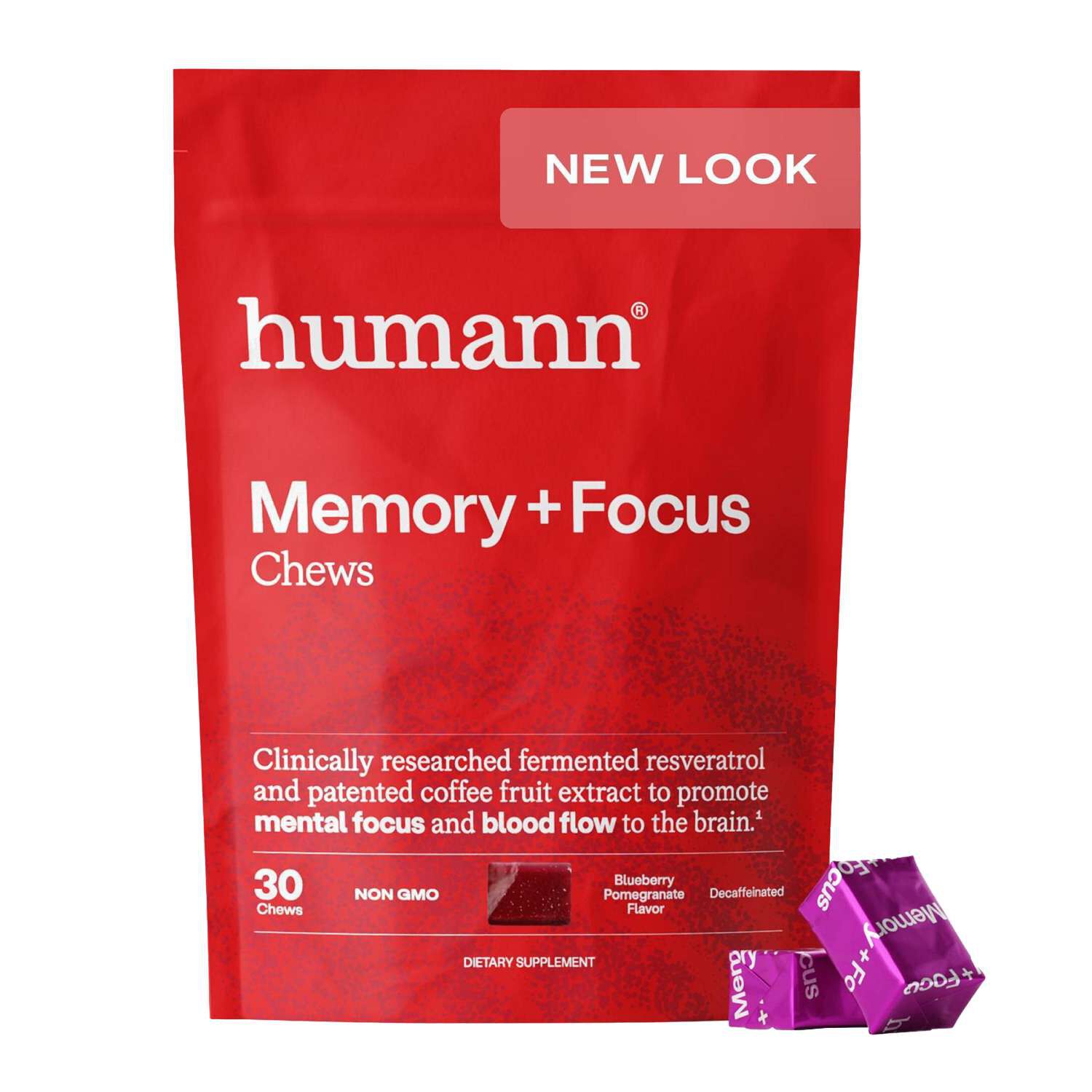
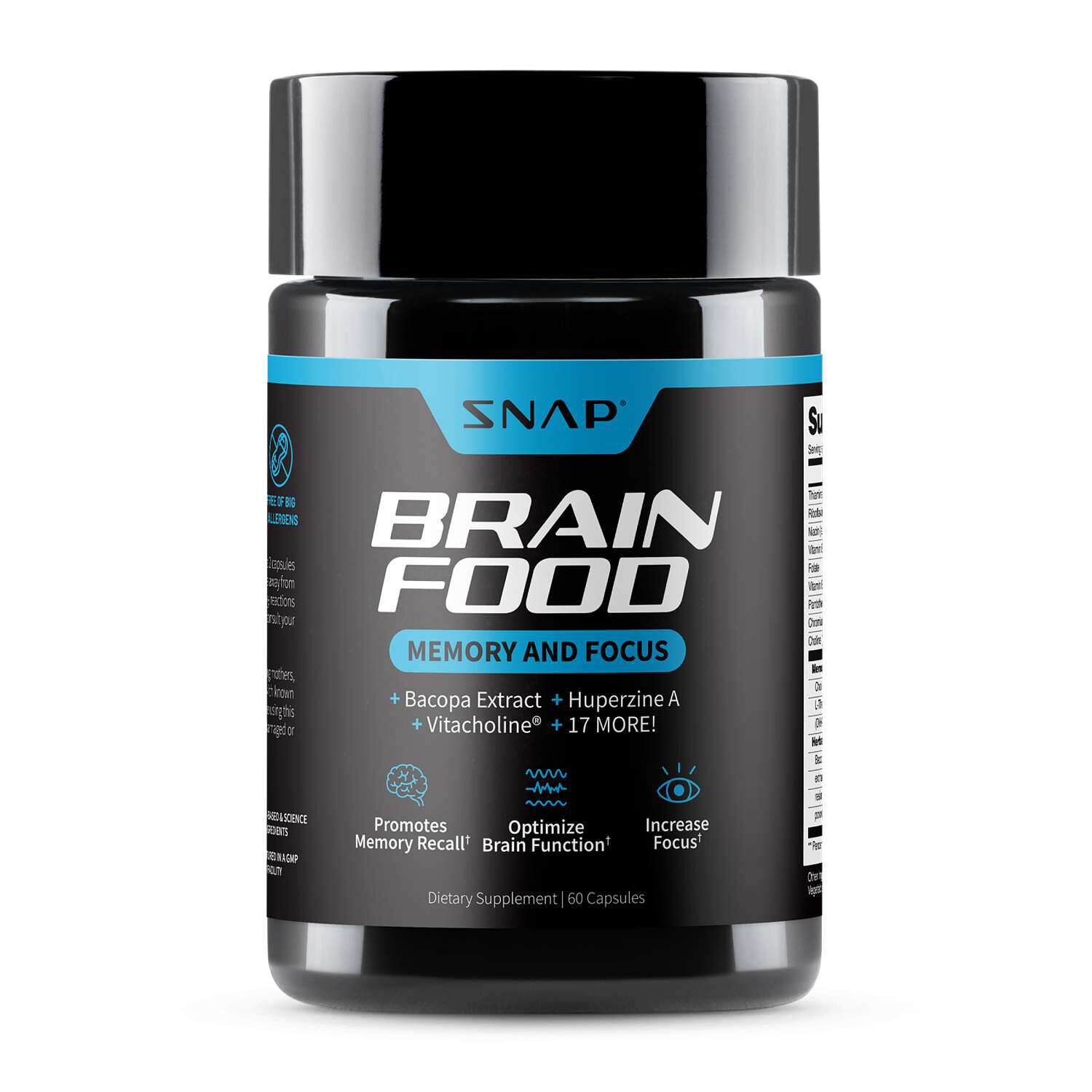


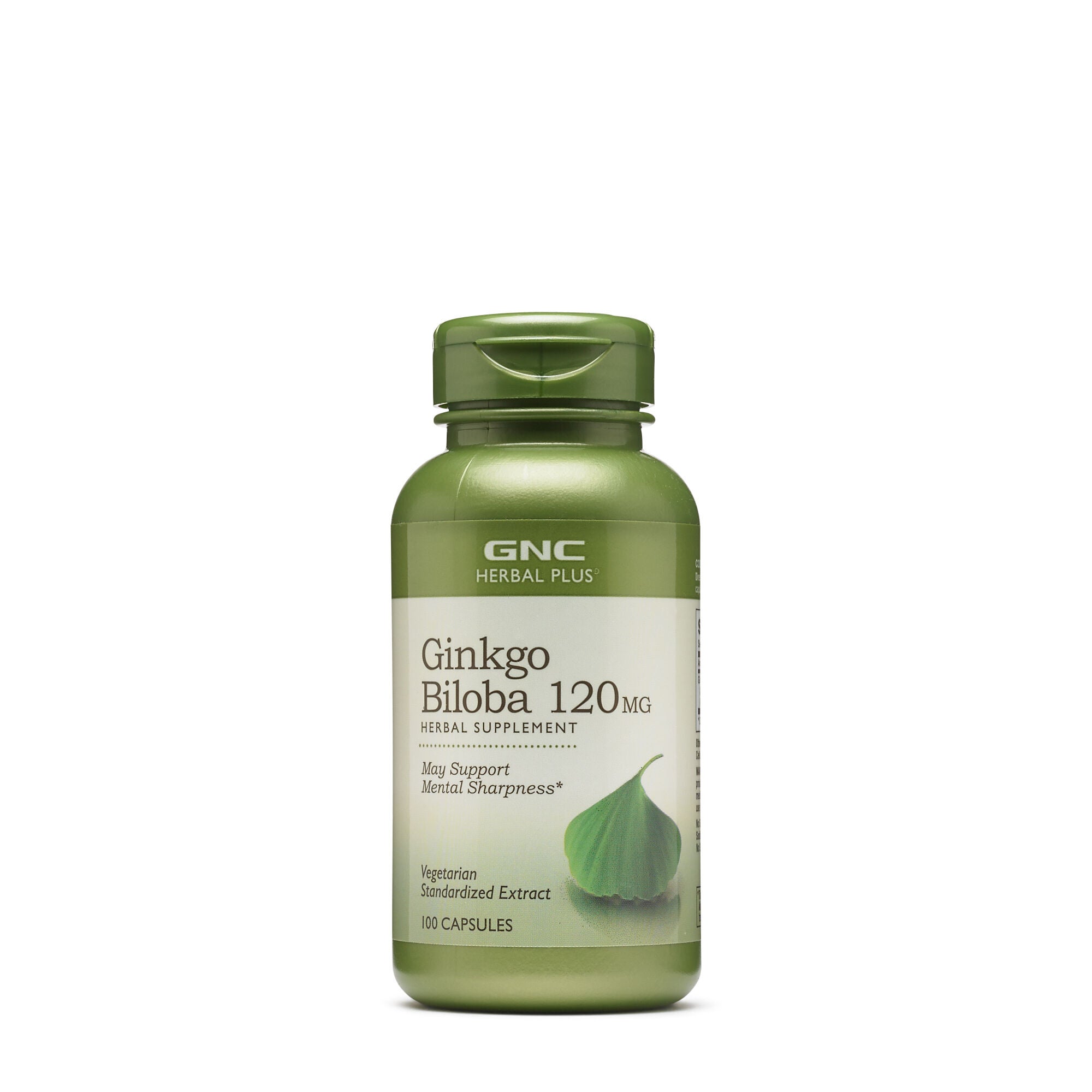

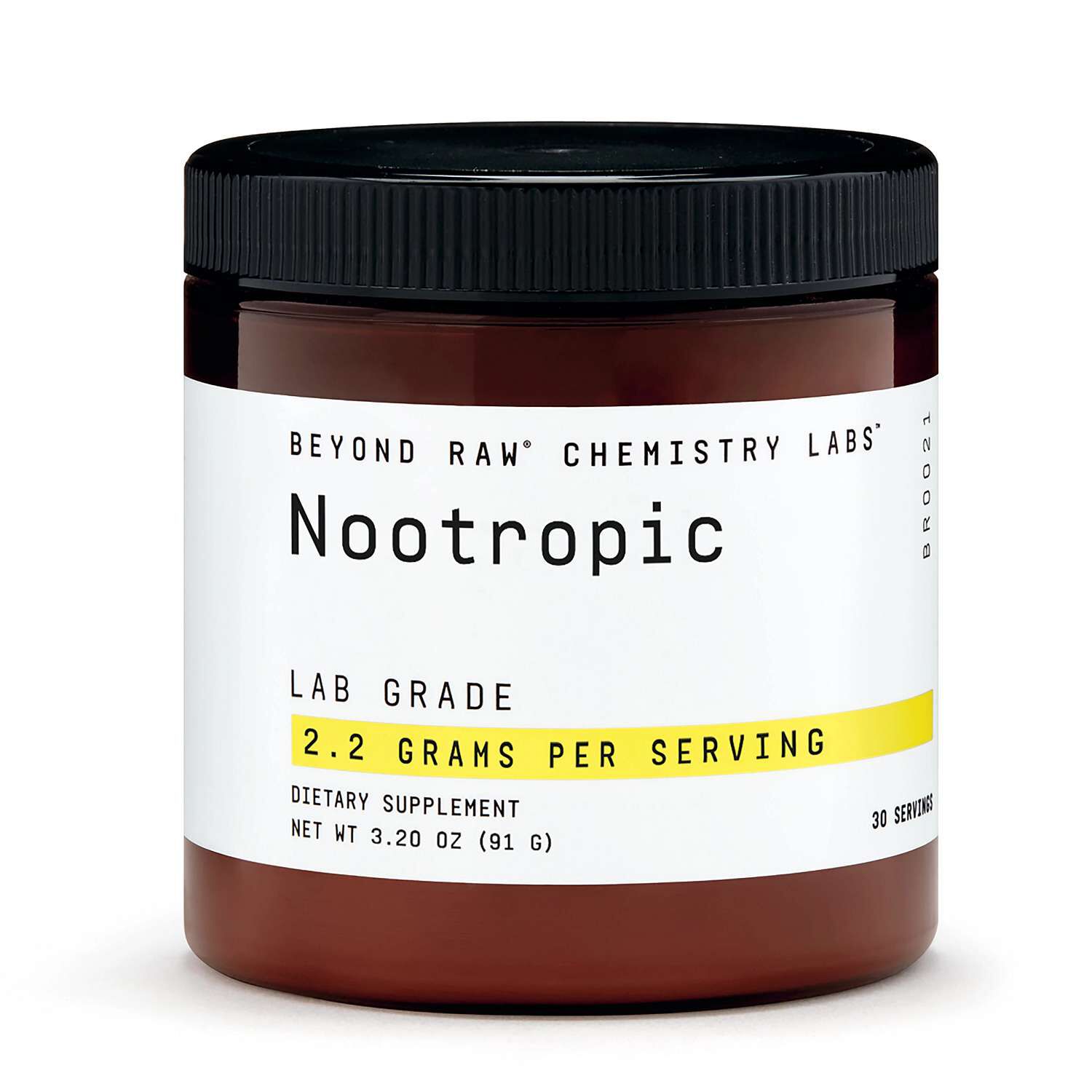
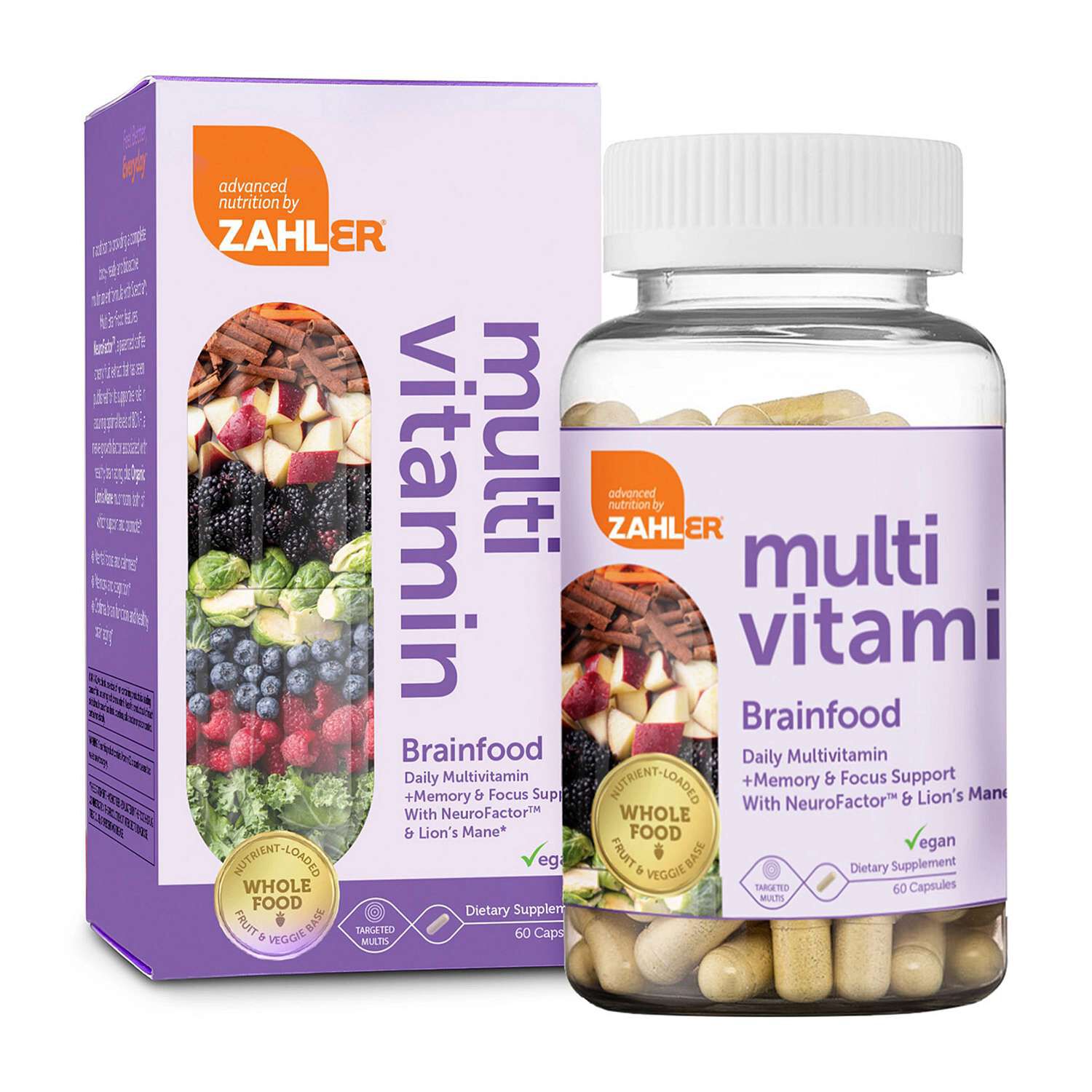


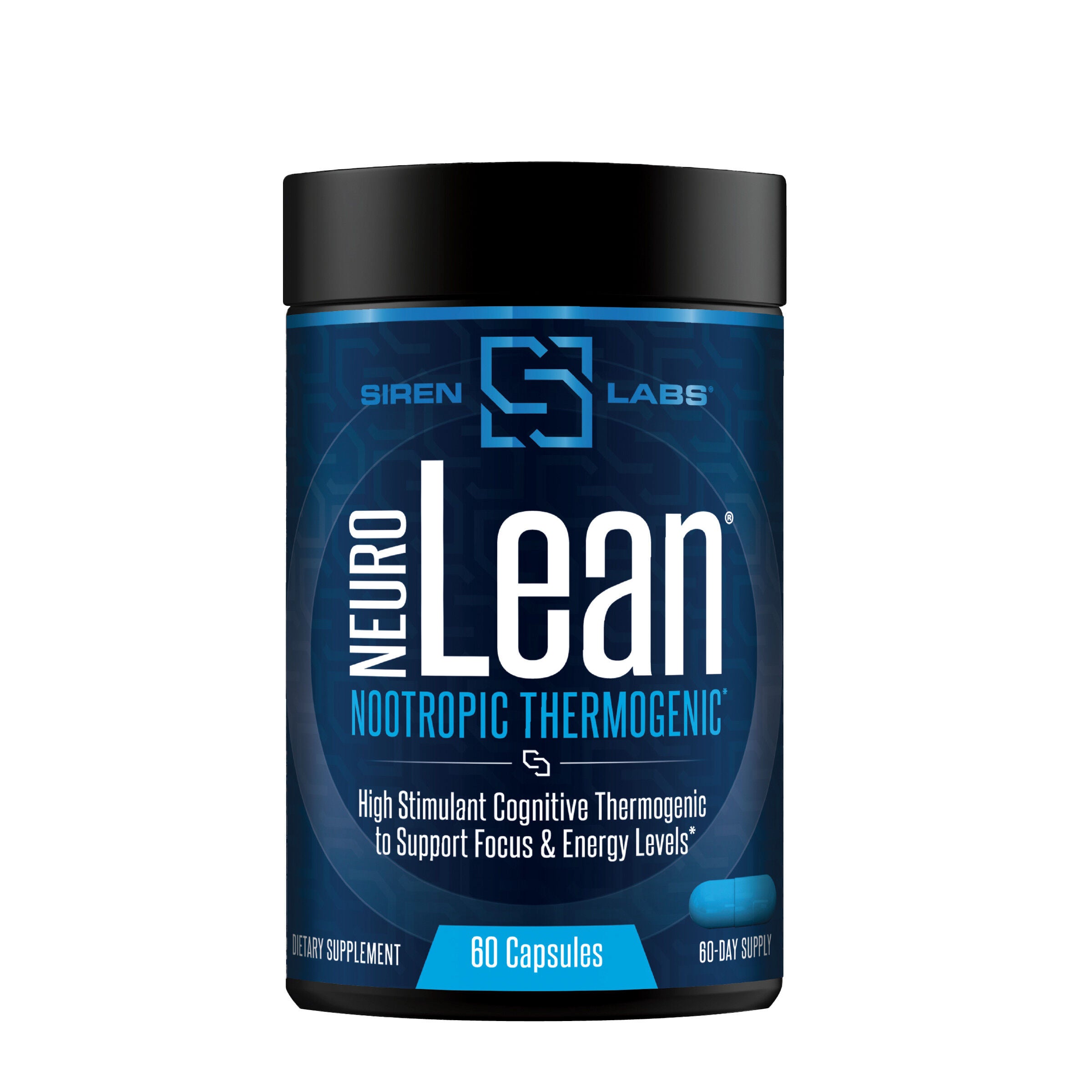


Concentration pills for work are dietary supplements marketed around focus, attention, and mental performance during everyday tasks. The category can include capsules, tablets, and softgels with single ingredients or combinations of vitamins, botanical extracts, amino acids, and other compounds. For someone moving between spreadsheets, client calls, and a document that needs careful editing, the appeal is easy to understand: a straightforward supplement format that fits into an established routine. What matters, however, is the distinction between a product’s positioning and the evidence behind its formula. Research on supplements for workplace concentration is limited, and studies of an individual ingredient do not establish that every formula containing it will deliver the same results. Evidence does not consistently show meaningful improvements in everyday thinking or work performance from multi-ingredient concentration supplements in healthy adults. A capsule might be marketed for demanding workdays without having been studied during tasks such as proofreading, preparing presentations, or reviewing detailed reports. Terms such as “brain support” and “nootropic” describe how products are presented; they are not proof of a particular outcome. These supplements are also distinct from prescription treatments and should not be treated as substitutes for them. For shoppers browsing this category, the most useful context is the actual formula, the amount of each ingredient per serving, and the intended audience stated on the package. Office employees, remote workers, and adults with meeting-heavy schedules may encounter similar products under different category names, but those labels do not necessarily indicate meaningful differences in formulation. A realistic comparison starts with the contents rather than the image of effortless productivity on the front of a bottle. Everyday concentration also varies with sleep, interruptions, meals, and the demands of the task itself. No supplement can be assumed to make a noisy shared workspace feel quiet or turn a crowded calendar into uninterrupted writing time.
Ingredient lists bring more substance to a comparison of focus supplements for work. Caffeine is a common inclusion and may temporarily support alertness, but its presence and amount deserve attention alongside coffee, tea, and other caffeinated beverages in a person’s routine. Botanical ingredients such as guarana or tea extracts can also contribute caffeine, so a familiar plant name does not necessarily describe a caffeine-absent formula. L-theanine, an amino acid found in tea, sometimes appears alongside caffeine. Research has explored that combination in specific settings, but findings should not be stretched into broad expectations about better workplace performance. B vitamins and choline appear in some formulas as well; their nutritional roles do not establish that additional intake may improve concentration in someone whose diet already supplies adequate amounts. Botanical blends introduce another layer of detail because the plant part, extract amount, and preparation can differ between formulas with similar front-label descriptions. The Supplement Facts panel is where serving size, listed ingredient amounts, and nutrient information come together. A serving may consist of more than one capsule, which matters when comparing products that otherwise look alike. An amount listed for an entire blend is not the same as an individually disclosed amount for every component. Likewise, a longer ingredient list does not by itself demonstrate stronger evidence or a better fit for a work routine. Research is most relevant when the studied ingredient, preparation, and amount resemble the formula being considered, though even a close match does not establish how an individual shopper might respond. Capsule shells, coatings, colors, and other ingredients also matter to people with dietary preferences or ingredient exclusions. A gelatin softgel and a cellulose capsule can contain similar featured ingredients while differing in their surrounding materials. Shoppers comparing related categories can also explore attention support supplements for professionals, keeping the emphasis on transparent labeling rather than assuming that a different category name represents a different kind of evidence.
The practical fit of concentration supplements extends beyond the featured ingredients to the format, packaging, and everyday handling. A tablet’s dimensions, a capsule’s outer material, and the number of units in a labeled serving can all influence whether a product suits someone’s preferences. Product images do not always convey actual size, so package descriptions are useful when that detail matters. A bottle kept at home and a package carried between a home office and a shared workspace face different handling conditions. A secure closure, readable label, and intact packaging are practical considerations, while storage directions and the printed expiration date provide product-specific information that appearance alone cannot supply. Supplements are not durable goods in the sense of equipment or clothing; their condition depends partly on appropriate storage and packaging. Moisture, light, and heat exposure can be relevant, depending on the formula, which makes the original container and its instructions more useful than an unmarked jar on a desk. The package also keeps ingredient information, serving directions, cautions, and lot details together for later reference. For someone who travels for business, portability may be appealing, but a compact bottle does not establish that its contents suit every itinerary or daily schedule. A formula marketed for a morning routine may contain different ingredients from one positioned without a time-of-day emphasis; the label, rather than the category imagery, supplies the meaningful details. Concentration supplements are a personal purchase rather than a universal workplace gift, since the recipient’s preferences, existing supplement routine, and ingredient considerations may not be known. The same care applies when comparing an unfamiliar formula with one already in the cabinet: overlapping ingredients can be easy to miss when the names on the front differ. Concentration pills for work are best understood as a varied supplement category, not a uniform answer to distraction. Clear ingredient amounts, an appropriate format, legible product information, and realistic expectations provide a grounded basis for comparing formulas intended for adult work routines, whether the day centers on detailed analysis, collaborative planning, or a long stretch of reading.