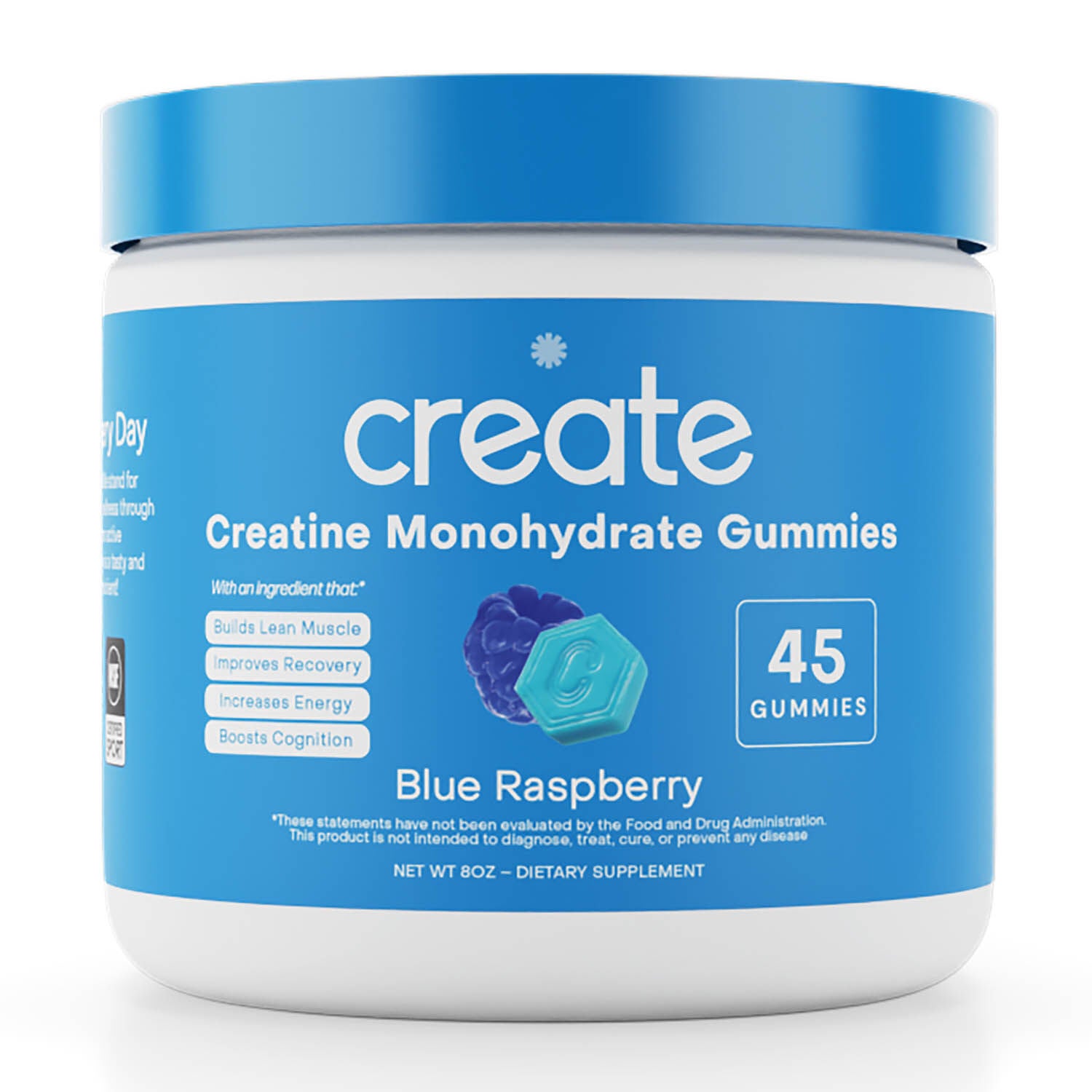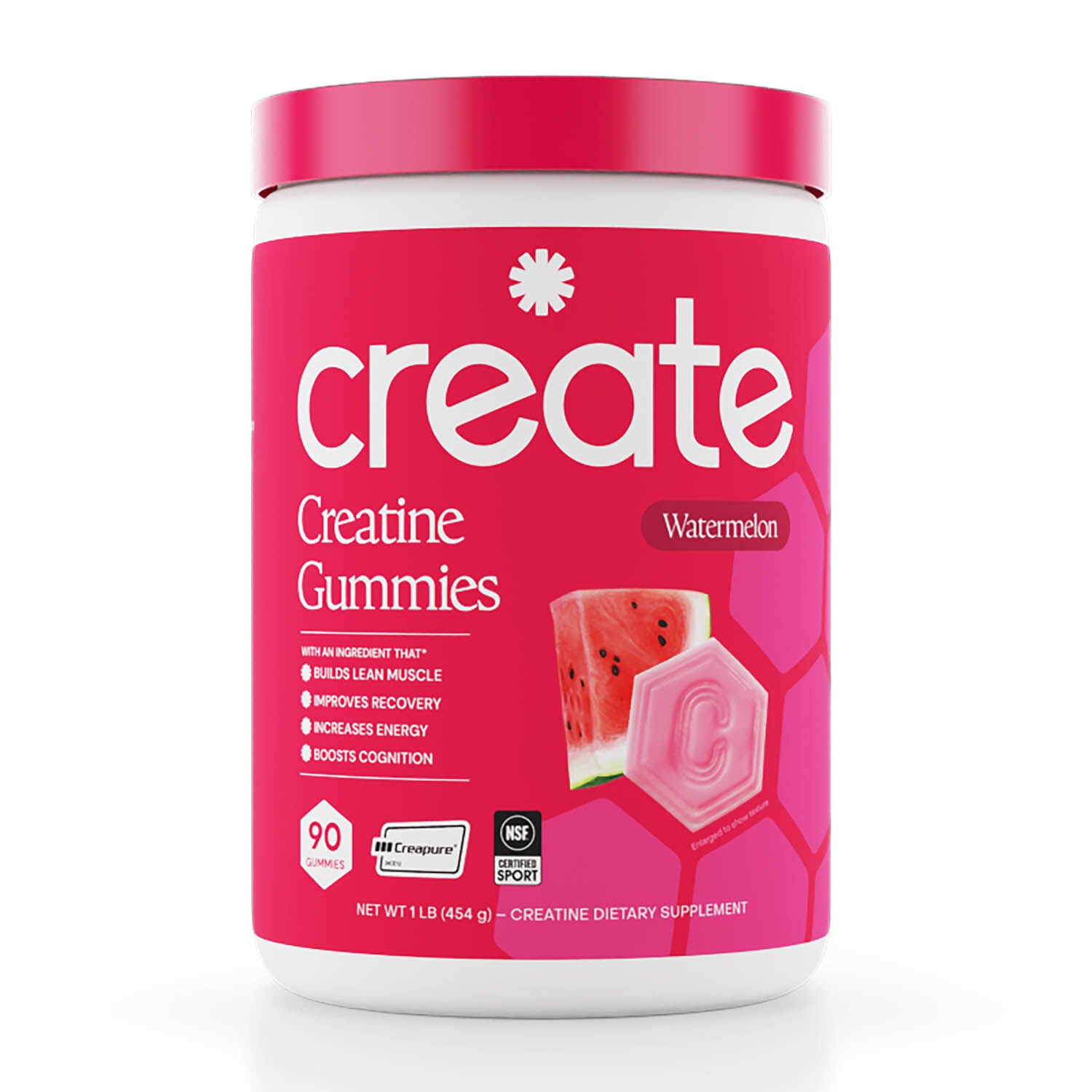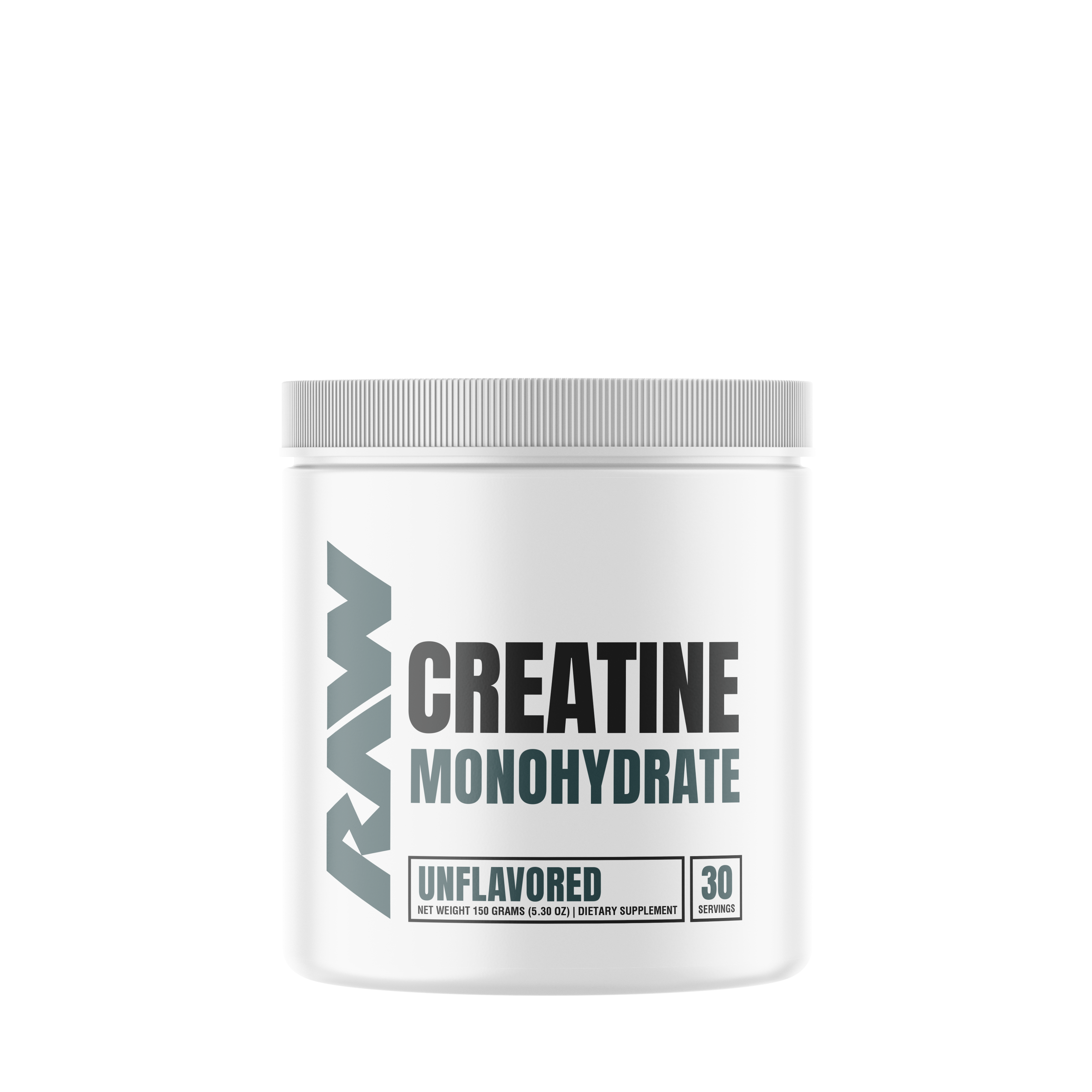


Creatine Alkaline
(0 Results)
Explore the potential of creatine alkaline as a supplement option for those looking to support their fitness journey. Creatine alkaline may be a popular choice for athletes and active individuals who want to enhance their workout routines. With a variety of options available, finding the right creatine alkaline product could help you take your training regimen to the next level. Discover how creatine alkaline might fit into your wellness goals today.

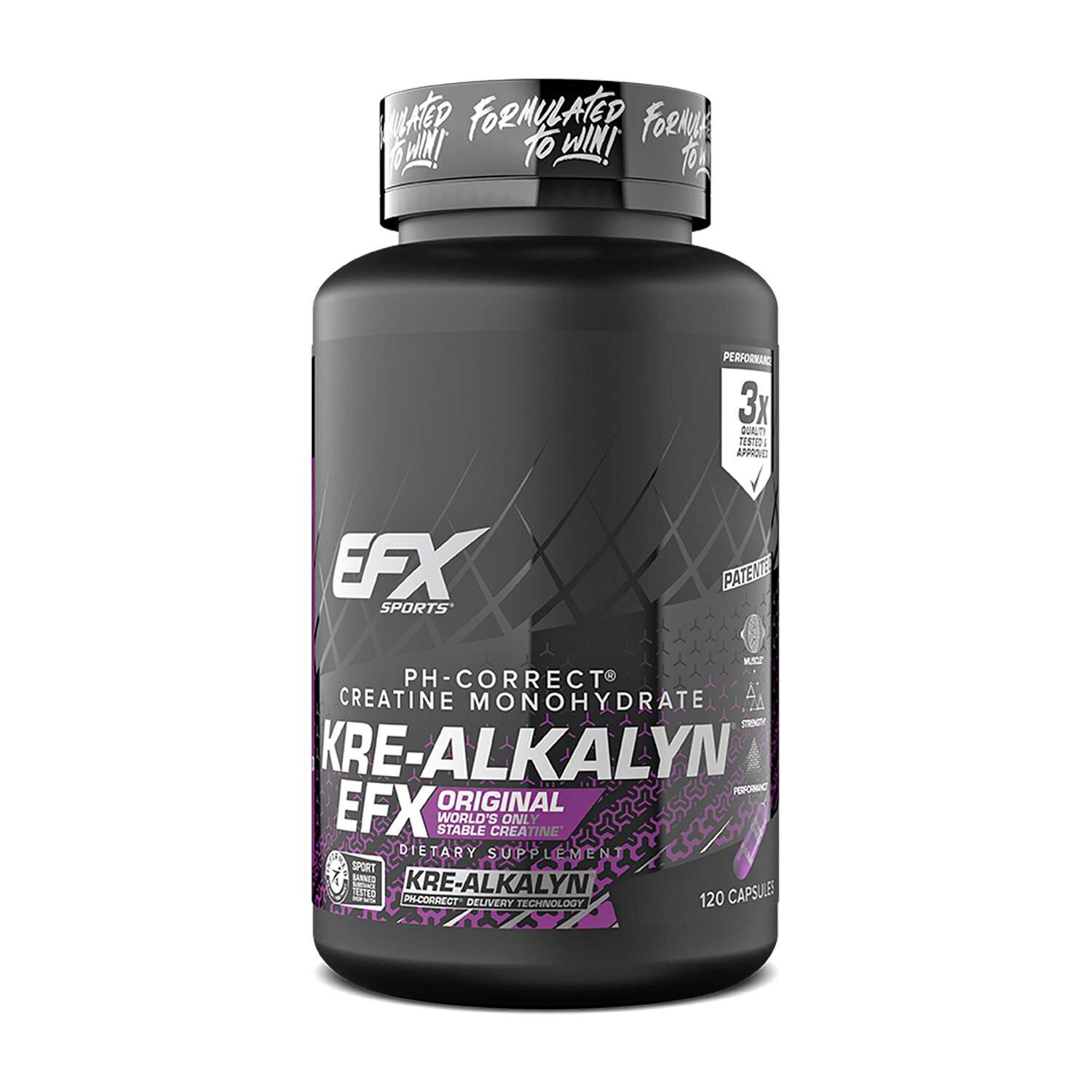
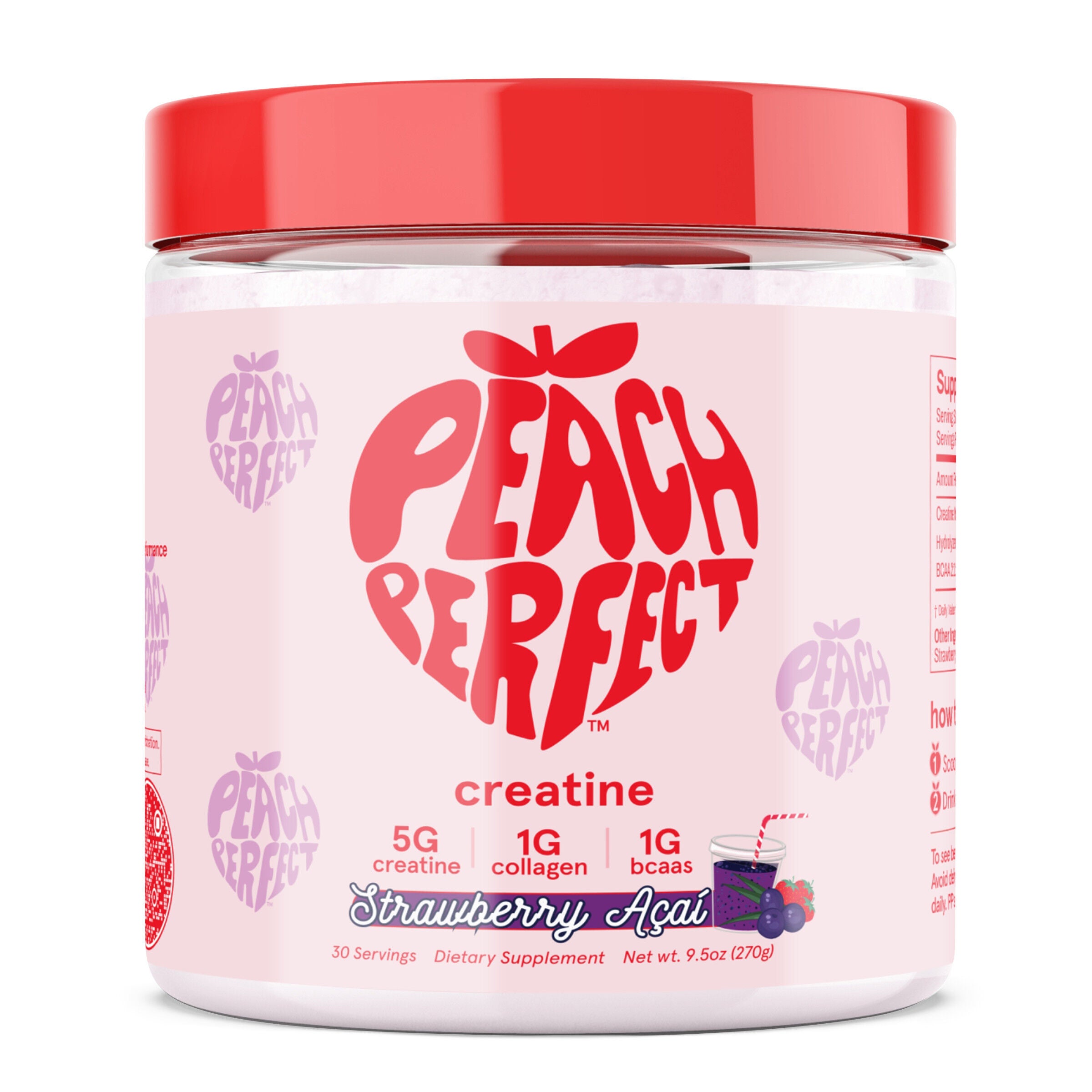


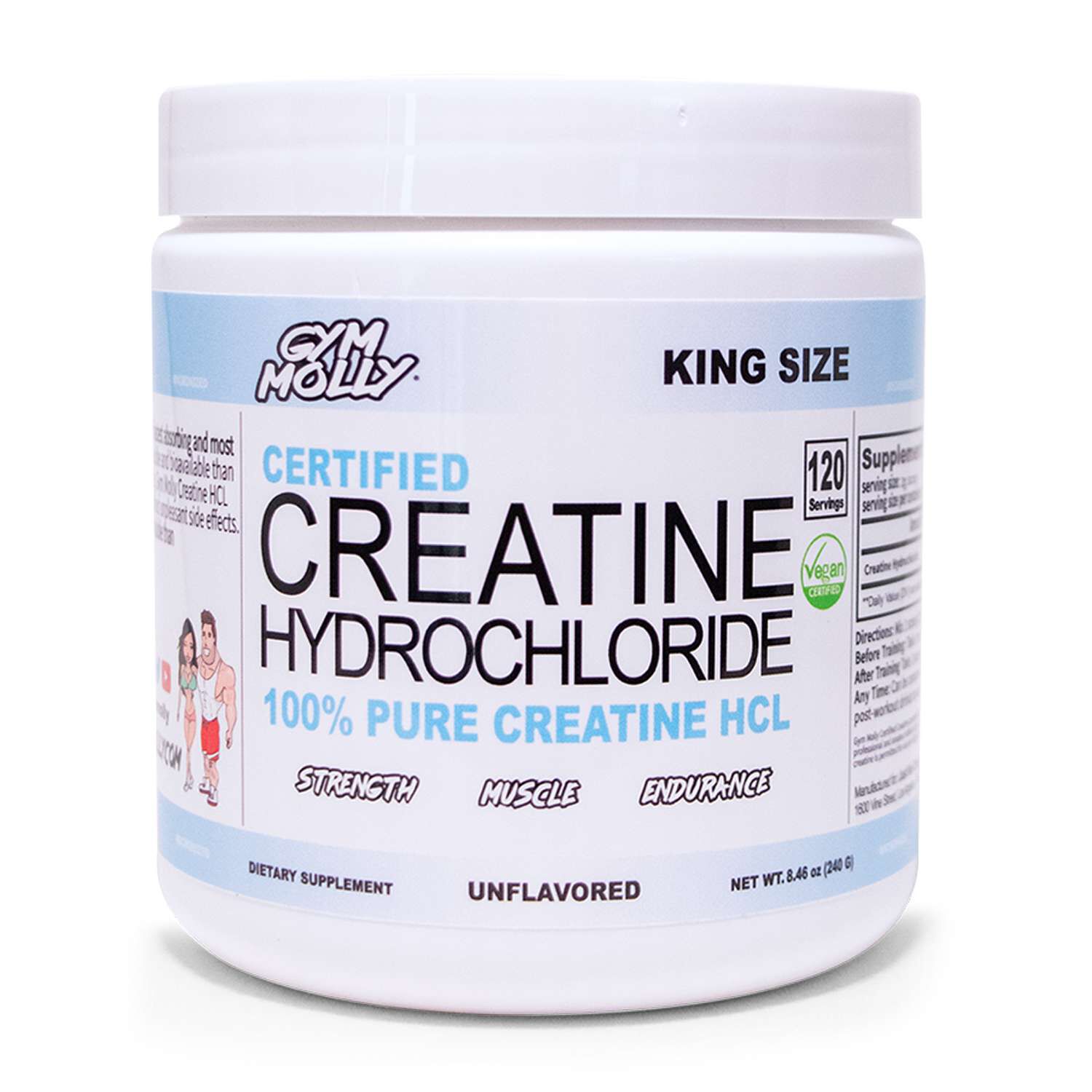


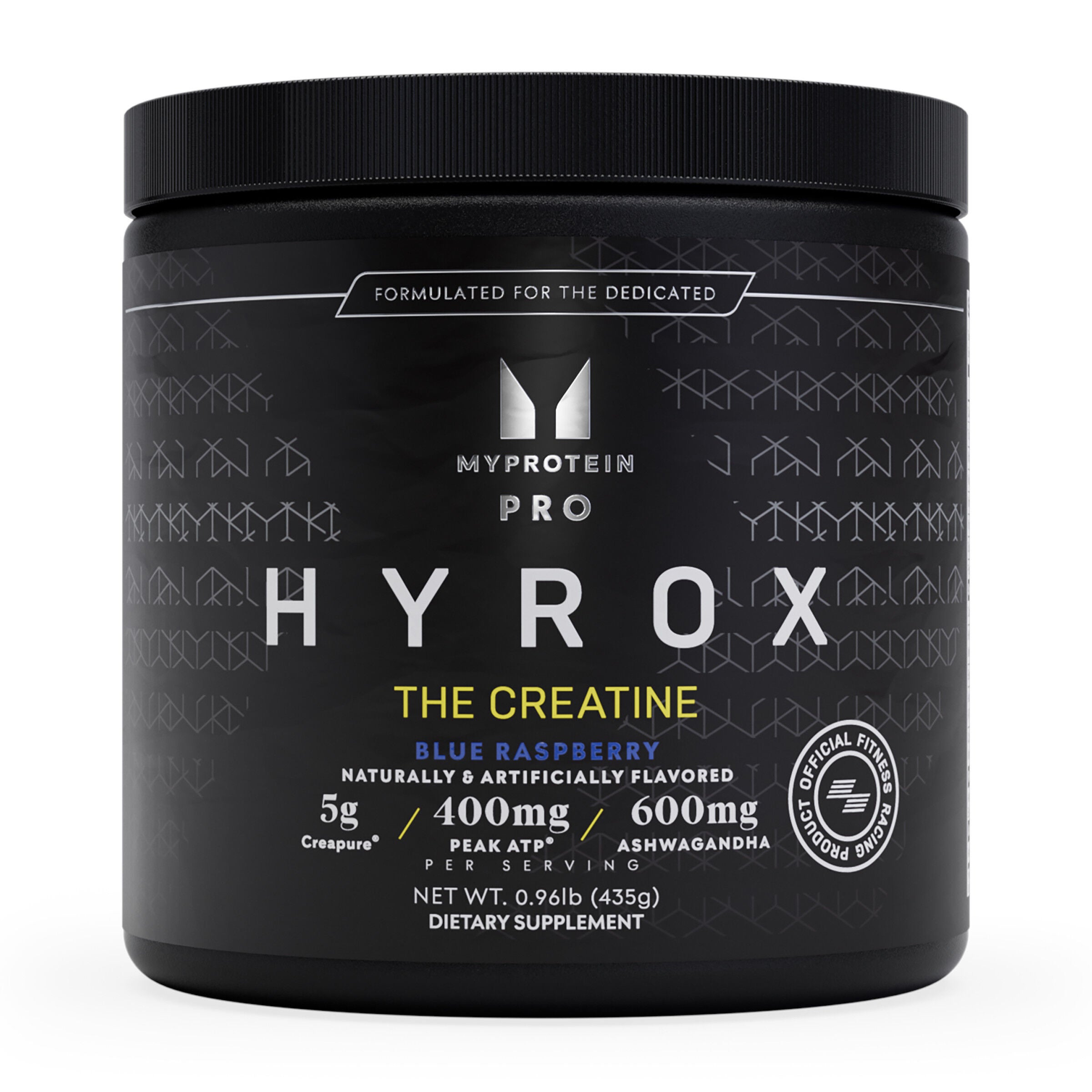
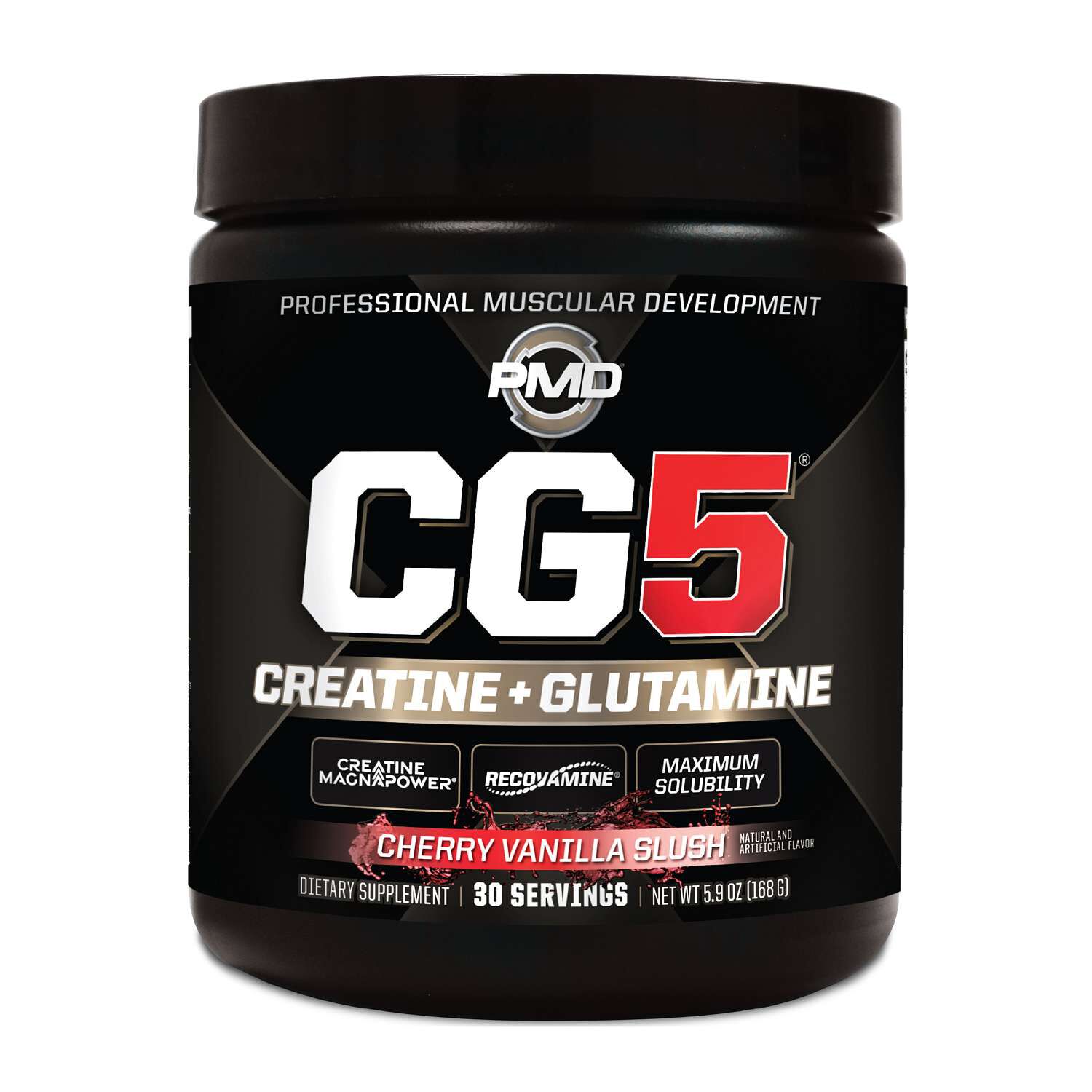
Creatine alkaline products are formulated with a pH-buffered form of creatine, a design intended to keep the powder at a higher pH than traditional creatine monohydrate. This format may appeal to shoppers who prefer a different approach to their daily sports nutrition routine, especially those who find that simpler formulas fit more comfortably into their habits. Creatine itself is naturally present in foods such as meat and seafood, and the body also produces it, while supplemental creatine may support short-duration, high-intensity training when used consistently alongside a balanced eating pattern and a well-planned workout routine. Alkaline creatine is often sold in capsules or powders, making it easy to compare serving size, flavor, ingredient lists, and mixing preferences before placing an order. Some formulas are presented as options that do not require a loading phase, while others may offer serving directions that differ from standard monohydrate products. Reading the label matters because the amount of creatine per serving, added ingredients, capsule count, and suggested use can vary considerably from one formula to another. A person who enjoys a straightforward routine may prefer capsules that can travel in a gym bag, while someone who already blends a shake after training may favor a powder that mixes into water or another beverage. For shoppers comparing alkaline creatine with traditional monohydrate, the main distinction is the buffering approach rather than a promise of superior outcomes. Research comparing buffered creatine with monohydrate has generally indicated that alkaline formulas may perform similarly for many common training goals, so personal preference, serving convenience, budget, and tolerance could reasonably guide the decision. Traditional monohydrate has been studied extensively and often costs less per serving, whereas alkaline creatine may stand out for shoppers who are interested in its pH-focused formulation. Neither format replaces consistent training, adequate meals, hydration, or rest, and a larger serving does not automatically make a routine more suitable. Following the directions on the package may help keep use simple and consistent. Anyone who is pregnant, managing a health concern, or taking prescription products could speak with a qualified healthcare professional before adding a new supplement to a daily routine.
Choosing an alkaline creatine product can be a personal decision shaped by schedule, training style, and the kind of routine that feels easy to maintain through changing seasons. As the weather warms, an active shopper may want a portable option for outdoor workouts, early walks, recreational sports, or trips that make a kitchen scale and shaker cup less convenient. During the cooler months, a capsule format may fit neatly beside a desk, gym locker, or home workout area, while a powder could pair naturally with a post-training smoothie or an afternoon drink. These products may also suit people who are returning to a regular training schedule after time away, recreational lifters building a dependable supplement cabinet, and experienced athletes who prefer to compare different creatine formats. A thoughtful gift could include alkaline creatine for a friend who enjoys strength training, a family member preparing for a fitness event, or a workout partner who appreciates practical additions to a gym bag. It may be helpful to pair the product with a reusable shaker, storage container, or training journal, provided the recipient already uses creatine and would welcome another option. Shoppers should check whether the formula includes flavoring, sweeteners, dyes, or additional workout ingredients, particularly when they already use several products each day. Those seeking a minimalist routine may want a short ingredient list, while others may prefer a blended formula designed for use before or after exercise. Comparing cost per serving rather than container price alone may provide a clearer view of value, and checking the serving instructions may prevent confusion when moving between alkaline creatine and monohydrate. For a broader look at combination powders and flavored options, browse Creatine Mixes. Store the product according to its label, keep the container sealed, and use the included scoop or serving guidance rather than estimating with kitchen utensils. A consistent routine may be easier to maintain when the product is kept near an established habit, such as filling a water bottle, packing a gym bag, or preparing a morning smoothie. Alkaline creatine may be a convenient choice for shoppers who value a buffered formulation, but the best match often comes down to clear labeling, sensible serving directions, ingredient preferences, and a format that fits naturally into everyday life.
Best Sellers
-
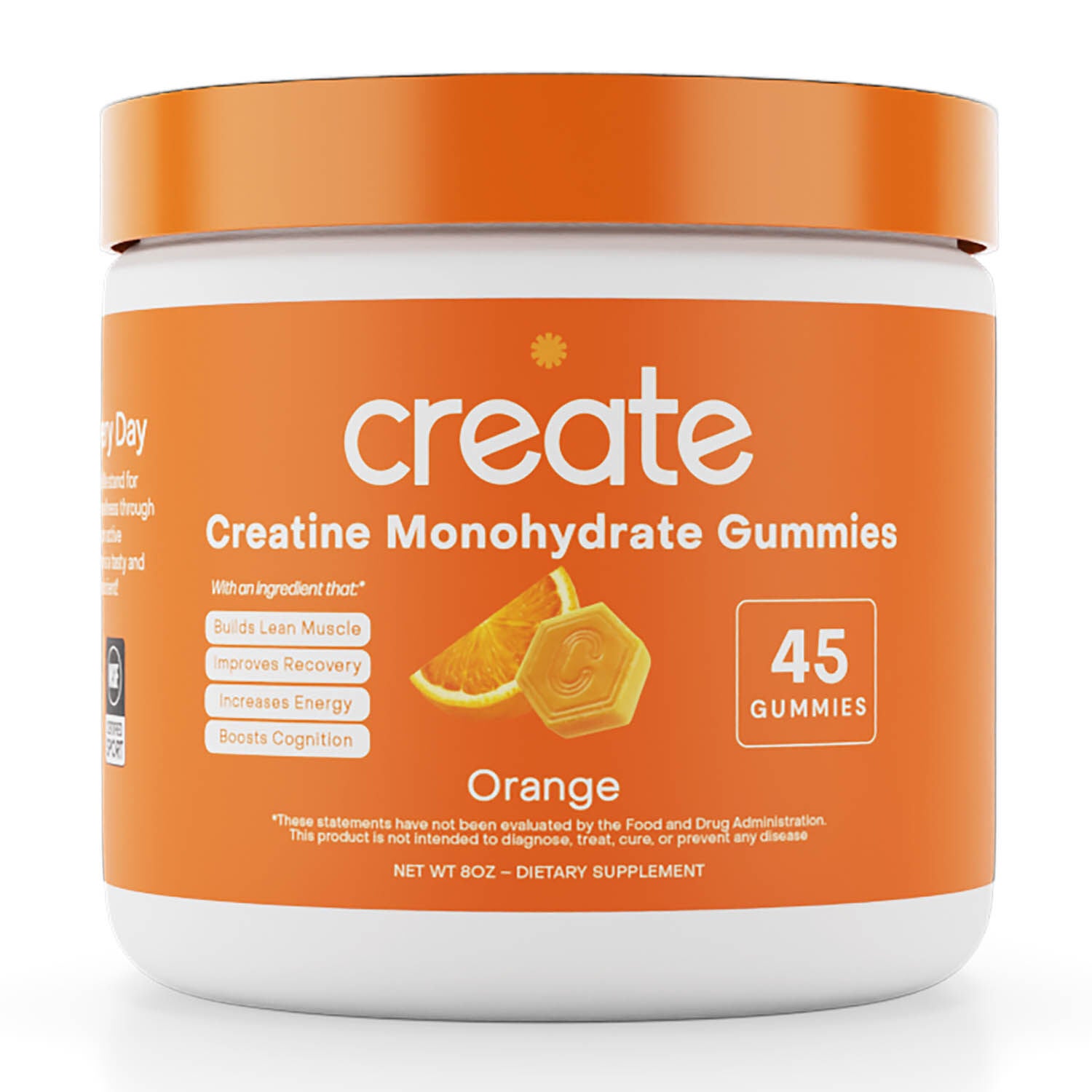 Create Wellness