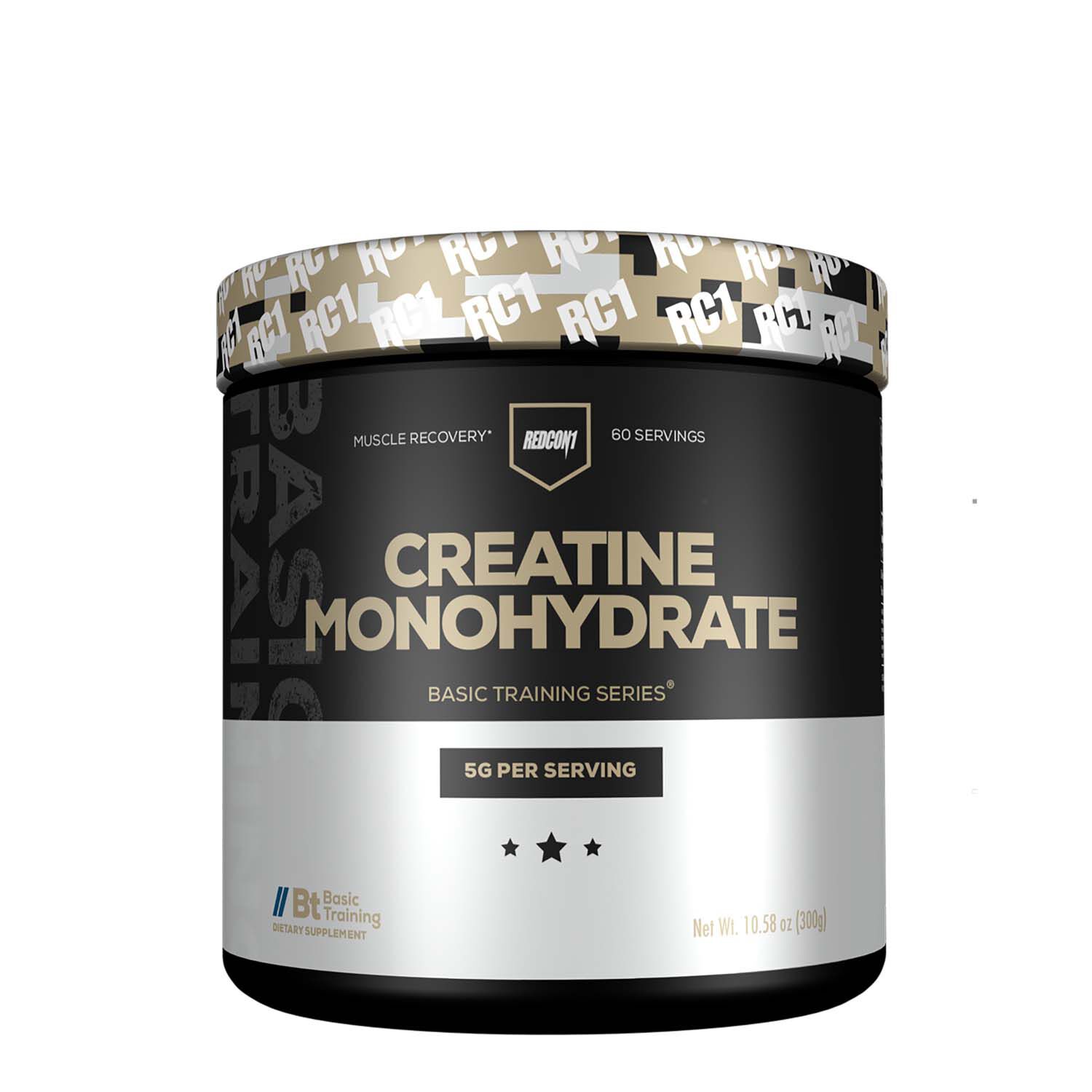
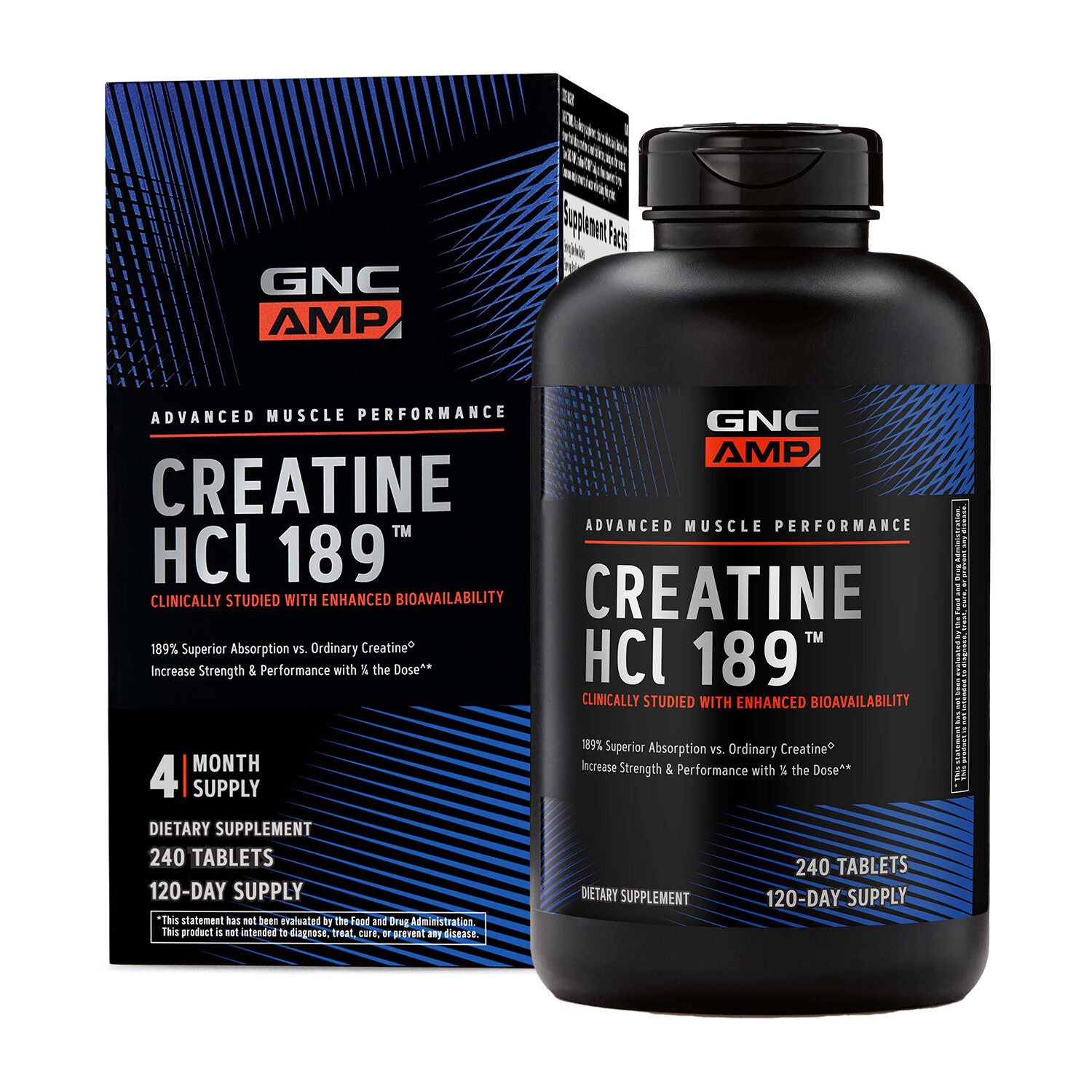
Creatine HCl Capsules For Runners
(0 Results)
Creatine HCl capsules for runners offer a convenient option for those looking to support their fitness journey. Whether training for your next race or aiming to optimize your daily runs, these capsules may fit seamlessly into an active lifestyle. Explore options designed with runners in mind, and discover how creatine HCl capsules for runners could be a valuable addition to your workout routine.


Creatine HCl capsules for runners bring a familiar sports nutrition ingredient into a measured capsule format, with no powder to scoop or stir. HCl stands for hydrochloride, a form of creatine paired with hydrochloride rather than the water molecule associated with creatine monohydrate. For runners comparing these options, the distinction involves both the ingredient form and the way it fits into a daily routine. A capsule bottle takes up little space alongside a training notebook, running watch, and gym shoes, and capsules do not require a flavored drink or mixing equipment. Creatine may support performance during repeated, short bouts of high-intensity exercise, making it relevant to runners whose schedules include sprint intervals, short hill repetitions, or strength training. That potential role is different from providing fuel for a long run: creatine is not a carbohydrate source, an electrolyte blend, or a replacement for meals and hydration. A runner preparing for a fast mile may approach this category with different priorities than someone building toward a marathon, even when both include resistance exercise in their schedules. The most useful context is the work surrounding the miles, not an assumption that every runner needs the same supplement. Research on creatine has focused largely on monohydrate, so findings about that form should not automatically be applied to every HCl formula. Creatine HCl is often described as highly soluble, but solubility alone does not establish better absorption, better running performance, or greater digestive comfort. Capsule format also does not establish those outcomes. For shoppers, that makes the amount of creatine HCl per serving, the capsule count per serving, and the rest of the ingredient list more meaningful than broad performance language. These details help distinguish a straightforward creatine formula from a blend containing several sports nutrition ingredients, while keeping expectations grounded in the actual contents of the bottle rather than the size of its front-label lettering.
The practical differences among creatine hydrochloride capsules often become clear in the serving information. A bottle’s capsule count is not necessarily its number of servings, and the amount listed prominently on a label may refer to several capsules rather than one. Comparing the same unit of measurement across formulas gives shoppers a clearer picture of what each labeled serving contains. Milligrams and grams describe ingredient weight, while capsule count describes how many capsules make up that serving; neither detail should be read in isolation. A smaller labeled serving of HCl should not be assumed to match a larger serving of monohydrate simply because the ingredient form differs. Product directions also vary, so there is no single capsule schedule or introductory routine that applies to the entire category. Capsule construction deserves attention, too. Shells may contain gelatin or plant-derived materials such as hypromellose, which matters to runners with vegetarian preferences or other dietary requirements. The additional ingredients panel may list substances used to help manufacture the capsules, not just the featured creatine ingredient. Capsule dimensions, when provided, offer another practical comparison for someone who has a strong preference about capsule size. Unlike a powder, a capsule does not offer much flexibility for adjusting the amount within an individual unit, and opening capsules is not necessarily consistent with the labeled directions. Packaging is another useful consideration for runners who move between home, work, and the track. A securely closing container, a readable label, and clear storage directions matter more for this purpose than elaborate packaging. Keeping capsules in their original, properly closed container preserves access to the ingredient information, serving directions, and expiration date. A gym bag with a damp towel or a loosely closed drink bottle is not a suitable long-term storage spot. For runners who compete under sport-specific rules, documented third-party testing for prohibited substances may also be an important selection criterion, although testing is not evidence that a supplement will improve race results.
Intended use gives this category its running-specific context. A distance runner doing squats and step-ups twice a week may be interested in creatine for the resistance-training portion of the schedule, while a track athlete may be considering its potential role in repeated high-intensity efforts. Those are more precise reasons to explore creatine HCl capsules than expecting a capsule to make every mile feel easier. Creatine may support aspects of high-intensity training, but benefits for sustained endurance performance are less clear, and evidence specific to HCl remains limited compared with monohydrate. Claims about faster recovery, a stronger finishing sprint, or less digestive discomfort need evidence for the form and use being described; they should not be treated as automatic features of the category. Nor does a concentrated serving establish that less water is appropriate for a runner’s overall routine. Capsules offer a different delivery format, not a substitute for the food, fluids, practice, and rest involved in preparing for an event. For someone who already uses a powdered sports nutrition blend, checking whether that blend also contains creatine makes the ingredient comparison more informative. Some runners prefer a single-ingredient approach because the label is easier to interpret, while others are evaluating how a capsule would fit alongside products they already use. The relevant distinction is the formula and its labeled purpose, not whether the packaging looks oriented toward lifting or running. Shoppers exploring the broader connection between creatine and endurance-focused training can also browse Creatine HCl Capsules for Endurance for a related product category. Across these options, a useful comparison stays anchored in ingredient form, serving size, capsule materials, label transparency, and intended use. For runners, those concrete details offer a more realistic basis for choosing a capsule format than sweeping statements about speed or stamina, whether the training calendar centers on track sessions, road races, or a mix of running and gym work.
Best Sellers
-
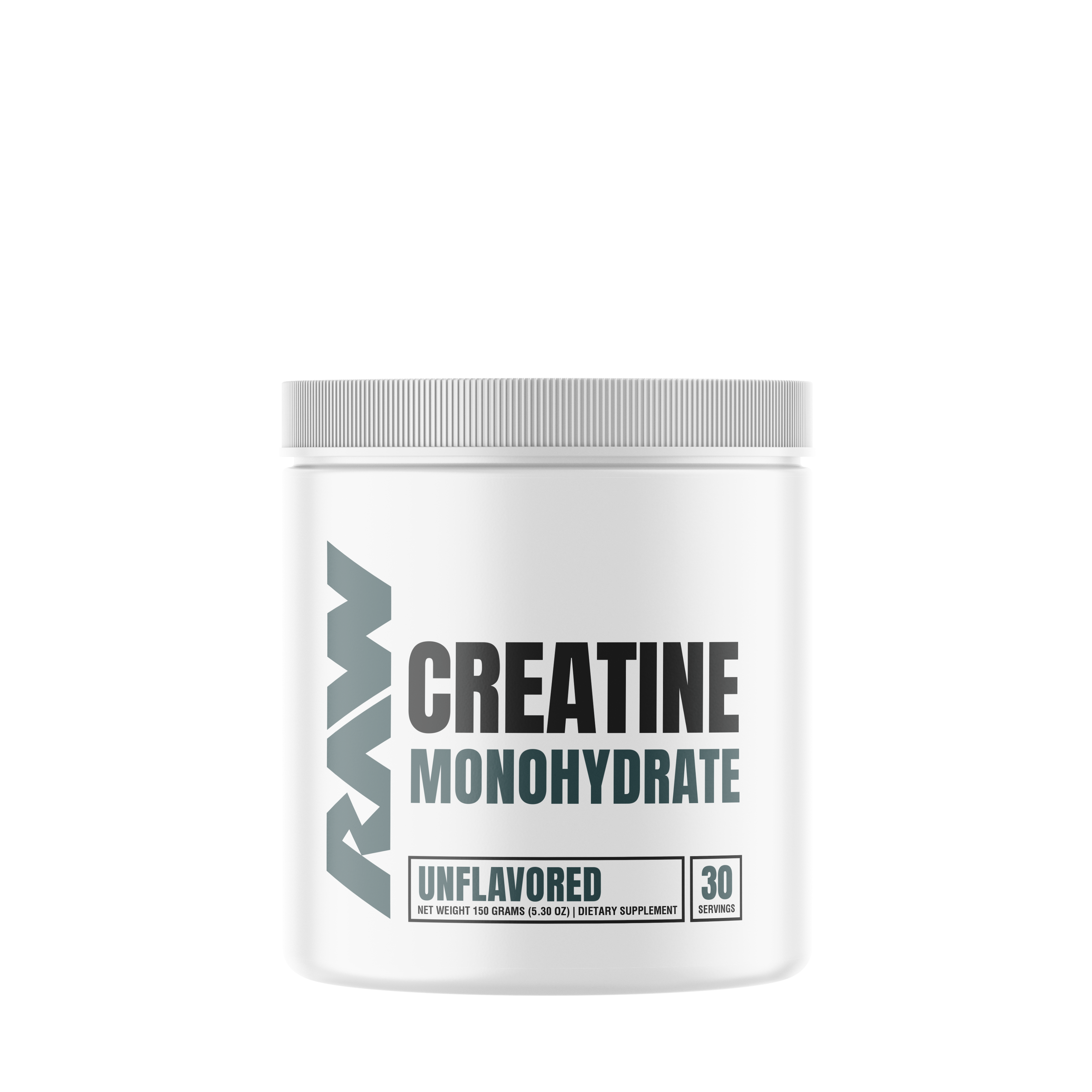 Raw Nutrition
 -
 Peach Perfect
 -
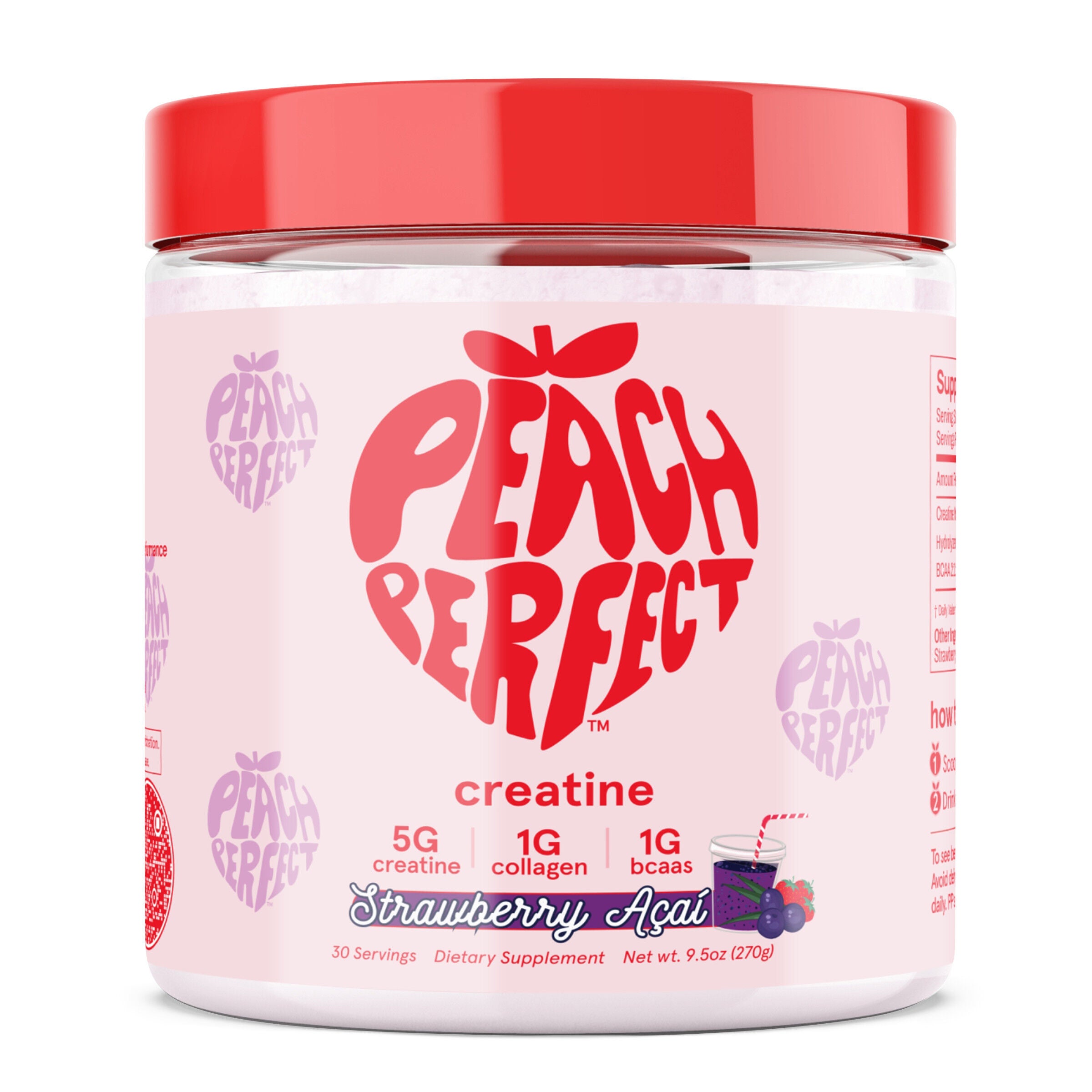 Peach Perfect