Dietary Magnesium
(0 Results)
Explore a wide range of dietary magnesium supplements that could support your overall wellness journey. Magnesium is an essential mineral that may play a crucial role in various bodily functions, from muscle relaxation to energy production. Whether you're looking to maintain optimal bone health or support your cardiovascular system, incorporating magnesium into your daily routine might be beneficial. With options like capsules, powders, and gummies, finding a convenient way to meet your dietary needs has never been easier. Discover how adding magnesium supplements to your regimen could help you achieve your health goals.
-
-
 _Front.jpg?sw=305&sh=305&sm=fit "Magnesium: Bioactive Magensium Citrate - 120 Capsules (120 Servings) | GNC")
-
 _Front.jpg?sw=305&sh=305&sm=fit "Magnesium: Bioactive Magensium Citrate - 60 Capsules (60 Servings) | GNC")
-

-

-

-

-

-

-

-

-
 $25.99
 -

-

-

-
 Angry Supplements$11.99

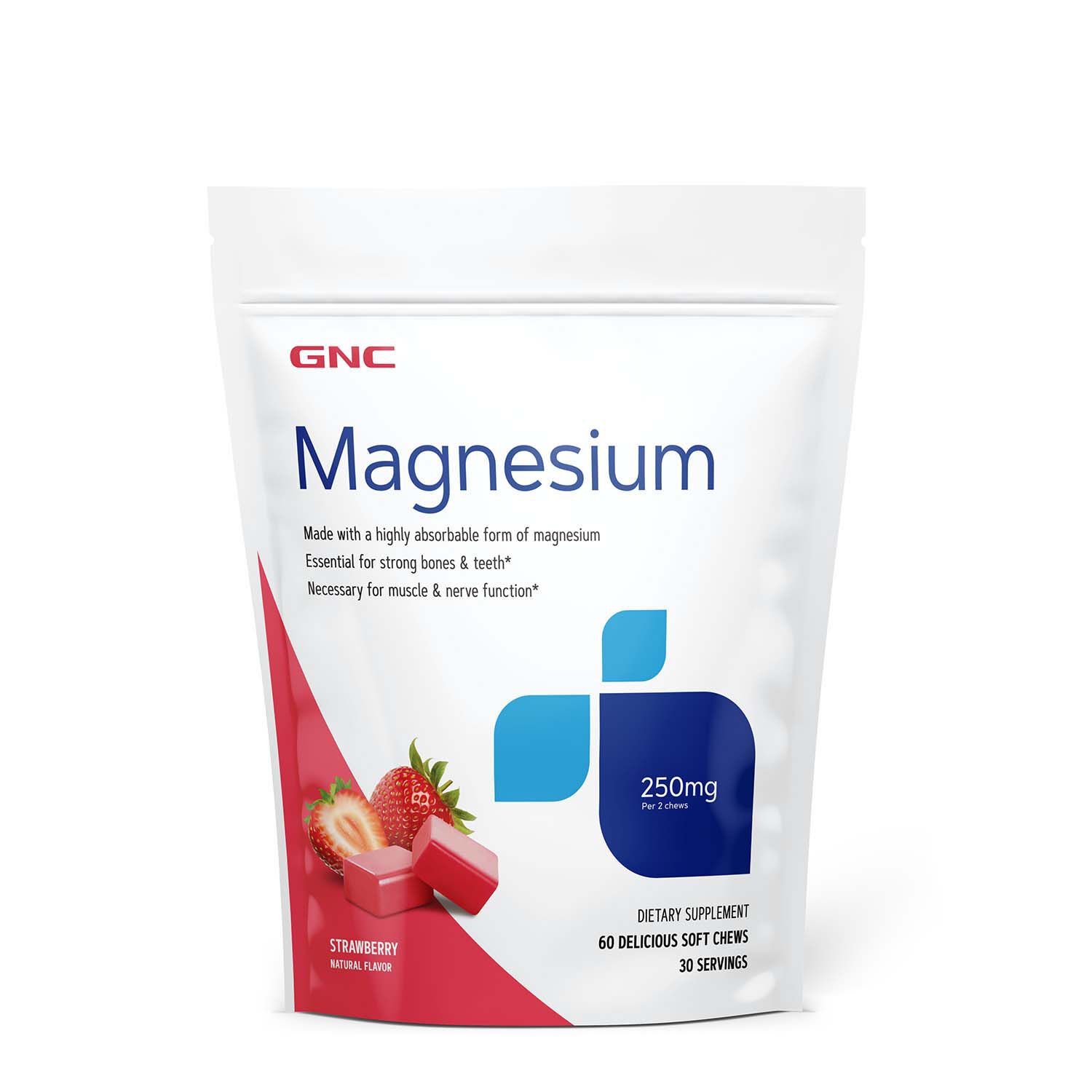


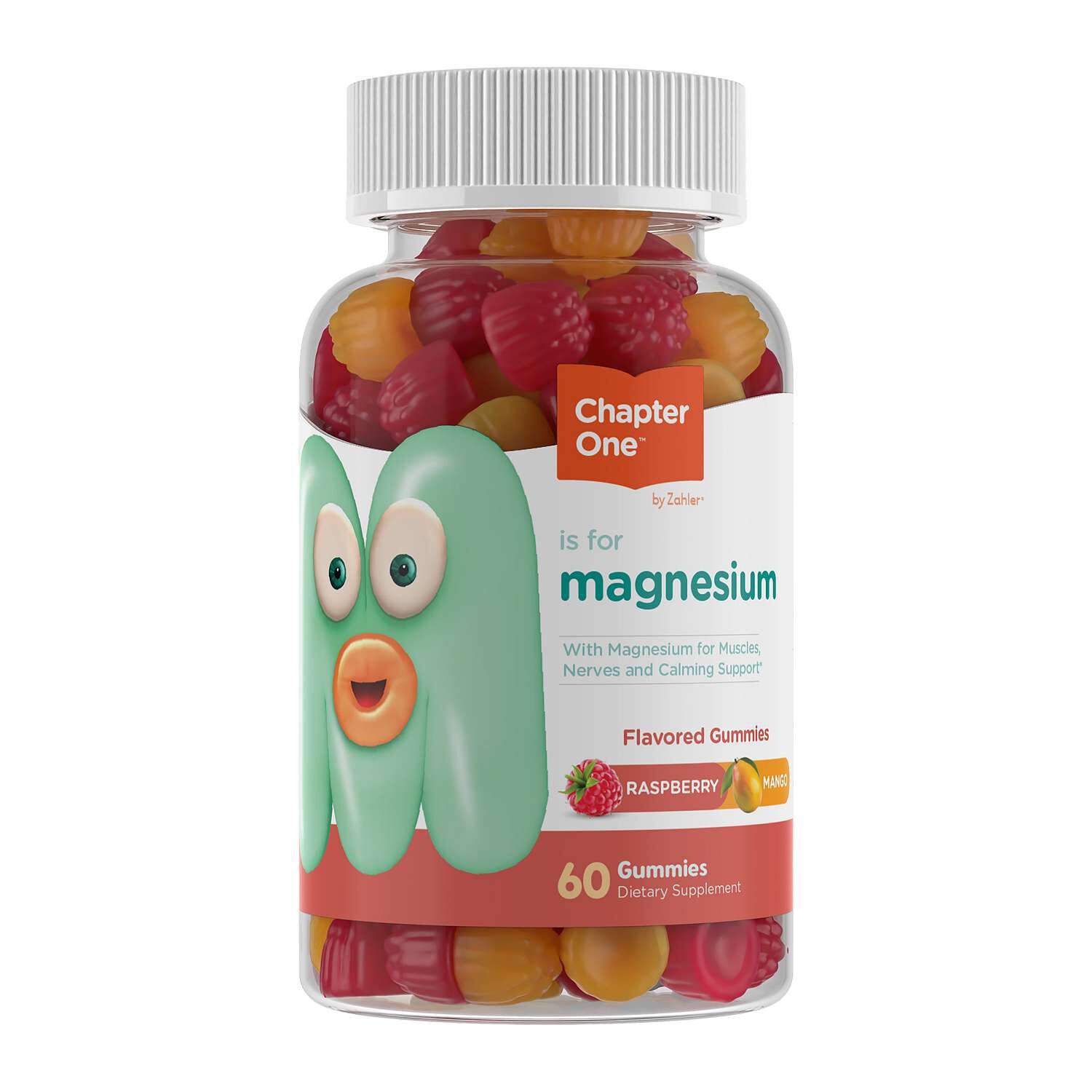

Dietary magnesium is a mineral found naturally in foods such as pumpkin seeds, almonds, black beans, spinach, and whole grains. Magnesium supplements offer another source of this nutrient in formats that include capsules, tablets, powders, liquids, and chewables. The distinction between food sources and supplemental sources is useful when browsing: dietary magnesium describes the nutrient in the diet, while a magnesium supplement is a packaged product with a labeled amount per serving. Everyday meals can include magnesium in many familiar ways, from oatmeal topped with chia seeds to a brown rice bowl with black beans and avocado. Cashews, cooked Swiss chard, edamame, tofu, and whole-wheat bread add further variety. The amount in a food depends on the food itself, its preparation, and the portion served, so a varied eating pattern provides a broader context than any single ingredient. Supplements belong alongside that food context rather than serving as a substitute for varied meals. For shoppers comparing dietary magnesium supplements, the most useful starting points are the mineral form, the amount of magnesium per serving, and the format. A person who prefers a simple capsule has different practical considerations from someone who enjoys mixing a flavored powder into a beverage. An adult organizing a morning routine may focus on serving size and container design, while someone with a frequently changing schedule may pay closer attention to portability and preparation. Neither a larger container nor a longer ingredient list explains the serving on its own. Clear labeling makes those differences easier to understand. For background beyond the package, the National Institutes of Health Office of Dietary Supplements publishes a magnesium fact sheet that covers food sources and intake recommendations by age and life stage. That general reference can provide context, while each product’s own label describes its contents and intended use. Keeping those sources distinct makes it easier to compare products without treating every magnesium formula as interchangeable.
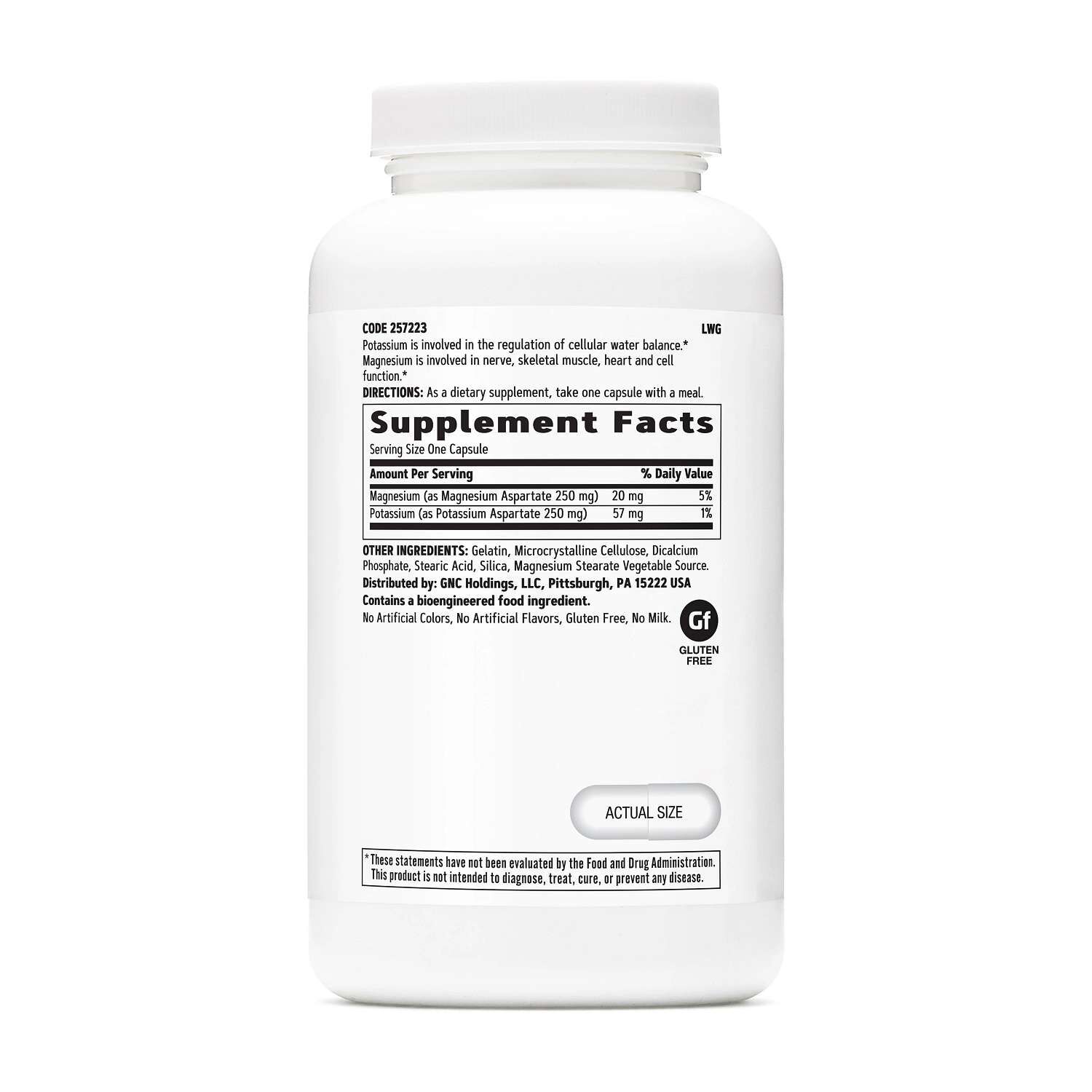
Magnesium supplement names often identify the compound used in the formula, such as magnesium citrate, magnesium glycinate, magnesium oxide, or magnesium chloride. These names describe different forms of the mineral, not flavors or serving formats; a powder and a capsule can contain the same magnesium compound. Some formulas contain one form, while others combine several. The Supplement Facts panel is the place to distinguish the amount of magnesium from the weight of the larger compound containing it. The magnesium amount listed there represents elemental magnesium, meaning the mineral portion itself. For example, a compound name and weight displayed elsewhere on packaging should not be read as an equivalent amount of elemental magnesium. Serving size matters just as much: a listed serving may consist of more than one capsule, a measured scoop of powder, or a specified volume of liquid. Comparing the magnesium amount per labeled serving gives a more consistent view than comparing individual pieces or package sizes. The percent Daily Value provides another label reference, but it is not a personalized intake target. Beyond the mineral, the ingredient list describes the capsule shell, sweeteners, flavors, colors, and other components used to make the finished product. Capsule shells can be made from gelatin or plant-derived materials, which may matter to someone shopping around vegetarian preferences. Powders and chewables can include added sugars or alternative sweeteners, while unflavored options still have their own ingredient lists and taste characteristics. Allergen statements and clearly stated dietary attributes also deserve attention when they are relevant to the intended user. Shoppers interested in Natural Magnesium Supplements can use the same comparisons, looking beyond the category name to the identified magnesium form and the details on the label. A descriptive term alone does not explain sourcing, processing, serving size, or suitability for a particular routine. Those details come from the product information, and they make a more grounded basis for choosing among dietary magnesium options.
The everyday experience of a magnesium supplement depends partly on its physical format and how it is stored and prepared. Capsules and tablets require no mixing, and their dimensions and labeled serving counts can influence personal preference. Powders involve measuring and mixing, so flavor, texture, and preparation directions become part of the comparison. A scoop stirred into a glass at the kitchen counter is a different experience from a measured liquid serving, and the package should explain the intended method. Liquids may include a measuring device, while some powdered formats use individual packets rather than a larger container. Chewables have their own texture, flavor, and serving information; their appearance should not take the place of reading the label. For a household with limited cabinet space, container dimensions and a secure closure can be meaningful details. For someone packing an overnight bag, the original packaging keeps the directions and ingredient information with the supplement. Product care is also part of intended use. Storage instructions can differ, so the package is the reference for temperature, moisture, and any requirements after opening. A steamy bathroom shelf, a sunny windowsill, or a vehicle exposed to changing temperatures may not match those instructions. Closing the container as directed and keeping the label legible preserves access to the information needed for later use. The printed date and package condition are more useful considerations than assuming that all formats have the same storage life. Through the cooler months, when daily schedules can shift between home, travel, and gatherings, a familiar preparation method may be more convenient than an elaborate one. Still, convenience does not determine the appropriate serving or replace product directions. Magnesium supplements are personal purchases, with preferences shaped by ingredients, format, taste, and the intended user. When choosing for another adult, knowing those preferences matters more than selecting an unfamiliar formula as a surprise. A thoughtful comparison brings the focus back to what is actually in the container, how the serving is measured, and whether the product’s stated use fits the routine being considered.
Best Sellers
-
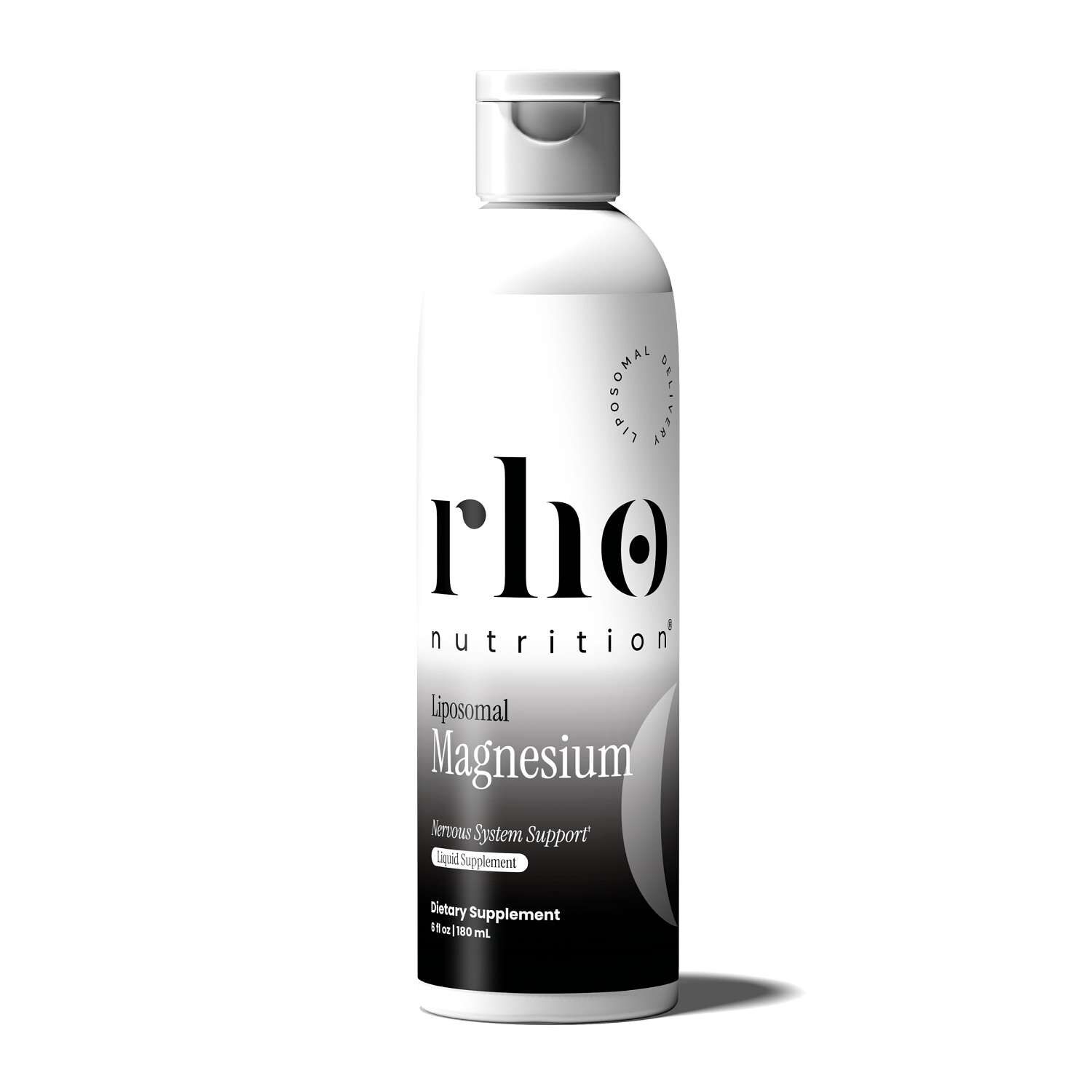 Rho Nutrition
 -
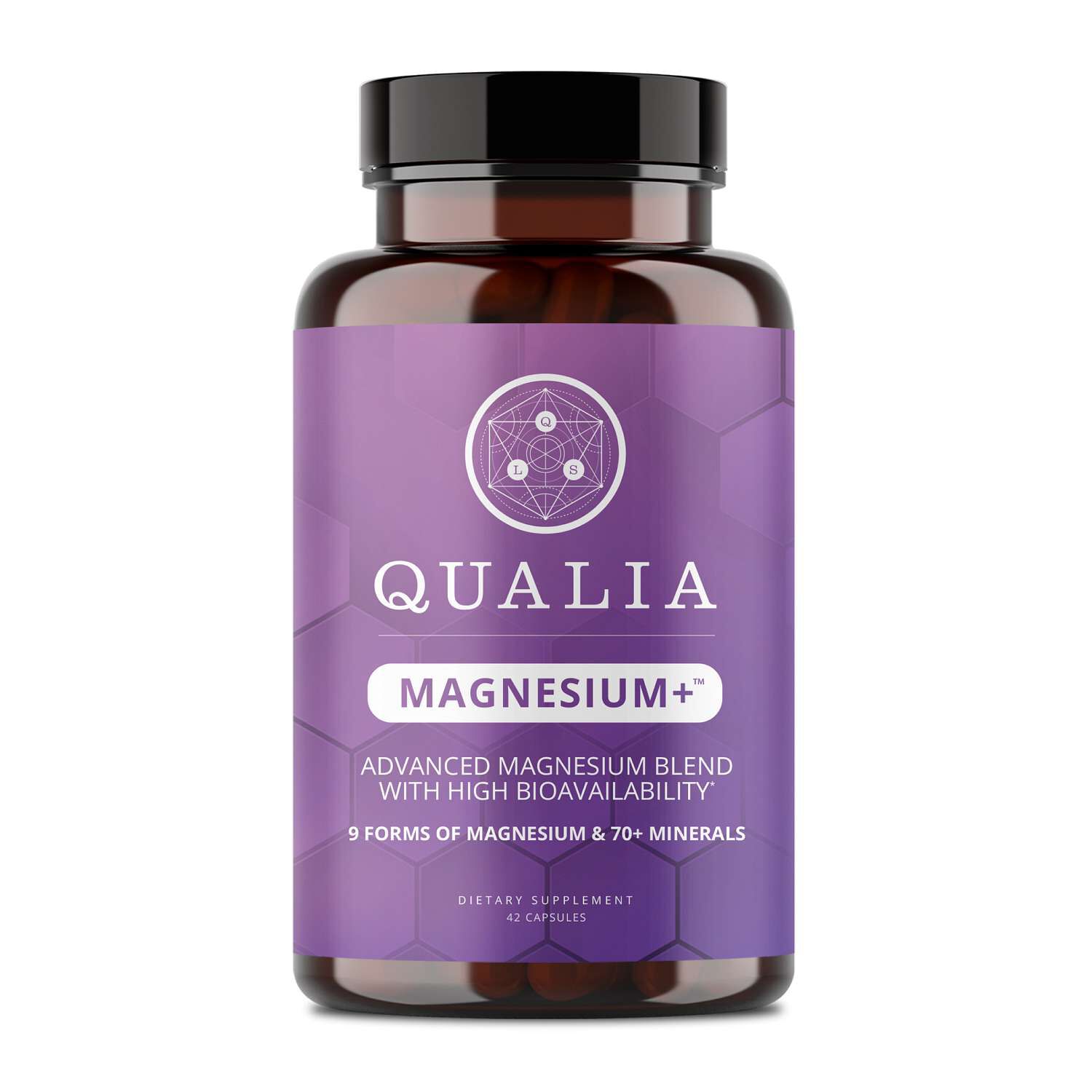 Qualia Life Sciences