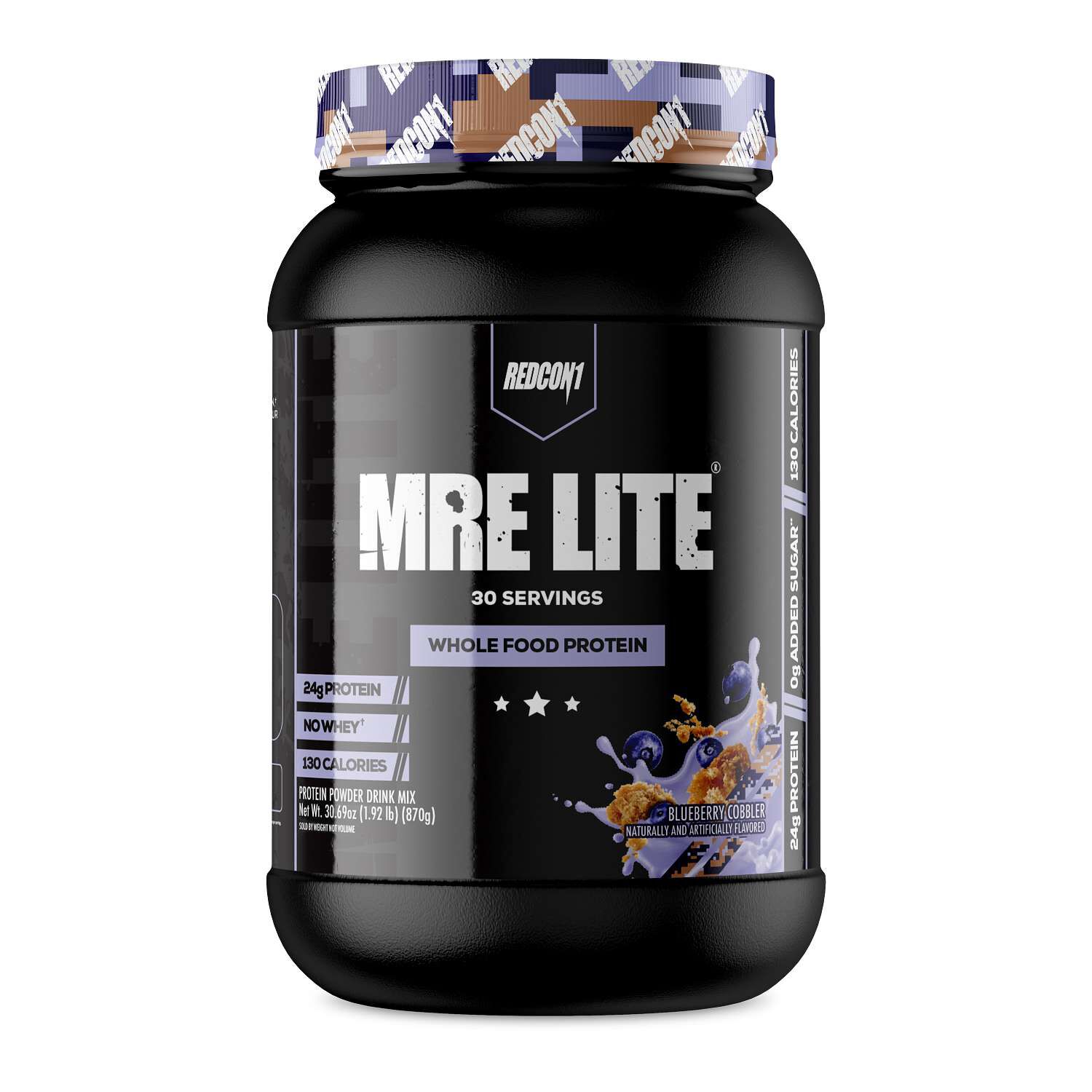
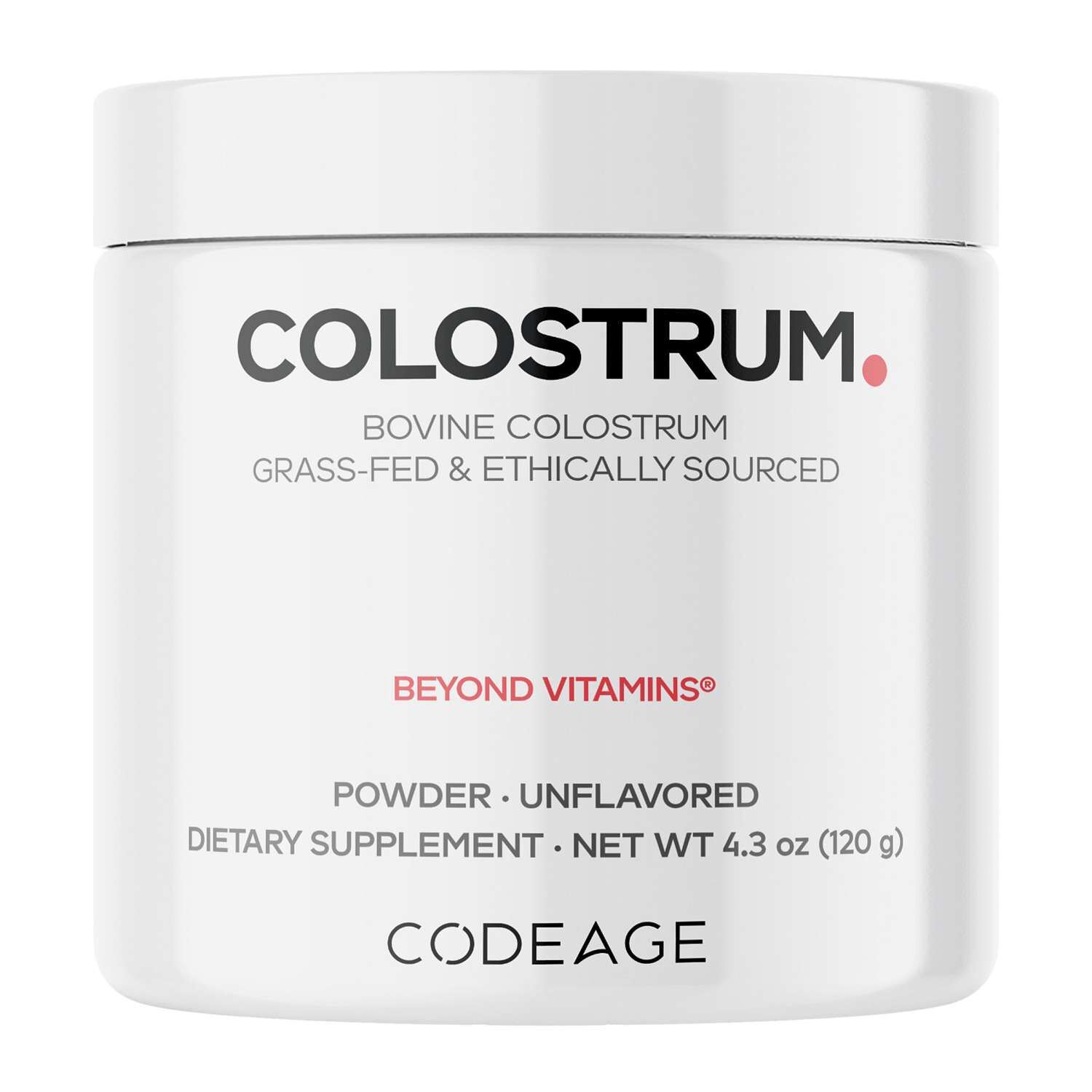
Dietary Management Powders
(0 Results)
Explore a range of dietary management powders designed to support various nutritional needs and lifestyle goals. Whether you're looking to supplement your diet, manage weight, or support muscle recovery, these powders offer versatile options that can easily be incorporated into your daily routine. From protein-packed blends to nutrient-rich formulas, dietary management powders may provide a convenient and effective way to help you achieve your health and wellness objectives.
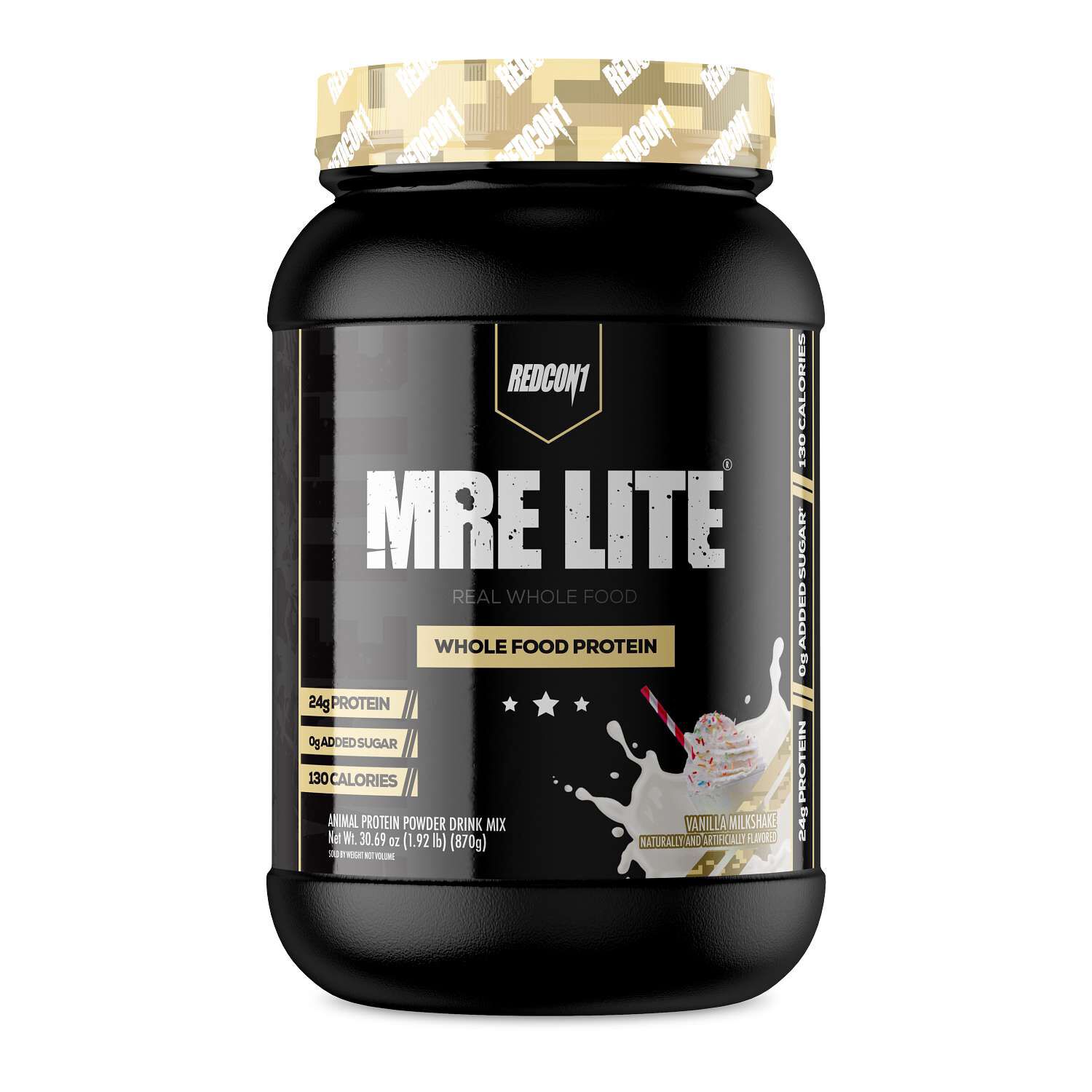
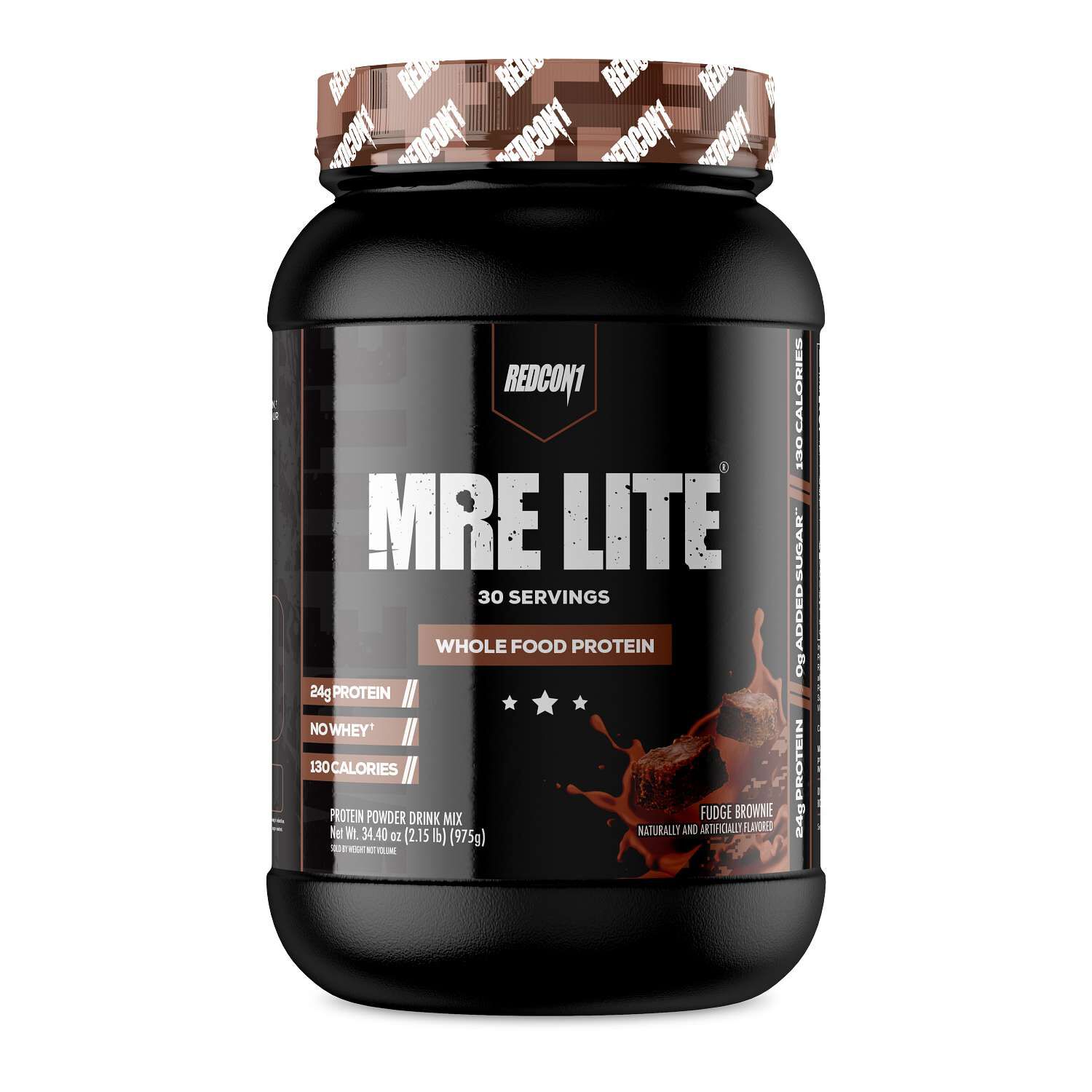

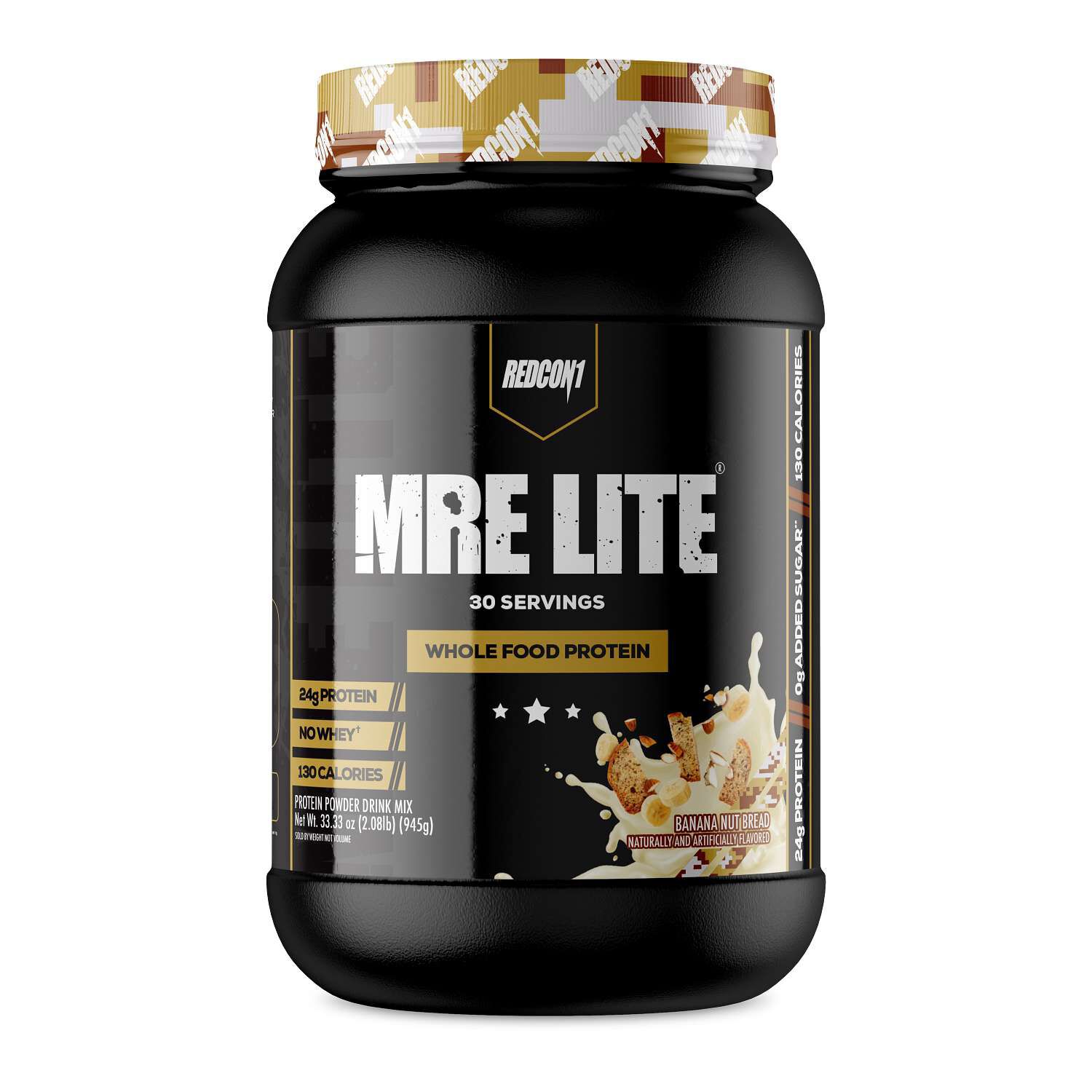

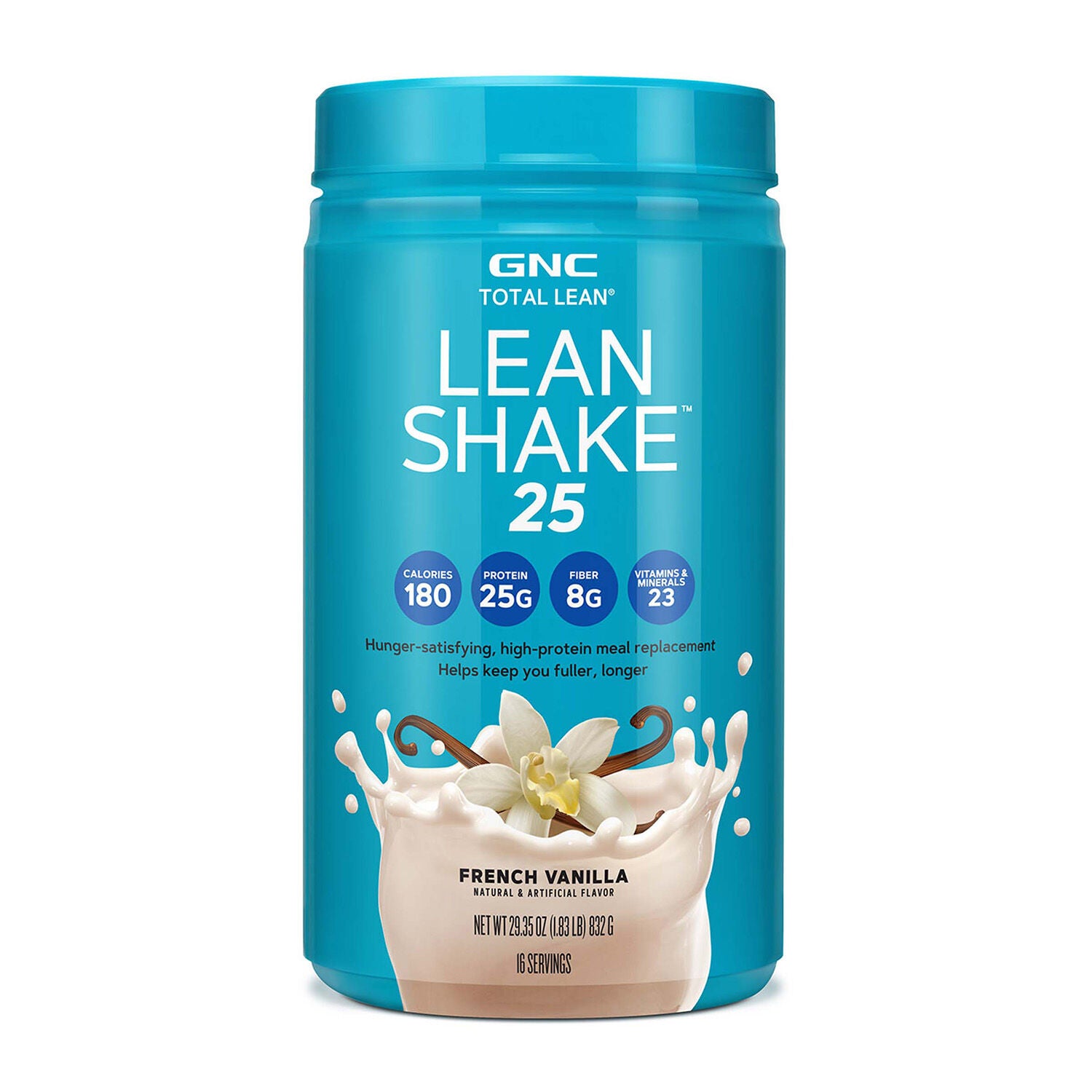
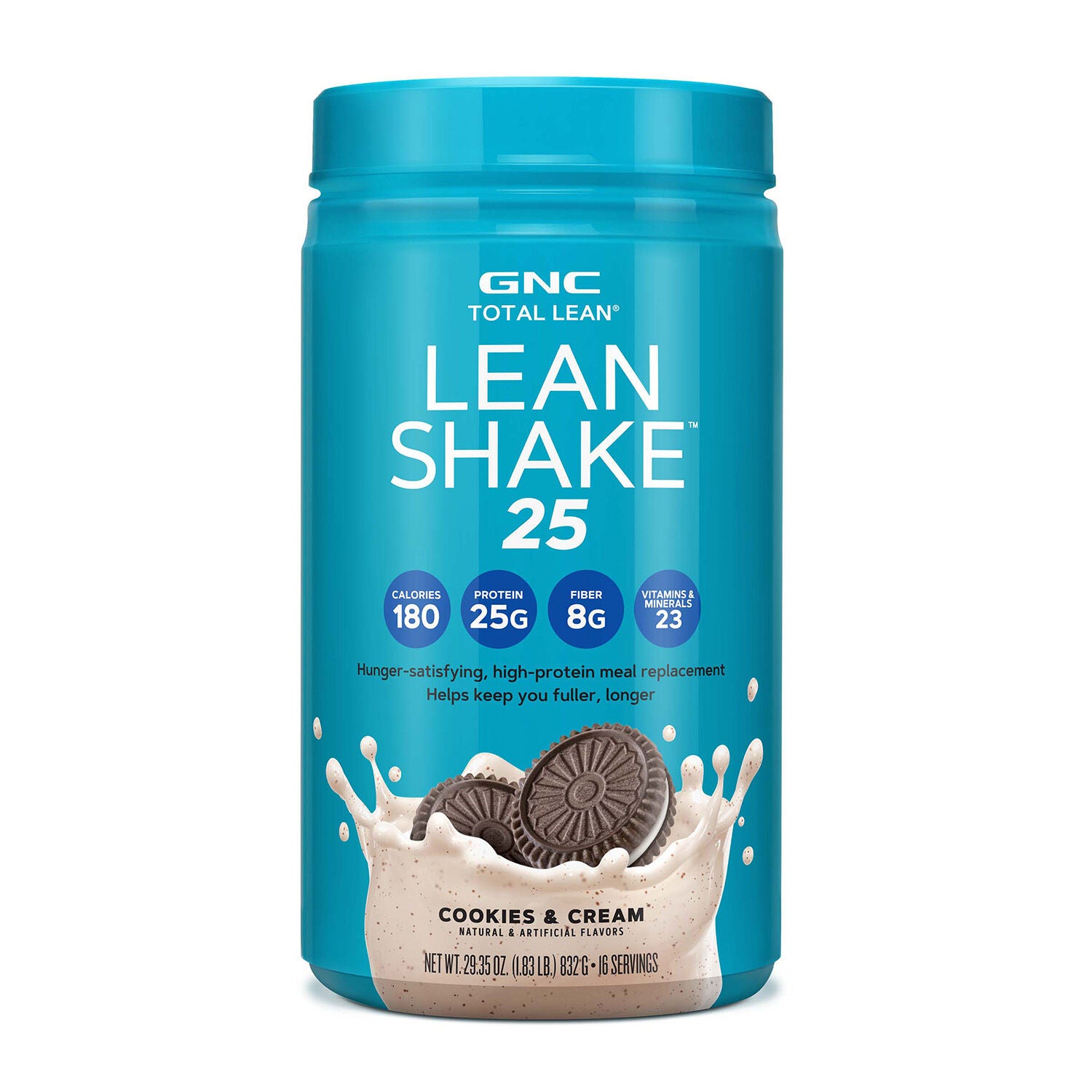
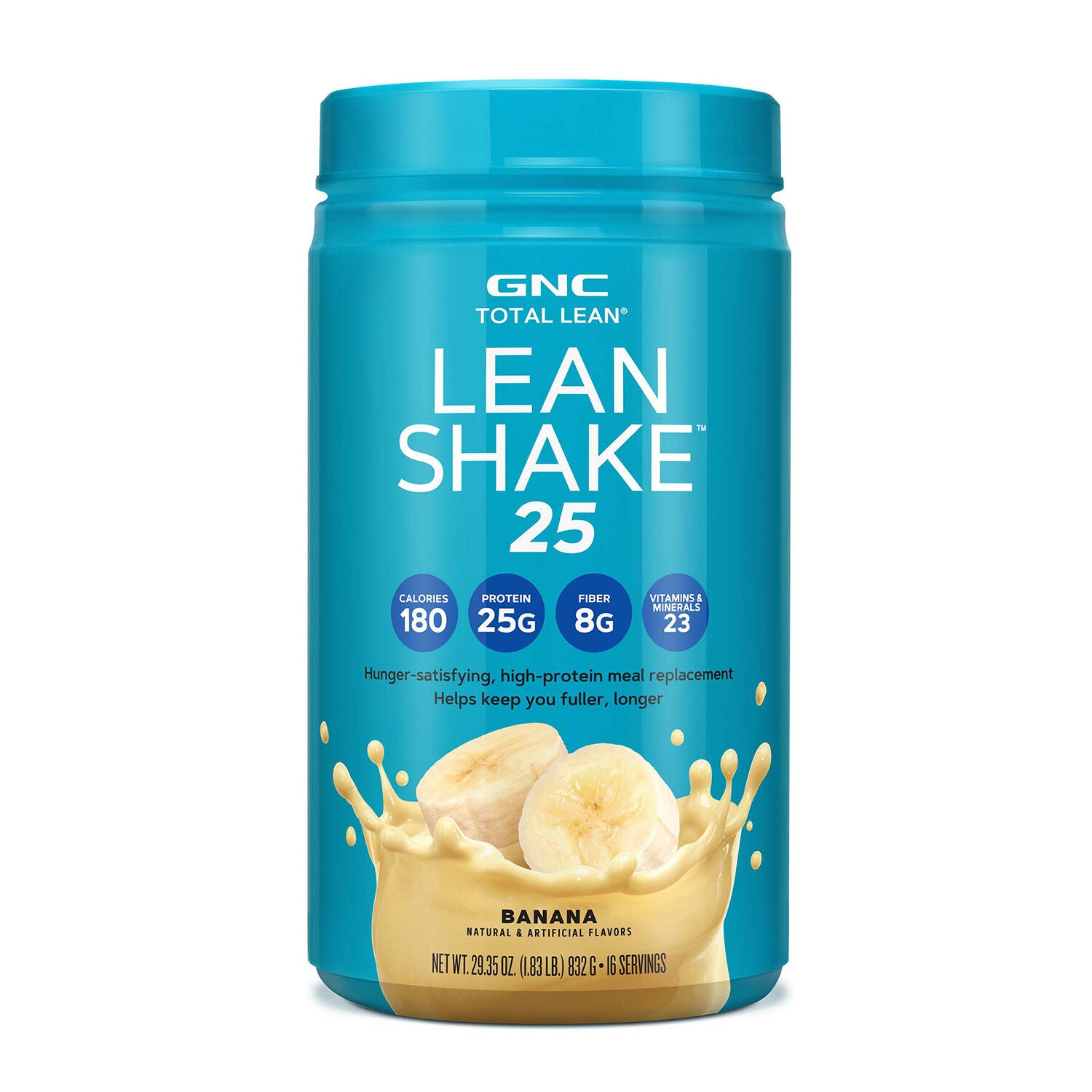
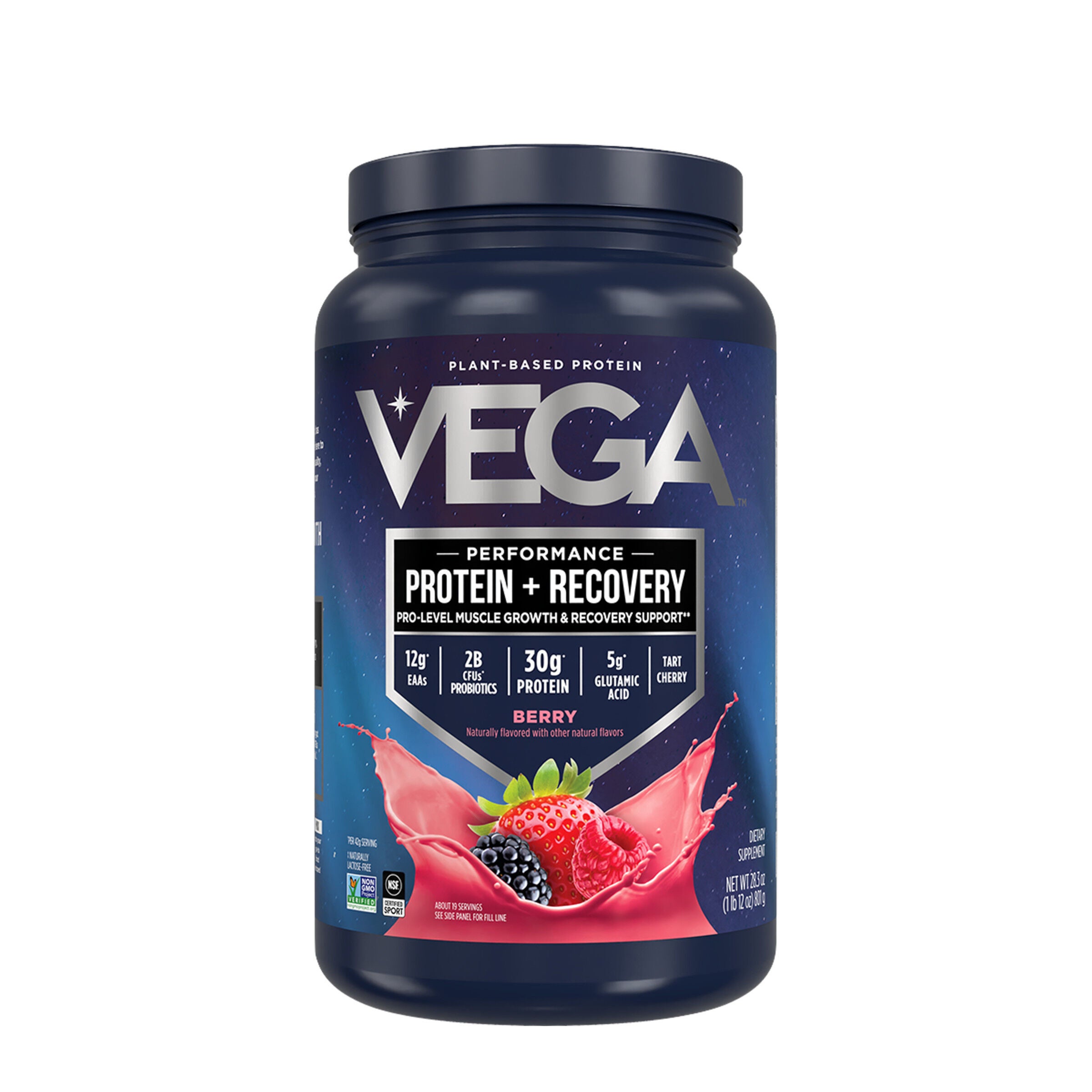
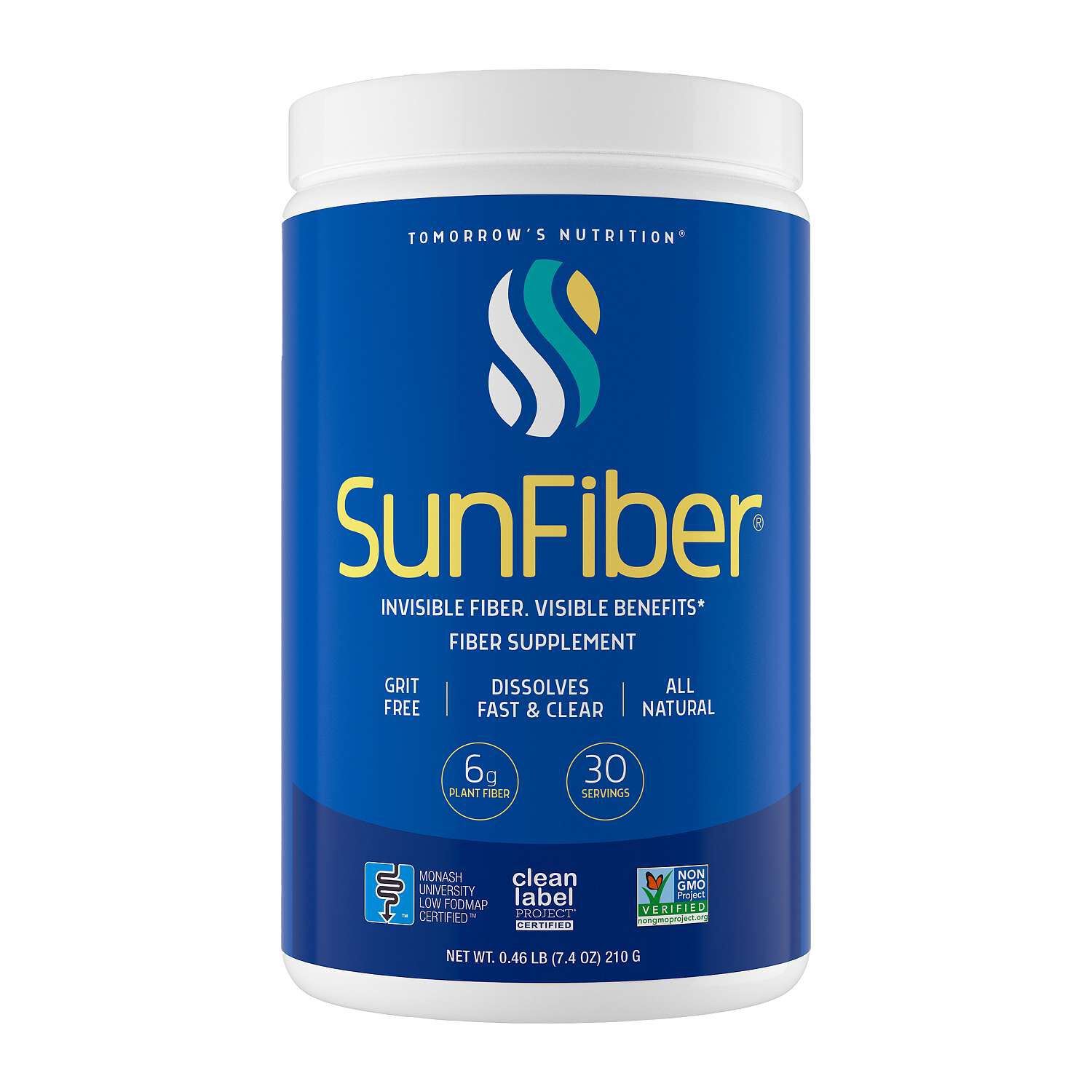
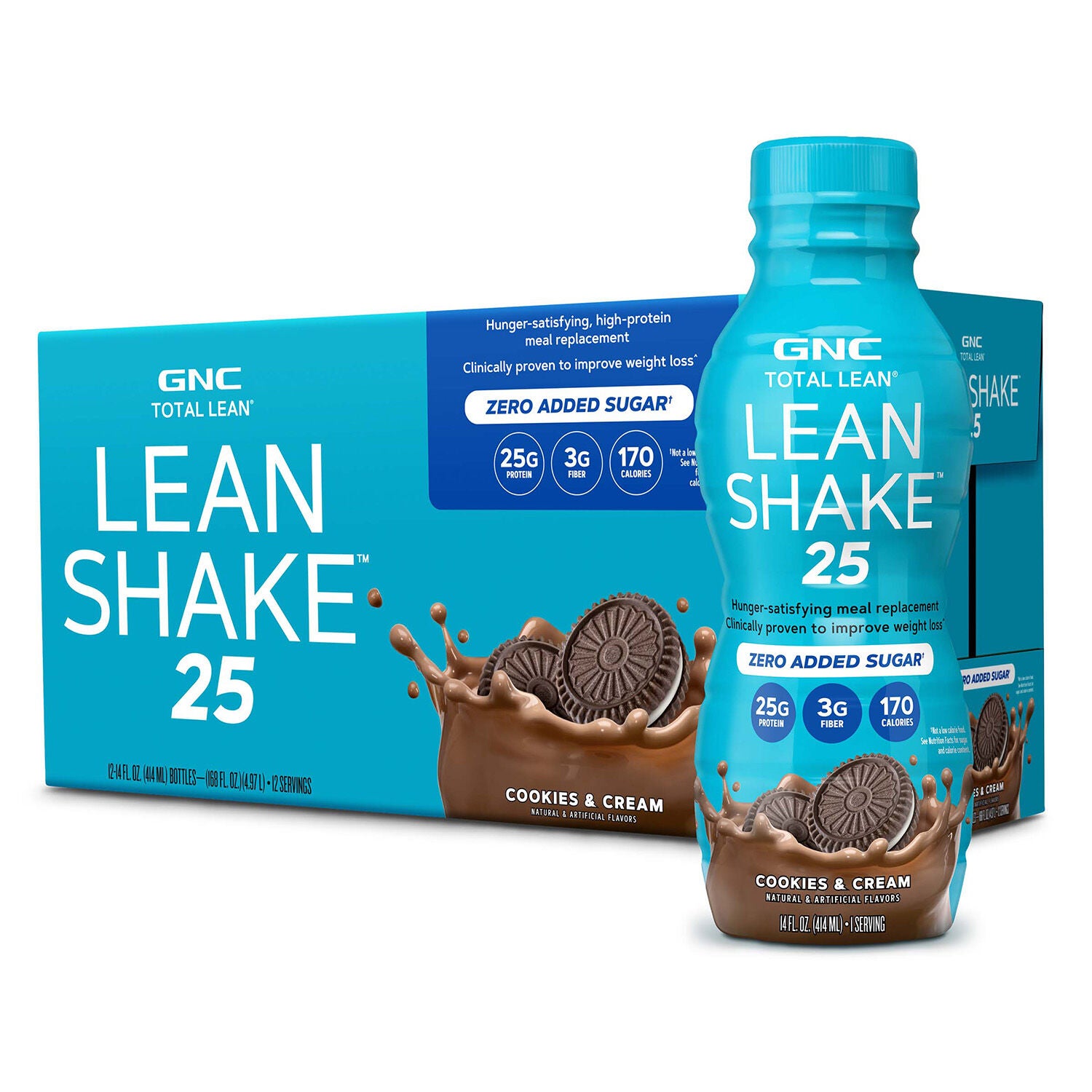
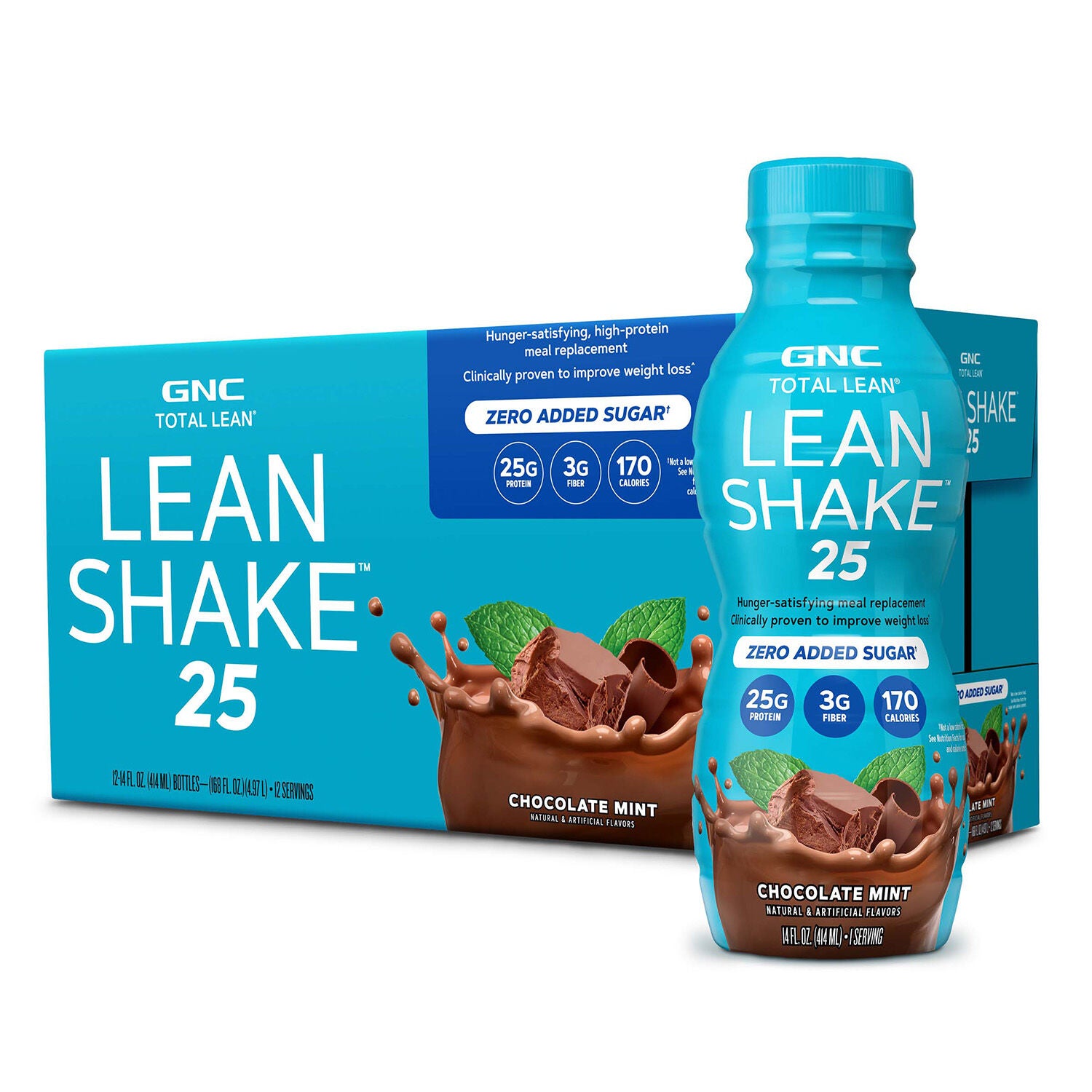
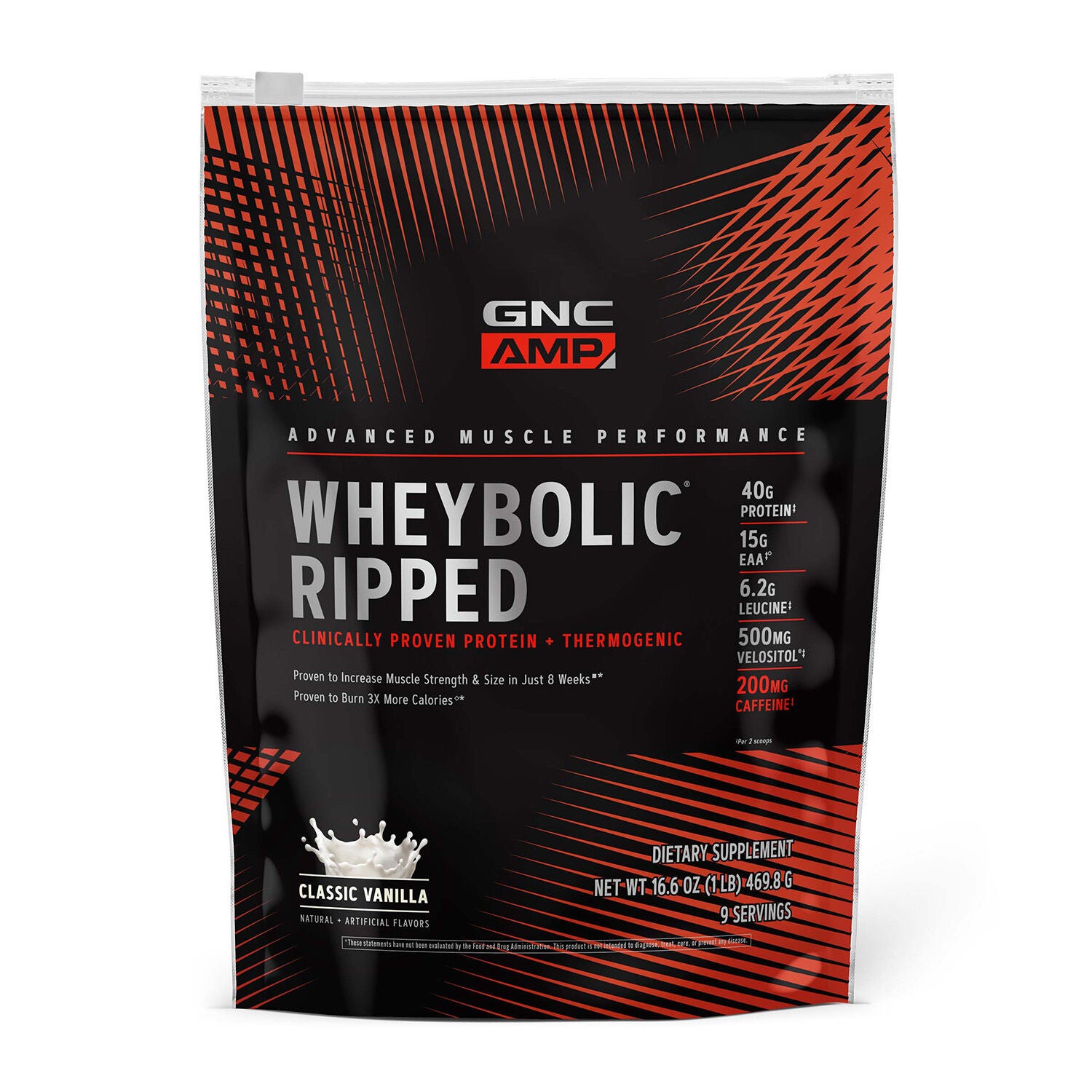
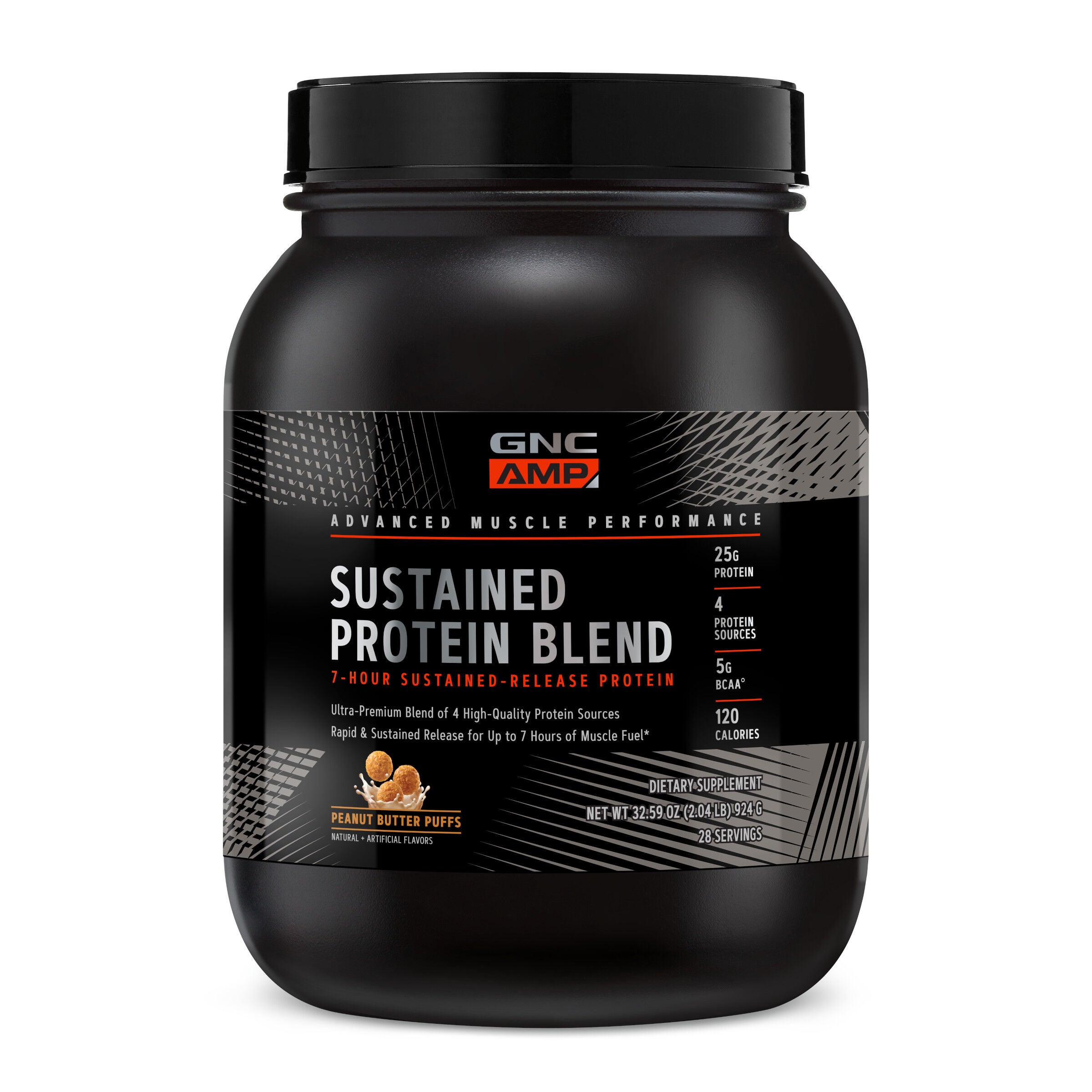

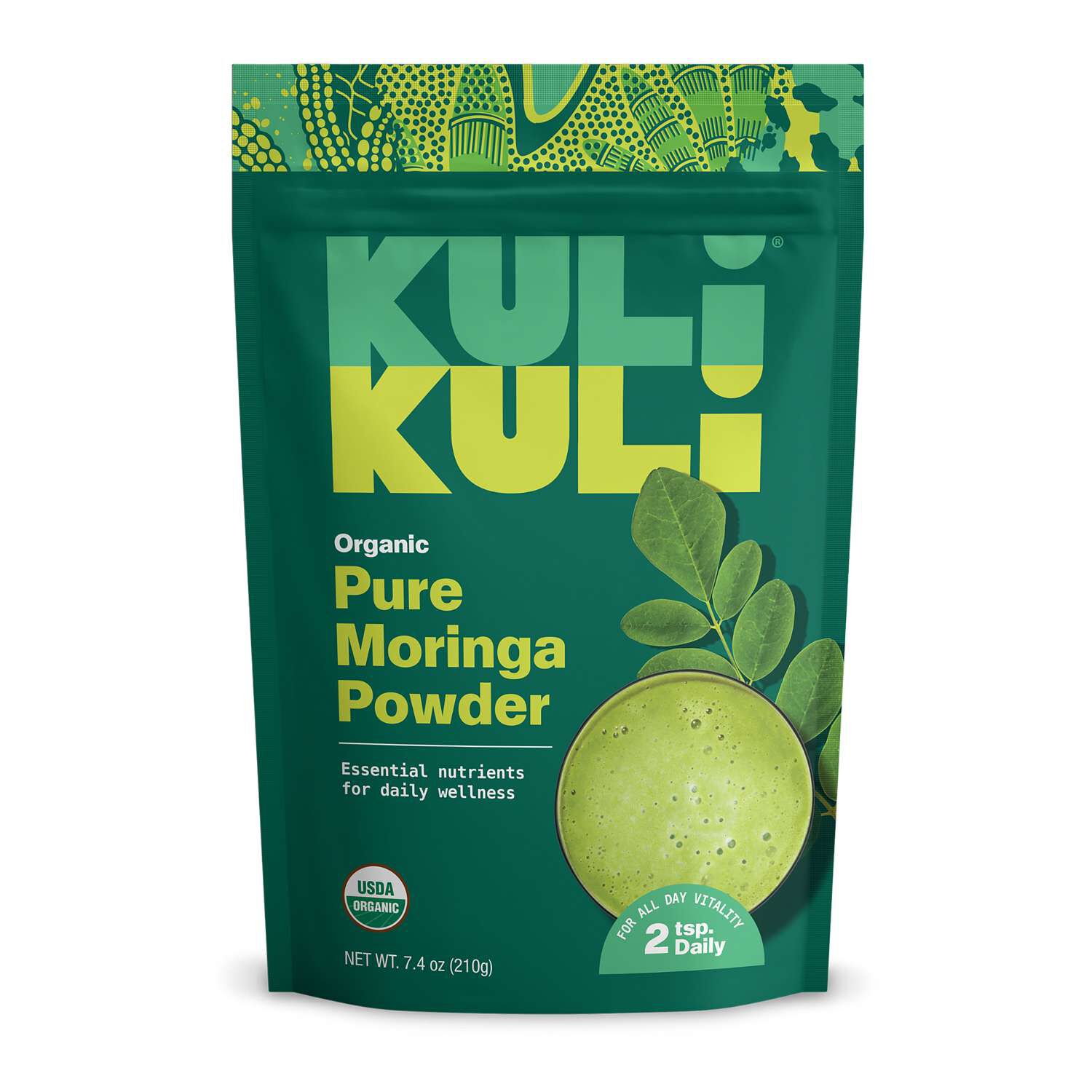

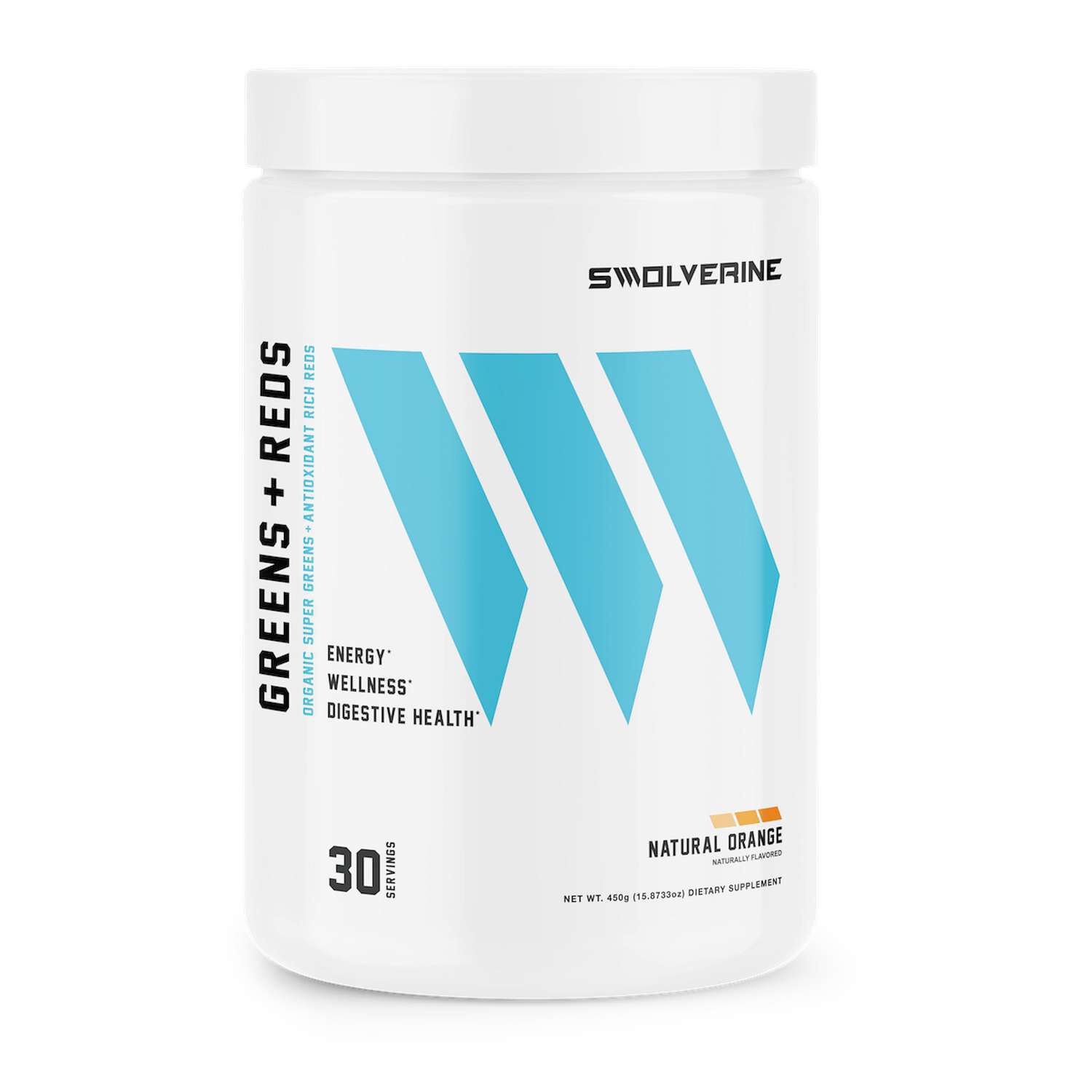

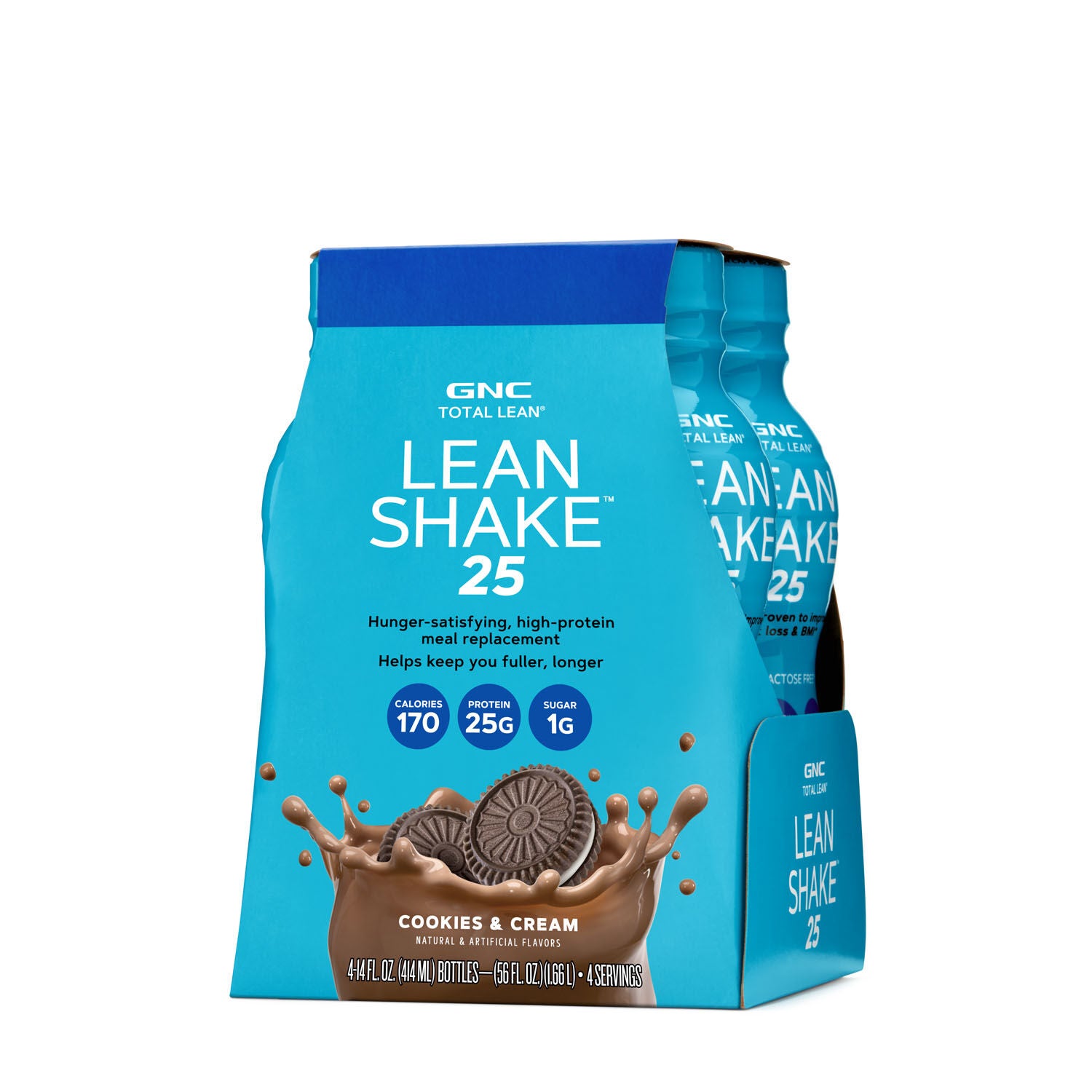
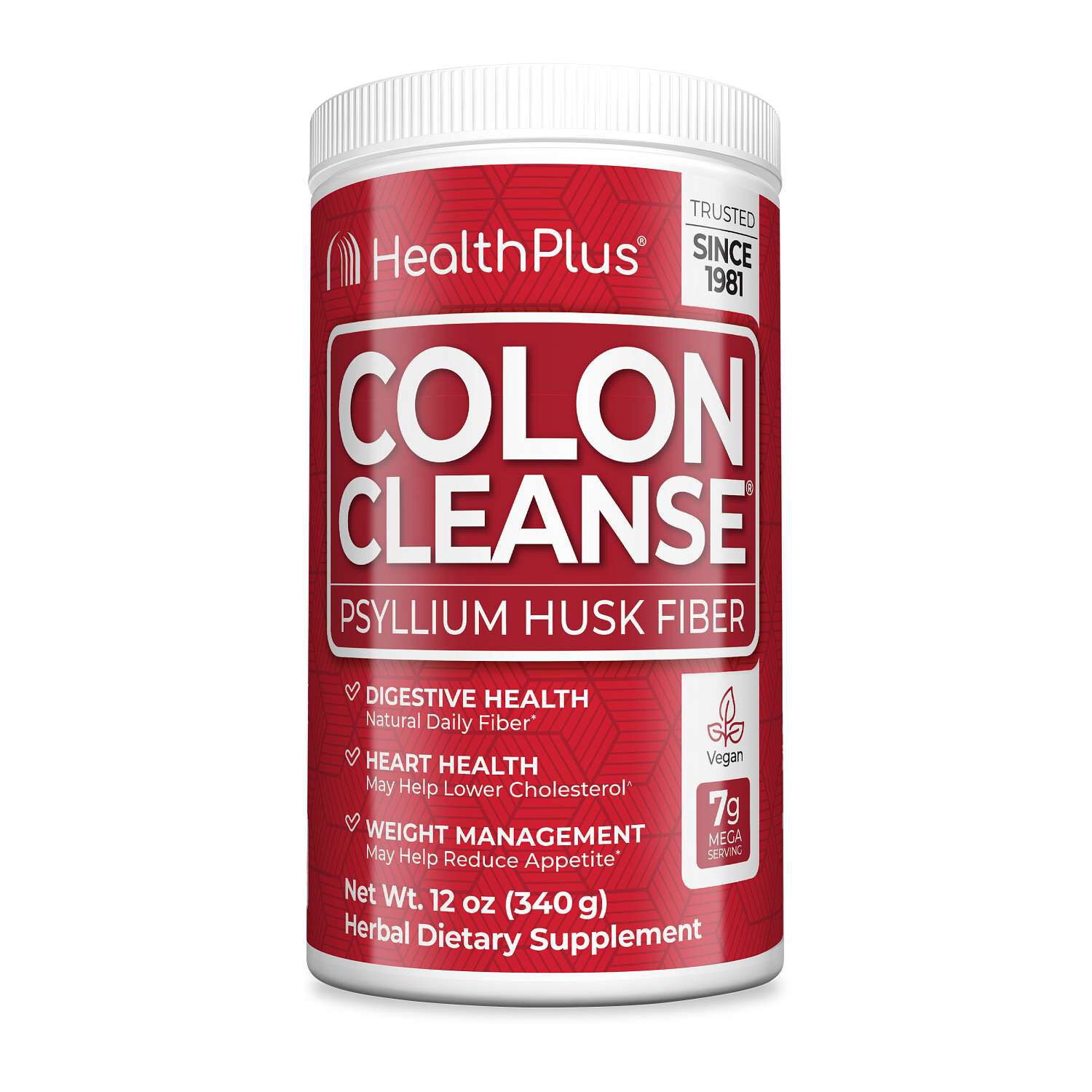
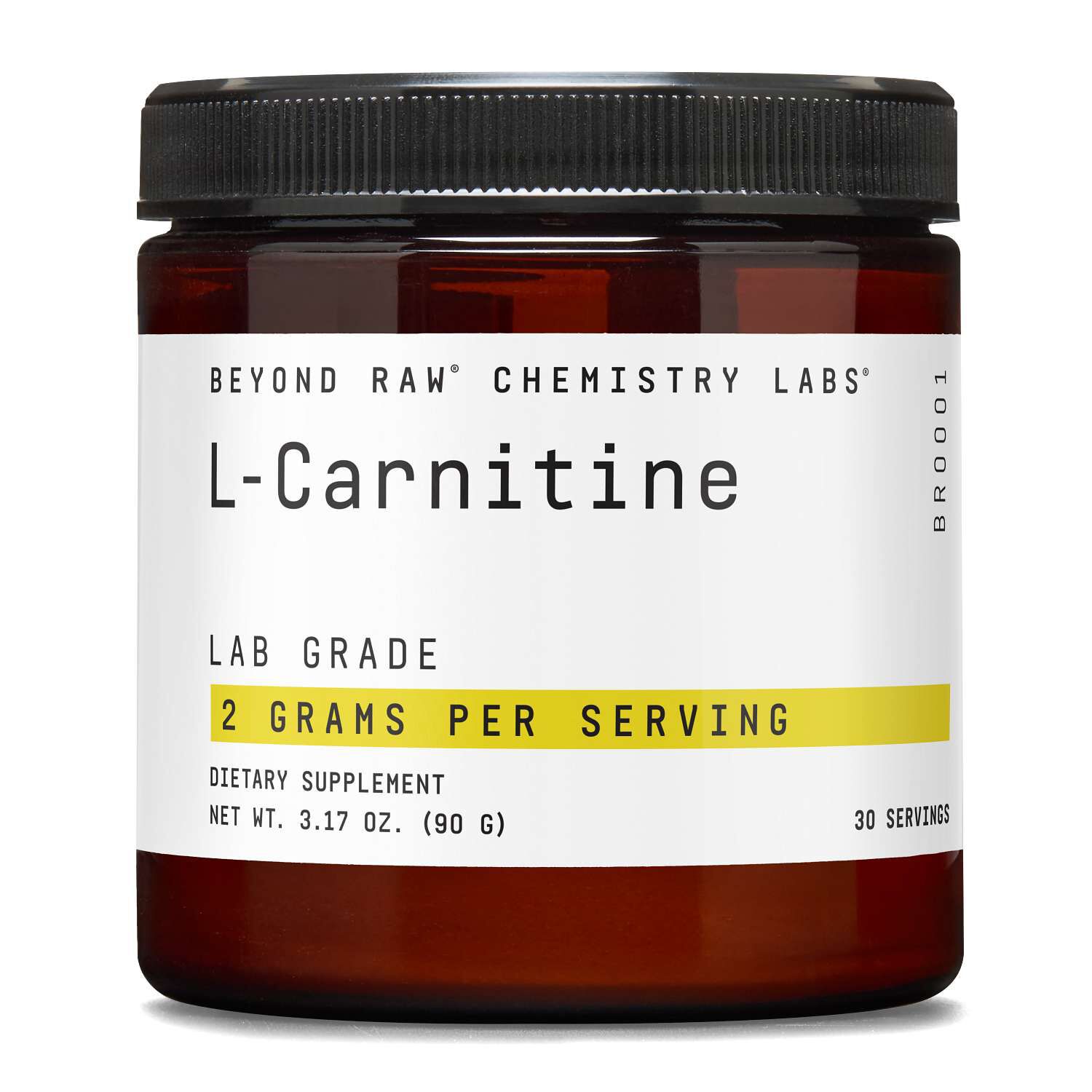


Dietary management powders offer a practical way to organize nutrition around busy routines, changing appetites, fitness goals, and personal food preferences. These shelf-stable formulas may include protein powders, meal replacement blends, fiber products, greens mixes, collagen powders, and specialty options designed for lower-carbohydrate or other eating patterns. Each category serves a different purpose, so reading the label remains one of the most useful steps before placing an order. Protein powders may help people add more protein to smoothies, oatmeal, yogurt, or baked recipes, while meal replacement powders may provide a convenient option when preparing a full meal is difficult. Fiber blends may fit into routines focused on digestive regularity, and greens powders may offer a simple way to include powdered plant ingredients alongside a varied diet. Specialty blends may appeal to people following particular nutrition preferences, training schedules, or ingredient limitations. For shoppers comparing dietary management powders, consider the serving size, protein and fiber content, added sugars, sweeteners, sodium, vitamins and minerals, flavor, texture, and preparation instructions. An ingredient list may also help identify common allergens or ingredients a shopper prefers to avoid. Powders vary widely in taste and consistency; some mix smoothly in cold water, while others work better with milk, a non-dairy beverage, fruit, nut butter, or a spoonful of yogurt. A shaker cup may suit a morning commute, and a blender may create a thicker drink with a texture closer to a smoothie. Because these products store easily in a pantry, they may be convenient for offices, dorm rooms, travel bags, and kitchen cabinets where fresh meal preparation is not always realistic.
People may choose dietary management powders for many everyday reasons. A person with an early commute might blend a powder with fruit before heading out the door, while someone who spends long afternoons away from home may keep single servings in a desk drawer or gym bag. A recreational athlete may use a protein powder after exercise as part of a broader eating routine, and a parent may appreciate a quick preparation option between school pickup and evening activities. Students, travelers, outdoor enthusiasts, and anyone managing an unpredictable schedule may value the portion guidance and shelf stability these products offer. They may also make thoughtful gifts for a friend who enjoys smoothie recipes, a family member setting up a home fitness space, or a colleague who likes experimenting with new pantry staples. Gift shoppers may want to consider familiar flavors, easy preparation, and whether the recipient prefers dairy-based or plant-based ingredients. For a more versatile present, a neutral or lightly flavored powder may work well in shakes, overnight oats, pancake batter, or blended coffee drinks. Those shopping for a personal routine may find it helpful to begin with one product category and one preparation method, then adjust based on flavor, convenience, and how well it fits daily meals. A powder may complement whole foods such as vegetables, fruit, grains, beans, nuts, seeds, eggs, fish, poultry, or other preferred protein sources; it does not need to replace every meal. When a label describes a product as a meal replacement, review the nutrition information carefully and consider how it fits with the rest of the day’s food and beverages. People with food allergies, dietary restrictions, specific nutrition needs, or questions about using a supplement may wish to discuss the label with a qualified healthcare professional.
For shoppers exploring a broader selection, Balanced Nutrition Powders may provide another category to compare with dietary management powders. Purchase decisions often come down to the details that make a product easy to use repeatedly: a flavor that pairs well with favorite ingredients, a texture that blends comfortably, packaging that stores neatly, and a serving size that suits the intended routine. During warmer weather, a chilled shake with ice, berries, and a non-dairy beverage may feel refreshing; during cooler months, a powder may work well stirred into oatmeal or blended into a room-temperature breakfast. For a thicker drink, try less liquid and a longer blend time; for a lighter beverage, add liquid gradually until the texture feels right. A small amount of cinnamon, cocoa, vanilla, or frozen fruit may change the character of a familiar flavor without requiring a complicated recipe. Check storage directions, use the included scoop when provided, and follow the serving guidance on the package. Some powders contain added sugars or sugar substitutes, and the nutrition panel may make comparisons easier when several options appear similar on the shelf. Since supplements are not held to the same standards as medicines, careful label review matters, particularly for ingredient amounts and personal dietary considerations. The most useful dietary management powder is often the one that fits naturally into real life: easy to measure on a busy morning, satisfying enough to enjoy, flexible enough for different recipes, and suitable for the shopper’s preferred way of eating.