





Energy Support Supplements For Busy Lifestyles
(0 Results)
Energy support supplements for busy lifestyles are designed with your on-the-go routine in mind. When packed schedules and daily demands keep you moving, these supplements may offer a convenient way to help you stay at your best. Explore options that fit seamlessly into your day and discover how energy support supplements for busy lifestyles could complement your wellness goals.
-
-

-
-

-

-

-

-

-
-
-
-

-

-

-

-
-
-
-
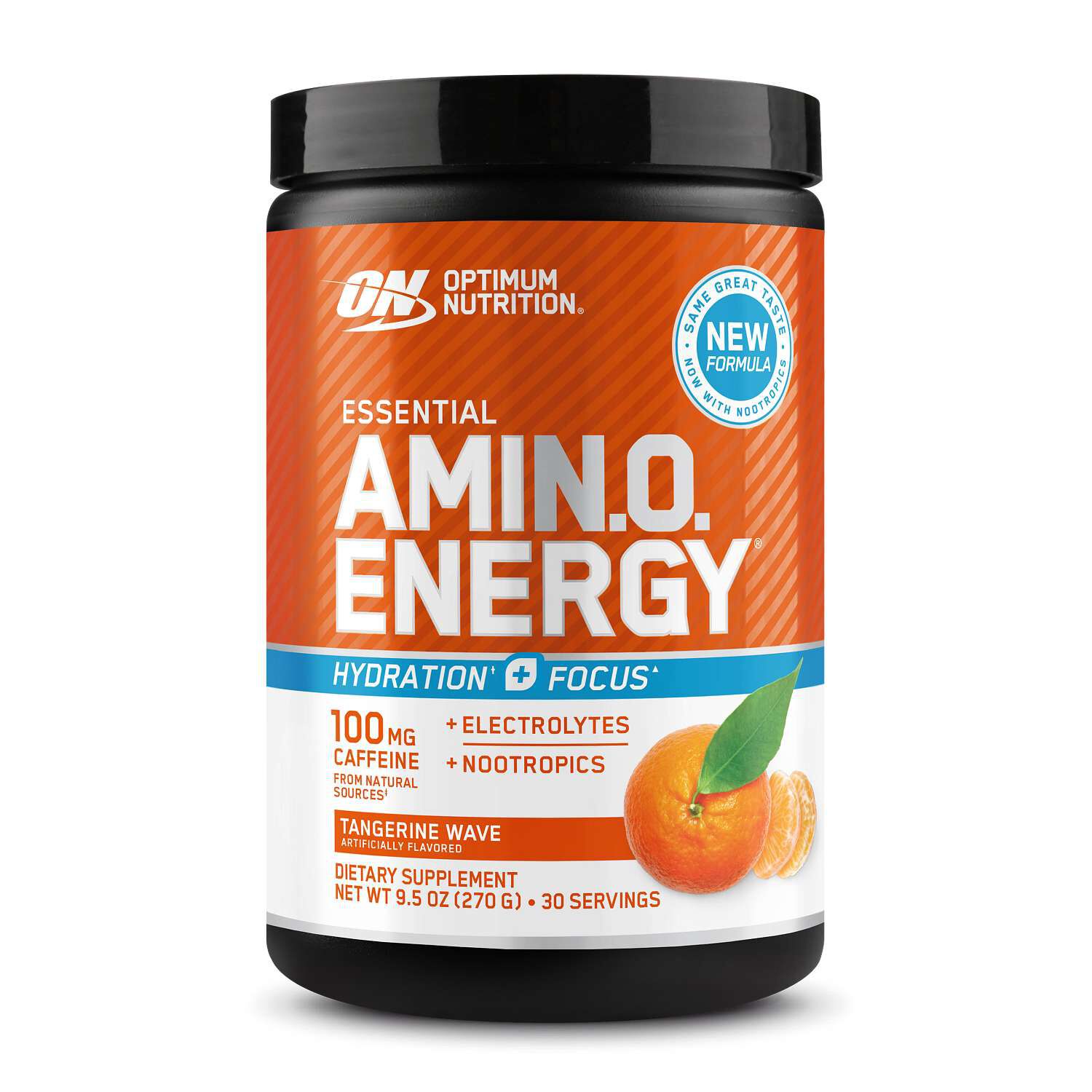
-
 459$24.99
 -
 Optimum Nutrition459$24.99
 -

-
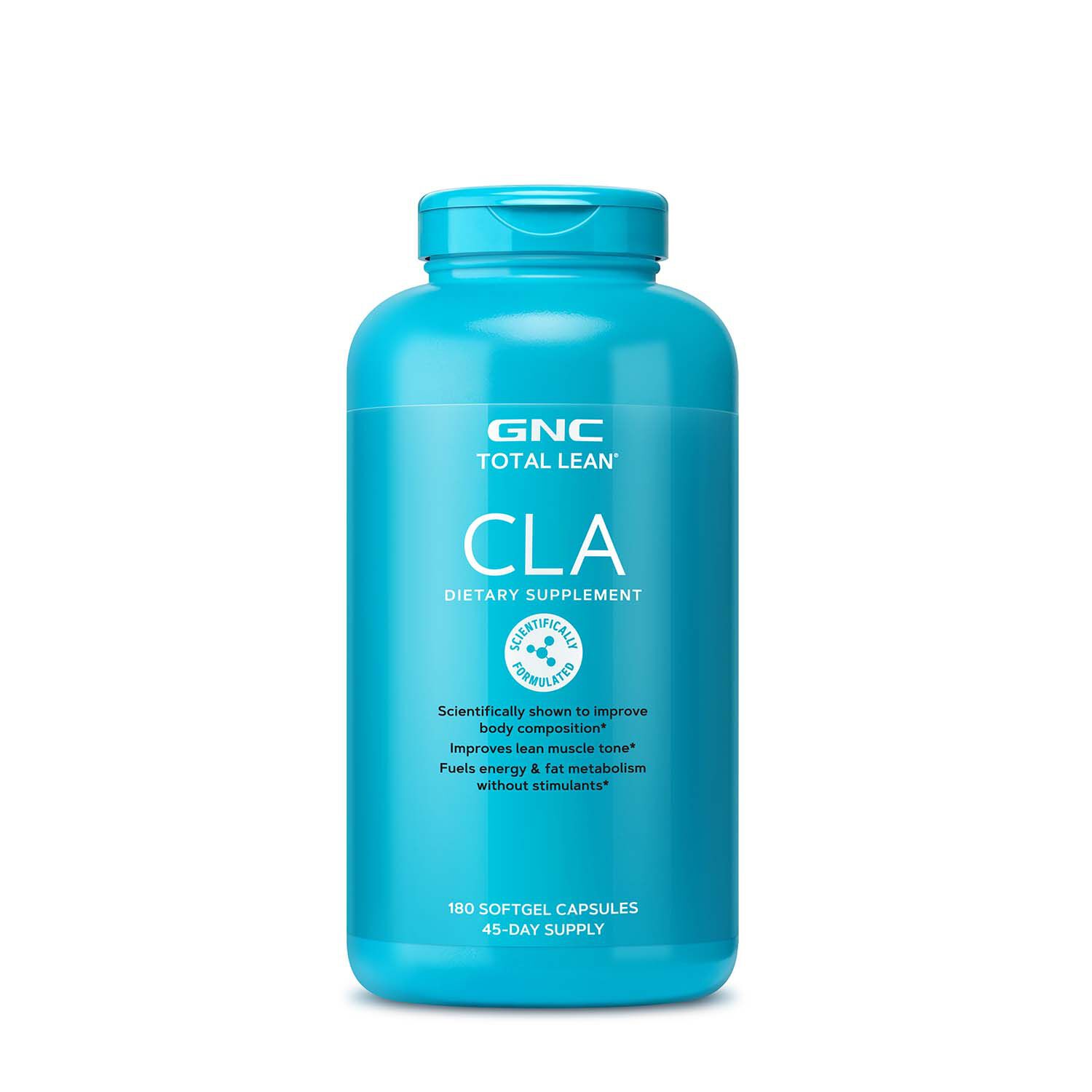
-

Energy support supplements for busy lifestyles bring together several types of products, from vitamin-based formulas to powders and capsules with caffeine or botanical ingredients. They share a broad purpose, but their ingredients, serving sizes, and intended uses can differ considerably. For someone moving from an early commute to a full afternoon of meetings, or balancing errands with an evening class, those distinctions matter more than a bold phrase on a package. A vitamin formula may support normal energy metabolism, while a caffeine-containing supplement may offer temporary support for alertness. These are different roles, and neither should be confused with the nourishment of a meal or the value of time set aside for rest. Energy support is best understood as a product category rather than a single ingredient or a uniform experience. Some formulas center on B vitamins, others combine vitamins and minerals, and others feature ingredients such as coenzyme Q10, commonly called CoQ10, or botanical extracts. The Supplement Facts panel provides a clearer picture of those differences than the format alone. A small capsule and a flavored powder might have similar ingredients, while two products that look alike might have very different serving directions. For shoppers whose main interest is vitamin-based options, Energy Support Vitamin Supplements offers a more focused category to explore. Comparing the named nutrients, amounts per serving, and other ingredients may help make a broad selection easier to navigate. A useful comparison also accounts for everyday habits: whether breakfast happens at home, whether coffee is already part of the morning, and whether a supplement would stay in a kitchen cabinet or travel in a work bag. The most relevant details are often ordinary ones, such as how many capsules make up a serving, whether a powder requires mixing, and whether the label describes daily use or use on particular occasions. Those practical differences deserve attention alongside the ingredient list.
B vitamins are common ingredients in energy support supplements, including vitamin B12, vitamin B6, thiamin, riboflavin, and niacin. A B-complex formula contains multiple B vitamins, while a single-nutrient option takes a narrower approach. These vitamins may support the body’s normal processes for using energy from food; they are not interchangeable with caffeine, and a larger listed amount does not necessarily indicate a more suitable choice. Vitamin B12 may be of particular interest to shoppers comparing the nutrient content of plant-based eating patterns, although dietary preferences alone do not establish individual nutritional needs. Magnesium also appears in some formulas and may support normal energy metabolism. CoQ10 is another ingredient associated with this category and may support normal cellular energy processes. Botanical options may include ginseng or ashwagandha, with the plant name, plant part, and extract information offering useful points of distinction. Their presence does not make one blend equivalent to another, and ingredient names alone cannot establish how a particular person might experience a formula. Caffeine belongs in a separate part of the comparison because it may temporarily support alertness rather than provide vitamin or mineral nutrition. Some labels list caffeine directly; others include sources such as coffee or tea extracts. The amount stated per serving is especially relevant when coffee, tea, or other caffeinated beverages are already part of the day. A formula without added caffeine should not automatically be treated as a product with immediate effects, either. Expectations should reflect the ingredients and labeled purpose rather than the word “energy” by itself. Clear labeling makes these distinctions easier to evaluate, especially when a blend contains several ingredient types. Where individual amounts are listed, shoppers can compare those amounts directly rather than relying on the overall weight of a blend. Allergen statements, sweeteners, flavors, and capsule materials add another layer of detail for people with specific food preferences. Together, these facts describe what is in a formula without assuming that every busy routine calls for the same approach.
Format is often where an energy support supplement either fits naturally into a routine or becomes another task to manage. Capsules and tablets involve no mixing, but serving counts and individual dimensions vary. Gummies offer a chewable format, with texture, flavor, and sugar content worth comparing. Powders involve preparation, so the stated amount of liquid, mixing directions, and container requirements matter for someone leaving home before a long day away. A desk drawer routine looks different from one built around a shared kitchen or frequent overnight travel. For the commuter carrying a laptop, lunch, and a water bottle, package dimensions and a secure closure are practical considerations. For someone who prefers to keep supplements beside breakfast supplies, a clearly marked bottle and readable serving directions may be more relevant than portability. Packaging materials and closure design are worth considering, but supplements are consumable products, so care centers on preserving the contents according to the label rather than on long-term durability. Storage instructions, date markings, and keeping the original label accessible all deserve attention. Powder containers may call for particular handling to limit exposure to moisture, while other formats may have their own storage requirements. Product directions remain the reference point for those details. Adults comparing energy support supplements might include office workers, students, frequent travelers, or people whose days combine paid work with household responsibilities. A packed calendar, however, does not by itself identify which ingredients would suit an individual. Nor does a demanding schedule make an energy supplement a straightforward gift: personal preferences, existing routines, and label suitability matter more than an assumption that someone needs extra support. For everyday shopping, a manageable comparison can stay centered on a few concrete facts: the formula’s intended use, the ingredients and their stated amounts, the serving format, and the care instructions. A product that looks convenient on a screen still needs to make sense beside a breakfast plate, inside a travel bag, or wherever that person actually keeps a daily routine. That grounded perspective keeps the category focused on nutritional preferences and practical fit, rather than on unrealistic expectations of what a supplement might do.