Fat Burners With Ashwagandha
(0 Results)
Fat burners with ashwagandha offer a unique combination for those looking to support their wellness journey. Ashwagandha is an adaptogenic herb that has been valued in traditional wellness practices, and when included in fat burner formulas, it may provide a distinctive approach to reaching your fitness goals. Explore options that blend these ingredients to find a supplement routine that aligns with your lifestyle and preferences.
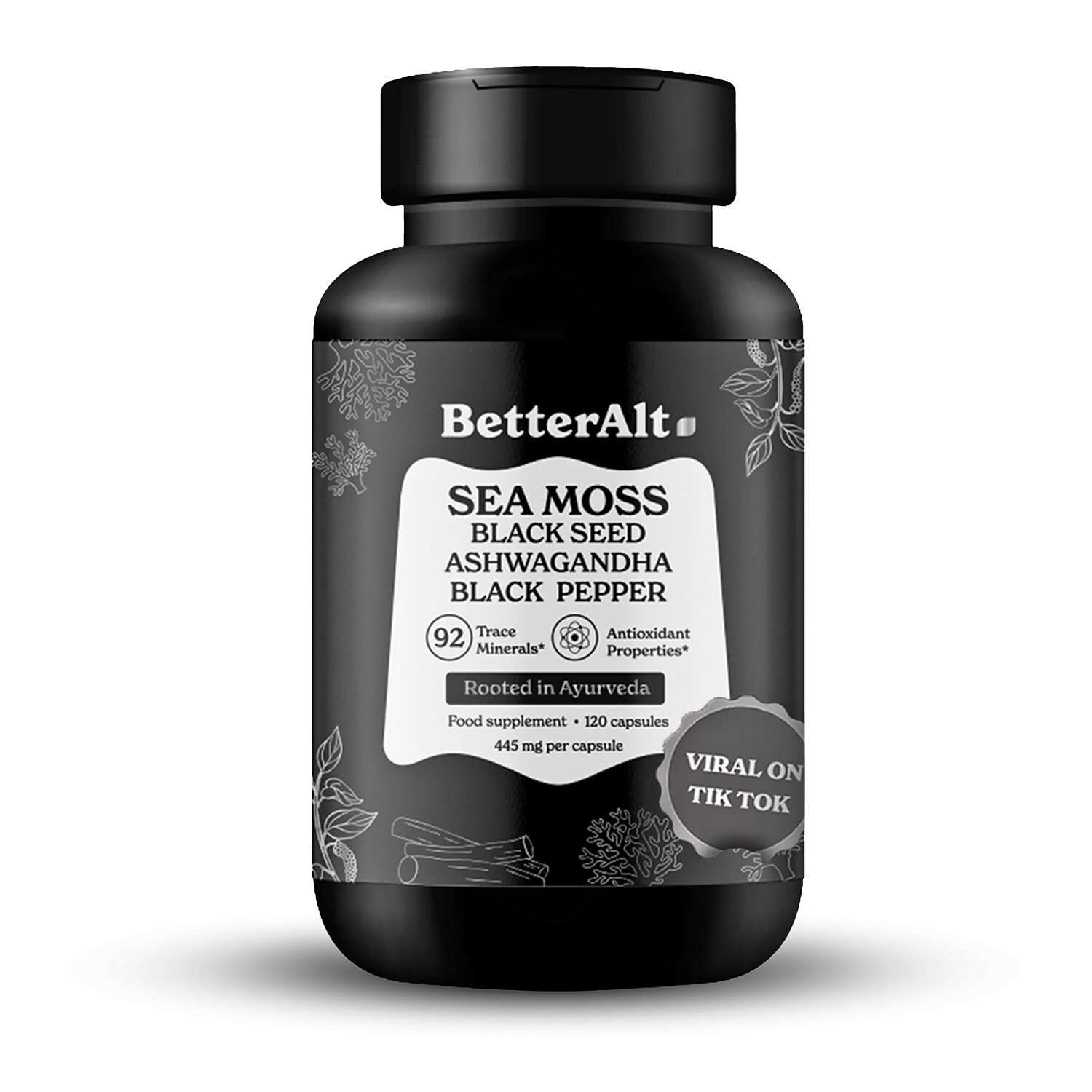


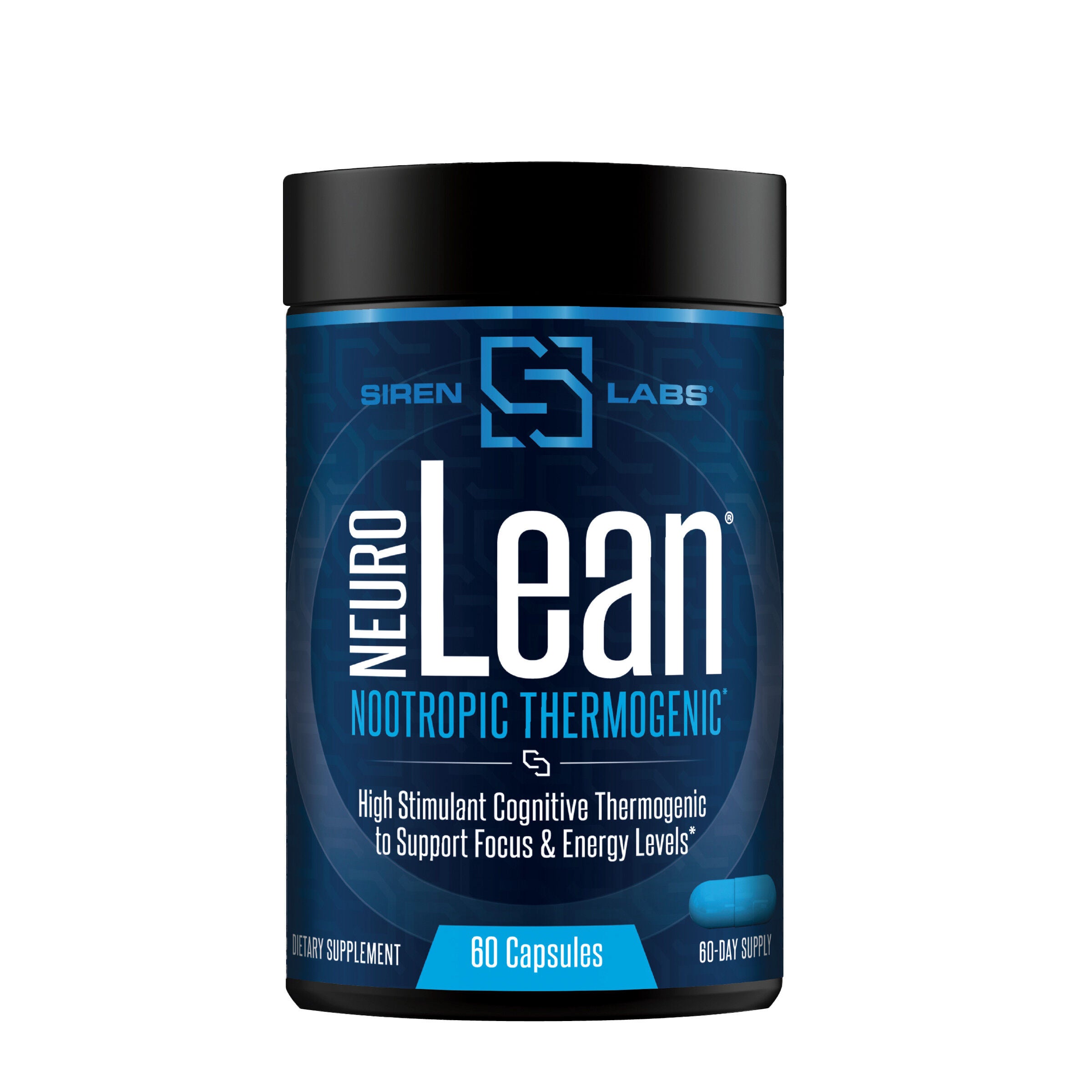

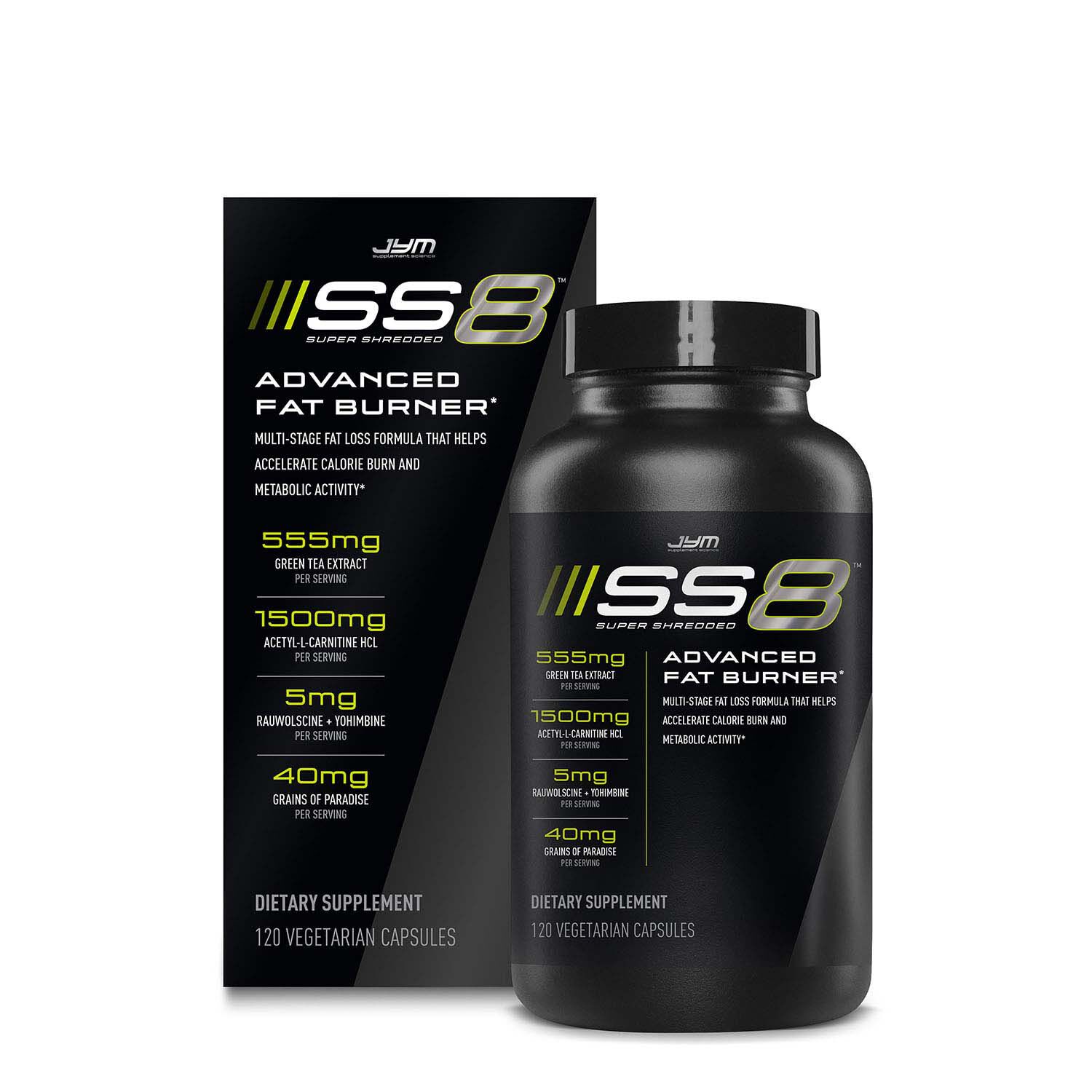
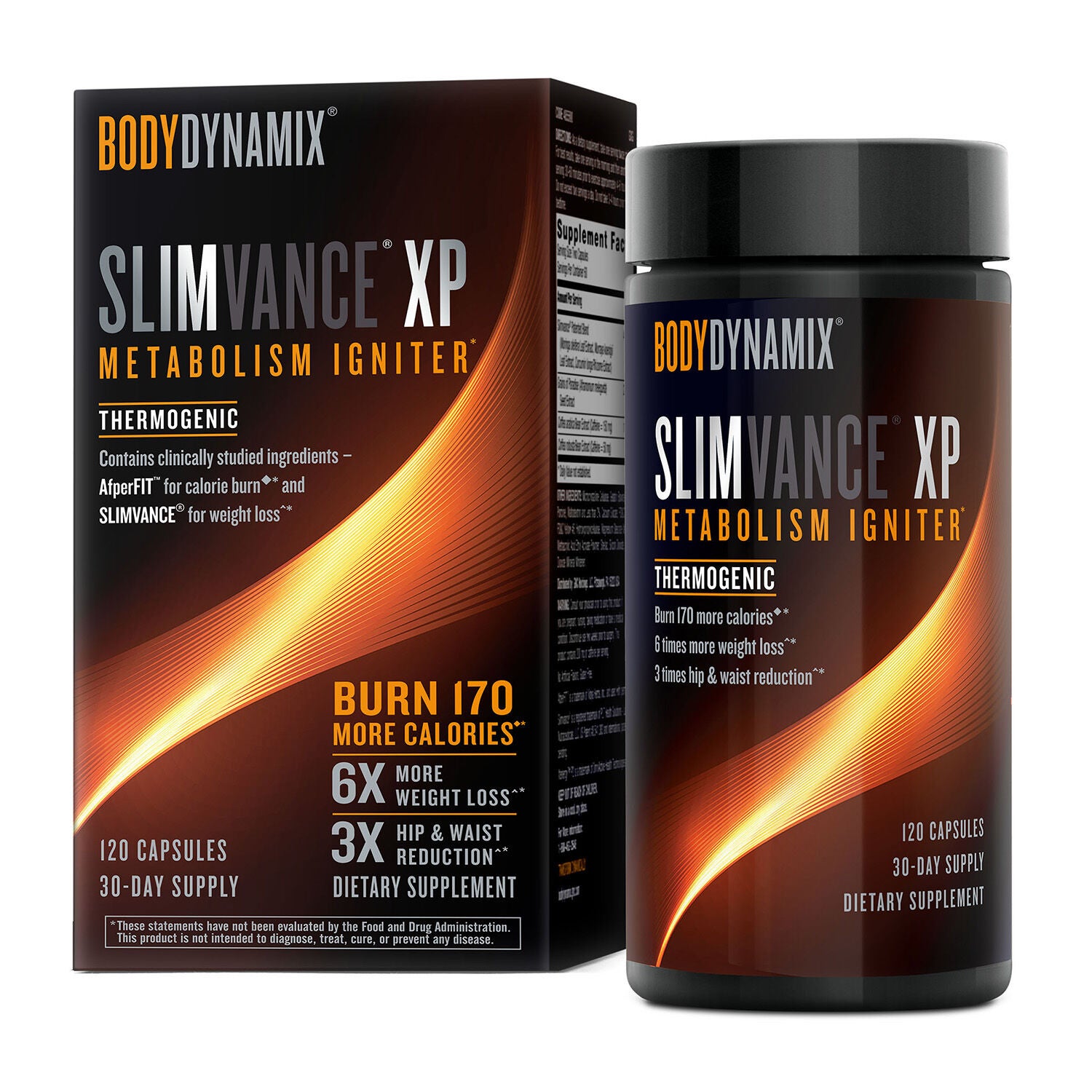
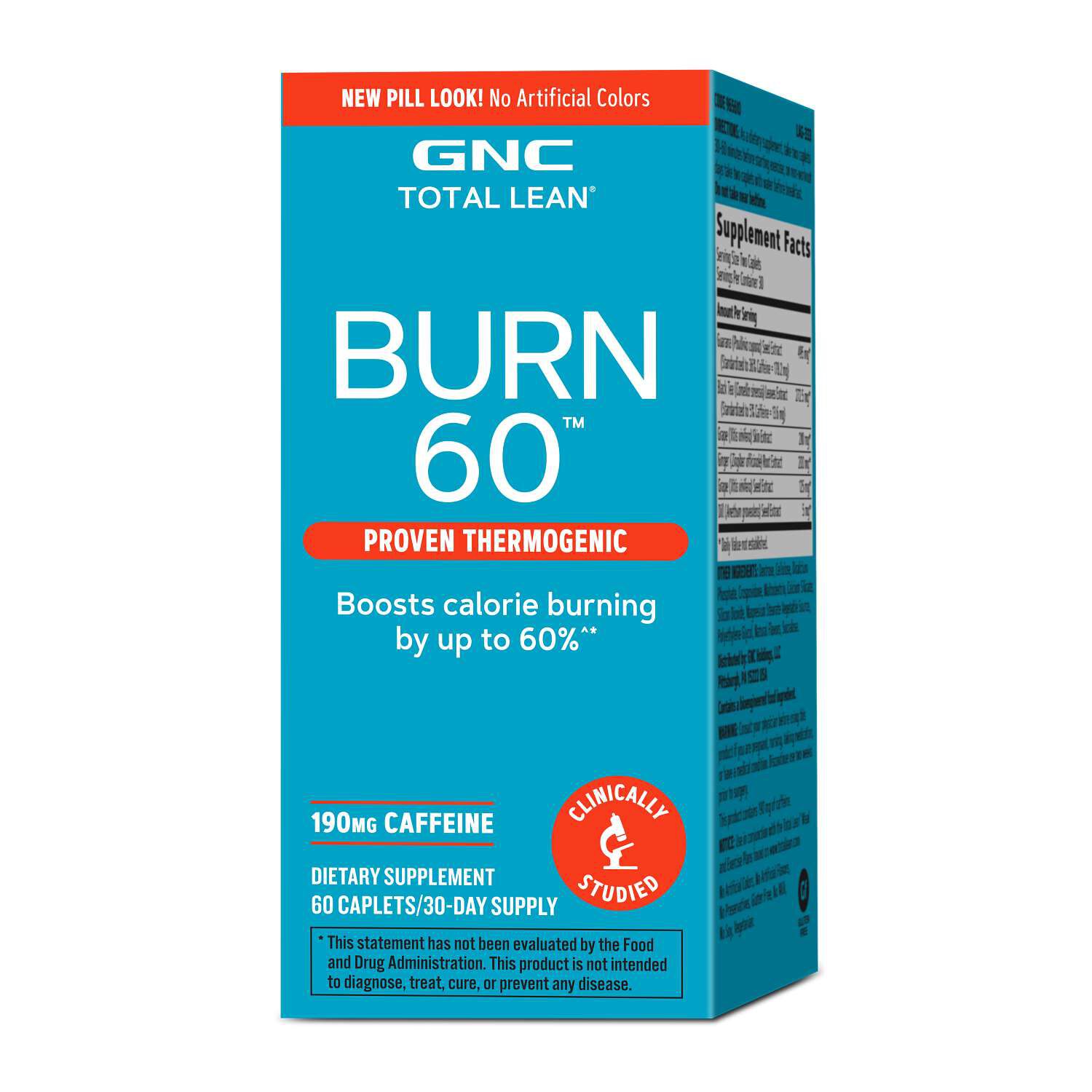
Fat burners with ashwagandha are dietary supplements that pair ashwagandha with ingredients commonly used in weight-management formulas. The category brings together two different formulation approaches: blends built around caffeine or other ingredients associated with daytime routines, and blends centered on botanicals and a more relaxed approach to daily supplementation. Ashwagandha is a botanical with a long history of traditional use, and supplement labels may identify it by its botanical name, Withania somnifera. Its presence in a fat burner does not make every formula interchangeable. The plant part, preparation method, amount per serving, and accompanying ingredients all help distinguish one blend from another. Ashwagandha may support relaxation, while caffeine may support alertness; those potential effects are different from a demonstrated change in body composition. The term “fat burner” describes a supplement category rather than an established outcome for every person who uses it. These products belong in the context of everyday eating habits, regular movement, and consistent rest, not as substitutes for those routines. For adults comparing supplements around personal fitness goals, that distinction keeps the focus on what a label actually contains. A person whose morning includes breakfast and a workout may have different preferences from someone who exercises after work and prefers to avoid caffeine later in the day. The appeal of a combination formula is often practical: several ingredients appear in one labeled serving rather than in separate containers. That convenience does not establish whether the blend matches a particular routine, however. A formula with a lengthy ingredient list is not automatically a closer match than a simpler one. Meaningful differences lie in ingredient identity, disclosed amounts, serving directions, and the relationship between the supplement and other products already used throughout the day. Within this category, ashwagandha is one part of the formula, so the surrounding ingredients deserve just as much attention as the botanical named on the front of the package.
The ashwagandha portion of a formula can take several forms, including root powder, root extract, or preparations made with both root and leaf. Those descriptions refer to different ingredient compositions, even when the front labels use similar wording. An extract’s milligram amount is not directly interchangeable with the same milligram amount of plain plant powder. Extraction ratios and standardization statements add context, but neither replaces a clear description of the ingredient and its serving amount. Some labels identify a specified percentage of withanolides, naturally occurring compounds found in ashwagandha. That percentage describes a compositional characteristic; by itself, it does not establish how a finished blend will perform. Shoppers interested in exploring the botanical beyond combination formulas can compare the related category of Concentrated Ashwagandha. In fat burners with ashwagandha, the rest of the Supplement Facts panel provides important context for the blend’s intended use. Caffeine, tea extracts, amino acids, vitamins, and other botanicals can create very different ingredient profiles. A tea extract is not necessarily the same as a clearly disclosed caffeine amount, and a front-label reference to an herb does not describe every constituent it contains. Likewise, a proprietary blend may list its combined weight without showing the amount of each component. Transparent serving information makes comparisons more meaningful than capsule counts or prominent numbers viewed alone. For example, a bottle containing smaller capsules may require several capsules per serving, while another format may use a different serving size. The relevant comparison is the labeled serving and its contents, rather than the appearance of a single capsule. Capsule-shell materials, coloring ingredients, flavorings, sweeteners, and allergen statements also matter to shoppers with dietary preferences. Plant-based capsule shells and gelatin shells are distinct material choices, and the presence of a botanical ingredient does not establish that every other part of the product is plant-based. These details give the category its variety without making any one ingredient profile universally preferable.
Everyday usability also shapes the fit of an ashwagandha-containing weight-management supplement. Capsules and tablets have different dimensions, coatings, and textures, while any flavored format brings its own taste and preparation considerations. Serving frequency can matter as much as format: a routine organized around a single breakfast-time serving feels different from one involving multiple labeled servings across the day. A commuter packing a lunch bag, an adult organizing supplements beside a breakfast bowl, and a fitness enthusiast comparing a supplement with an existing pre-workout routine may each prioritize different details. Where caffeine is present, its amount has relevance beyond the bottle because coffee, tea, energy beverages, and other supplements may contribute caffeine as well. Daytime and evening positioning should be understood through the actual ingredients and package directions, not through the product category alone. A formula without caffeine is not automatically intended for bedtime, just as a blend containing ashwagandha is not automatically designed around rest. Additional ingredients, including melatonin in some evening-oriented formulas, make those distinctions particularly important. Packaging and care deserve attention, too. A clearly printed lot code, an intact package seal, and a readable expiration date provide useful information about the container in hand. Storage directions address the conditions intended for the product, while a securely closed original container keeps the label and its contents together. Moisture, direct sunlight, and unsuitable storage can affect product quality, so a bathroom shelf or a loosely closed gym bag may be a poor match for the package directions. For this category, durability is less about rugged construction and more about maintaining the condition of the supplement and the legibility of its labeling throughout use. Fat burners with ashwagandha are a personal purchase, with suitability shaped by individual preferences, existing routines, and the full formulation rather than a broad gift-giving occasion. A thoughtfully chosen format may make a supplement routine more convenient, but convenience and potential product effects remain separate considerations. Clear ingredient information, practical packaging, and realistic expectations provide a grounded basis for comparing these combination supplements.