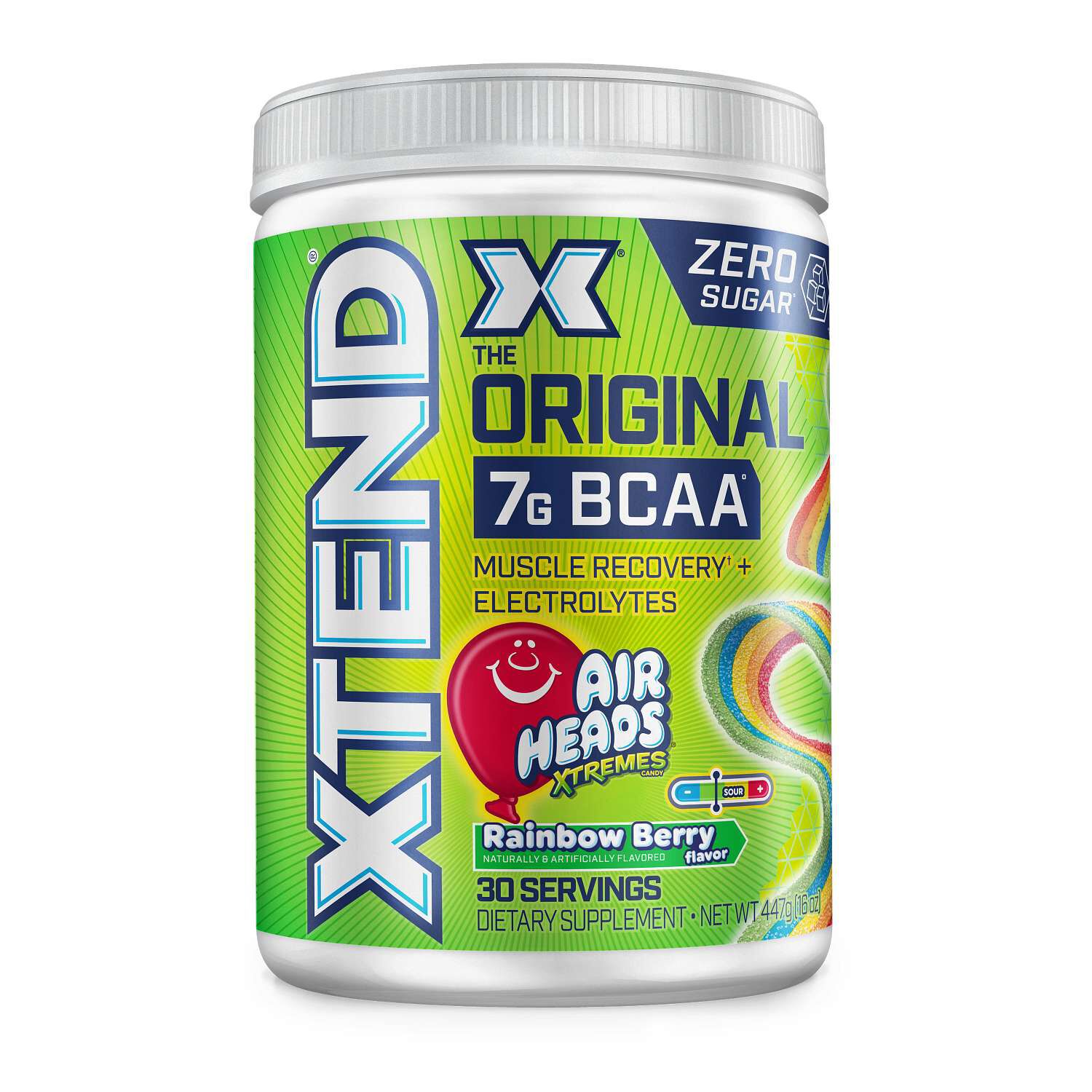
Fermented BCAA
(0 Results)
Unlock the potential of your workout routine with Fermented BCAA supplements, which may support muscle recovery and enhance endurance. Derived from natural fermentation processes, these branched-chain amino acids could offer a cleaner, more sustainable option for fitness enthusiasts. Ideal for those looking to optimize their performance, Fermented BCAAs might help reduce muscle soreness and promote faster recovery. Explore the benefits of incorporating these powerful amino acids into your regimen and take your fitness journey to the next level.


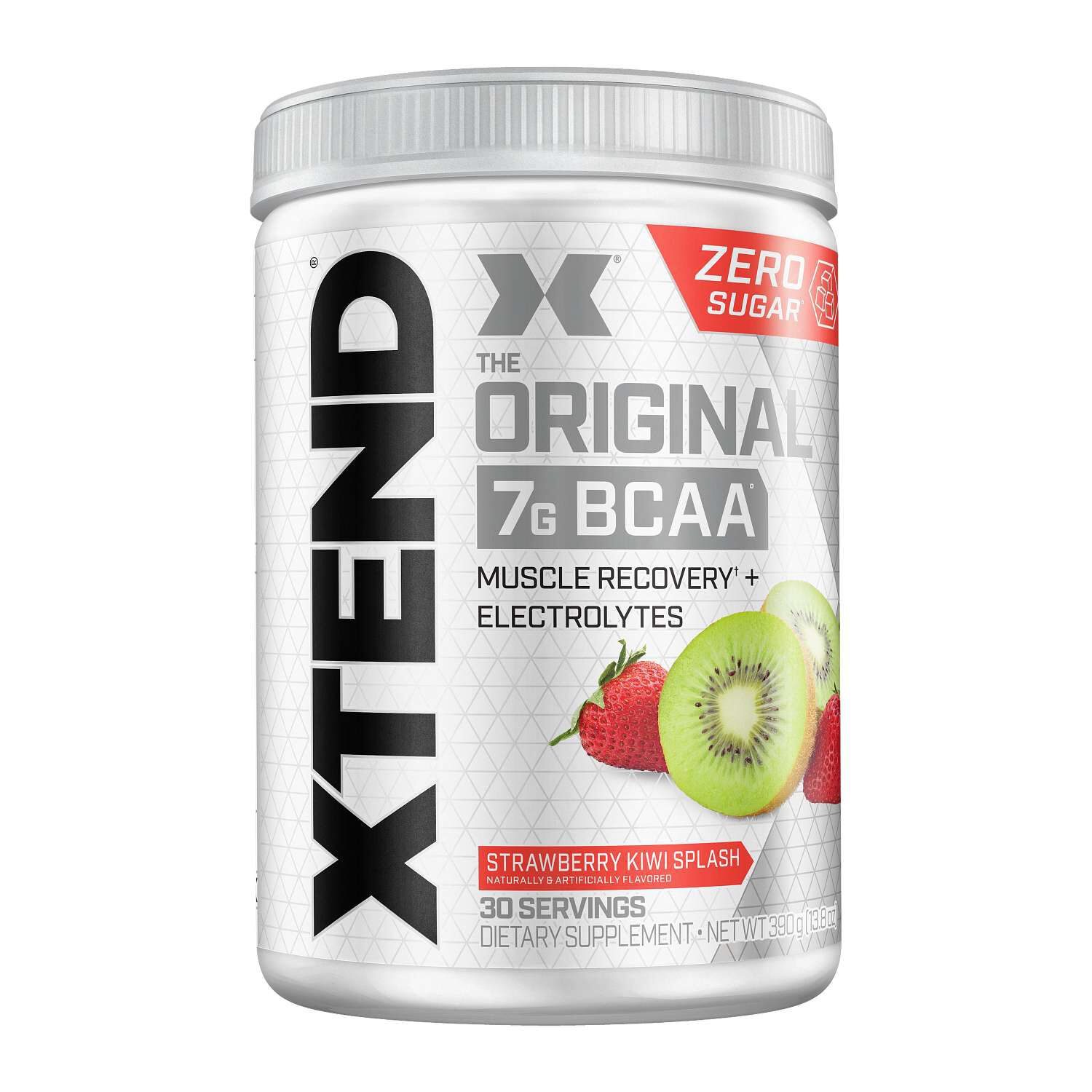
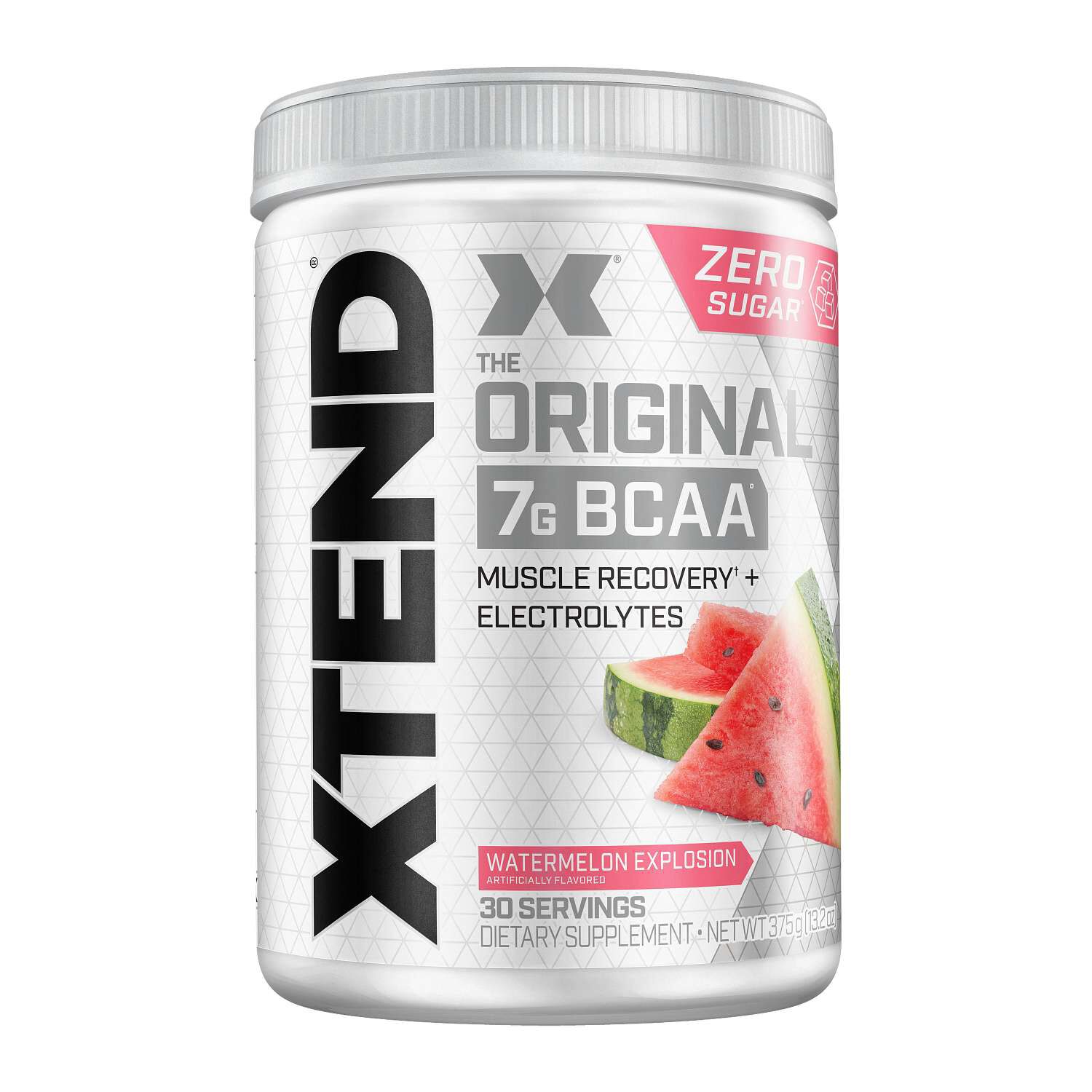

Fermented BCAA supplements contain branched-chain amino acids produced through fermentation: leucine, isoleucine, and valine. These three amino acids are also found in protein-containing foods, and their “branched-chain” name refers to their molecular structure. In supplement manufacturing, fermentation uses microorganisms in a controlled environment to convert a carbohydrate source into amino acids, which are then separated, purified, and prepared for use in powders or other formats. Plant-derived carbohydrates, such as sugars from corn or sugarcane, can serve as starting materials. For shoppers, the distinction is primarily about sourcing and production rather than a different set of amino acids. Fermented leucine is still leucine; fermentation alone does not establish that a formula is more effective, easier to digest, or faster to mix than another option. It also does not mean that the finished supplement contains live cultures or has the same characteristics as fermented foods. This makes the ingredient label especially useful when comparing fermented BCAA powders with other amino acid supplements. A fermentation statement explains one part of the manufacturing story, while the Supplement Facts panel, other ingredients, and dietary certifications describe the finished formula more fully. Shoppers who prefer plant-derived ingredients often look for fermented amino acids, but the word “fermented” by itself does not establish that every ingredient in a supplement is vegan. Capsule materials, flavor ingredients, and other components deserve separate consideration, and an explicit vegan designation offers more relevant information than assumptions based on the manufacturing method. The same distinction applies to organic certification, genetic engineering statements, and allergen information: each is a separate attribute rather than an automatic consequence of fermentation. For someone who already pays attention to where a protein powder or multivitamin comes from, fermented BCAAs offer another opportunity to compare ingredient origins with personal preferences. Clear sourcing language and a straightforward formula can make that comparison more concrete, whether the intended setting is a home workout space, a neighborhood gym, or a bag packed for an afternoon training session.
The proportions and serving amounts on a fermented BCAA label help explain what is inside the container. A common ratio is 2:1:1, meaning two parts leucine to one part isoleucine and one part valine by weight. That ratio describes the relationship among the three amino acids, not the amount in a serving and not a rating of product quality. Two formulas can display the same ratio while providing different quantities of BCAAs, so the gram amount per serving matters alongside the ratio. Serving size is another distinction: a serving may be defined as one scoop, several scoops, or a stated number of capsules, depending on the format. The weight of a powder serving can also include flavoring ingredients, acids, sweeteners, or other components rather than amino acids alone. Clearly disclosed individual amounts make comparisons more transparent than a blend name without the corresponding quantities. Some formulations focus on the three BCAAs, while others combine them with additional amino acids, electrolytes, creatine, or caffeine. Those additions change the ingredient profile and the intended use of the formula; they are not part of the definition of fermented BCAAs. A person who already uses a separate workout drink may prefer a simpler ingredient list, while another shopper may be comparing blended formats for a particular routine. Neither approach makes a larger ingredient list inherently better. BCAAs also differ from protein powders, which generally provide a broader range of amino acids. A three-amino-acid supplement is not nutritionally interchangeable with a protein-containing meal or a varied protein supplement. The distinction is useful for shoppers organizing several products on the same shelf, where similar packaging can hide very different compositions. Independent testing information can provide another point of comparison, particularly for athletes whose organizations have specific supplement requirements. The exact scope of a certification matters more than a general impression created by the front label, since ingredient verification and testing for substances restricted in sport are different considerations.
Flavor, format, and everyday handling shape the experience of using fermented BCAA supplements just as much as the numbers on the label. Powders suit shoppers who prefer mixing a drink, while capsule formats suit those who would rather avoid another flavored beverage, where those formats are offered. An unflavored powder is not necessarily without taste: amino acids can have a noticeable bitter character, and that character may remain apparent when mixed into water or another drink. Flavored formulas use combinations of flavoring ingredients, sweeteners, and acids to create a different taste profile. Fruit-inspired blends may range from bright citrus to softer berry notes, with sweetness and tartness varying by formula. For shoppers comparing that side of the category, Flavored BCAA Supplements provide a related focus on taste preferences. The amount of water specified on a label is relevant to the intended concentration and texture; using a small glass rather than a larger shaker changes how concentrated the same serving tastes. Fermentation does not ensure that every powder disperses identically, and foam, cloudiness, or settling can depend on the full formulation and mixing method. Package directions provide the product-specific reference for preparation and intended use. In practical terms, a wide-mouth bottle can make powder easier to add, while a securely closing container matters when a drink shares a bag with shoes, clothing, or a laptop. A dry scoop, a firmly closed lid, and storage away from moisture help keep the powder in suitable condition during regular handling. Expiration dates and package storage instructions remain relevant even when the container looks unchanged. Container size also affects the daily experience: a larger tub occupies more shelf space, while a compact package may fit more easily into a smaller storage area. Fermented BCAA supplements are generally a more personal choice than a casual fitness gift because flavor preferences, dietary practices, and existing routines vary. For an adult who has already expressed a preference for this category, attention to ingredient sourcing, serving details, and familiar flavors makes the selection more thoughtful. Those concrete details give the category its practical meaning beyond the fermentation claim alone.
Best Sellers
-
 Gorilla Mind
 -
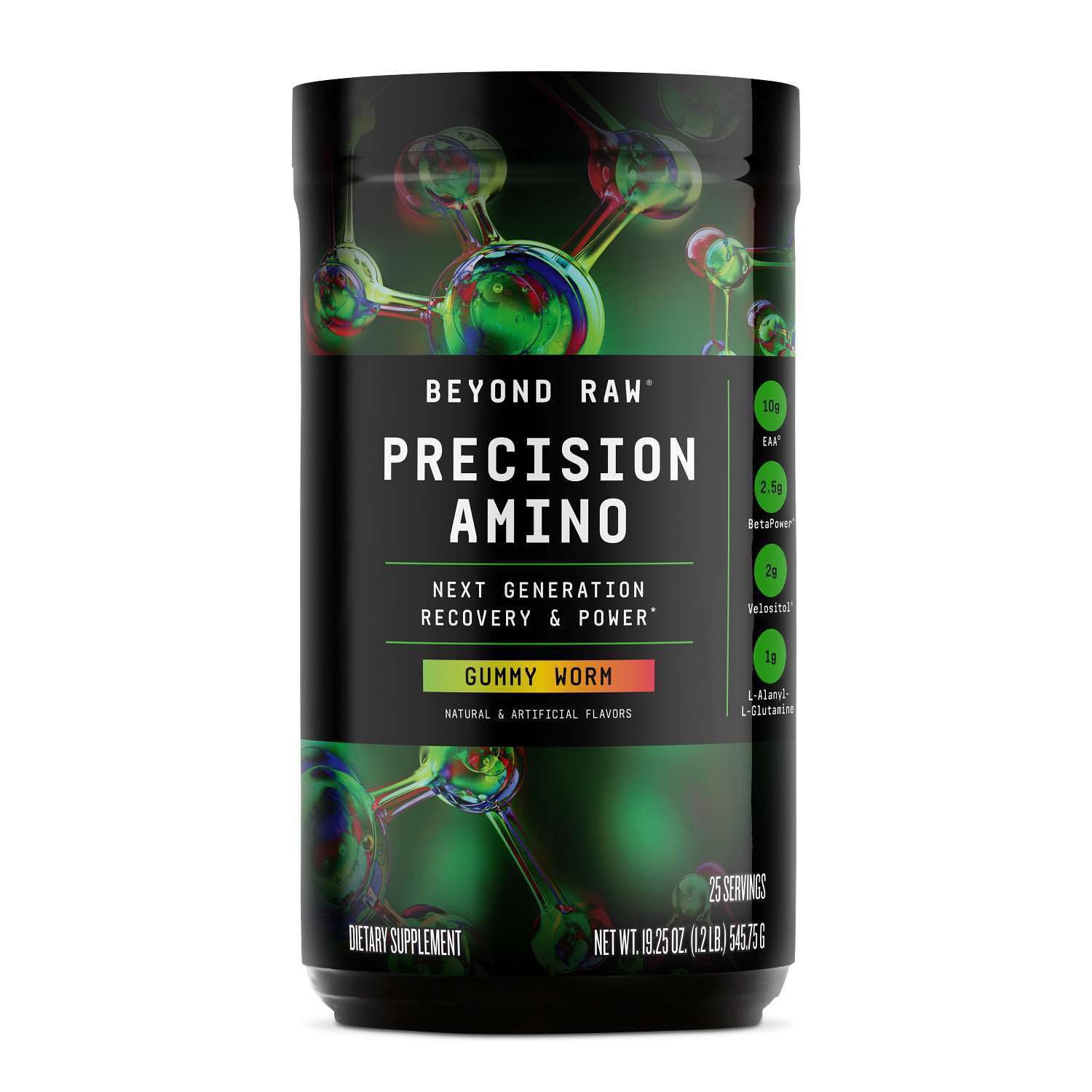 Beyond Raw