

Fitness Drinks
(0 Results)
Whether you're looking to fuel up before a workout, replenish electrolytes post-exercise, or simply stay hydrated throughout your day, our selection of fitness drinks has you covered. Packed with essential vitamins, minerals, and amino acids, these beverages are designed to support your active lifestyle and help you achieve your fitness goals. From protein shakes to energy-boosting blends, explore our range of refreshing options that are sure to keep you motivated and feeling your best.
-

-
-

-

-
-
-

-
 11$39.99
 -

-
-
 $12.99
 -
-
-
-

-
-

-
-
-

-

-
-
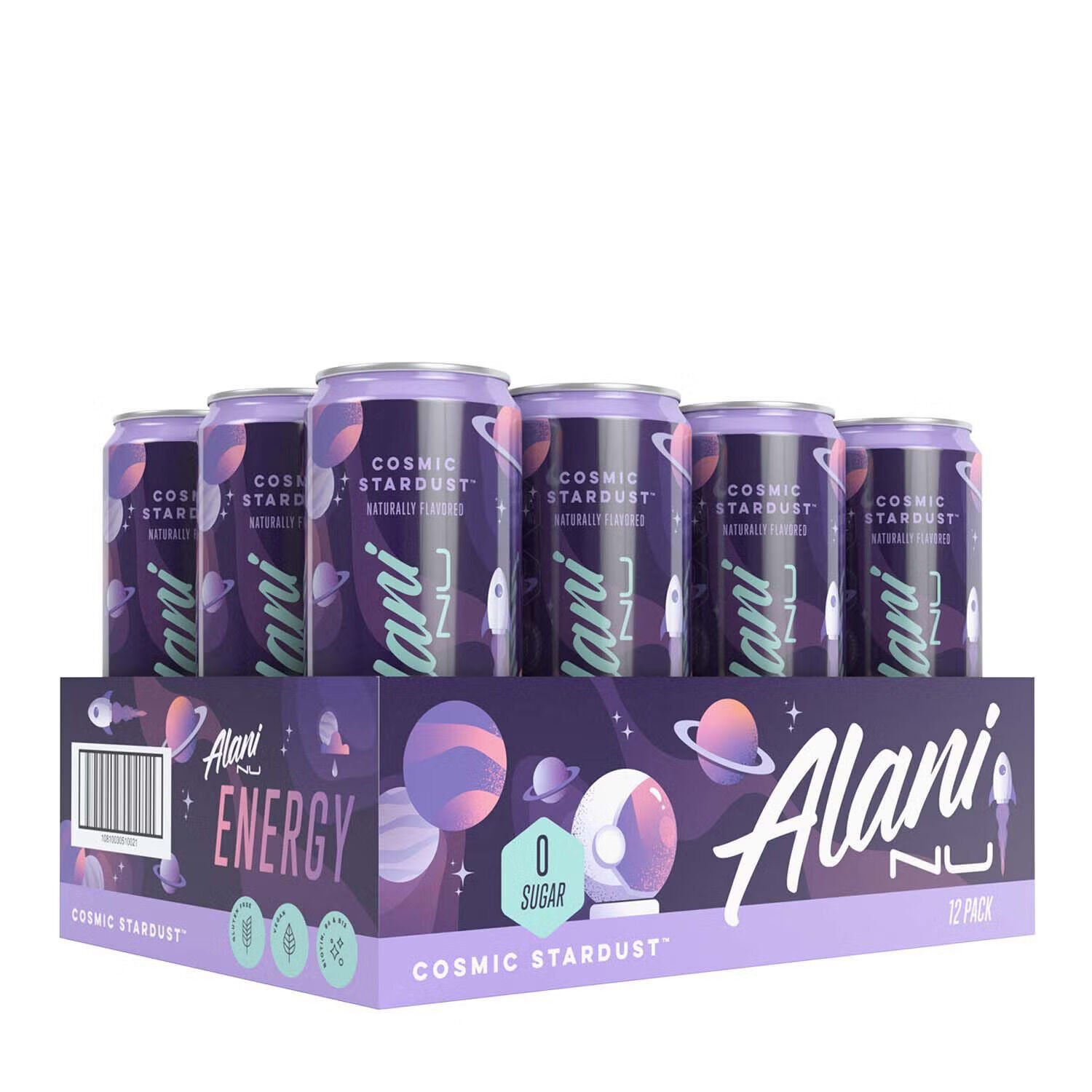

Fitness drinks bring together several beverage categories made for active routines, from electrolyte drinks and sports beverages to protein shakes and powdered mixes. The differences start with what is inside: some formulas combine carbohydrates with minerals such as sodium and potassium, while others emphasize protein, caffeine, or a lighter flavor with little or no added sugar. Those distinctions matter more than the color of the bottle or the word “fitness” on the label. A carbohydrate-containing sports drink may provide fuel during sustained exercise, while an electrolyte beverage may support hydration during activities that involve considerable sweating. A protein drink may support muscle recovery after exercise and offers a different nutritional profile from a beverage intended primarily for sipping during a workout. These categories can overlap, so the Nutrition Facts panel and ingredient list give a clearer picture of a drink’s intended use. A long bike ride, a lunchtime strength session, and a casual walk around the neighborhood call for different packing decisions; a fitness drink does not need to serve every occasion. For a short, easy session, plain water may be a practical fit, while longer or more demanding activity may make carbohydrates and electrolytes more relevant. Weather, workout duration, exercise intensity, and personal preferences all play a part in that choice. Someone heading to an indoor cycling class might prefer a lightly flavored drink in a bottle that fits the bike’s holder. A weekend hiker may value a compact powder packet that can be mixed with carried water, while a person going straight from the gym to work might choose a ready-to-drink protein shake. The most useful comparison is between the beverage’s ingredients and the situation in which it will be used, rather than treating all fitness drinks as interchangeable. Flavor, serving size, preparation, and storage requirements are just as much a part of that everyday fit as the nutrient amounts printed on the package.
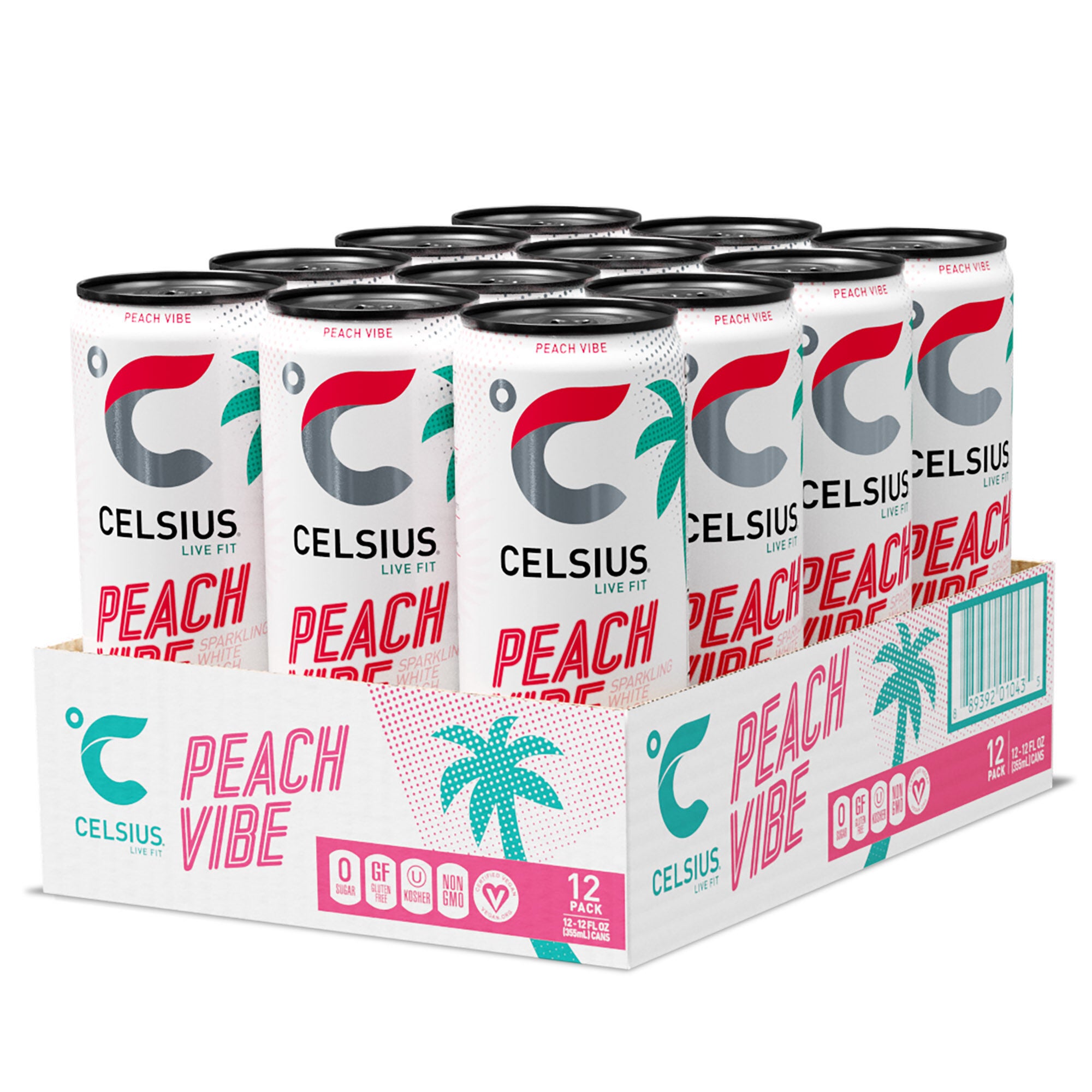
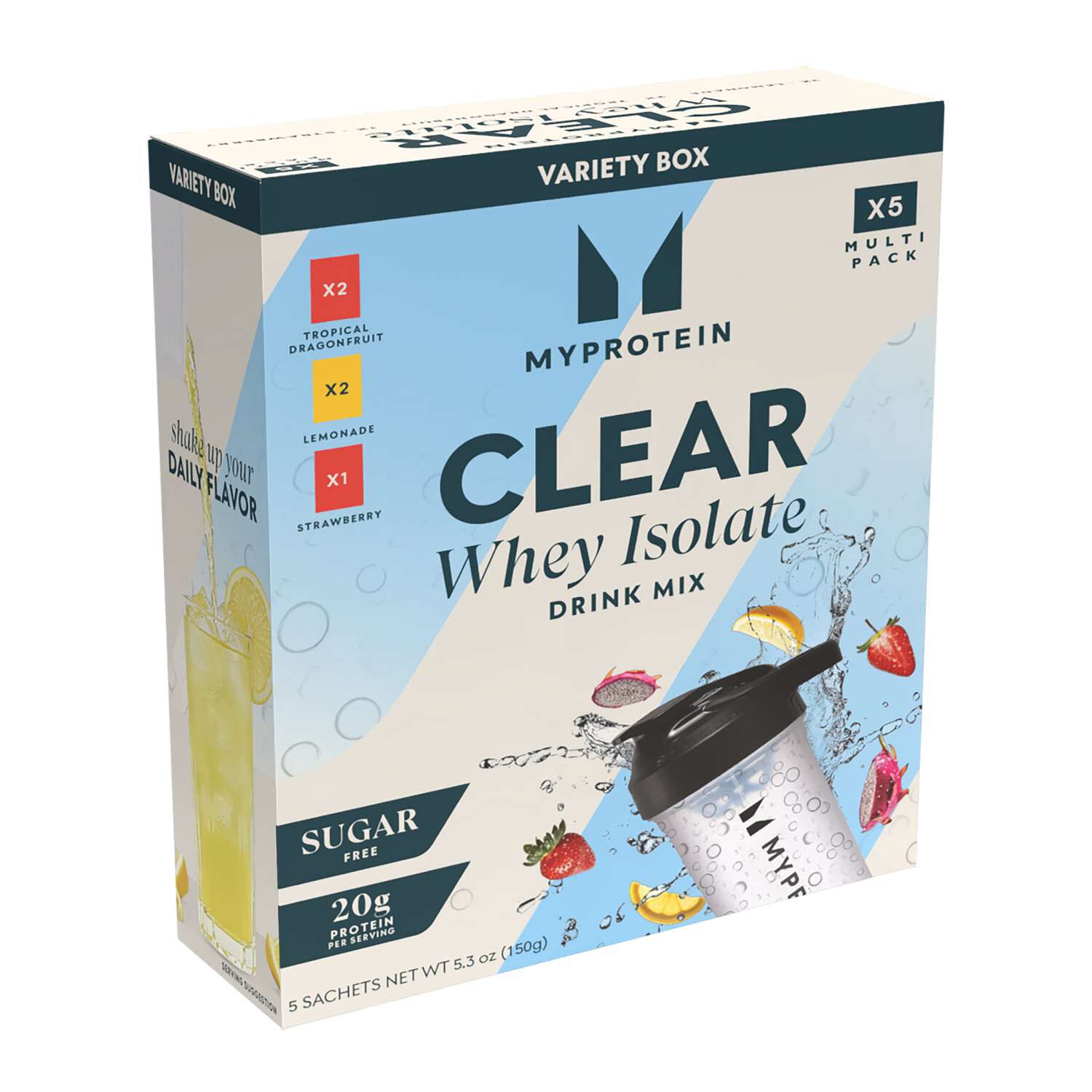
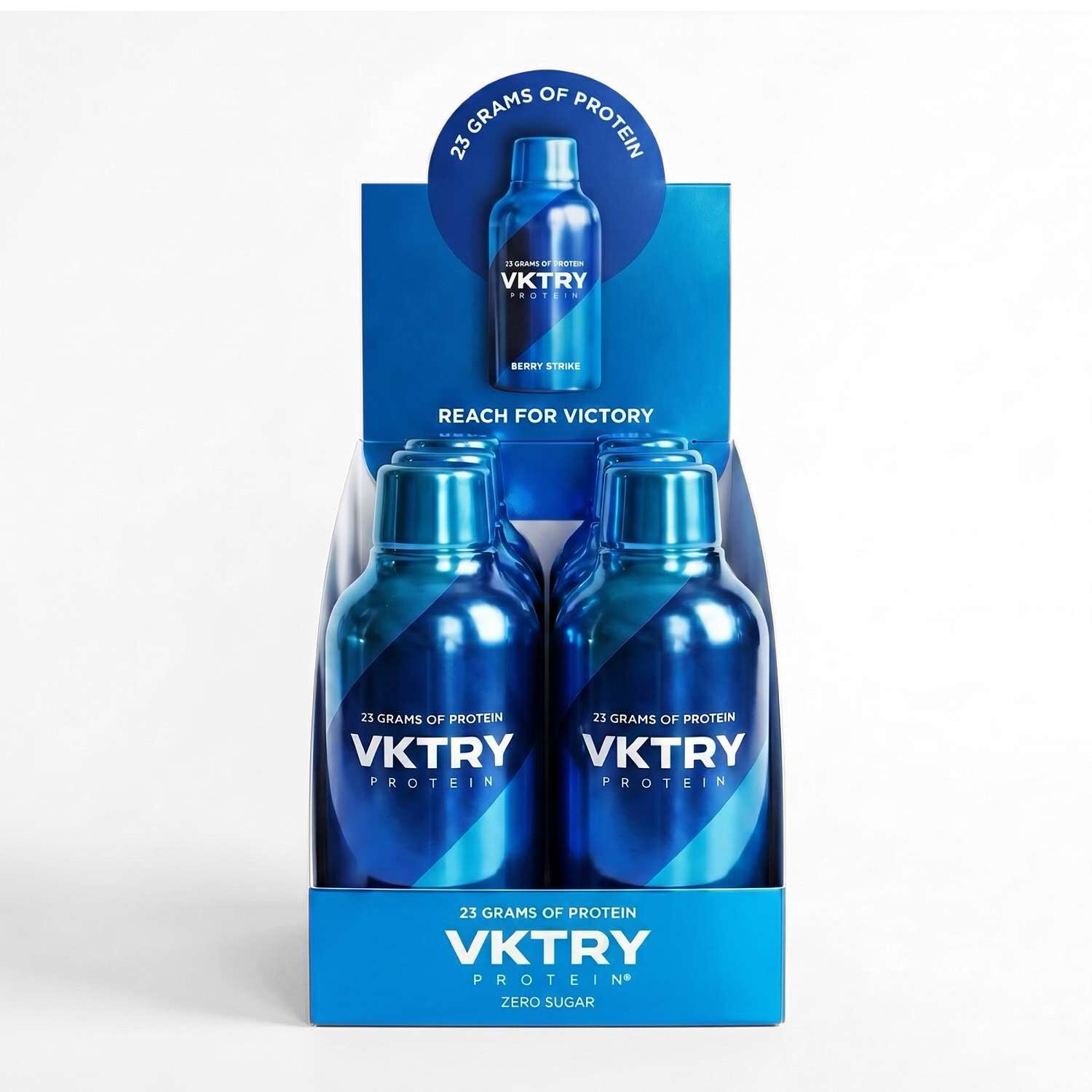
Hydration-focused fitness drinks range from simple electrolyte mixes to sports beverages containing both electrolytes and carbohydrates. Sodium, potassium, magnesium, and calcium may appear in different combinations, and the amounts vary by formula and serving size. Electrolytes are minerals involved in fluid balance and normal muscle function; beverages containing them may help replace some of the minerals lost through sweat. Carbohydrates, including sugars, may supply energy during prolonged exercise, which explains why a drink designed for a lengthy run can look quite different from one chosen mainly for flavor. A lower-sugar option may suit a shopper who wants a flavored beverage without as much carbohydrate, but it is not nutritionally identical to a sports drink with more carbohydrate. The Sports Hydration Drinks category centers on beverages and mixes intended for hydration-focused routines, with label details helping distinguish one style from another. When comparing formats, the amount of water specified for a powder matters: a packet intended for a large bottle will taste different when stirred into a small glass. Following the package’s mixing directions keeps the prepared drink consistent with its labeled serving. Ready-to-drink formats remove that measuring step, while tubs of powder require a scoop and a little preparation. Single-serving packets tuck neatly into a gym bag pocket, although they still require access to water and a suitable container. Taste and texture deserve attention, too. Tart citrus, mellow berry, and other fruit flavors can feel quite different during exercise, and sweetness that seems pleasant at the kitchen counter may feel more pronounced halfway through a warm studio class. Still beverages and carbonated options also offer distinct drinking experiences. During the cooler months, a brisk outdoor session or a crowded indoor workout can still involve sweating, so temperature alone does not describe the setting. The activity, its duration, and the drink’s composition provide more useful context than seasonal packaging or a sporty name.
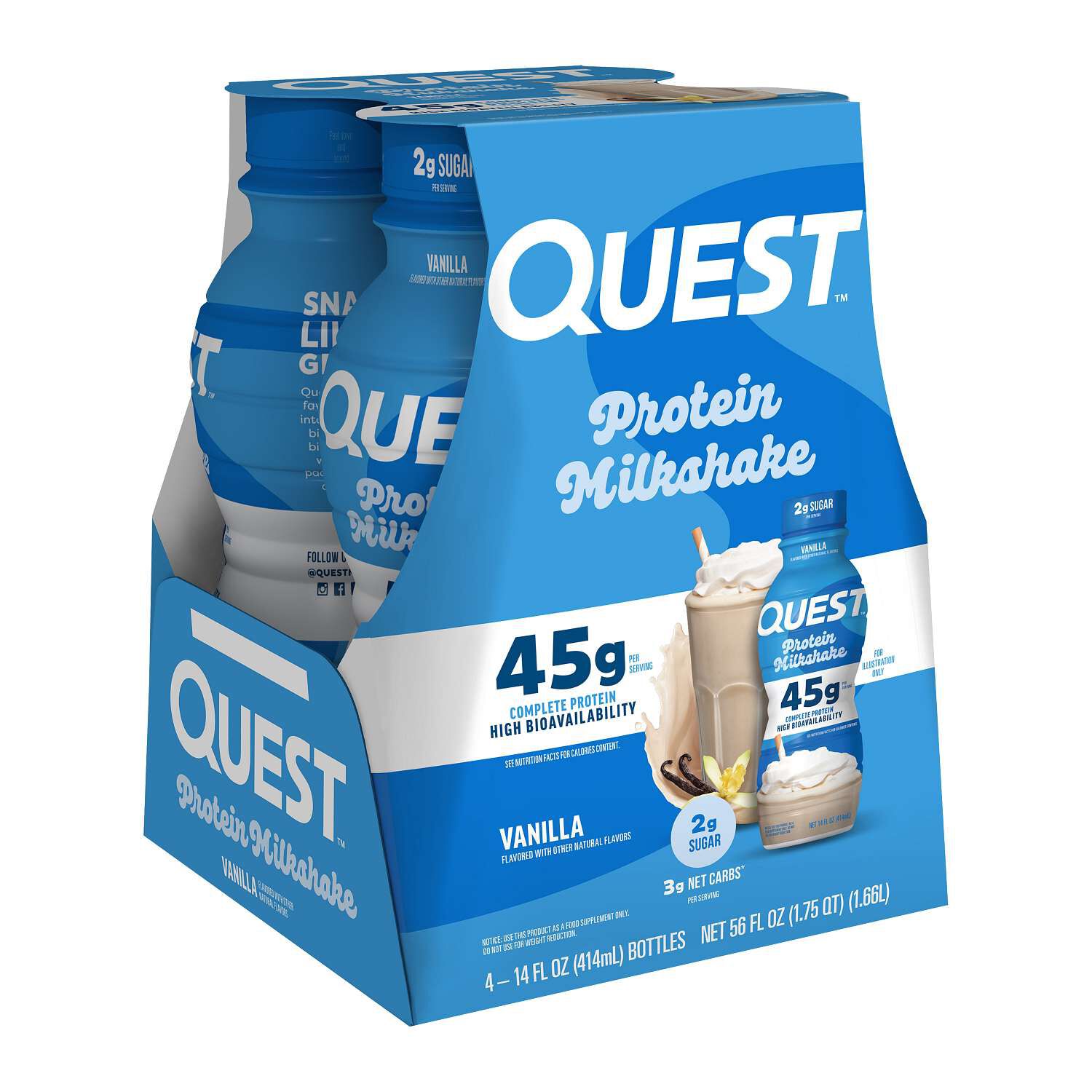
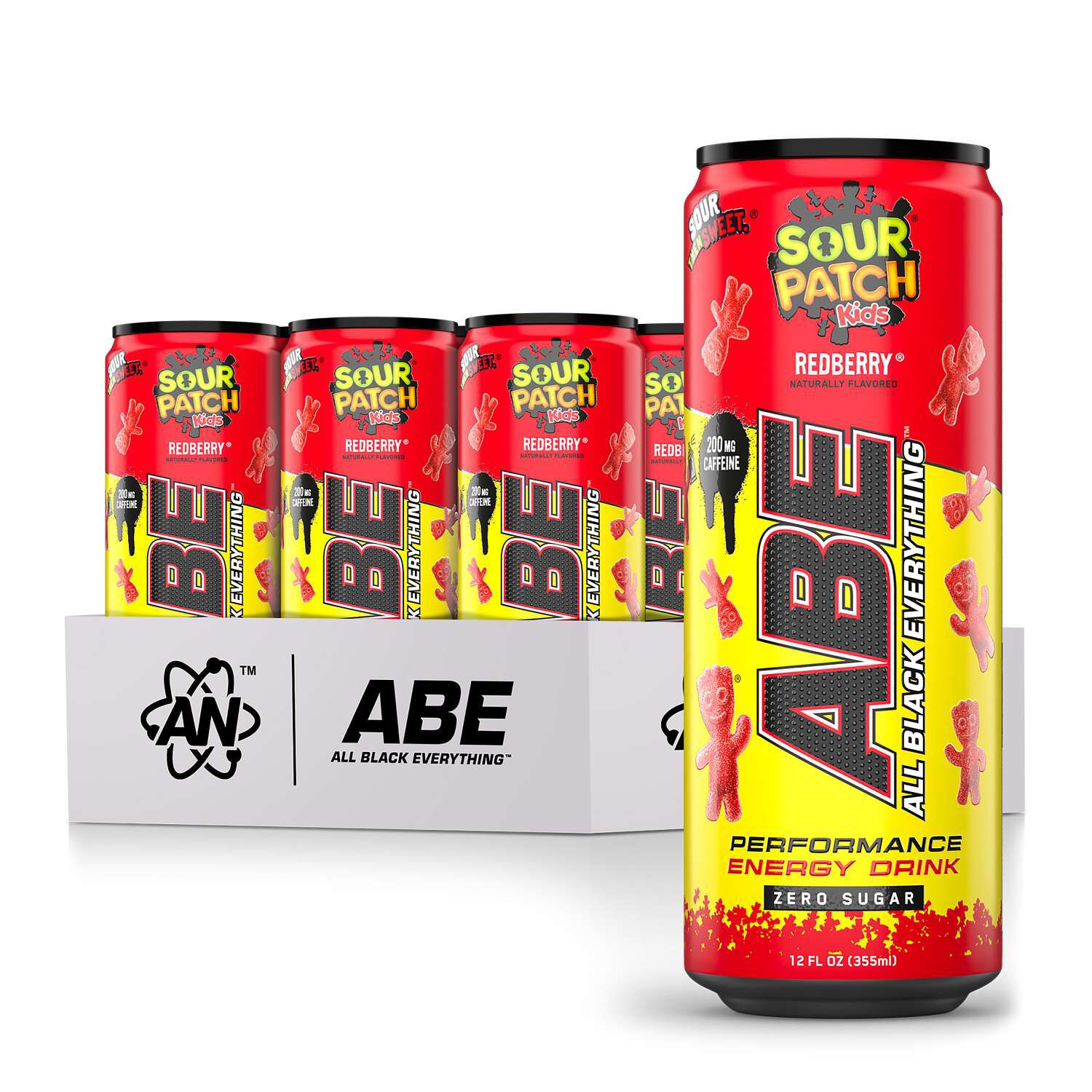
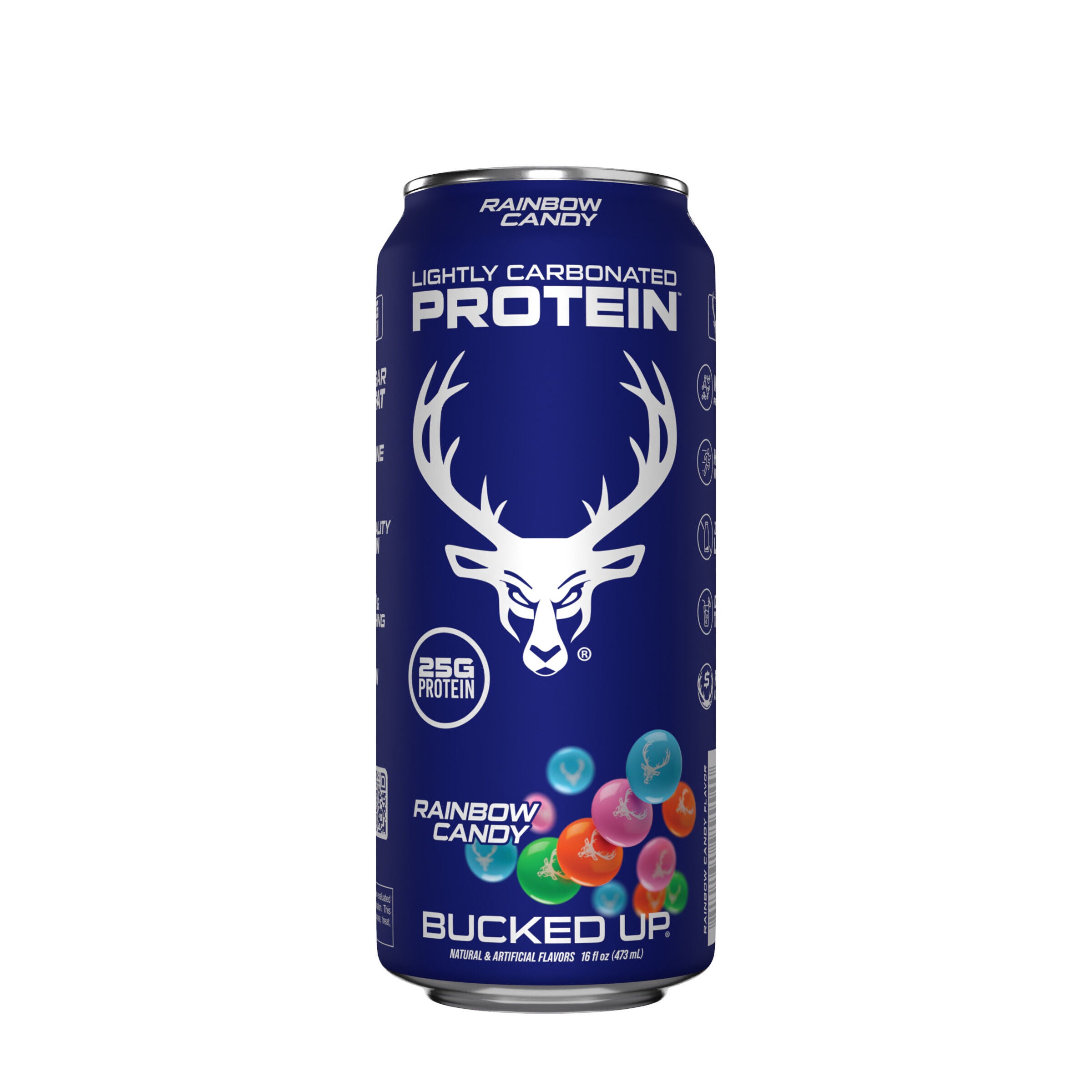
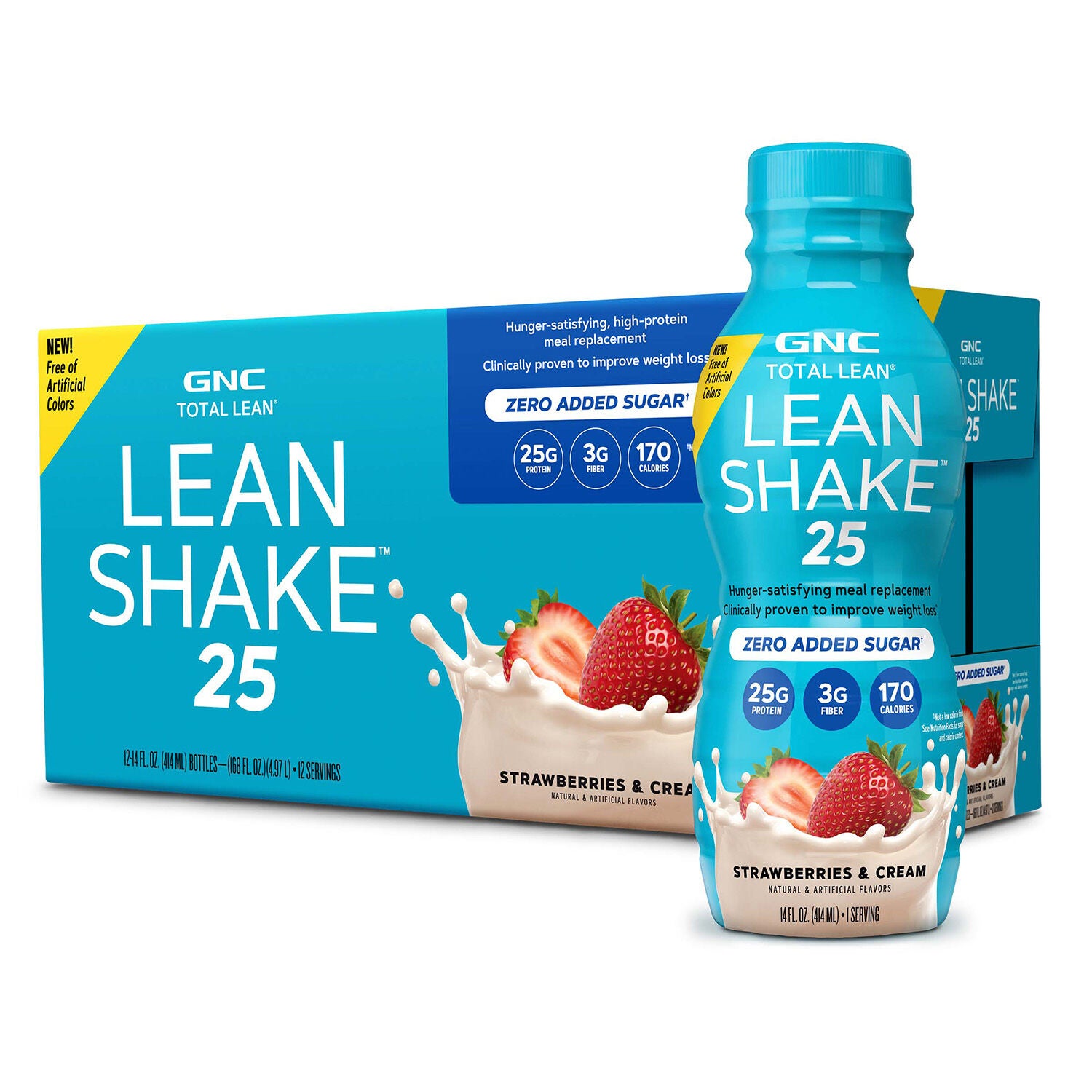
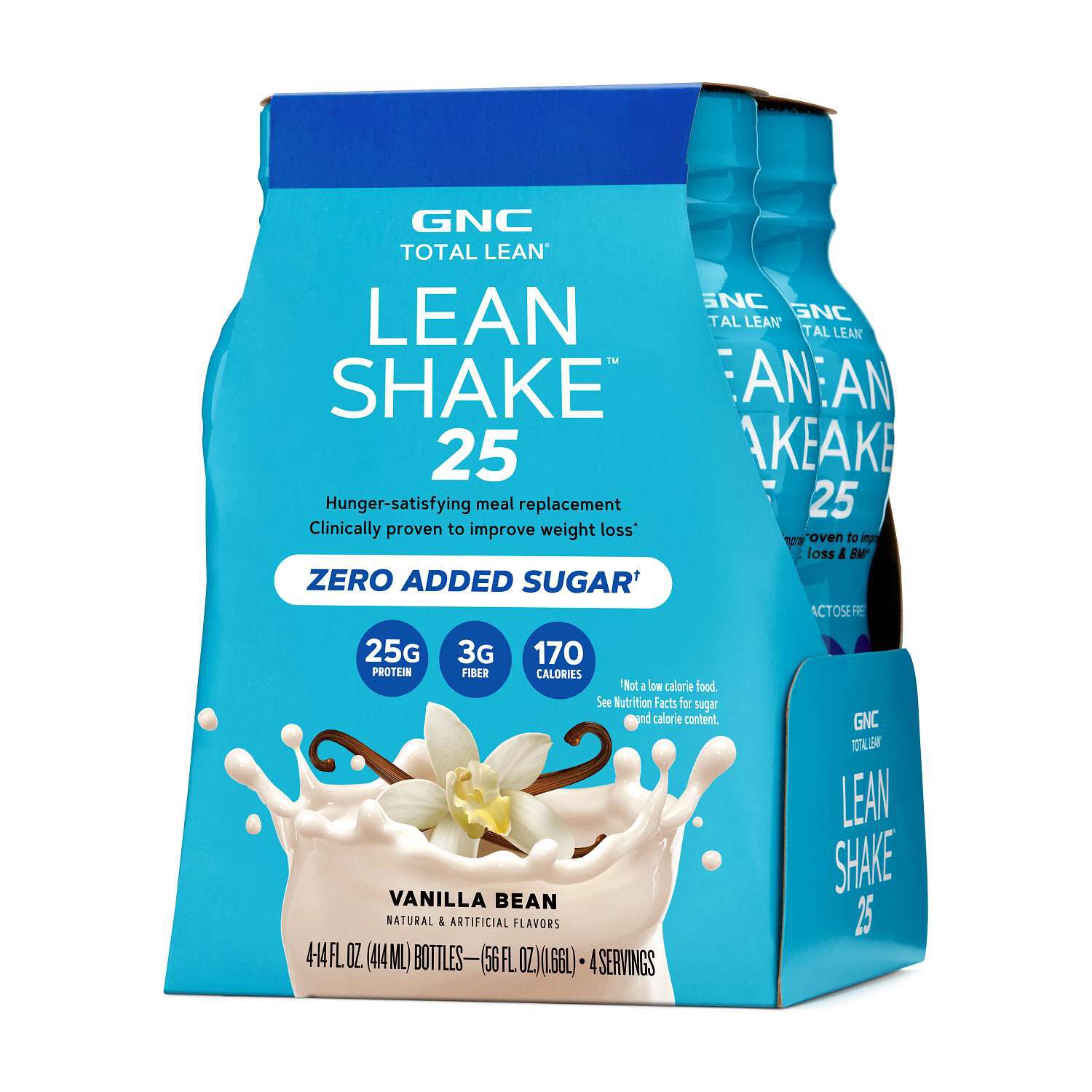
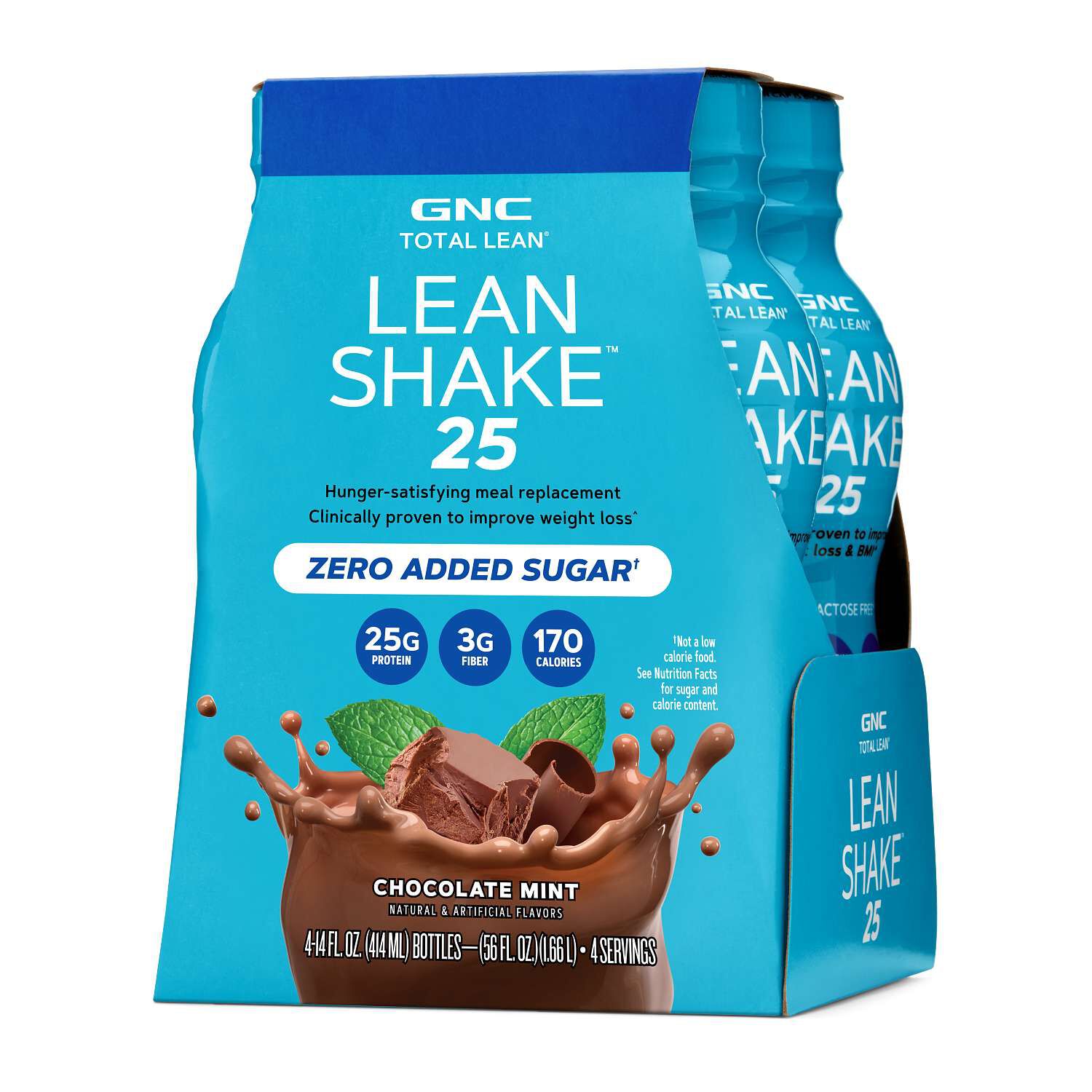
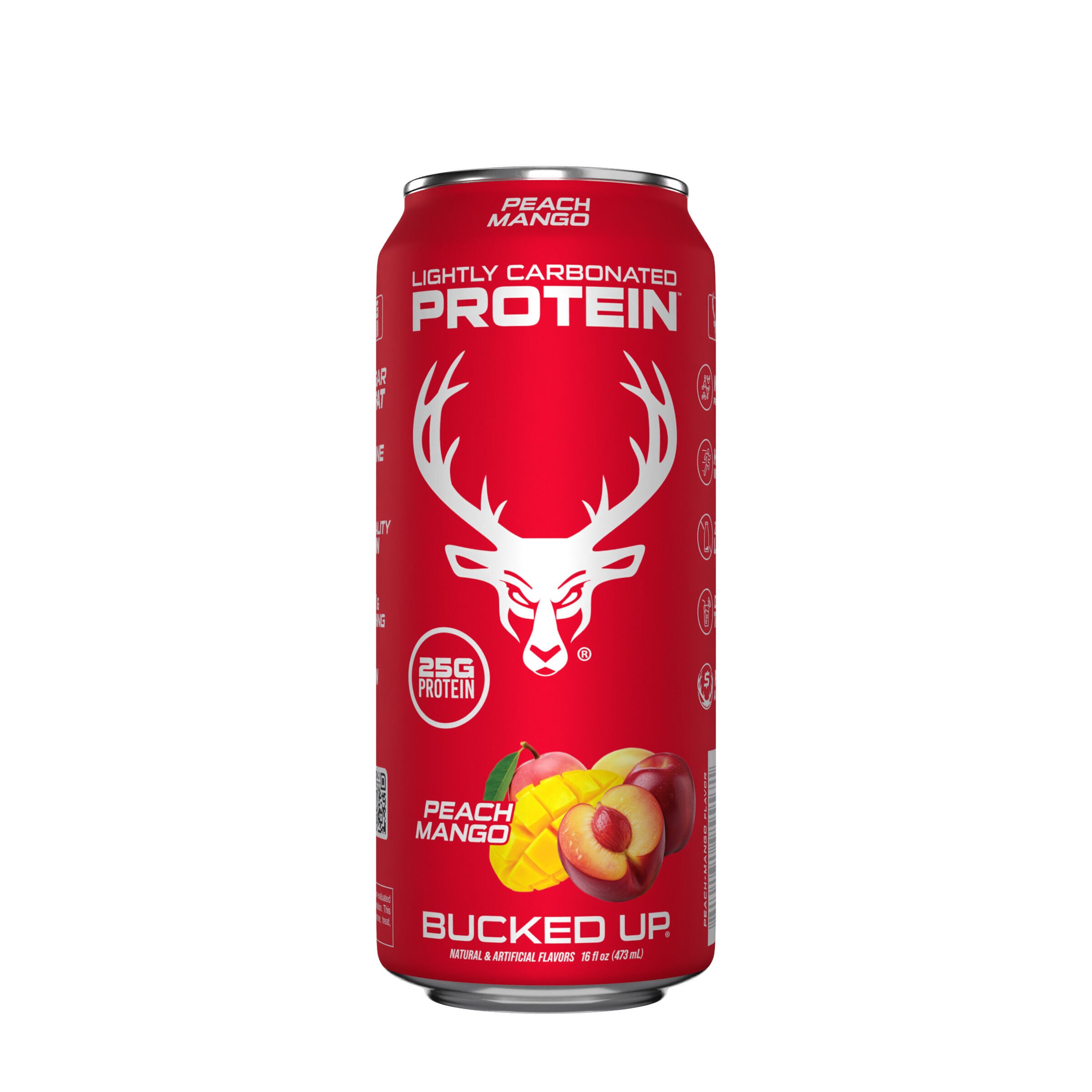
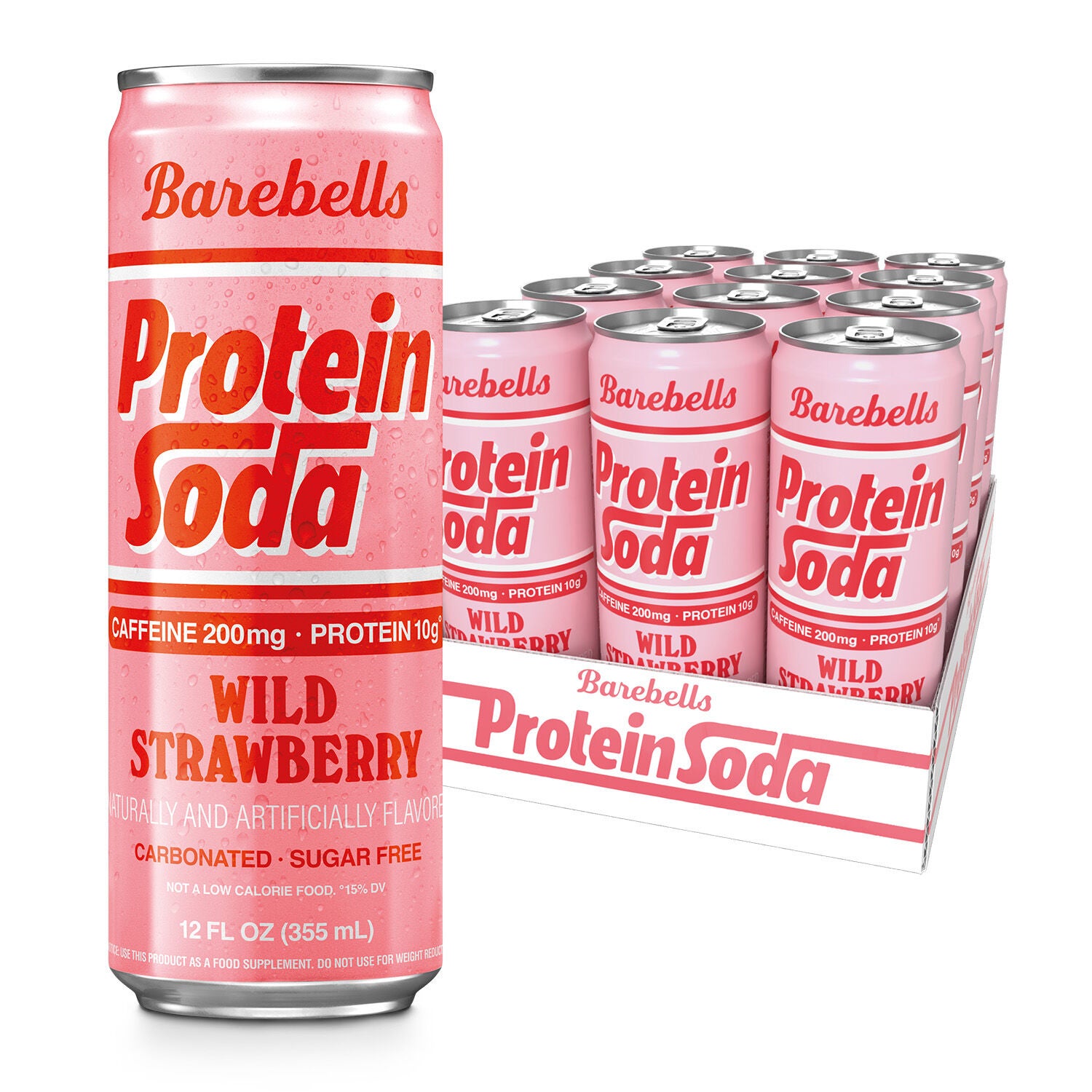
Protein-based fitness drinks offer another set of considerations, particularly for people who want a convenient way to include protein in an active day. Dairy-based formulas may use whey or casein, while plant-based versions may contain sources such as pea, soy, or rice protein. Protein may support muscle maintenance and recovery alongside regular exercise and an overall eating pattern that suits the individual. A shake is therefore a different choice from a light electrolyte drink, even when both travel in the same gym bag. Creamy textures and flavors such as chocolate or vanilla are common in protein beverages, while other formats have a thinner, fruit-flavored profile. Mixing liquid also changes the experience: a powder prepared with water will have a different taste, texture, and nutrient profile from the same powder prepared with milk or a plant-based beverage. The label can clarify whether the stated nutrition refers to the powder alone or a suggested preparation. For shoppers with dietary preferences or ingredient restrictions, checking protein sources, sweeteners, and allergen information is more useful than relying on the front label. Caffeine is another meaningful distinction across fitness drinks. Some beverages contain it, while others do not, and a caffeinated formula may feel more stimulating during a workout. The amount per serving and any package cautions deserve attention, especially when comparing drinks used at different times of day. Beyond ingredients, everyday practicality often determines which format fits a routine. A resealable bottle may be convenient between sets, while a powder container belongs somewhere dry with its lid securely closed. Ready-to-drink beverages should be stored according to their labels, including refrigeration after opening when directed; a shelf-stable unopened package does not imply the same storage conditions once opened. Shaker bottles also need washing and thorough drying between uses, particularly around lids and seals. For a thoughtful fitness-themed gift, familiar flavors and known dietary preferences are better starting points than unfamiliar formulas. Whether packed beside a pair of training shoes or mixed at the kitchen counter, a fitness drink works best as a considered match for the person, the occasion, and the practical details of the day.