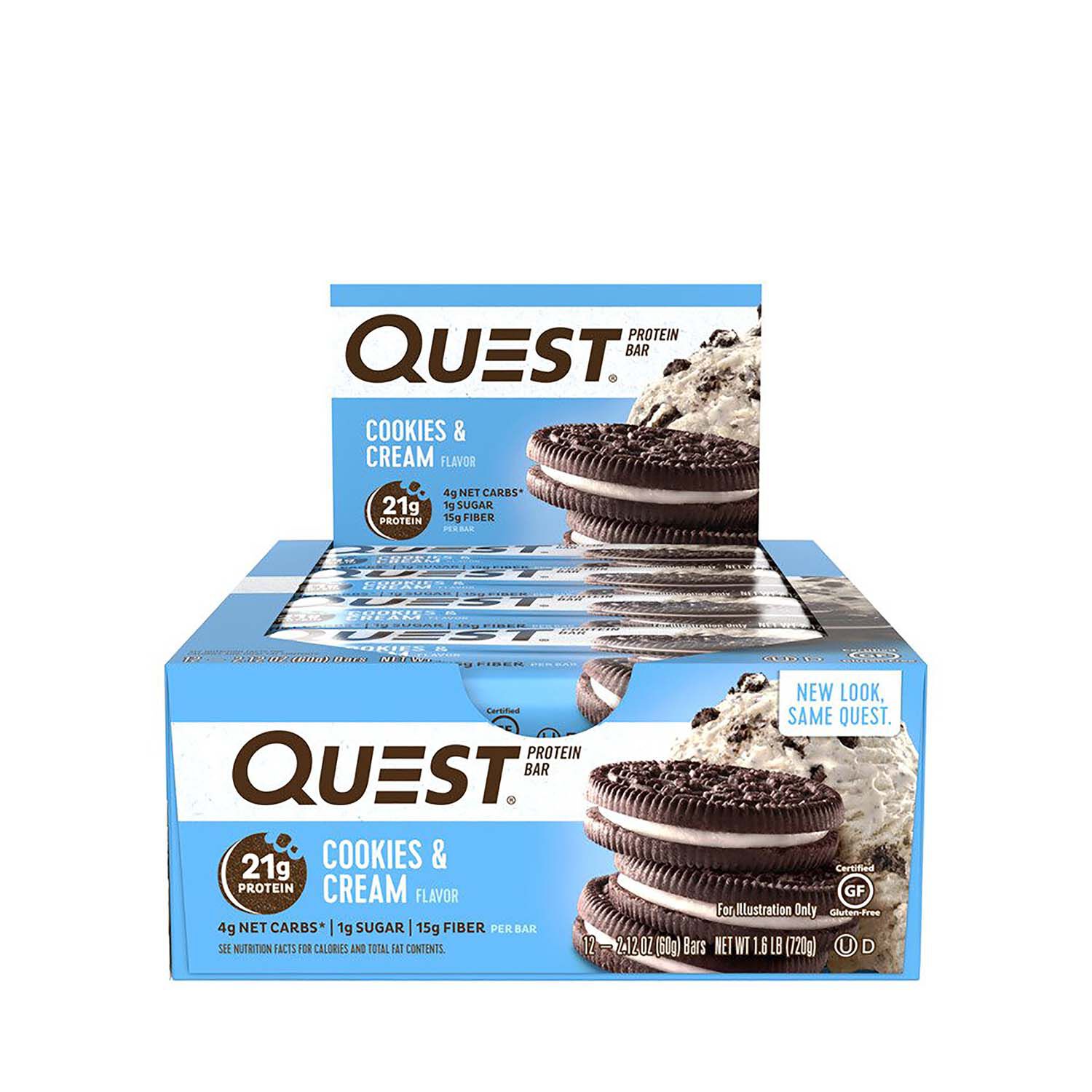
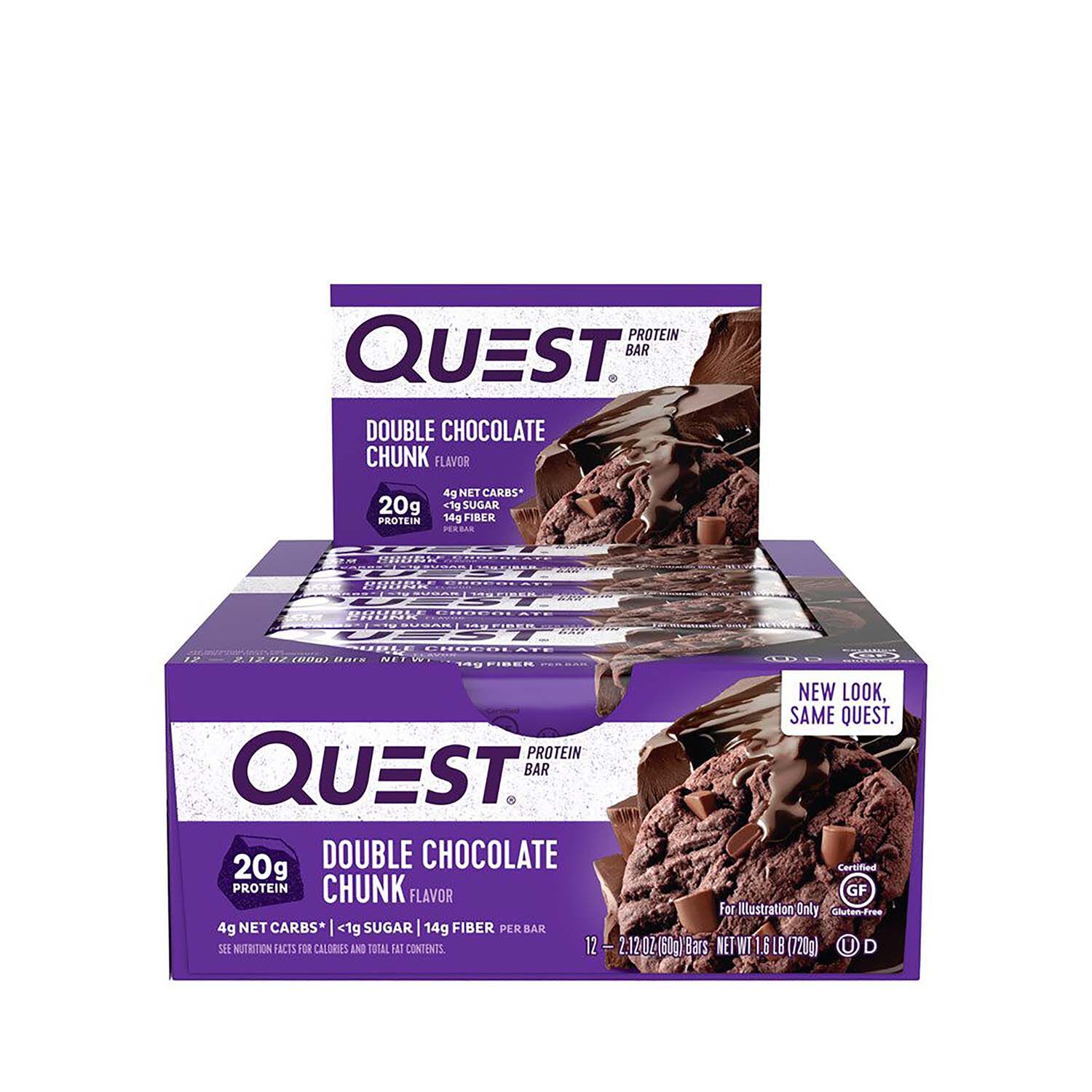
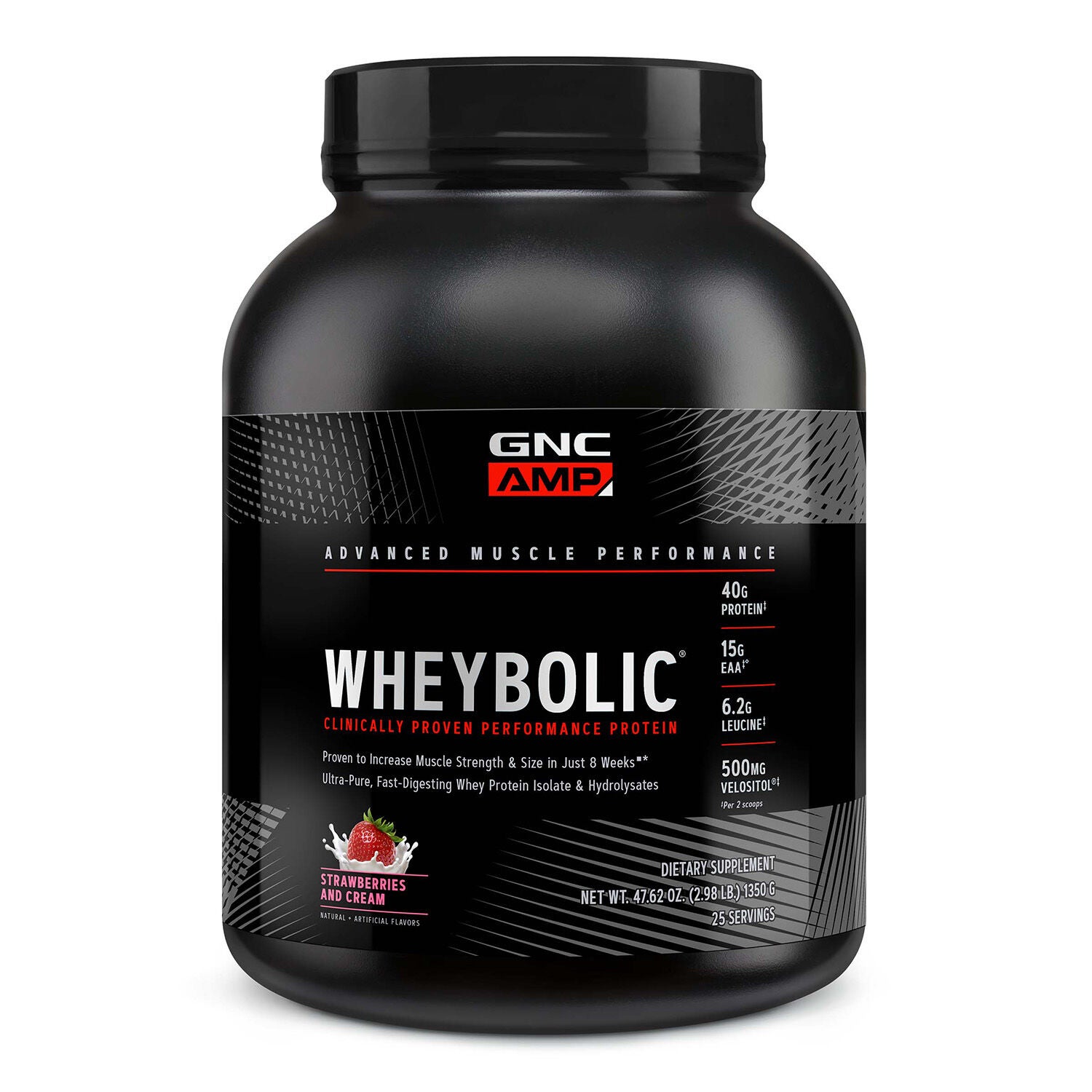
Fitness Powders
(0 Results)
Fitness powders could be a convenient addition to your daily routine, whether you're aiming to support your workout goals or simply looking for an easy way to mix up your nutrition plan. With a variety of options available, fitness powders may offer versatility for pre-workout, post-workout, or anytime you need a quick shake. Explore different flavors and formulations to find the fitness powders that align with your personal preferences and lifestyle.
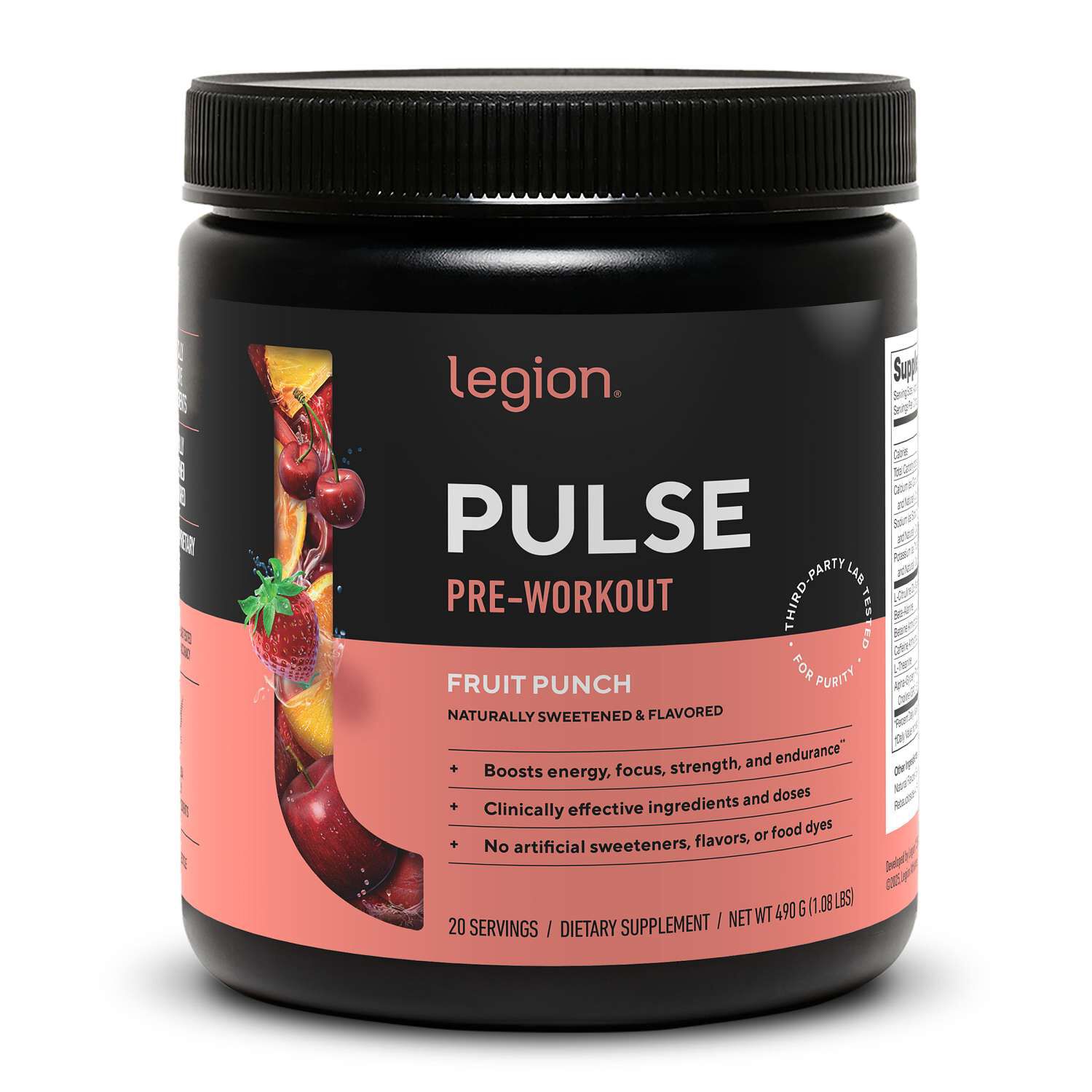

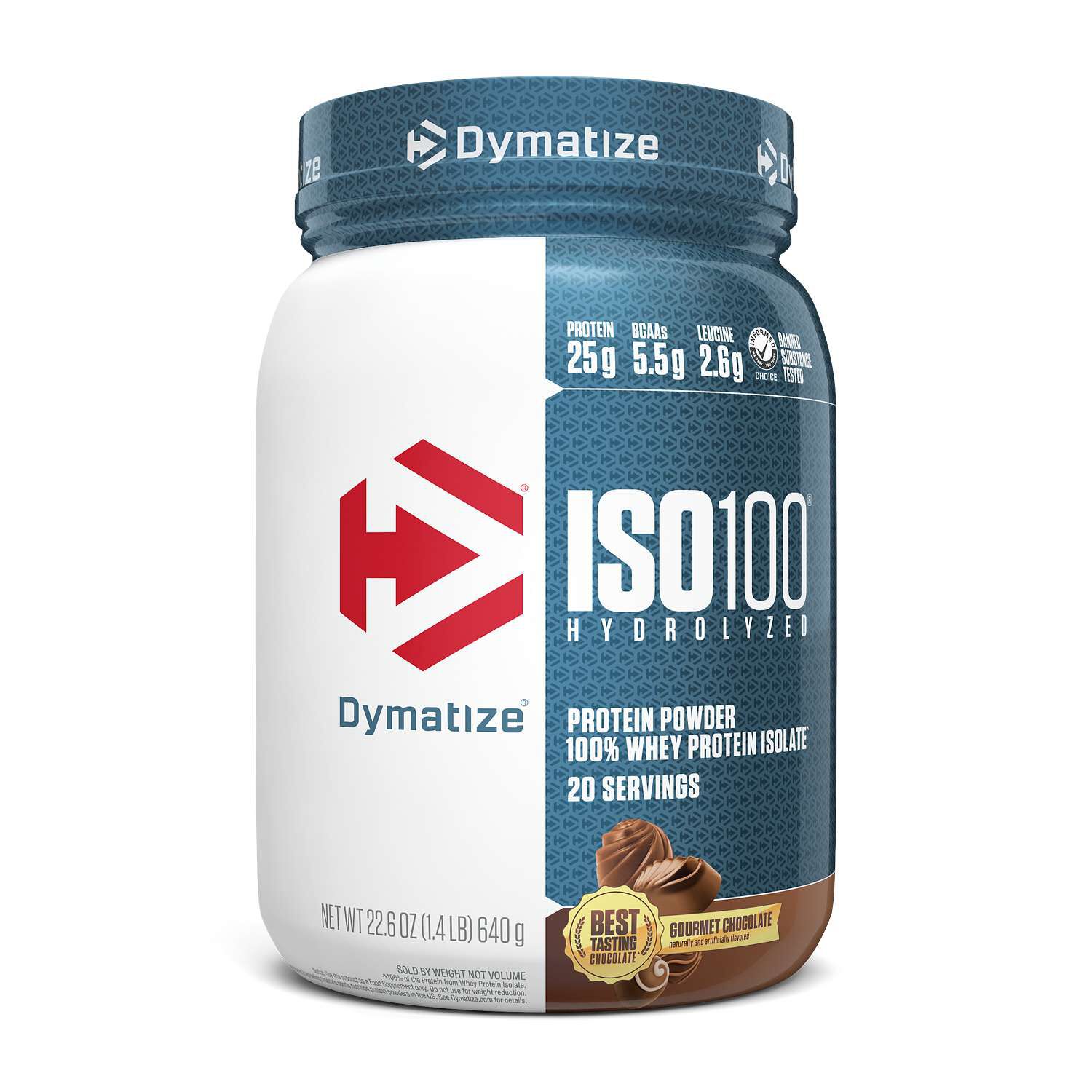
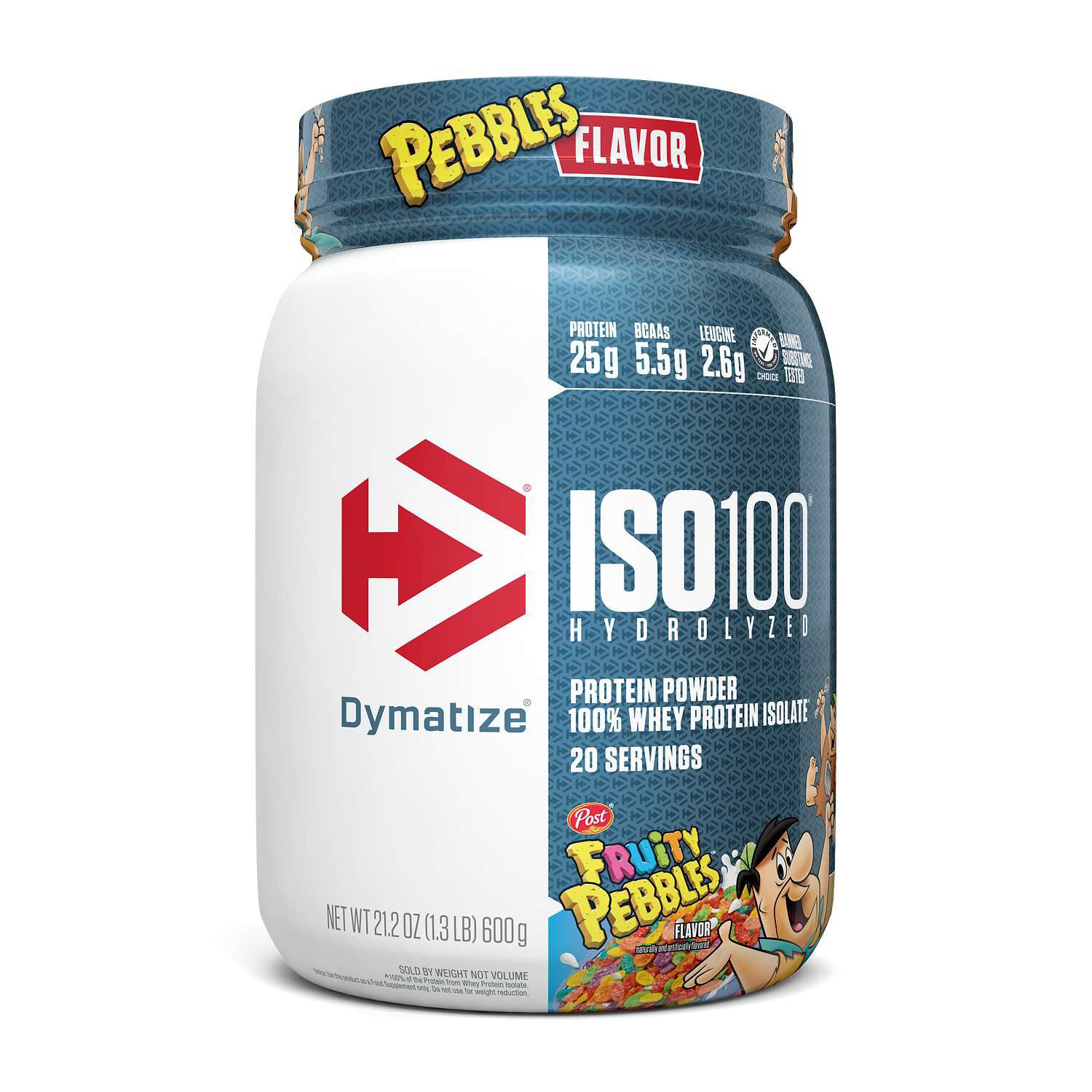


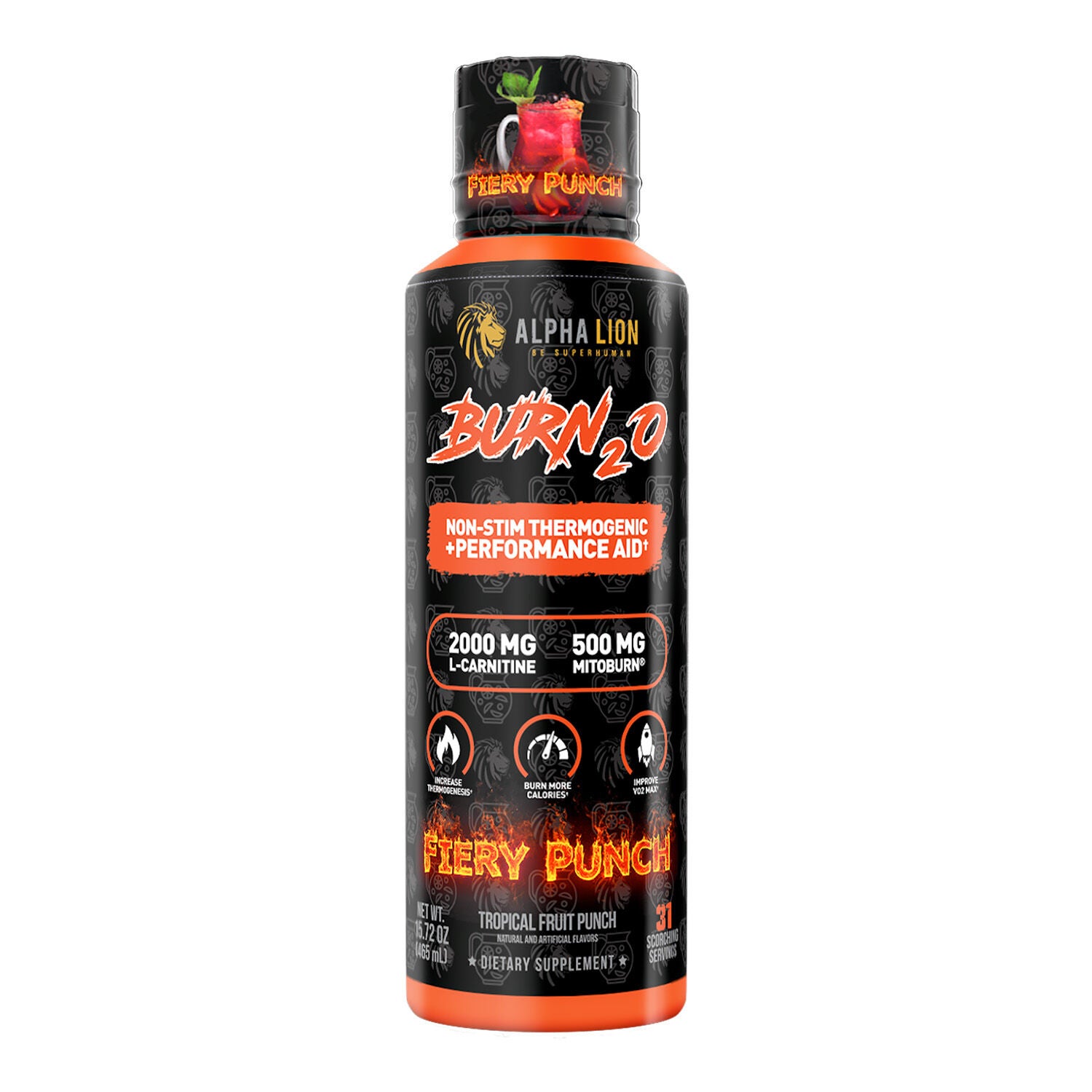


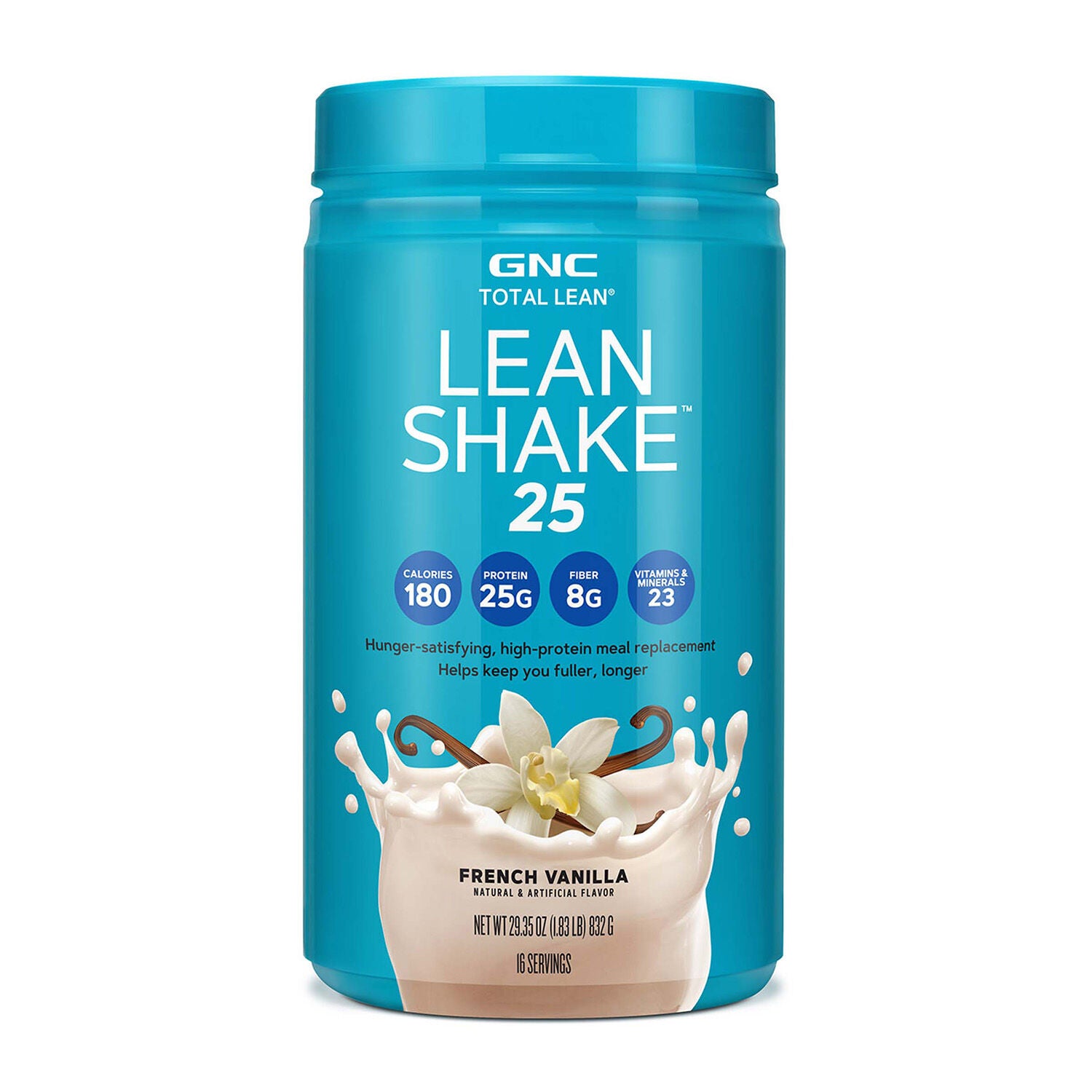
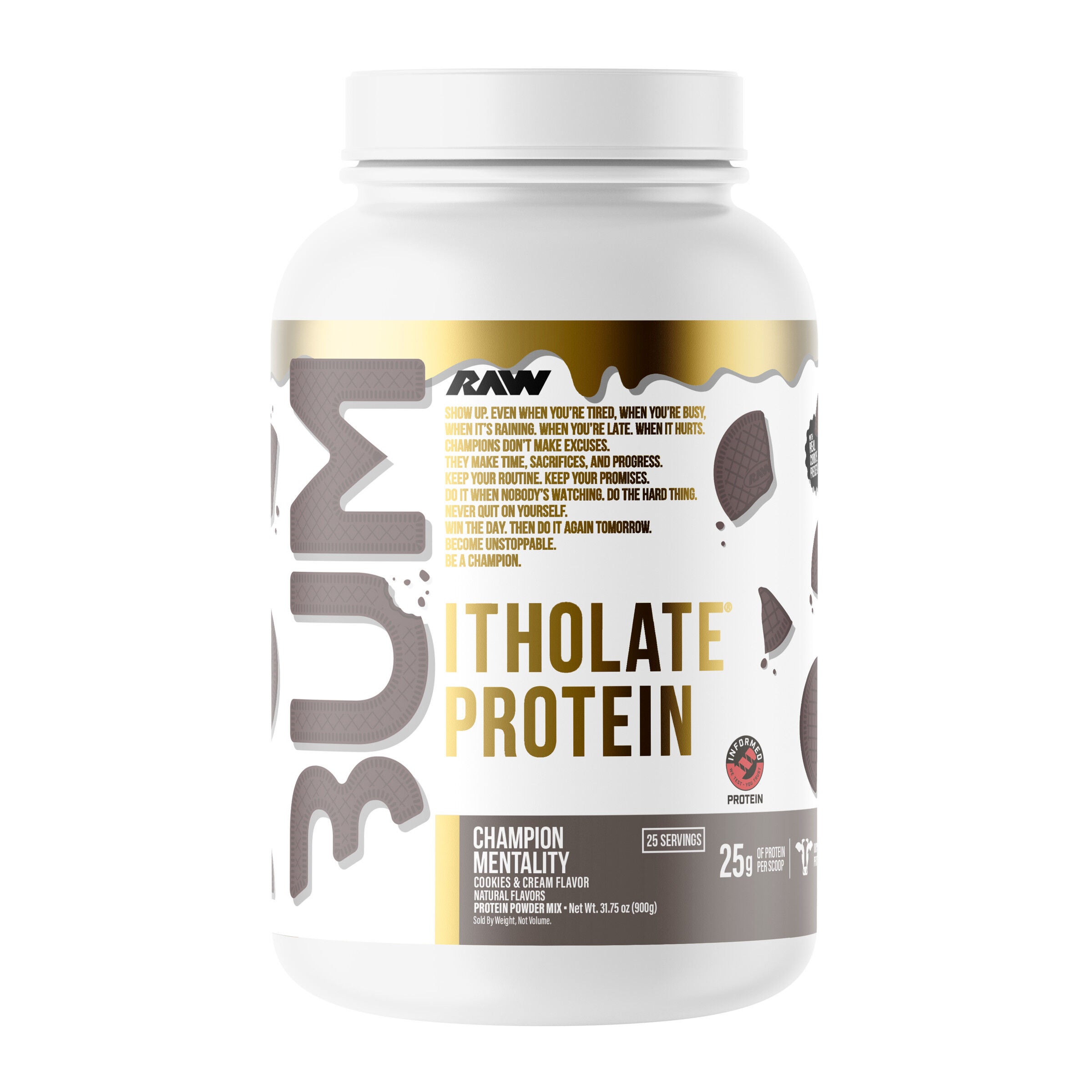

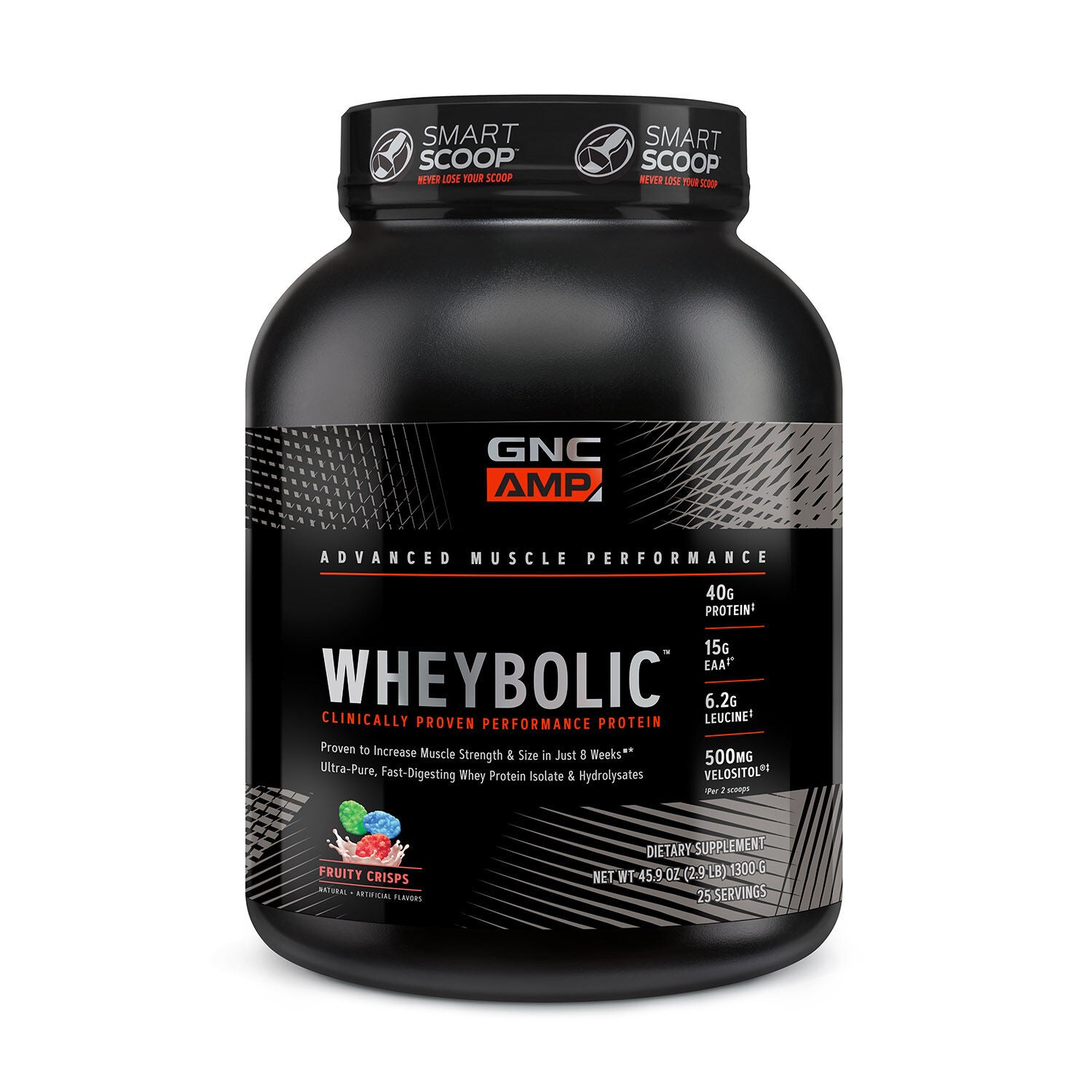

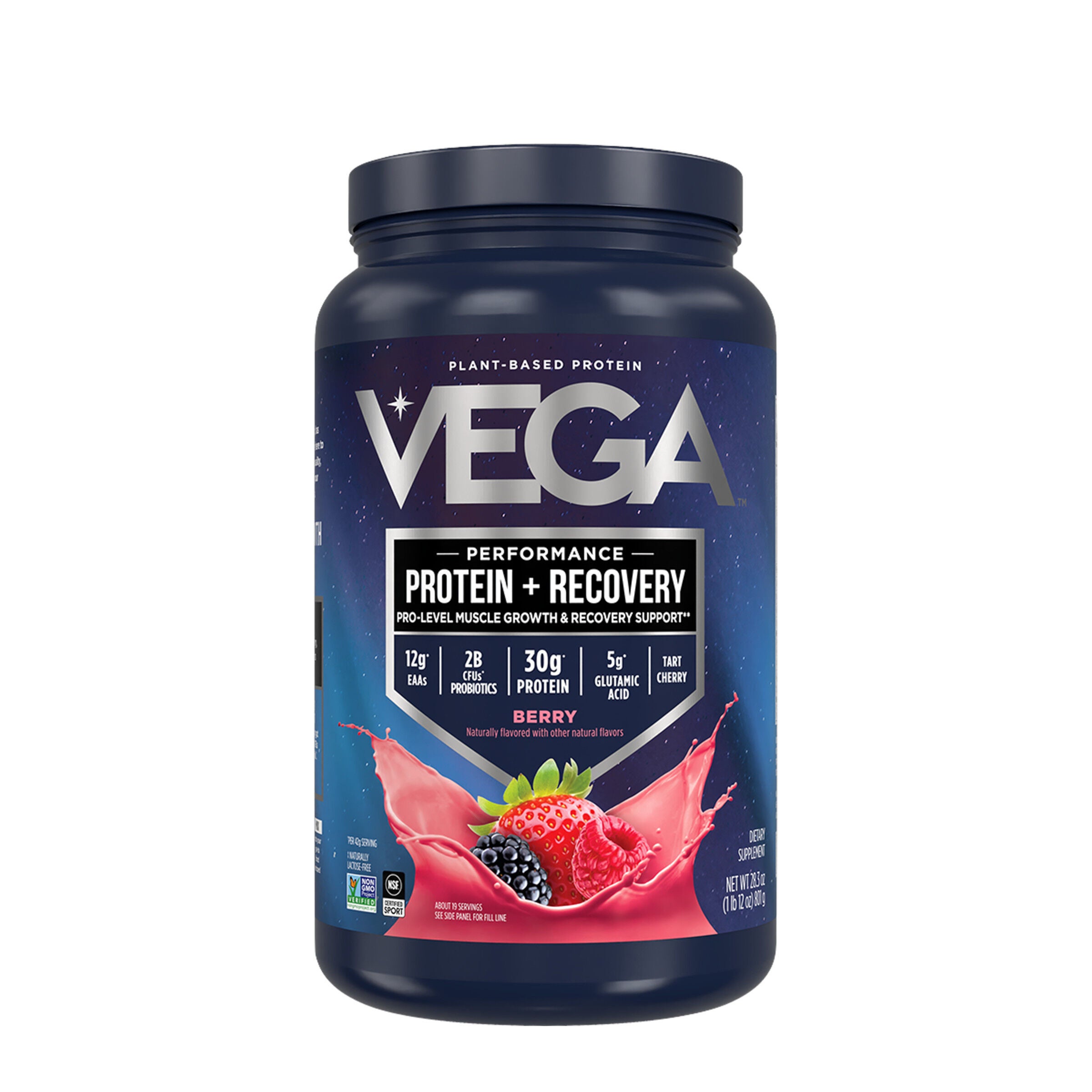
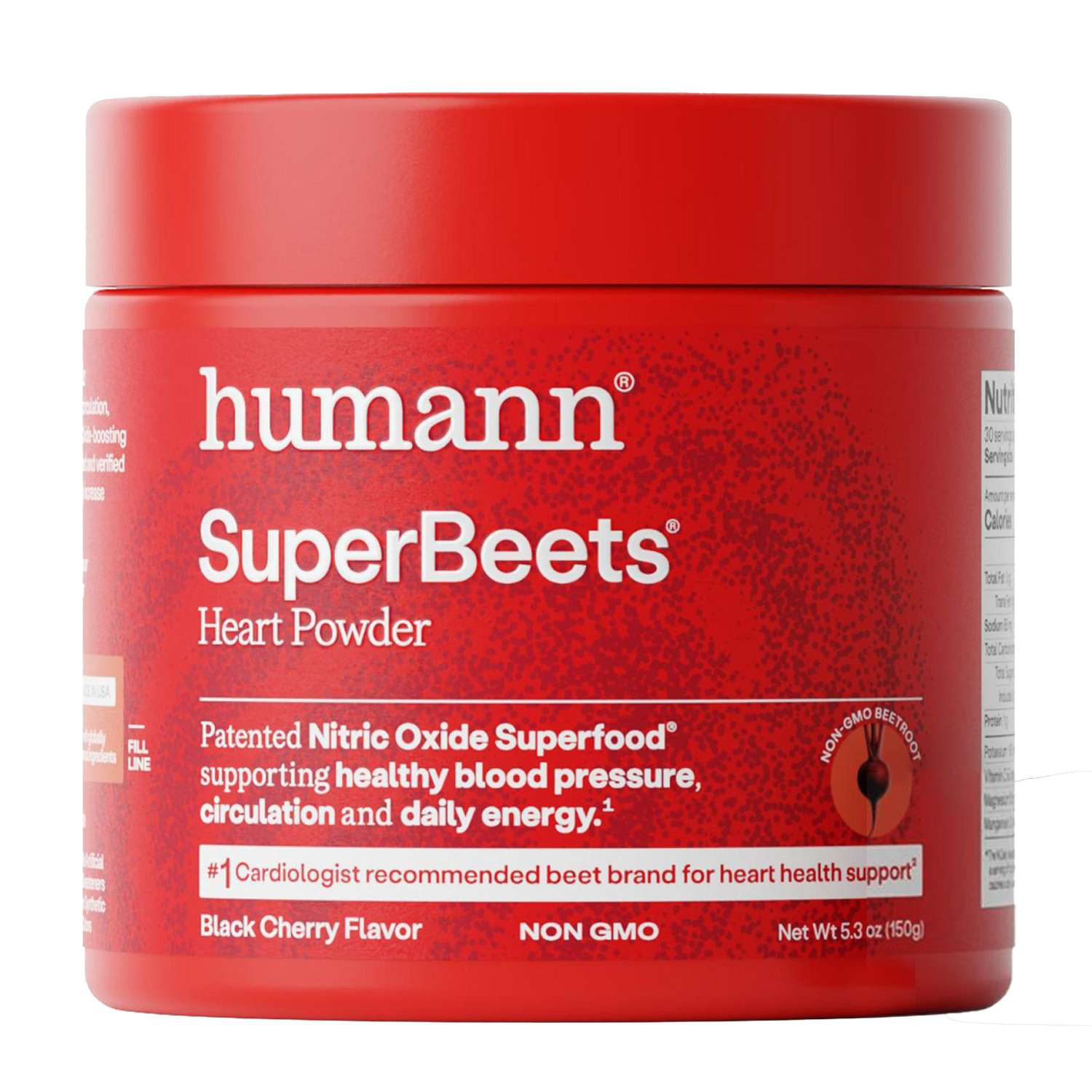

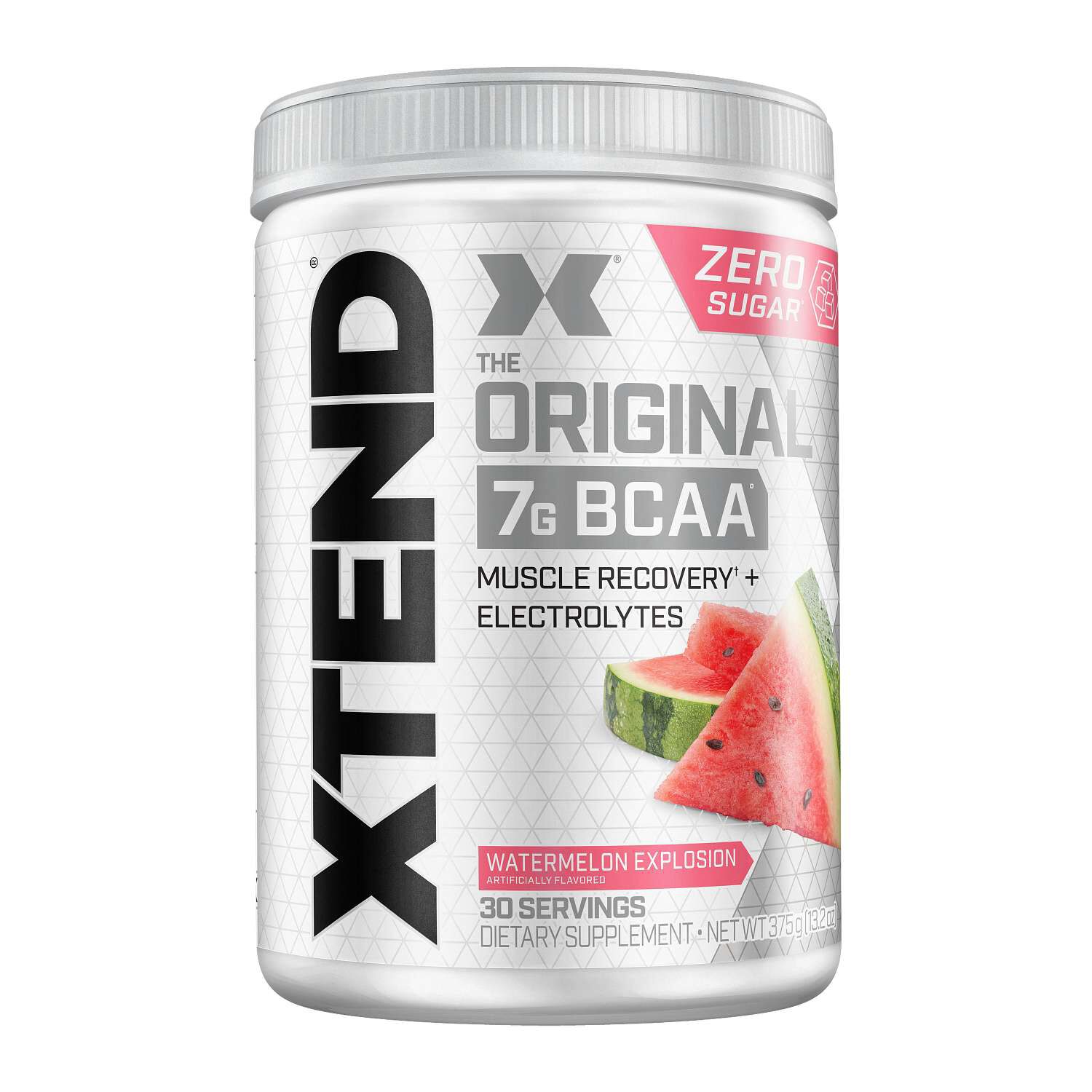
Fitness powders are powdered sports nutrition products made to mix with water, milk, or another beverage, with formulas organized around different parts of an active routine. Three common categories are protein powders, pre-workout powders, and creatine powders. Protein powders may support muscle maintenance and recovery following exercise, while pre-workout formulas may support energy and focus before a training session. Creatine may support strength and power during repeated efforts such as lifting weights or performing short, high-intensity intervals. These categories serve different purposes, even when their ingredients appear together in a blend. A protein shake and a pre-workout drink are not interchangeable simply because both come in a scoopable format. Ingredient lists, serving information, and intended use provide a clearer picture than a flavor name or a colorful container. Some pre-workout powders contain caffeine, beta-alanine, citrulline, or combinations of these ingredients; others are formulated without caffeine. Creatine appears in standalone powders as well as formulas containing additional sports nutrition ingredients. Creatine monohydrate is one form shoppers will encounter, and an unflavored option has a different sensory profile from a sweetened fruit-flavored blend. Beyond these categories, carbohydrate and electrolyte powders offer other formats for people comparing nutrition options around exercise. Their composition differs from that of protein-centered formulas, making the nutrition panel an important point of comparison. Shoppers interested in resistance-focused routines can also explore Strength Powders when considering ingredients suited to their training preferences. Recreational lifters, runners, group fitness participants, and adults returning to a regular exercise routine may all approach this category with different priorities. For one person, that means a simple protein powder to accompany breakfast; for another, it means comparing a standalone creatine powder with a multi-ingredient formula. The most relevant distinctions are the type of powder, its ingredient amounts, the preparation method, and how naturally it fits into an existing eating and training routine.
Protein source is a useful starting point when comparing fitness powders because it influences dietary suitability, flavor, and texture. Whey and casein come from milk, while plant-based formulas may use pea, soy, rice, pumpkin seed, or blends of several sources. A plant-based label does not by itself describe every ingredient in a formula, so the full ingredient list and allergen statement remain useful details. Milk-derived powders also vary in composition, and lactose content is not identical across every type. For shoppers who track protein intake, the grams of protein per serving provide a more meaningful comparison than scoop size alone. A larger scoop can include additional carbohydrates, fats, flavoring ingredients, or other components, so container size is not a substitute for reading the nutrition panel. Amino acid information, when provided, offers another way to understand a protein formula beyond its front label. Taste and mouthfeel matter just as much to the everyday experience. Chocolate and vanilla often pair naturally with milk or a milk alternative, while fruit-inspired flavors can create a different drink profile. Some powders produce a creamy shake, while others are formulated for a lighter, juice-style beverage. Mixing liquid, preparation method, and the amount of liquid specified on the label all influence the finished texture. A shaker bottle produces a different experience from a blender filled with fruit and ice, and either format may suit a particular routine. Powder can also be incorporated into foods when the package includes suitable preparation directions. A bowl of oatmeal, a yogurt mixture, and a blended smoothie each bring their own texture and sweetness, making flavor compatibility worth considering. Someone who prefers a lightly flavored breakfast may want a different formula from someone who enjoys a dessert-inspired shake after an evening workout. These are practical distinctions rather than a ranking of one protein source or flavor above every other option.
The everyday details of fitness powders become especially noticeable when a container moves between a kitchen counter, an office drawer, and a gym bag. Packaging format, resealability, serving count, and mixing instructions all shape that experience. Single-serving packets offer a different carrying format from a tub with a scoop, while a larger container requires room for storage and measuring. Serving counts are worth reading alongside serving size because one serving does not always equal one scoop. The liquid amount on the label also provides context for flavor intensity and consistency; a powder prepared in a small shaker can taste quite different from the same serving blended into a larger smoothie. For multi-ingredient formulas, the listed amount of each ingredient is another important distinction. A clearly stated ingredient amount allows a more direct comparison than a blend described only by its combined weight. Caffeine content deserves particular attention when comparing pre-workout powders, especially when coffee, tea, or other caffeinated beverages are already part of the day. The label’s directions, intended audience, and preparation information are more relevant than a universal schedule applied to every powder. Storage and handling matter for the condition of the product as well. Package instructions specify storage requirements, and keeping the closure secure and the scoop dry may help limit moisture exposure. A powder’s texture can vary with its ingredients, so texture alone does not establish its quality or suitability. Date information and any package-specific handling directions remain part of the overall comparison. For a household with several supplement users, clearly labeled containers also make different formulas easier to distinguish. The right fit is ultimately about more than choosing a familiar flavor: it includes the protein source or active ingredients, dietary preferences, mixing style, serving format, and intended use. With those details in view, fitness powders can be considered as individual nutrition products rather than as one uniform category, leaving room for the different habits and preferences that make an exercise routine personal.
- Q: What are fitness powders and how are they used?
A: Fitness powders are dietary supplements designed to support various fitness goals, such as muscle building, recovery, or energy. They typically come in powdered form and are mixed with water, milk, or other beverages for easy consumption before or after workouts. - Q: What types of fitness powders are available?
A: There are several types of fitness powders, including protein powders, pre-workout formulas, post-workout recovery blends, and meal replacement shakes. Each type is formulated to address specific needs like increased energy, muscle repair, or nutritional supplementation. - Q: Can fitness powders be incorporated into recipes?
A: Yes, fitness powders can be added to a variety of recipes such as smoothies, oatmeal, pancakes, and baked goods. This makes it easy to increase your protein or nutrient intake throughout the day. - Q: Are there plant-based options for fitness powders?
A: Absolutely! Many fitness powders are available in plant-based formulations using ingredients like pea protein or brown rice protein. These options cater to vegetarians, vegans, and those with dairy sensitivities. - Q: How should I store my fitness powder?
A: Fitness powders should be stored in a cool, dry place with the lid tightly closed to prevent moisture and clumping. Keeping them away from direct sunlight helps maintain freshness and quality.