Gentle Vitamin C Supplements For Adults
(0 Results)
Gentle vitamin C supplements for adults offer a convenient way to support your daily wellness routine. Designed with sensitivity in mind, these options may suit those seeking a milder approach to vitamin C intake. Whether you're looking to complement your nutrition or explore new ways to prioritize your health, gentle vitamin C supplements for adults could be an ideal addition to your regimen. Discover a range of choices that fit seamlessly into your lifestyle and wellness goals.
-

-
-
 $15.99
-

-
-
 Nature's Lab$16.99
-
-

-
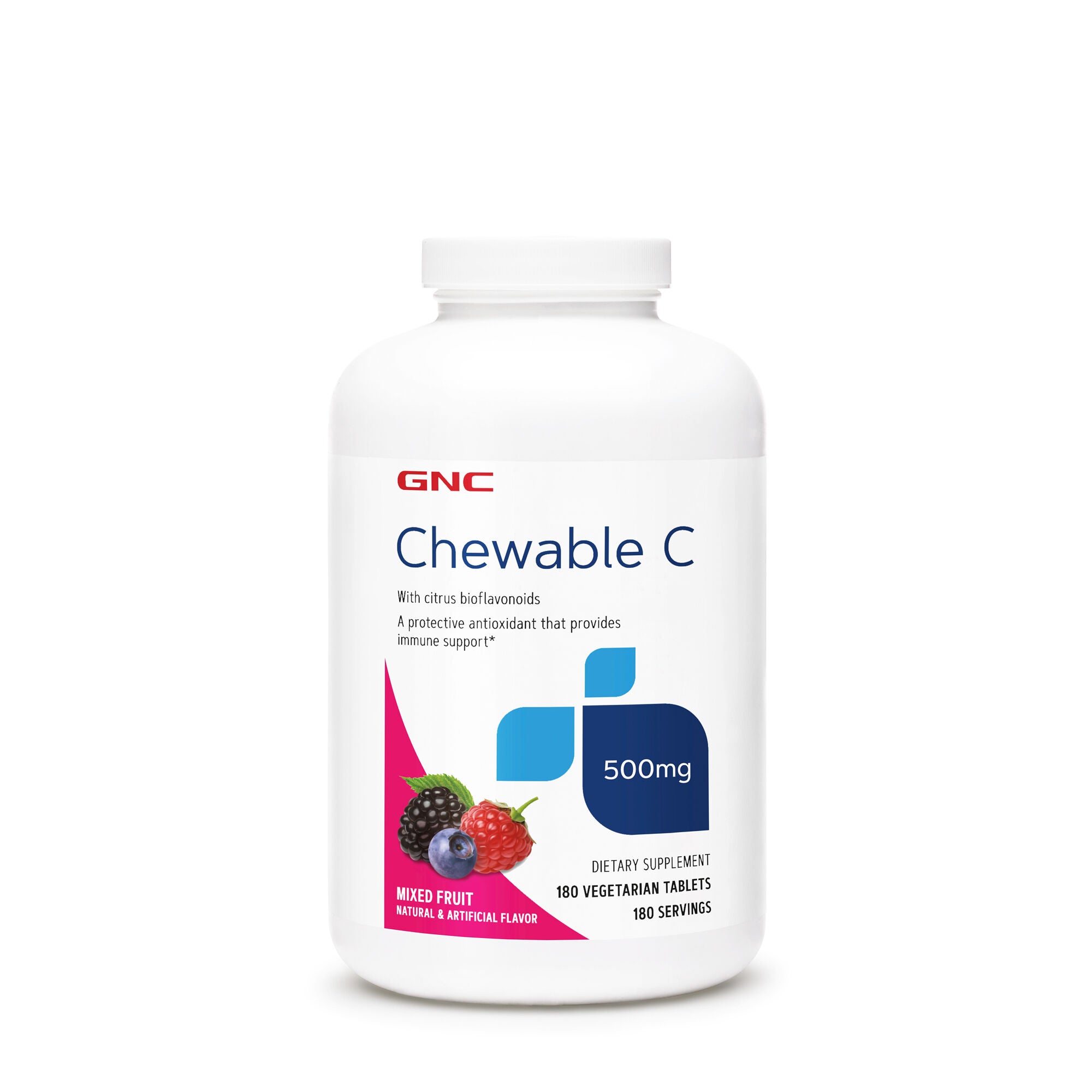
-
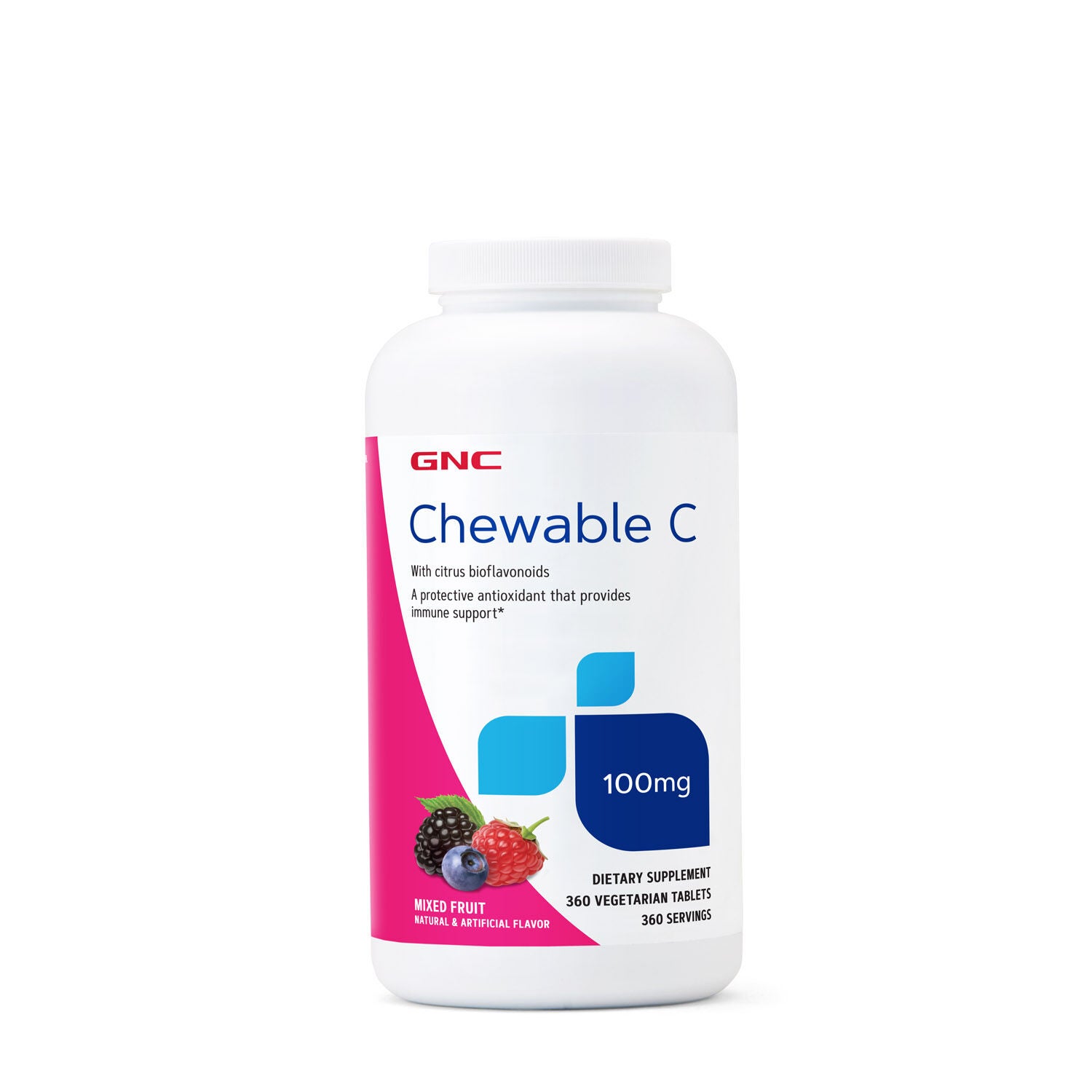
-
 Purity Products$19.99
-
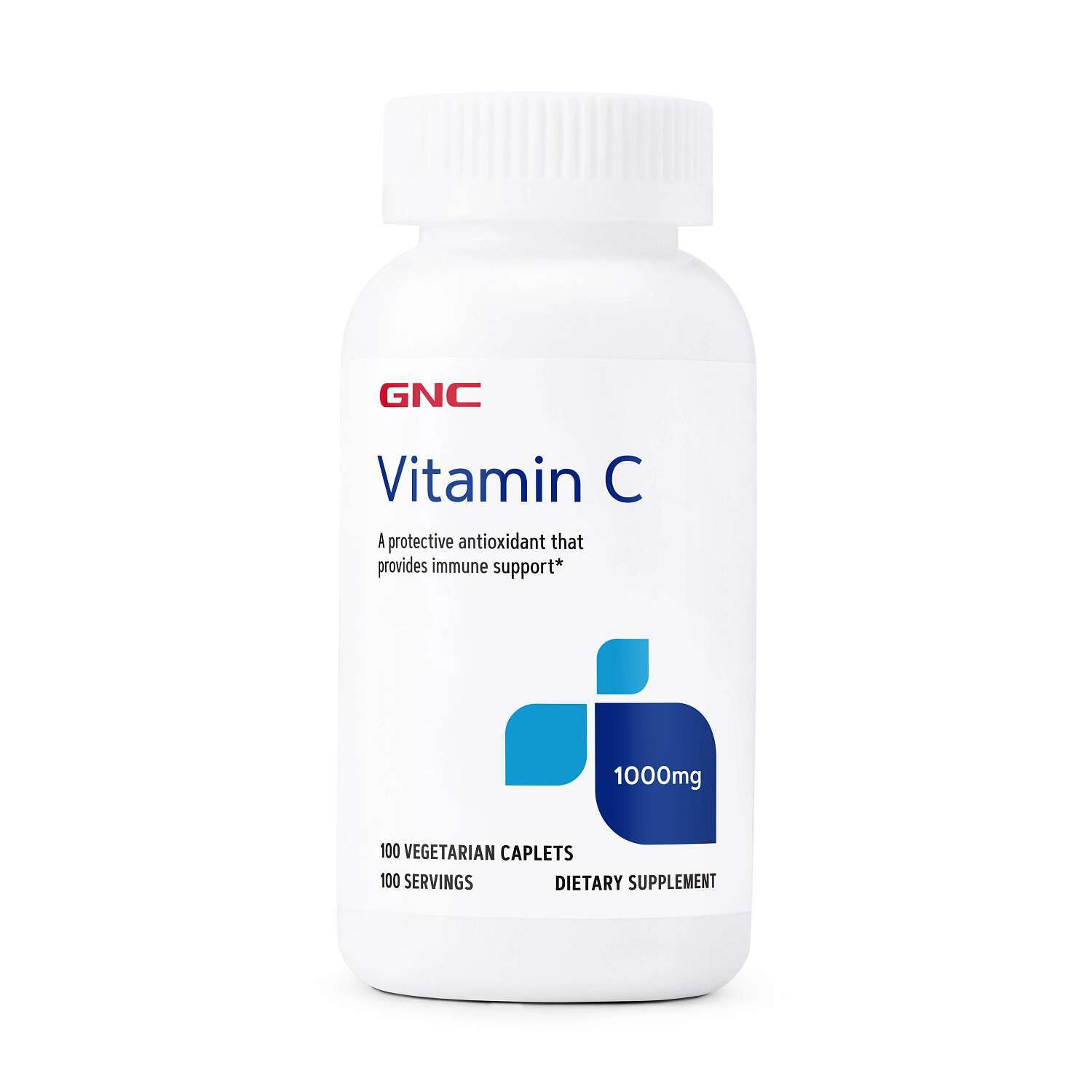
-

-
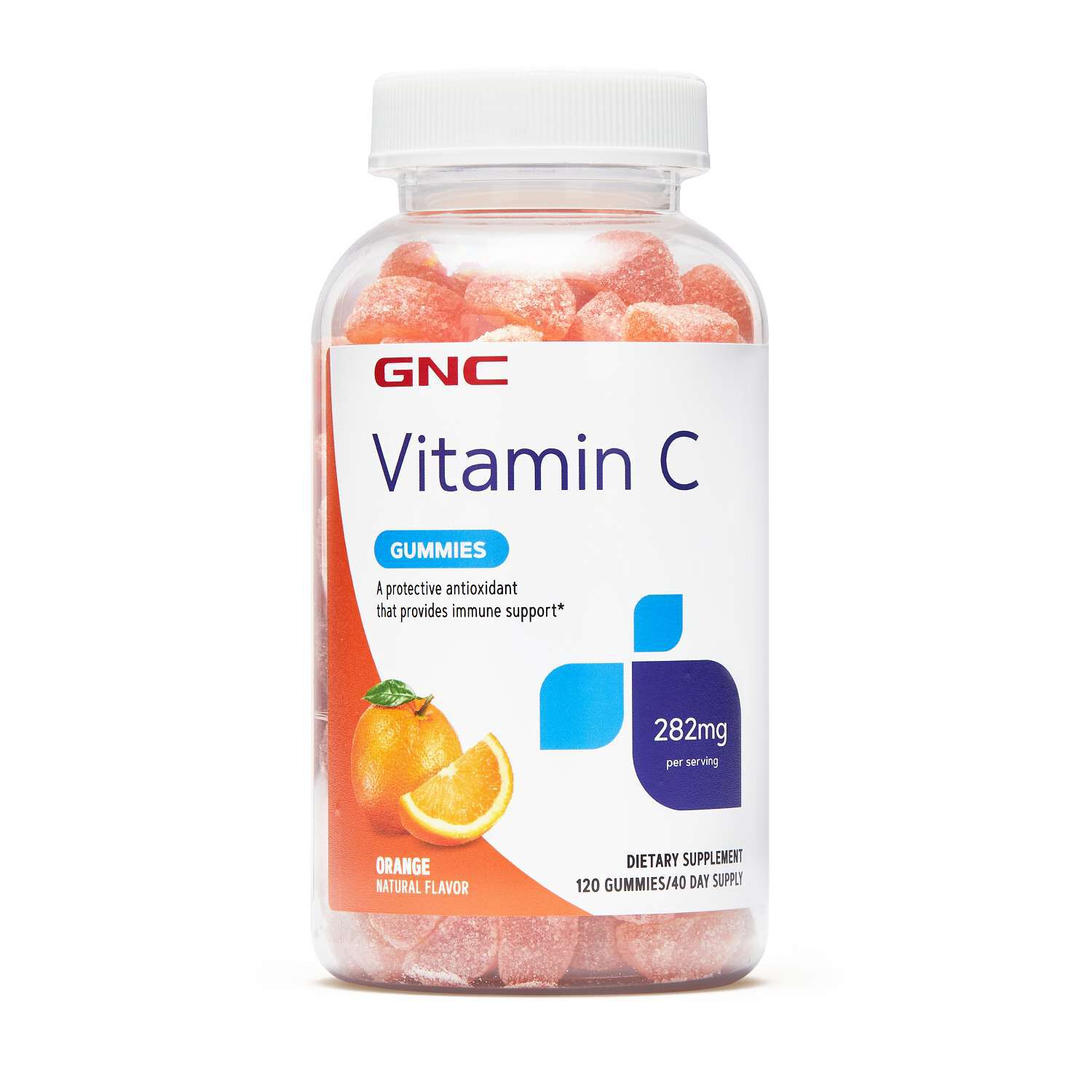
-
 $29.99



_Front.jpg?sw=305&sh=305&sm=fit "Pure Way-C Vitamin C and Bioflavonoids 1000+ mg - 90 Tablets (90 Servings) | GNC")


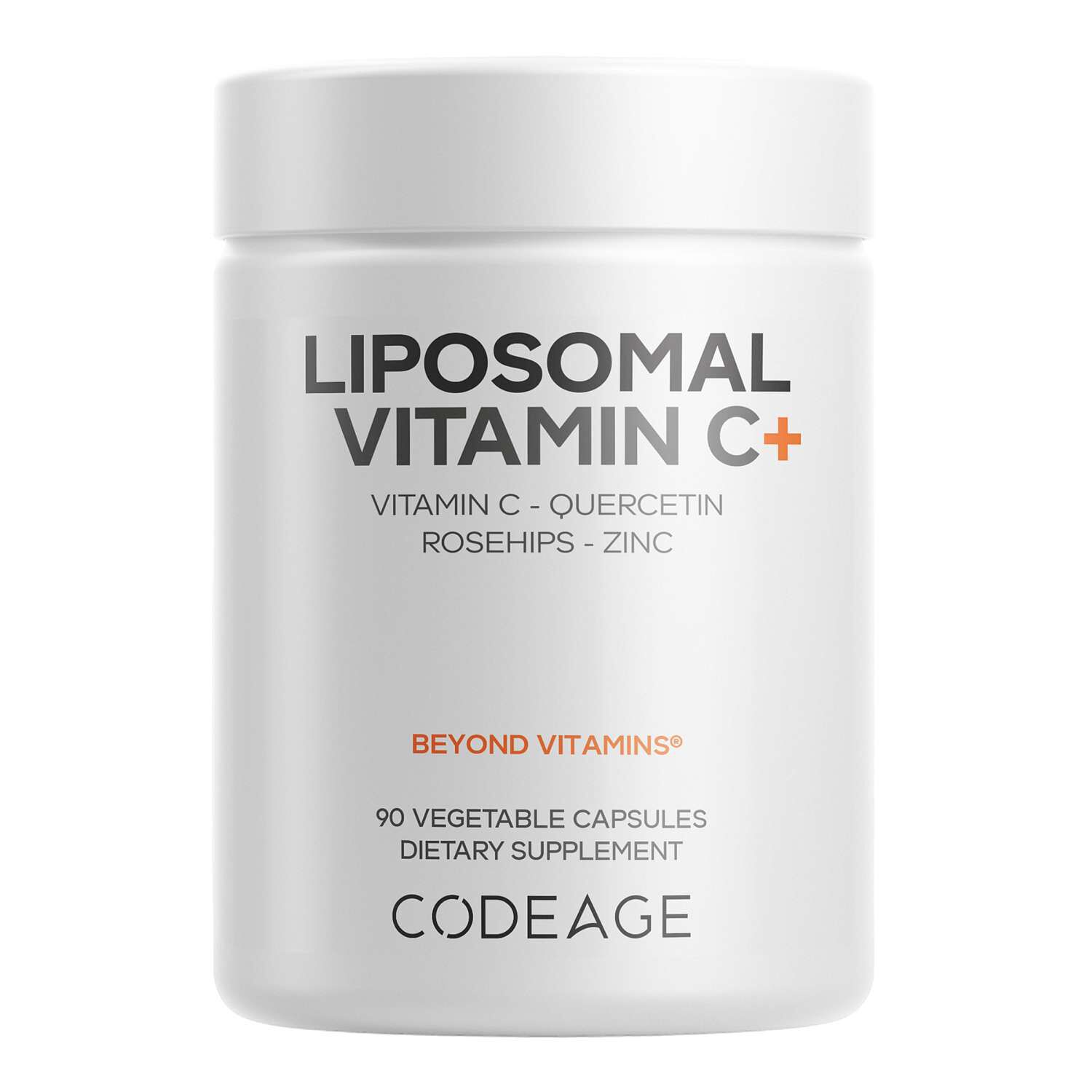
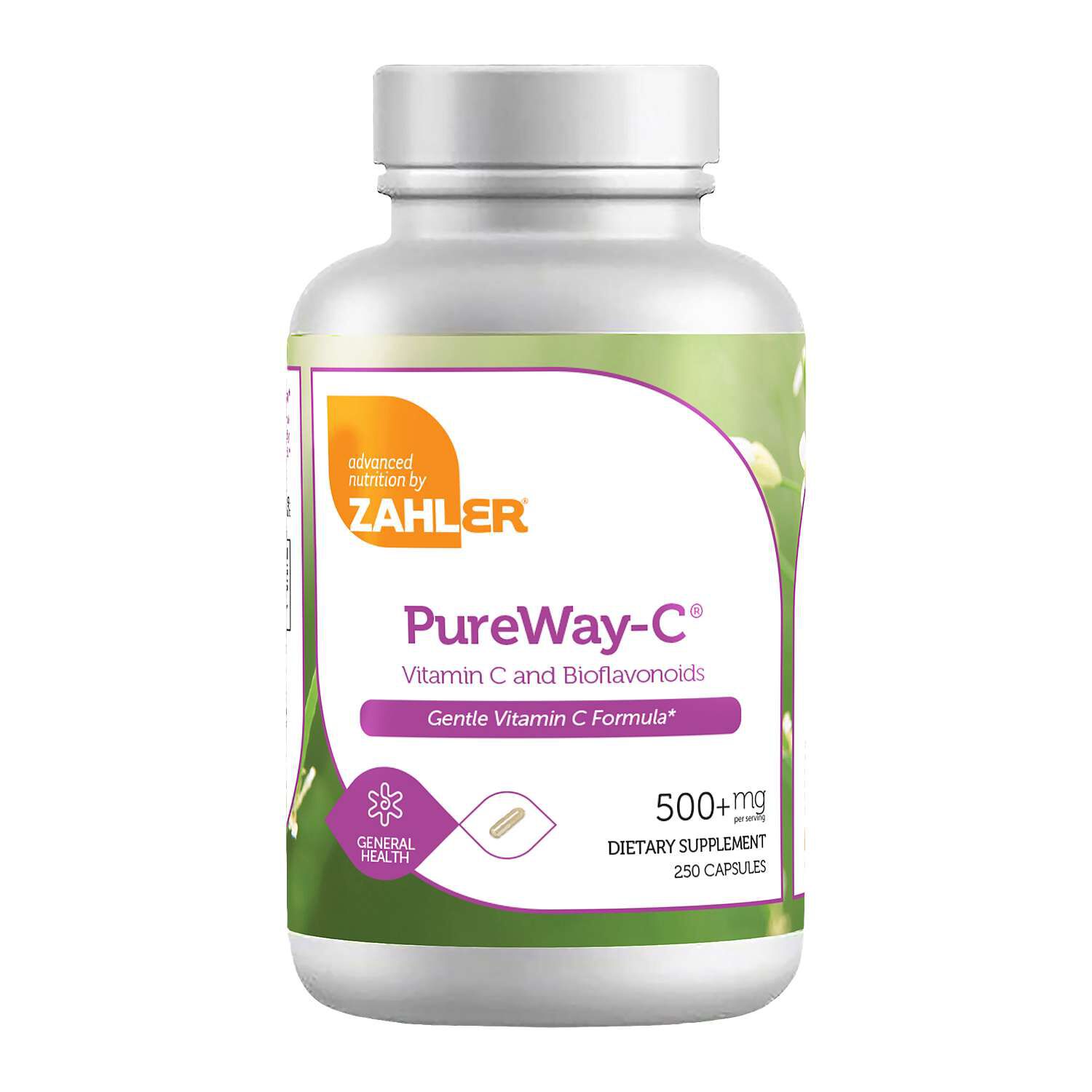
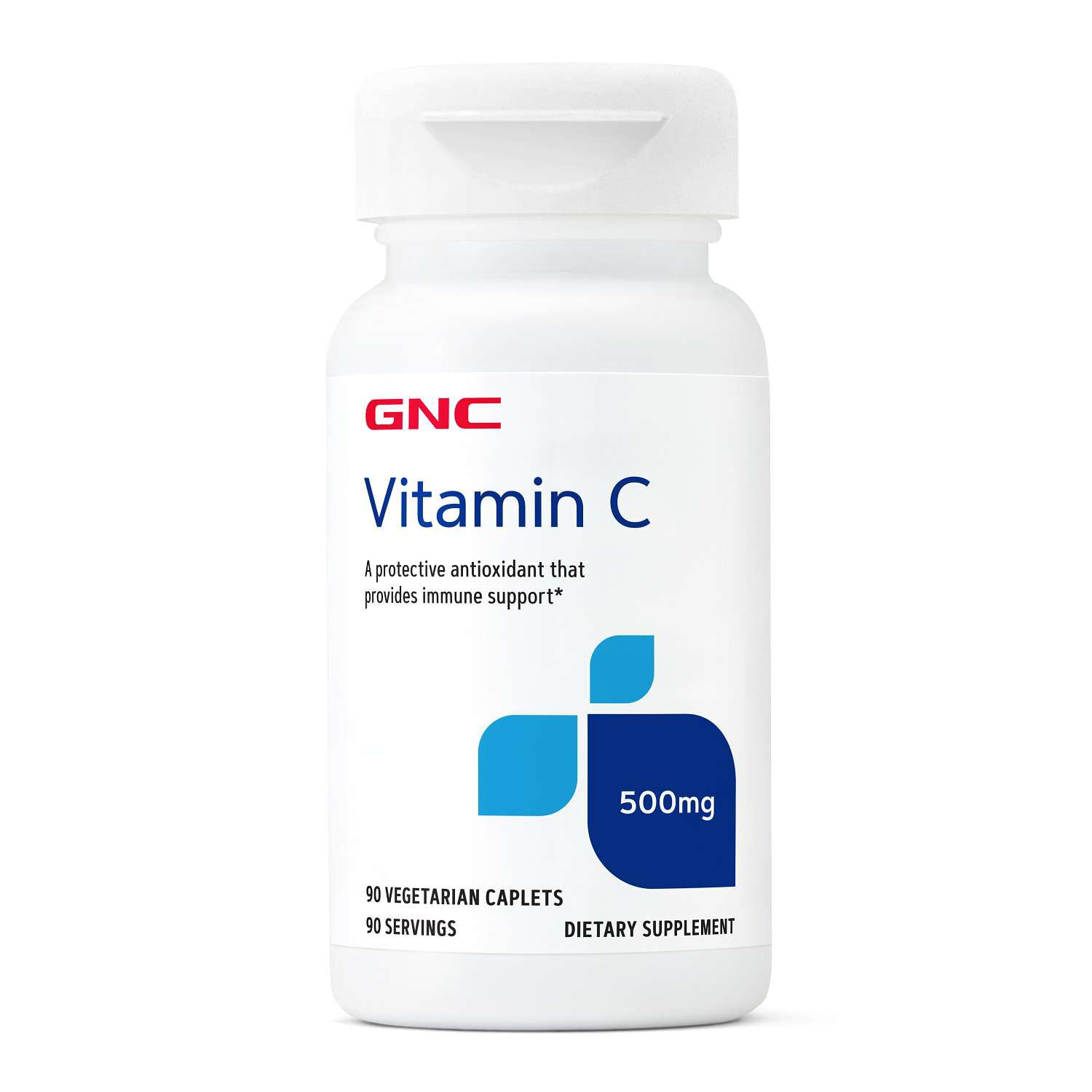
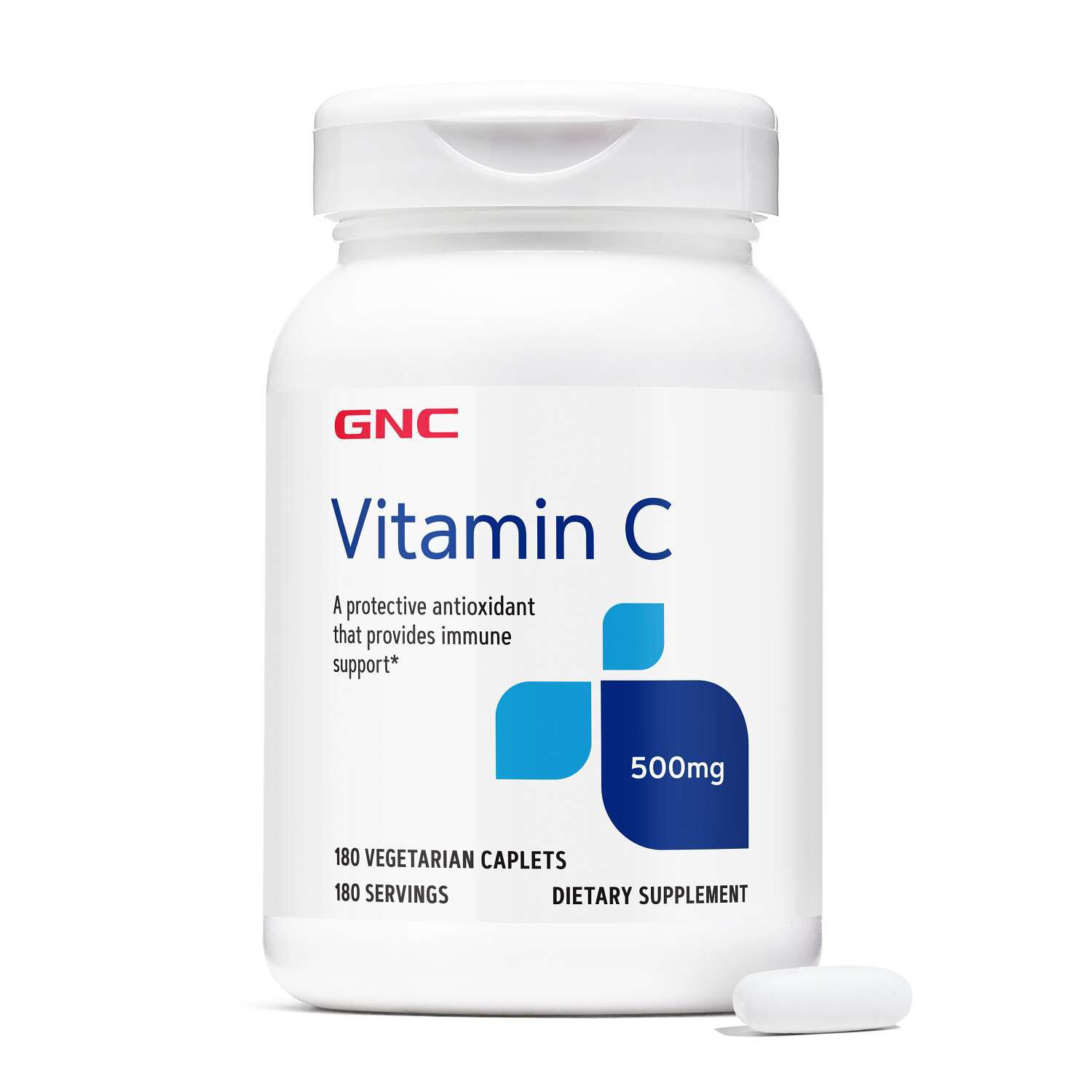
Gentle vitamin C supplements for adults bring together a familiar nutrient and formulations designed with everyday preferences in mind. Within this category, “gentle” often refers to the form of vitamin C, its acidity, or the way a serving is delivered, rather than a single standardized feature shared by every formula. Buffered vitamin C commonly contains mineral ascorbates, such as calcium ascorbate, sodium ascorbate, or magnesium ascorbate. These forms pair ascorbate with a mineral and are generally less acidic than ascorbic acid alone. For adults who prefer a less acidic option, that distinction may make buffered formulas appealing. Still, a gentle description does not mean every person will have the same experience, and the front label tells only part of the story. The Supplement Facts panel and ingredient list provide a clearer picture of the vitamin C source, amount per serving, accompanying minerals, and other ingredients. A formula featuring calcium ascorbate is different from one that simply includes ascorbic acid alongside calcium elsewhere in the blend, so the named source matters. Likewise, “buffered” and “low acid” describe formulation characteristics; they do not necessarily describe flavor, texture, tablet size, or serving count. Vitamin C occurs naturally in foods such as oranges, strawberries, bell peppers, and broccoli, while supplements offer a measured amount in a packaged format. Adults exploring this category may be looking for a straightforward addition to an established nutrition routine, a different format from a familiar tablet, or a formula with fewer accompanying ingredients. The most useful comparisons stay close to those practical differences instead of assuming that the largest number on the label represents the best fit. A single-nutrient formula keeps the focus on vitamin C, while a blend can include other vitamins, minerals, or plant ingredients. Neither approach is automatically gentler: the actual sources, serving size, and supporting ingredients give each formula its character.
Format is another meaningful distinction among gentle vitamin C supplements, especially when a supplement needs to fit into an ordinary day. Capsules offer a measured portion without a flavored drink or a chewable texture, although capsule dimensions and the number required per serving vary. Their shells can contain gelatin or plant-derived materials, making the ingredient list relevant to adults with particular dietary preferences. Tablets also provide a measured portion and can differ in shape, coating, and size. A bottle described as containing a certain number of tablets may provide fewer servings if the labeled portion includes more than one tablet. Chewables introduce another set of considerations, including sweetness, tartness, texture, and the ingredients used to create those qualities. A fruity flavor is not a reliable indication of acidity, and a pleasant taste does not establish that a formula is buffered. Powders offer a different preparation experience: a scoop or packet becomes part of a drink rather than another capsule beside the breakfast plate. Serving measurements, mixing directions, and the intended amount of liquid matter to that experience, as do flavor and how readily the powder disperses. Liquid formats may appeal to adults who prefer a measured liquid portion over tablets or capsules; Liquid Vitamin C For Adults offers a related format to explore alongside buffered and other gentle formulations. Liquid serving sizes and concentrations differ, so the amount in a dropper, teaspoon, or other measure is specific to the label rather than interchangeable across formulas. Liposomal vitamin C adds a separate formulation distinction, using lipid-based carriers rather than simply identifying a tablet, capsule, or liquid. The word “liposomal” alone does not establish that a formula is less acidic or a better personal fit. Across these formats, the everyday details can be decisive: whether preparation requires a glass and spoon, whether a flavor suits the drink being used, and whether the labeled portion involves one step or several.
A thoughtful comparison of gentle vitamin C supplements for adults also accounts for the ingredients that surround the vitamin itself. Capsule shells, tablet coatings, flavorings, sweeteners, and ingredients used for texture or mixing all contribute to the finished format. For someone who prefers an unflavored routine, a capsule may be more appealing than a citrus chewable; for someone who already prepares a drink at breakfast, a powder may fit more naturally. Dietary preferences deserve the same attention as format. Vegan labeling, ingredient sourcing statements, and allergen information address different questions, and one statement does not stand in for the others. Mineral ascorbates also bring their accompanying minerals into the comparison, with declared amounts shown on the label where applicable. Adults who already use a multivitamin or another nutrient blend have an additional reason to compare panels: vitamin C can appear in more than one part of a routine. A serving amount describes what the formula supplies, not a personalized recommendation. Packaging and care are equally practical parts of the purchase. A container with a clearly printed serving measure, legible directions, and an easy-to-secure closure may be convenient for repeated use. Individually portioned powders have a different handling pattern from a tub with a scoop, just as a liquid bottle has different measuring and storage requirements from a bottle of tablets. Label-specific storage instructions, expiration dates, and any directions for use after opening are useful details when comparing formats. Moisture exposure can affect tablets and powders, while liquids may have particular handling requirements once opened. The package directions remain the reference for those differences, including whether a liquid needs shaking or a powder calls for a particular mixing method. Ultimately, this category is about more than the word “gentle” on a label. Vitamin C source, acidity, portion size, ingredient preferences, preparation, and packaging together create a more informative basis for comparison. Those concrete details may help adults find a format that feels manageable and suited to their everyday routine without relying on sweeping claims.